

Vinnytsia Region, Ukraine Travel Guide
Explore Vinnytsia Region: A blend of historic landmarks, breathtaking landscapes, and vibrant cultural experiences in the heart of Ukraine.
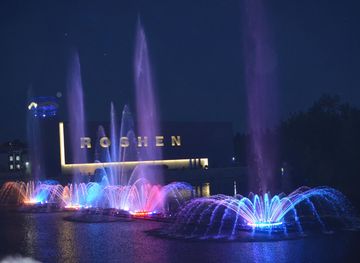
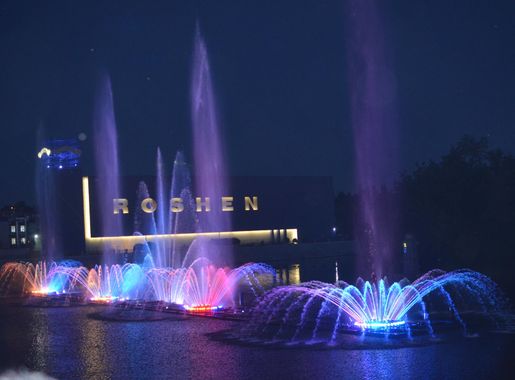
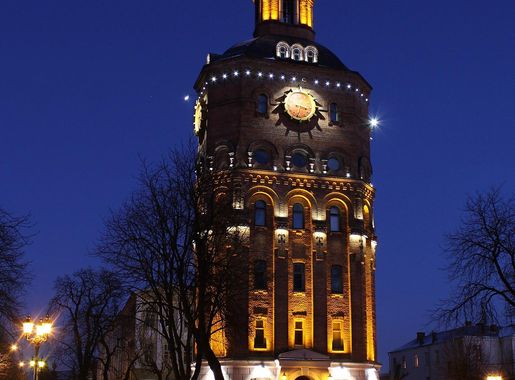
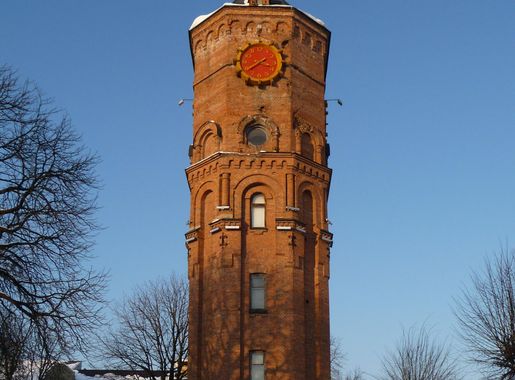
Vinnytsia Region in Ukraine is a land of rich history, scenic landscapes, and warm hospitality. Located in the heart of Ukraine, it offers a unique blend of cultural heritage and natural beauty, perfect for every traveler seeking an authentic experience. Vinnytsia is home to the stunning Pirogov Estate Museum, dedicated to the world-renowned surgeon Nikolai Pirogov. Visitors can explore his former home, now a museum, and an adjoining botanical garden. The estate is a testament to Pirogov's contributions to medicine and offers a peaceful retreat into history and nature. The region is also known for the Roshen Fountain, the largest floating fountain in Europe. It offers a mesmerizing light and music show on the Southern Bug River, captivating tourists with its vibrant display. The fountain operates from spring to fall and is a must-see attraction in Vinnytsia. For those interested in architecture and history, the Vinnytsia Water Tower and the Holy Transfiguration Cathedral are noteworthy sites. The Water Tower, an iconic symbol of the city, provides panoramic views of the surrounding area, while the Cathedral, with its stunning baroque architecture, stands as a beacon of spiritual heritage. Beyond the city, the Vinnytsia Region boasts picturesque landscapes, including the lush Podillia Upland and the serene shores of the Southern Bug River. Outdoor enthusiasts can enjoy hiking, fishing, and picnicking in these scenic spots, experiencing the tranquil beauty of the Ukrainian countryside.

Know before you go
Hi, I'm Eve. Here are a few practical things to know before exploring Vinnytsia Region.
- Visit the Roshen Fountain show at night for the best light and music experience.
- The best time to explore Vinnytsia is in late spring or early autumn when the weather is most pleasant.
- Try local dishes like 'deruny' (potato pancakes) and 'borscht' at traditional Ukrainian restaurants.
- Use local public transport or rent a bike to explore the city comfortably and economically.
- Check the opening hours of museums and landmarks, as they may vary seasonally.
Explore Vinnytsia Region: Things to Do, Places to Eat, Hotels & More
Handpicked recommendations for top attractions, local dining, accommodations, and more

Best attractions in Vinnytsia Region
Top-rated picks
Best Attractions

Leontovych сentral park of Vinnytsia
Experience the tranquility and beauty of Leontovych Central Park, a green haven in the heart of Vinnytsia, brimming with history and vibrant attractions.

European Square
Explore the enchanting European Square in Vinnytsia, a vibrant memorial park blending history, culture, and community spirit.

Park of Friendship of Peoples
Explore the Park of Friendship of Peoples in Vinnytsia, where nature, recreation, and community unite for an unforgettable experience.

Lisopark
Explore Lisopark, a beautiful urban park in Vinnytsia, perfect for relaxation, picnics, and enjoying nature amidst vibrant city life.

Best landmarks in Vinnytsia Region
Top-rated picks
Best Landmarks
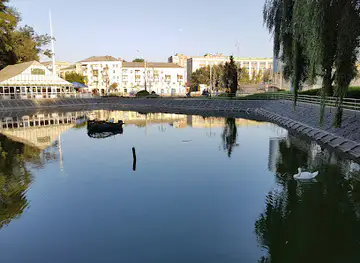
Leontovych сentral park of Vinnytsia
Explore the serene beauty and historical attractions of Leontovych Central Park in Vinnytsia, a perfect blend of nature and culture.

European Square
Explore the serenity and history of European Square, a captivating memorial park in Vinnytsia offering lush gardens and local cuisine.

Park of Friendship of Peoples
Explore the Park of Friendship of Peoples in Vinnytsia, where nature and culture beautifully intertwine, creating a perfect retreat for all travelers.

The National Pirogov's Estate Museum
Explore the National Pirogov's Estate Museum in Vinnytsia: A captivating journey through the life of Ukraine's pioneering surgeon and scientist.

Best restaurants in Vinnytsia Region
Top-rated picks
Best Restaurants

McDonald's
Enjoy delicious fast food at McDonald's Vinnytsia - a must-visit destination for travelers seeking quick bites in Ukraine.

Shakherezada
Discover Shakherezada in Vinnytsia: A charming restaurant offering delicious breakfasts and irresistible desserts in an inviting atmosphere.

Beer & Blues
Discover the perfect blend of craft beer, live music, and delicious cuisine at Beer & Blues in Vinnytsia.

Kolyba Nad Buhom
Experience authentic Ukrainian cuisine at Kolyba Nad Buhom by the picturesque Buh River in Vinnytsia.

Best bars in Vinnytsia Region
Top-rated picks
Best Bars
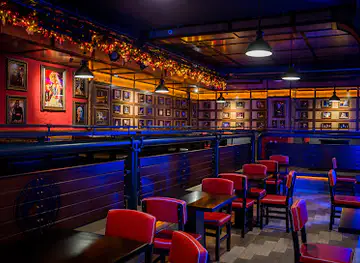
Beer & Blues
Discover the perfect fusion of craft brews, delicious food, and live entertainment at Beer & Blues in Vinnytsia.

The Hungry Duck
Experience the vibrant atmosphere and local flavors at The Hungry Duck, Vinnytsia's beloved pub for tourists and locals alike.
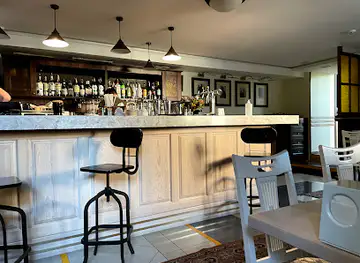
Horse in gas mask
Discover the innovative flavors of Horse in Gas Mask Gastropub in Vinnytsia, where culinary creativity meets a vibrant dining atmosphere.
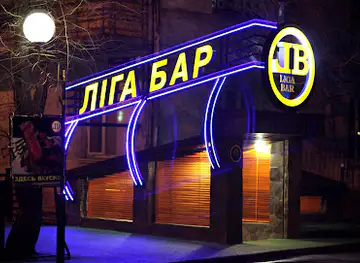
Liga Bar
Experience the vibrant nightlife of Vinnytsia at Liga Bar, where delicious food and great drinks meet an energetic atmosphere.

Best nightclubs in Vinnytsia Region
Top-rated picks
Best Nightclubs

Planeta Moda-Bar
Discover the vibrant nightlife of Vinnytsia at Planeta Moda-Bar, a premier night club offering music, dance, and unforgettable experiences.

8Bit_bar
Experience the ultimate fusion of nightlife and retro gaming at 8Bit Bar in Vinnytsia – a vibrant club that every tourist should explore.

Kursalʹ
Experience the electrifying nightlife at Kursalʹ, Vinnytsia's top night club, where music, dancing, and vibrant energy come together.

Skyroom
Experience the vibrant nightlife of Vinnytsia at Skyroom, a premier night club featuring electrifying music and a dynamic atmosphere for an unforgettable night out.

Best shops in Vinnytsia Region
Top-rated picks
Best Shops

ShoShowroom
Explore ShoShowroom in Vinnytsia for authentic souvenirs and unique crafts that capture the essence of Ukrainian culture.

Urban Planet Streetwear
Explore the latest streetwear trends at Urban Planet Streetwear, Vinnytsia's go-to destination for stylish clothing and accessories.

Ukrainian souvenir
Explore the charm of Ukrainian culture with unique souvenirs, clothing, and local crafts at the Ukrainian Souvenir Store in Vinnytsia.

Ventage
Discover the enchanting world of fragrances and unique furniture at Ventage in Vinnytsia, where every item tells a story.

Explore Vinnytsia Region on the Map
A handpicked selection of must-see spots in Vinnytsia Region, mapped for you.
Vinnytsia Region Essentials
-
Vinnytsia Region is located in central Ukraine. The nearest international airport is Kyiv Boryspil International Airport (KBP), approximately 270 kilometers away. From Kyiv, you can take a train, bus, or car to Vinnytsia. The train journey from Kyiv to Vinnytsia typically takes around 2-3 hours, while buses might take a bit longer due to road conditions. Alternatively, you can rent a car and drive, which offers the flexibility to explore the scenic countryside along the way.
-
Vinnytsia Region has a well-developed public transportation system, including buses, trams, and trolleybuses. Vinnytsia itself is known for its clean and efficient tram system, which connects various parts of the city. Taxis are also readily available and relatively inexpensive. For intercity travel, trains and buses are the most common options. Renting a car is a good choice if you plan to explore rural areas and smaller towns at your own pace.
-
The official currency in Ukraine is the Ukrainian Hryvnia (UAH). Credit cards are widely accepted in hotels, restaurants, and shops in Vinnytsia, but it's advisable to carry some cash, especially when traveling to smaller towns and rural areas. ATMs are available throughout Vinnytsia, and currency exchange offices can be found in the city and larger towns.
-
Vinnytsia Region is generally a safe destination for tourists. However, as with any travel destination, it is important to take standard precautions. Avoid walking alone at night in unfamiliar areas and keep an eye on your belongings in crowded places. While there are no specific high-crime areas targeting tourists, staying vigilant and aware of your surroundings is always a good practice.
-
In case of emergency, dial 112 for immediate assistance. Vinnytsia has several hospitals and medical facilities that can provide emergency care. It is recommended to have travel insurance that covers medical emergencies. For minor health issues, pharmacies are available throughout the city where you can purchase over-the-counter medications.
-
Fashion: Do dress modestly, especially when visiting religious sites. Avoid wearing overly revealing clothing. Religion: Do respect local customs and traditions. Always cover your head when entering churches and monasteries. Public Transport: Do be respectful and give up your seat to elderly passengers. Don’t eat or drink on public transport. Greetings: Do greet people with a handshake and a friendly smile. Eating & Drinking: Do try local delicacies and accept food offerings graciously. Don’t refuse hospitality, as it is considered impolite.
-
To experience Vinnytsia Region like a local, visit the local markets where you can buy fresh produce and traditional Ukrainian goods. Engage with locals, as they are often friendly and willing to share stories about the region's history and culture. Don’t miss the Vinnytsia Water Tower and the Multimedia Fountain Roshen, which are popular attractions. For a unique experience, take a walk along the Southern Bug River and enjoy the scenic views.
When is the best time to visit Vinnytsia Region?
Useful Local Phrases for Vinnytsia Region
You don't need to speak the language perfectly. Even learning a few simple words can make conversations warmer—and locals usually appreciate the effort.
— Eve

Here are the phrases I use most often in Vinnytsia Region. Try a few—you'll be surprised how far they go! 😊
❤️
-
- HelloПривіт
[Pryvit] - GoodbyeДо побачення
[Do pobachennya] - YesТак
[Tak] - NoНі
[Ni] - Please/You're welcomeБудь ласка
[Budʹ laska] - Thank youДякую
[Dyakuyu] - Excuse me/SorryВибачте
[Vybachte] - How are you?Як справи?
[Yak spravy?] - Fine. And you?Добре. А ви?
[Dobre. A vy?] - Do you speak English?Ви говорите англійською?
[Vy hovoryte anhliysʹkoyu?] - I don't understandЯ не розумію
[Ya ne rozumiyu]
- HelloПривіт
-
- I'd like to see the menu, pleaseЯ б хотів подивитися меню, будь ласка
[Ya b khotiv podyvytysya meny, budʹ laska] - I don't eat meatЯ не їм м'ясо
[Ya ne yim m'yaso] - Cheers!Будьмо!
[Budʹmo!] - I would like to pay, pleaseЯ б хотів розрахуватися, будь ласка
[Ya b khotiv rozrakhuvatysya, budʹ laska]
- I'd like to see the menu, pleaseЯ б хотів подивитися меню, будь ласка
-
- Help!Допоможіть!
[Dopomozhitʹ!] - Go away!Ідіть геть!
[Iditʹ hethʹ!] - Call the Police!Викличте поліцію!
[Vyklіchte polіtsіyu!] - Call a doctor!Викличте лікаря!
[Vyklіchte lіkarya!] - I'm lostЯ загубився
[Ya zahubyvsya] - I'm illЯ хворий
[Ya khvoryy]
- Help!Допоможіть!
-
- I'd like to buy...Я б хотів купити...
[Ya b khotiv kupity...] - I'm just lookingЯ просто дивлюсь
[Ya prosto dyvlyusʹ] - How much is it?Скільки це коштує?
[Skilʹky tse koshtuye?] - That's too expensiveЦе занадто дорого
[Tse zanadto doroho] - Can you lower the price?Чи можна знизити ціну?
[Chy mozhna znyzyty tsinu?]
- I'd like to buy...Я б хотів купити...
-
- What time is it?Котра година?
[Kotra hodyna?] - It's one o'clockОдна година
[Odna hodyna] - Half past (10)Пів на (10)
[Piv na (10)] - MorningРанок
[Ranok] - AfternoonДень
[Denʹ] - EveningВечір
[Vechir] - YesterdayВчора
[Vchora] - TodayСьогодні
[Sʹohodni] - TomorrowЗавтра
[Zavtra] - 1один
[odyn] - 2два
[dva] - 3три
[try] - 4чотири
[chotyry] - 5п'ять
[pʹyatʹ] - 6шість
[shistʹ] - 7сім
[sim] - 8вісім
[visim] - 9дев'ять
[devʹyatʹ] - 10десять
[desyatʹ]
- What time is it?Котра година?
-
- Where's a/the...?Де є...?
[De ye...?] - What's the address?Яка адреса?
[Yaka adresa?] - Can you show me (on the map)?Чи можете показати мені (на карті)?
[Chy mozhete pokazaty meni (na karti)?] - When's the next (bus)?Коли наступний (автобус)?
[Koly nastupnyy (avtobus)?] - A ticket (to ....)Квиток (до ....)
[Kvytok (do ....)]
- Where's a/the...?Де є...?
History of Vinnytsia Region
-
Vinnytsia Region's history dates back to ancient times, with archaeological evidence of settlements from the Trypillian culture. These early inhabitants, known for their advanced pottery and agricultural practices, set the foundation for the area's rich cultural tapestry.
-
During the medieval period, Vinnytsia came under the influence of the Grand Duchy of Lithuania. The region's strategic location made it a vital center for trade and military operations. The construction of fortresses and castles during this era fortified the area against invasions and contributed to its development.
-
In the late 16th century, Vinnytsia became part of the Polish-Lithuanian Commonwealth. This period saw the establishment of numerous Catholic churches and educational institutions, significantly influencing the region's cultural and architectural landscape. The Jesuit College in Vinnytsia, founded in 1610, became a prominent center of learning.
-
The mid-17th century was marked by the Khmelnytsky Uprising, led by Bohdan Khmelnytsky against Polish rule. Vinnytsia was a focal point during this upheaval, with several battles taking place in and around the region. The uprising ultimately led to the region's incorporation into the Cossack Hetmanate.
-
Following the partitions of Poland in the late 18th century, Vinnytsia became part of the Russian Empire. This era brought significant modernization, including the construction of railways and the establishment of industrial enterprises. The region's economic and cultural life flourished, with Vinnytsia emerging as a major urban center.
-
Vinnytsia Region experienced profound devastation during World War II. The Nazi occupation led to the tragic Vinnytsia massacre, where thousands of Jews and political prisoners were executed. The region's Jewish community, which had been vibrant and influential, was nearly annihilated during the Holocaust.
-
After World War II, Vinnytsia became part of the Soviet Union. The post-war period saw significant reconstruction and industrial development. The region played a crucial role in the Soviet agricultural and industrial sectors, with numerous factories and collective farms established during this time.
-
With Ukraine's independence in 1991, Vinnytsia embarked on a new chapter of development. The region has since focused on revitalizing its economy, preserving its historical heritage, and fostering cultural initiatives. Today, Vinnytsia is known for its vibrant cultural scene, historic landmarks, and as a symbol of Ukraine's resilience and progress.
Cities in Vinnytsia Region
Browse our curated selection of top destinations, scenic points, and must-visit spots in the area.



Neighbouring destination travel guides
Browse our curated selection of top destinations, scenic points, and must-visit spots in the area.




Your all‑in‑one travel companion app
Explore expert travel guides, compare and book tours, experiences, hotels, and more—all from the palm of your hand. Download now for seamless trip planning wherever your wanderlust takes you.


Explore More of Podolia
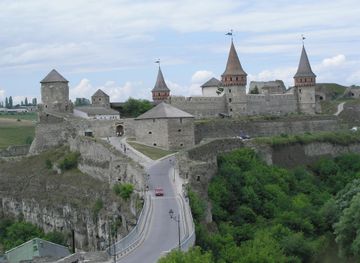
Looking beyond Vinnytsia Region? Discover Podolia for broader travel guides, local hot-spots, and regional highlights.
Explore PodoliaExplore More of Ukraine

Looking beyond Vinnytsia Region? Discover Ukraine for broader travel guides, local hot-spots, and regional highlights.
Explore UkraineVinnytsia Region in Photos
Browse through our photo collection highlighting the charm and character of the destination.




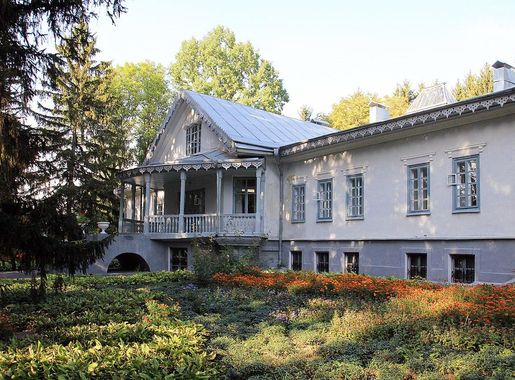

Vinnytsia: The Heartland of Ukraine’s Cultural Heritage
Vinnytsia Region in Ukraine is a land of rich history, scenic landscapes, and warm hospitality. Located in the heart of Ukraine, it offers a unique blend of cultural heritage and natural beauty, perfect for every traveler seeking an authentic experience. Vinnytsia is home to the stunning Pirogov Estate Museum, dedicated to the world-renowned surgeon Nikolai Pirogov. Visitors can explore his former home, now a museum, and an adjoining botanical garden. The estate is a testament to Pirogov's contributions to medicine and offers a peaceful retreat into history and nature. The region is also known for the Roshen Fountain, the largest floating fountain in Europe. It offers a mesmerizing light and music show on the Southern Bug River, captivating tourists with its vibrant display. The fountain operates from spring to fall and is a must-see attraction in Vinnytsia. For those interested in architecture and history, the Vinnytsia Water Tower and the Holy Transfiguration Cathedral are noteworthy sites. The Water Tower, an iconic symbol of the city, provides panoramic views of the surrounding area, while the Cathedral, with its stunning baroque architecture, stands as a beacon of spiritual heritage. Beyond the city, the Vinnytsia Region boasts picturesque landscapes, including the lush Podillia Upland and the serene shores of the Southern Bug River. Outdoor enthusiasts can enjoy hiking, fishing, and picnicking in these scenic spots, experiencing the tranquil beauty of the Ukrainian countryside.