
Dunnideer Castle
Scotland's earliest tower house, layered with Iron Age forts and Pictish legend atop a windswept Aberdeenshire hill.
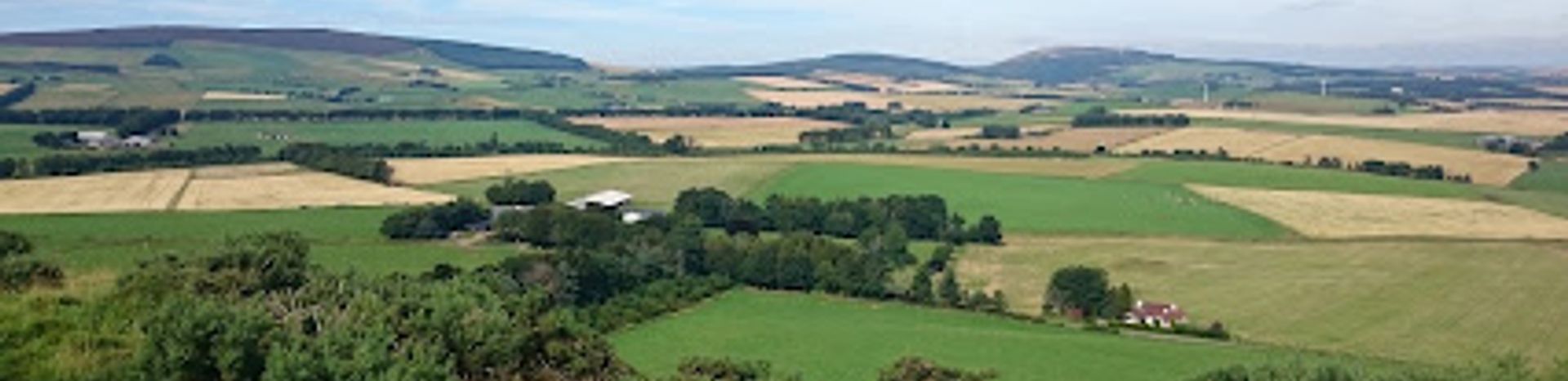
Perched atop Dunnideer Hill near Insch in Aberdeenshire, this ruined tower house stands as Scotland's earliest authenticated example of its kind. Built around 1260 by the Balliol family, the castle ingeniously reused stone from a prehistoric vitrified hillfort dating to 250 BC. Today, visitors encounter a modest but historically profound ruin offering panoramic views across rolling farmland and the Shevock River valley. The 500-meter climb rewards with both archaeological significance and sweeping Highland vistas.
A brief summary to Dunnydeer Castle
- Insch, AB52 6LN, GB
- Duration: 1 to 2.5 hours
- Free
-
 Outdoor
- Mobile reception: 3 out of 5
Local tips
- Wear sturdy walking boots with good grip; the final ascent is steep and can be muddy or slippery, especially after rain. The 500-meter climb from the car park takes 15–20 minutes.
- Visit the Insch Connection Museum to see the detailed scale model of the castle as it appeared in the 16th century, providing context before or after your visit to the ruins.
- Arrive in clear weather to maximize the panoramic views across Aberdeenshire and the Shevock River valley; visibility is essential for appreciating the strategic location.
- Allow time to explore the surrounding vitrified hillfort earthworks and ramparts; the Iron Age fort's structure remains visible and adds archaeological depth to your visit.
- Combine your visit with nearby standing stones and other Aberdeenshire castles to experience the region's exceptional concentration of prehistoric and medieval monuments.

For the on-the-go comforts that matter to you
- Information Boards
- Trash Bins
Getting There
-
Car from Insch Town Centre
From Insch town centre, drive west on the A96 for approximately 2 kilometers, then turn south toward Dunnideer Hill. Follow signs to the car park at the base of the hill (postcode AB52 6LN). Parking is free and accommodates several vehicles. The drive takes about 5 minutes. From the car park, a marked walking trail ascends 500 meters to the castle ruins, taking 15–20 minutes depending on fitness and weather conditions. The path is steep but well-established.
-
Walking from Insch Town Centre
From Insch town centre, walk west along Western Road for approximately 2.5 kilometers toward Dunnideer Hill. The terrain is a mix of road walking and field paths. Once you reach the base of the hill, follow the marked walking trail ascending 500 meters to the castle. Total walking time from town centre is approximately 45–60 minutes. This route is suitable for experienced walkers comfortable with moderate terrain and elevation gain.
-
Bus from Aberdeen City Centre
From Aberdeen city centre, take a regional bus service toward Insch (approximately 45–60 minutes, depending on service). Services operate several times daily on weekdays and less frequently on weekends. Journey costs approximately £5–8 per person. Once in Insch, either walk to the car park (25 minutes) or arrange local taxi transport (approximately £8–12). Check local bus operator schedules in advance, as service frequency varies seasonally.
-
Taxi or Ride-Share from Insch
From Insch town centre, arrange a local taxi to the Dunnideer Hill car park. Journey time is approximately 5–10 minutes and costs typically range from £8–15 depending on the taxi operator. Ride-share services may have limited availability in rural Aberdeenshire; book in advance if possible. This option is convenient for those without personal transport or preferring to avoid the steep walk from town.
Dunnydeer Castle location weather suitability
-
 Clear Skies
-
 Mild Temperatures
-
 Cold Weather
Discover more about Dunnydeer Castle
Layers of Ancient Fortification
Dunnideer Hill has been a strategic stronghold for over two millennia. The earliest fortification was a rectangular hillfort with double ramparts constructed during the Iron Age, approximately 500–250 BC. This ancient fort featured a vitrified inner wall—stone fused together through intense heat, a technique whose precise methods remain mysterious. Archaeological excavation by Murray Cook revealed evidence of Iron Age settlement, demonstrating continuous human occupation and defense of this elevated position overlooking the fertile Aberdeenshire landscape. Local tradition attributes an earlier fort to Giric (Gregory the Great), King of the Picts, around AD 880, though this remains unverified. What is certain is that the medieval castle builders of the 13th century recognized the site's enduring value and constructed their tower house within the earthworks of the ancient fort, ingeniously recycling the prehistoric stones for their own fortification.The Tower House: Scotland's Pioneering Design
Dunnideer Castle is recognized as the earliest extant tower house on mainland Scotland, a distinction of considerable architectural and historical importance. The tower measured approximately 15 by 12.5 meters with walls nearly 2 meters thick, likely featuring a first-floor hall and multiple stories. The castle was built around 1260, though some evidence suggests construction may have begun in 1178 under David, Earl of Huntingdon and Garioch. The first documented mention appears in 1260, when Josceline de Balliol, Lord of Dunnideer, granted Lindores Abbey access to the land in exchange for an annual payment of white kid gloves at Whitsunday—a curious feudal obligation that survives in historical records.The Balliol Connection and Medieval Significance
The castle's association with the Balliol family links it to one of Scotland's most prominent medieval dynasties. Sir John de Balliol, Lord of Dunnideer, later became King of Scots (1292–1296), making this modest tower house a seat of royal lineage. The castle likely served as a stronghold during the Wars of Scottish Independence, though its precise role remains unclear. Tradition suggests it may have been destroyed during this turbulent period and subsequently reclaimed by Robert the Bruce, though definitive evidence is lacking.The Panoramic Setting and Visitor Experience
From atop Dunnideer Hill, the landscape unfolds in gentle, rolling pastures and farmland characteristic of northeast Scotland. The elevated position provided obvious defensive utility in medieval times, commanding views across the Shevock River valley and surrounding countryside. Today, these same vistas reward the 500-meter climb from the car park with sweeping panoramas of Aberdeenshire's agricultural heartland. The ruinous tower, now a crumbling stone shell managed as a scheduled monument by Historic Environment Scotland, remains open to the public year-round.Modern Recognition and Cultural Legacy
In 2024, the Insch Connection Museum unveiled a detailed 1:150 scale model depicting the castle as it may have appeared in the 16th century, created by renowned artist Clive Metcalfe, a founding member of Pink Floyd. This museum exhibition, titled "The Castle of Dunnydure," has attracted record visitor numbers and highlights the castle's significance within Scotland's architectural heritage. The model, based on historical research by Dr Colin Harris, provides visitors with a tangible sense of the castle's former grandeur and domestic arrangements, complementing the austere reality of the ruins themselves.Walking in History's Footsteps
Visitors to Dunnideer traverse ground walked by Iron Age inhabitants, Pictish kings, medieval lords, and possibly Robert the Bruce himself. The site embodies Scotland's deep historical stratification—from prehistoric vitrified ramparts to 13th-century tower house to 21st-century archaeological interpretation. The modest ruins, though weathered and incomplete, represent a pivotal moment in Scottish architectural evolution and a tangible connection to the nation's complex medieval past.Iconic landmarks you can’t miss

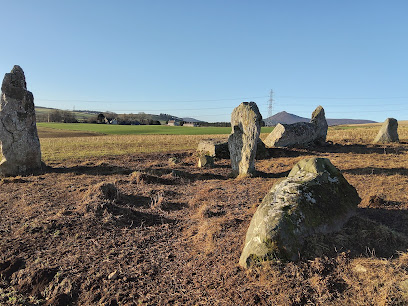
Balquhain Stone Circle
12.9 km
Explore Balquhain Stone Circle, a rare Neolithic monument near Inverurie, revealing ancient ritual mysteries amidst Aberdeenshire’s serene landscape.
Barra Hill
19.1 km
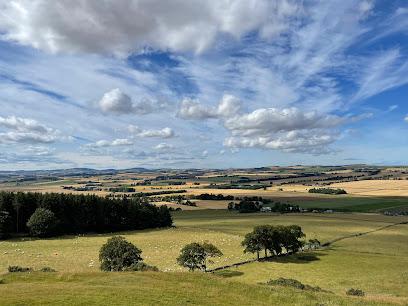
Explore Barra Hill near Inverurie, an ancient hillfort and historic battlefield offering panoramic views and a deep connection to Scotland’s past.
Kincardine O'Neil Auld Kirk
28.6 km
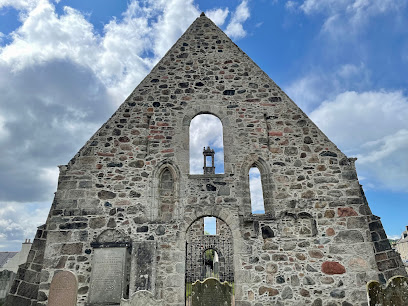
Explore the evocative medieval ruins of Kincardine O'Neil Auld Kirk, a historic Scottish landmark steeped in centuries of religious and local heritage.
Dyce Standing Stones
28.8 km
Mysterious Pictish stones bridging pagan and Christian worlds, carved over 1,400 years ago.
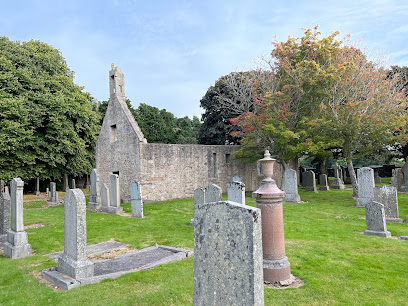
Eden Castle
31.8 km
Ruined Renaissance tower house overlooking river confluence, a scheduled ancient monument of Scottish gentry heritage.
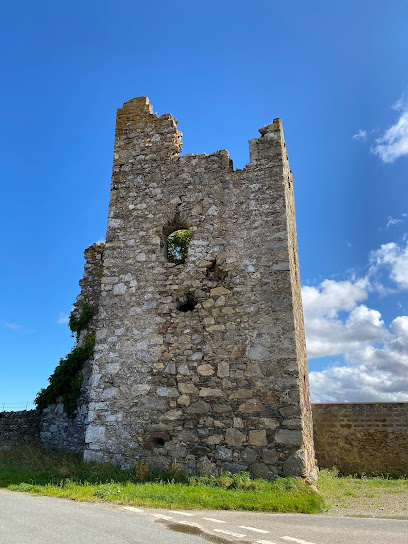
Stone 45
34.0 km
A historical landmark preserving Aberdeen's heritage in the heart of Bucksburn.
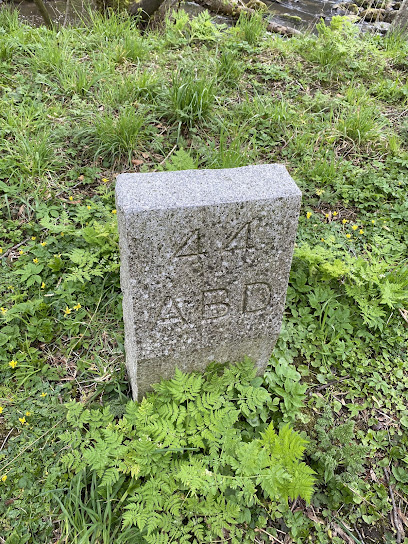
Workers' Memorial
35.1 km
A solemn granite obelisk in peaceful Persley Walled Garden, honoring Aberdeen’s industrial workers who lost their lives.
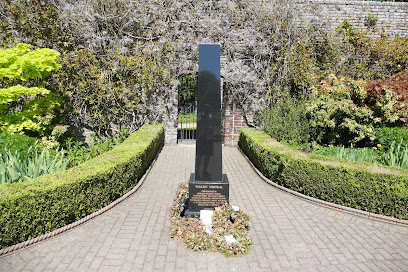
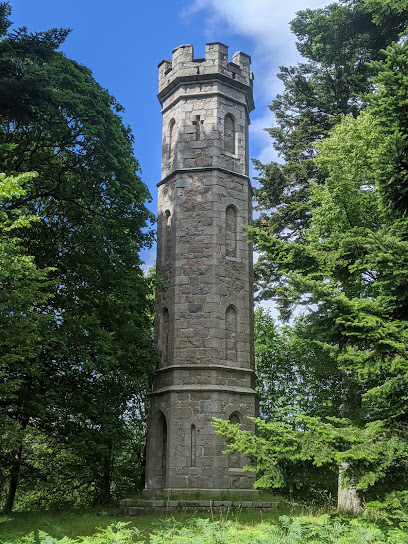
Keith's Tower
35.2 km
Discover Keith's Tower near Banchory, a striking 19th-century castellated landmark steeped in Scottish heritage and scenic charm.
Duff House Fishing Temple
35.6 km
An elegant 18th-century neoclassical fishing temple on the River Deveron, blending history, architecture, and tranquil riverside charm in Aberdeenshire.
Durn Hill - Iron Age Fort
35.8 km
Explore Durn Hill, an ancient Iron Age fort with commanding views and rich archaeological heritage near Banff, Scotland.
Piper Alpha Memorial Garden
36.1 km
A solemn bronze memorial honoring 167 lives lost in the world's deadliest offshore oil disaster.
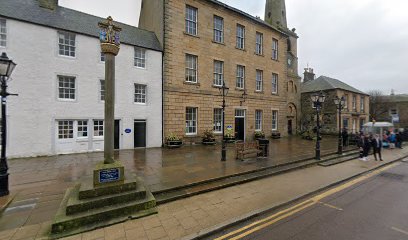
The Plainstones (Center of Banff, UK)
36.6 km
Discover Banff’s historic Plainstones, where centuries-old carvings and heraldic symbols tell the story of Scotland’s coastal heritage.
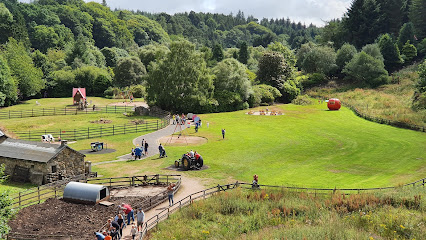
The Den & The Glen
37.9 km
Experience the magical charm of The Den & The Glen, an enchanting playground in Maryculter, perfect for family adventures and outdoor fun.
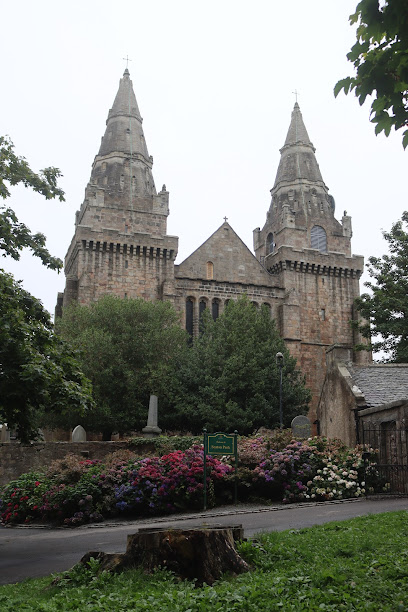
Seaton Park
37.9 km
Explore the natural beauty of Seaton Park in Old Aberdeen, a serene oasis perfect for relaxation, picnics, and enjoying local wildlife.
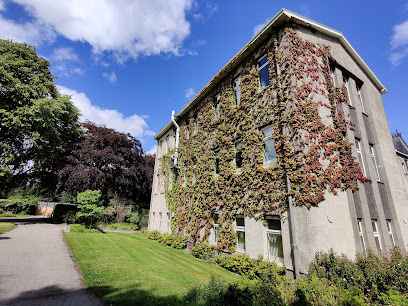
Cruickshank Botanic Garden
37.9 km
Explore the serene Cruickshank Botanic Garden in Aberdeen, a peaceful haven showcasing diverse plant life and beautiful landscapes.
Unmissable attractions to see

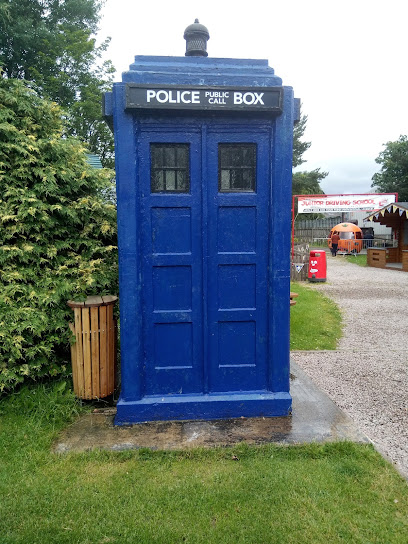
Grampian Transport Museum
12.6 km
Explore Scotland’s rich motoring past at Grampian Transport Museum, a family-friendly seasonal attraction in scenic Aberdeenshire.
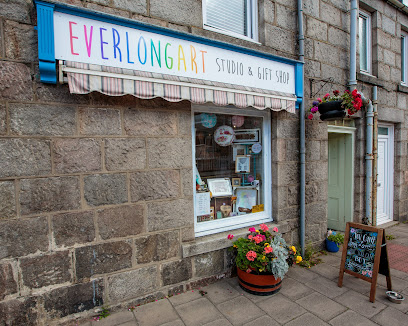
Everlongart Studio & Gift Shop
12.7 km
Discover original Scottish art and handcrafted gifts in a welcoming studio nestled in Alford’s charming Main Street.
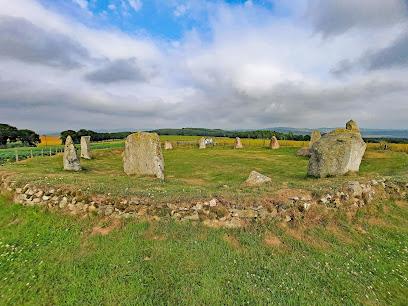
East Aquhorthies Stone Circle
14.1 km
Explore one of Scotland’s best-preserved recumbent stone circles with mystical views and ancient heritage near Inverurie.
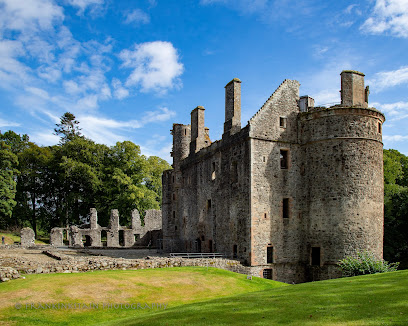
Huntly Castle
14.9 km
Explore the majestic ruins of Huntly Castle, a Renaissance masterpiece and historic seat of the powerful Gordons in scenic Aberdeenshire.
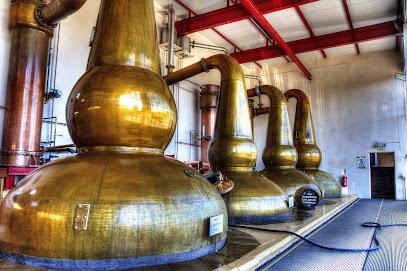
The Glendronach Distillery
15.9 km
Explore nearly 200 years of sherried single malt heritage in the scenic Valley of Forgue at The Glendronach Distillery.
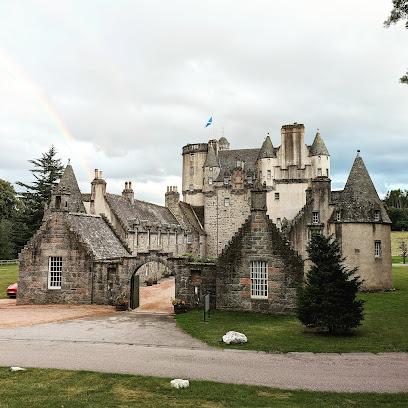
Fyvie Castle
18.8 km
Explore Fyvie Castle, an 800-year-old Scottish Baronial fortress rich in history, art, legends, and scenic grounds in Aberdeenshire.

Castle Fraser, Garden & Estate
19.1 km
Explore one of Scotland’s grandest tower houses with secret staircases, vibrant gardens, and scenic woodland trails in Aberdeenshire.
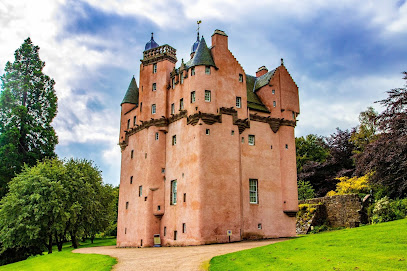
Craigievar Castle
19.2 km
Discover the enchanting pink Scottish castle that inspired Disney’s Cinderella, with authentic Jacobean interiors and tranquil woodland grounds.
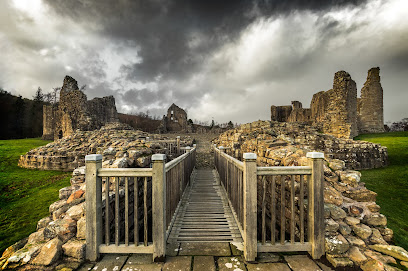
Kildrummy Castle
19.6 km
Explore Kildrummy Castle, a majestic 13th-century fortress steeped in Scottish history, from medieval sieges to Jacobite rebellions.
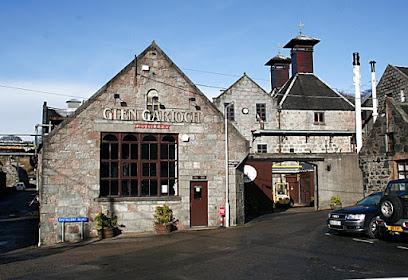
Glen Garioch Distillery
19.6 km
Explore Scotland’s historic Glen Garioch Distillery in Oldmeldrum, where centuries-old whisky craftsmanship meets authentic Highland charm.
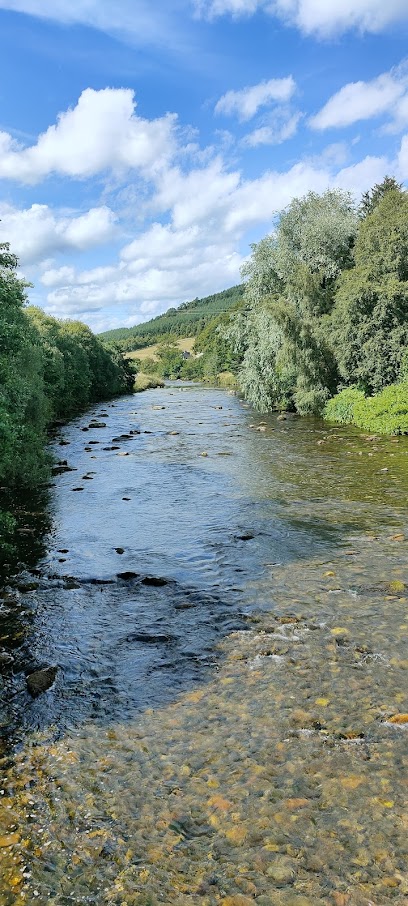
Strathdon Ranch
24.0 km
Discover the serene beauty and historic charm of Strathdon Ranch, a Highland estate on the edge of the Cairngorms National Park.
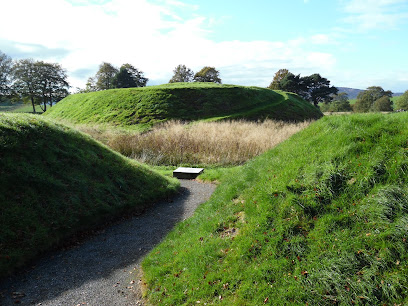
Peel of Lumphanan
24.7 km
Explore the evocative 13th-century Peel of Lumphanan, a rare earthwork castle with historic ties to King Macbeth and Scottish medieval heritage.
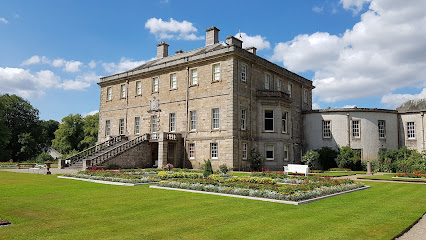
Haddo House
26.4 km
Explore Haddo House, a stunning Georgian Palladian mansion with Victorian interiors, historic gardens, and rich Scottish heritage near Ellon.
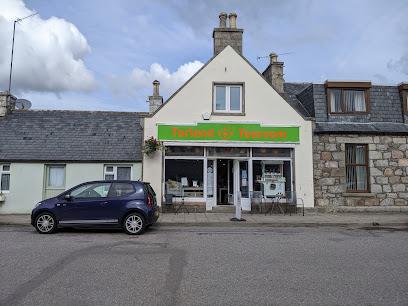
Tarland Tearooms
27.1 km
Cozy and affordable village tearoom offering fresh paninis, salads, and traditional fare in the heart of Tarland, Aberdeenshire.
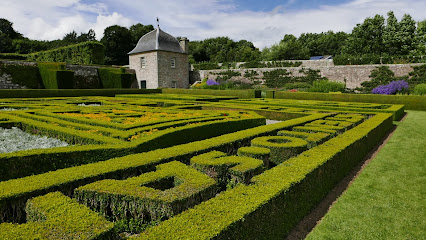
Pitmedden Garden & Museum of Farming Life
27.1 km
Discover a vibrant 17th-century Scottish Renaissance walled garden with colorful parterres, historic orchard, and a captivating Museum of Farming Life.
Essential places to dine

The Montgomerie Restaurant
16.5 km
A tranquil golf club restaurant in Inverurie serving excellent British cuisine with scenic course views and a welcoming atmosphere.
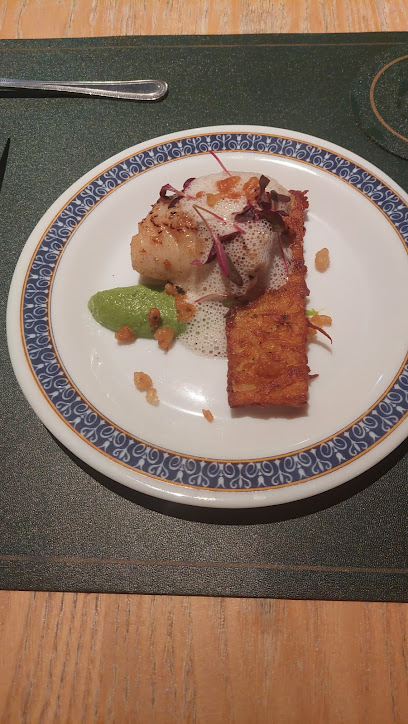
Fennel Restaurant
17.4 km
Modern European dining with fresh local ingredients in a relaxed, stylish setting at Inverurie’s Fennel Restaurant.
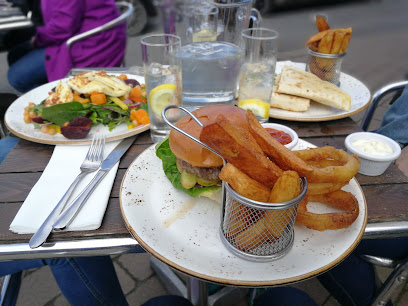
Kildrummy Inn
18.6 km
Luxurious Scottish country inn blending Victorian charm, gourmet dining, and warm hospitality in a tranquil Aberdeenshire setting.
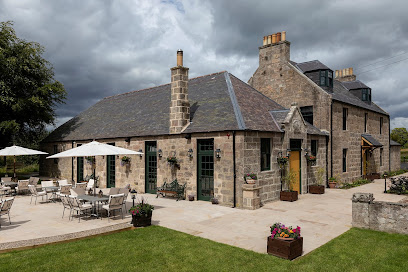
1236 Cave Bar at Meldrum House
20.1 km
Historic 800-year-old stone bar with award-winning whisky and casual Scottish dining at Meldrum House Country Hotel.
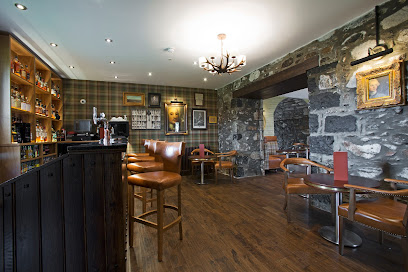
The Kastille
24.3 km
A vibrant blend of modern dining, lively bar, and nightclub experiences in the heart of Turriff.
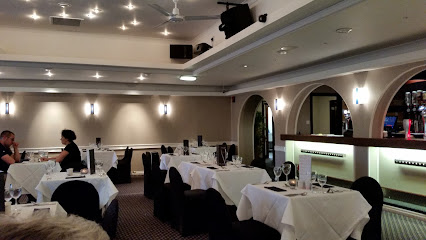
Eat On The Green
26.8 km
Experience refined Scottish dining with fresh local ingredients and impeccable service in the heart of Udny Green.
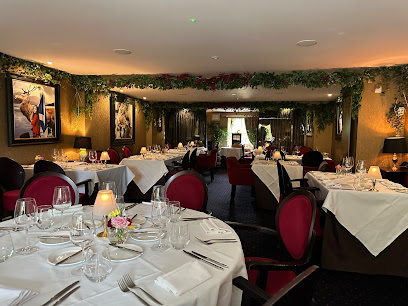
The Garlogie Inn
28.5 km
Discover family-friendly dining at The Garlogie Inn in Westhill, where delicious meals meet warm hospitality in a cozy pub setting.
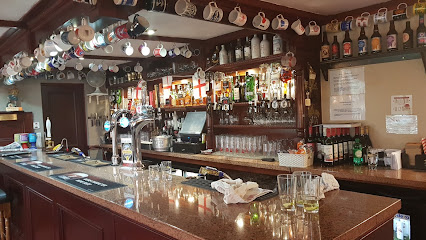
Beekie's Neuk
28.6 km
A beloved Newmachar pub serving hearty homemade Scottish classics in a relaxed, friendly atmosphere with generous portions and good value.
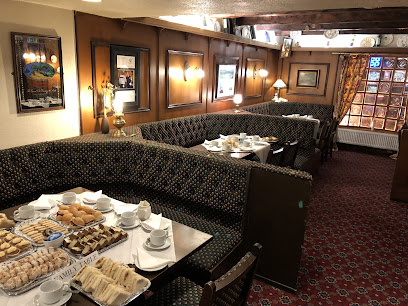
Luigi's
30.6 km
Experience authentic Italian flavors and cozy bar vibes at Luigi's, Westhill’s beloved spot for traditional pasta, pizza, and desserts.
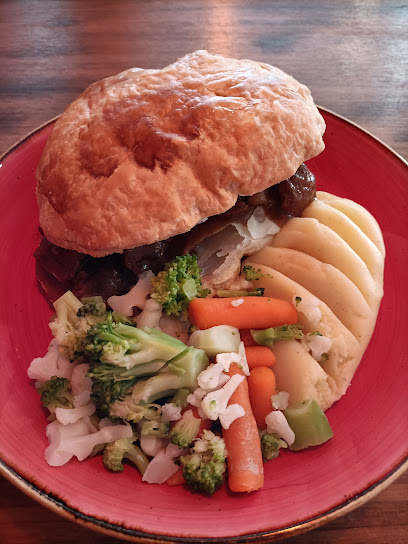
Shepherds Rest - Pub & Grill
30.8 km
A welcoming Westhill pub where rustic charm meets expert flame-grilled cooking in a family-friendly setting.
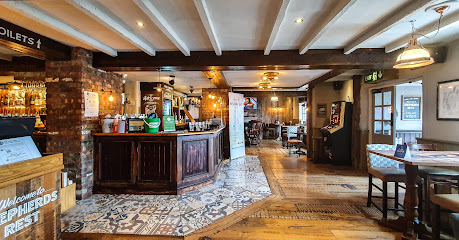
Seven Stills French Restaurant and Malt Whisky Bar/Lounge
30.9 km
An intimate French bistro and whisky lounge in Dufftown blending classic cuisine with Speyside’s renowned malt heritage.
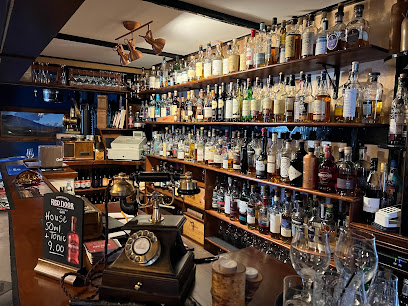
The Cowshed Restaurant & Takeaway
32.0 km
A family-owned haven in Aberdeenshire serving simple, seasonal Scottish cuisine with a popular fresh fish takeaway.
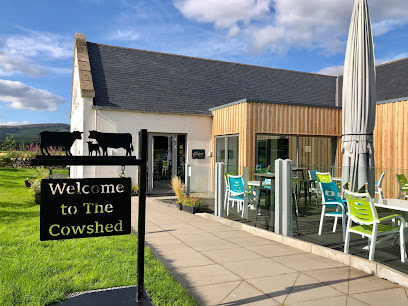
Scott Skinner's Restaurant & Bar
33.4 km
A charming family-run pub and restaurant in Banchory offering hearty Scottish fare and warm hospitality in a cosy, welcoming setting.
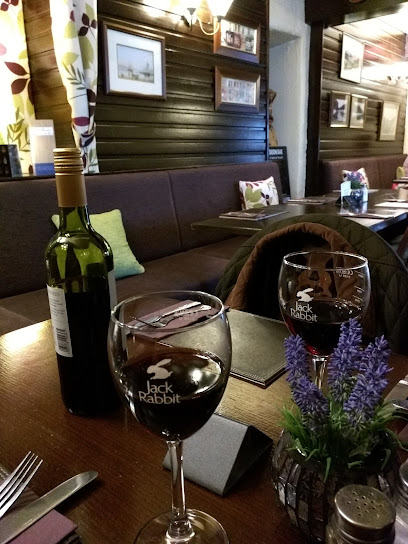
Banchory Lodge Hotel
33.9 km
A charming 4-star riverside hotel in Royal Deeside offering comfort, local cuisine, and scenic Scottish landscapes.

Restaurant at The Lodge
33.9 km
Elegant riverside dining at Banchory Lodge Hotel, blending local flavors with historic Scottish charm and scenic Dee River views.
Markets, malls and hidden boutiques

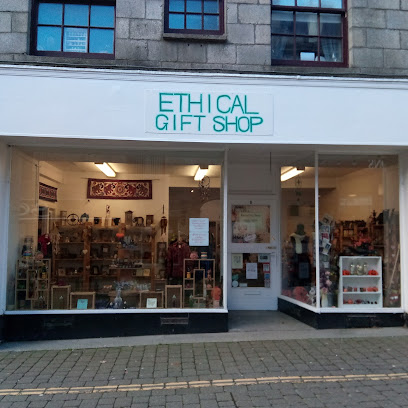
Ethical Gift Shop & Refillery
14.4 km
Discover unique handmade gifts and eco-friendly refills at Huntly’s vibrant Ethical Gift Shop & Refillery.
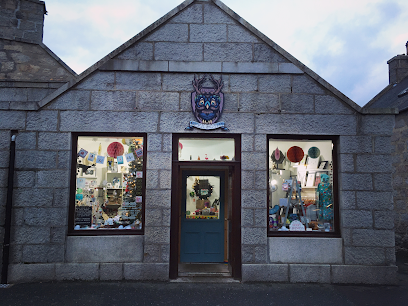
Geek Bothy Ltd
17.0 km
Award-winning gift shop celebrating local makers, quirky treasures, and creative community in rural Aberdeenshire.
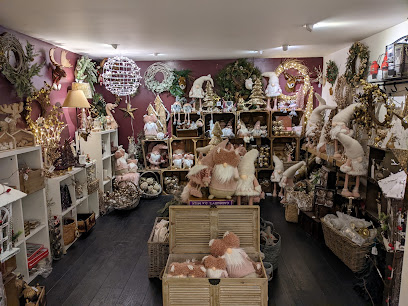
Treehouse
23.4 km
Discover unique gifts, home furnishings, and a cozy café experience in the charming Treehouse of Midmar near Inverurie.
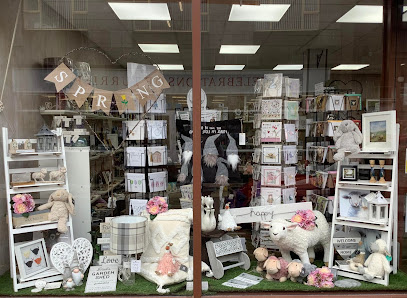
The Gift Alley
24.4 km
Discover unique handmade gifts and artisan treasures in the heart of Turriff’s charming Main Street.
Treasures
28.5 km
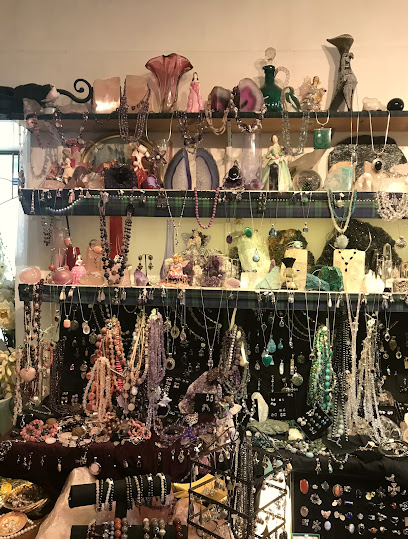
Discover exquisite natural stones and handcrafted jewellery in the charming village of Kincardine O'Neil at Treasures rock shop.
Deeside Antiques Emporium
28.6 km
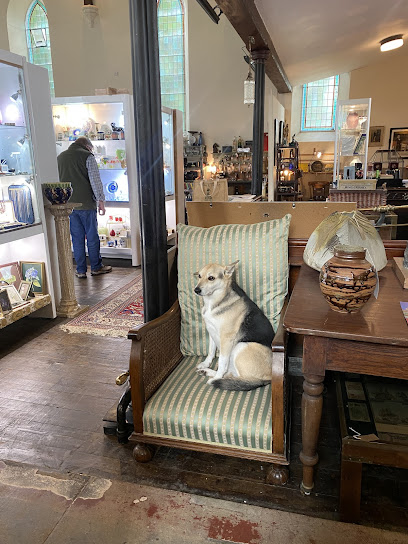
Discover timeless antiques and rich heritage in the heart of Kincardine O'Neil, the oldest village in Aberdeenshire.
Mither Tongue
28.7 km
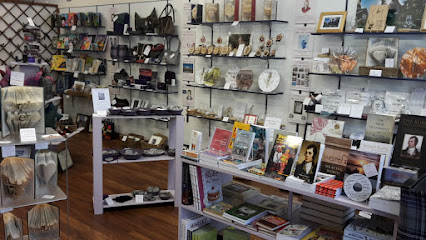
Discover authentic Scottish gifts and heartfelt cards in Scots language at Mither Tongue, Keith’s cultural boutique celebrating local craftsmanship.
Copper & Grey
33.4 km
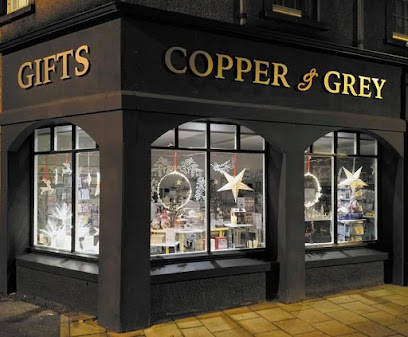
Discover unique gifts and colorful treasures at Copper & Grey, Banchory’s beloved family-run boutique on High Street.
Hush Living
33.6 km
Discover unique homeware and gifts in the charming independent boutique of Hush Living, nestled in the heart of Banchory.
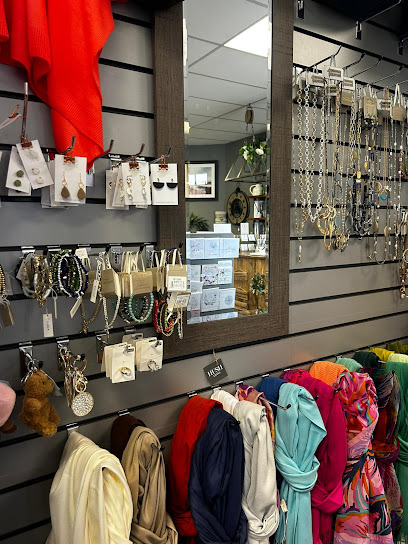
Hidden Scotland Shop
34.5 km
Discover authentic Scottish crafts and handmade treasures in a charming, character-filled shop nestled in Milton of Crathes near Banchory.
Quirky Gifts Emporium
34.5 km
Discover authentic Scottish treasures and unique gifts in this independent Ellon shop.
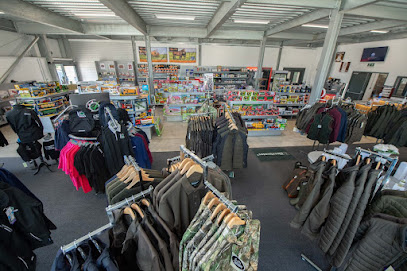
Powell's Country Store
35.0 km
A charming Banff store blending toys, clothing, and hardware for a unique local shopping experience.
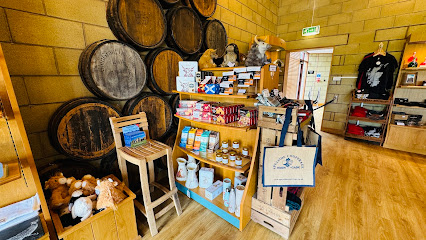
Speyside Cooperage Shop
35.6 km
Discover the ancient craft of coopering and find unique whisky-themed gifts at Speyside Cooperage Shop in the heart of Scotland’s whisky country.
Speyside Wardrobe
36.4 km
Discover curated ladies' fashion and accessories in the charming village of Craigellachie at Speyside Wardrobe boutique.

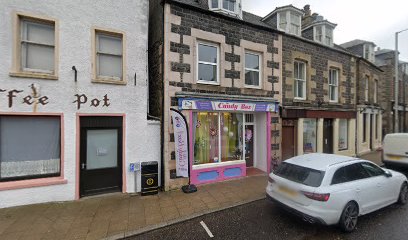
The Candy Box
36.4 km
A cozy family-run sweet shop in Banff famed for its diverse candies and exceptional ice cream treats.
Essential bars & hidden hideouts

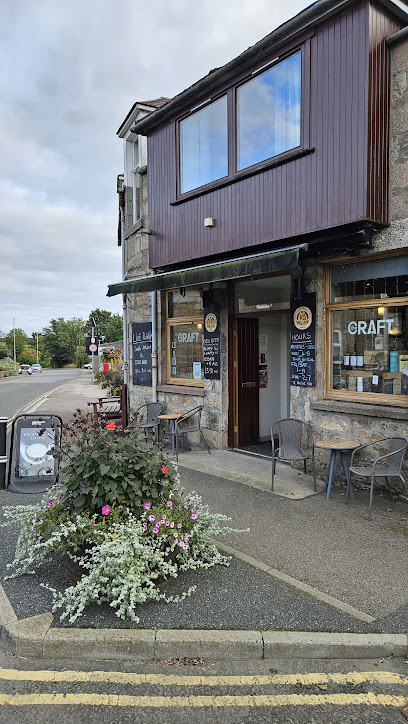
The Craft - off-licence and Bar
28.0 km
A cozy village wine bar and off-licence in Pitmedden offering craft drinks, community spirit, and award-winning hospitality.
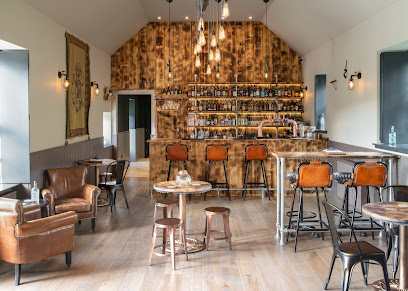
Steading Bar
29.1 km
Cozy Highland bar with a superb whisky selection and warm hospitality nestled in Strathdon’s scenic Lonach Hotel.
The Distilling House
30.9 km
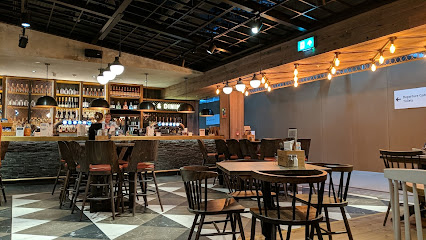
A welcoming airport pub celebrating Scottish whisky heritage with classic food, craft beers, and expert spirit knowledge.
Spider's Web
31.3 km
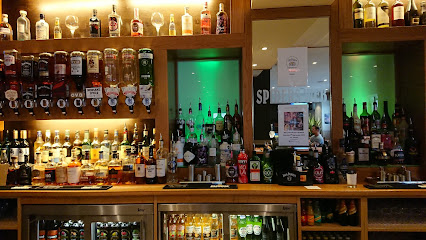
A cozy and friendly pub in Dyce offering hearty meals, quality drinks, and a welcoming atmosphere near Dyce railway station.
The Staging Post
34.0 km
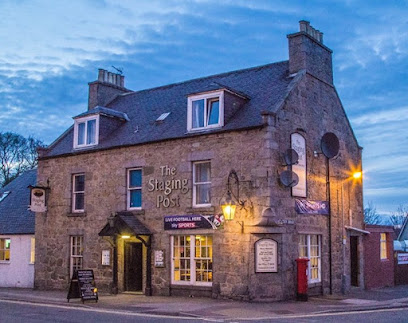
A friendly and lively local pub in Bucksburn with great drinks, sports, and a family-friendly beer garden.
Black's Bar
35.5 km
Experience authentic Scottish hospitality and lively village pub charm at Black's Bar in Peterculter, Aberdeen.
The Old Bank Bar Ltd
35.5 km
A charming former bank turned cozy bar and cafe, blending historic character with friendly service and hearty meals in Peterculter.
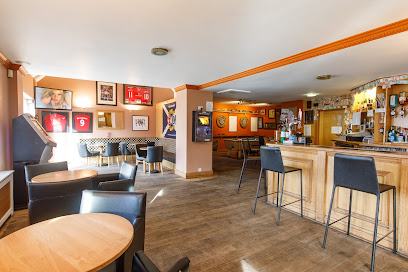
Mains of Scotstown
36.0 km
A welcoming British pub in Aberdeen offering classic dishes, craft drinks, live music, and a lively beer garden atmosphere.
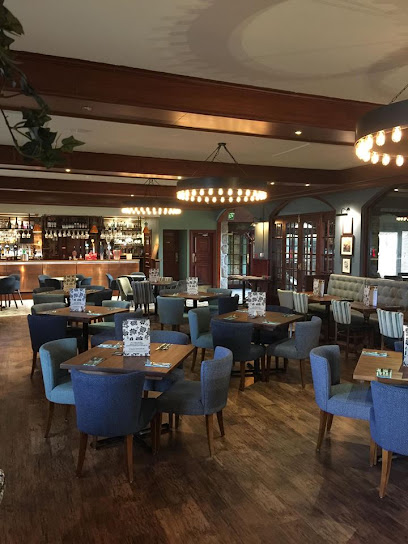
Murdos Bar
36.4 km
A vibrant community pub in Aberdeen offering great food, live sports on multiple screens, a welcoming atmosphere, and a spacious beer garden.
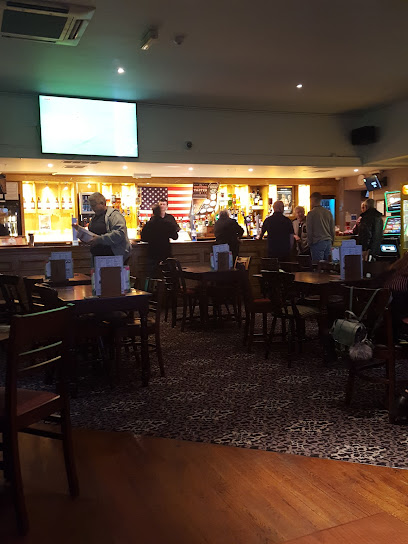
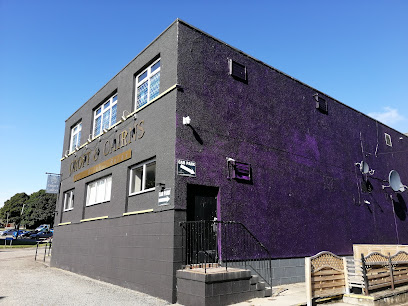
Croft & Cairns
36.5 km
A friendly and welcoming bar and restaurant in Aberdeen offering generous scratch-made meals and a versatile function room in a quiet, convenient setting.
Banff Springs Hotel
36.7 km
Experience timeless luxury and breathtaking mountain vistas at the iconic Fairmont Banff Springs Hotel, the Castle in the Rockies.
Castle Bar
36.9 km
Experience authentic Scottish hospitality and local ales in the cozy, historic setting of Castle Bar in Banff.
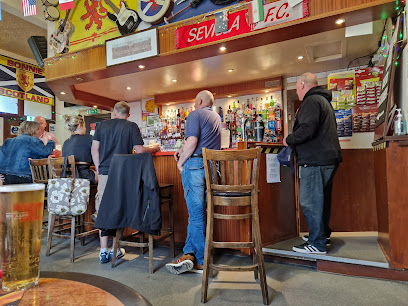
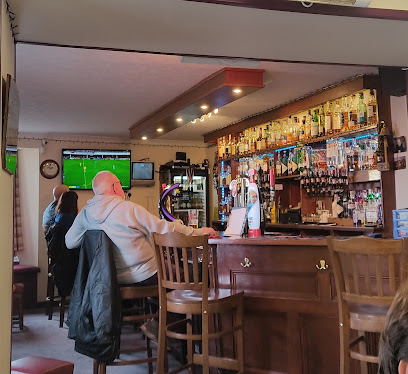
The Railway Inn
37.1 km
A traditional Scottish pub in Banff offering friendly hospitality, extensive whiskies, and stunning harbour views.
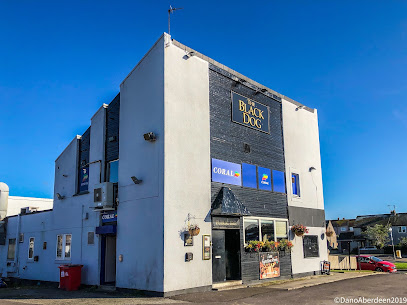
Black Dog
37.5 km
A friendly, lively pub in Aberdeen’s Bridge of Don serving hearty British classics with great entertainment and welcoming vibes.
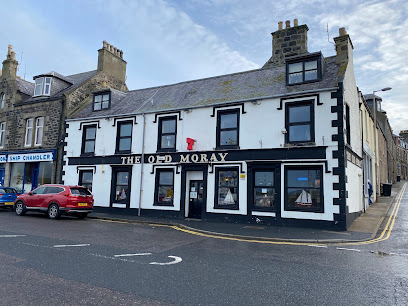
The Old Moray Ltd
37.6 km
Experience authentic Scottish hospitality and local ales at The Old Moray Ltd, a traditional harbour pub in the heart of Macduff.
Nightclubs & after hour spots

Deveronside Club
36.5 km
A warm and lively social club in Banff offering great events, affordable drinks, and a welcoming community atmosphere.
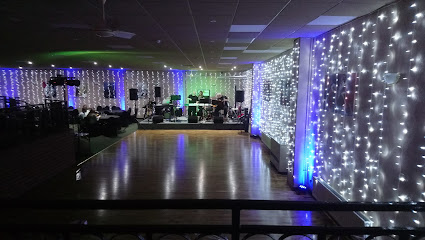
Banff Town & County Club
36.6 km
Discover the heart of Banff at the historic Town & County Club, a social hub that celebrates local culture and community spirit.
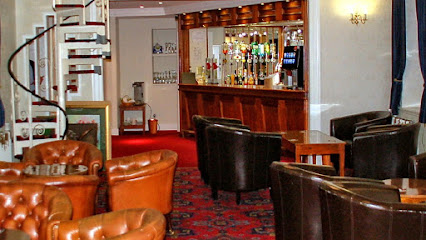
Venga
38.9 km
Dive into Aberdeen's electric nightlife at Venga, where retro beats, themed nights, and cocktails fuel unforgettable dances until dawn on vibrant Chapel Street.

Club Tropicana & Venga
39.0 km
Compact retro nightclub on Chapel Street with neon kitsch, themed nights and a late‑night dancefloor for nostalgic hits and loud, energetic DJ sets.

Babylon
39.0 km
Discover the pulse of Aberdeen's nightlife at Babylon, a premier nightclub and bar offering unforgettable nights filled with music and fun.
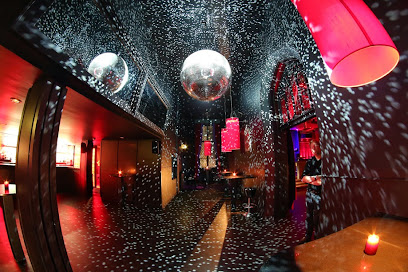
491 Union Street
39.1 km
Dive into Aberdeen's electric nightlife at this top-of-Union-Street hotspot, where killer beats, craft drinks, and epic events light up weekends until dawn.
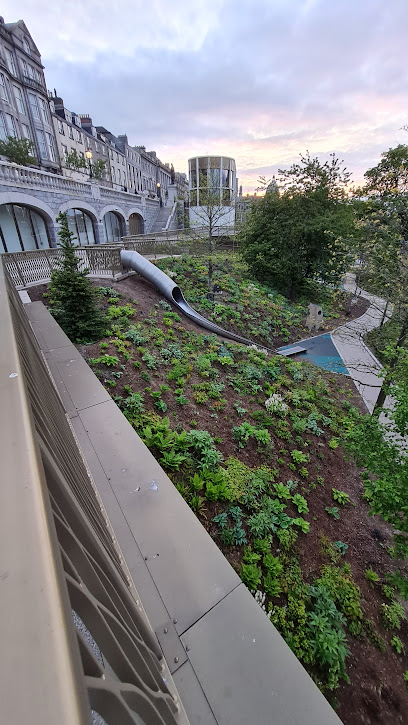
Exodus
39.2 km
Experience Aberdeen’s vibrant nightlife and boozy brunches in a unique historic church setting at Exodus, The Triplekirks.
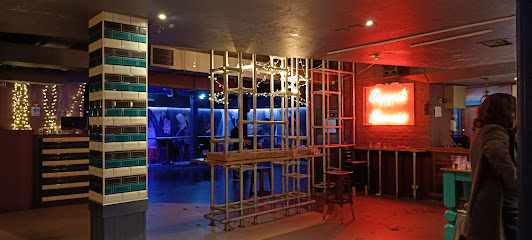
Number 7 Club
39.3 km
Aberdeen's intimate adult club on Crown Street: full-nude dances, drinks, and late-night energy from 9pm to 3am weekends.

The Underground Klub
39.4 km
A compact, bass-forward late-night club in central Aberdeen with booth seating, layered sound and an intimate underground vibe.
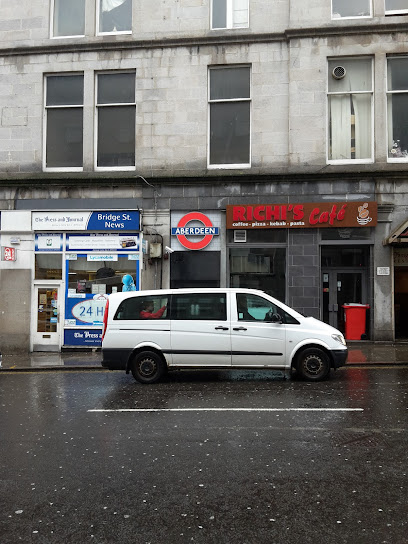
AURA Nightclub Aberdeen
39.4 km
Experience Aberdeen’s vibrant nightlife and nostalgic disco vibes at Aura Nightclub, the city’s premier venue for dynamic music and festive parties.
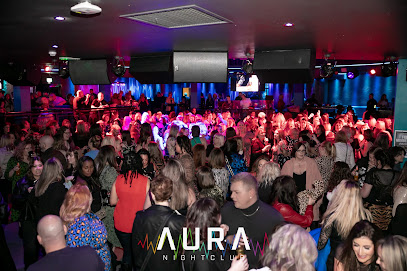
Private Eyes
39.5 km
Experience Aberdeen’s vibrant nightlife at Private Eyes, a stylish nightclub offering lively music, adult entertainment, and a welcoming city-center atmosphere.
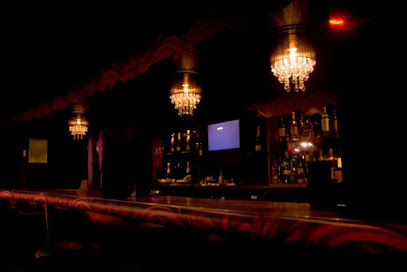
The Tunnels
39.5 km
Dive into Aberdeen’s underground nightlife at The Tunnels, where pulsating beats and intimate vibes create unforgettable nights.
The Mask Club
39.5 km
Aberdeen’s vibrant adult entertainment hotspot with professional dancers, lively music, and a dynamic late-night atmosphere.
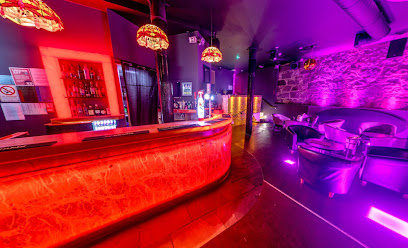
CHEERZ
39.6 km
Aberdeen's iconic LGBT bar and nightclub: dance, drink, and connect in a welcoming Exchange Street haven open late into the night.
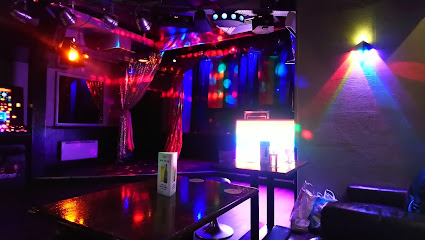
Krakatoa
39.7 km
Aberdeen’s iconic tiki-themed nightclub and live music venue, famed for potent cocktails, eclectic rock vibes, and a vibrant, welcoming atmosphere.
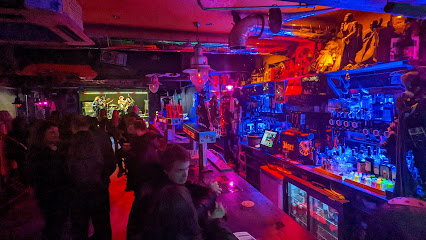
For the vibe & atmosphere seeker
- Scenic
- Adventurous
- Unique
- Tranquil
For the design and aesthetic lover
- Rustic Designs
- Historic
For the architecture buff
- Historic
- Landmarks
- Heritage Neighborhoods
For the view chaser and sunset hunter
- Panoramas
- Iconic Views
For the social media creator & influencer
- Architectural Shots
- Photo Spots
For the eco-conscious traveler
- Protected Area
- Low Impact
- Locally Managed
For the kind of experience you’re after
- Cultural Heritage
- Myth & Legends
- Photowalk
- Day Trip
For how adventurous you want the journey to be
- Requires Hike
- Physically Demanding
Location Audience
- Family Friendly
- Solo Friendly
- Couple Friendly
- Senior Friendly


