
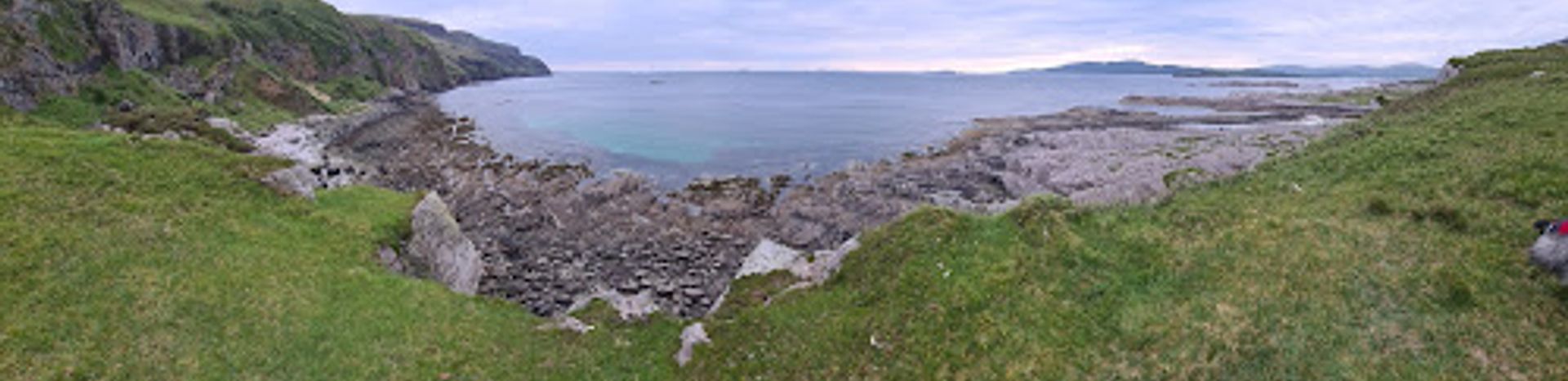
Mackinnon’s Cave: Isle of Mull’s Deep Sea Cave Steeped in Legend
Explore the Isle of Mull’s deepest sea cave, steeped in legend and volcanic geology, where history and myth intertwine along rugged coastal cliffs.
Mackinnon’s Cave, located on the west coast of the Isle of Mull near Gribun, is one of the deepest sea caves in the Hebrides. Known for its dramatic geological formations and rich folklore, the cave was reputedly a refuge for the 15th-century Abbot MacKinnon. Visitors explore a large main chamber with a sandy floor and a narrower tunnel leading deeper into darkness, surrounded by spectacular coastal scenery shaped by ancient volcanic activity.
A brief summary to Mackinnon’s Cave
- Isle of Mull, Isle of Mull, GB
- Duration: 1 to 3 hours
- Free
-
 Outdoor
- Mobile reception: 3 out of 5
Local tips
- Wear sturdy, waterproof footwear and bring a torch for exploring inside the cave safely.
- Check tide times before visiting, as the cave’s entrance is tidal and can be dangerous at high tide.
- Park at the designated area near Balmeanach Farm and follow marked paths to preserve the natural environment.
- Take time to enjoy the coastal scenery and geological formations along the walk to the cave.

For the on-the-go comforts that matter to you
- Restrooms
- Information Boards
- Seating Areas
- Trash Bins
Getting There
-
Car
Drive from Tobermory or Craignure to the B8035 road near Gribun, then turn off to Balmeanach Farm car park. The drive takes approximately 40 to 60 minutes. Parking is limited and no fees apply.
-
Bus and Walk
Take a regional bus from Tobermory to Gribun village, a journey of about 1 to 1.5 hours, subject to seasonal schedules. From Gribun, walk approximately 3 km along marked paths to the cave. The terrain includes muddy and rocky sections.
-
Walking
For experienced walkers, a longer hike from nearby villages such as Balmeanach involves rugged terrain and a scramble over boulders. Plan for 1.5 to 2 hours each way, suitable only in dry weather and with appropriate gear.
Mackinnon’s Cave location weather suitability
-
 Any Weather
-
 Rain / Wet Weather
-
 Clear Skies
-
 Windy Conditions
-
 Mild Temperatures
Discover more about Mackinnon’s Cave
Legend and Historical Significance of Mackinnon’s Cave
Mackinnon’s Cave carries a deep aura of mystery and history, named after Abbot MacKinnon who is said to have hidden there in the 15th century to escape capture. The cave has long been associated with local folklore, including tales of a piper who challenged fairies and vanished inside, with only his terrified dog returning. Deep inside the cave lies a large flat rock known as 'Fingal’s Table,' believed to have served as an altar for early Christian hermits, underscoring the cave’s spiritual significance.Geological Marvels Along the Isle of Mull’s Coast
The cave is carved into a spectacular coastal landscape shaped by volcanic and geological forces spanning over 2,000 million years. Visitors traverse a path through layered rock formations, from ancient basement psammites to Triassic conglomerates resembling mixed concrete, capped by striking Palaeogene lava flows. The relentless pounding of waves along a fault line has sculpted the cave’s deep chambers, making it the longest sea cave in the Hebrides at around 500 feet.Exploring the Cave’s Interior and Surroundings
Mackinnon’s Cave features a large main chamber with a sand-covered floor where some natural light filters in, supporting plant life near the entrance. Beyond this, a narrow tunnel leads into darker, more confined spaces, blocked further by rockfall. The cave’s tidal mouth means exploration requires timing and caution, with a torch essential for venturing inside. The surrounding boulder beach and rugged cliffs provide dramatic views and a tactile connection to the island’s volcanic past.Cultural Footprints and Visitor Experience
The cave has attracted visitors since at least the 18th century, notably documented by Dr. Samuel Johnson and James Boswell during their 1773 tour of Mull. Their exploration, despite limited lighting, helped cement the cave’s place in cultural history. Today, it remains a compelling destination for walkers and history enthusiasts, offering a mix of natural beauty, challenging terrain, and evocative stories from the Hebrides’ past.Access and Surrounding Environment
Access to Mackinnon’s Cave involves a walk from a designated parking area near Balmeanach Farm, following a muddy path and a scramble over boulders to reach the cave entrance. The coastal walk provides magnificent views and a chance to observe the island’s unique geology. The site is outdoors and requires appropriate footwear and care, especially due to slippery rocks and tidal conditions.Preserving a Mystical Natural Wonder
Mackinnon’s Cave is not only a geological and historical treasure but also a place imbued with myth and legend that continues to inspire awe. Its preservation is important for maintaining the cultural heritage and natural beauty of the Isle of Mull, ensuring future generations can experience its unique blend of history, nature, and mystery.Iconic landmarks you can’t miss

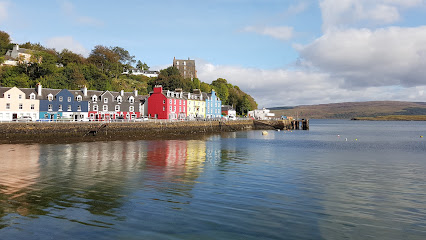
Tobermory Clock Tower
23.8 km
Historic granite clock tower memorializing local heritage, standing proudly by Tobermory’s colourful harbour on the Isle of Mull.
St John's Scottish Episcopal Cathedral : Oban
41.7 km
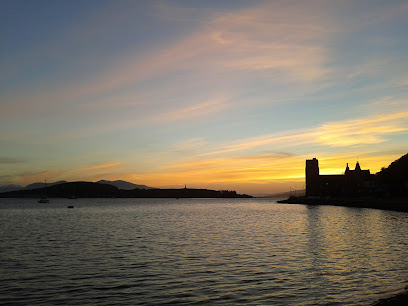
An unfinished masterpiece where Gothic ambition meets industrial-age engineering in Scotland's most unusual cathedral.
McCaig's Tower & Battery Hill
41.9 km
Explore Oban’s iconic McCaig's Tower, a Colosseum-inspired folly with stunning views and tranquil gardens atop Battery Hill.

Barcaldine Castle
47.3 km
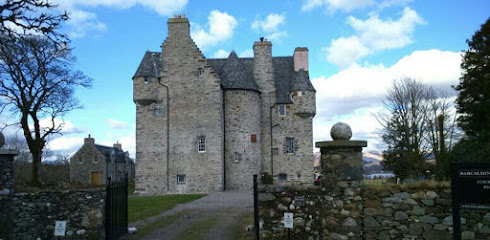
Experience the haunting beauty and rich history of Barcaldine Castle, a 17th-century Scottish fortress overlooking Loch Creran.
Kilmartin Museum
51.5 km
Discover 12,000 years of history at Kilmartin Museum, where ancient artefacts meet the stunning prehistoric landscape of Kilmartin Glen.
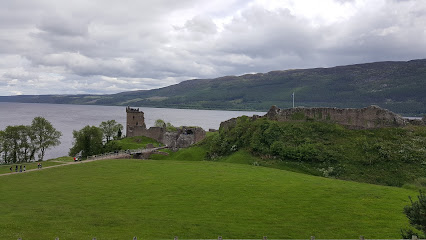
Nether Largie Mid Cairn
51.6 km
Bronze Age burial cairn at the heart of Scotland's most significant prehistoric landscape, carved with rare axehead symbols.
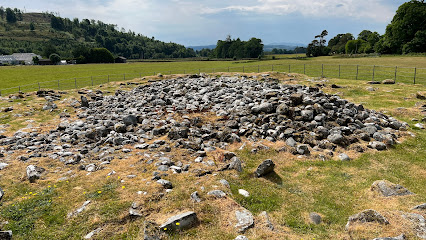
Nether Largie South Cairn
51.7 km
Explore the ancient mysteries of Nether Largie South Cairn, a captivating historical landmark in Lochgilphead, Scotland, surrounded by breathtaking landscapes.
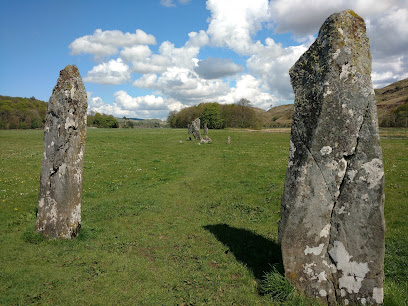
Nether Largie Standing Stones
51.9 km
Discover the ancient allure of Nether Largie Standing Stones, a remarkable historical landmark and hiking area nestled in the stunning landscape of Argyll, Scotland.
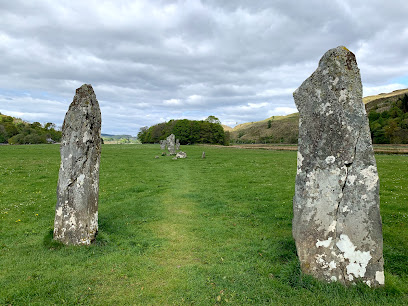
Dunchraigaig Cairn
52.8 km
Explore the ancient Dunchraigaig Cairn, a historical landmark steeped in mystery and surrounded by breathtaking landscapes in Kilmartin Glen.
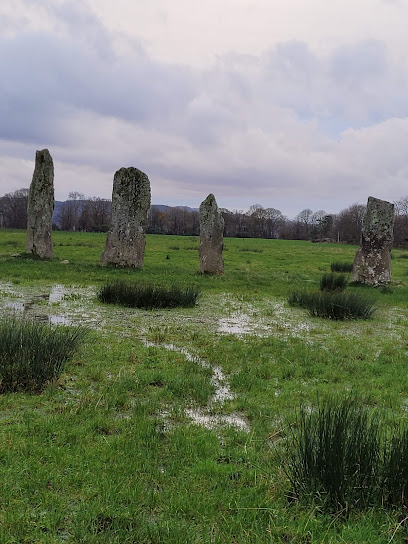
Ardchattan Priory
52.9 km
Explore the historic Ardchattan Priory, a serene blend of ancient ruins and botanical beauty near Oban, Scotland.
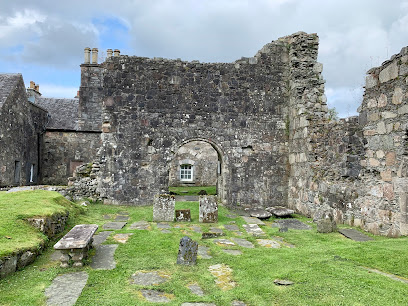
Ruvaal Lighthouse
53.1 km
Victorian lighthouse guarding the Sound of Islay, designed by the legendary Stevenson engineers in 1859.
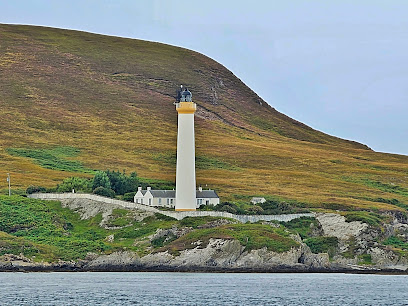
Knapdale Scottish Beaver Trail
53.9 km
Discover the Knapdale Scottish Beaver Trail, a nature lover's paradise where you can observe beavers in their natural habitat amidst stunning Scottish landscapes.
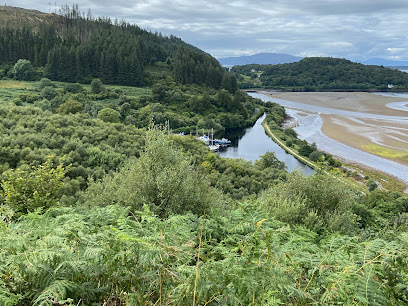
Paps of Jura
57.7 km
Experience the breathtaking beauty and adventure of the Paps of Jura, iconic peaks on the Isle of Jura, perfect for hiking and nature exploration.
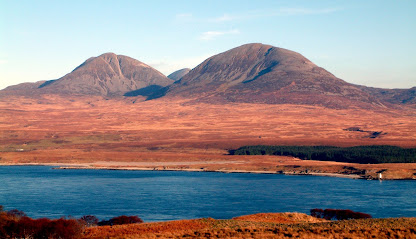
Jura
58.1 km
Explore the stunning Isle of Jura, a tranquil Scottish island known for its breathtaking landscapes, abundant wildlife, and exceptional whisky heritage.
Cairn from Auchoish
59.4 km
Explore the ancient wonders of the Cairn from Auchoish, a historical monument in Lochgilphead, revealing Scotland's rich archaeological heritage.
Unmissable attractions to see

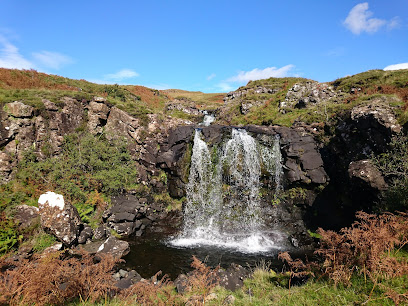
Allt Chreaga Dubha Waterfall
2.8 km
A serene and scenic waterfall nestled in the wild landscapes of the Isle of Mull, perfect for nature lovers and hikers.
Fossil Tree
5.9 km
Discover a 12-meter fossilized tree embedded in volcanic cliffs on a dramatic coastal hike in the Isle of Mull’s wild Ardmeanach Peninsula.
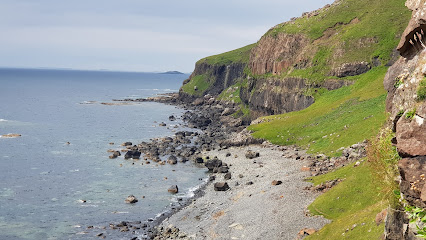
Burg
6.1 km
Experience the wild Atlantic power and serene beauty of Burg, a rugged nature reserve on Mull’s remote southwestern peninsula.
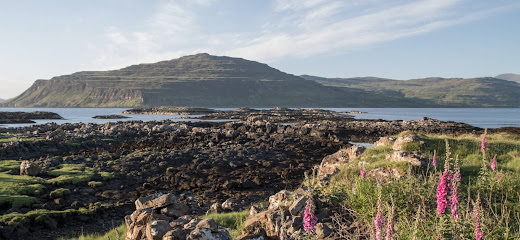
Viewpoint
7.7 km
Discover breathtaking vistas over three serene lochs and rugged Mull mountains at this tranquil viewpoint on the Isle of Mull.
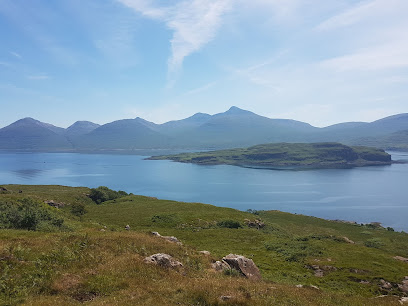
Isle of Mull
9.7 km
Discover the Isle of Mull’s wild landscapes, rich wildlife, historic castles, and vibrant coastal charm on Scotland’s captivating west coast island.
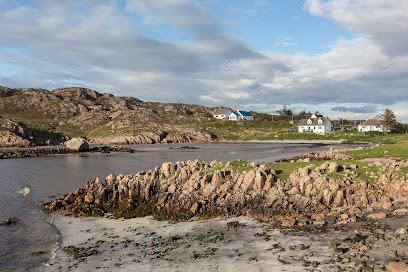
Eas Fors Waterfall Parking
10.0 km
Convenient roadside parking for exploring the breathtaking triple-tiered Eas Fors Waterfall on the Isle of Mull’s rugged west coast.
Eas Fors Waterfall
10.0 km
Discover the wild beauty of Eas Fors Waterfall, a dramatic triple cascade plunging into the sea on Mull’s rugged west coast.
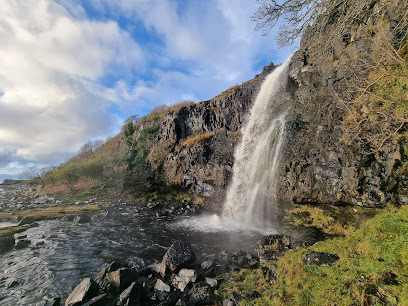
CazzieMarc Viewpoint
10.1 km
Discover serene panoramic views and untouched natural beauty at CazzieMarc Viewpoint on the Isle of Mull.
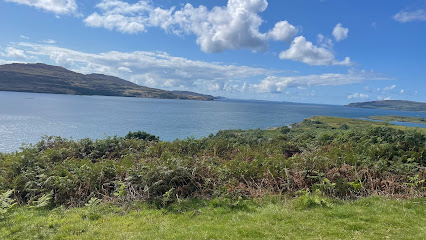
Loch Beg Bridge
10.9 km
Experience the tranquil beauty of Loch Beg Bridge on the Isle of Mull, a picturesque spot for nature lovers and photographers.
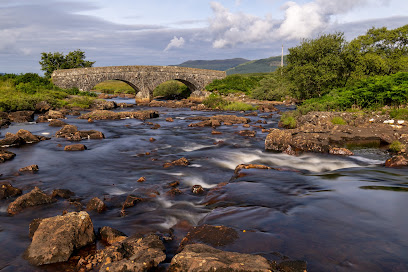
Ross Of Mull Historical Centre
11.8 km
Discover the rich heritage of Ross of Mull at this charming cottage museum nestled beside the Old Corn Mill ruins in Bunessan.
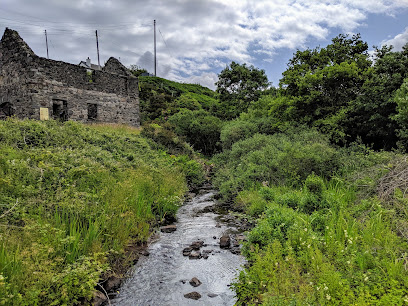
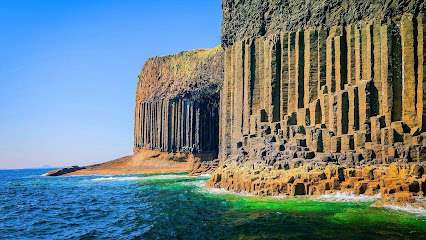
Fingal's Cave
11.9 km
Discover the mesmerizing basalt columns and echoing acoustics of Fingal’s Cave on Staffa, a volcanic island steeped in myth and natural beauty.
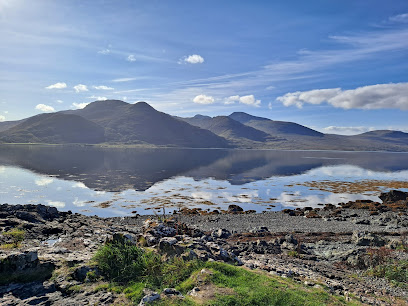
Viewing area
12.1 km
A tranquil viewpoint offering breathtaking panoramas of Loch na Keal and the wild landscapes of the Isle of Mull.
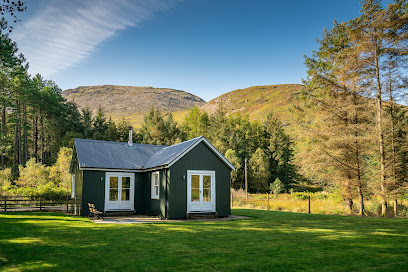
Benmore Estate Ltd
12.2 km
Experience luxurious Scottish country living and exclusive outdoor pursuits on the stunning Benmore Estate, Isle of Mull’s premier sporting retreat.
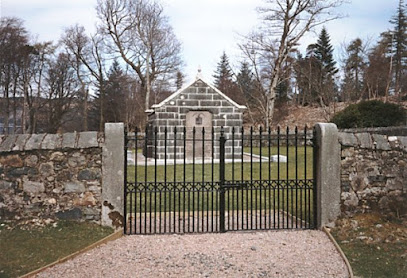
MacQuarie's Mausoleum
13.2 km
A serene Scottish mausoleum honoring Governor Lachlan Macquarie, bridging Scottish heritage and Australian colonial history.
The Black Beach
13.7 km
Discover the Isle of Mull’s volcanic Black Beach, a serene coastal escape with unique black sands and breathtaking island views.
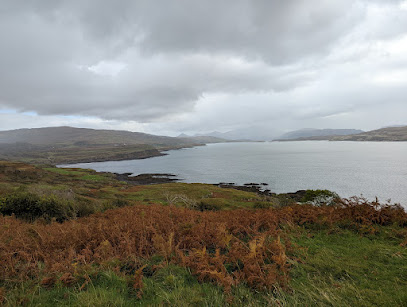
Essential places to dine

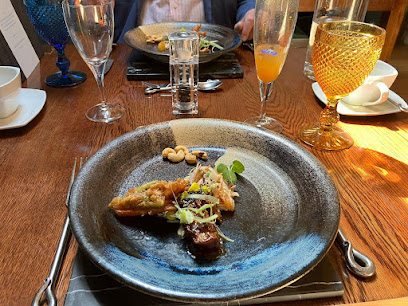
Ninth Wave Restaurant
16.0 km
Intimate seafood dining in a historic croft on the Isle of Mull, blending local flavors with refined culinary artistry.
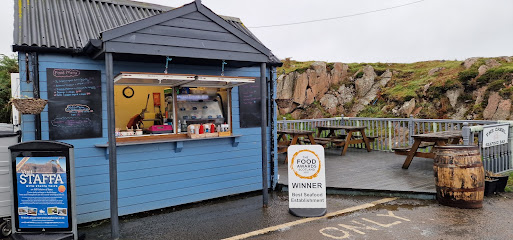
The Creel Seafood Bar
16.6 km
Fresh, locally caught seafood served with friendly charm near the ferry to Iona on the scenic Isle of Mull.
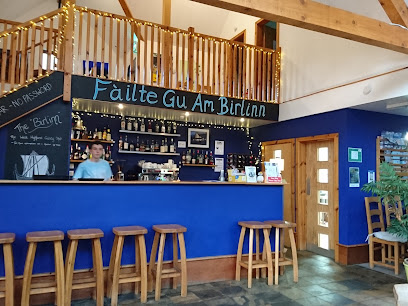
Am Birlinn
20.3 km
Rustic charm meets fresh seafood in a cozy, contemporary setting on the scenic Isle of Mull.
Hebridean Lodge
22.9 km
A charming coastal restaurant near Tobermory serving fresh local seafood with stunning island views and warm hospitality.
Macgochans
23.5 km
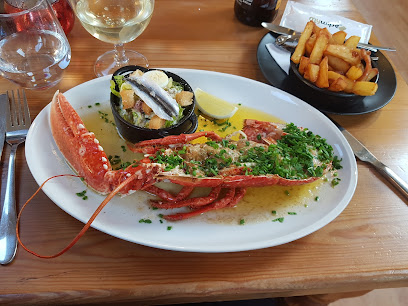
Waterfront gastropub with stunning bay views, fresh Scottish seafood, and warm Hebridean hospitality.
The Galleon Bistro Tobermory
23.8 km
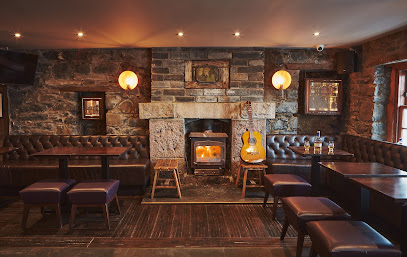
Family-run harbour-side bistro in Tobermory offering fresh local seafood, Scottish classics, and a warm, accessible dining experience on the Isle of Mull.
Spice of Mull
23.9 km
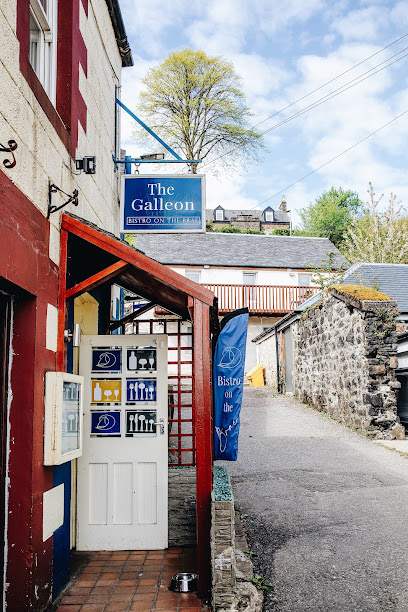
Experience authentic Indian, Bangladeshi, Thai, and Chinese flavors in a cozy Tobermory setting with stunning harbor views.
An Cala Ciuin
23.9 km
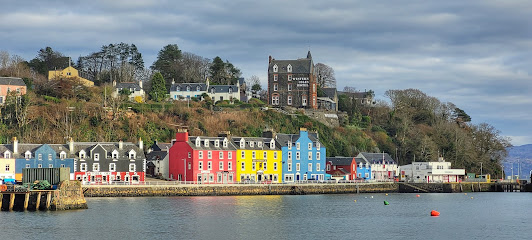
Traditional Scottish hospitality with harbour views and hearty fare in the heart of Tobermory’s historic Mishnish Hotel.
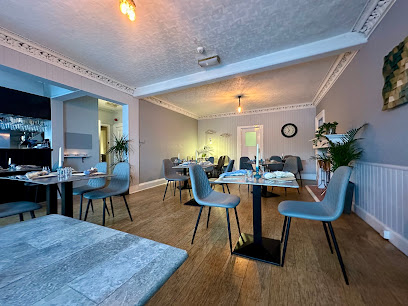
Cafe Fish, Upper Floor, The Pier, Tobermory
23.9 km
Experience Tobermory’s freshest seafood with stunning harbour views at the acclaimed Cafe Fish on the Isle of Mull.
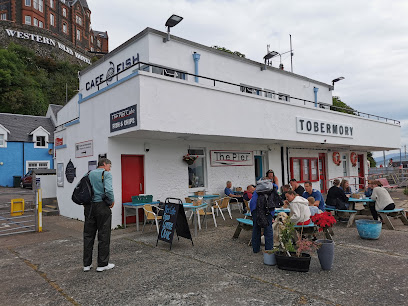
The Whitehouse Restaurant
26.7 km
An intimate fine dining haven in Lochaline serving innovative Scottish cuisine with fresh, local, and foraged ingredients in a historic coastal setting.
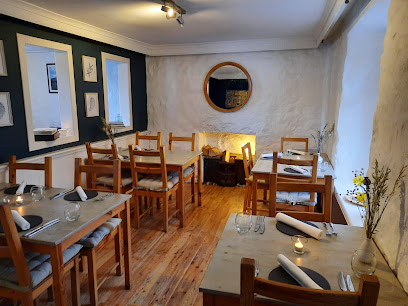
Tigh An Truish
36.5 km
Charming inn and acclaimed restaurant with stunning views of the iconic Clachan Bridge, offering exquisite local cuisine and cozy accommodations.
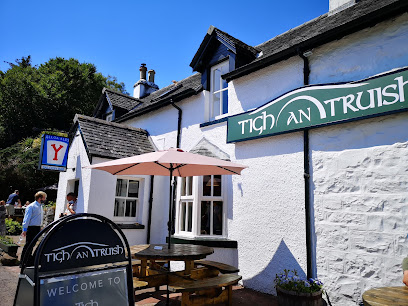
Food From Argyll at the Pier
41.5 km
A vibrant café at Oban’s ferry terminal serving fresh, locally sourced Argyll produce with stunning waterfront views.
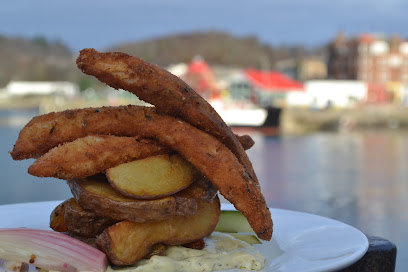
EE-USK
41.6 km
Fresh, locally sourced seafood served with panoramic harbor views on Oban’s historic North Pier.
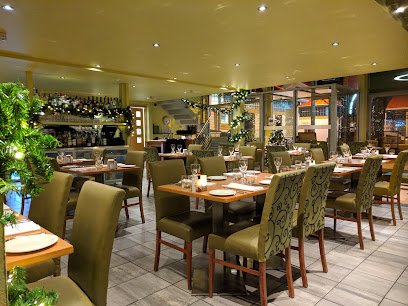
The Barn Bar
41.7 km
A rustic country pub at Cologin offering seasonal Scottish fare, cozy log fires, and lively local music near Oban.
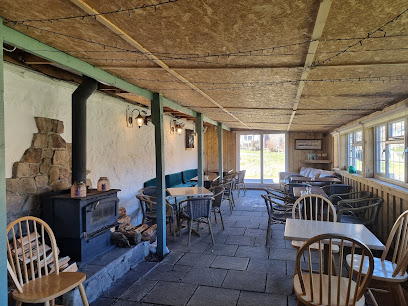
Restaurant at Loch Melfort Hotel
41.8 km
Savor inventive Scottish cuisine with stunning sea loch views at the acclaimed Restaurant at Loch Melfort Hotel in Arduaine.
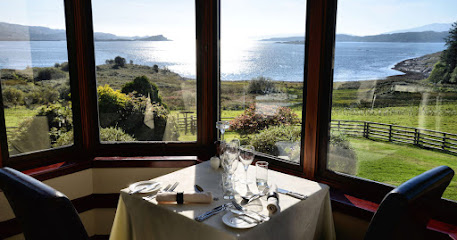
Markets, malls and hidden boutiques

Spar Bunessan
11.9 km
Your friendly local convenience store and post office in Bunessan, Isle of Mull, offering essentials and community connection in a scenic village setting.
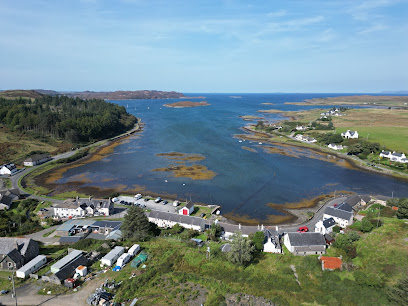
Fingal's Cave Gift Shop
12.0 km
Discover unique Hebridean crafts and souvenirs inspired by the legendary Fingal's Cave at this charming Isle of Mull gift shop.
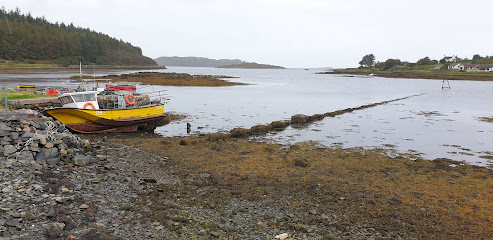
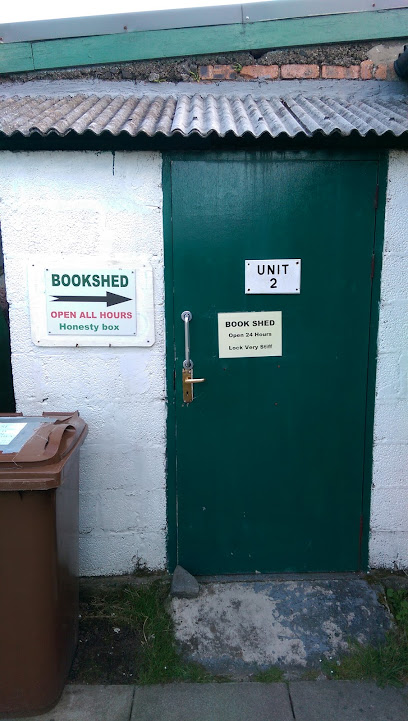
Bookshed
12.0 km
Discover a charming charity bookshop in Bunessan, Isle of Mull, offering diverse second-hand books and supporting local community causes.
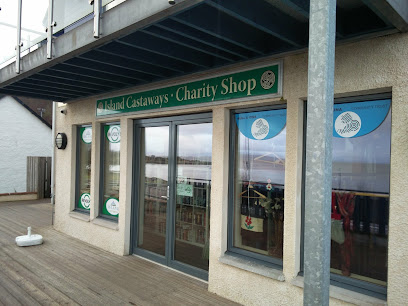
Island Castaways
12.0 km
Discover unique thrift treasures and support local causes at Island Castaways, Mull’s spotless and community-driven charity shop in Craignure.
The Ferry Shop
16.5 km
Your essential stop for groceries, island produce, and local services in Fingal on the Isle of Mull.
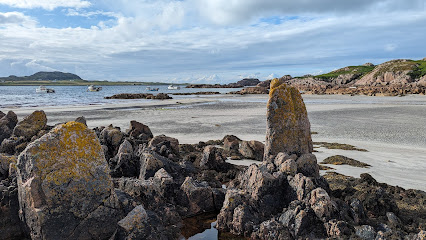
Fingal Arts & Crafts
16.5 km
A charming craft shop in Fionnphort, showcasing handmade jewellery, textiles, ceramics and art inspired by the wild beauty of the Hebrides and Iona.
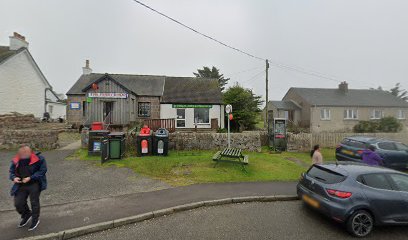
Premier
19.8 km
Your friendly local Premier store on Mull’s Main Street, offering groceries, postal services, and community warmth in Dervaig village.

Hasn Candle Company
23.0 km
Discover handcrafted candles inspired by the natural beauty and seasonal scents of the Isle of Mull in Tobermory’s welcoming artisan shop.
Seafare
23.5 km
Tobermory’s trusted chandlery since 1977, offering essential marine safety gear and supplies in the heart of the Isle of Mull’s harbor town.
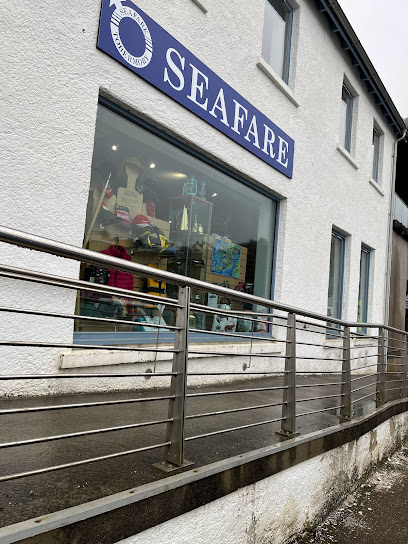
Trekomory Breeze
23.6 km
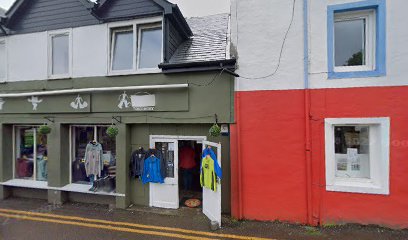
Trekomory Breeze offers practical outdoor clothing and accessories in Tobermory, blending local charm with quality gear for every adventurer.
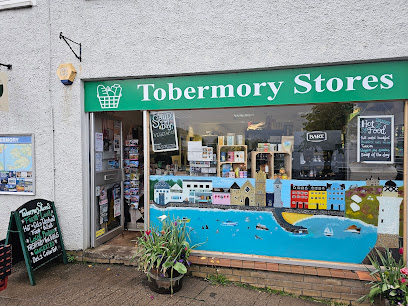
Tobermory Stores
23.6 km
Tobermory Stores offers essential shopping with local charm in the heart of Isle of Mull’s colorful main street.
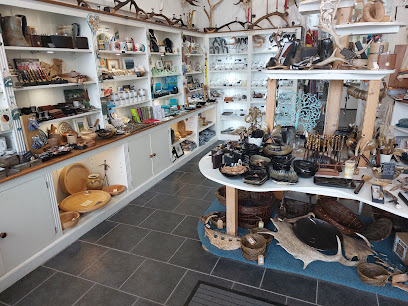
Island Crafts
23.7 km
Discover authentic Isle of Mull artistry and handcrafted treasures in the heart of Tobermory’s vibrant craft scene.
Isle Of Mull Soap Co Ltd
23.7 km
Discover handmade natural soaps and eco-friendly gifts crafted with care in the heart of Tobermory on the Isle of Mull.
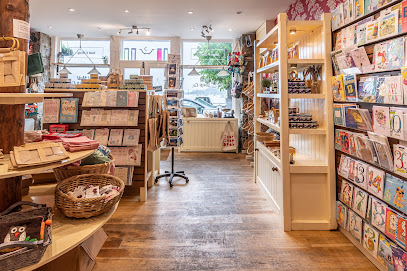
Island Blue Tobermory
23.8 km
Discover authentic Isle of Mull crafts and unique gifts in the heart of Tobermory’s vibrant Main Street.
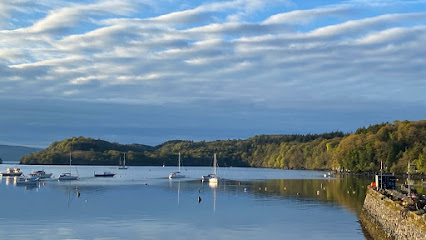
Co-op Food - Tobermory
23.8 km
Tobermory’s largest convenience store offering fresh island produce and everyday essentials in the heart of the Isle of Mull.
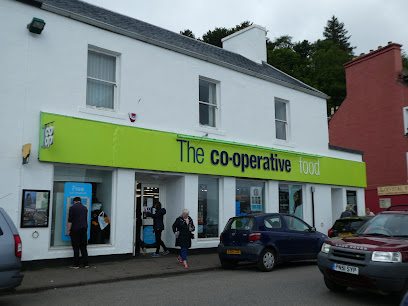
Essential bars & hidden hideouts

Bunessan Inn
12.0 km
Historic Isle of Mull pub and inn offering hearty food, local whiskies, cozy rooms, and stunning loch views in a warm community setting.
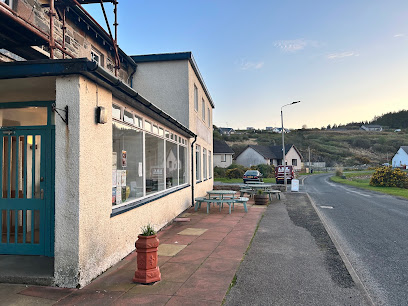
The Keel Row
16.5 km
Cozy pub and restaurant in Fionnphort offering hearty Scottish dishes, scenic bay views, and a warm, welcoming atmosphere on the Isle of Mull.
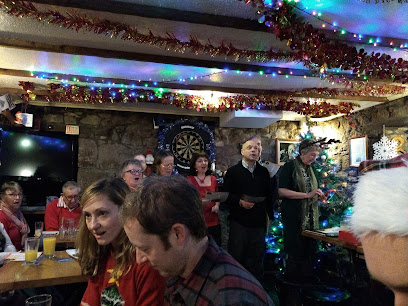
Snack Bar
16.6 km
Experience the charm of the Isle of Mull at the Snack Bar, where delightful bites and stunning views create unforgettable memories.
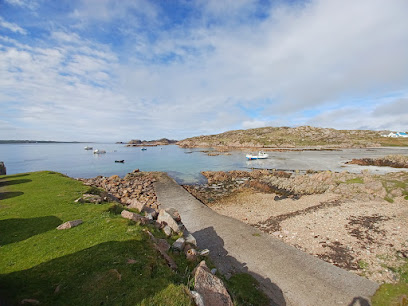
The Tobermory Hotel
23.7 km
Historic boutique hotel with stunning Tobermory Bay views, local cuisine, and warm Highland hospitality on the Isle of Mull’s vibrant waterfront.
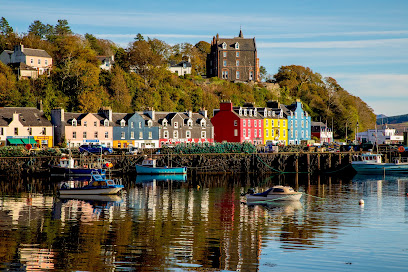
Mishnish
23.9 km
A traditional Scottish hotel and bar in Tobermory, famed for cosy harbour views, live folk music, and warm island hospitality.
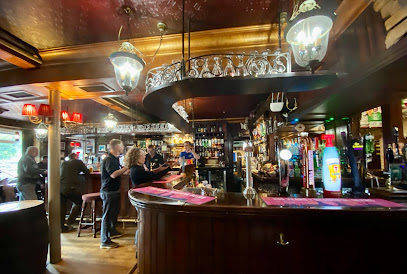
Western Isles Hotel
24.0 km
Historic hotel with breathtaking Tobermory Bay views, classic charm, and warm hospitality on the scenic Isle of Mull.
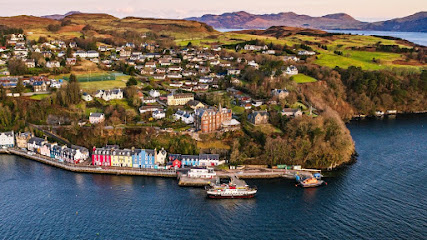
Auld Mull Bar
24.0 km
Experience warm island hospitality and local flavors at Auld Mull Bar, a cozy family-run retreat in Tobermory’s charming harbor village.
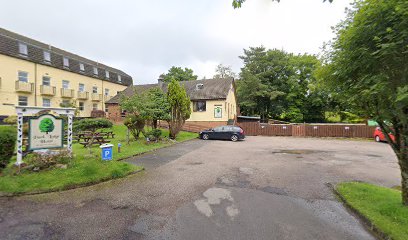
Isle of Mull Hotel & Spa
27.7 km
A welcoming coastal retreat on the Isle of Mull, blending scenic views, spa relaxation, and warm Scottish hospitality.
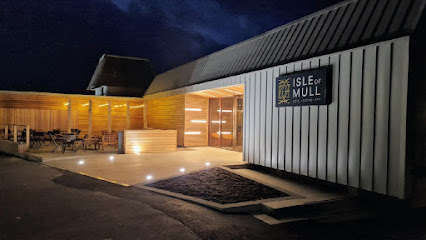
Craignure Inn
28.3 km
A cozy, dog-friendly pub and inn in Craignure offering hearty fare, comfortable rooms, and a warm welcome on the Isle of Mull.
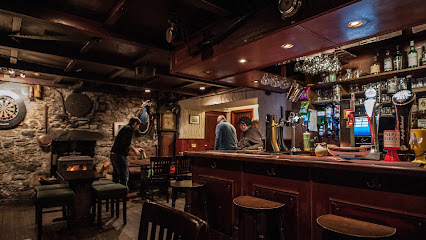
The Oyster Bar
33.6 km
A charming seafood haven in historic Ellenabeich, offering fresh oysters, scenic coastal views, and warm Scottish hospitality.
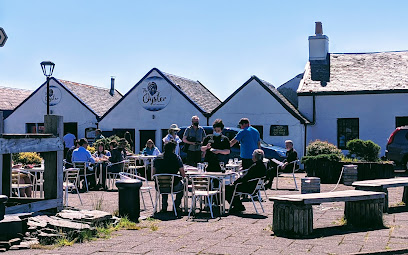
Colonsay Pub
38.4 km
Experience authentic island hospitality and local brews at Colonsay Pub, the vibrant social hub of the Isle of Colonsay.
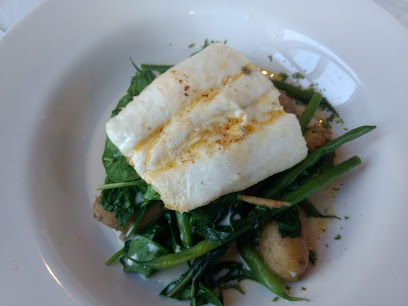
Markie Dans
41.6 km
Family-run pub in Oban offering vast single malts, hearty food, live music, and stunning bay views in a welcoming, lively atmosphere.
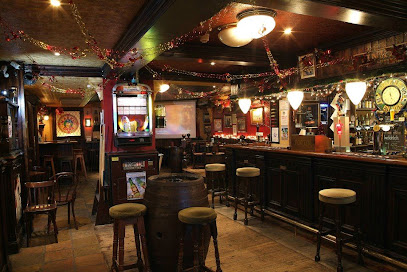
Cellar Bar
41.7 km
Cozy and traditional Scottish pub on Oban’s waterfront, famed for local whiskies, live music, and warm hospitality.
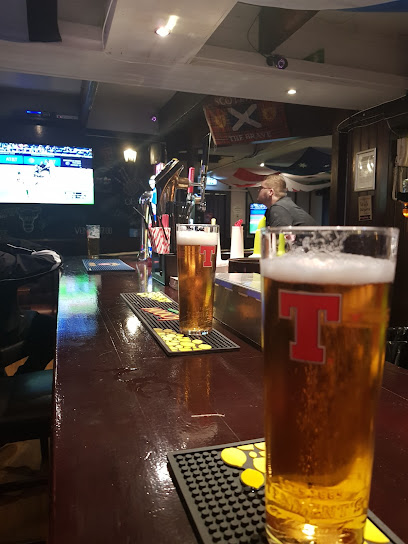
The Tartan Tavern
41.7 km
Experience authentic Scottish hospitality and traditional charm at The Tartan Tavern, a cozy and lively pub in the heart of Oban.
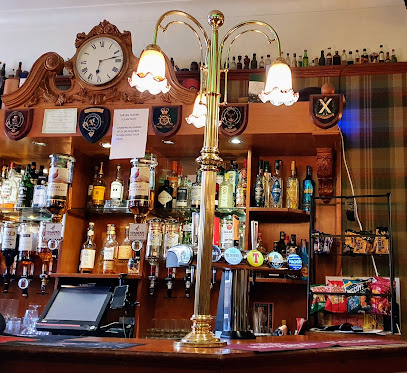
Lorne Bar
41.9 km
Experience authentic Scottish hospitality, fresh local seafood, and a warm, welcoming atmosphere in the heart of Oban at The Lorne Bar.
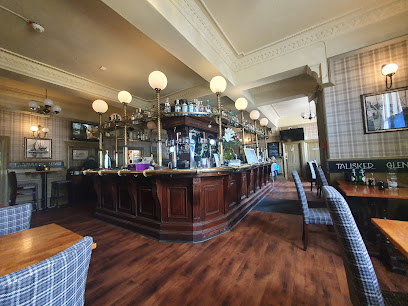
Nightclubs & after hour spots

Jura Brewery
64.5 km
Discover Jura Brewery: A Craft Beer Experience in the Heart of the Isle of Jura, Where Tradition Meets Nature's Bounty.
Roobarb
77.6 km
Experience Fort William’s vibrant nightlife at Roobarb, the welcoming nightclub where music and dancing light up weekend nights.
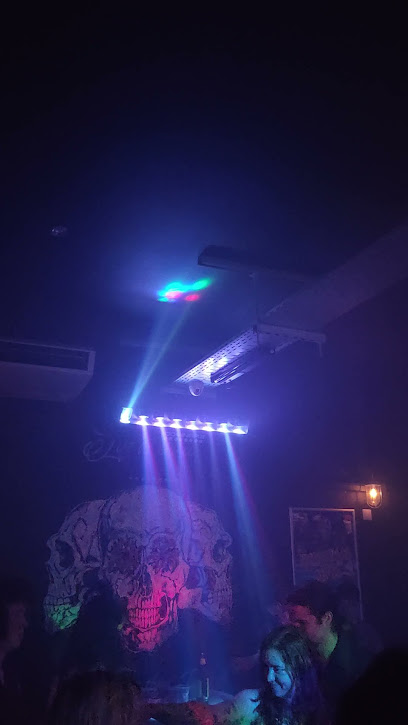
The Golfers
93.5 km
Discover The Golfers, a charming pub in Rothesay, Isle of Bute, perfect for enjoying local cuisine and a friendly atmosphere.
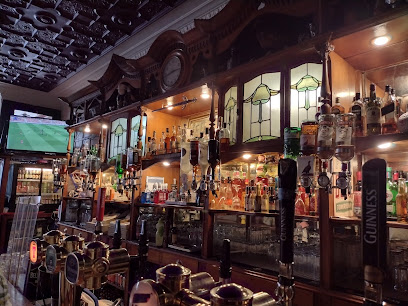
The Galatea
93.5 km
Discover lively evenings at The Galatea, a charming bar in Rothesay offering a delightful atmosphere, local drinks, and friendly service.
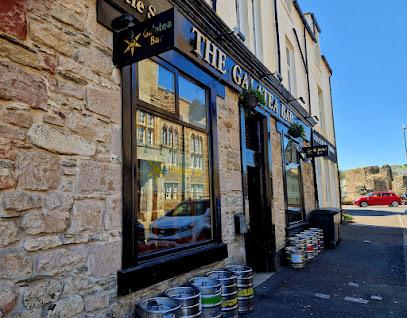
Seumas' Bar
97.5 km
Experience the essence of the Isle of Skye at Seumas' Bar, where local flavors and stunning views come together for an unforgettable dining experience.
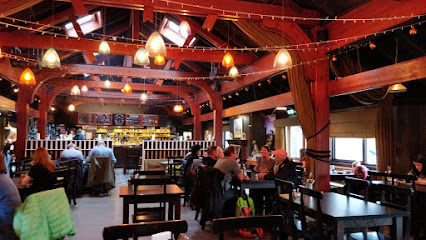
The King Haakon Bar
99.0 km
Experience authentic Scottish hospitality at The King Haakon Bar on the Isle of Skye, where local ales and hearty meals await in a cozy atmosphere.
For the vibe & atmosphere seeker
- Scenic
- Tranquil
- Adventurous
- Unique
For the design and aesthetic lover
- Rustic Designs
- Naturalistic
For the architecture buff
- Historic
- Landmarks
- Parks & Gardens
For the view chaser and sunset hunter
- Iconic Views
- Panoramas
- Waterfront
For the social media creator & influencer
- Instagrammable
- Photo Spots
- Selfie Spots
For the eco-conscious traveler
- Eco-Friendly
- Low Impact
- Public-Transport Accessible
- Leave-No-Trace Critical
For the kind of experience you’re after
- Myth & Legends
- Cultural Heritage
- Nature Escape
- Day Trip
For how adventurous you want the journey to be
- Easy Access
- Requires Hike
Location Audience
- Family Friendly
- Senior Friendly
- Child Friendly
- Teen Friendly
- Solo Friendly
- Couple Friendly


