
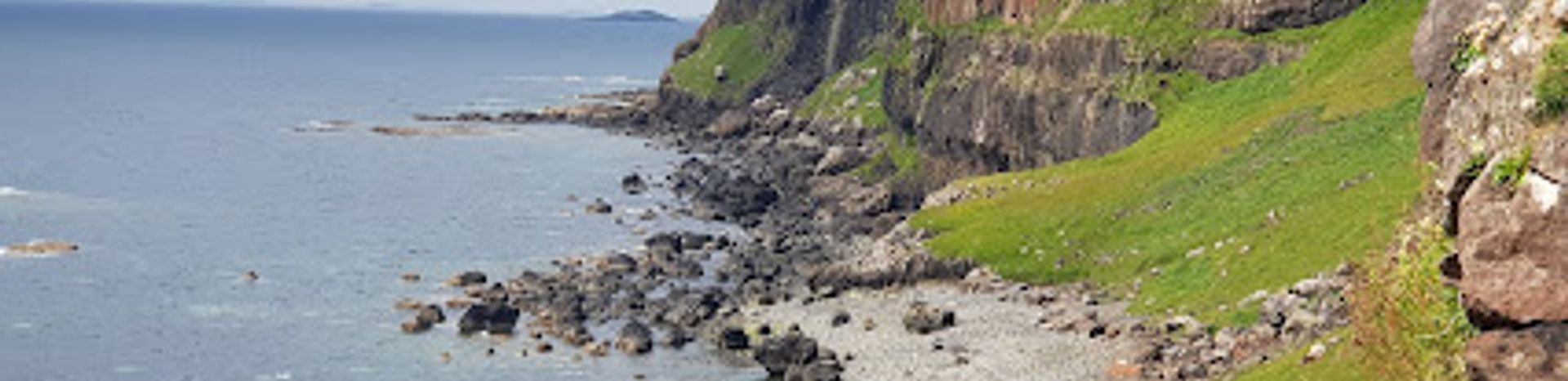
MacCulloch's Fossil Tree on the Isle of Mull
Discover a 12-meter fossilized tree embedded in volcanic cliffs on a dramatic coastal hike in the Isle of Mull’s wild Ardmeanach Peninsula.
MacCulloch's Fossil Tree is a remarkable 12-meter-high fossilized conifer tree imprint embedded in the sea cliffs of the Ardmeanach Peninsula on the Isle of Mull. Discovered in 1819, this geological marvel formed when lava engulfed a forest millions of years ago. The tree is accessible via a challenging 14-mile coastal walk, featuring rugged terrain and a steep ladder descent. The site is part of a protected National Scenic Area renowned for its dramatic volcanic landscapes and rich natural heritage.
A brief summary to Fossil Tree
- Isle of Mull, GB
- Duration: 6 to 10 hours
- Free
-
 Outdoor
- Mobile reception: 3 out of 5
Local tips
- Check local tide times before your visit to ensure safe access to the Fossil Tree at low tide.
- Wear sturdy footwear with good grip for navigating rocky coastal paths and boulder beaches.
- Be prepared for a physically demanding 14-mile walk including a steep ladder descent; not suitable for dogs or those with vertigo.
- Consider joining a guided walk for added safety and insights into the area's geology and history.

For the on-the-go comforts that matter to you
- Restrooms
- Drink Options
- Food Options
- Seating Areas
- Information Boards
Getting There
-
Car
Drive to the Tiroran car park on the Isle of Mull, which serves as the starting point for the Fossil Tree walk. The drive from Tobermory takes about 40 to 50 minutes. Parking availability can be limited during peak seasons; parking fees may apply locally.
-
Public Transport
Public bus services on Mull are limited and infrequent; reaching Tiroran by bus requires careful scheduling and may involve long waits. It is generally recommended to use private transport for easier access to the trailhead.
-
Walking
The walk from Tiroran to the Fossil Tree is approximately 14 miles (22.5 km) along coastal and forest paths with varied terrain including rocky and narrow cliffside sections. The route includes a steep ladder descent and rough tidal beach walking, requiring good fitness and sturdy footwear.
Fossil Tree location weather suitability
-
 Any Weather
-
 Rain / Wet Weather
-
 Clear Skies
-
 Windy Conditions
-
 Mild Temperatures
Discover more about Fossil Tree
A Geological Treasure Frozen in Time
MacCulloch's Fossil Tree stands as a 12-meter-tall and 1.5-meter-wide imprint of a conifer tree fossilized within the basalt cliffs of the Ardmeanach Peninsula. Formed approximately 50 to 60 million years ago during intense volcanic activity triggered by the opening of the Atlantic Ocean, molten lava engulfed a forest of conifer trees. As the lava cooled and solidified, it preserved the carbonized remains and left a unique impression on the cliff face. This rare fossilization within igneous rock is an extraordinary geological phenomenon, with the tree’s fossilized tissues still partially visible near the base.The Dramatic Landscape of Burg and Ardmeanach
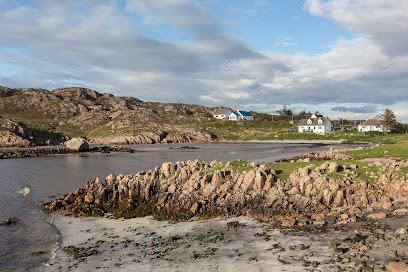
The fossil resides in a wild and rugged coastal environment designated as a National Scenic Area and Special Area of Conservation. The peninsula features steep cliffs, grassy uplands, and rocky shorelines shaped by volcanic eruptions and relentless Atlantic waves. Visitors can also spot diverse wildlife such as golden eagles, feral goats, red deer, and rare moth species. The area’s natural beauty is complemented by historical remnants including Bronze Age burial cairns and Iron Age settlement ruins, reflecting a deep human connection to this remote wilderness.Access and the Challenging Coastal Walk
Reaching the Fossil Tree involves a demanding 14-mile linear hike starting from the Tiroran car park. The trail traverses forest tracks, narrow cliff paths, and rocky beaches. The final approach requires descending a steep iron ladder attached to the cliff face before crossing a tidal rocky shore. Due to the exposed terrain and the ladder descent, this walk is not suitable for those with a fear of heights, vertigo, or dogs. Tide times are crucial; the fossil is only accessible at low tide when the beach is exposed, so careful planning is essential.Historical Significance and Discovery
The fossil was discovered in 1819 by John MacCulloch, Scotland’s pioneering geological cartographer, during his work on the first geological map of Scotland. His discovery remains a landmark in British geology, illustrating the island’s volcanic past and the rare preservation of organic material within lava flows. The fossil tree has since become a symbol of Mull’s unique geological heritage and a highlight for visitors interested in natural history.Preservation and Visitor Experience
Visitors today can marvel at the fossil’s striking basaltic columns formed by the cooling lava around the tree trunk, creating curved shapes resembling branches. While original charcoal remains have diminished due to weathering and visitor impact, the site remains a powerful visual testament to ancient natural processes. The surrounding landscape offers spectacular ocean views toward South Mull and nearby islands like Staffa and Lunga, enriching the visitor experience with both geological wonder and scenic beauty.Conservation and Natural Environment
The Fossil Tree is located within a protected environment managed by the National Trust for Scotland since 1932. This 617-hectare property is valued for its rich plant life and wildlife habitat. Visitors are encouraged to respect the delicate natural setting by adhering to Leave-No-Trace principles, ensuring the preservation of this extraordinary geological and ecological site for future generations.Iconic landmarks you can’t miss

Tobermory Clock Tower
29.3 km
Historic granite clock tower memorializing local heritage, standing proudly by Tobermory’s colourful harbour on the Isle of Mull.
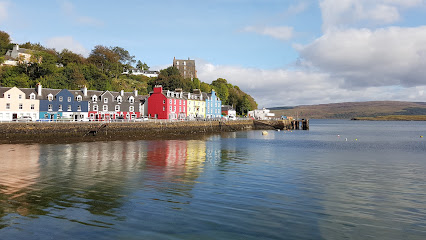
St John's Scottish Episcopal Cathedral : Oban
45.5 km
An unfinished masterpiece where Gothic ambition meets industrial-age engineering in Scotland's most unusual cathedral.
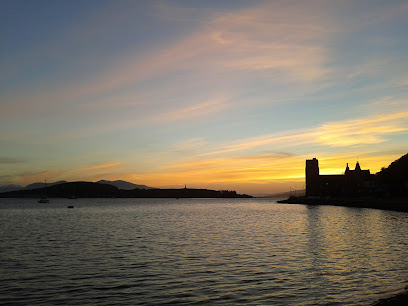
McCaig's Tower & Battery Hill
45.8 km
Explore Oban’s iconic McCaig's Tower, a Colosseum-inspired folly with stunning views and tranquil gardens atop Battery Hill.

Nether Largie Mid Cairn
51.8 km
Bronze Age burial cairn at the heart of Scotland's most significant prehistoric landscape, carved with rare axehead symbols.
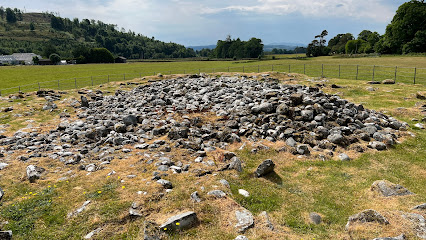
Kilmartin Museum
51.8 km
Discover 12,000 years of history at Kilmartin Museum, where ancient artefacts meet the stunning prehistoric landscape of Kilmartin Glen.
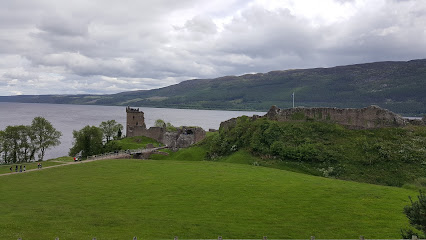
Barcaldine Castle
52.0 km
Experience the haunting beauty and rich history of Barcaldine Castle, a 17th-century Scottish fortress overlooking Loch Creran.
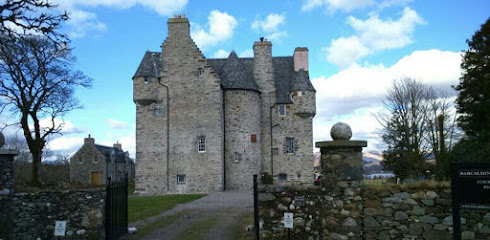
Nether Largie Standing Stones
52.1 km
Discover the ancient allure of Nether Largie Standing Stones, a remarkable historical landmark and hiking area nestled in the stunning landscape of Argyll, Scotland.
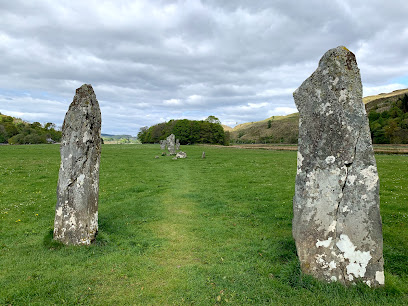
Dunchraigaig Cairn
52.9 km
Explore the ancient Dunchraigaig Cairn, a historical landmark steeped in mystery and surrounded by breathtaking landscapes in Kilmartin Glen.
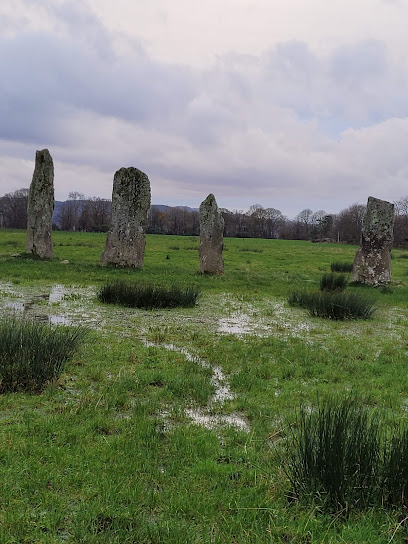
Knapdale Scottish Beaver Trail
53.3 km
Discover the Knapdale Scottish Beaver Trail, a nature lover's paradise where you can observe beavers in their natural habitat amidst stunning Scottish landscapes.
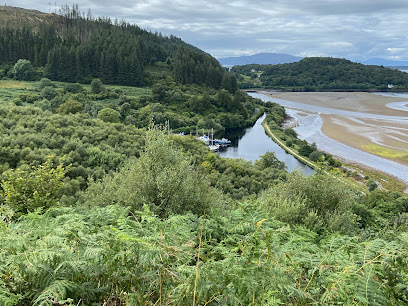
Paps of Jura
53.7 km
Experience the breathtaking beauty and adventure of the Paps of Jura, iconic peaks on the Isle of Jura, perfect for hiking and nature exploration.
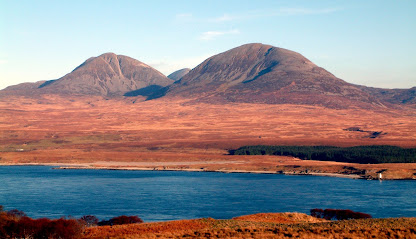
Jura
54.5 km
Explore the stunning Isle of Jura, a tranquil Scottish island known for its breathtaking landscapes, abundant wildlife, and exceptional whisky heritage.
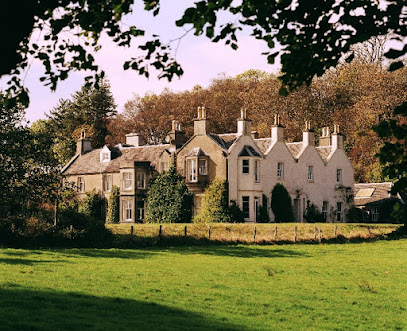
Castle Stalker
55.2 km
Explore Castle Stalker, a stunning 15th-century fortress on a tidal island, offering breathtaking views and a glimpse into Scotland's rich history.
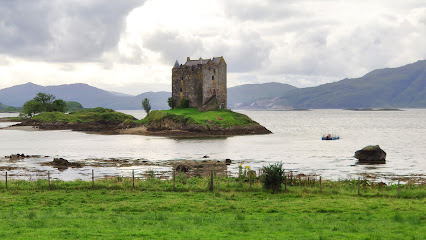
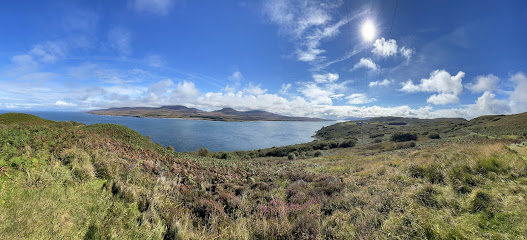
Jura View Point
55.5 km
Discover breathtaking vistas and serene landscapes at Jura View Point on the Isle of Islay, a must-visit for nature lovers and photography enthusiasts.
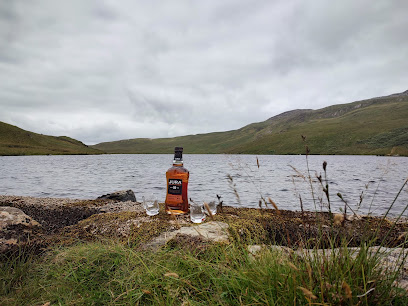
Jura Guided
56.3 km
Explore the breathtaking landscapes of Jura Guided, the ultimate destination for nature lovers and adventurers seeking the beauty of the Scottish Highlands.
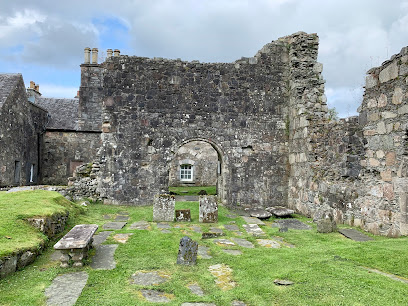
Ardchattan Priory
57.1 km
Explore the historic Ardchattan Priory, a serene blend of ancient ruins and botanical beauty near Oban, Scotland.
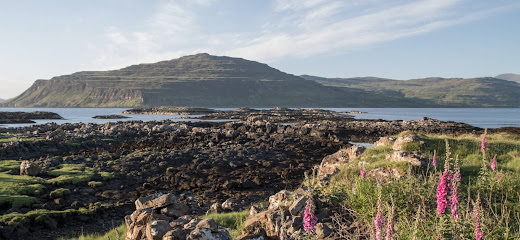
Unmissable attractions to see

Burg
2.6 km
Experience the wild Atlantic power and serene beauty of Burg, a rugged nature reserve on Mull’s remote southwestern peninsula.
Mackinnon’s Cave
5.9 km
Explore the Isle of Mull’s deepest sea cave, steeped in legend and volcanic geology, where history and myth intertwine along rugged coastal cliffs.
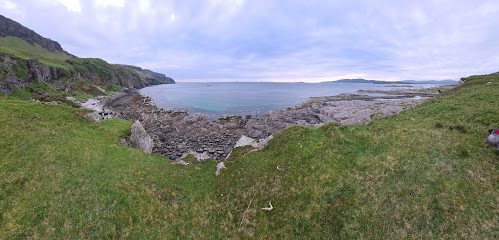
Ross Of Mull Historical Centre
6.2 km
Discover the rich heritage of Ross of Mull at this charming cottage museum nestled beside the Old Corn Mill ruins in Bunessan.
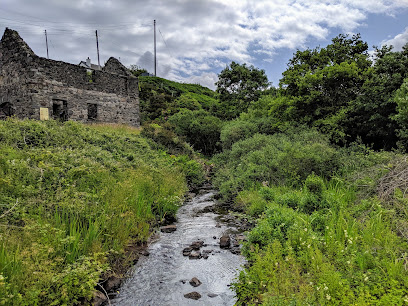
Allt Chreaga Dubha Waterfall
7.7 km
A serene and scenic waterfall nestled in the wild landscapes of the Isle of Mull, perfect for nature lovers and hikers.
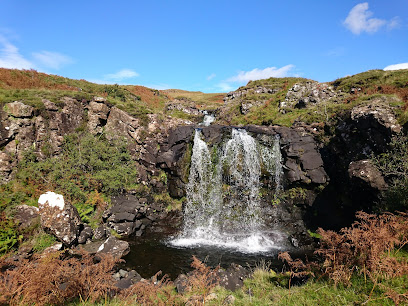
Ardalanish bay
9.0 km
Discover Ardalanish Bay’s pristine sands, rare habitats, and ancient geology on the scenic Isle of Mull’s tranquil southern coast.
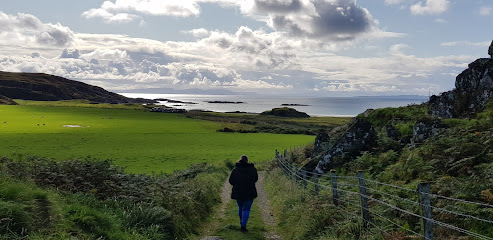
Kilvickeon Beach
9.0 km
Discover Kilvickeon Beach, a tranquil white sand escape framed by rugged rocks and rolling hills on Scotland’s Isle of Mull.
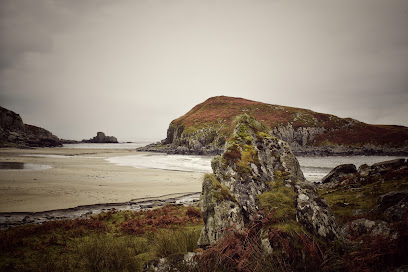
Ardalanish Beach
9.4 km
Discover the tranquil white sands and rich wildlife of Ardalanish Beach, a serene coastal gem on the Isle of Mull’s Ross of Mull.
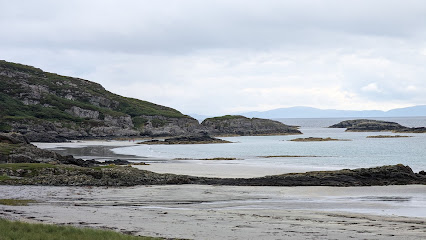
Fingal's Cave
10.6 km
Discover the mesmerizing basalt columns and echoing acoustics of Fingal’s Cave on Staffa, a volcanic island steeped in myth and natural beauty.
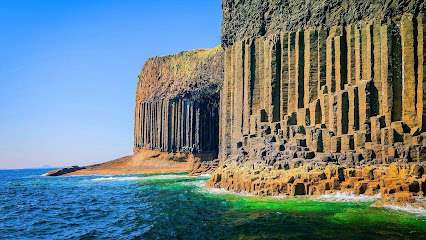
Iona Abbey and Nunnery
12.0 km
Discover centuries of sacred history, art, and worship at Iona Abbey and Nunnery on the serene Isle of Iona, Scotland’s spiritual heart.
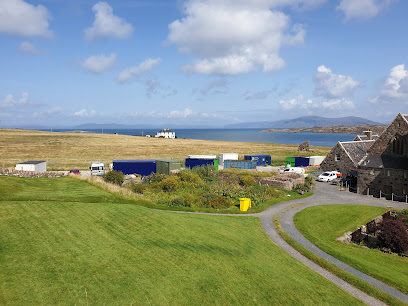
Rubh’ Ardalanish
12.4 km
A pristine white sand beach on Mull’s southern coast, rich in wildlife, wildflowers, and cultural heritage.
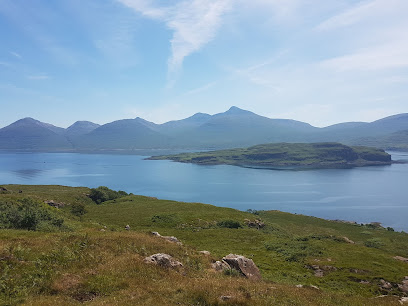
Viewpoint
13.4 km
Discover breathtaking vistas over three serene lochs and rugged Mull mountains at this tranquil viewpoint on the Isle of Mull.
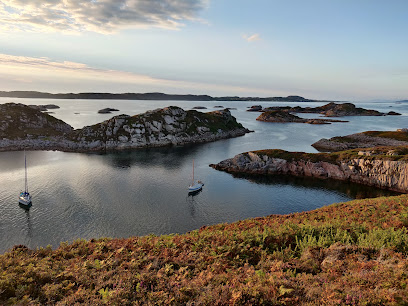
Tinkers Hole
14.0 km
Discover the serene and sheltered anchorage of Tinkers Hole, a hidden coastal gem on Scotland’s Isle of Mull.
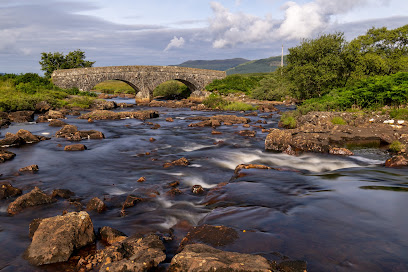
Loch Beg Bridge
14.3 km
Experience the tranquil beauty of Loch Beg Bridge on the Isle of Mull, a picturesque spot for nature lovers and photographers.
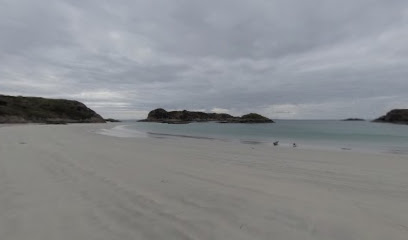
Isle of Mull
14.9 km
Discover the Isle of Mull’s wild landscapes, rich wildlife, historic castles, and vibrant coastal charm on Scotland’s captivating west coast island.
Eas Fors Waterfall Parking
15.1 km
Convenient roadside parking for exploring the breathtaking triple-tiered Eas Fors Waterfall on the Isle of Mull’s rugged west coast.
Essential places to dine

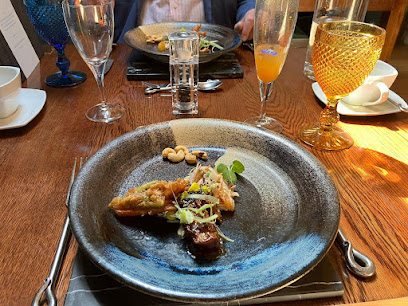
Ninth Wave Restaurant
10.5 km
Intimate seafood dining in a historic croft on the Isle of Mull, blending local flavors with refined culinary artistry.
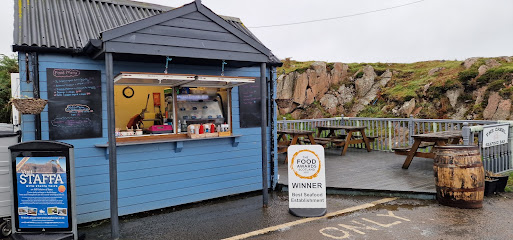
The Creel Seafood Bar
11.1 km
Fresh, locally caught seafood served with friendly charm near the ferry to Iona on the scenic Isle of Mull.
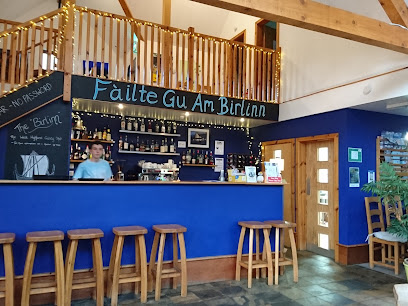
Am Birlinn
24.5 km
Rustic charm meets fresh seafood in a cozy, contemporary setting on the scenic Isle of Mull.
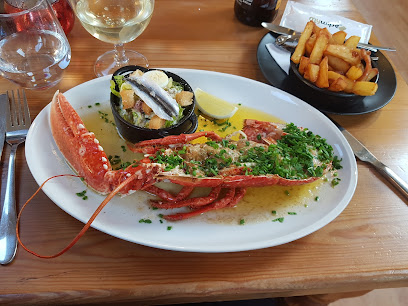
Hebridean Lodge
28.4 km
A charming coastal restaurant near Tobermory serving fresh local seafood with stunning island views and warm hospitality.
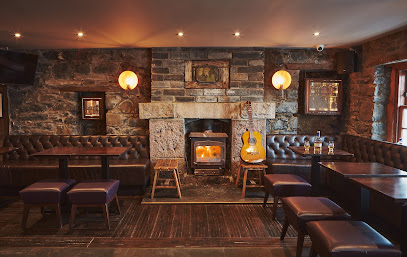
Macgochans
29.0 km
Waterfront gastropub with stunning bay views, fresh Scottish seafood, and warm Hebridean hospitality.
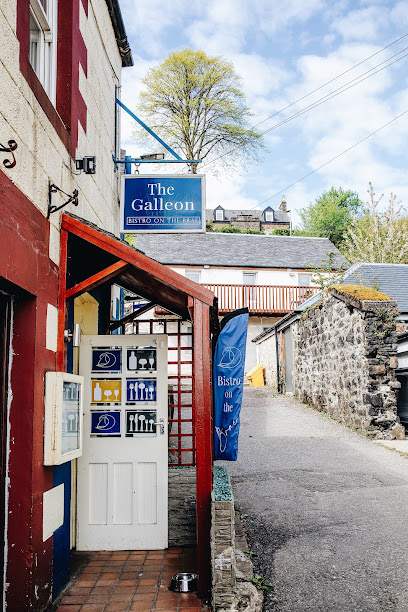
The Galleon Bistro Tobermory
29.3 km
Family-run harbour-side bistro in Tobermory offering fresh local seafood, Scottish classics, and a warm, accessible dining experience on the Isle of Mull.
Spice of Mull
29.3 km
Experience authentic Indian, Bangladeshi, Thai, and Chinese flavors in a cozy Tobermory setting with stunning harbor views.
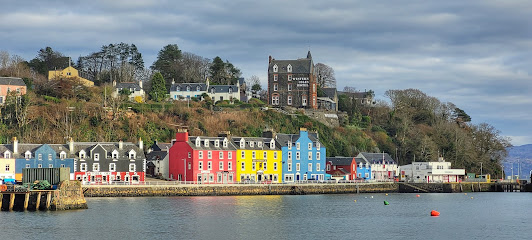
An Cala Ciuin
29.4 km
Traditional Scottish hospitality with harbour views and hearty fare in the heart of Tobermory’s historic Mishnish Hotel.
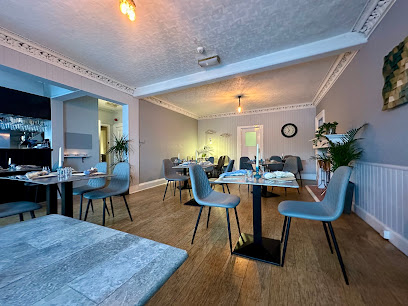
Cafe Fish, Upper Floor, The Pier, Tobermory
29.4 km
Experience Tobermory’s freshest seafood with stunning harbour views at the acclaimed Cafe Fish on the Isle of Mull.
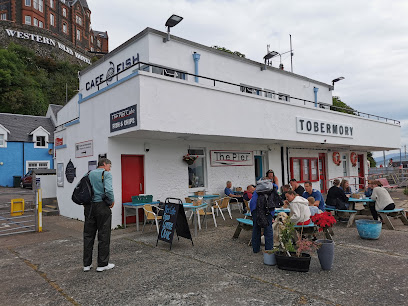
The Whitehouse Restaurant
32.2 km
An intimate fine dining haven in Lochaline serving innovative Scottish cuisine with fresh, local, and foraged ingredients in a historic coastal setting.
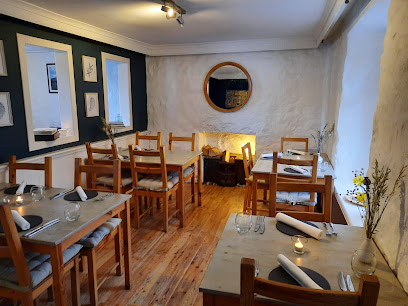
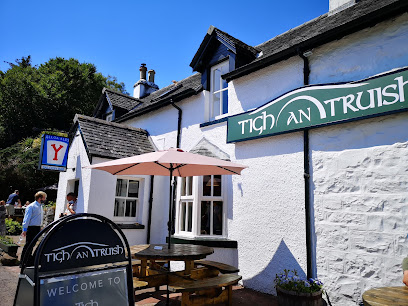
Tigh An Truish
38.9 km
Charming inn and acclaimed restaurant with stunning views of the iconic Clachan Bridge, offering exquisite local cuisine and cozy accommodations.
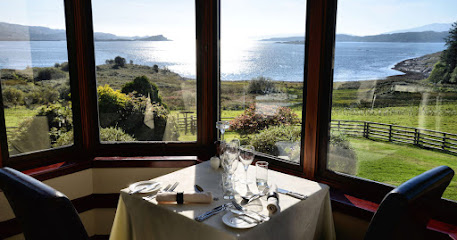
Restaurant at Loch Melfort Hotel
43.1 km
Savor inventive Scottish cuisine with stunning sea loch views at the acclaimed Restaurant at Loch Melfort Hotel in Arduaine.
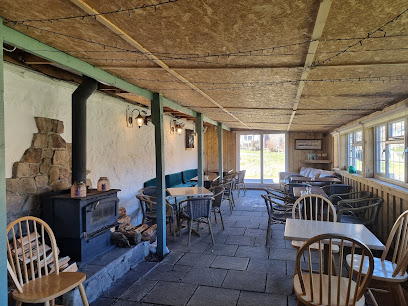
The Barn Bar
45.0 km
A rustic country pub at Cologin offering seasonal Scottish fare, cozy log fires, and lively local music near Oban.
Food From Argyll at the Pier
45.3 km
A vibrant café at Oban’s ferry terminal serving fresh, locally sourced Argyll produce with stunning waterfront views.
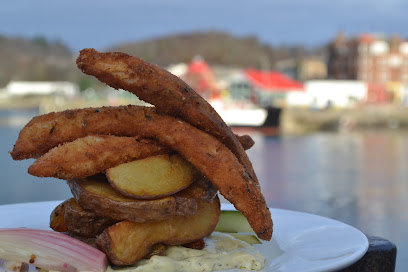
EE-USK
45.4 km
Fresh, locally sourced seafood served with panoramic harbor views on Oban’s historic North Pier.
Markets, malls and hidden boutiques

Spar Bunessan
6.3 km
Your friendly local convenience store and post office in Bunessan, Isle of Mull, offering essentials and community connection in a scenic village setting.
Fingal's Cave Gift Shop
6.3 km
Discover unique Hebridean crafts and souvenirs inspired by the legendary Fingal's Cave at this charming Isle of Mull gift shop.
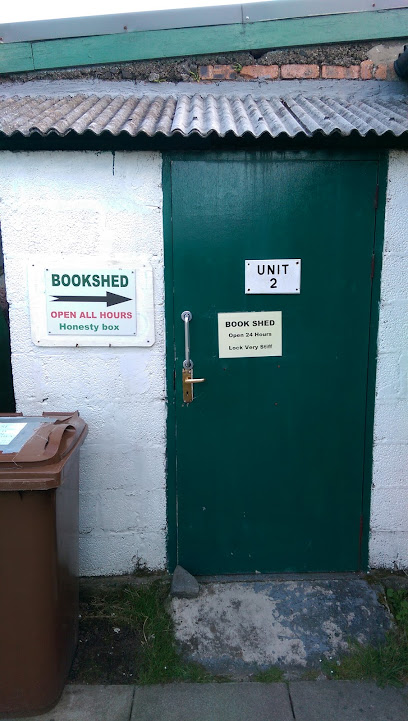
Bookshed
6.3 km
Discover a charming charity bookshop in Bunessan, Isle of Mull, offering diverse second-hand books and supporting local community causes.
Island Castaways
6.4 km
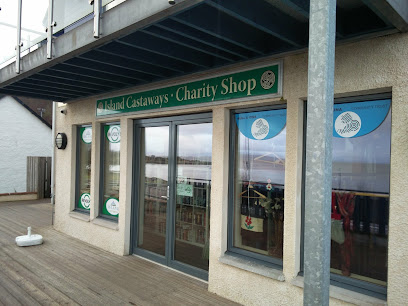
Discover unique thrift treasures and support local causes at Island Castaways, Mull’s spotless and community-driven charity shop in Craignure.
The Ferry Shop
11.0 km
Your essential stop for groceries, island produce, and local services in Fingal on the Isle of Mull.
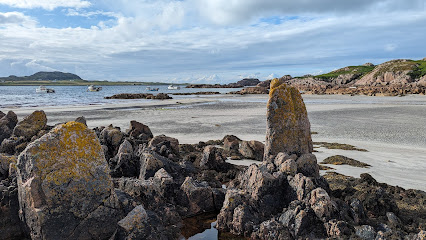
Fingal Arts & Crafts
11.0 km
A charming craft shop in Fionnphort, showcasing handmade jewellery, textiles, ceramics and art inspired by the wild beauty of the Hebrides and Iona.
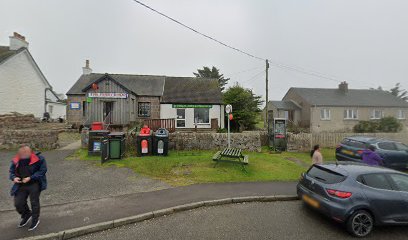
Premier
24.4 km
Your friendly local Premier store on Mull’s Main Street, offering groceries, postal services, and community warmth in Dervaig village.

Hasn Candle Company
28.4 km
Discover handcrafted candles inspired by the natural beauty and seasonal scents of the Isle of Mull in Tobermory’s welcoming artisan shop.
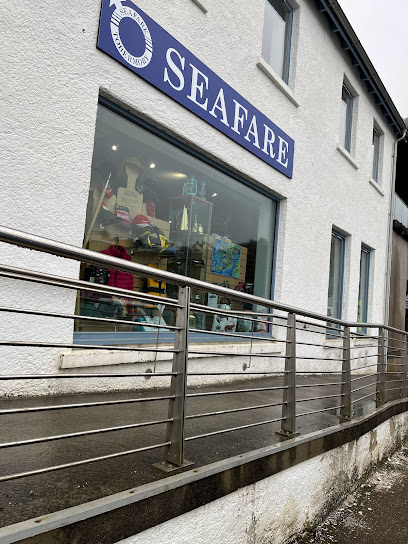
Seafare
29.0 km
Tobermory’s trusted chandlery since 1977, offering essential marine safety gear and supplies in the heart of the Isle of Mull’s harbor town.
Trekomory Breeze
29.0 km
Trekomory Breeze offers practical outdoor clothing and accessories in Tobermory, blending local charm with quality gear for every adventurer.
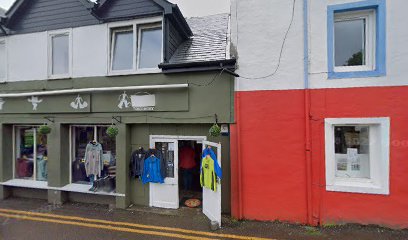
Tobermory Stores
29.1 km
Tobermory Stores offers essential shopping with local charm in the heart of Isle of Mull’s colorful main street.
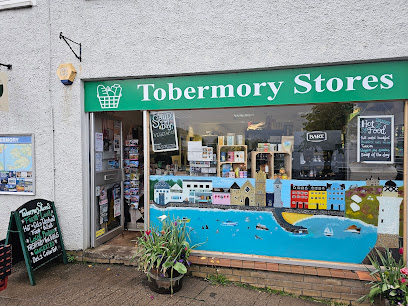
Island Crafts
29.2 km
Discover authentic Isle of Mull artistry and handcrafted treasures in the heart of Tobermory’s vibrant craft scene.
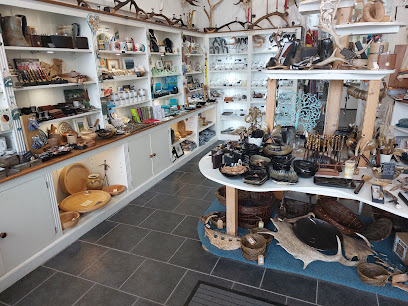
Isle Of Mull Soap Co Ltd
29.2 km
Discover handmade natural soaps and eco-friendly gifts crafted with care in the heart of Tobermory on the Isle of Mull.
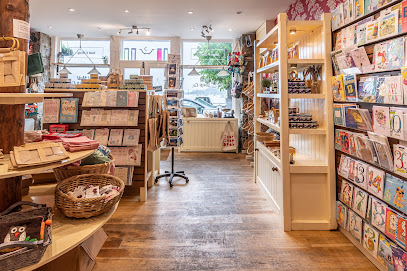
Island Blue Tobermory
29.2 km
Discover authentic Isle of Mull crafts and unique gifts in the heart of Tobermory’s vibrant Main Street.
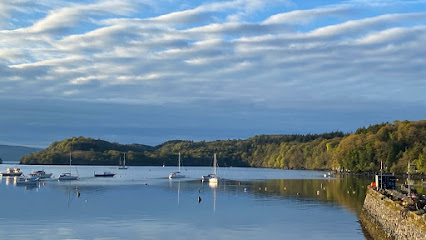
Co-op Food - Tobermory
29.3 km
Tobermory’s largest convenience store offering fresh island produce and everyday essentials in the heart of the Isle of Mull.
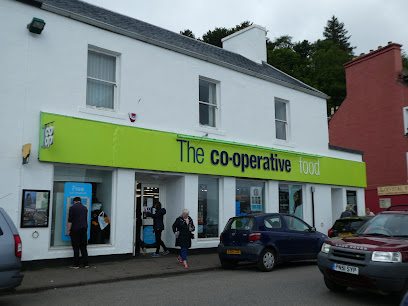
Essential bars & hidden hideouts

Bunessan Inn
6.4 km
Historic Isle of Mull pub and inn offering hearty food, local whiskies, cozy rooms, and stunning loch views in a warm community setting.
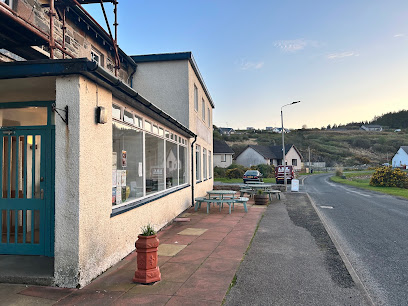
The Keel Row
11.0 km
Cozy pub and restaurant in Fionnphort offering hearty Scottish dishes, scenic bay views, and a warm, welcoming atmosphere on the Isle of Mull.
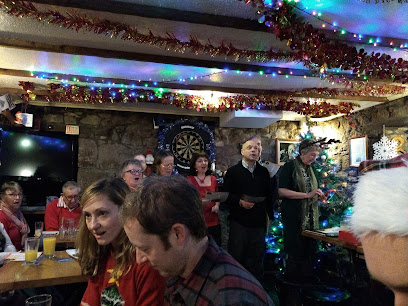
Snack Bar
11.1 km
Experience the charm of the Isle of Mull at the Snack Bar, where delightful bites and stunning views create unforgettable memories.
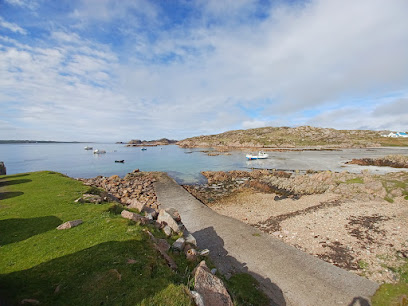
The Tobermory Hotel
29.1 km
Historic boutique hotel with stunning Tobermory Bay views, local cuisine, and warm Highland hospitality on the Isle of Mull’s vibrant waterfront.
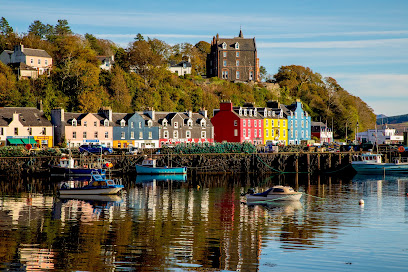
Mishnish
29.4 km
A traditional Scottish hotel and bar in Tobermory, famed for cosy harbour views, live folk music, and warm island hospitality.
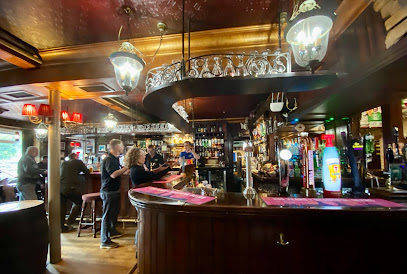
Western Isles Hotel
29.4 km
Historic hotel with breathtaking Tobermory Bay views, classic charm, and warm hospitality on the scenic Isle of Mull.
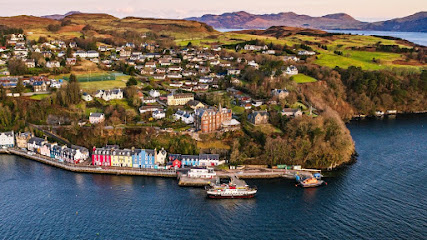
Auld Mull Bar
29.5 km
Experience warm island hospitality and local flavors at Auld Mull Bar, a cozy family-run retreat in Tobermory’s charming harbor village.
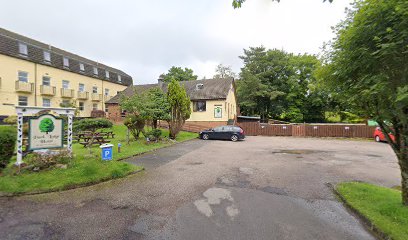
Isle of Mull Hotel & Spa
32.5 km
A welcoming coastal retreat on the Isle of Mull, blending scenic views, spa relaxation, and warm Scottish hospitality.
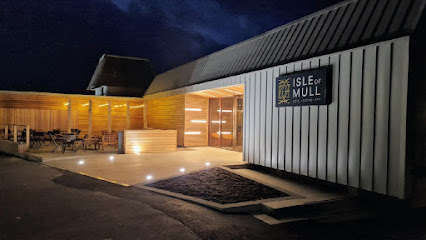
Craignure Inn
33.0 km
A cozy, dog-friendly pub and inn in Craignure offering hearty fare, comfortable rooms, and a warm welcome on the Isle of Mull.
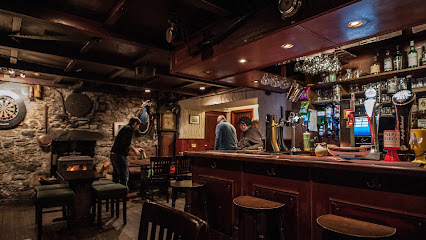
Colonsay Pub
33.6 km
Experience authentic island hospitality and local brews at Colonsay Pub, the vibrant social hub of the Isle of Colonsay.
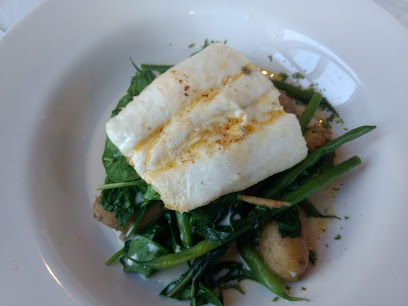
The Oyster Bar
35.5 km
A charming seafood haven in historic Ellenabeich, offering fresh oysters, scenic coastal views, and warm Scottish hospitality.
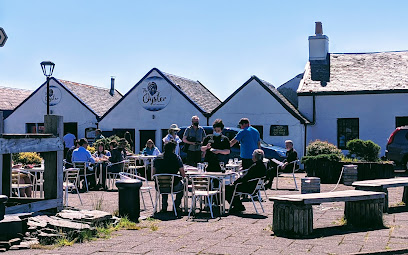
Markie Dans
45.5 km
Family-run pub in Oban offering vast single malts, hearty food, live music, and stunning bay views in a welcoming, lively atmosphere.
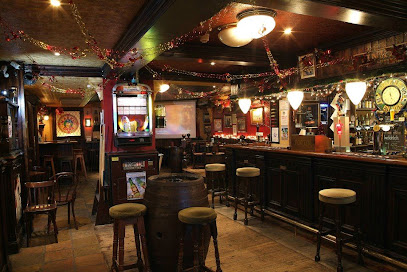
Cellar Bar
45.5 km
Cozy and traditional Scottish pub on Oban’s waterfront, famed for local whiskies, live music, and warm hospitality.
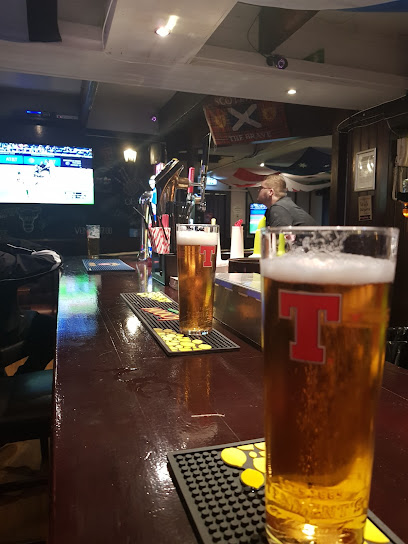
The Tartan Tavern
45.5 km
Experience authentic Scottish hospitality and traditional charm at The Tartan Tavern, a cozy and lively pub in the heart of Oban.
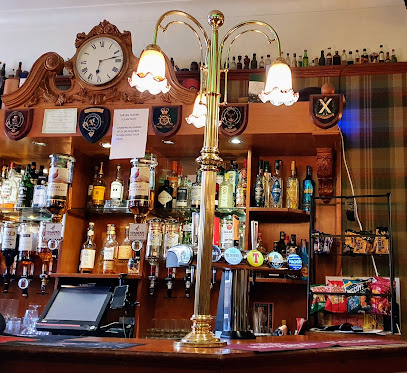
Lorne Bar
45.7 km
Experience authentic Scottish hospitality, fresh local seafood, and a warm, welcoming atmosphere in the heart of Oban at The Lorne Bar.
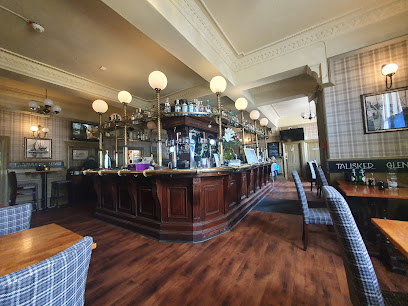
Nightclubs & after hour spots

Jura Brewery
60.7 km
Discover Jura Brewery: A Craft Beer Experience in the Heart of the Isle of Jura, Where Tradition Meets Nature's Bounty.
Roobarb
83.2 km
Experience Fort William’s vibrant nightlife at Roobarb, the welcoming nightclub where music and dancing light up weekend nights.
Gabbro Bar
98.4 km
Experience the cozy charm of Gabbro Bar in Broadford, Isle of Skye, with a delightful selection of drinks in a welcoming atmosphere.
For the vibe & atmosphere seeker
- Adventurous
- Scenic
- Tranquil
- Unique
For the design and aesthetic lover
- Rustic Designs
For the architecture buff
- Historic
- Viewpoints
- Parks & Gardens
For the view chaser and sunset hunter
- Iconic Views
- Panoramas
- Waterfront
- Sunset Spots
For the social media creator & influencer
- Instagrammable
- Photo Spots
- Selfie Spots
For the eco-conscious traveler
- Protected Area
- Nature Reserve
- National Park
- Leave-No-Trace Critical
- Locally Managed
- Public-Transport Accessible
For the kind of experience you’re after
- Cultural Heritage
- Nature Escape
- Day Trip
- Weekend Getaway
- Photowalk
- Myth & Legends
For how adventurous you want the journey to be
- Easy Access
- Requires Hike
Location Audience
- Family Friendly
- Senior Friendly
- Child Friendly
- Teen Friendly
- Solo Friendly
- Couple Friendly
- Vegetarian Friendly
- Vegan Friendly


