Fingal's Cave Travel Guide
Free Guide: Discover the mesmerizing basalt columns and echoing acoustics of Fingal’s Cave on Staffa, a volcanic island steeped in myth and natural beauty.


A brief summary of Fingal's Cave
Discover the mesmerizing basalt columns and echoing acoustics of Fingal’s Cave on Staffa, a volcanic island steeped in myth and natural beauty.
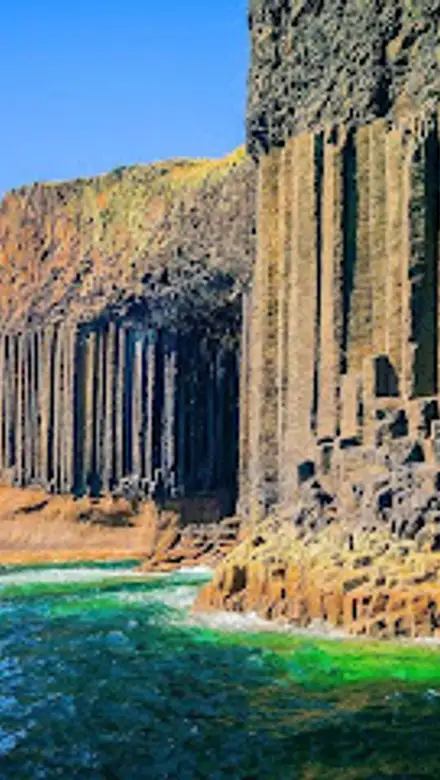
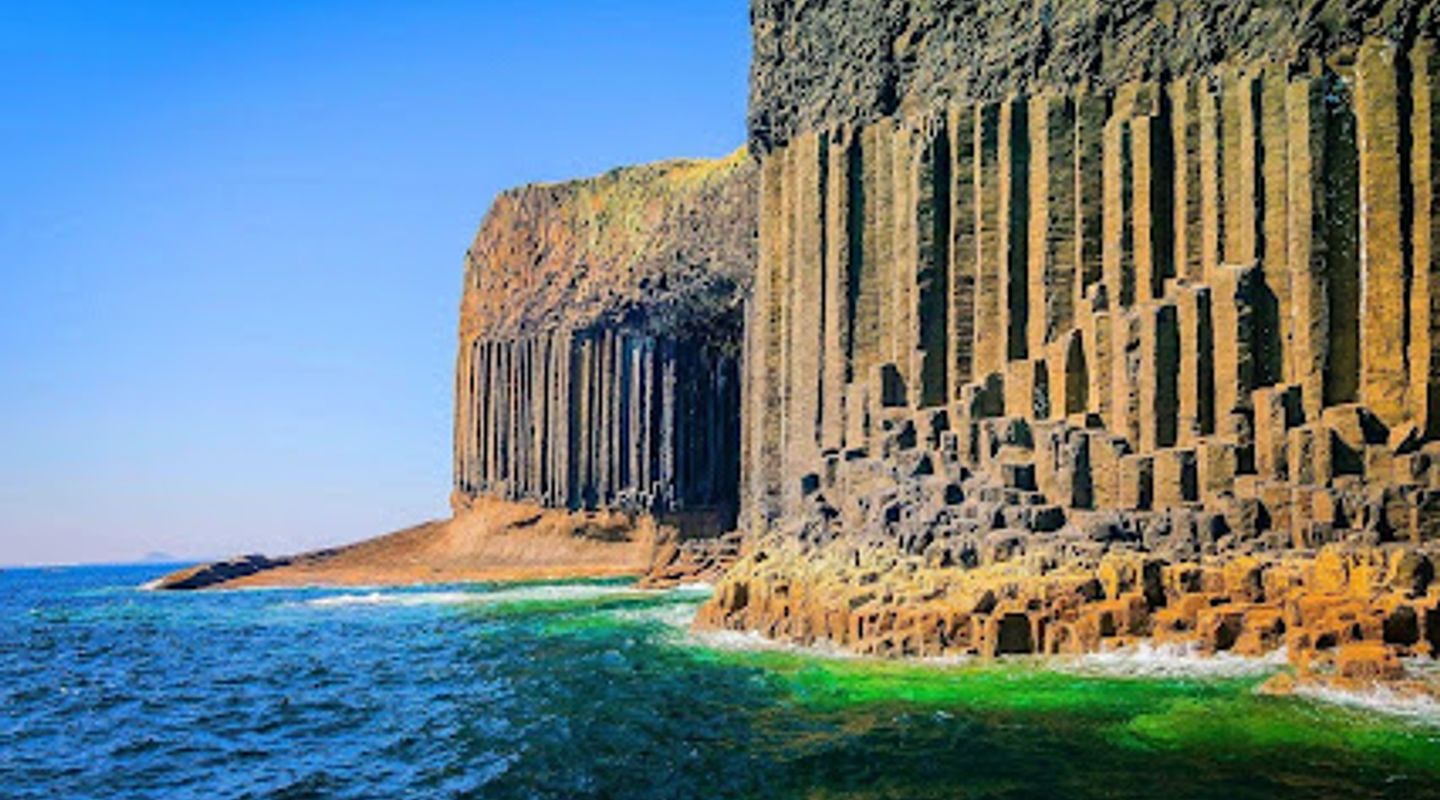
Fingal's Cave, located on the uninhabited Isle of Staffa in Scotland’s Inner Hebrides, is renowned for its extraordinary hexagonal basalt columns formed by ancient volcanic activity. This natural sea cave, famed for its remarkable acoustics and striking symmetry, inspired Mendelssohn’s Hebrides Overture. Visitors can also enjoy the island’s rich wildlife, including puffins and seals, amid a rugged, otherworldly landscape shaped by millennia of geological forces.
On-site amenities
 Information boards
 Seating areas
 Trash bins
Opening hours
- Every dayOpen 24 hours
Opening hours as listed on the venue’s Google Business Profile. Hours can change for services and special events, so check with the venue before you go.
- Address
- Isle of Staffa
- Phone
- Website
Getting there
Boat Tour from Isle of Mull
Guided Day Trips from Oban
Private Charter Boats
Walking on Staffa
Discover more about Fingal's Cave
Geological Wonder Carved by Time
The Isle of Staffa, a small, uninhabited island about 6 miles west of Mull, is a geological masterpiece formed around 60 million years ago during volcanic eruptions that created vast basalt lava flows. As the molten lava cooled, it contracted into the island’s iconic hexagonal columns, resembling giant organ pipes. These columns are especially spectacular around Fingal’s Cave, a sea cave carved entirely within these basalt formations. The cave’s unique structure and acoustics, created by waves crashing inside the cavern, have fascinated visitors for centuries.
Myth, Music, and Artistic Inspiration
Fingal’s Cave has long captured imaginations, inspiring legends and art. The cave’s name derives from the mythical Irish warrior Fingal (Fionn MacCumhaill), linked to tales of giants and ancient battles. In the 19th century, composer Felix Mendelssohn visited the cave and was so moved by its echoing sounds that he composed the Hebrides Overture. Writers such as Jules Verne and poets like Wordsworth and Tennyson also found inspiration here, cementing the cave’s place in cultural history.
Wildlife and Natural Habitat
The island is a designated National Nature Reserve and Site of Special Scientific Interest, supporting diverse seabird colonies including puffins, guillemots, razorbills, and fulmars. Grey seals and dolphins frequent the surrounding waters, enriching the island’s vibrant ecosystem. Visitors in spring and early summer can witness puffins nesting on the cliffs, adding a lively dimension to this remote, rugged environment.
Exploring Staffa’s Unique Landscape
Though only half a mile long and a quarter mile wide, Staffa offers a surreal landscape of towering basalt columns, caves, and rocky shores. The island’s terrain is uneven and slippery, demanding sturdy footwear for safe exploration. The hexagonal columns extend beyond the cave, curving and twisting in places, revealing the complex volcanic history beneath. Nearby islets like Am Buachaille display similarly curved columns, enhancing the geological intrigue.
Visiting Fingal’s Cave Today
Staffa is accessible primarily by boat tours from the Isle of Mull, with departures from ports such as Fionnphort and Tobermory. Landings are weather-dependent, with the best visiting season from May to September. The island’s jetty and staircase have undergone maintenance works, so access points may vary. Visitors are encouraged to respect wildlife regulations, including prohibitions on feeding seabirds, to preserve the island’s pristine condition.
Legacy and Conservation Efforts
Staffa was gifted to the National Trust for Scotland in 1986 and designated a National Nature Reserve in 2001. Conservation efforts focus on protecting its geological features and fragile habitats. The island remains a symbol of Scotland’s natural heritage and a testament to the enduring power of volcanic forces and the sea.
Evendo Review Centre
 Google
Guest reviews
Best time to go
Quietest: Jan, Feb & Dec · before 6am or at 9pm
Busy times are Evendo estimates for a typical year, to help you plan. Actual crowds vary with events, school holidays and the weather.
Explore Fingal's Cave on the map
A handpicked selection of must-see spots near Fingal's Cave, mapped for you.
Get your free copy of our complete guide to Fingal's Cave, delivered straight to you.
Everything on this page, from opening hours and how to get there to Eve’s tips and the best time to go, in one PDF you can read offline, print or share.
Already have an account? Sign in
Your Fingal's Cave guide is ready.
We'll send it to · Not you? Sign out

Getting your guide ready…
We are putting together a fresh copy of the Fingal's Cave guide. This can take up to a minute.
This can take a few moments. If your browser asks, choose Allow so the download can start. You'll find the guide in your Downloads folder.
Nothing happened? Download it again
Sorry, the guide is taking longer than usual. Please try again in a minute, or get it by email instead.
Other nearby places you may find interesting
The closest places of the same kind, if this one is not quite what you had in mind.
-
-
-
-
-


Swipe for more places
More to explore near Fingal's Cave

 Best experiences near Fingal's Cave
 Best hotels near Fingal's Cave
 Best landmarks near Fingal's Cave
 Best attractions near Fingal's Cave
 Best shops near Fingal's Cave
 Best restaurants near Fingal's Cave
 Best bars near Fingal's Cave
Do you manage this location?
Take control to get all the benefits, like improved information, better appearance, and stronger visibility across AI-powered discovery.
Explore more
Explore more of Down
Discover the tranquil beauty, historical treasures, and warm hospitality of Down in Northern Ireland, where serene landscapes and rich heritage await.
Explore Down
Explore more of United Kingdom
Discover the United Kingdom: A blend of rich history, stunning landscapes, and vibrant cities, offering a unique travel experience for every visitor.
Explore United Kingdom