Glastonbury Tor, Somerset Travel Guide
Where legend, history, and spirituality converge on Somerset's most iconic hilltop.
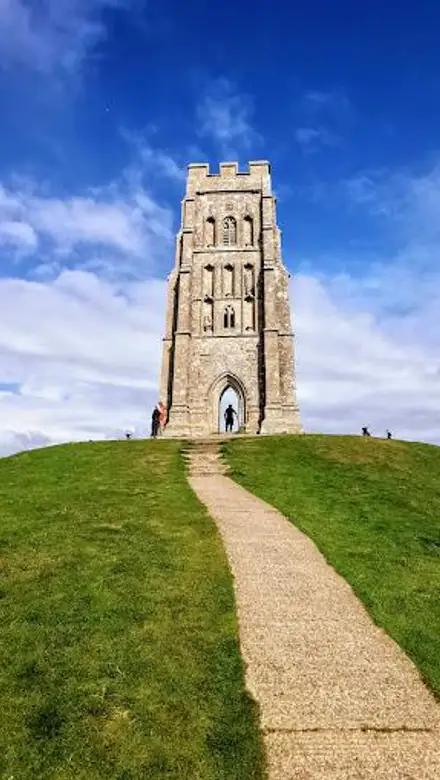
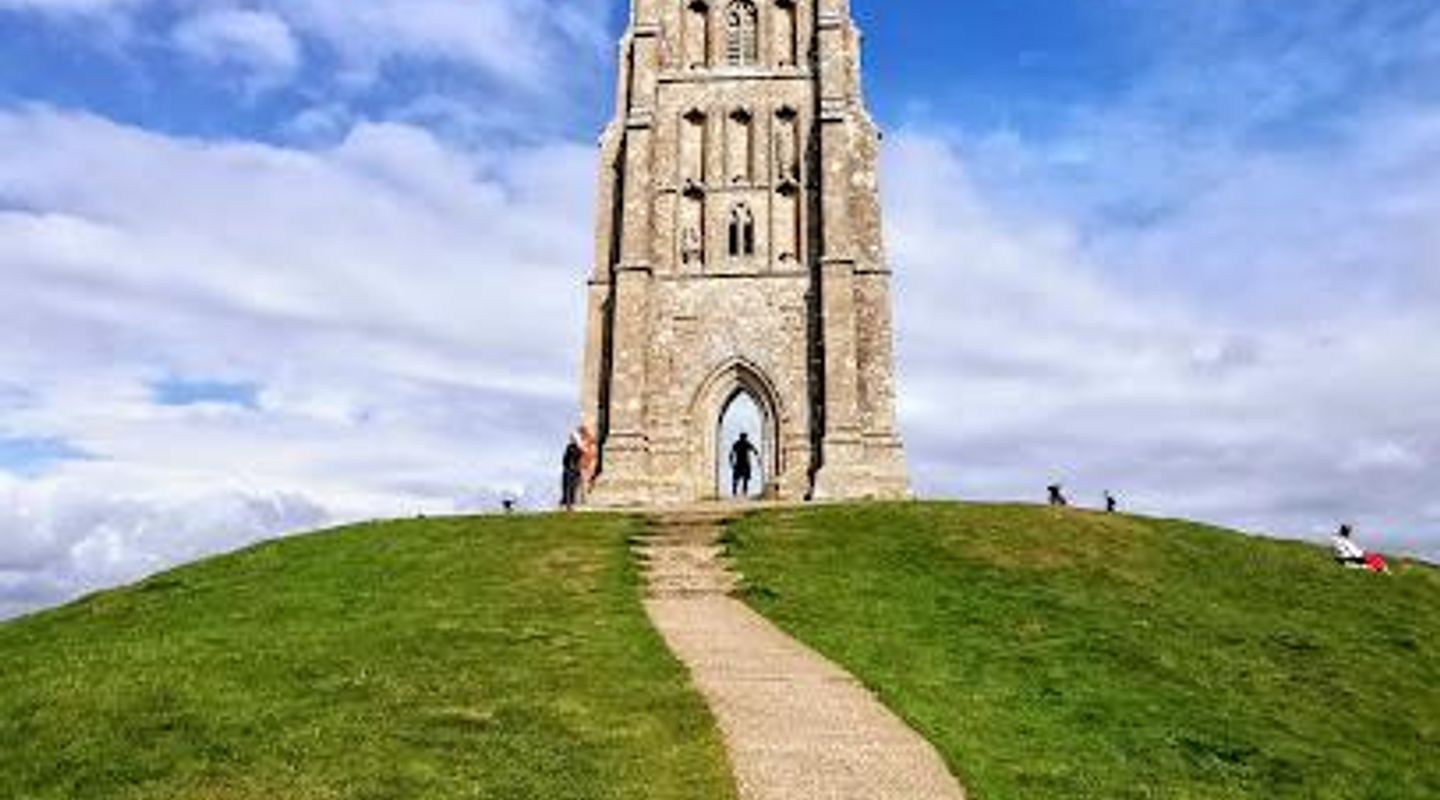
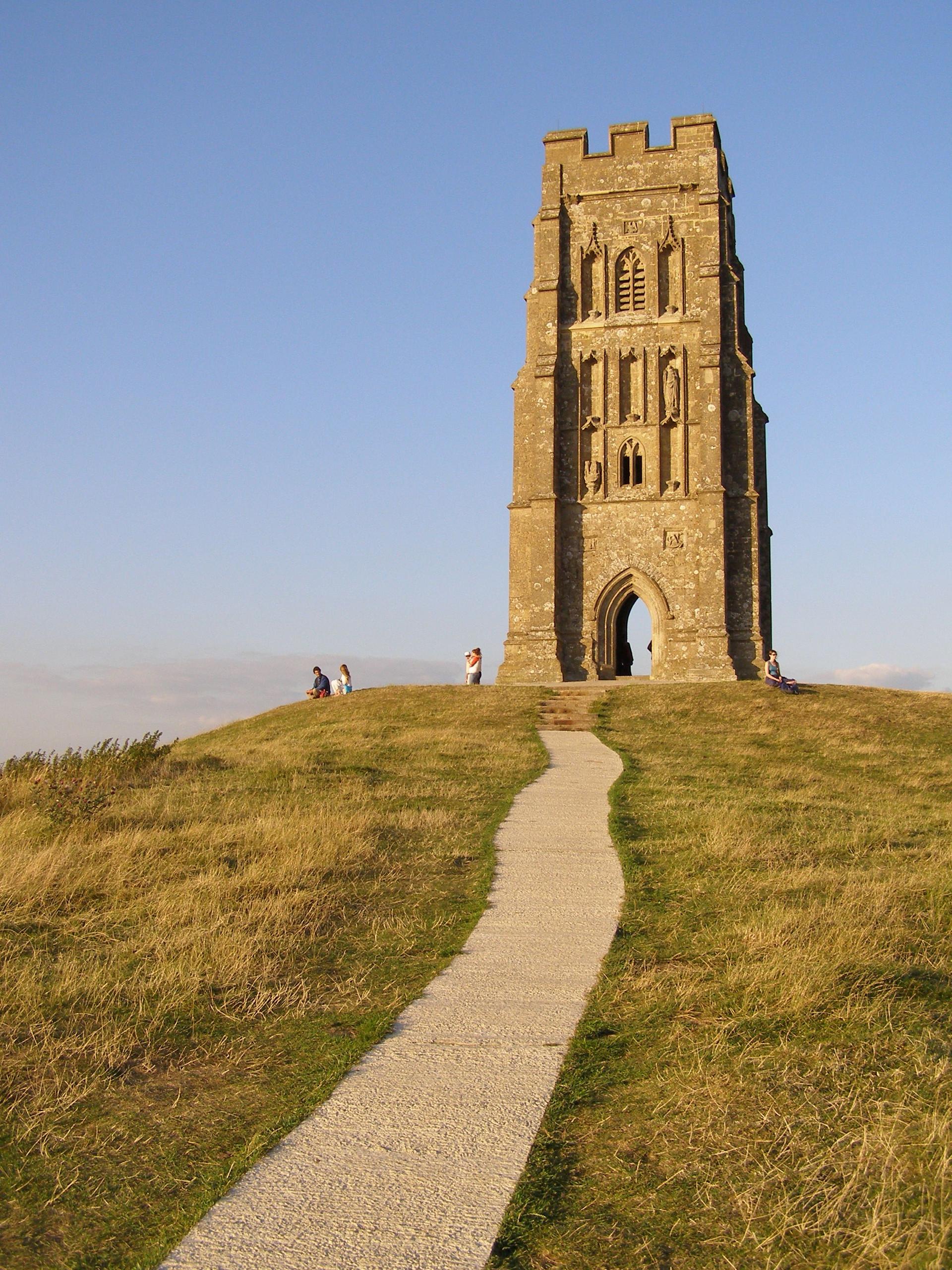
Rising 158 metres above the Somerset Levels, Glastonbury Tor is a dramatic natural landmark crowned by the ruined tower of a 14th-century church dedicated to Saint Michael. This ancient sacred site, steeped in Arthurian legend and Christian mythology, draws visitors seeking spiritual connection and panoramic views across the English countryside. Free to visit and open 24 hours, the Tor offers a tangible link to centuries of folklore, from tales of King Arthur and the Holy Grail to pre-Christian Celtic worship.
A brief summary to Glastonbury Tor
- Glastonbury, GB
- Duration: 1 to 2 hours
- Free
-
 Outdoor
- Mobile reception: 4 out of 5

Know before you go
Hi, I'm Eve. Here are a few practical things to know before exploring Glastonbury Tor.
- Visit early morning or late evening to avoid crowds and capture better photographs. The site is open 24 hours, making sunrise and sunset visits particularly rewarding for both views and atmosphere.
- Bring water and wear sturdy footwear. The concrete paths are steep with benches at the halfway point. The ascent takes 15–20 minutes from the town centre, but the 360-degree views reward the effort.
- Explore the ruined tower's interior archways and look for carved details. The hollow chamber offers shelter from wind and provides a contemplative space to absorb the landscape.
- Combine your visit with nearby attractions: Glastonbury Abbey (10 minutes' walk), Chalice Well (at the base of the Tor), and the White Spring. These sites deepen understanding of the area's spiritual significance.
- Visit during shoulder seasons (spring or autumn) or on weekdays to experience the site with fewer visitors and a more meditative atmosphere.
Do you manage this location?
Take control to get all the benefits, like improved information, better appearance, and stronger visibility across AI-powered discovery. Learn more about listing your business on Evendo
Activate your presenceOther nearby places you may find interesting
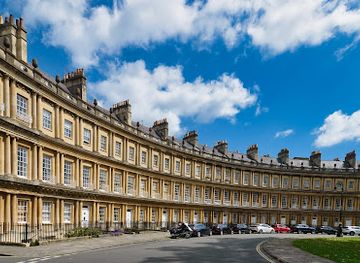
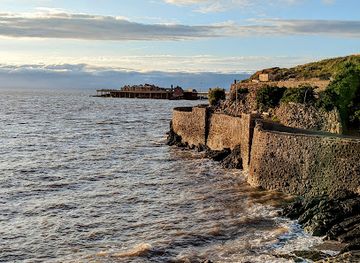
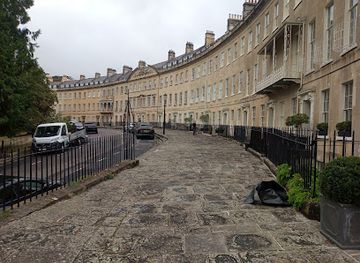
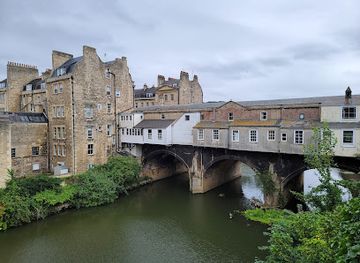
The closest places of the same kind, if this one is not quite what you had in mind.

Explore Glastonbury Tor on the Map
A handpicked selection of must-see spots near Glastonbury Tor, mapped for you.
Unlock the Best of Glastonbury Tor
Buy tickets
-
No tickets available
Book tours with entry


Getting There
-
Walking from Glastonbury Town Centre
From Glastonbury High Street, follow signs toward the Tor. The walk takes 15–20 minutes and covers approximately 1.5 kilometres. The route is straightforward, passing through residential areas before reaching the Well House Lane entrance (the most accessible route) or Stone Down Lane entrance. Both lead to the concrete path up the hill. No charge; park in town centre car parks (Wilfrid Road or Magdalene Street, both pay-and-display, approximately £1–2 per hour).
-
Tor Mini Bus (Seasonal)
From spring through September, the National Trust operates a shuttle bus from Glastonbury Abbey on Magdalene Street. Pre-booking is essential. The bus drops passengers at the base of the Tor on the north side, reducing walking time to approximately 5 minutes. Service frequency varies; allow 40 minutes total at the Tor. Cost approximately £2–3 per person return. Enquire at Glastonbury Information Centre (01458 333144) for current schedules and booking.
-
Accessibility Parking
Blue and Orange Badge holders can access mobility parking in Stonedown Lane (two-minute walk to the most accessible entrance near Chalice Well). The entrance features steps and a steep ramp. Standard parking is not available at the Tor; use town centre car parks and walk, or use the seasonal shuttle bus. Concrete paths to the summit are steep but manageable with assistance.
-
Cycling and Alternative Routes
Cycling is possible to the Tor's base via town centre routes, though the final ascent is steep and not suitable for bikes. The Chalice Well entrance (Well House Lane) is quieter and offers an alternative approach. Allow 20–30 minutes total from town centre by bike plus walking time up the hill.
For the on-the-go comforts that matter to you
-
 Seating Areas
-
 Information Boards
-
 Sheltered Areas
Discover more about Glastonbury Tor
A Sacred Landscape Shaped by Time and Legend
Glastonbury Tor dominates the skyline of Somerset as one of England's most spiritually significant natural landmarks. Rising 158 metres above the surrounding flatlands, this distinctive conical hill was once an island surrounded by the marshes of the Somerset Levels before the wetlands were drained in the 18th century. The Tor's unusual geology and the seven terraces that encircle its slopes—whose origins remain mysterious—have captivated visitors for millennia. These terraces may have been created for agricultural purposes, or they could represent a sacred labyrinth designed for pilgrimage, adding to the site's enigmatic character.From Pagan Sanctuary to Christian Monument
Archaeological evidence suggests that Glastonbury Tor has been a site of religious significance for over 1,000 years, though its sacred importance likely extends far deeper into prehistory. The Celts called it Ynys Witrin, the Isle of Glass, and believed it was a gateway to Annwn, the Celtic underworld ruled by Gwyn ap Nudd, lord of the fairies. Pre-Christian peoples may have constructed platform villages and wooden causeways in the surrounding marshes, making this region one of the earliest centres of human settlement in Britain. When Christianity arrived, the site's spiritual power was too strong to ignore. A succession of churches was built on the summit, beginning in the Saxon period, transforming a pagan sanctuary into a Christian place of worship. The current structure—the tower of Saint Michael's Church—dates from the 14th century and replaced an earlier wooden church destroyed by an earthquake in 1275. The tower's survival through centuries of neglect and the English Reformation stands as a testament to its sturdy construction and the enduring reverence in which the site is held.The Grail, Arthur, and Medieval Pilgrimage
Glastonbury Tor became the focal point of some of Britain's most powerful legends during the Middle Ages. According to tradition, Joseph of Arimathea—the biblical figure who claimed Jesus' body from the cross—travelled to Britain as a merchant and missionary, bringing with him the Holy Grail, the chalice used at the Last Supper. Upon arriving at the Isle of Avalon, Joseph planted his staff in the ground at Wearyall Hill, where it miraculously took root and became the sacred Glastonbury Thorn, a hawthorn that continues to flower around Easter and Christmas. He is said to have hidden the Grail near the Chalice Well, a natural spring at the base of the Tor, whose waters were believed to grant eternal youth and healing properties. The legend deepened when monks at Glastonbury Abbey claimed in 1191 to have discovered the bones of King Arthur and his queen Guinevere buried on the abbey grounds. Whether genuine or a masterful medieval marketing campaign, this discovery transformed Glastonbury into one of Christendom's most important pilgrimage destinations, drawing thousands of devotees seeking spiritual renewal and miraculous healing.The Tower and Its Spiritual Presence
Today, the roofless tower of Saint Michael's Church stands as the sole survivor of medieval construction on the Tor's summit. Visitors who climb through its archways find themselves in a hollow stone chamber open to the sky, with benches positioned to catch the breeze after the steep ascent. The tower's carvings, though weathered by centuries, still hint at its former grandeur, including a notable carving of Saint Bridget milking a cow. The site witnessed dark moments in history as well: during the English Reformation, the last Abbot of Glastonbury, Richard Whiting, was hung, drawn and quartered on the Tor in 1539 as Henry VIII's monasteries fell. Despite this violence, the tower endured, and today it serves as a symbol of spiritual resilience and continuity.Energy, Mystery, and Modern Spirituality
Contemporary visitors often speak of powerful energies and a palpable atmosphere at Glastonbury Tor. The site is believed to lie on the Saint Michael ley line, one of Britain's most significant energy pathways, and many spiritual practitioners report heightened sensitivity and connection here. Local folklore persists in tales of a hollow interior containing caves, dragons, and fairy courts—mysteries that have never been fully explained. The labyrinth pattern visible in the Tor's terraces continues to intrigue researchers and pilgrims alike, with some believing it spirals seven times before reaching the summit. Summer Solstice celebrations draw hundreds of visitors who gather to witness the sunrise from the top, continuing an ancient tradition of marking celestial events at this sacred place. The combination of documented history, enduring legend, and reported spiritual phenomena makes Glastonbury Tor a unique destination where the boundaries between myth and reality blur.












Your all‑in‑one travel companion app
Explore expert travel guides, compare and book tours, experiences, hotels, and more—all from the palm of your hand. Download now for seamless trip planning wherever your wanderlust takes you.


Explore More of Somerset
Looking beyond Glastonbury Tor? Discover Somerset for broader travel guides, local hot-spots, and regional highlights.
Explore Somerset