
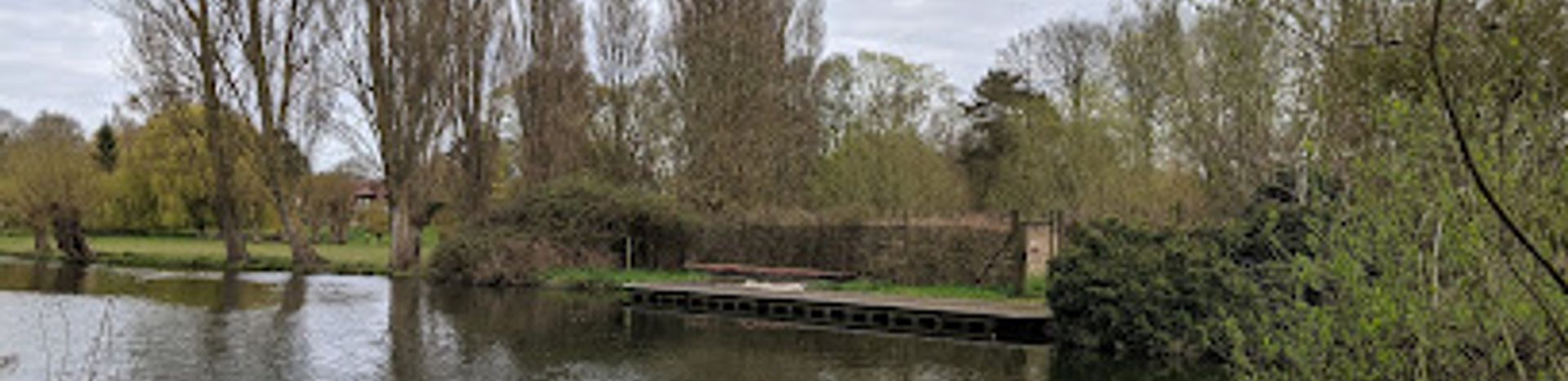
Paradise Local Nature Reserve
A tranquil wetland sanctuary where rare beetles, bats, and riverside beauty converge in urban Cambridge.
Paradise Local Nature Reserve is a serene wooded wetland sanctuary in Cambridge's Newnham suburb, nestled along the western bank of the River Cam. This intimate reserve features wet woodland dominated by willow and alder trees, open marshland, and a tranquil pond, creating a vital habitat for diverse wildlife including rare musk beetles, six bat species, and numerous birds. Accessible via well-maintained riverside paths and a wheelchair-friendly boardwalk, it offers visitors an ideal escape for birdwatching, peaceful walks, and nature observation within the urban landscape.
A brief summary to Paradise Local Nature Reserve
- Cambridge, GB
- +442004261385
- Visit website
- Duration: 1 to 3 hours
- Free
-
 Outdoor
- Mobile reception: 4 out of 5
- Monday 12 am-12 am
- Tuesday 12 am-12 am
- Wednesday 12 am-12 am
- Thursday 12 am-12 am
- Friday 12 am-12 am
- Saturday 12 am-12 am
- Sunday 12 am-12 am
Local tips
- Visit early morning or late afternoon for the best wildlife viewing opportunities, when birds are most active and mammals are more likely to be seen.
- Bring binoculars for birdwatching; the reserve hosts numerous species year-round, with seasonal variations offering different viewing opportunities.
- Wear waterproof footwear and check weather conditions before visiting, as paths can become muddy after rain and the riverside path floods in winter.
- Use the boardwalk route during winter months when the riverside path is flooded; it provides a circular walk and remains accessible throughout the year.
- Pack a camera to capture the spectacular pink butterbur flowers in early spring and the diverse birdlife throughout the seasons.

For the on-the-go comforts that matter to you
- Restrooms
- Drink Options
- Food Options
- Seating Areas
- Picnic Areas
- Trash Bins
- Information Boards
Getting There
-
Bus from Cambridge City Centre
From Cambridge city centre, take bus services 18 or 18A toward Newnham. Journey time is approximately 15–20 minutes depending on traffic. Alight at the Lammas Land stop. The reserve entrance is directly adjacent to the Lammas Land car park. Service runs regularly throughout the day with reduced frequency on Sundays. No fare required if you hold a valid Cambridge bus pass; otherwise, single journey tickets cost approximately £1.80–£2.40.
-
Cycling from City Centre
From Cambridge city centre, follow the River Cam southwestward along the established cycling paths and riverside routes. Journey time is approximately 20–25 minutes depending on your starting point and route taken. The reserve is accessible via Owlstone Road or through Lammas Land. Cambridge has extensive cycle infrastructure, and this route is relatively flat and well-signposted. No cost involved; bike parking is available at Lammas Land car park.
-
Car to Lammas Land Car Park
Drive to Lammas Land car park, located immediately adjacent to the reserve. The postcode is CB3 9JJ. Parking is available with standard rates; the car park is well-signposted from main roads in the Newnham area. Journey time from the city centre is approximately 10–15 minutes depending on traffic conditions. The reserve entrance is a short walk from the car park.
-
Walking from Grantchester Meadows
If exploring the wider green corridor, you can walk from Grantchester Meadows northeastward along the River Cam towpath. Journey time is approximately 30–40 minutes depending on your starting point within the meadows. The riverside path is scenic and relatively flat, though it can be muddy after rain. This approach offers a longer immersion in Cambridge's natural landscape.
Paradise Local Nature Reserve location weather suitability
-
 Any Weather
-
 Mild Temperatures
-
 Clear Skies
Discover more about Paradise Local Nature Reserve
A Hidden Wetland Sanctuary Along the Cam
Paradise Local Nature Reserve occupies a small but ecologically significant parcel of land in Newnham, Cambridge's southern suburb, positioned along the western bank of the River Cam between Lammas Land car park and Owlstone Road. Despite its modest size, the reserve encompasses a remarkable variety of habitats that make it one of the few wet woodland sites remaining along the Cam. The reserve's name is particularly apt—it truly offers a tranquil refuge from the bustle of the city, with winding pathways that follow the river's edge and create a sense of peaceful immersion in nature.The Woodland Ecosystem and Flora
The reserve's character is defined by its distinctive wet woodland, or 'carr', dominated by a low canopy of willow and alder trees that create a varied and structurally diverse environment. This woodland structure provides essential shelter and nesting opportunities for countless species. Beneath the canopy, the understory thrives with willowherbs, meadowsweet, and water mint, while the marshy areas support open grassland and a sizeable pond. One of the reserve's most remarkable botanical features is a historic stand of butterbur at the lower end, documented in records dating back over 400 years. Each early spring, this plant produces spectacular pink flower spikes that bloom before the leaves emerge, creating a striking seasonal display. The reserve's management approach respects natural processes, allowing willows to split, fall, and regrow organically, which enriches the habitat's complexity and appeal.Exceptional Wildlife and Biodiversity
The reserve's wet woodland and marsh habitats support an extraordinary array of fauna. Six bat species have been recorded here—Daubenton's, Noctule, Brown Long-eared, Serotine, Common Pipistrelle, and Soprano Pipistrelle—making it a significant site for bat conservation. The willow trees are home to the rare musk beetle, a striking metallic blue-green long-horn beetle whose presence in summer months is considered an exciting find by naturalists. Mayflies are abundant in spring, providing crucial food sources for fish, birds, and bats. Birdwatchers frequently encounter chiffchaffs and willow warblers during warmer months, along with sparrowhawks, tawny owls, mistle thrushes, nuthatches, treecreepers, wrens, and sedge warblers. In winter, siskins gather on the alder trees, and nearby Paradise Island hosts a heronry with large winter flocks of rooks and jackdaws. Mammalian residents include muntjac deer, common and pygmy shrews, and harvest mice, while the river itself supports pike and various fish species popular with anglers.Access and Pathways Through the Reserve
The reserve is accessible from two main entry points: Owlstone Road and the Lammas Land car park. A winding riverside path traces the River Cam's western bank, offering scenic views and excellent opportunities for wildlife observation. During winter months, this riverside path is prone to flooding, but a newly installed boardwalk at the rear of the reserve provides an alternative circular route that remains passable year-round. The boardwalk is sufficiently wide to accommodate wheelchairs and prams, ensuring accessibility for visitors with mobility considerations. The paths are well-maintained, though they can become muddy after rain, so appropriate footwear is recommended for comfortable exploration.Facilities and Visitor Amenities
The adjacent Lammas Land car park provides convenient parking for visitors, with toilet facilities and a café available nearby. These amenities make it easy to combine a visit to Paradise with other activities in the surrounding area. The reserve's location within Cambridge's green corridor, which stretches from the city centre toward the open countryside of Grantchester Meadows, positions it as an accessible nature destination for both residents and tourists seeking respite from urban surroundings.Conservation and Community Engagement
Managed by Cambridge City Council, the reserve represents a commitment to preserving natural habitats within an urban environment. The management philosophy balances conservation with public access, allowing natural ecological processes to unfold while maintaining pathways for visitors. The reserve is heavily used by pedestrians, fishermen, dog walkers, and joggers, reflecting its importance to the local community. Active conservation efforts maintain the marsh's open water areas to attract waterfowl such as water rails, moorhens, and migrating geese, while the woodland management creates abundant nesting holes and shelter for invertebrates, bats, and birds.Iconic landmarks you can’t miss

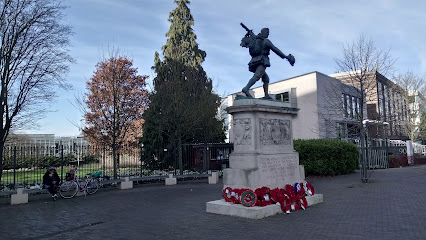
Hills Road War Memorial
1.2 km
A poignant bronze statue on Hills Road honoring Cambridgeshire’s war heroes, symbolizing sacrifice and the journey home.
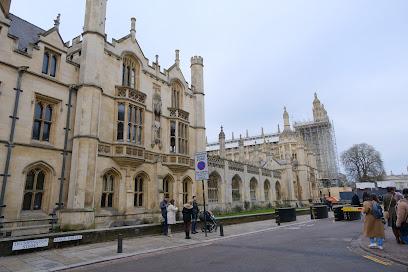
The Old Schools
1.3 km
Historic university landmark at Trinity Lane, blending Gothic and classical architecture at the heart of Cambridge's academic tradition.
Senate House Hill
1.3 km
Historic Senate House Hill in Cambridge offers stunning views, iconic architecture, and a vibrant academic atmosphere at the heart of the university city.

Reality Checkpoint
1.3 km
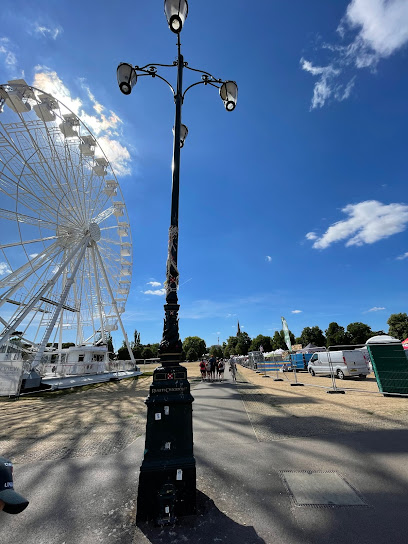
A colorful Victorian lamppost marking the boundary between Cambridge's academic bubble and the real world, standing proudly at Parker’s Piece.
WeWork
1.5 km
Experience the dynamic co-working space at WeWork in Cambridge, where innovation and collaboration come together in a vibrant community.

Newton's Apple Tree
1.5 km
Explore Newton's Apple Tree in Cambridge, a historical landmark that connects you to the legacy of scientific discovery and innovation.
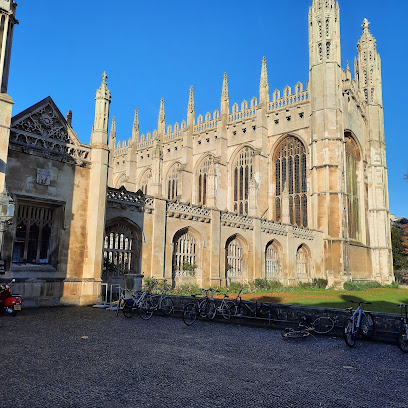
Duke House
1.5 km
A charming boutique guesthouse blending historic elegance with warm hospitality in central Cambridge.
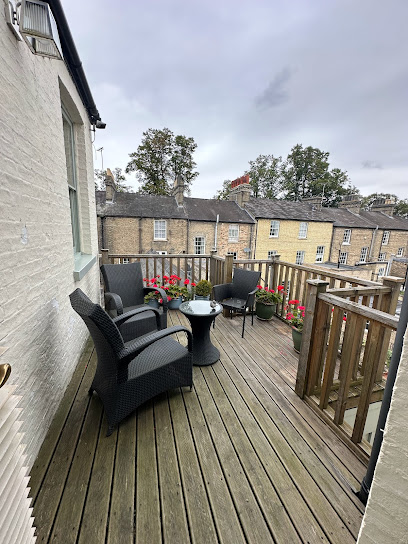
Cambridge Junction
1.5 km
Discover the artistic heart of Cambridge at Cambridge Junction, a vibrant venue for live music, comedy, and unforgettable performances.
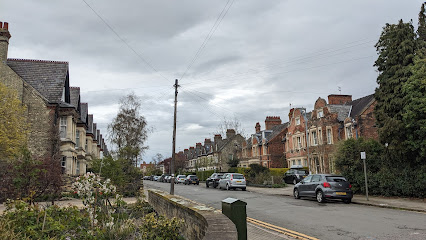
Christ's Pieces
1.6 km
Discover the lush landscapes and vibrant atmosphere of Christ's Pieces, a picturesque park in the heart of Cambridge, perfect for relaxation and social gatherings.
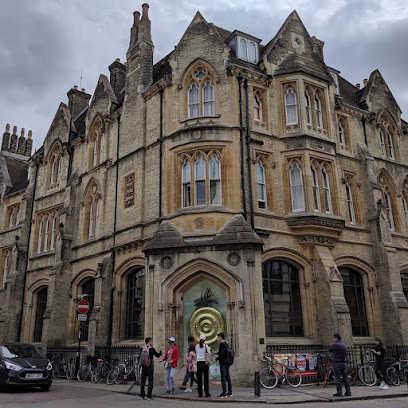
Kitchen Bridge, St John's College
1.6 km
Discover the charm and history of the Kitchen Bridge at St. John's College, a picturesque landmark in the heart of Cambridge, England.
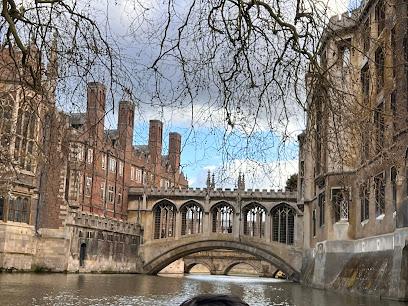
Bridge of Sighs
1.6 km
A Victorian Gothic covered bridge spanning the River Cam, linking history and beauty at St John's College, Cambridge.
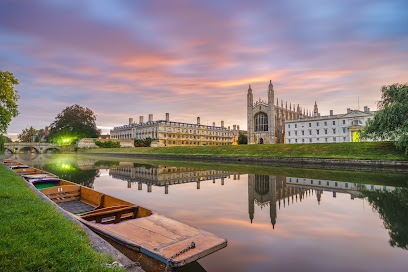
TheLight-Cambridge
1.6 km
Discover TheLight-Cambridge, where cinematic magic meets modern comfort in the heart of this historic city.
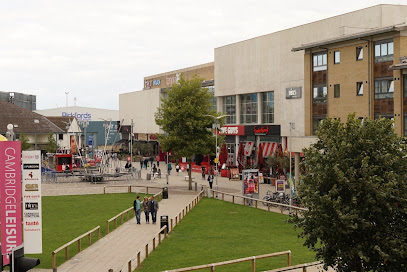
Tenpin Cambridge
1.6 km
Experience endless fun at Tenpin Cambridge - the ultimate bowling alley and entertainment center with games, laser tag, and more for the whole family.
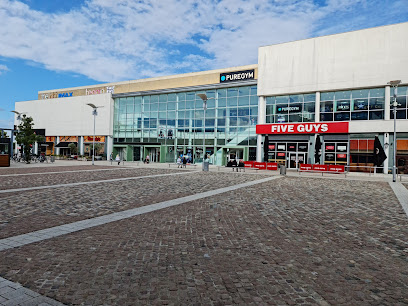
Cambridge Leisure Park
1.6 km
A lively Cambridge leisure hub offering diverse dining, entertainment, and modern facilities for all ages and tastes.
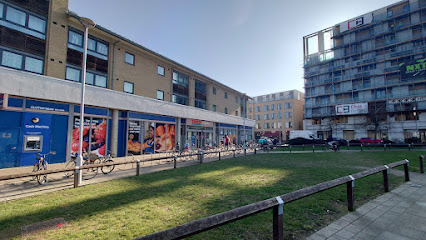
The Round Church
1.7 km
Explore The Round Church, a captivating medieval Anglican church in Cambridge, known for its unique architecture and rich historical significance.

Unmissable attractions to see

Hodson's Folly
0.2 km
Discover Hodson's Folly, a serene classical summerhouse by the River Cam, blending Victorian charm with tranquil Cambridge green space.
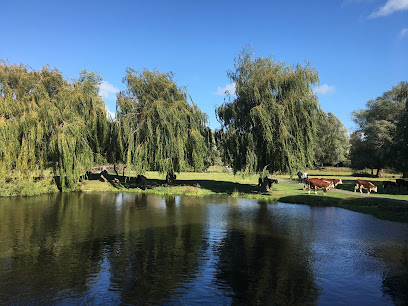
Lammas Land
0.3 km
Historic riverside commons where medieval grazing rights meet modern recreation.
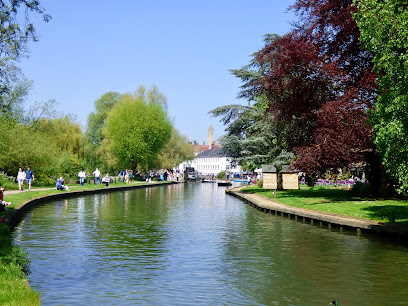
Newnham Croft Social and Sports Club
0.4 km
A friendly, historic Newnham community club hosting live music, quiz nights, pool and local events in a relaxed, inexpensive setting.
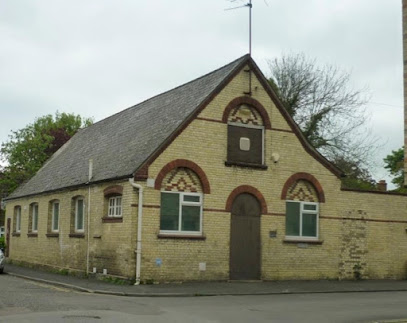
The Rush
0.4 km
Discover The Rush at Sheep's Green, a peaceful riverside nature reserve near Cambridge city centre, perfect for relaxation and wildlife watching.
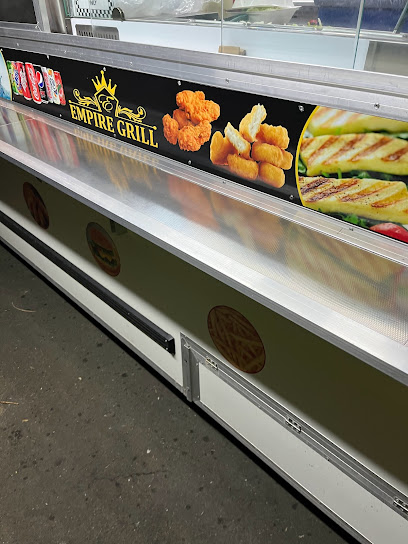
Empire Grill
0.4 km
Cambridge’s beloved late-night takeaway spot, famed for huge portions and unbeatable burger sets, open daily from 5 PM to midnight.
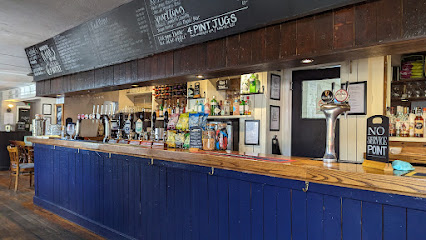
The Red Bull Newnham
0.5 km
A friendly Newnham pub by the River Cam serving pizzas, changing ales and a sunny waterside terrace for warm days.
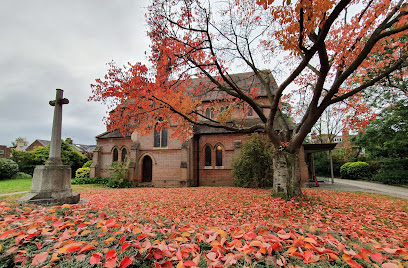
St Mark's Church
0.5 km
Historic St Mark's Church in Newnham offers a welcoming spiritual sanctuary and vibrant community hub on Barton Road, Cambridge.
Newnham House
0.5 km
Historic Newnham House blends serene gardens and classic Queen Anne architecture with modern student living just minutes from Cambridge city centre.
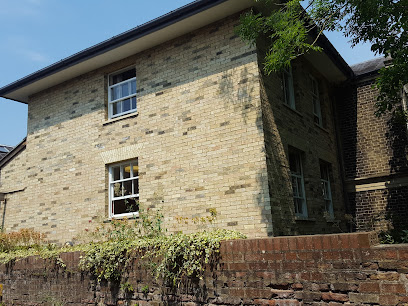
Sheep's Green
0.6 km
A tranquil riverside nature reserve in Cambridge blending historic grazing meadows, rich wildlife, and a unique outdoor river pool.
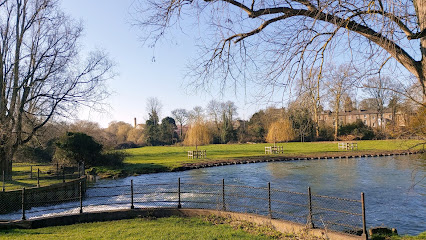
Coe Fen
0.6 km
Tranquil fenland green space beside the River Cam, blending natural beauty with historic Cambridge charm.
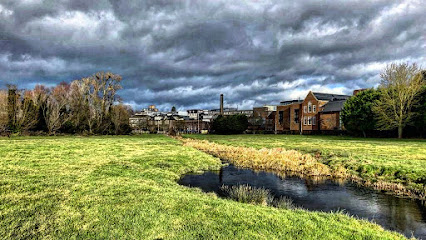
Granta Moorings
0.6 km
Discover Cambridge’s iconic river with Granta Moorings—expertly guided punts and self-rental canoes from the best mooring on the College Backs.
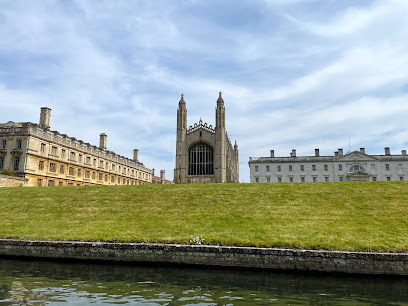
Cambridge Food Tour
0.7 km
Explore Cambridge’s culinary secrets on a guided walking tour featuring hidden gems, local flavors, and rich food heritage.
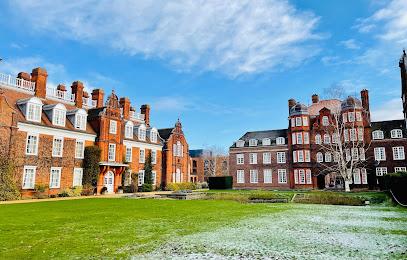
Newnham College, University of Cambridge
0.8 km
Historic women’s college with stunning Victorian architecture and tranquil gardens, a serene Cambridge retreat rich in heritage.
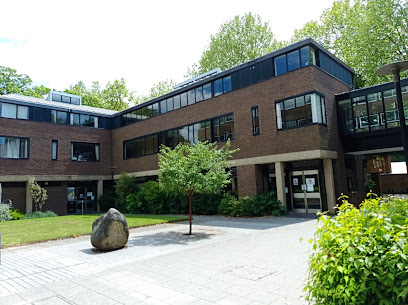
Museum of Classical Archaeology
0.8 km
Explore one of the world’s largest collections of ancient Greek and Roman plaster casts in a serene Cambridge museum.
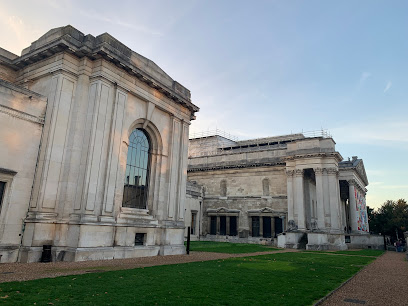
The Fitzwilliam Museum
0.8 km
Explore centuries of art and history at Cambridge’s Fitzwilliam Museum, a free cultural treasure trove in a stunning neoclassical setting.
Essential places to dine

Rice Boat Cambridge
0.6 km
Experience authentic Kerala cuisine with fragrant spices and freshly made breads in a warm, contemporary setting at Rice Boat Cambridge.
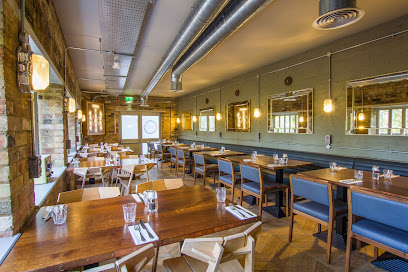
MillWorks
0.6 km
Historic watermill transformed into a vibrant modern brasserie with riverside views and charcoal-grilled British cuisine in Cambridge.
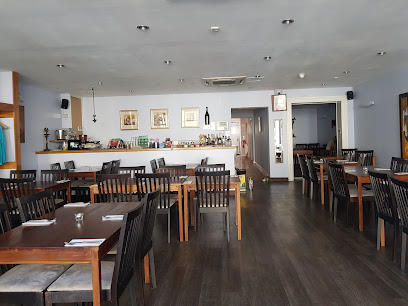
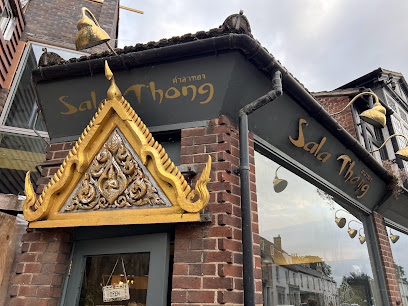
Sala Thong
0.6 km
Authentic Thai cuisine with vibrant flavors and generous portions in a cozy Cambridge setting.
Granta
0.6 km
A charming historic pub on Cambridge’s River Cam offering classic British fare, riverside views, and a welcoming community atmosphere.
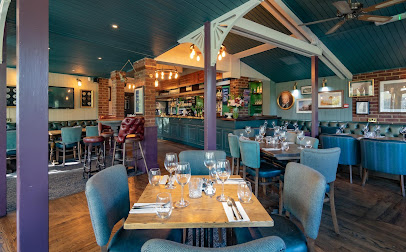
Garden House
0.8 km
Seasonal grill-focused dining with riverside views in a stylish, sustainable setting at Graduate Cambridge.
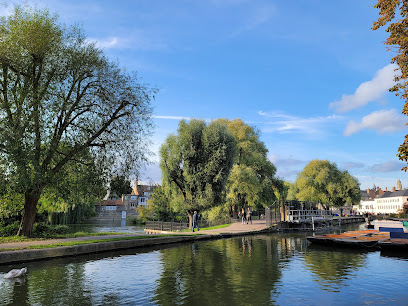
Browns Cambridge
0.8 km
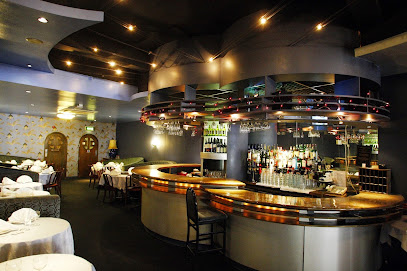
Elegant British brasserie in Cambridge with Art Deco charm, quality cuisine, and a welcoming atmosphere for all occasions.
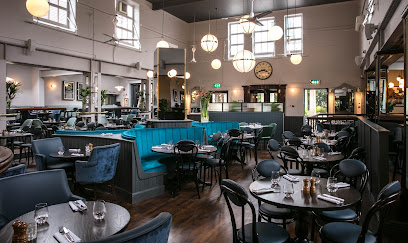
The Oak Bistro
1.1 km
Classic British bistro with exceptional Beef Wellington, warm hospitality, and a charming heated garden in the heart of Cambridge.
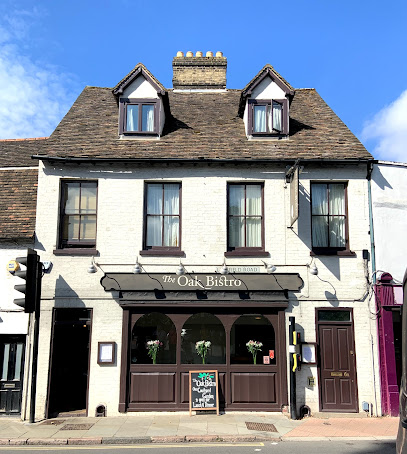
The Old Bicycle Shop
1.1 km
Historic cycling heritage meets modern gastropub charm in Cambridge’s quirky and sustainable Old Bicycle Shop.
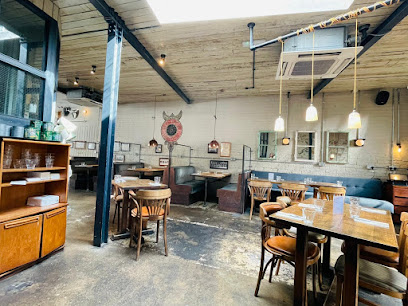
The Olive Grove
1.1 km
Savor authentic Greek cuisine with generous portions and warm hospitality in the heart of Cambridge’s vibrant Regent Street.
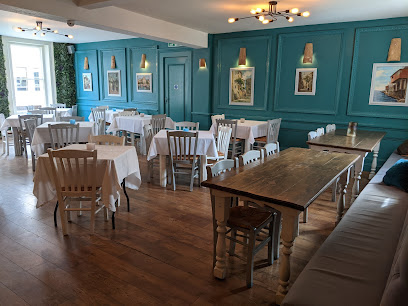
De Luca Cucina & Bar
1.1 km
Experience authentic modern Italian cuisine and vibrant atmosphere at De Luca Cucina & Bar in Cambridge’s lively Regent Street.
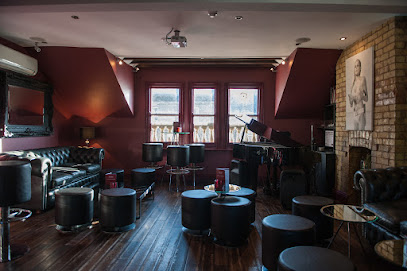
The Cambridge Chop House
1.1 km
Classic British steakhouse with locally sourced ingredients, historic charm, and stunning views opposite King's College Chapel in Cambridge.
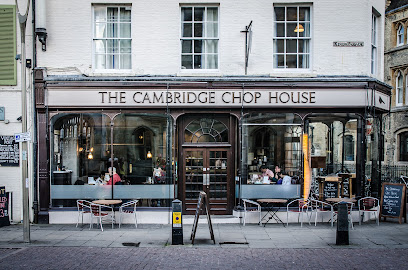
Smokeworks
1.2 km
Savor authentic American barbecue with tender smoked ribs and lively vibes in the heart of Cambridge’s historic center.
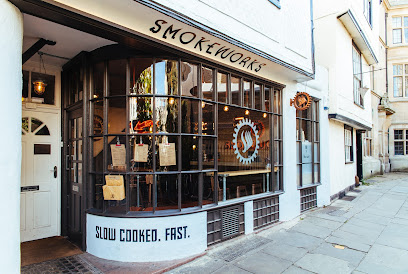
Charlie Chan Restaurant
1.2 km
Authentic Cantonese dining in Cambridge with a rich history and a diverse menu of classic Chinese dishes in a welcoming atmosphere.
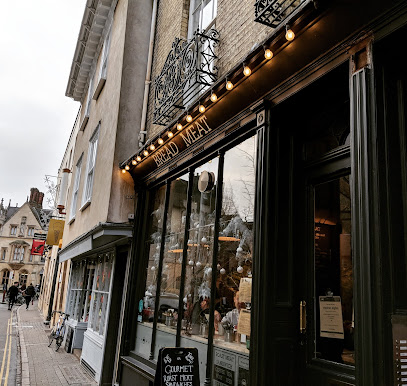
Bread & Meat
1.2 km
Savor Cambridge’s top roast meat sandwiches and comfort food in a relaxed, ethically minded eatery at 4 Bene't Street.
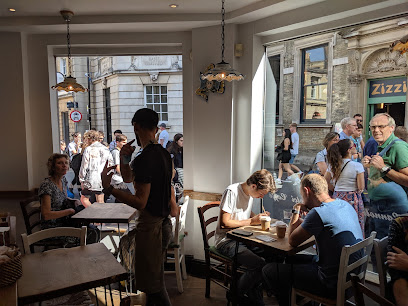
Aromi
1.2 km
Experience authentic Sicilian cuisine and stone-baked pizzas in a vibrant, historic Cambridge setting with a lively Mediterranean atmosphere.
Markets, malls and hidden boutiques

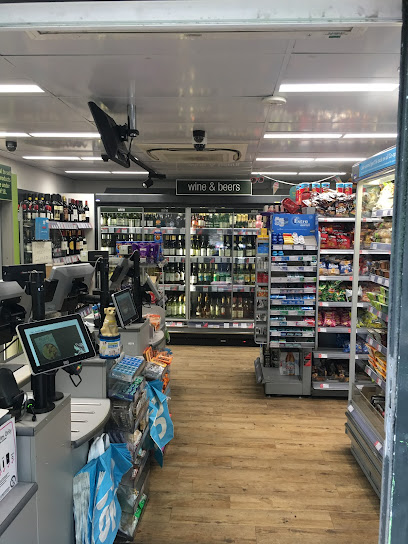
Co-op Food - Grantchester Street - Newnham
0.4 km
Cambridge's Newnham convenience cornerstone: fresh local bites, quick services, and co-op community spirit since 1912.
Greaterskies
0.9 km
Cambridge studio and shop for personalised, astronomically accurate star‑map prints and tasteful gift items.
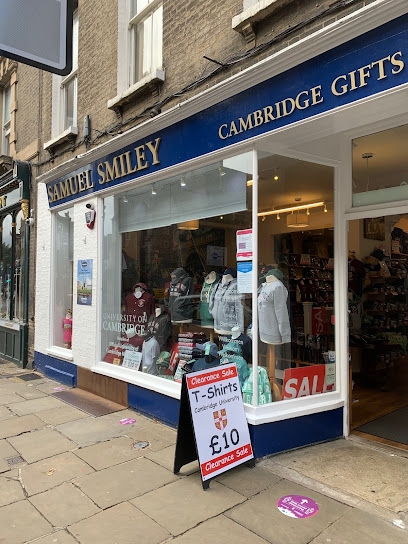
Samuel Smiley
1.0 km
A charming gift shop on Cambridge’s historic Trumpington Street, offering unique local treasures and a warm shopping atmosphere.
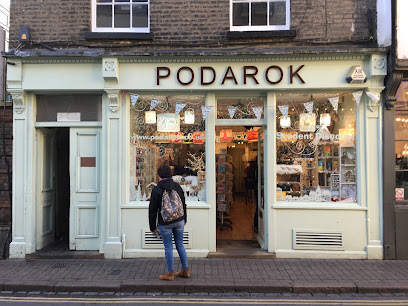
Podarok
1.2 km
Discover unique gifts, quirky handbags, and beautiful jewellery at Podarok, Cambridge’s independent boutique in the Arts Quarter.
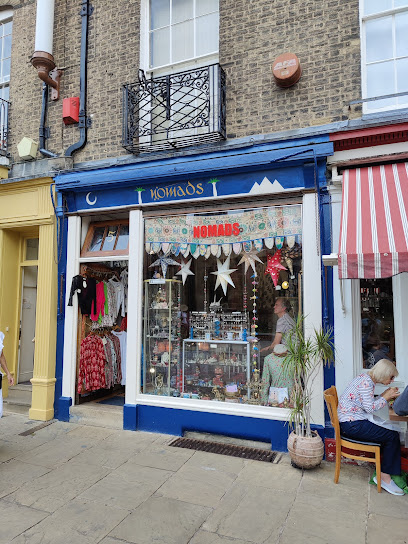
Nomads
1.2 km
Discover authentic handmade jewelry, textiles, and artisan crafts at Nomads, Cambridge’s vibrant gift shop celebrating global and local craftsmanship.
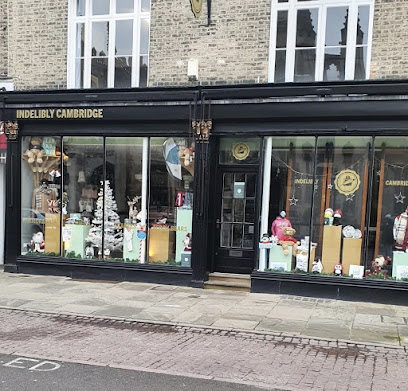
Indelibly Cambridge
1.2 km
A compact, well-curated King’s Parade shop for Cambridge-themed gifts, prints and locally made keepsakes—perfect for quick souvenirs with local character.
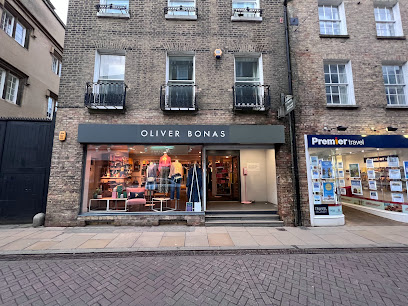
Oliver Bonas
1.2 km
A feel-good British lifestyle store in Grand Arcade offering colourful fashion, curated homeware and choice gifts across a spacious ground-floor shop.
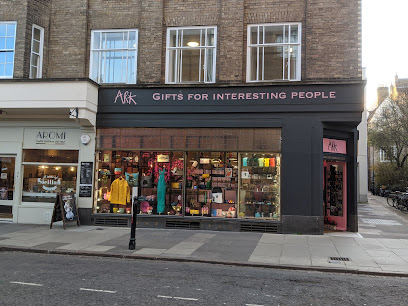
Ark
1.2 km
Compact independent gift shop on historic Peas Hill serving market crowds, theatregoers and locals with curated Cambridge keepsakes.
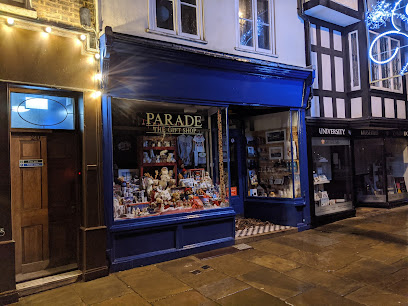
Parade
1.3 km
Discover unique Cambridge souvenirs at Parade Gift Shop, perfectly located on historic King's Parade with stunning views of King's College.
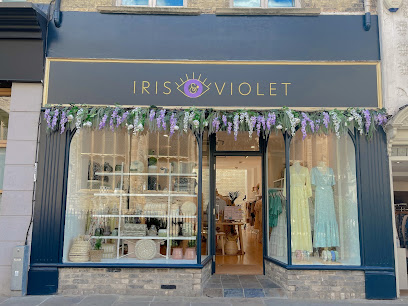
Iris and Violet Cambridge
1.3 km
Discover vibrant, curated womenswear and lifestyle pieces in the charming heart of Cambridge at Iris and Violet boutique.
Menkind Cambridge
1.3 km
Discover unique gadgets and men’s gifts in the heart of Cambridge’s Lion Yard Shopping Centre, blending modern fun with historic charm.

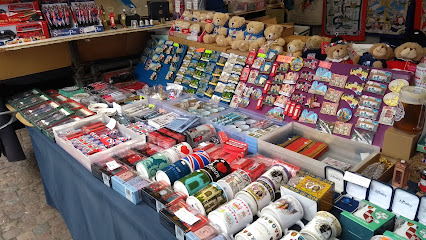
Souvenirs And Gifts
1.3 km
Authentic Cambridge souvenirs and handcrafted gifts in the heart of Market Hill.
CJ’s Vintage Store
1.3 km
Discover timeless fashion treasures and iconic vintage streetwear at CJ’s Vintage Store, a stylish gem in the heart of Cambridge.

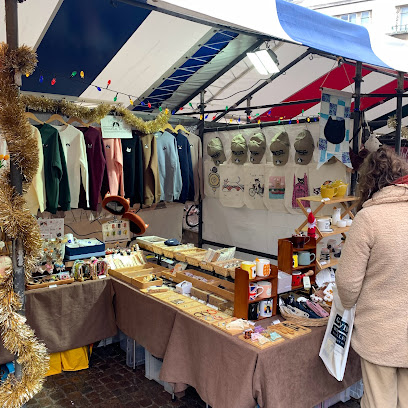
Sugarmark!
1.3 km
Capture Cambridge's charm with Sugarmark!'s iconic mugs, apparel, and prints from the heart of Market Hill—perfect souvenirs blending heritage and style.
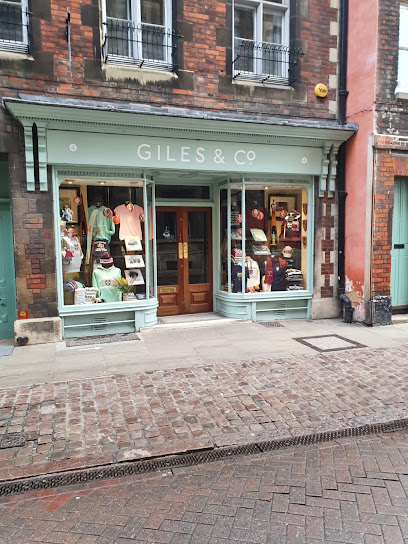
Giles & Co
1.3 km
Compact Trinity Street giftshop specialising in Cambridge-branded clothing, personalised keepsakes and locally sourced presents with friendly, knowledgeable service.
Essential bars & hidden hideouts

Tall Trees
0.8 km
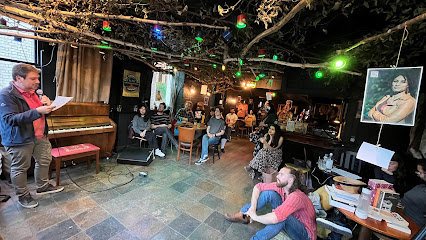
Eclectic basement bar in Cambridge with live music six nights a week, plant-based menu, and expertly crafted cocktails.
The Iris Bar
0.8 km
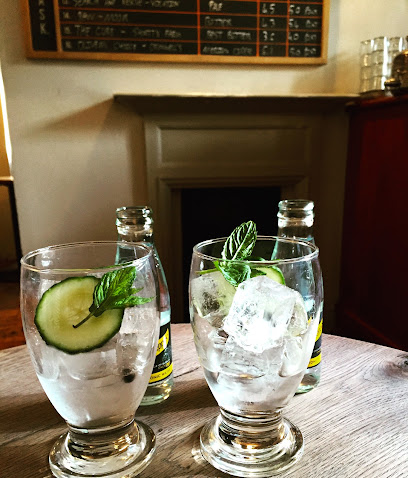
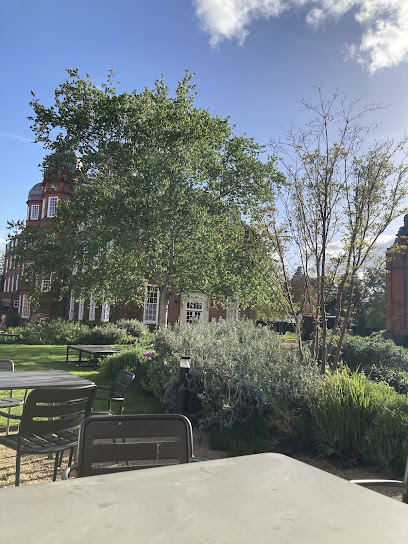
Modern cafe buzz in historic Newnham College: exceptional coffee, fresh bakes, and student energy amid Cambridge's academic gardens.
Panton Arms
0.8 km
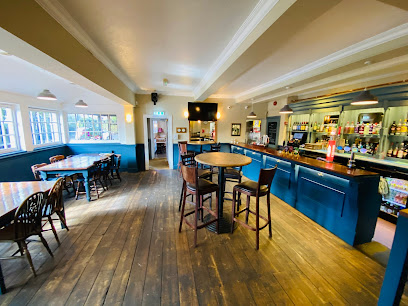
A traditional Cambridge pub offering hearty homemade food, quality ales, live music, and a friendly dog-welcoming atmosphere in a vibrant city setting.
The Mill
0.9 km
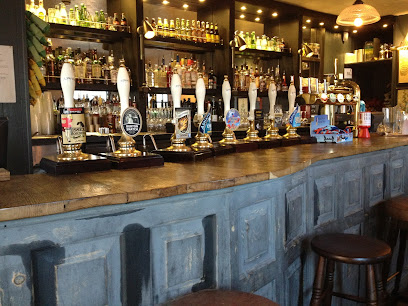
Cozy 19th-century riverside pub in Cambridge offering real ales, hearty British fare, and a warm, music-filled atmosphere.
The Anchor
0.9 km
Charming historic riverside pub in Cambridge offering classic British fare, craft beers, and live jazz in a lively yet relaxed setting.
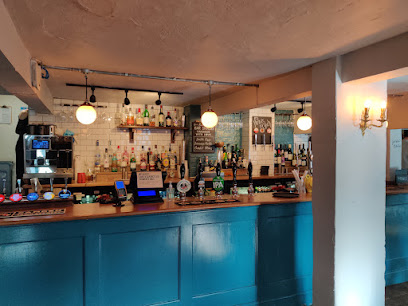
The LAB
1.1 km
1920s-inspired cocktail bar with a scientific twist, serving inventive drinks and tapas in a stylish Cambridge setting.

Eagle
1.2 km
Cambridge's legendary pub where DNA's secret was toasted, WWII airmen left their mark, and real ales flow amid historic haunts.

Novi Kitchen + Bar
1.2 km
A stylish Cambridge hotspot blending Modern British small plates with botanical cocktails in a vibrant, welcoming atmosphere.
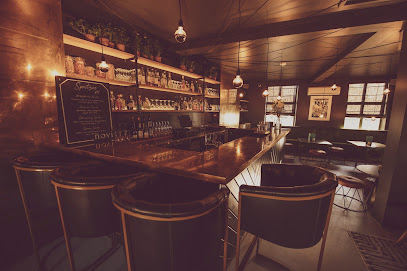
Bath House
1.2 km
Historic 17th-century Cambridge pub pouring Greene King cask ales and classic grub in a dog-friendly, family-welcoming spot steps from university landmarks.
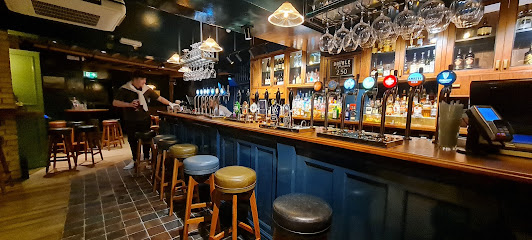
BrewDog Cambridge
1.2 km
Experience bold craft beers and innovative food in the heart of historic Cambridge at BrewDog’s lively and welcoming bar.
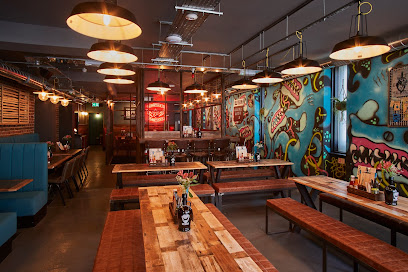
Bar -OH
1.2 km
Inventive cocktails and live music pulse through this intimate Cambridge gem, blending artistry with electric evenings until the wee hours.
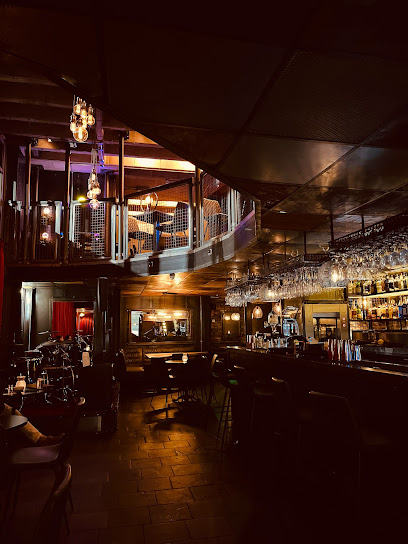
Revolution Cambridge
1.2 km
Vibrant cocktail bar and nightlife hotspot in central Cambridge with rooftop terrace, karaoke pod, and diverse event spaces.
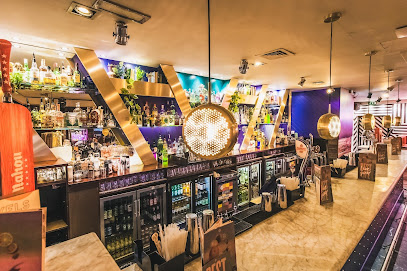
The Castle Bar
1.2 km
Lively city centre bar pulsing with late-night DJ beats, sizzling Hot Rock steaks, and Cambridge's infectious student energy until 3am weekends.
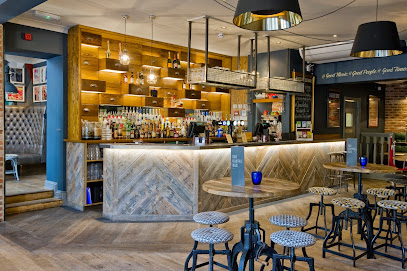
The Cambridge Tap
1.2 km
Lively craft-beer bar in a converted bank, known for burgers, cocktails and an upstairs room with college views.
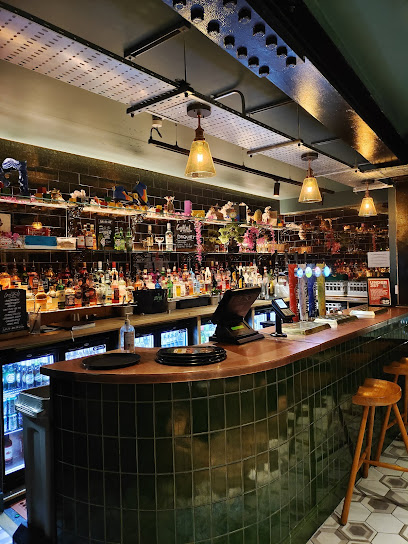
La Raza
1.4 km
Cambridge's basement gem for Spanish tapas, craft cocktails, and live funk beats—from daytime café to late-night haven.
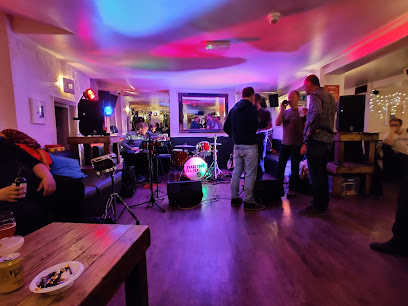
Nightclubs & after hour spots

80s karaoke bar
1.1 km
Neon-lit, 80s-themed karaoke on Hills Road—compact, group-friendly singalongs from the early evening into the night.

Cambridge Lola Lo
1.2 km
Step into Cambridge Lola Lo, a vibrant tiki-themed nightclub with tropical vibes, lively dance floors, and a stunning rooftop terrace in the city centre.
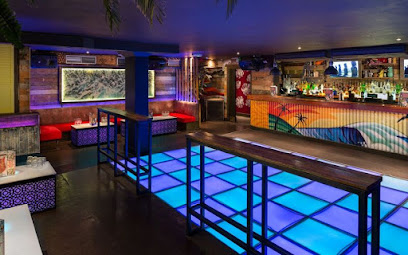
High Five
1.3 km
Cambridge's electrifying gay nightclub where themed nights, drag glamour, and inclusive dance floors ignite unforgettable evenings in the city heart.
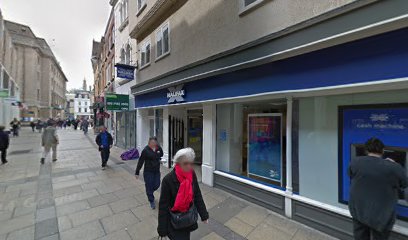
MASH
1.4 km
Cambridge’s vibrant independent nightclub offering themed music nights and a welcoming, safe party atmosphere until the early hours.
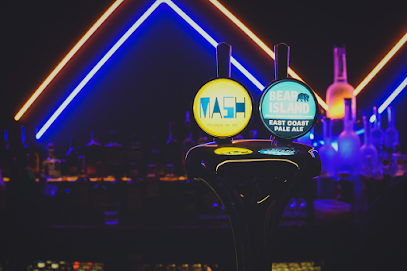
Vinyl Cambridge
1.5 km
Dance through decades on a glowing LED floor at Vinyl Cambridge's throwback haven—2-for-1 drinks, VIP vibes, and non-stop retro anthems await in the city center.
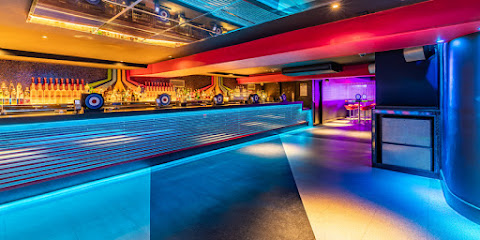
Sing Dizzy
1.6 km
Sing Dizzy offers Cambridge a lively karaoke bar experience with costumes, props, and an extensive song list for unforgettable nights of fun and music.
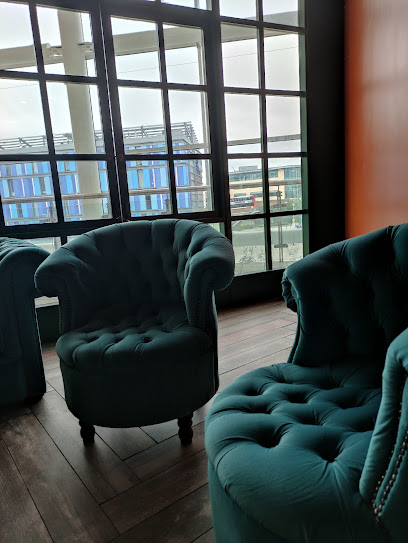
The Tram Depot
1.8 km
Discover the lively ambiance of The Tram Depot in Cambridge, where great food, local ales, and music nights create unforgettable experiences.
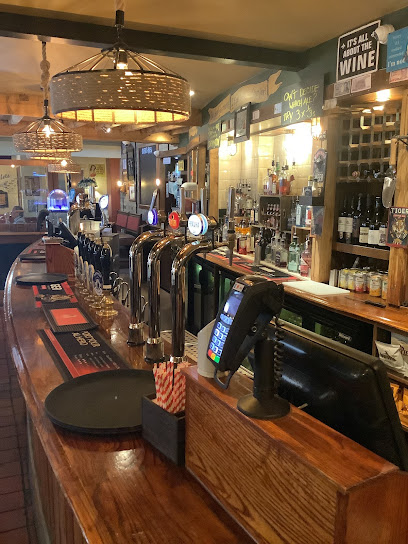
Cambridge Pop-up Speakeasy Jazz
1.8 km
Free live jazz pop-ups in a historic Cambridge pub: intimate sets, diverse musicians, speakeasy vibes on select Wednesdays at 7:30pm.
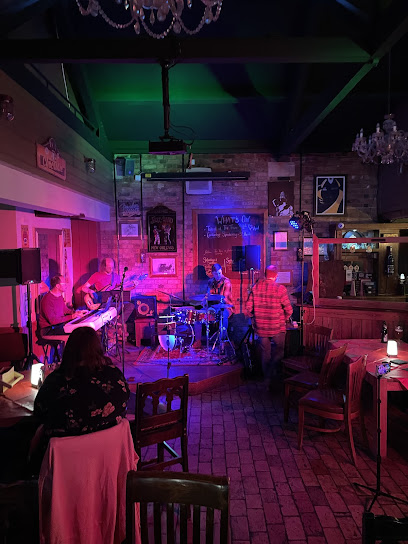
Cambridge Working Mens Club
2.1 km
Discover the lively ambiance of Cambridge Working Mens Club, a perfect blend of local culture, music, and community spirit.
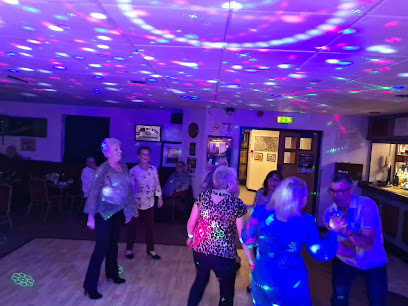
Fort St George
2.3 km
Historic riverside pub on Cambridge's Midsummer Common, serving hearty ales and classics with unbeatable Cam views and garden vibes. (162 characters)
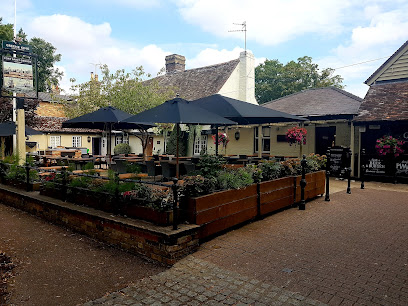
Salisbury Club
2.3 km
Cambridge's cozy Mill Road club: retro discos, pool tables, cheap drinks, and community spirit in a true local gem.
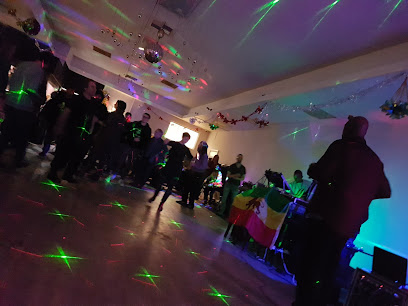
EBC Shop
2.3 km
Discover the electrifying nightlife at EBC Shop in Cambridge, where the music keeps you dancing and the atmosphere is always electric.
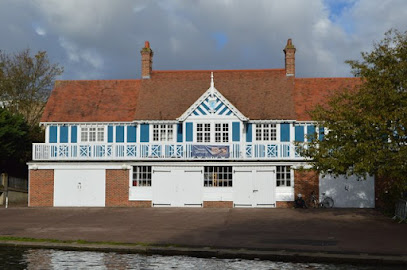
Rock
2.3 km
Experience the vibrant atmosphere and delicious cuisine at The Rock, a beloved pub and restaurant in the heart of Cambridge.
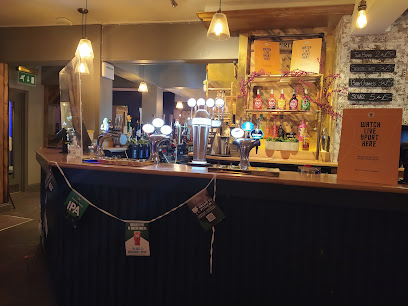
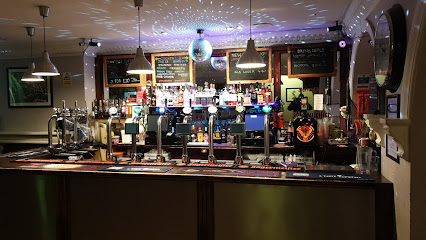
The Lounge
19.4 km
A lively nightclub and wine bar on The Broadway, offering vibrant late-night entertainment in the heart of St Ives.
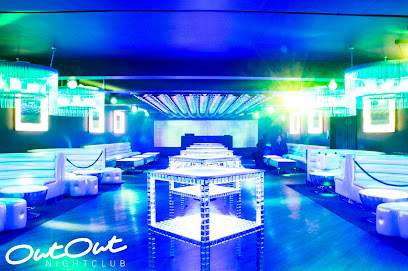
OutOut Nightclub
19.5 km
Vibrant nightlife hub in St. Ives offering dynamic club nights, private events, and a lively atmosphere from 10pm to 4am Fridays and Saturdays.
For the vibe & atmosphere seeker
- Tranquil
- Scenic
- Relaxing
- Nature Escape
For the design and aesthetic lover
- Rustic Designs
For the architecture buff
- Parks & Gardens
- Nature Reserve
- Heritage Neighborhoods
For the view chaser and sunset hunter
- Waterfront
- Panoramas
- Sunrise Spots
- Sunset Spots
For the social media creator & influencer
- Photo Spots
- Instagrammable
- Aesthetic Corners
For the eco-conscious traveler
- Protected Area
- Nature Reserve
- Eco-Friendly
- Wildlife Habitat
- Locally Managed
- Public-Transport Accessible
For the kind of experience you’re after
- Nature Escape
- Photowalk
- Cultural Heritage
- Mindfulness
- Day Trip
For how adventurous you want the journey to be
- Easy Access
- Requires Hike
Location Audience
- Family Friendly
- Senior Friendly
- Child Friendly
- Wheelchair Access
- Pet Friendly
- Solo Friendly
- Couple Friendly


