Lammas Land, Cambridge Travel Guide
Free Guide: Cambridge riverside park with playground, seasonal pool and direct link to Sheep’s Green nature reserve


A brief summary of Lammas Land
Cambridge riverside park with playground, seasonal pool and direct link to Sheep’s Green nature reserve
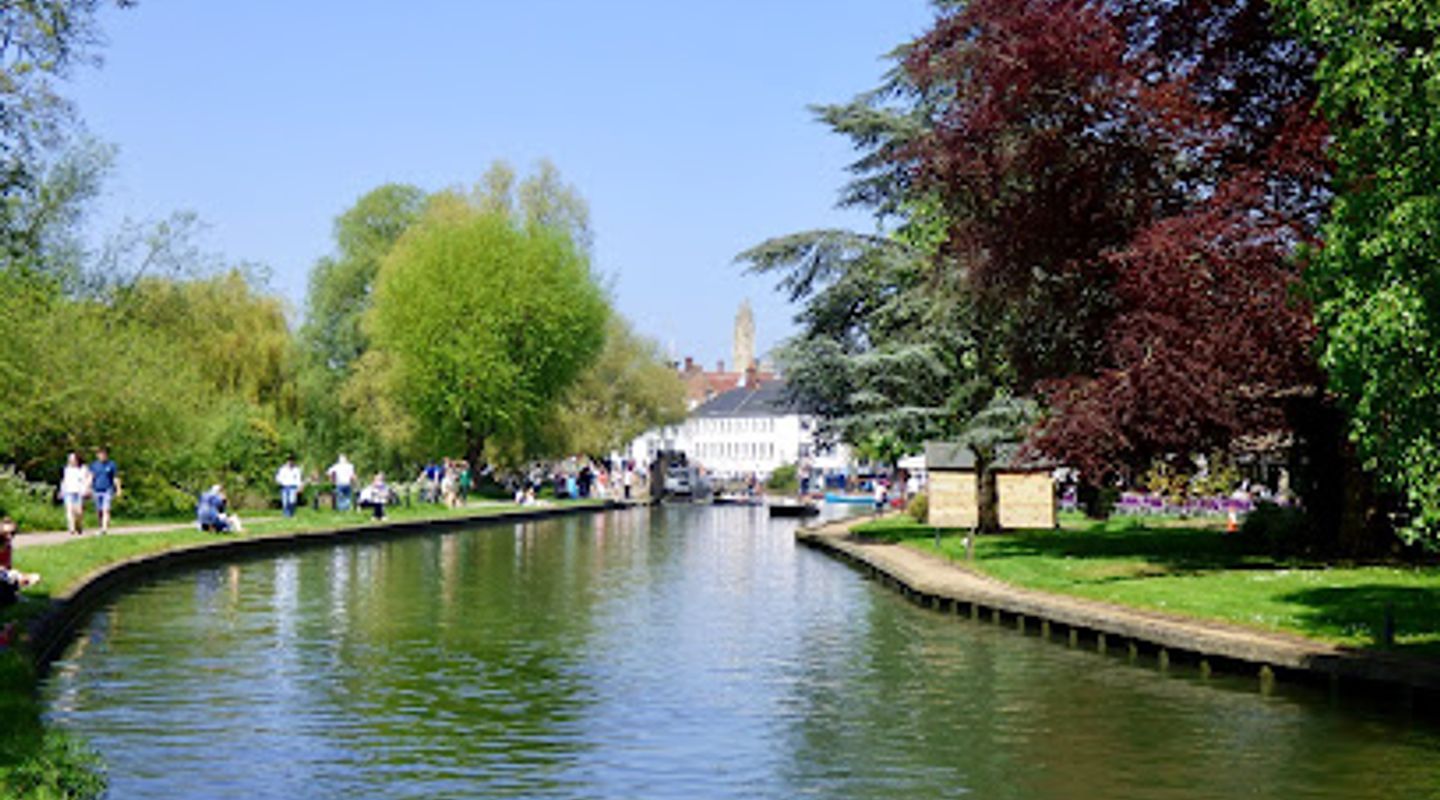
Lammas Land is a municipal recreation park in southwest Cambridge offering open lawns, a large playground, seasonal paddling pool, tennis and pickleball court, table tennis, bowling green and direct bridge access to Sheep’s Green Local Nature Reserve. The site occupies former Lammas common land and functions as a relaxed, family-oriented green space roughly half a mile from the city centre. Visitors use it for picnics, play and short walks rather than extended sightseeing. Paths are level and firm, with pay-and-display parking available. The atmosphere remains informal and local, busiest on fine summer days when the pool operates.
On-site amenities
 Restrooms
 Drink options
 Food options
 Seating areas
 Picnic areas
 Trash bins
Opening hours
- Every day10 am–10 pm
Opening hours as listed on the venue’s Google Business Profile. Hours can change for services and special events, so check with the venue before you go.
- Address
- 61 Newnham Rd Cambridge
- Phone
- Website
Getting there
Walk
Bus
Car
Discover more about Lammas Land
Layout and facilities
Lammas Land covers a compact area of mown grass bordered by Fen Causeway and Newnham Road. Mature pollarded willows line the edges, while a rectangular paddling pool, large multi-age playground, single tennis/pickleball court, table-tennis table and bowling green occupy the central section. A short bridge crosses directly into Sheep’s Green, extending the visit onto riverside paths and wet grassland.
Visitor experience
Most people arrive for 30 to 90 minutes of play or sport, or longer for a picnic combined with a walk into the adjacent nature reserve. Families dominate the playground and pool on warm days; locals use the courts and green for casual games or bowls. The setting is open and level, with no dramatic topography or remote feel.
Historical background
The name recalls historic Lammas lands opened for common grazing after 1 August. This parcel, once known as Mill Pasture, belonged to the Darwin family before transfer to the city in 1951. Traditional grazing continues on the neighbouring floodplain meadow.
Access and transport
Walking or cycling from central Cambridge takes 10 to 15 minutes. Buses on Barton Road stop nearby. The on-site car park holds 75 spaces with pay-and-display charges and an evening barrier. Firm paths and an accessible toilet support wheelchair users; the nature-reserve paths beyond the bridge can become muddy.
Seasonal patterns
The paddling pool opens only in summer, typically 10 am to 6 pm on warm days. Peak use occurs on sunny weekends and school holidays. Autumn through spring sees lighter, mainly local use for walking and sports. Rain or cold quickly reduces dwell time.
Practical considerations
Toilets operate 8 am to 7 pm with an accessible cubicle requiring a Radar key. A refreshment kiosk operates near the playground. Dogs are generally permitted except in the pool and playground zones. The park itself has no entry charge; parking fees are modest.
Evendo Review Centre
 Google
Guest reviews
Best time to go
Quietest: Jan, Feb & Dec · before 10am or from 9pm
Busy times are Evendo estimates for a typical year, to help you plan. Actual crowds vary with events, school holidays and the weather.
Explore Lammas Land on the map
A handpicked selection of must-see spots near Lammas Land, mapped for you.
Get your free copy of our complete guide to Lammas Land, delivered straight to you.
Everything on this page, from opening hours and how to get there to Eve’s tips and the best time to go, in one PDF you can read offline, print or share.
Already have an account? Sign in
Your Lammas Land guide is ready.
We'll send it to · Not you? Sign out

Getting your guide ready…
We are putting together a fresh copy of the Lammas Land guide. This can take up to a minute.
This can take a few moments. If your browser asks, choose Allow so the download can start. You'll find the guide in your Downloads folder.
Nothing happened? Download it again
Sorry, the guide is taking longer than usual. Please try again in a minute, or get it by email instead.
Other nearby places you may find interesting
The closest places of the same kind, if this one is not quite what you had in mind.
-
-
-
-
-


Swipe for more places
More to explore near Lammas Land

 Best experiences near Lammas Land
 Best hotels near Lammas Land
 Best landmarks near Lammas Land
 Best attractions near Lammas Land
 Best shops near Lammas Land
 Best restaurants near Lammas Land
 Best bars near Lammas Land
Do you manage this location?
Take control to get all the benefits, like improved information, better appearance, and stronger visibility across AI-powered discovery.
Explore more

Explore more of Cambridge
Cambridge travel guide: explore historic colleges, the River Cam, museums, medieval chapels, riverside punting, independent shops and local culture.
Explore Cambridge
Explore more of United Kingdom
Discover the United Kingdom: A blend of rich history, stunning landscapes, and vibrant cities, offering a unique travel experience for every visitor.
Explore United Kingdom