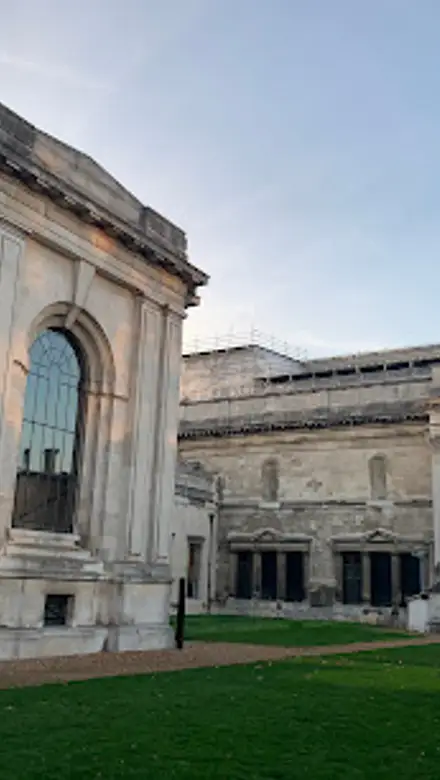
The Fitzwilliam Museum, Cambridge Travel Guide
Free Guide: Cambridge university museum displaying half a million objects from antiquity to modern art inside a neo-classical Trumpington Street building.


A brief summary of The Fitzwilliam Museum
Cambridge university museum displaying half a million objects from antiquity to modern art inside a neo-classical Trumpington Street building.
The Fitzwilliam Museum holds the University of Cambridge's extensive art and antiquities collections in a prominent neo-classical building on Trumpington Street. Over half a million objects span European paintings, ancient Egyptian artefacts, Greek and Roman antiquities, Asian arts, armour, manuscripts and decorative pieces. Visitors move at their own pace through themed galleries in a scholarly yet calm setting. The museum suits art enthusiasts, families and those exploring Cambridge's academic heritage. Entry to permanent displays remains free, with optional paid exhibitions. A central location allows easy combination with other city sites.
On-site amenities
 Restrooms
 Drink options
 Drinking water
 Food options
 Lockers
 Seating areas
 Sheltered areas
 Trash bins
 Information boards
Opening hours
- MonClosed
- Tue10 am–5 pm
- Wed10 am–5 pm
- Thu10 am–5 pm
- Fri10 am–5 pm
- Sat10 am–5 pm
- Sun12 pm–5 pm
Opening hours as listed on the venue’s Google Business Profile. Hours can change for services and special events, so check with the venue before you go.
- Address
- Trumpington St Cambridge
- Phone
- Website
Getting there
Walk
Bus
Train
Cycle
Discover more about The Fitzwilliam Museum
Collections and Galleries
The Fitzwilliam Museum maintains one of the United Kingdom's most significant university collections, with more than 500,000 objects acquired since the 1816 bequest of Richard Fitzwilliam. Permanent galleries display European paintings and drawings from the Renaissance onward, ancient Egyptian funerary items, Greek and Roman sculpture, Near Eastern artefacts, Islamic metalwork, Chinese porcelain and Japanese prints. Armour and medieval manuscripts occupy dedicated spaces. Temporary exhibitions rotate through the same building, often drawing on the permanent holdings or external loans.
Building and Setting
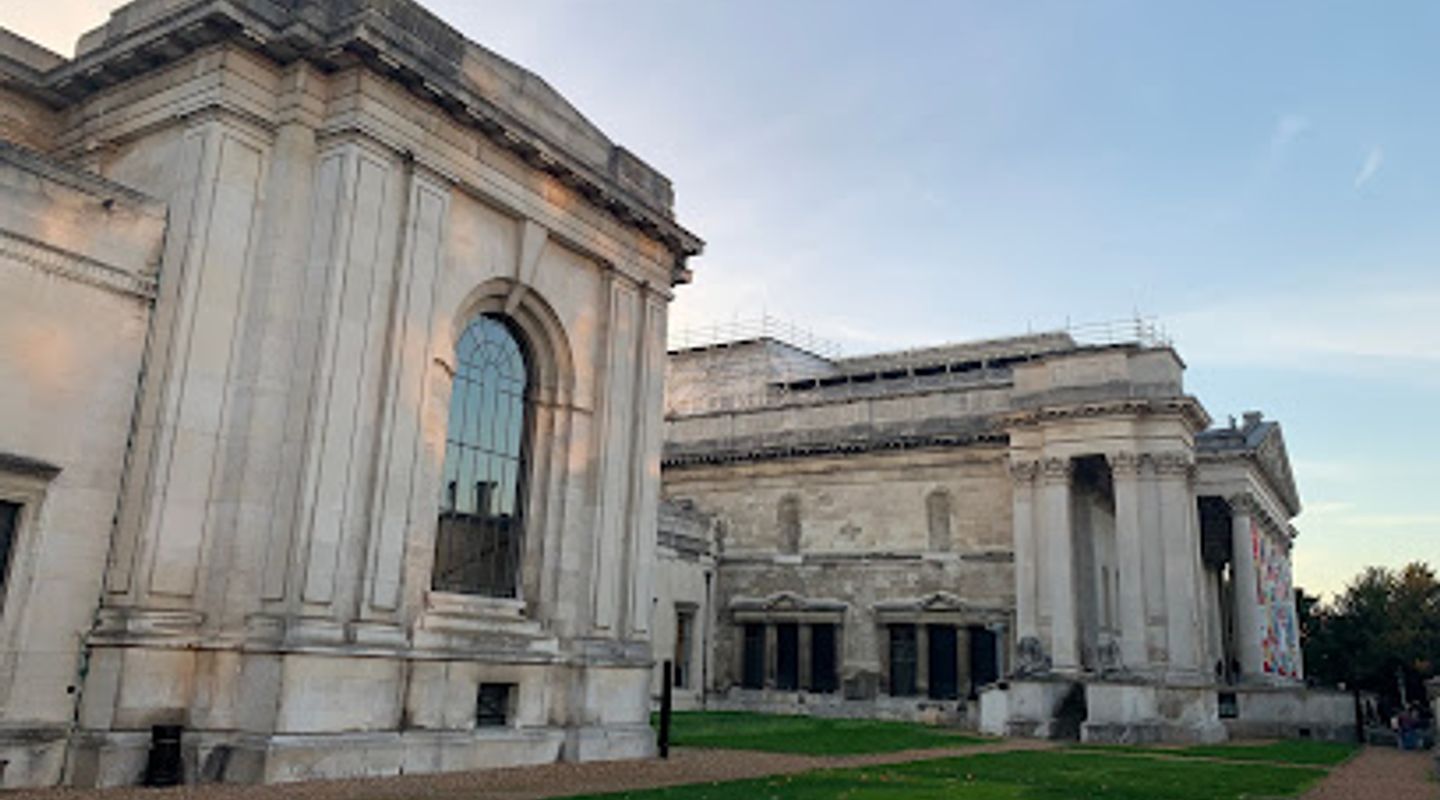
The museum occupies a neo-classical structure designed by George Basevi and completed by Charles Robert Cockerell, opened in 1848 on the former site of Peterhouse land. A grand portico and steps front Trumpington Street, while later extensions include a 2004 courtyard addition. The interior layout spreads across multiple floors with high ceilings and even lighting suited to object display. A central courtyard provides seating and access to the cafe and shop.
Visitor Flow and Duration
Most visitors enter through the courtyard for step-free access and proceed through self-guided routes marked by clear signage. Typical stays last one to three hours, allowing time for highlights or deeper exploration of specific departments. Families use drawing resources and sensory materials; researchers consult the study rooms by appointment. The atmosphere stays measured even during busier periods, with limited crowding compared with outdoor Cambridge attractions.
Practical Facilities
Accessible toilets with baby-changing facilities stand near both entrances. The Courtyard Kitchen cafe serves hot meals until 3 pm, vegetarian and vegan options, and free tap water. Lockers require a £1 coin or token. Portable stools are available for gallery use. Maps and information desks assist orientation. A seasonal outdoor kiosk operates on the front lawn when weather permits. Eating and drinking are restricted to the cafe and courtyard areas.
Access and Surroundings
The site lies a ten-minute walk from Market Square and twenty minutes from Cambridge station. Frequent buses, including the U service, stop directly outside. Cycling infrastructure supports arrivals by bike. Vehicle entry into the historic centre faces restrictions, and dedicated parking is unavailable; nearby options include Grand Arcade and Queen Anne car parks plus Park and Ride facilities. Lifts reach most floors, and wheelchairs can be borrowed on request.
History and Institutional Context
The founding collection carried documented links to the transatlantic slave trade, a connection the museum addresses through dedicated displays and ongoing research commitments. Successive bequests expanded the holdings, and the institution now leads the University of Cambridge Museums partnership. The building itself has undergone repeated adaptations to meet conservation and visitor needs while retaining its original architectural character.
Evendo Review Centre
 Google
Guest reviews
Best time to go
Quietest: Jan, Feb & Mar · before 11am or from 4pm
Busy times are Evendo estimates for a typical year, to help you plan. Actual crowds vary with events, school holidays and the weather.
Explore The Fitzwilliam Museum on the map
A handpicked selection of must-see spots near The Fitzwilliam Museum, mapped for you.
Get your free copy of our complete guide to The Fitzwilliam Museum, delivered straight to you.
Everything on this page, from opening hours and how to get there to Eve’s tips and the best time to go, in one PDF you can read offline, print or share.
Already have an account? Sign in
Your The Fitzwilliam Museum guide is ready.
We'll send it to · Not you? Sign out

Getting your guide ready…
We are putting together a fresh copy of the The Fitzwilliam Museum guide. This can take up to a minute.
This can take a few moments. If your browser asks, choose Allow so the download can start. You'll find the guide in your Downloads folder.
Nothing happened? Download it again
Sorry, the guide is taking longer than usual. Please try again in a minute, or get it by email instead.
Unlock the best of The Fitzwilliam Museum
Skip-the-line tickets, guided tours with entry, and walking tours of the area, booked in a few clicks.


Other nearby places you may find interesting
The closest places of the same kind, if this one is not quite what you had in mind.
-
-
-
-
-


Swipe for more places
More to explore near The Fitzwilliam Museum

 Best experiences near The Fitzwilliam Museum
 Best hotels near The Fitzwilliam Museum
 Best landmarks near The Fitzwilliam Museum
 Best attractions near The Fitzwilliam Museum
 Best shops near The Fitzwilliam Museum
 Best restaurants near The Fitzwilliam Museum
 Best bars near The Fitzwilliam Museum
Do you manage this location?
Take control to get all the benefits, like improved information, better appearance, and stronger visibility across AI-powered discovery.
Explore more

Explore more of Cambridge
Cambridge travel guide: explore historic colleges, the River Cam, museums, medieval chapels, riverside punting, independent shops and local culture.
Explore Cambridge
Explore more of United Kingdom
Discover the United Kingdom: A blend of rich history, stunning landscapes, and vibrant cities, offering a unique travel experience for every visitor.
Explore United Kingdom