

King's College Chapel
Cambridge's most iconic Gothic masterpiece, crowned by the world's largest fan-vaulted ceiling and home to the world-famous King's College Choir.
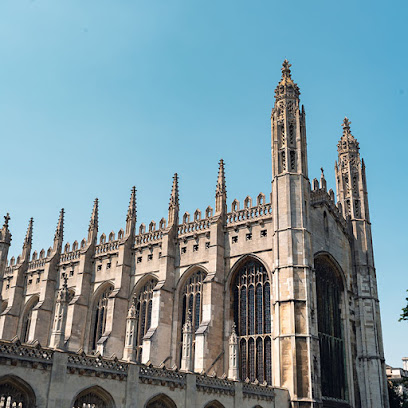
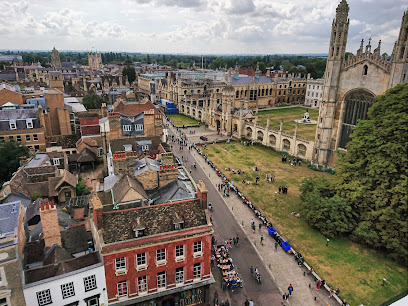
King's College Chapel stands as Cambridge's most iconic and instantly recognizable building, a breathtaking masterpiece of Perpendicular Gothic architecture completed in 1515. Featuring the world's largest fan-vaulted ceiling, soaring stained-glass windows, and the renowned King's College Choir, this 15th-century chapel commissioned by Henry VI represents one of England's finest architectural achievements. Visitors marvel at its ethereal interior spaces, intricate stonework, and the celebrated Rubens altarpiece, making it an essential destination for anyone exploring Cambridge's rich cultural and historical heritage.
A brief summary to King's College Chapel
- King's Parade, Cambridge, CB2 1ST, GB
- +441223331212
- Visit website
- Duration: 1 to 2 hours
- Mid ranged
-
 Indoor
- Mobile reception: 5 out of 5
Local tips
- Attend a Choral Evensong service for free entry and an unforgettable musical experience. Services are held most weekdays during term time at 5:30 PM Monday to Saturday, and at 10:30 AM and 3:30 PM on Sundays. This is the most authentic way to experience the chapel's acoustic splendor and spiritual atmosphere.
- Book tickets in advance online to secure 'Early Bird' discounted prices, which are available until Sunday night each week. This also allows you to skip queuing at the gate and simply show your ticket on your phone to the guard.
- Visit during off-peak hours on weekday mornings, ideally when the chapel opens, to experience the space in relative quiet and avoid the largest crowds. Weekdays in November through February tend to be less busy than summer months.
- Allow at least one hour for your visit to properly appreciate the fan-vaulted ceiling, stained-glass windows, Rubens altarpiece, and side chapels. The chapel's scale and detail reward patient observation and contemplation.
- Check the official King's College website before your visit, as opening hours and access can change due to services, choir practice, special events, or maintenance. Arriving without confirmation risks disappointment.

For the on-the-go comforts that matter to you
- Restrooms
- Drink Options
- Food Options
- Information Boards
- Visitor Center
Getting There
-
Train and Bus
From Cambridge Railway Station, take a bus service (Citi buses 1, 2, or 3) heading toward the city centre, approximately 15–20 minutes. Alight at Emmanuel Street or Drummer Street Bus Stop. From there, walk toward King's Parade (approximately 5–10 minutes on foot). Alternatively, a taxi or ride-share from the station takes 10–15 minutes depending on traffic. Bus fares are approximately £1.50–£2.50 per journey.
-
Parking and Car Access
If driving, Park Street Car Park (13 Park Street, Cambridge CB5 8AS) is the nearest public car park, approximately 5–10 minutes' walk from King's College Chapel. Parking costs approximately £2.00–£3.00 per hour, with daily rates around £15–£20. Note that Cambridge's city centre has restricted traffic zones; check current regulations before driving. Alternatively, use the larger Grafton Centre or Grand Arcade car parks (15–20 minutes' walk).
-
Walking from City Centre
If already in Cambridge's city centre, King's College Chapel is easily accessible on foot via King's Parade, a major thoroughfare. From Market Square, walk south along Bene't Street or through the college grounds via Senate House Passage. The walk takes 5–10 minutes depending on your starting point. The college entrance is clearly signposted, and the chapel's distinctive architecture makes it visible from several approach routes.
-
Guided Tours
Various guided walking tours of Cambridge include King's College Chapel as a primary stop. These tours typically depart from central locations and cost £9–£27 per person, lasting 50 minutes to 3 hours depending on the tour operator and itinerary. Many tours are led by Cambridge students or alumni and provide in-depth historical and architectural context. Booking in advance is recommended to ensure availability.
King's College Chapel location weather suitability
-
 Any Weather
Discover more about King's College Chapel
A Monument to Perpendicular Gothic Ambition
King's College Chapel represents the pinnacle of England's Perpendicular Gothic style, a refined architectural language that emerged in the late medieval period. Built between 1446 and 1515, the chapel was conceived by King Henry VI as a university counterpart to Eton College, reflecting both royal patronage and scholarly aspiration. The construction spanned five monarchs and nearly seven decades, a testament to the building's significance and the political complexities of the War of the Roses era. The chapel's design prioritizes vast, uninterrupted interior space—a revolutionary concept for its time—creating an ethereal atmosphere that seems to defy the weight of stone and centuries. The most striking architectural feature is the fan-vaulted ceiling, constructed between 1512 and 1515. Stretching 80 metres in length, it remains the world's largest fan vault, a feat of engineering that appears to explode upward in what one observer described as "a series of stone fireworks." The vault's intricate stone ribs radiate outward in a delicate geometric pattern, creating a sense of weightlessness despite the massive structural load. This ceiling alone justifies the chapel's status as an architectural wonder and demonstrates the technical mastery of late medieval craftsmen.Light, Color, and Sacred Artistry
The chapel's interior is transformed by its magnificent stained-glass windows, regarded by experts as among the finest examples of their era. These 15th and 16th-century windows flood the interior with colored light, creating an ever-changing interplay of illumination that shifts throughout the day. The windows depict biblical narratives and saints, their vibrant hues and intricate detail drawing the eye upward toward the soaring vault. Above the high altar hangs Peter Paul Rubens' masterpiece, "Adoration of the Magi," originally painted in 1634 for a convent in Louvain, Belgium. This Baroque painting provides a striking contrast to the Gothic stonework, its rich colors and dynamic composition commanding attention in the chapel's sacred space. The chapel also houses a historic organ, the Harrison & Harrison instrument, which stands at the west end as a striking architectural and musical feature. The wooden choir screen, designed and executed by Peter Stockton for Henry VIII, bears the intertwined initials of the king and Anne Boleyn, serving as a tangible reminder of the chapel's connection to Tudor court life and the dramatic events of English history.Living Tradition and Musical Excellence
King's College Chapel remains a functioning place of worship and the home of the world-renowned King's College Choir, one of the finest collegiate choirs in existence. Regular services are held throughout the week, with Choral Evensong performances that draw visitors from across the globe. These services, held most weekdays during term time, offer an unparalleled acoustic experience within the chapel's vast interior. The choir's performances of sacred music—ranging from medieval motets to contemporary compositions—create a deeply moving spiritual and artistic encounter. Many visitors consider attending an Evensong service the highlight of their visit, describing the experience as spiritually uplifting and profoundly connected to centuries of musical tradition.Historical Layers and Wartime Preservation
The chapel's walls carry the marks of history beyond its architectural grandeur. During the English Civil War, Oliver Cromwell's troops used the chapel as a training ground, and graffiti left by these soldiers remains visible on the north and south walls near the altar—a poignant reminder of the building's survival through periods of religious and political upheaval. During the Second World War, the historic stained glass was carefully removed and stored for safekeeping, a decision that preserved these irreplaceable artworks through the conflict. The chapel's resilience through centuries of change underscores its importance not merely as an architectural monument but as a living witness to English cultural and religious history.The Visitor Experience and College Context
Visitors enter King's College Chapel through the college grounds, experiencing the building within its broader architectural context. The college itself, founded in 1441, encompasses additional historic structures and landscaped areas, including views of the Backs—a series of parks running along the river frontage of Cambridge's colleges. The chapel's position within this collegiate setting reinforces its role as the spiritual and symbolic heart of King's College. Self-guided exploration is encouraged, with informational leaflets available to enhance understanding of the chapel's history, architecture, and artistic treasures. The side chapels along both walls contain medieval art and museum displays that provide deeper context for the main space.Iconic landmarks you can’t miss

The Old Schools
0.1 km
Historic university landmark at Trinity Lane, blending Gothic and classical architecture at the heart of Cambridge's academic tradition.
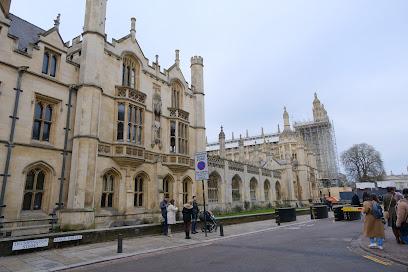
Senate House Hill
0.1 km
Historic Senate House Hill in Cambridge offers stunning views, iconic architecture, and a vibrant academic atmosphere at the heart of the university city.

Bridge of Sighs
0.4 km
A Victorian Gothic covered bridge spanning the River Cam, linking history and beauty at St John's College, Cambridge.
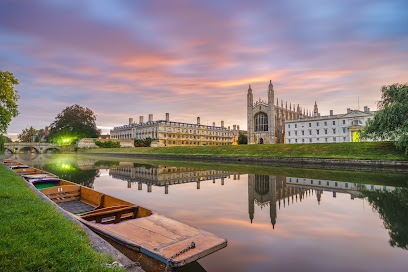
Magdalene Bridge
0.6 km
Historic cast-iron bridge over the River Cam, linking Cambridge’s academic heart with its ancient trading past.
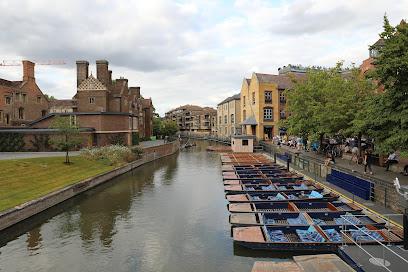
Duke House
0.7 km
A charming boutique guesthouse blending historic elegance with warm hospitality in central Cambridge.
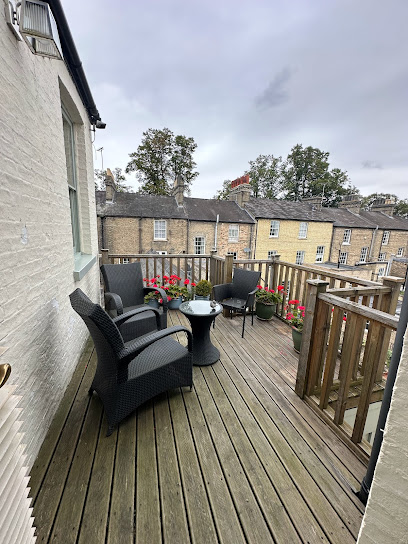
Cambridge Food Tour
0.7 km
Explore Cambridge's culinary scene on a guided food tour, savoring local flavors and discovering hidden gems in this historic city.
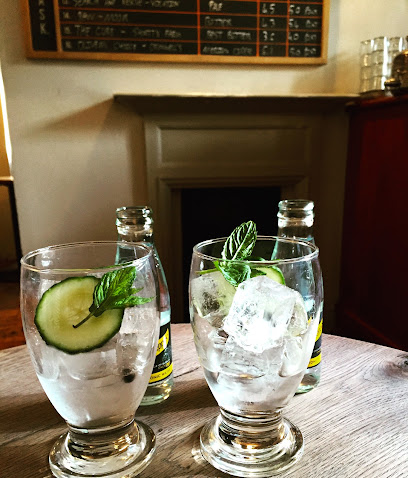
Westminster College
0.7 km
Historic theological college blending Victorian architecture with contemporary faith education in Cambridge's academic heart.
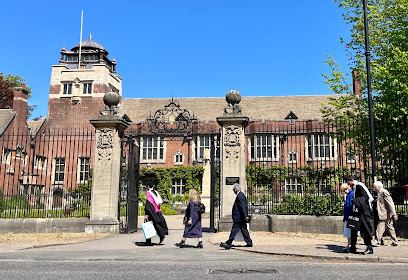
Newnham House
0.7 km
Explore Newnham House: A Prestigious Landmark of Cambridge University's Academic Legacy.
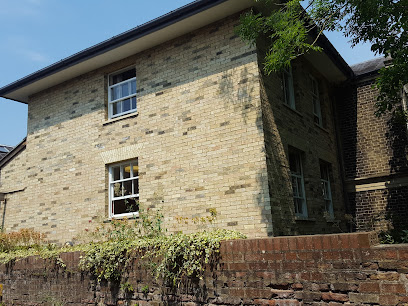
Lets Go Punting Cambridge
0.8 km
Experience the charm of Cambridge from the water with Lets Go Punting, offering serene boat tours past historic landmarks and lush landscapes.
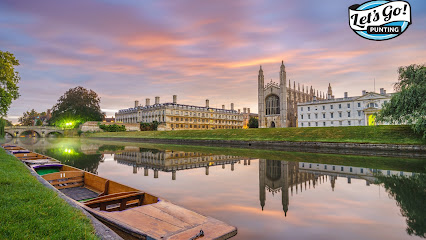
Castle Mound
0.8 km
Experience the stunning views and rich history at Castle Mound, a must-visit historic site in the heart of Cambridge.
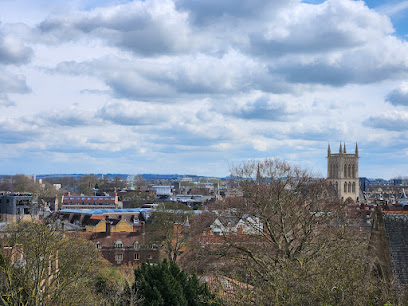
Castle Mound: site of medieval Cambridge Castle
0.8 km
Explore Castle Mound, the grassy remnant of Cambridge’s medieval fortress with panoramic city views and centuries of rich history.
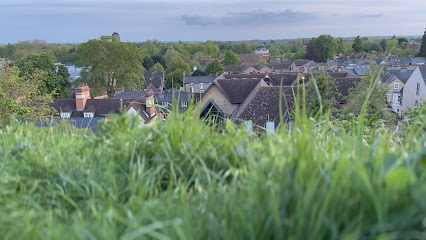
Jesus Green
0.8 km
Explore the beauty of Jesus Green in Cambridge, a lush park perfect for picnics, strolls, and family fun amidst picturesque riverside views.
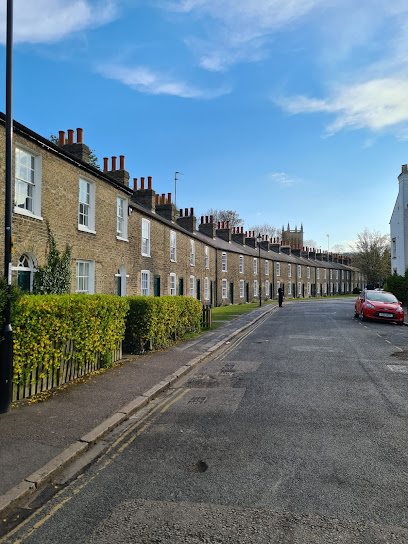
Reality Checkpoint
0.8 km
A colorful Victorian lamppost marking the boundary between Cambridge's academic bubble and the real world, standing proudly at Parker’s Piece.
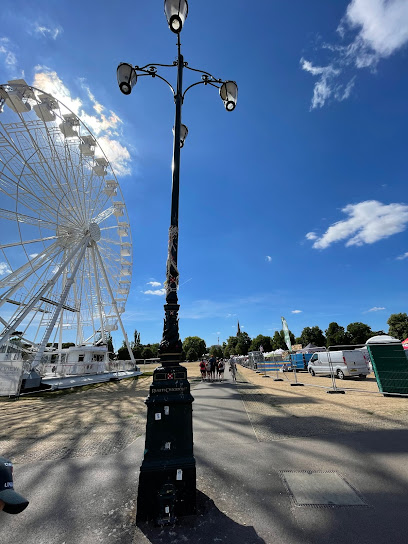
Parker's Piece
0.9 km
Explore Parker's Piece, Cambridge's iconic park, where history meets nature in a picturesque setting perfect for relaxation and outdoor fun.
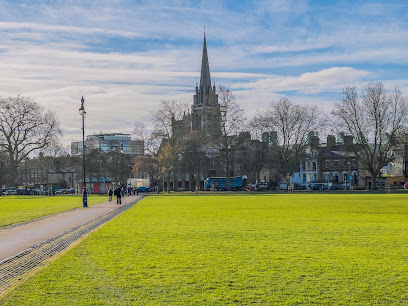
The Rush
0.9 km
Explore The Rush, a tranquil nature reserve in Cambridge, where lush landscapes and vibrant wildlife create an idyllic escape from city life.
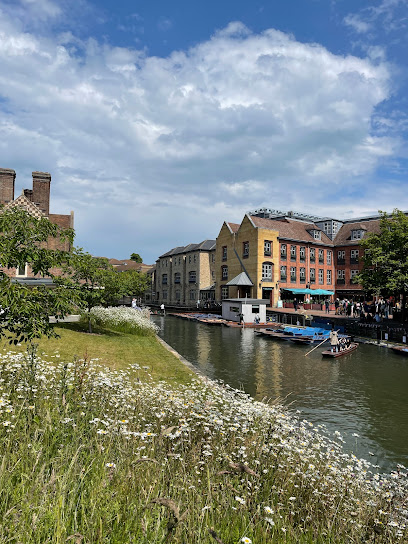
Unmissable attractions to see

King's College, Cambridge
0.1 km
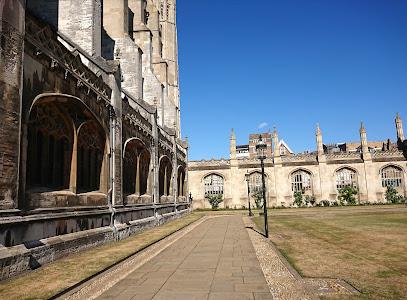
Discover the breathtaking Gothic splendor and rich academic heritage of King's College, home to the iconic chapel and world-famous choir in Cambridge.
Cambridge Alumni Tours
0.1 km
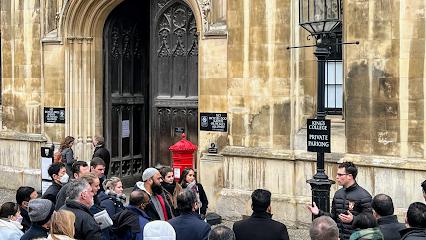
Uncover the rich history and architectural beauty of Cambridge with informative guided alumni tours through this iconic university city.
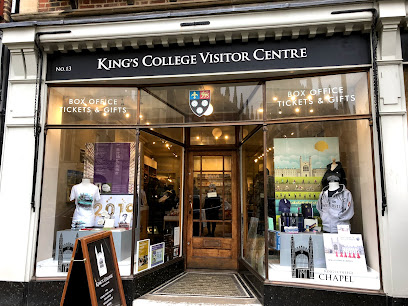
King's College Visitor Centre
0.1 km
Gateway to King's College's rich heritage, offering souvenirs and visitor services in a historic Cambridge setting.
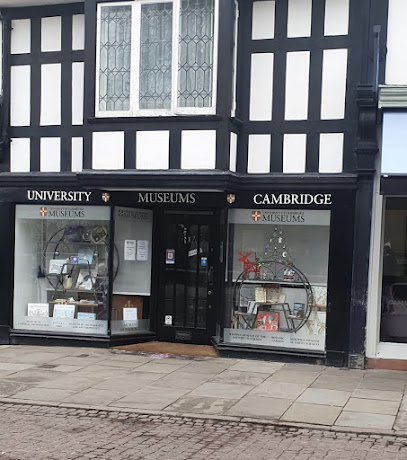
University of Cambridge Museums Shop
0.1 km
Discover unique, ethically sourced gifts inspired by Cambridge’s museums, supporting heritage and culture in the heart of the city.
Remember Cambridge
0.1 km
Discover Cambridge’s timeless charm and hidden stories on engaging walking tours led by passionate local guides.
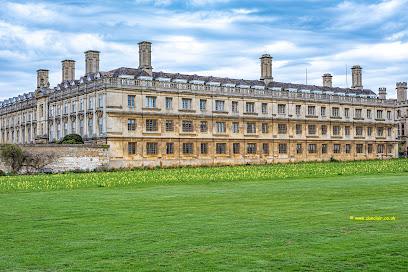
Clare College
0.1 km
Discover Clare College’s timeless charm with its historic bridge, lush gardens, and rich academic heritage in the heart of Cambridge.
Map of Cambridge
0.1 km
Discover the historic charm and vibrant culture of St Mary's Passage, a timeless lane at Cambridge’s heart.
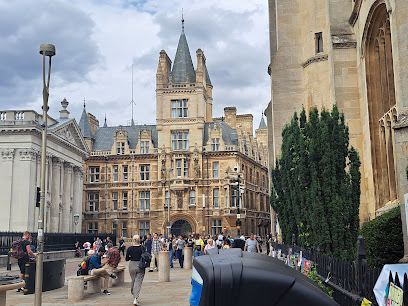
Great St Mary's
0.1 km
Discover Great St Mary’s, Cambridge’s historic university church with stunning Gothic architecture and panoramic city views from its iconic tower.
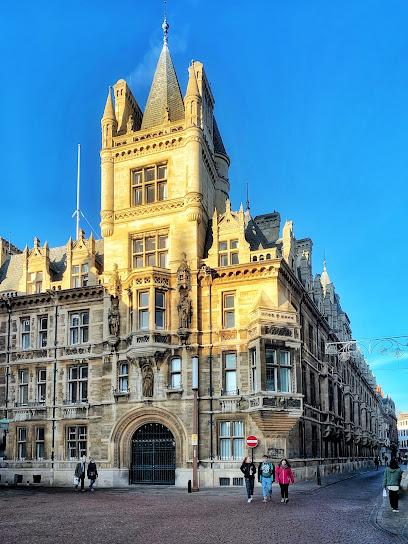
Gonville & Caius College, University of Cambridge
0.1 km
Explore the historic elegance and academic legacy of Gonville & Caius College, a tranquil Cambridge oasis rich in tradition and iconic architecture.
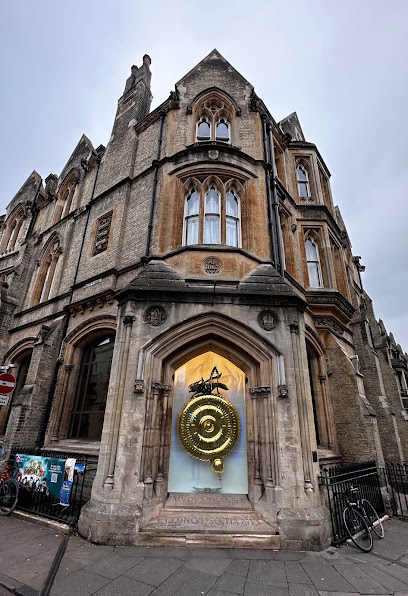
The Corpus Clock
0.1 km
A mesmerizing gold-plated clock with a mechanical grasshopper that devours time, blending art and science in the heart of Cambridge.
Trinity Hall Cambridge
0.1 km
One of Cambridge’s oldest colleges, Trinity Hall offers historic charm, riverside tranquility, and a welcoming academic community in the city centre.
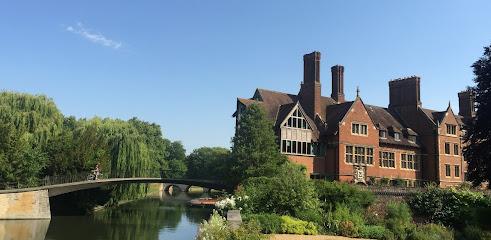
St Bene’t’s Church
0.2 km
Discover Cambridge’s oldest building, an Anglo-Saxon church with a serene atmosphere and centuries of history in its ancient tower and sacred walls.
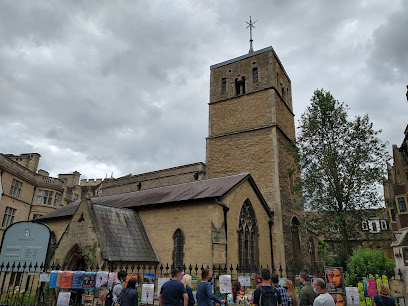
Cambridge Market Square
0.2 km
Discover the vibrant heart of Cambridge’s culture and commerce at Market Square, a historic open-air market with global flavours and local crafts.
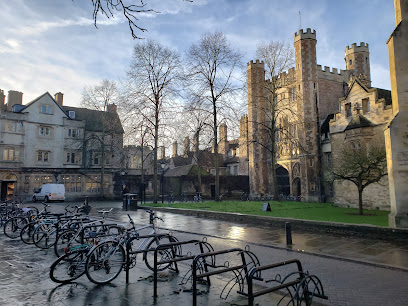
Market Hill
0.2 km
Market Hill is Cambridge’s historic marketplace, alive with centuries of tradition, vibrant stalls, and rich community spirit at the city’s core.
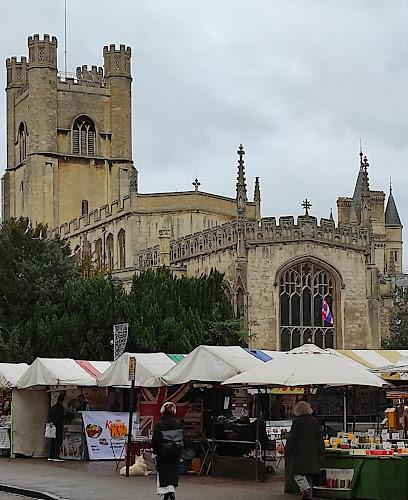
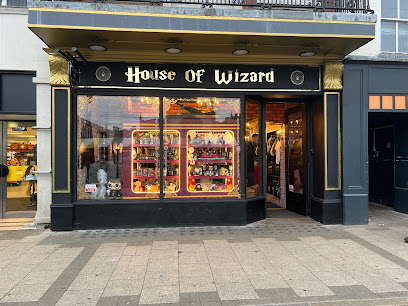
House of Wizard
0.2 km
Discover a magical world of Harry Potter collectibles and fantasy treasures in the heart of Cambridge’s Market Hill.
Essential places to dine

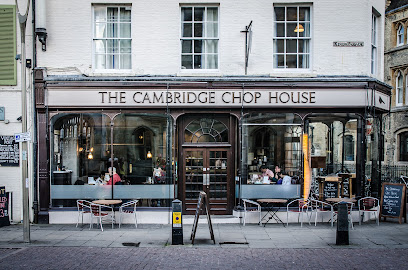
The Cambridge Chop House
0.1 km
Classic British steakhouse with locally sourced ingredients, historic charm, and stunning views opposite King's College Chapel in Cambridge.
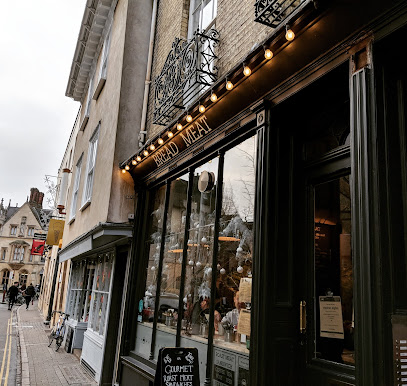
Bread & Meat
0.1 km
Savor Cambridge’s top roast meat sandwiches and comfort food in a relaxed, ethically minded eatery at 4 Bene't Street.
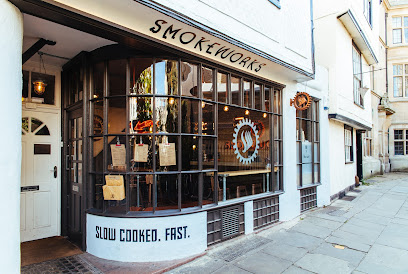
Smokeworks
0.2 km
Savor authentic American barbecue with tender smoked ribs and lively vibes in the heart of Cambridge’s historic center.
Aromi
0.2 km
Experience authentic Sicilian cuisine and stone-baked pizzas in a vibrant, historic Cambridge setting with a lively Mediterranean atmosphere.
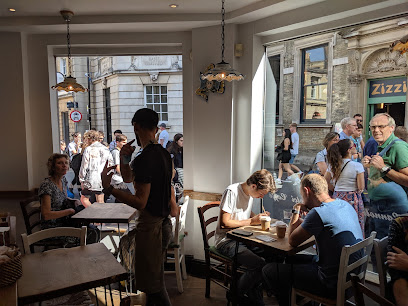
Pint Shop
0.2 km
A vibrant gastropub in Cambridge blending historic charm with an exceptional craft beer selection and hearty British fare.
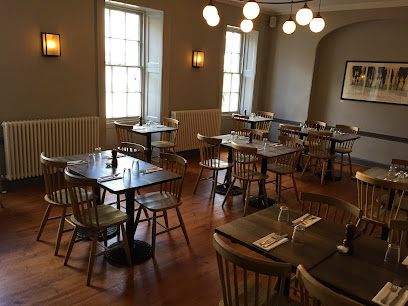
Sticks'n'Sushi - Cambridge
0.2 km
Experience the vibrant fusion of Japanese sushi and Nordic grilled sticks in the historic heart of Cambridge, where tradition meets innovation.

Market House
0.2 km
Historic charm meets modern British-Asian cuisine in Cambridge’s Market House, a multi-level dining and wine destination with a sustainable ethos.
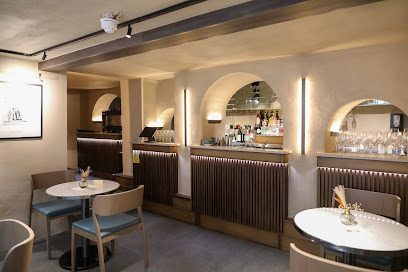
Honest Burgers Cambridge
0.2 km
Savor fresh British burgers and handmade rosemary chips in the heart of Cambridge’s vibrant Corn Exchange district.
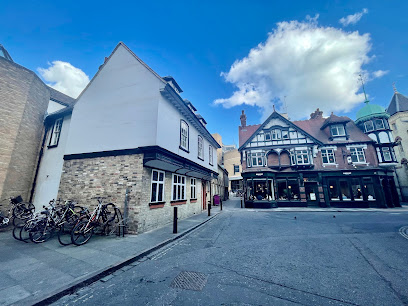
Trinity Restaurant
0.2 km
A charming Cambridge eatery blending classic pies with contemporary style opposite Trinity College’s Great Gate.
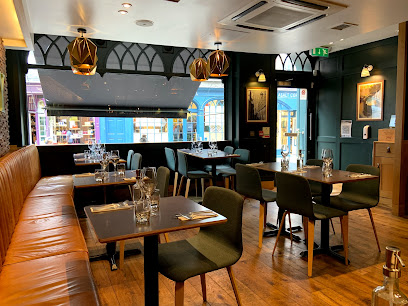
The Ivy Cambridge Brasserie
0.3 km
A vibrant British brasserie in Cambridge city centre, blending classic elegance with lively atmosphere and exceptional dining.
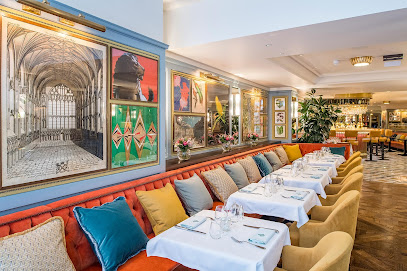
Bill's Cambridge Restaurant
0.3 km
Eclectic British dining with vibrant charm in the heart of historic Cambridge’s Green Street.
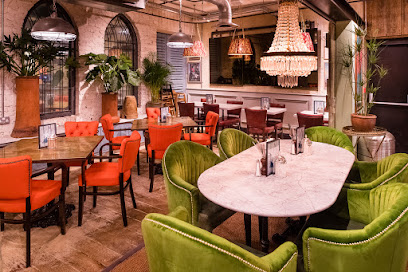
KIBOU Japanese Restaurant & Bar Cambridge
0.4 km
Experience authentic Japanese cuisine and vibrant ambiance in Cambridge’s stylish KIBOU Japanese Restaurant & Bar, where sushi artistry meets elegant design.
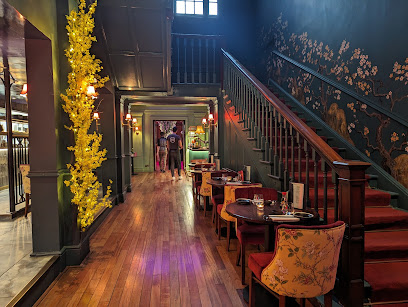
d'Arry's Restaurant, Liquor Loft & Cheesemonger
0.4 km
Experience Cambridge’s vibrant blend of restaurant, wine bar, and cheesemonger with generous portions and exceptional cheese in a quirky, characterful setting.
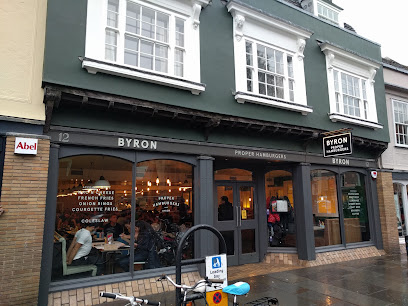
Byron
0.4 km
Savour expertly crafted, indulgent burgers in a stylish, cosy setting at Byron Cambridge, the home of proper burgers since 2007.
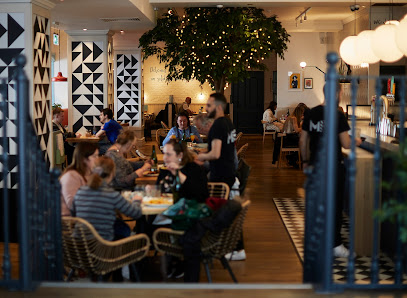
Gastrono-me
0.5 km
Vibrant brunch and cocktail bar in Cambridge offering generous portions, vegan-friendly dishes, and a lively atmosphere near the city centre.
Markets, malls and hidden boutiques

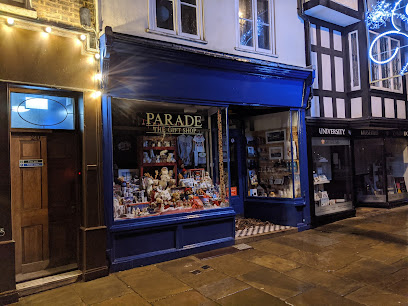
Parade
0.1 km
Discover unique Cambridge souvenirs at Parade Gift Shop, perfectly located on historic King's Parade with stunning views of King's College.
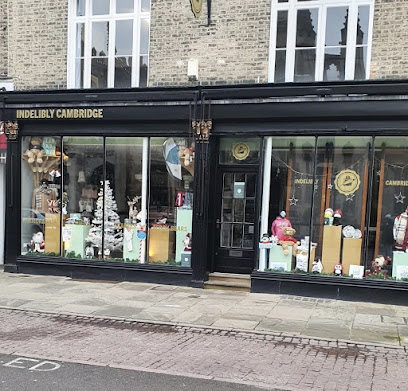
Indelibly Cambridge
0.1 km
A compact, well-curated King’s Parade shop for Cambridge-themed gifts, prints and locally made keepsakes—perfect for quick souvenirs with local character.
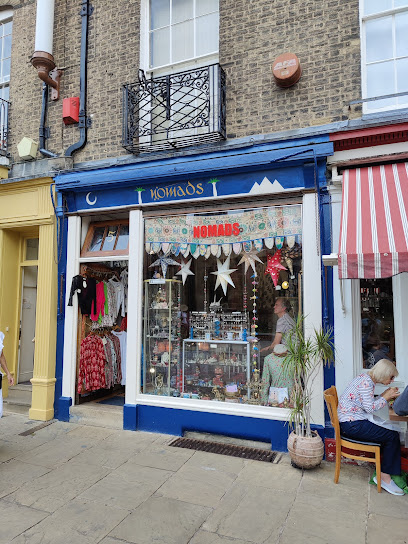
Nomads
0.1 km
Discover authentic handmade jewelry, textiles, and artisan crafts at Nomads, Cambridge’s vibrant gift shop celebrating global and local craftsmanship.
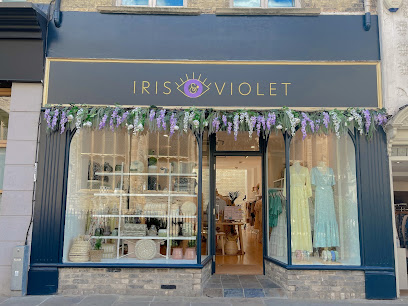
Iris and Violet Cambridge
0.1 km
Discover vibrant, curated womenswear and lifestyle pieces in the charming heart of Cambridge at Iris and Violet boutique.
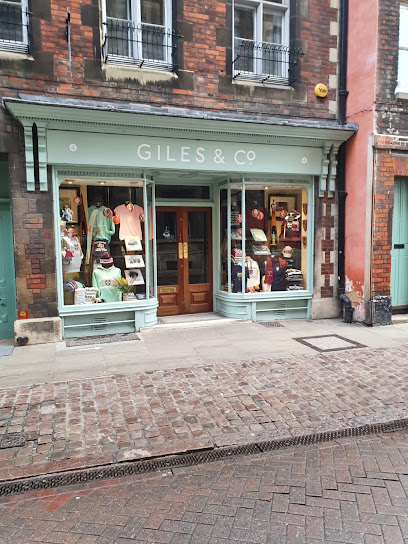
Giles & Co
0.1 km
Compact Trinity Street giftshop specialising in Cambridge-branded clothing, personalised keepsakes and locally sourced presents with friendly, knowledgeable service.
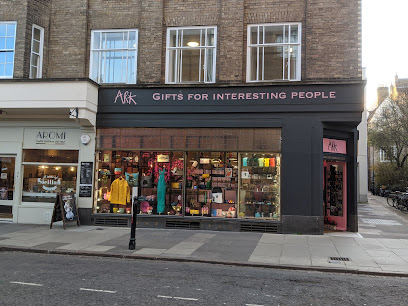
Ark
0.1 km
Compact independent gift shop on historic Peas Hill serving market crowds, theatregoers and locals with curated Cambridge keepsakes.
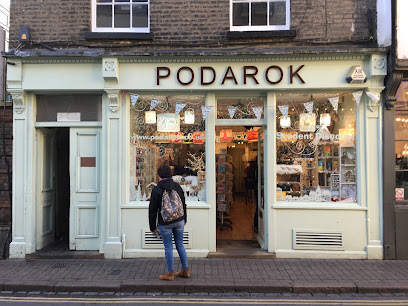
Podarok
0.2 km
Discover unique gifts, quirky handbags, and beautiful jewellery at Podarok, Cambridge’s independent boutique in the Arts Quarter.
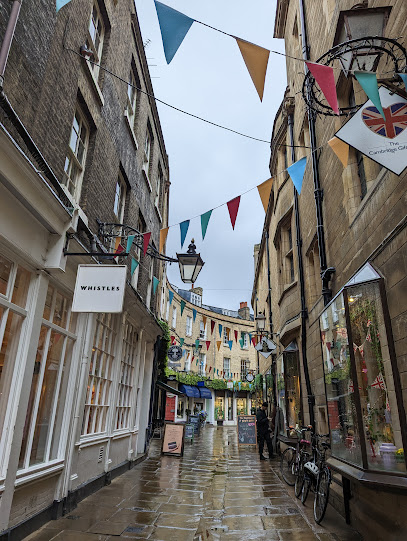
Souvenirs And Gifts
0.2 km
Authentic Cambridge souvenirs and handcrafted gifts in the heart of Market Hill.

The Cambridge Gift Shop
0.2 km
A compact, friendly gift shop on Rose Crescent offering locally made crafts, stationery and Cambridge-themed keepsakes in a tidy, well-curated space.
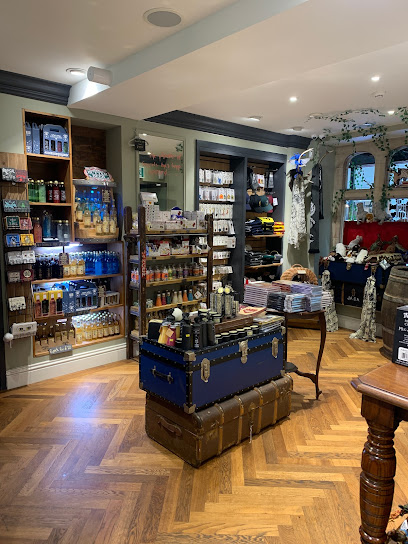
The Department of Magical Gifts
0.2 km
Step into Cambridge’s enchanting Harry Potter shop where magic, whimsy, and unique gifts create a spellbinding experience for all ages.
Sugarmark!
0.2 km
Capture Cambridge's charm with Sugarmark!'s iconic mugs, apparel, and prints from the heart of Market Hill—perfect souvenirs blending heritage and style.
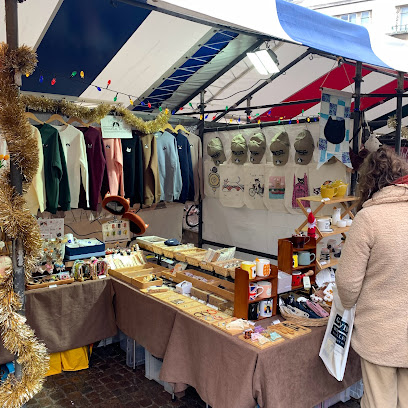
Fantasia
0.2 km
Discover unique vintage fashion at Fantasia, a charming clothing shop in Cambridge that brings nostalgia to life with every exquisite piece.
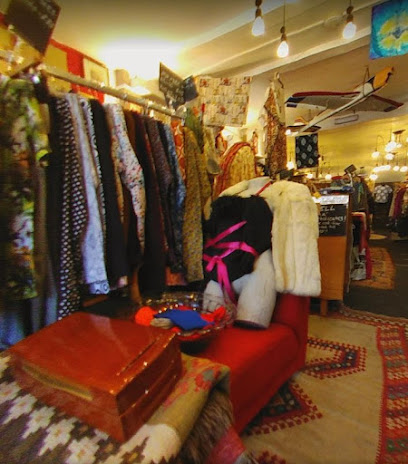
Jacks on Trinity
0.2 km
Authentic Cambridge gifts and official university apparel in a charming Trinity Street shop blending tradition with modern British style.
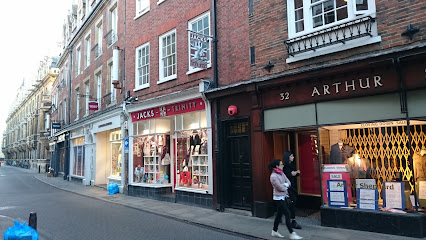
White Stuff Cambridge
0.2 km
Discover vibrant, stylish fashion for the whole family at White Stuff Cambridge, nestled in the city’s historic shopping heart.
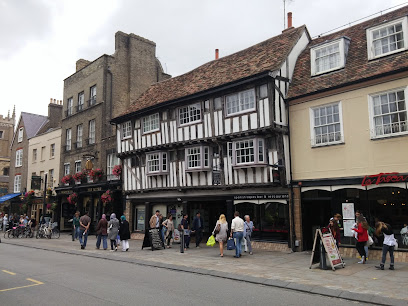
Jigsaw
0.2 km
Discover timeless elegance and premium ladies' fashion in the heart of historic Cambridge at Jigsaw on Trinity Street.
Essential bars & hidden hideouts

Eagle
0.1 km
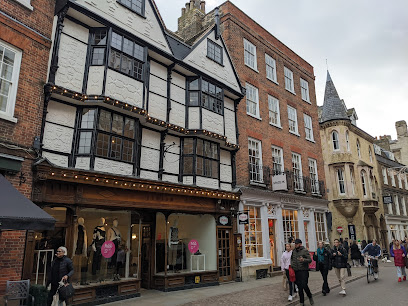
Historic Cambridge pub where DNA’s double helix was announced, blending scientific legacy with classic British charm and lively atmosphere.
Bath House
0.2 km
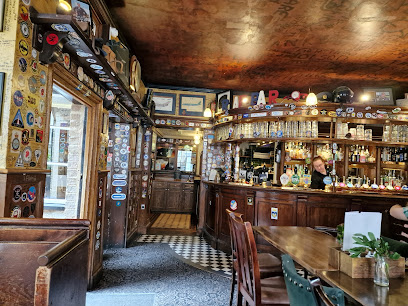
Historic 17th-century Cambridge pub pouring Greene King cask ales and classic grub in a dog-friendly, family-welcoming spot steps from university landmarks.
BrewDog Cambridge
0.2 km
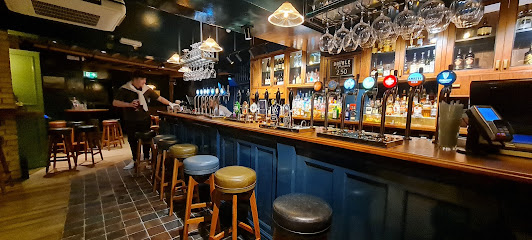
Experience bold craft beers and innovative food in the heart of historic Cambridge at BrewDog’s lively and welcoming bar.
La Raza
0.2 km
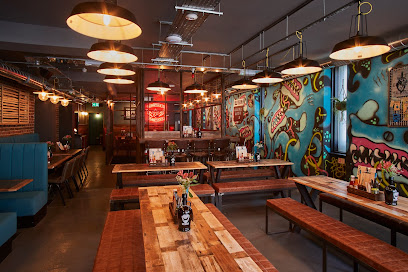
Cambridge's basement gem for Spanish tapas, craft cocktails, and live funk beats—from daytime café to late-night haven.
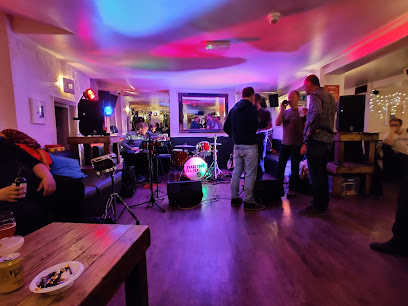
2648 Cambridge
0.2 km
Step into 2648 Cambridge for expertly crafted cocktails in a nostalgic, vinyl-filled setting at the heart of Trinity Street’s vibrant nightlife.
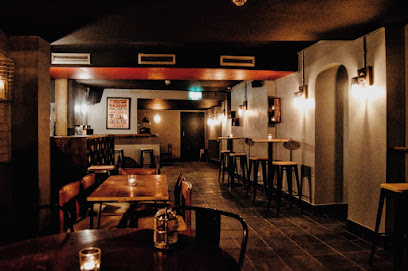
Ta Bouche
0.3 km
Experience Cambridge’s lively cocktail scene with creative drinks, fresh food, and a vibrant social atmosphere at Ta Bouche.
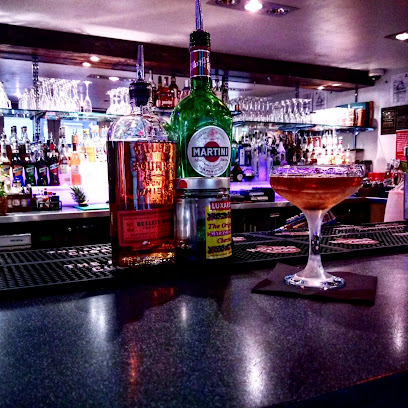
Town and Gown
0.3 km
A vibrant Cambridge pub and intimate theatre where university meets local life in a lively, historic setting with great food and entertainment.
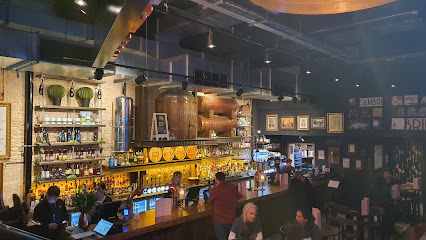
The Anchor
0.3 km
Charming historic riverside pub in Cambridge offering classic British fare, craft beers, and live jazz in a lively yet relaxed setting.
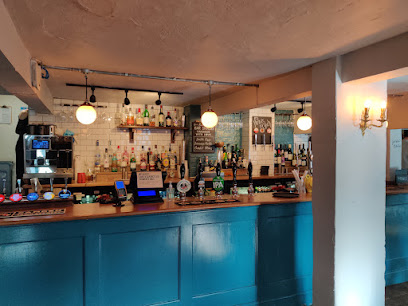
Glitterbomb
0.4 km
A vibrant queer bar in Cambridge’s city center, Glitterbomb celebrates LGBTQ+ nightlife with inclusive club nights and dynamic drag performances.
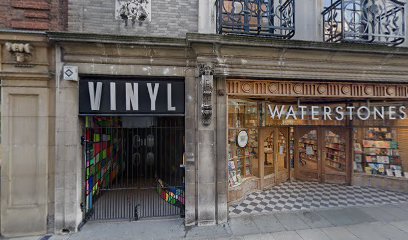
The Mill
0.4 km
Cozy 19th-century riverside pub in Cambridge offering real ales, hearty British fare, and a warm, music-filled atmosphere.
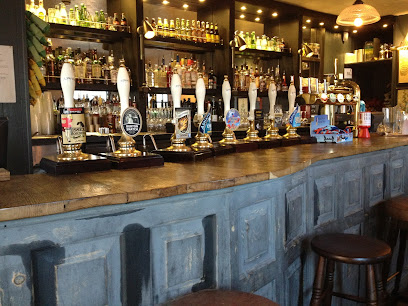
Bar -OH
0.4 km
Inventive cocktails and live music pulse through this intimate Cambridge gem, blending artistry with electric evenings until the wee hours.
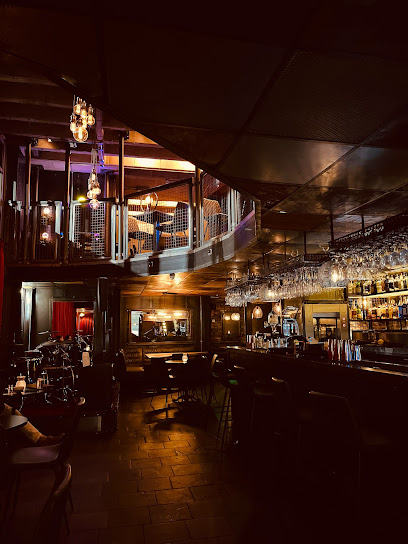
Hidden Rooms
0.4 km
Discover Cambridge's underground speakeasy: creative cocktails, live tunes, and intimate vibes in historic vaults on Jesus Lane.
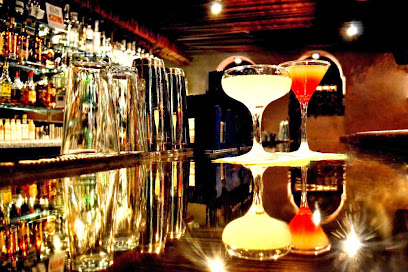
Modern Jazz
0.4 km
Hidden jazz gem on Jesus Lane where modern rhythms pulse amid Cambridge's historic whispers—intimate gigs fueling the city's creative soul.
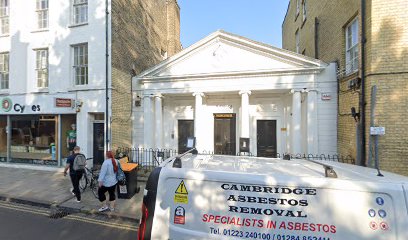
Revolution Cambridge
0.5 km
Vibrant cocktail bar and nightlife hotspot in central Cambridge with rooftop terrace, karaoke pod, and diverse event spaces.
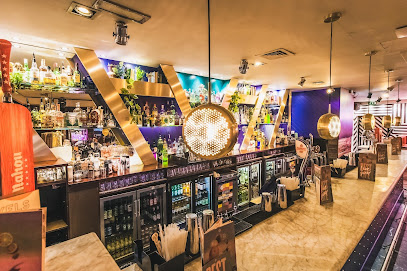
The Cambridge Brew House
0.5 km
Classic British pub charm meets craft brewing excellence in the heart of Cambridge’s vibrant King Street.
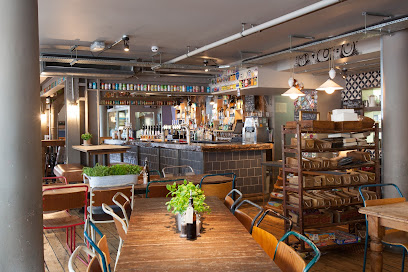
Nightclubs & after hour spots

Cambridge Lola Lo
0.2 km
Step into Cambridge Lola Lo, a vibrant tiki-themed nightclub with tropical vibes, lively dance floors, and a stunning rooftop terrace in the city centre.
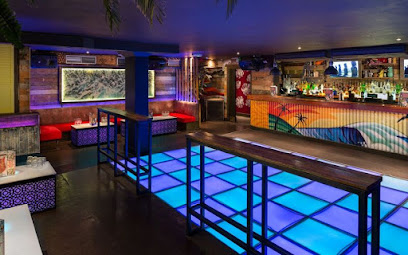
High Five
0.3 km
Cambridge's electrifying gay nightclub where themed nights, drag glamour, and inclusive dance floors ignite unforgettable evenings in the city heart.
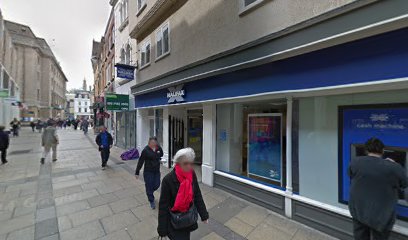
MASH
0.3 km
Cambridge’s vibrant independent nightclub offering themed music nights and a welcoming, safe party atmosphere until the early hours.

Vinyl Cambridge
0.3 km
Dance through decades on a glowing LED floor at Vinyl Cambridge's throwback haven—2-for-1 drinks, VIP vibes, and non-stop retro anthems await in the city center.
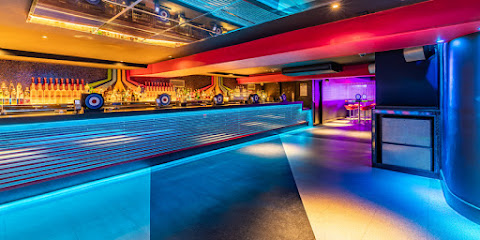
The Tram Depot
1.1 km
Discover the lively ambiance of The Tram Depot in Cambridge, where great food, local ales, and music nights create unforgettable experiences.
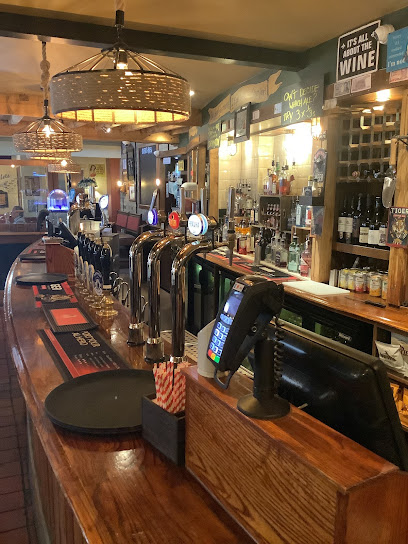
Cambridge Pop-up Speakeasy Jazz
1.1 km
Free live jazz pop-ups in a historic Cambridge pub: intimate sets, diverse musicians, speakeasy vibes on select Wednesdays at 7:30pm.
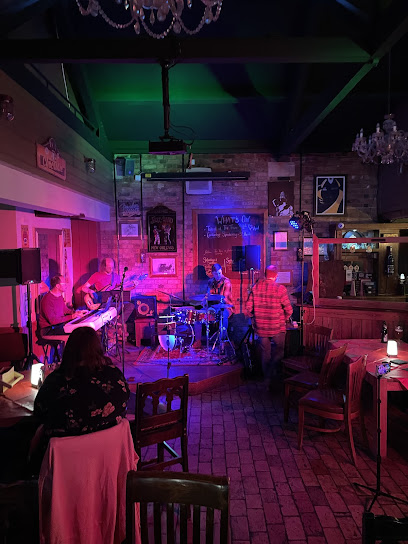
Fort St George
1.1 km
Historic riverside pub on Cambridge's Midsummer Common, serving hearty ales and classics with unbeatable Cam views and garden vibes. (162 characters)
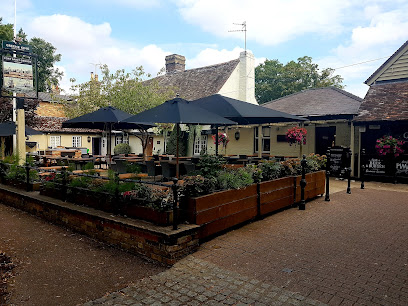
Newnham Croft Social and Sports Club
1.2 km
Experience the vibrant community spirit at Newnham Croft Social and Sports Club, a lively venue for live music, events, and friendly gatherings in Cambridge.
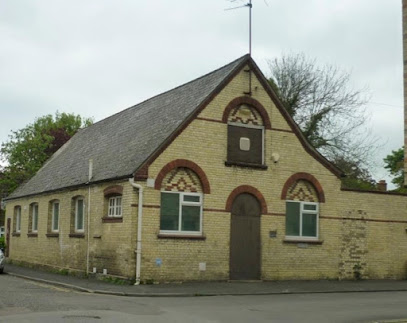
80s karaoke bar
1.2 km
Neon-lit, 80s-themed karaoke on Hills Road—compact, group-friendly singalongs from the early evening into the night.

Cambridge Working Mens Club
1.3 km
Discover the lively ambiance of Cambridge Working Mens Club, a perfect blend of local culture, music, and community spirit.
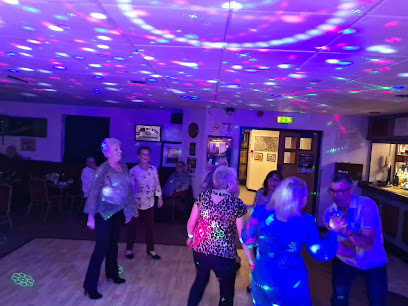
EBC Shop
1.4 km
Discover the electrifying nightlife at EBC Shop in Cambridge, where the music keeps you dancing and the atmosphere is always electric.
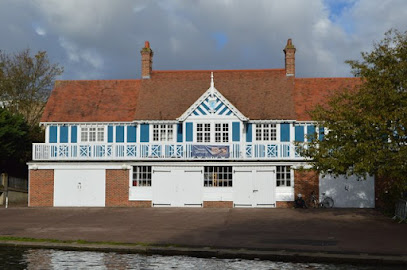
The Calling
1.5 km
Discover the vibrant nightlife at The Calling, Cambridge's premier event management venue, perfect for unforgettable experiences and fun times.
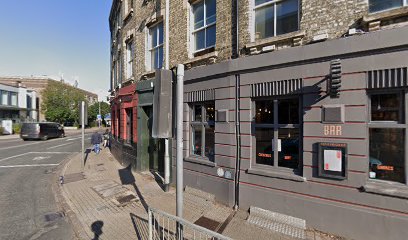
Sing Dizzy
2.1 km
Sing Dizzy offers Cambridge a lively karaoke bar experience with costumes, props, and an extensive song list for unforgettable nights of fun and music.
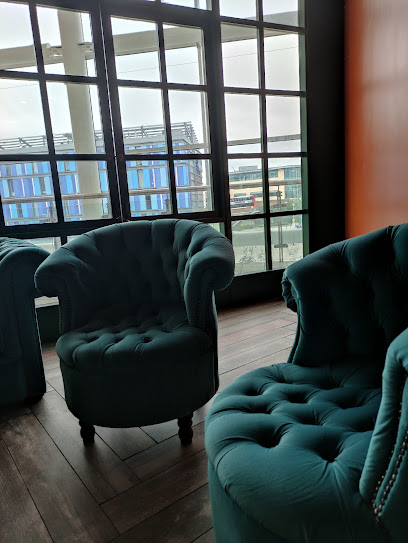
Salisbury Club
2.3 km
Cambridge's cozy Mill Road club: retro discos, pool tables, cheap drinks, and community spirit in a true local gem.
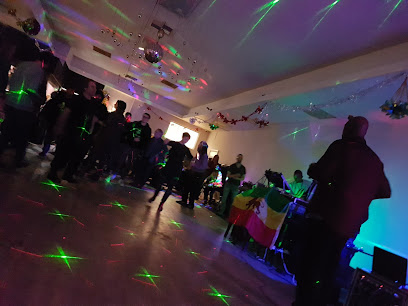
Rock
2.8 km
Experience the vibrant atmosphere and delicious cuisine at The Rock, a beloved pub and restaurant in the heart of Cambridge.
For the vibe & atmosphere seeker
- Romantic
- Scenic
- Tranquil
- Unique
For the design and aesthetic lover
- Vintage Styles
- Minimalist Designs
For the architecture buff
- Historic
- Landmarks
- Art & Design
- Sacred Sites
For the view chaser and sunset hunter
- Iconic Views
- Panoramas
For the social media creator & influencer
- Instagrammable
- Photo Spots
- Architectural Shots
For the eco-conscious traveler
- Protected Area
- Locally Managed
For the kind of experience you’re after
- Spiritual / Energy Spot
- Myth & Legends
- Cultural Heritage
- Photowalk
- Day Trip
For how adventurous you want the journey to be
- Easy Access
Location Audience
- Family Friendly
- Senior Friendly
- Wheelchair Access
- Solo Friendly
- Couple Friendly


