White Spring
A candlelit temple of white waters and sacred mystery beneath Glastonbury Tor.
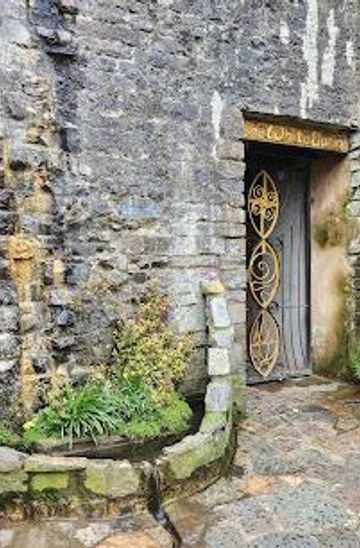
Nestled beneath Glastonbury Tor on Well House Lane, the White Spring is a sacred healing sanctuary housed in a Victorian-era well house converted into a candlelit temple. Named for its mineral-rich white calcite waters, this mystical space features sacred pools, shrines honoring Celtic and Christian traditions, and serves as a meditation and pilgrimage destination. Complementing the nearby red iron-rich Chalice Well, the White Spring represents the feminine, spiritual counterpart in Glastonbury's legendary dual-spring mythology.
A brief summary to White Spring
- Wellhouse Ln, Glastonbury, BA6 8BL, GB
- Click to display
- Click to display
- Duration: 0.5 to 2 hours
- Free
-
 Indoor
- Mobile reception: 3 out of 5
- Tuesday 1:30 pm-4:30 pm
- Thursday 1:30 pm-4:30 pm
- Friday 1:30 pm-4:30 pm
- Saturday 1 pm-5 pm
- Sunday 1 pm-5 pm

Know before you go
Hi, I'm Eve. Here are a few practical things to know before exploring White Spring.
- Visit during afternoon opening hours (typically Tuesday, Thursday, Friday 13:30–16:30; Saturday, Sunday 13:00–17:00) as the temple operates on volunteer availability. Check ahead to confirm opening times.
- Respect the sacred atmosphere by keeping conversations minimal; singing and soft sounds are welcome, but extended conversations and loud instruments are discouraged. Cameras and mobile phones are prohibited to preserve the sanctuary's spiritual integrity.
- Wear comfortable, weather-appropriate clothing and consider bringing a change of clothes if you plan to bathe in the pools. The interior is cool and damp year-round.
- Arrange private ceremonies, baptisms, or group rituals at least two weeks in advance by contacting the caretakers. Large groups require booking outside public opening hours.
- Combine your visit with the nearby Chalice Well to experience both sacred springs and understand Glastonbury's complete spiritual landscape.
Do you manage this location?
Take control to get all the benefits, like improved information, better appearance, and stronger visibility across AI-powered discovery. Learn more
Activate your presence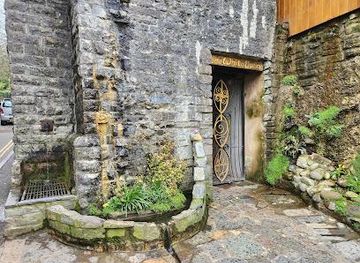
Getting There
-
On foot from Glastonbury town center
From the High Street in Glastonbury town center, walk south toward Glastonbury Tor. Well House Lane is located at the base of the Tor, approximately 1.5 kilometers from the town center. The walk takes 20–25 minutes along mostly level terrain with some gentle inclines. Follow signs toward Glastonbury Tor; Well House Lane branches off to the left as you approach the Tor's base. Parking is available on nearby streets or in the town center car park, from which the walk is straightforward.
-
By car from Glastonbury center
Drive south from Glastonbury town center toward Glastonbury Tor. Well House Lane is a narrow lane at the base of the Tor, accessible by car but with very limited parking directly outside. Estimated driving time from town center is 5–8 minutes. Street parking is available on Well House Lane and nearby roads; arrive early during weekend afternoons to secure a spot. The lane is narrow and can be congested during peak visiting times.
-
By bus from surrounding areas
Local bus services connect Glastonbury to nearby towns including Wells, Street, and Shepton Mallet. Journey times vary from 20–45 minutes depending on origin. From Glastonbury bus station, the White Spring is a 20–25 minute walk south toward the Tor. Bus services run regularly but with reduced frequency on Sundays; check local timetables in advance. This option is practical for visitors without private transport.
-
Taxi or ride-share from Glastonbury
Taxis and ride-share services operate in Glastonbury and can deliver you directly to Well House Lane. Journey time from town center is 5–10 minutes; typical fare ranges from £6–12 depending on exact pickup location. This is the most convenient option for visitors with luggage or mobility considerations, though advance booking is recommended during peak times.
For the on-the-go comforts that matter to you
-
 Restrooms
-
 Seating Areas
-
 Information Boards
Discover more about White Spring
A Sacred Sanctuary Beneath the Tor
The White Spring flows from deep caverns beneath Glastonbury Tor, emerging as one of two legendary healing springs that have defined this sacred landscape for millennia. Unlike its famous companion, the Chalice Well, the White Spring's waters are rich in white calcite, creating a stark visual and spiritual contrast. The spring itself has never ceased flowing, a testament to the abundant aquifers that feed the Tor's geological heart. In 1872, a Victorian well house was constructed over the spring to provide clean water to the town during a cholera outbreak. Though the high mineral content eventually rendered it impractical for municipal use, this sturdy brick structure has been transformed into something far more profound: a living temple dedicated to spiritual practice and healing.The Temple Within: Architecture and Sacred Geometry
The well house, a modest Victorian building that appears almost unassuming from the street, conceals an extraordinary interior. Volunteers have carefully designed and built a series of sacred pools within the cavernous space, constructed according to principles of sacred geometry. The temple features two immersion pools—a smaller raised pool approximately four and a half feet deep and a larger central circular pool about two feet deep. The atmosphere is deliberately mysterious and introspective: the space is dimly lit or illuminated only by candlelight, creating an environment that encourages meditation, prayer, and reflection. The constant sound of flowing water echoes through the chamber, while the temperature remains steady year-round, adding to the sanctuary's unique sensory character.Shrines and Spiritual Traditions
Within the temple, multiple shrines honor the diverse spiritual heritage of Avalon and the sacred energies believed to inhabit this place. A shrine dedicated to Brigid, the Celtic Fire Goddess and guardian of sacred springs, maintains a continuously burning flame. Our Lady of Avalon, known as the Black Madonna, is honored through a shrine that has attracted pilgrims from across Europe. A third shrine venerates the King of the World of Faerie, positioned at what is believed to be a portal to the Otherworld—the realm of Celtic mythology. Saint Michael is also commemorated, as the Michael Line, a powerful ley line associated with sacred sites across Britain, flows directly through the building. These shrines reflect the layering of traditions—Celtic goddess worship, Christian veneration, and fairy lore—that have accumulated at this site over centuries.A Place of Healing and Pilgrimage
The White Spring's waters are believed to possess healing properties, drawing visitors seeking physical restoration, emotional balance, and spiritual renewal. The mineral composition—particularly the calcite derived from ancient marine organisms—has been valued for its purifying and restorative qualities. Many pilgrims come to bathe in the sacred pools, while others simply sit in silence, listening to the water's perpetual flow and absorbing the sanctuary's contemplative energy. The space welcomes diverse spiritual traditions and backgrounds, functioning as a non-denominational sacred site where meditation, prayer, and personal reflection take precedence over doctrine. Ceremonies marking the turning of the seasons, full moons, and dark moons are regularly held, drawing communities together in celebration of natural cycles and spiritual connection.History and Restoration
The site's significance extends far into the past. Archaeological evidence suggests that Celtic Christian hermits inhabited the area, with monastic remains discovered on Glastonbury Tor itself. Medieval and early modern accounts describe the spring as a place of spiritual importance, though its sacred status was obscured during the Victorian era when it served purely utilitarian purposes. After the well house fell into disrepair and was eventually sold by the Water Board, a dedicated group of volunteers undertook its restoration in the 1980s and beyond. This revival was driven by spiritual calling rather than commercial interest—the White Spring operates entirely on a voluntary basis with no entrance fee or expectation of donation, maintaining its sacred character through the devotion of its caretakers.The Duality of Glastonbury's Springs
The White Spring and Chalice Well together form a complementary pair, embodying ancient symbolic oppositions: red and white, iron and calcite, masculine and feminine, earth and spirit. Together they represent what many believe to be a unified expression of divine balance and the union of opposites. The White Spring's darker, more introspective character contrasts beautifully with the sunlit gardens and open wells of Chalice Well across the road. This duality has made Glastonbury a destination for pilgrims seeking wholeness and understanding of the sacred landscape's multifaceted spiritual dimensions.Explore the best of what White Spring has to offer













More about Somerset

Discover the timeless beauty and heritage of Somerset, where rolling hills, historic sites, and charming villages create an idyllic escape in the heart of England.
Tell me more about Somerset
Explore England’s largest gorge with dramatic cliffs, ancient caves, panoramic views, and world-famous cheese in charming Cheddar village.
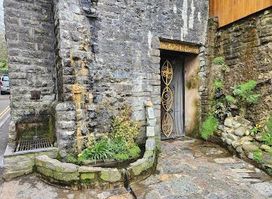
A mystical Victorian water temple at Glastonbury Tor, honoring sacred calcite-rich waters with shrines, healing pools, and timeless spiritual energy.