

Fletcher Moss Botanical Gardens, Manchester
Historic botanical gardens and wildlife haven in Manchester, blending rich conservation heritage with serene landscapes and community charm.
Fletcher Moss Botanical Gardens in Didsbury, Manchester, is a historic and award-winning park combining botanical beauty with wildlife habitat. Gifted to the city in 1919 by Alderman Fletcher Moss, the gardens feature a sheltered rock garden, informal Parsonage Gardens, woodlands, meadows by the River Mersey, and recreational facilities including tennis courts and a family-run café. The site also holds deep conservation history as the birthplace of the Royal Society for the Protection of Birds.
A brief summary to Fletcher Moss Botanical Gardens
- 18 Stenner Ln, Manchester, Didsbury, M20 2RQ, GB
- +441614341877
- Visit website
- Duration: 1 to 3 hours
- Free
-
 Outdoor
- Mobile reception: 4 out of 5
- Monday 8 am-5 pm
- Tuesday 8 am-5 pm
- Wednesday 8 am-5 pm
- Thursday 8 am-5 pm
- Friday 8 am-5 pm
- Saturday 8 am-5 pm
- Sunday 8 am-5 pm
Local tips
- Visit the Alpine Café for refreshments overlooking the rock garden, perfect for a relaxing break.
- Explore the rock garden early in the day to enjoy the peaceful waterfalls and diverse plant life.
- Wear sturdy footwear as some paths, especially around the rockery, can be steep and uneven.
- Check the tennis court booking system in advance if you wish to play, as courts require a fee and reservation.
- Look out for the historic eagle sculpture at the Parsonage Gardens entrance, a unique architectural feature.

For the on-the-go comforts that matter to you
- Restrooms
- Drink Options
- Food Options
- Seating Areas
- Trash Bins
- Information Boards
- Visitor Center
Getting There
-
Bus
Several bus routes run along Wilmslow Road, including frequent services from Manchester city centre to Didsbury, taking approximately 25 to 35 minutes. Buses stop near the garden entrances, but check timetables for weekend and evening service variations. A single fare costs around £3-£4 GBP.
-
Train and Walk
East Didsbury railway station is about 1.5 km from Fletcher Moss Gardens. Trains from Manchester Piccadilly take 10 to 15 minutes. From the station, a 20-minute walk through residential streets leads to the gardens. The walk includes some gentle slopes and is suitable for most visitors.
-
Car
Driving to Fletcher Moss Gardens takes around 20 minutes from central Manchester, depending on traffic. Limited parking is available at Millgate Lane and Stenner Lane car parks, with a few disabled spaces. Nearby street parking is also possible but may require a short walk. Note that Wilmslow Road is busy and parking restrictions apply.
Fletcher Moss Botanical Gardens location weather suitability
-
 Any Weather
-
 Rain / Wet Weather
-
 Clear Skies
-
 Mild Temperatures
Discover more about Fletcher Moss Botanical Gardens
A Legacy of Philanthropy and Conservation
Fletcher Moss Botanical Gardens owe their name and existence to Alderman Fletcher Moss, a prominent Manchester philanthropist who purchased the gardens and adjoining house, The Croft, in 1912. In 1919, he generously gifted the gardens to the people of Manchester, ensuring public access to this green oasis. The Croft holds special historical significance as the home of Emily Williamson, founder of the Plumage League in 1889, which evolved into the Royal Society for the Protection of Birds (RSPB), a pioneering conservation organization advocating against the use of bird feathers in fashion.Distinctive Botanical and Landscape Features
The gardens are renowned for their sheltered rock garden laid out by botanist Robert Wood Williamson on a south-facing slope, creating a unique microclimate that supports a diverse range of plants, many of which are non-hardy species thriving in this protected environment. Waterfalls cascade gently down the rockery into a pond surrounded by royal ferns, marsh marigolds, skunk cabbage, Gunnera (giant rhubarb), and irises. Beyond the rock garden, the Parsonage Gardens offer Victorian-era landscaping with alpine houses and orchid structures. The grounds also include woodlands, meadows extending to the River Mersey, and a recently converted pergola garden replacing an old bowling green, reflecting the evolving nature of the site.Recreational and Community Amenities
Fletcher Moss Gardens accommodate a variety of recreational activities. Tennis courts are available for hire, alongside rugby and football pitches. The Croft now functions as a community centre and gallery hosting local art exhibitions and events. Visitors can relax at the family-run Alpine Café overlooking the rockery, or explore nature trails and orienteering courses. The gardens have held the prestigious Green Flag Award since 2000, recognizing their high standards of maintenance, biodiversity, and visitor experience.Ecological Importance and Wildlife Habitat
The gardens serve as a vital wildlife habitat within the urban environment of Manchester. The mix of meadows, woodlands, and wetlands encourages biodiversity, with wildflower plantings by local school groups enhancing the natural ecosystem. The site is a haven for birdlife, insects, and native plants, fostering opportunities for nature observation and environmental education.Cultural and Visual Appeal
Visitors are drawn to Fletcher Moss not only for its botanical richness but also for its aesthetic charm. The stone archway entrance to the Parsonage Gardens, topped with a historic eagle sculpture relocated from a former Manchester hotel, adds architectural interest. The gardens’ varied landscapes—from formal rockeries to informal woodlands—offer picturesque settings for photography, peaceful walks, and quiet contemplation.Year-Round Accessibility and Visitor Experience
Open daily from dawn to dusk and free to enter, Fletcher Moss Botanical Gardens welcome visitors throughout the year. The terrain includes some steep and uneven areas, particularly in the rock garden, which may limit wheelchair access. Seasonal changes bring a dynamic display of flora, while the café and visitor centre provide amenities such as toilets, seating, and information boards. The gardens offer a tranquil retreat within the bustling city, combining natural beauty, historical depth, and community spirit.Iconic landmarks you can’t miss

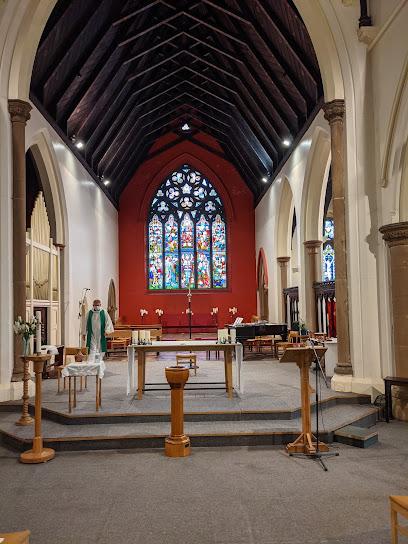
St Clement's Parish Church
4.8 km
Victorian Gothic masterpiece with five centuries of spiritual heritage in Chorlton-cum-Hardy.
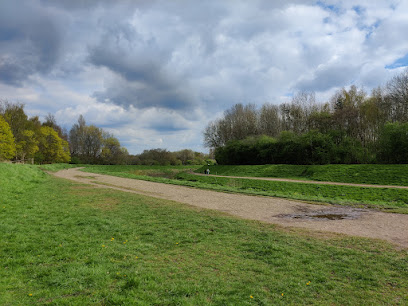
Stretford Weir
5.6 km
Historic riverside weir on the Mersey offering scenic walks, flood management insight, and a peaceful nature escape near Manchester.
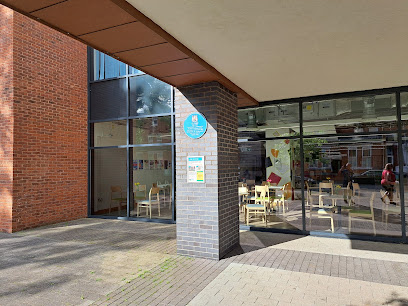
LS Lowry birthplace
6.0 km
Discover the humble origins of LS Lowry, the iconic painter of industrial Manchester, at his birthplace in Old Trafford.
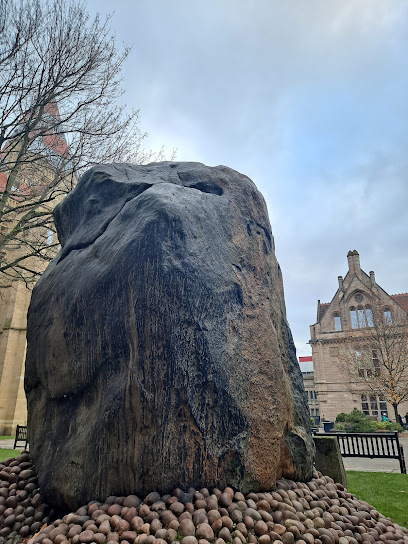
The Old Quadrangle
6.2 km
Victorian Gothic grandeur where academic tradition meets architectural magnificence in Manchester's heart.
The Queen's Arch
6.2 km
The Queen's Arch: Manchester’s iconic Gothic gateway to a rich academic and architectural heritage on Oxford Road.
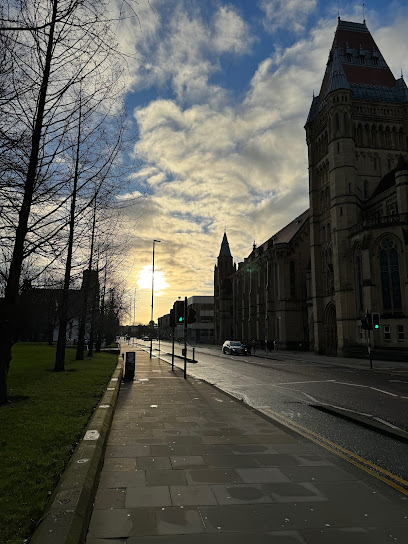
Manchester Histories
6.3 km
Uncover the vibrant history of Manchester at Manchester Histories, where stories of the past come alive through engaging exhibitions and community events.
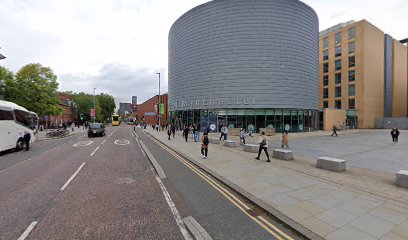
5 Sir Matt Busby Way
6.8 km
Old Trafford, the legendary Theatre of Dreams, is Manchester United’s iconic home since 1910, blending rich football history with modern innovation.
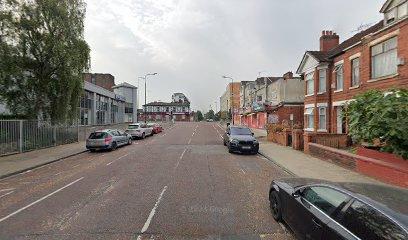
John Dalton Statue
6.9 km
Honoring John Dalton, father of atomic theory and pioneer of colour blindness research, with a distinguished statue in Manchester.
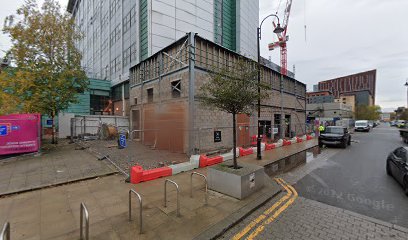
Sky Hook Statue 1
7.0 km
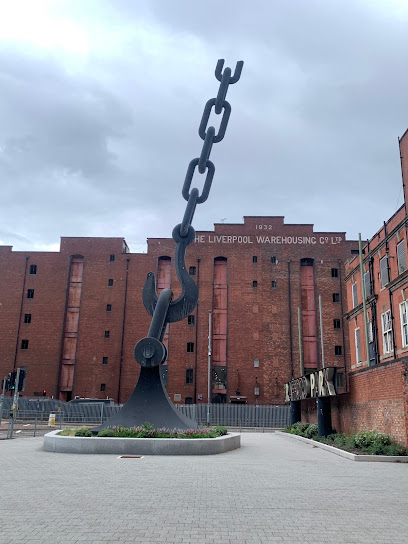
Towering steel sculptures marking Trafford Park’s industrial heritage with humor and monumental design.
Hotspur House
7.1 km
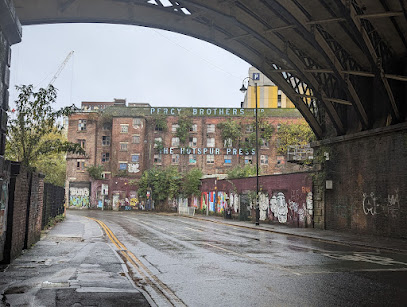
Historic Hotspur House blends Manchester’s industrial past with bold modern redevelopment, preserving heritage amid vibrant urban renewal.
Friedrich Engels Statue
7.1 km
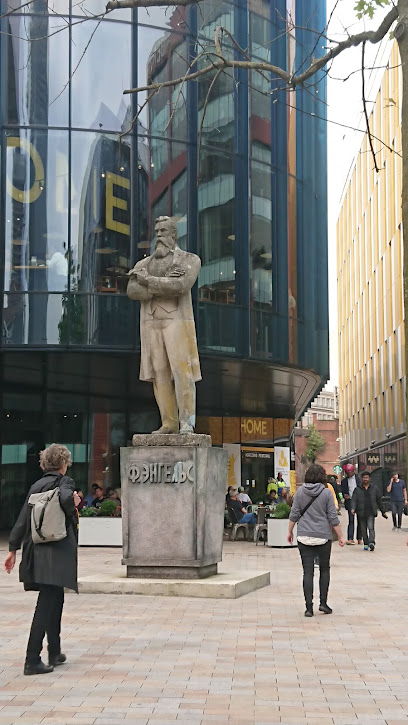
A bold Soviet-era statue honoring Friedrich Engels stands proudly in Manchester, bridging industrial history with modern radical spirit.
Castlefield historical zone
7.3 km
Explore Castlefield, Manchester’s vibrant urban heritage park where Roman ruins meet industrial canals and lively cultural scenes converge.
Historic England
7.3 km
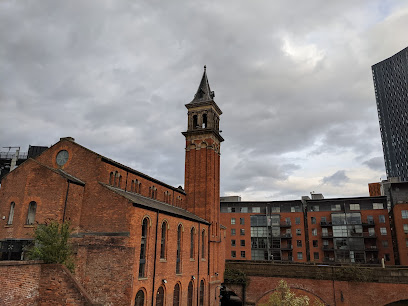
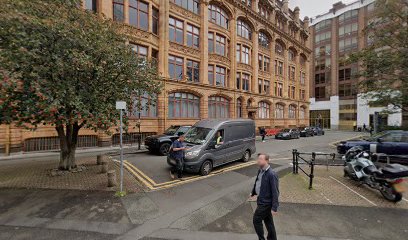
Explore the rich heritage of England at Historic England in Manchester, where history meets preservation and community engagement.
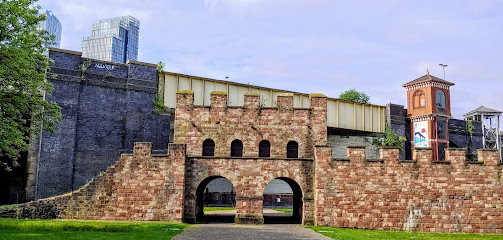
Remains of eastern wall of the Roman fort
7.3 km
Explore the evocative remains of Mamucium’s eastern wall, a cornerstone of Manchester’s Roman heritage and ancient military might.
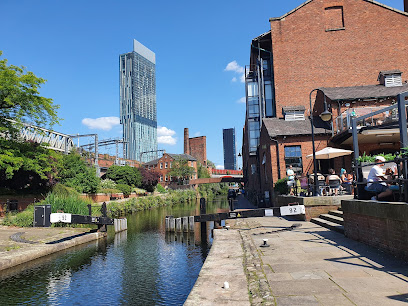
Rochdale Canal Lock 92
7.4 km
Final lock on the historic Rochdale Canal, linking Manchester’s waterways and embodying two centuries of industrial heritage.
Unmissable attractions to see

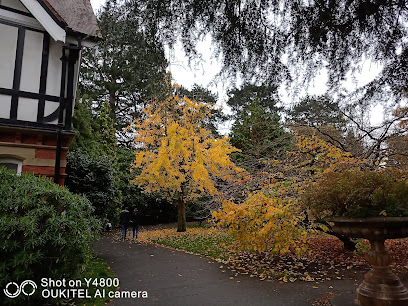
Marie Louise Gardens
1.1 km
A Victorian memorial garden where rare heritage trees and urban wildlife create Manchester's most peaceful green sanctuary.
Chorlton Water Park
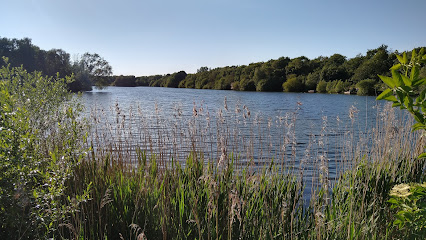
2.9 km
A peaceful 170-acre nature reserve in Manchester featuring a central lake, woodlands, playground, and accessible trails for family-friendly outdoor enjoyment.
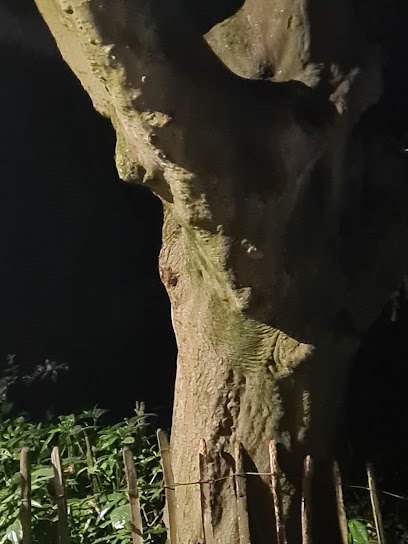
Ashburne Tree Man
4.2 km
Discover Fallowfield’s iconic Ashburne Tree Man, a living sculpture blending nature and art in a serene urban setting.
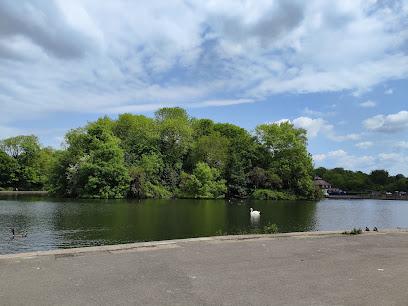
Platt Fields Park
4.3 km
Historic green oasis in Manchester’s Fallowfield, blending heritage, nature, and vibrant community recreation.
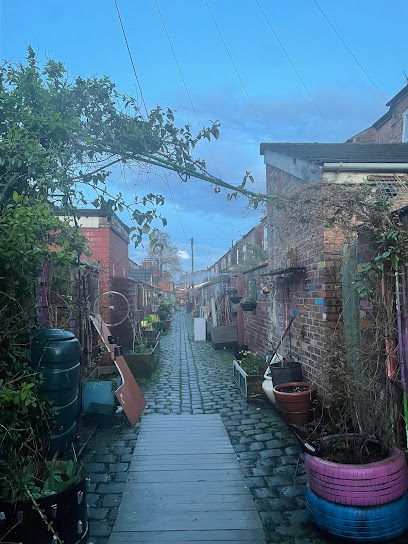
Sunny Alley
4.6 km
A vibrant, community-driven alley in Manchester’s Rusholme, alive with culture, art, and local spirit.
Hat Works
4.8 km
Explore the UK's only hatting museum housed in a historic fireproof cotton mill with over 1,300 hats and immersive factory exhibits.

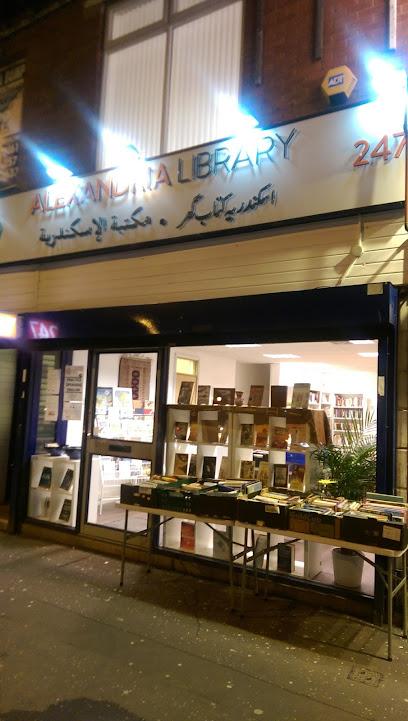
Alexandria Library
4.8 km
Discover Alexandria Library, a vibrant second-hand bookshop and community hub in Manchester’s Curry Mile, offering free English classes and local art exhibitions.
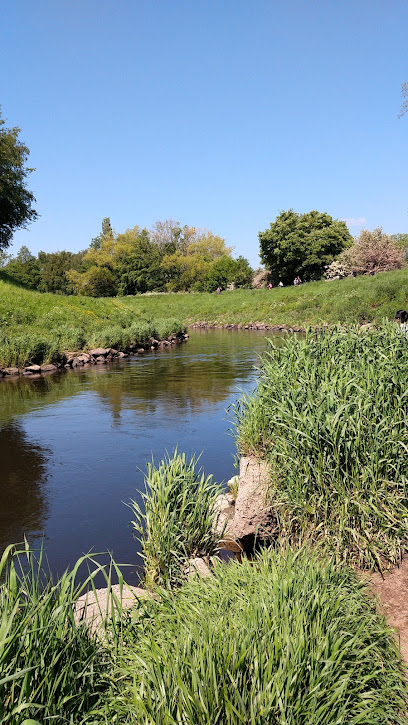
Chorlton Ees Nature Reserve
4.8 km
A peaceful 58-hectare nature reserve near Manchester, blending woodlands and meadows for tranquil wildlife encounters and scenic walks.
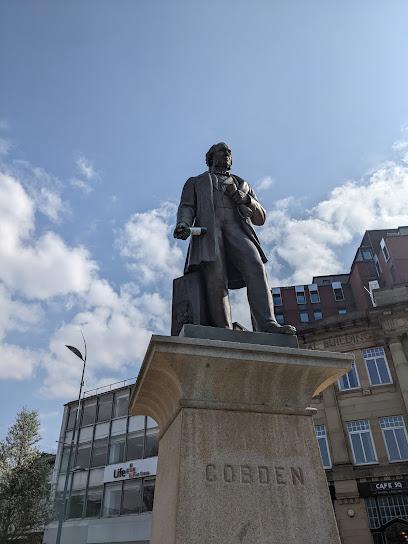
St Peter's Square
4.9 km
Explore the beautiful St Peter's Square in Stockport, a perfect blend of history and nature in the heart of the town.
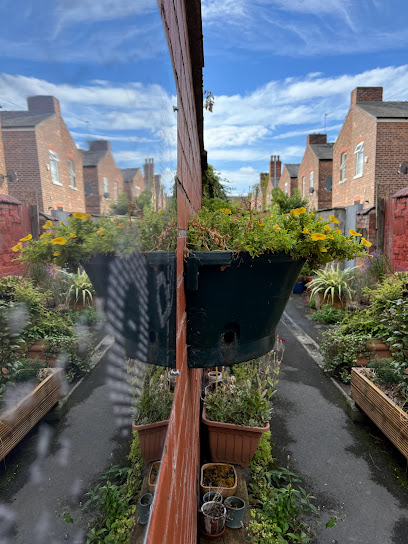
Reflective Passage
5.1 km
Discover Reflective Passage, a tranquil, greened alley in Manchester’s Moss Side where community spirit and urban nature beautifully converge.
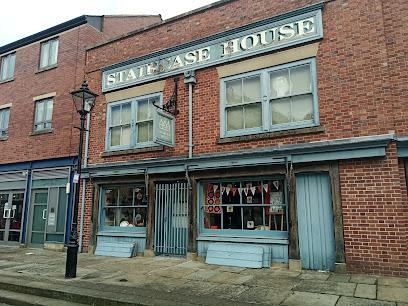
Staircase House
5.1 km
Step back through centuries in Stockport’s oldest townhouse, home to a rare Jacobean staircase and immersive historical journey.
Broadstone Mill Shopping Outlet
5.3 km
Discover unbeatable deals and local charm at Broadstone Mill, Stockport’s vibrant two-floor shopping outlet with over 100 retailers and cozy cafés.

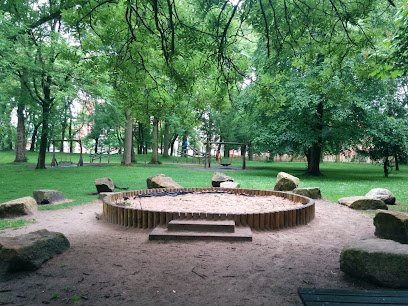
Whitworth Park
5.5 km
Spacious self-catered student flats at the heart of Manchester’s University campus with excellent facilities and vibrant community life.
The Whitworth
5.6 km
Discover The Whitworth, Manchester’s vibrant art gallery blending historic and contemporary art within scenic parkland surroundings.

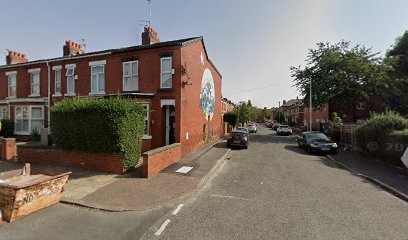
A Better Tomorrow - Together We Stand Mural
5.7 km
A vibrant mural in Old Trafford celebrating unity, hope, and community strength through bold street art.
Essential places to dine

No 4 Dine & Wine
0.9 km
Intimate modern European dining in Didsbury with seasonal menus, expert service, and genuine warmth.
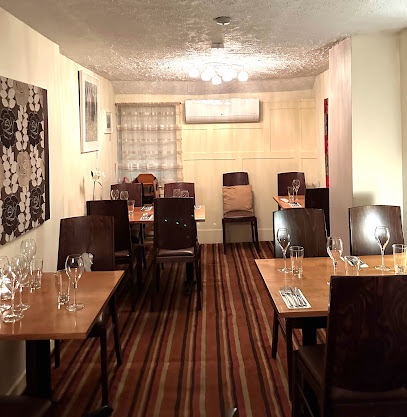
WOOD Manchester by Simon Wood
7.1 km
Experience Simon Wood’s innovative fine dining and artisan pairings in a stylish yet relaxed Manchester setting.
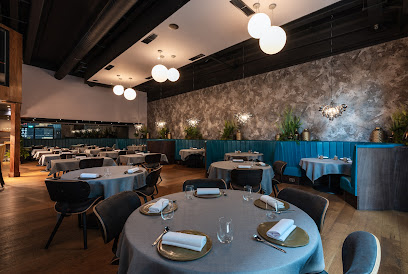
The Banyan Tree
7.2 km
Bohemian bistro in Castlefield serving fusion bites, brunch, cocktails, and live events amid murals and canal vibes—Manchester's go-to for eclectic dining.
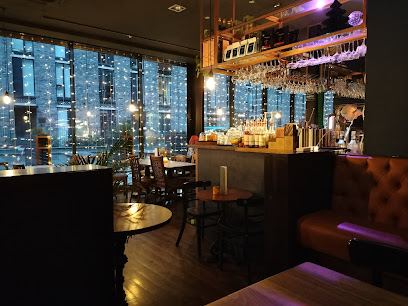
The Refuge
7.2 km
A stylish sanctuary blending global flavors and British classics within Manchester’s iconic Kimpton Clocktower Hotel.
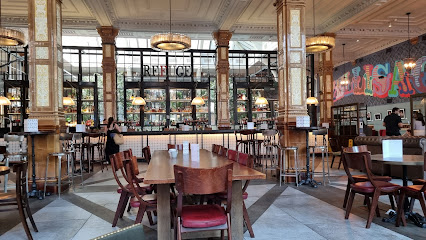
Dom's Italia
7.3 km
Experience authentic Italian flavors and warm hospitality in the heart of Manchester at Dom's Italia, where tradition meets vibrant city dining.
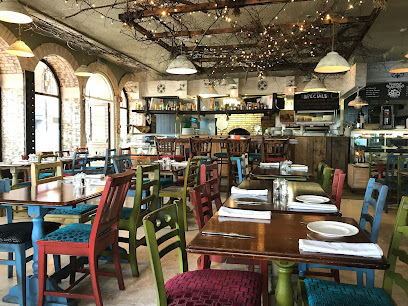
Dukes 92
7.3 km
A vibrant Manchester hotspot blending generous dining, lively music, and versatile event spaces in a stylish city centre setting.
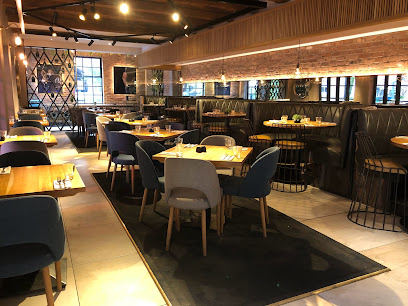
Albert's Shed Restaurant Manchester
7.3 km
Modern European dining with generous portions and lively canal-side ambiance in Manchester’s historic Castlefield district.
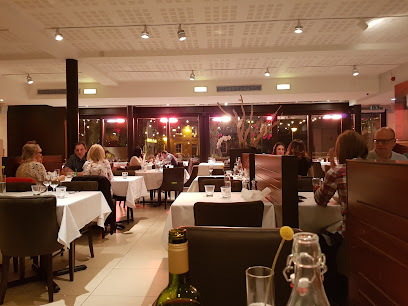
Podium
7.4 km
Sophisticated Modern British dining with inventive flavors and sleek modernist style in Manchester’s iconic Hilton Deansgate.
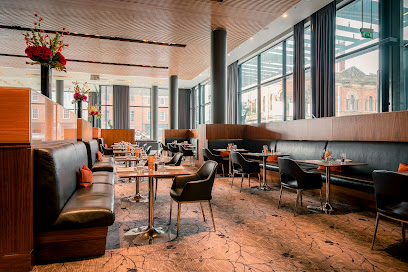
Golden Hind
7.4 km
A classic Stockport pub serving hearty British fare with friendly service in a relaxed, welcoming atmosphere.
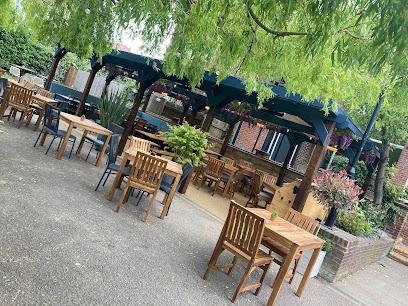
Italiana Fifty Five Liverpool Road
7.4 km
Experience authentic Italian flavors and cozy charm with freshly made pasta and unique flambéed dishes in the heart of Manchester.
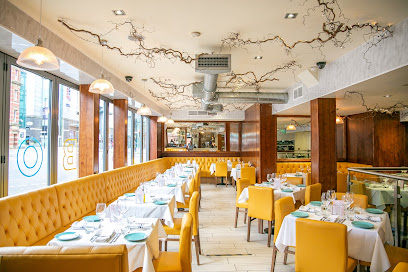
Don Marco
7.4 km
Contemporary Italian dining with warm service and fresh flavors in Manchester’s lively Campfield Arcade.
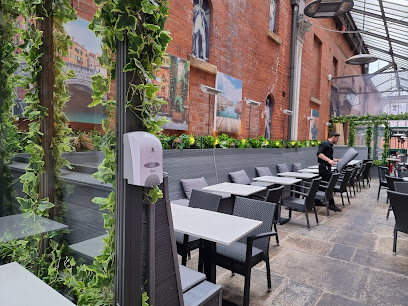
Dimitri's - Tapas Meze Bar & Restaurant
7.5 km
Authentic Greek tapas and meze in Manchester’s lively Deansgate district, perfect for sharing and savoring Mediterranean flavors.
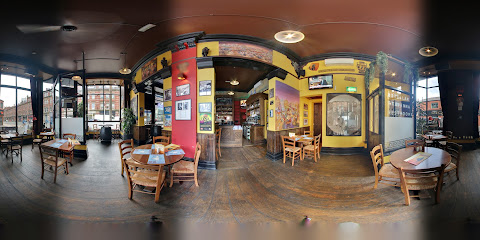
Evuna Deansgate
7.5 km
Authentic Spanish tapas and award-winning wines in the heart of Manchester’s vibrant Deansgate district.

Habesha Restaurant
7.5 km
Discover authentic Ethiopian cuisine and warm hospitality at Habesha Restaurant, Manchester’s beloved spot for traditional injera and hearty stews.
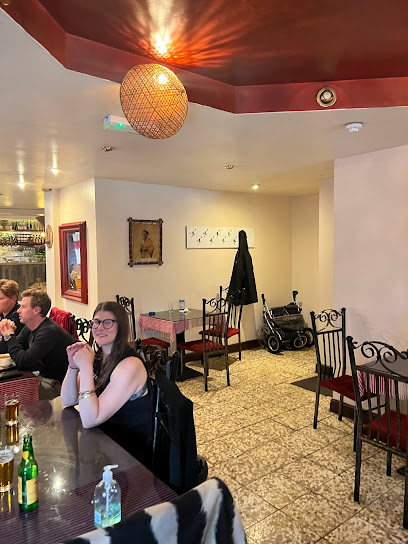
Don Giovanni - Italian Restaurant Manchester
7.5 km
A lively Italian restaurant in Manchester’s city centre blending traditional flavours with modern style and vibrant atmosphere.
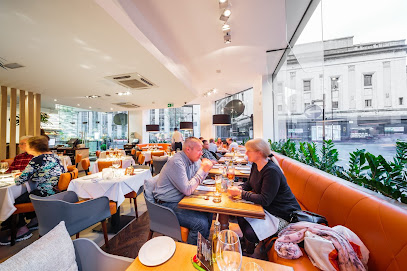
Markets, malls and hidden boutiques

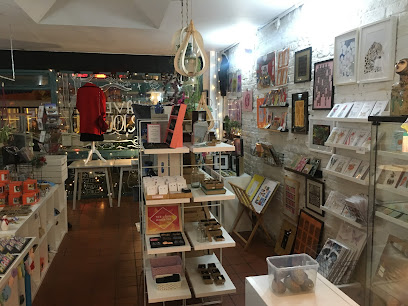
A Curious Collection
2.9 km
Discover Withington’s charming boutique gift shop offering unique, locally crafted treasures that celebrate Manchester’s creative spirit.
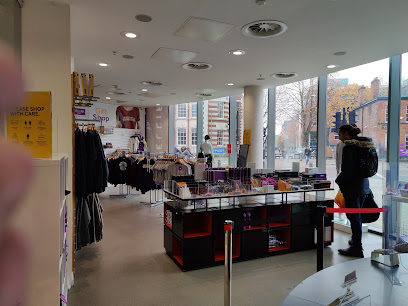
The University of Manchester Gift Shop
6.3 km
Official University of Manchester merchandise and unique gifts in a welcoming campus shop on Oxford Road.
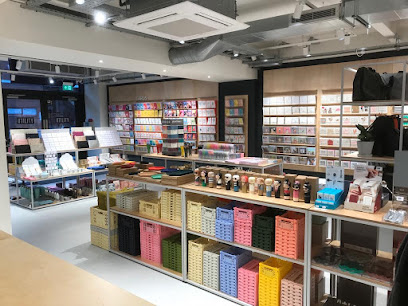
Utility Gift Store
6.5 km
Discover quirky, trendy, and unique gifts at Utility Gift Store, Manchester’s independent boutique for stylish presents and creative designs.
The Vintage Emporium Stockport
6.7 km
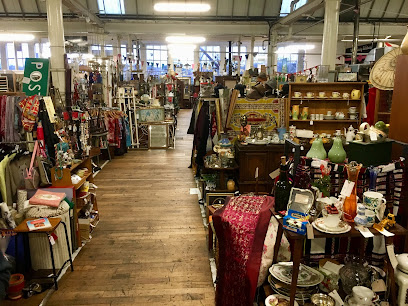
Explore a vast treasure trove of vintage fashion, antiques, and homeware in a historic Edwardian cotton mill with a cozy tearoom and free parking.
SHMYLS - Thoughtfully Made
6.9 km
Discover thoughtfully crafted jewelry and homewares at SHMYLS, a unique gift shop nestled in Manchester’s vibrant Hatch complex.
Cute Things By Aggie
6.9 km
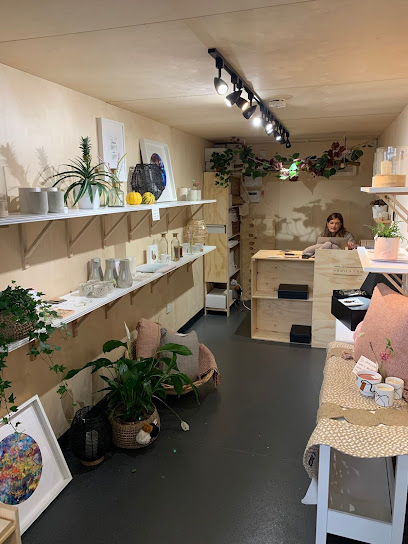
Discover unique handmade gifts and charming homewares crafted with natural elements in Manchester’s cozy boutique, Cute Things By Aggie.

INFINITE RUNNING
7.0 km
Elevate your run with Infinite Running's premium gear: sleek half tights, breathable singlets, and weather-ready layers for Manchester's relentless athletes.
ItsFetch
7.1 km
Unleash your fashion potential at ItsFetch, a stylish accessories shop in Manchester, featuring unique pieces for every trendsetter.
Deansgate Square General Store
7.1 km
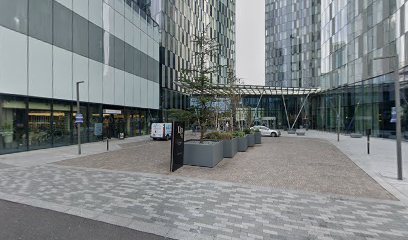
Futuristic cornershop at Deansgate Square's base: craft coffee, local brews, zero-waste refills, and artisanal bites amid Manchester's iconic towers.

Curvilicious Clothing
7.1 km
Empowering plus-size style in Manchester's beating heart: Curvilicious Clothing celebrates curves with trendy, authentic fashion on Owen Street.
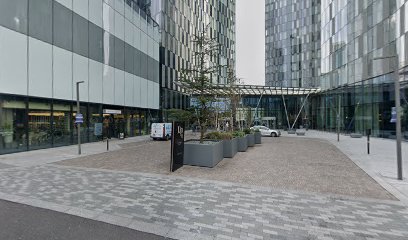
Branded Like A Boss
7.1 km
Discover Manchester's spirited souvenirs and artisan crafts at this vibrant Owen Street gift shop, blending trendy flair with local soul.

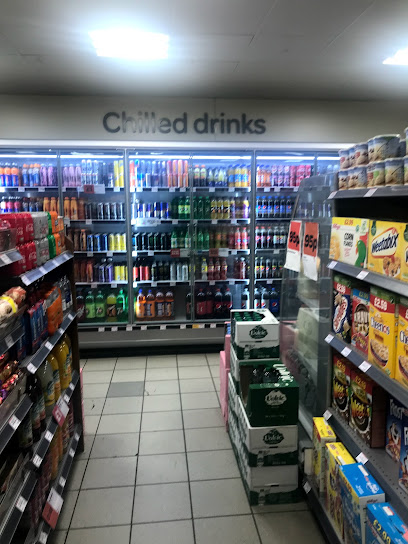
SPAR Salford Quays
7.3 km
Small, practical 24-hour convenience store on Trafford Road serving Salford Quays visitors, residents and shift workers.
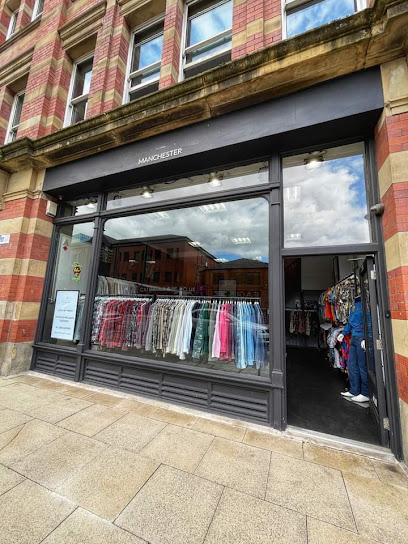
Catch my Thrift
7.5 km
Sustainable designer vintage at £25 and under – Manchester's thrift haven for slow fashion lovers in the city centre.
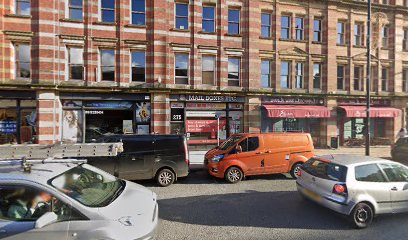
TVSeriesJackets
7.5 km
Explore TVSeriesJackets in Manchester, where iconic TV show jackets come to life, blending style with your favorite characters' adventures.
Science and Industry Museum Shop
7.5 km
Discover science-infused souvenirs in the heart of Manchester's industrial birthplace, where history meets hands-on innovation at the Science and Industry Museum Shop.
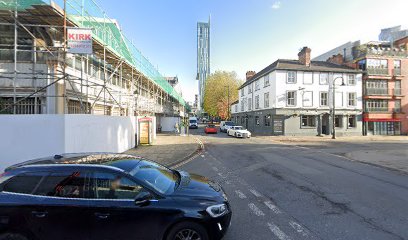
Essential bars & hidden hideouts

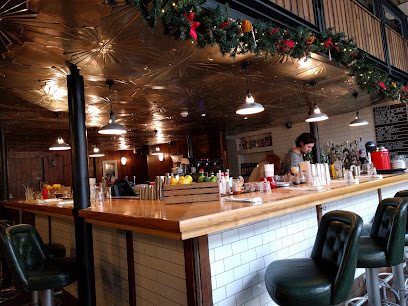
Gorilla
7.2 km
Manchester's ultimate hybrid haunt: brunch by day, beats by night in a funky bar-club fusion with live gigs and roasts.
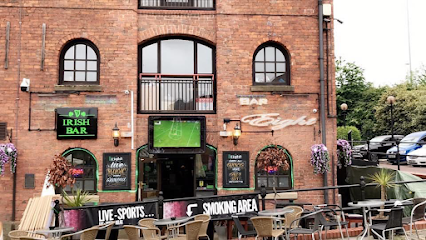
Bar Eight
7.2 km
Lively Irish pub on Manchester's Castle Quay, blending sports screens, hearty grub, and canalside cheer for unforgettable nights out.
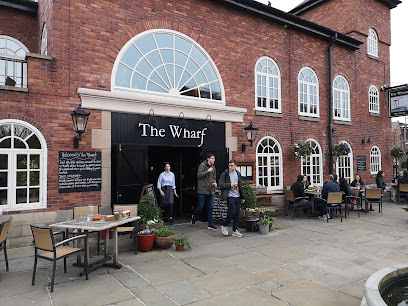
The Wharf
7.3 km
Cosy canalside pub in Manchester's Castlefield, where real fires, craft ales, hearty roasts, and patio views create an unmissable waterside retreat for all.
Atlas Bar
7.3 km
Discover Manchester’s iconic gin bar with 570+ gins, award-winning service, and a year-round heated terrace in the heart of Deansgate.
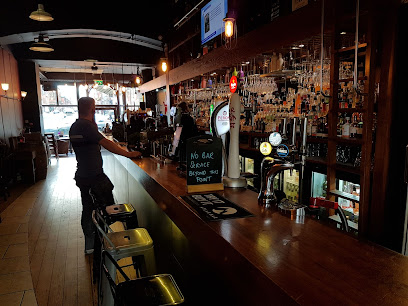
Lock 91
7.3 km
Historic charm meets inventive cocktails in Manchester’s vibrant Lock 91, a versatile bar and events venue beneath the city’s Metrolink station.
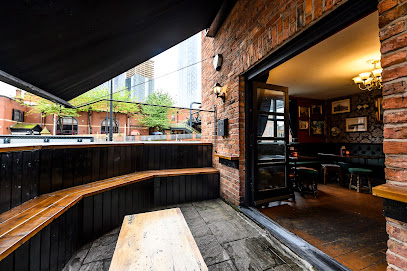
The Britons Protection
7.3 km
Historic Manchester pub famed for its vast whisky selection, traditional charm, lively atmosphere, and welcoming community spirit.
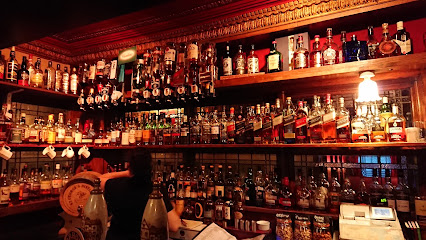
The Deansgate
7.4 km
Historic Deansgate pub revived with cask ales, hearty eats, rooftop terraces, and Manchester buzz—perfect pit stop since the 18th century.
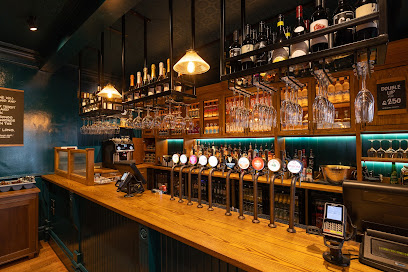
Barça - Canal-side Bar, Castlefield - Manchester
7.4 km
Canal terraces, stylish drinks, and Castlefield vibes—Manchester's waterside bar for every occasion.
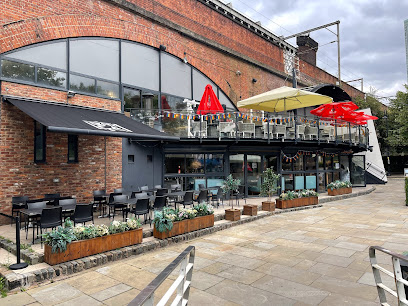
Cloud 23
7.4 km
Experience Manchester’s skyline from the stylish 23rd-floor cocktail bar with innovative drinks and panoramic city views.
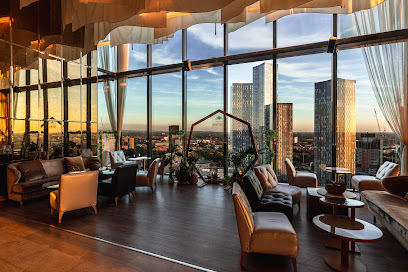
cask
7.5 km
Authentic Manchester pub pouring cask ales amid Castlefield's historic canals and warehouses—timeless brews in a revolutionary setting.
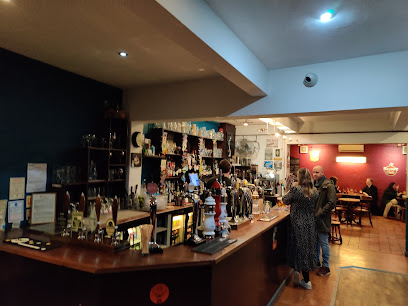
Matchstick Man
7.5 km
Waterside, budget-friendly pub serving hearty classics and live sport in a modern, family-friendly setting at Salford Quays.
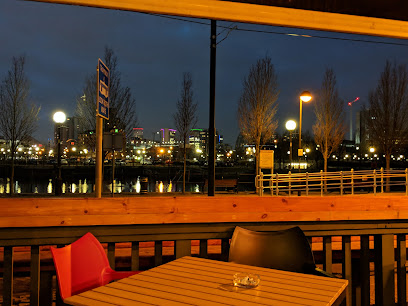
Three Little Words
7.5 km
A stylish gin distillery and cocktail bar under historic arches, blending craft cocktails, seasonal food, and immersive experiences in Manchester’s heart.
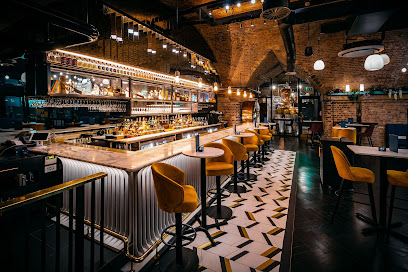
Via Manchester
7.5 km
A stylish LGBTQ+ bar and nightclub on Manchester’s Canal Street, serving food, cocktails and regular drag shows in a vibrant, inclusive setting.
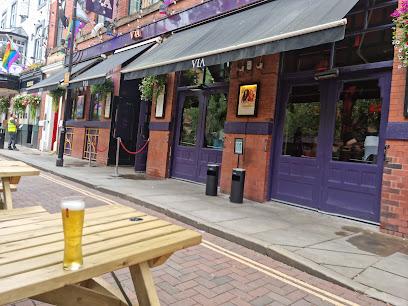
The Molly House
7.5 km
Eclectic tapas bar blending Argentinian-Spanish flavors with vintage charm in Manchester’s vibrant Gay Village.
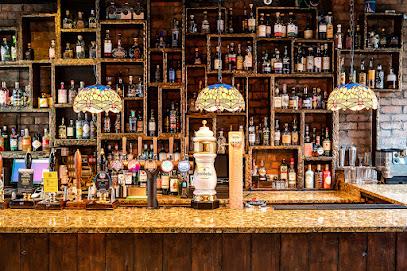
Grey Horse Inn
7.6 km
A tiny historic pub on Portland Street serving Hydes Brewery ales in a cozy, friendly atmosphere with a true Manchester spirit.
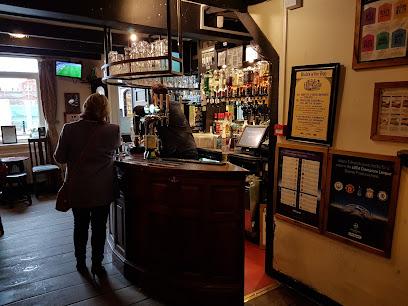
Nightclubs & after hour spots

Kable
7.1 km
A compact, late‑night basement club on New Wakefield Street, favoured for punchy electronic nights and close‑up DJ sessions.
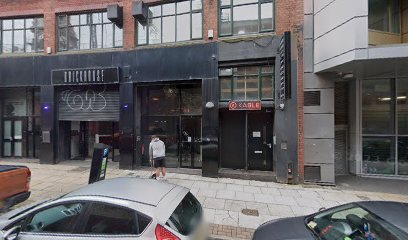
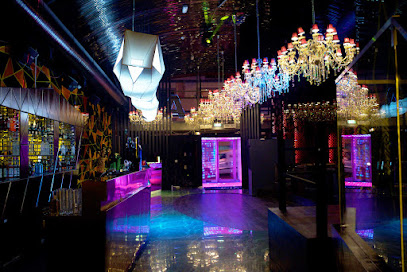
Viva Manchester
7.2 km
Compact stage-driven nightclub on Whitworth Street West — theatrical themed nights, DJ sets and group-friendly table service.
Bliss Club Manchester
7.3 km
Experience Manchester’s authentic late-night vibe at Bliss Club, where music and local energy blend into a spirited urban nightlife hub.

Popworld Manchester
7.3 km
Dance to cheesy pop anthems amid neon lights and poptail cocktails in Manchester's ultimate throwback nightclub.
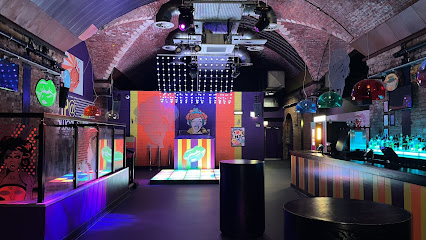
Ark Manchester
7.3 km
Multi-room beats and canal-side cocktails fuel Manchester's electric Deansgate Locks nightlife at Ark—dance, drink, repeat till dawn.

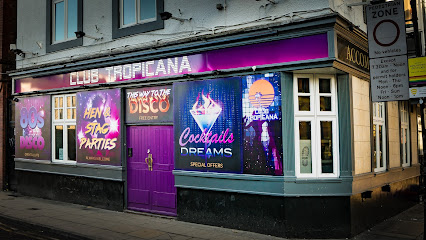
Club Tropicana
7.5 km
Dive into 1980s glamour at Manchester's premier gay nightclub, where drag, DJs, cocktails, and retro beats fuel the Gay Village's electric nightlife.
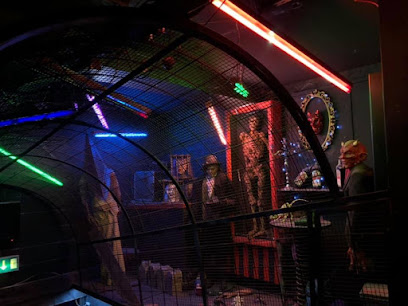
Satans Hollow
7.5 km
Manchester's infernal punk-rock abyss: demonic decor, dirt-cheap drinks, and mosh-pit mayhem for metalheads and rebels.
The Cockatoo Club
7.6 km
Discover the electrifying nightlife at The Cockatoo Club in Manchester, where vibrant cabaret performances meet an unforgettable atmosphere.

Royal Vida Night Club
7.6 km
Dive into Manchester's underground pulse at Royal Vida, where Castlefield's industrial shadows host thumping beats and endless nights from 11pm to 4am.

History Nightclub
7.7 km
Experience Manchester’s lively hip hop and house beats at History Nightclub, a large, energetic venue open late into the night.

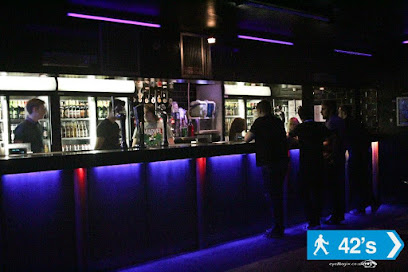
42's
7.7 km
Manchester’s iconic indie nightclub blending rich musical heritage with a lively, inclusive nightlife experience.
Venue Nightclub
7.8 km
Manchester's underground indie haven: cheap drinks, packed dance floors, and anthems till dawn in Deansgate's electric night scene.

Club Liv Manchester
8.0 km
Experience Manchester’s vibrant nightlife with exclusive VIP vibes, world-class Pan-Asian dining, and a stylish rooftop terrace at Club Liv.

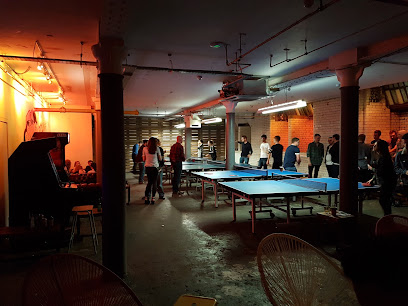
Twenty Twenty Two
8.0 km
Manchester's gritty basement haven where ping pong battles rage under DJ beats and craft brews flow freely in the Northern Quarter's creative underbelly.
Aatma
8.1 km
Manchester's underground heartbeat: live beats, pizza slices, and all-night vibes in the Northern Quarter's hidden gem.

For the vibe & atmosphere seeker
- Relaxing
- Tranquil
- Scenic
- Casual
For the design and aesthetic lover
- Rustic Designs
- Vintage Styles
For the architecture buff
- Historic
- Parks & Gardens
- Heritage Neighborhoods
For the view chaser and sunset hunter
- Iconic Views
- Panoramas
- Waterfront
For the social media creator & influencer
- Instagrammable
- Photo Spots
- Selfie Spots
- Aesthetic Corners
For the eco-conscious traveler
- Sustainable
- Eco-Friendly
- Low Impact
- Protected Area
- Public-Transport Accessible
- Locally Managed
- Wildlife Habitat
For the kind of experience you’re after
- Cultural Heritage
- Nature Escape
- Day Trip
- Photowalk
- Weekend Getaway
For how adventurous you want the journey to be
- Easy Access
Location Audience
- Family Friendly
- Senior Friendly
- Child Friendly
- Teen Friendly
- Pet Friendly
- Couple Friendly
- Solo Friendly
- Vegetarian Friendly
- Vegan Friendly


