
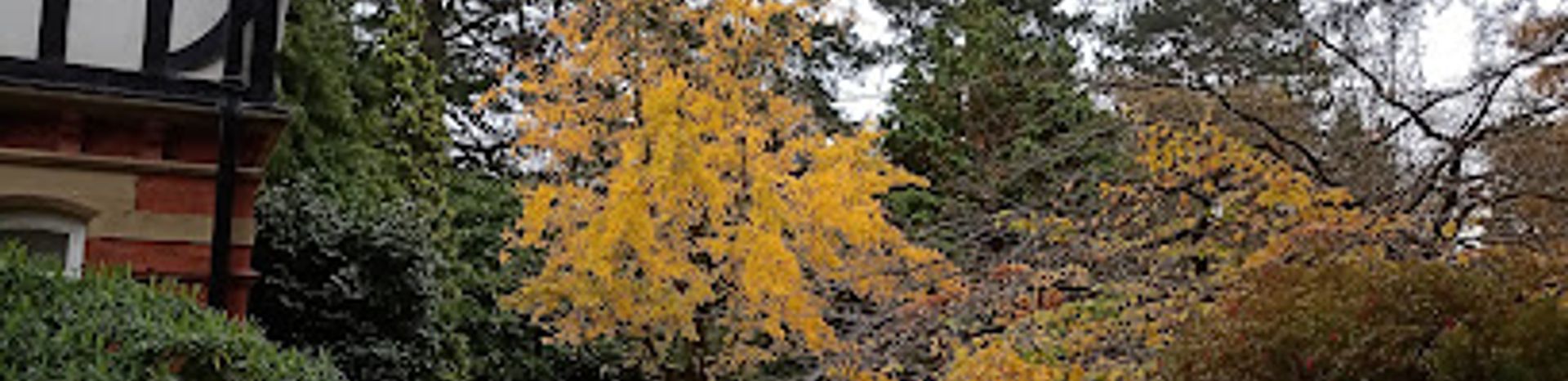
Marie Louise Gardens
A Victorian memorial garden where rare heritage trees and urban wildlife create Manchester's most peaceful green sanctuary.
A tranquil 4.75-acre Victorian-era garden in West Didsbury, Manchester, offering a peaceful urban escape with rare and heritage trees, manicured lawns, and abundant wildlife. This hidden gem features over 70 varieties of trees from around the world, semi-tame squirrels, and well-maintained walking paths ideal for solitude, families, and nature lovers seeking respite from the city's bustle.
A brief summary to Marie Louise Gardens
- Marie Louise Gardens Lodge, 31 Holme Rd, Manchester, M20 2UP, GB
- +441614342307
- Visit website
- Duration: 0.75 to 3 hours
- Free
-
 Outdoor
- Mobile reception: 4 out of 5
- Monday 7 am-9 pm
- Tuesday 7 am-9 pm
- Wednesday 7 am-9 pm
- Thursday 7 am-9 pm
- Friday 7 am-9 pm
- Saturday 7 am-9 pm
- Sunday 7 am-9 pm
Local tips
- Visit early morning or late afternoon to experience the gardens at their quietest and most contemplative, with fewer dog walkers and families.
- Follow the tree trail to identify the 70+ varieties of trees from around the world; bring a guidebook or use your phone to research unfamiliar species.
- Bring a camera or sketchbook—the mature oaks, garden vistas, and seasonal changes offer excellent subjects for photography and artistic work.
- Check the lodge for information about seasonal events, volunteer opportunities, or guided walks that may be available throughout the year.
- Combine your visit with nearby Didsbury village attractions—cafes, restaurants, and shops are within easy walking distance along Barlow Moor Road.

For the on-the-go comforts that matter to you
- Seating Areas
- Information Boards
- Trash Bins
Getting There
-
Public Transport from Manchester City Centre
Take the Metrolink tram from Manchester Piccadilly or St Peters Square toward Altrincham, alighting at Didsbury Village station. Journey time is approximately 20–25 minutes. From the station, walk south along Wilmslow Road for about 8–10 minutes, then turn onto Barlow Moor Road and continue to Palatine Road. The gardens entrance is clearly signposted. This is the most convenient option for visitors without a car, with trams running frequently throughout the day.
-
Bus from Manchester City Centre
Multiple bus routes serve Didsbury, including services from the city centre to Didsbury Village or along Wilmslow Road. Journey time varies from 25–40 minutes depending on traffic and route. Buses run regularly, though less frequently than trams during off-peak hours. Alight near Didsbury Village or Barlow Moor Road and walk to the gardens via Palatine Road, a 5–10 minute walk.
-
Private Vehicle or Taxi
The gardens are located at Marie Louise Gardens Lodge, 31 Holme Road, Manchester M20 2UP. Street parking is available on surrounding roads, though availability varies depending on time of day and day of week. Parking is typically free but can be limited during peak hours. Taxi services from Manchester city centre cost approximately £12–18 and take 15–25 minutes depending on traffic. The gardens are easily accessible by car, with clear signage from main roads.
-
Cycling
The gardens are accessible by bicycle from Manchester city centre via established cycling routes through South Manchester. Journey time is approximately 25–35 minutes depending on your starting point and route chosen. Palatine Road and surrounding streets are relatively cycle-friendly. While dedicated bike parking is not extensively documented, the gardens' location in a residential area makes it generally suitable for cyclists. This option is ideal for those seeking an active approach to the visit.
Marie Louise Gardens location weather suitability
-
 Any Weather
-
 Clear Skies
-
 Mild Temperatures
Discover more about Marie Louise Gardens
A Victorian Legacy Born from Love and Loss
Marie Louise Gardens stands as a living memorial to a young woman whose brief life left an enduring mark on Manchester's landscape. In 1865, Johann George Silkenstandt, a wealthy German cotton merchant who had settled in Manchester, welcomed his daughter Marie Louise into the world. Tragedy struck when Marie Louise died of peritonitis just three years after her marriage in 1888. Devastated by the loss of her only child and then her husband a year later, Josephine Helena Silkenstandt resolved to create something beautiful in her daughter's memory. She purchased a substantial parcel of land along Palatine Road for £5,250—an enormous sum at the time—and commissioned architects and builders to construct a lodge and formal gardens at a total cost of £15,000, equivalent to approximately £1.37 million in modern currency. This extraordinary investment transformed a simple plot into one of Manchester's most cherished green spaces.A Botanical Treasure Spanning the Globe
When the gardens first opened, 72 varieties of trees were carefully planted throughout the grounds, many of them exotic species unfamiliar to most Manchester residents at that time. Today, visitors can follow a dedicated tree trail to identify specimens from across the world, discovering the botanical diversity that makes this garden unique among Manchester's parks. The mature oaks, ericaceous plants, and carefully curated plantings create a landscape that feels both cultivated and naturally serene. The gardens' horticultural character reflects Victorian sensibilities about landscape design, where rare and unusual species were prized as markers of cultivation and worldliness. Volunteers and professional gardeners continue to maintain this botanical heritage with meticulous care, ensuring that the original vision remains intact.An Urban Oasis of Quiet Contemplation
Despite its proximity to the bustling streets of South Manchester and the main road that borders it, Marie Louise Gardens creates an almost miraculous pocket of tranquility. Visitors consistently describe the space as a secret escape from urban noise and activity, where the sounds of traffic fade into the background and the pace of life slows considerably. The 4.75-acre expanse provides ample room for solitary walkers, couples seeking peaceful moments together, families enjoying leisurely strolls, and joggers seeking a pleasant running route. Benches positioned throughout the grounds invite visitors to sit, observe, and simply be present. The garden's layout encourages exploration without feeling crowded, even during peak visiting hours. This quality of quietude—rare in a major city—makes the gardens particularly valued by locals who seek respite from Manchester's energy.Wildlife and Natural Encounters
The gardens have become a haven for urban wildlife, most notably the semi-tame squirrels that have become iconic residents. These creatures, accustomed to human presence, add an element of gentle interaction that appeals especially to children and wildlife enthusiasts. The mature trees provide habitat for birds and insects, creating a small ecosystem within the urban fabric. However, visitors should be aware that the garden's popularity with dog walkers means that leashed pets are common, and some dogs may chase squirrels or leave waste in less-monitored areas. The most peaceful visits often occur during quieter hours or on days when fewer dogs are present, allowing the natural rhythms of the garden to take precedence.Accessibility and Practical Considerations
The gardens are open daily from 7:00 AM to 9:00 PM, making them accessible for early morning walks, midday breaks, and evening strolls. The site features wheelchair-accessible entrances and is well-suited for visitors with varying mobility levels. Its location in West Didsbury makes it easily reachable by public transport, and the lack of parking requirements means visitors can arrive without the stress of finding a space. The lodge on the grounds provides information and serves as a focal point for the gardens. Facilities include basic amenities, though visitors should plan accordingly for longer stays. The gardens are suitable for all seasons, though spring and summer showcase the botanical collections most vividly, while autumn brings dramatic foliage displays.Iconic landmarks you can’t miss

St Clement's Parish Church
3.7 km
Victorian Gothic masterpiece with five centuries of spiritual heritage in Chorlton-cum-Hardy.
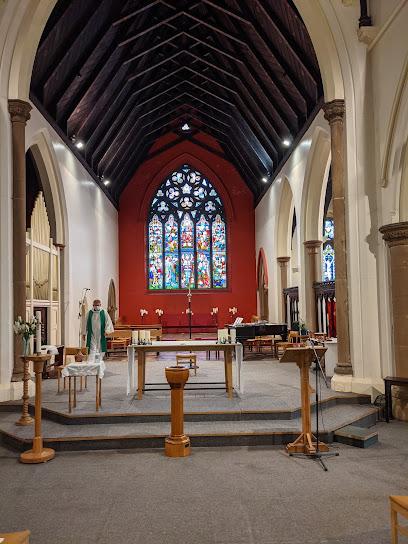
Stretford Weir
4.5 km
Historic riverside weir on the Mersey offering scenic walks, flood management insight, and a peaceful nature escape near Manchester.
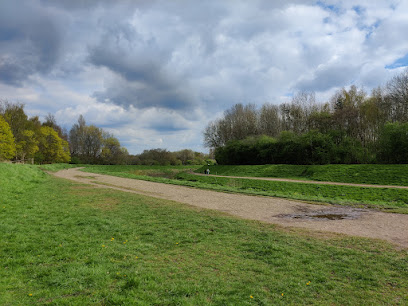
LS Lowry birthplace
5.0 km
Discover the humble origins of LS Lowry, the iconic painter of industrial Manchester, at his birthplace in Old Trafford.
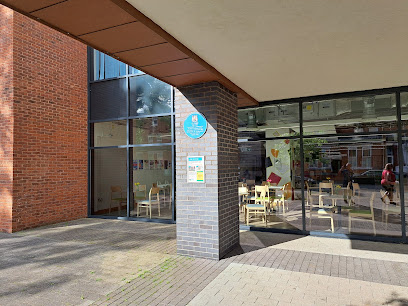
The Old Quadrangle
5.3 km
Victorian Gothic grandeur where academic tradition meets architectural magnificence in Manchester's heart.
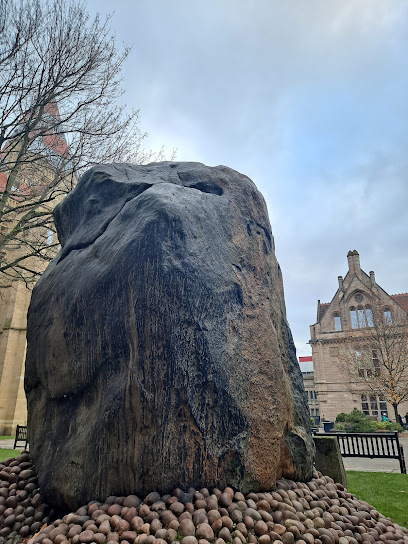
The Queen's Arch
5.4 km
The Queen's Arch: Manchester’s iconic Gothic gateway to a rich academic and architectural heritage on Oxford Road.
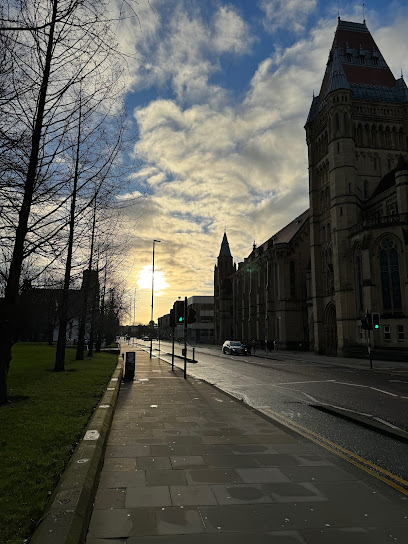
Manchester Histories
5.5 km
Uncover the vibrant history of Manchester at Manchester Histories, where stories of the past come alive through engaging exhibitions and community events.
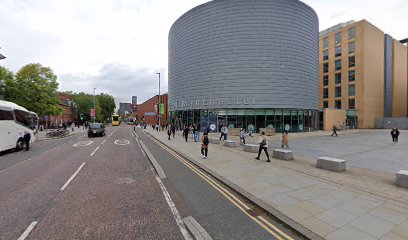
5 Sir Matt Busby Way
5.7 km
Old Trafford, the legendary Theatre of Dreams, is Manchester United’s iconic home since 1910, blending rich football history with modern innovation.
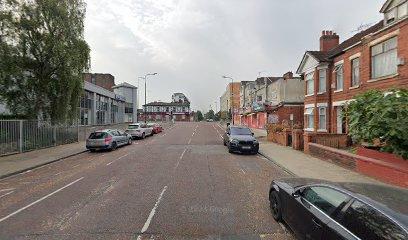
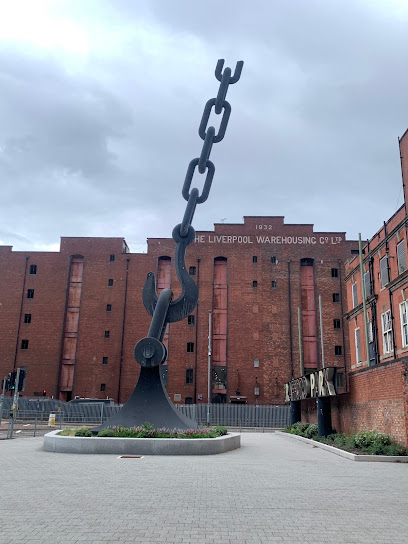
Sky Hook Statue 1
5.9 km
Towering steel sculptures marking Trafford Park’s industrial heritage with humor and monumental design.
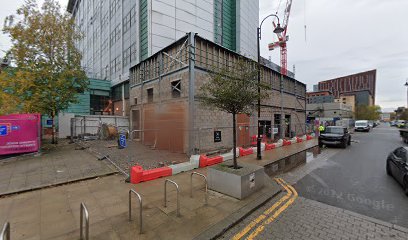
John Dalton Statue
6.0 km
Honoring John Dalton, father of atomic theory and pioneer of colour blindness research, with a distinguished statue in Manchester.
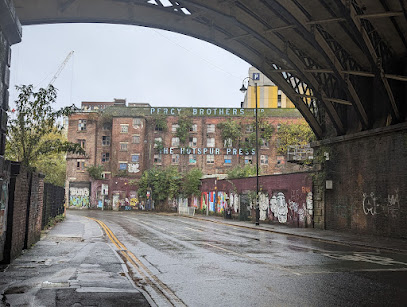
Hotspur House
6.2 km
Historic Hotspur House blends Manchester’s industrial past with bold modern redevelopment, preserving heritage amid vibrant urban renewal.
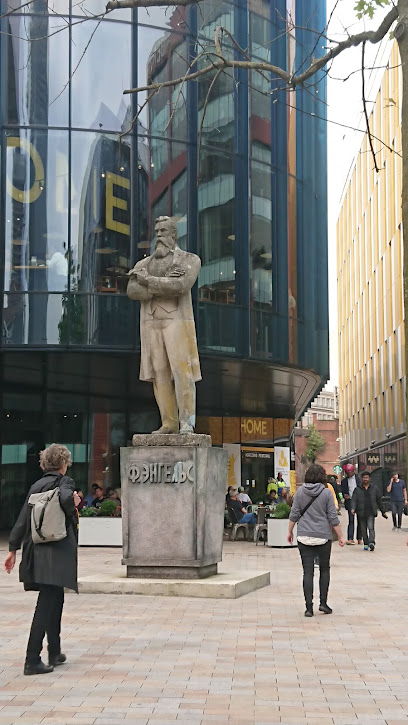
Friedrich Engels Statue
6.2 km
A bold Soviet-era statue honoring Friedrich Engels stands proudly in Manchester, bridging industrial history with modern radical spirit.
Castlefield historical zone
6.3 km
Explore Castlefield, Manchester’s vibrant urban heritage park where Roman ruins meet industrial canals and lively cultural scenes converge.
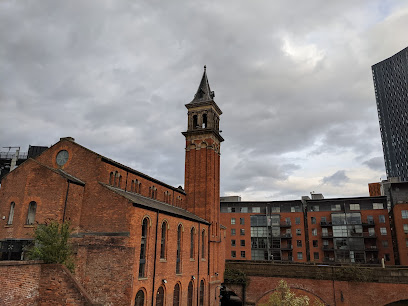
Rochdale Canal Lock 92
6.4 km
Final lock on the historic Rochdale Canal, linking Manchester’s waterways and embodying two centuries of industrial heritage.
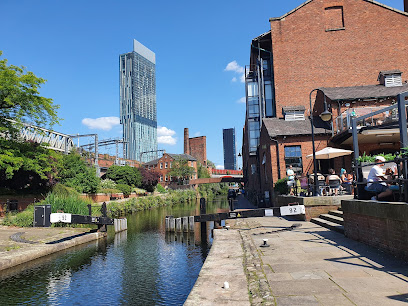
Remains of eastern wall of the Roman fort
6.4 km
Explore the evocative remains of Mamucium’s eastern wall, a cornerstone of Manchester’s Roman heritage and ancient military might.
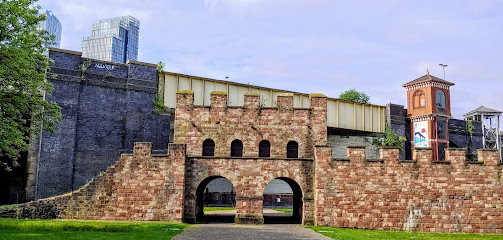
Historic England
6.4 km
Explore the rich heritage of England at Historic England in Manchester, where history meets preservation and community engagement.
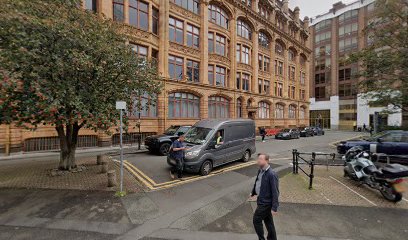
Unmissable attractions to see

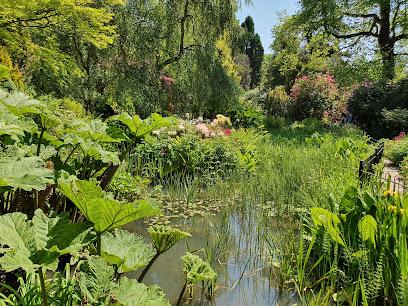
Fletcher Moss Botanical Gardens
1.1 km
Historic botanical gardens and wildlife haven in Manchester, blending rich conservation heritage with serene landscapes and community charm.
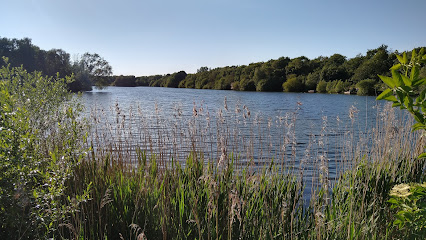
Chorlton Water Park
1.9 km
A peaceful 170-acre nature reserve in Manchester featuring a central lake, woodlands, playground, and accessible trails for family-friendly outdoor enjoyment.
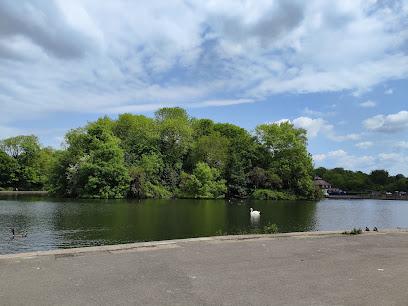
Platt Fields Park
3.6 km
Historic green oasis in Manchester’s Fallowfield, blending heritage, nature, and vibrant community recreation.
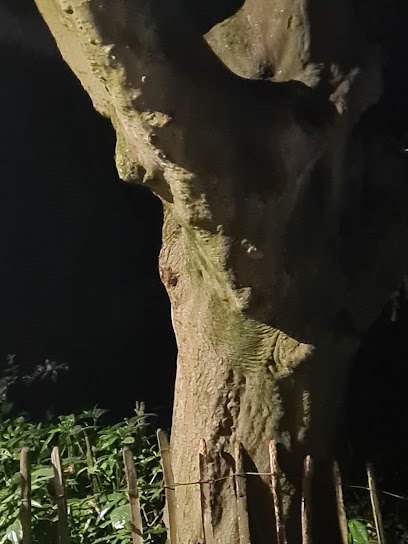
Ashburne Tree Man
3.6 km
Discover Fallowfield’s iconic Ashburne Tree Man, a living sculpture blending nature and art in a serene urban setting.
Chorlton Ees Nature Reserve
3.8 km
A peaceful 58-hectare nature reserve near Manchester, blending woodlands and meadows for tranquil wildlife encounters and scenic walks.
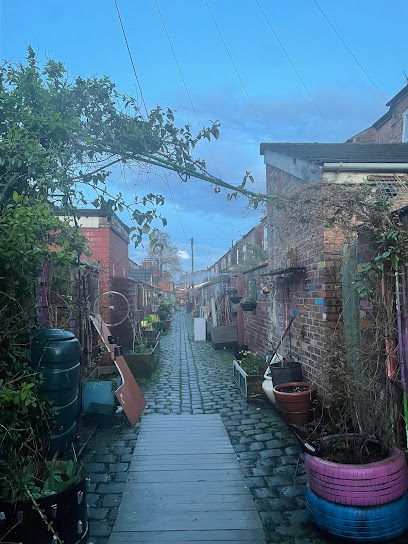
Sunny Alley
3.8 km
A vibrant, community-driven alley in Manchester’s Rusholme, alive with culture, art, and local spirit.
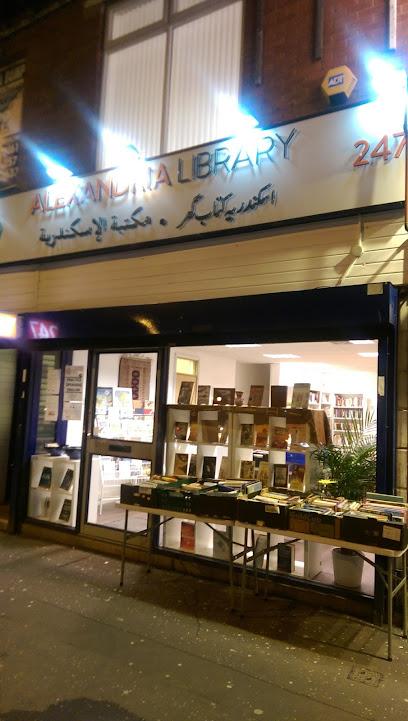
Alexandria Library
4.1 km
Discover Alexandria Library, a vibrant second-hand bookshop and community hub in Manchester’s Curry Mile, offering free English classes and local art exhibitions.
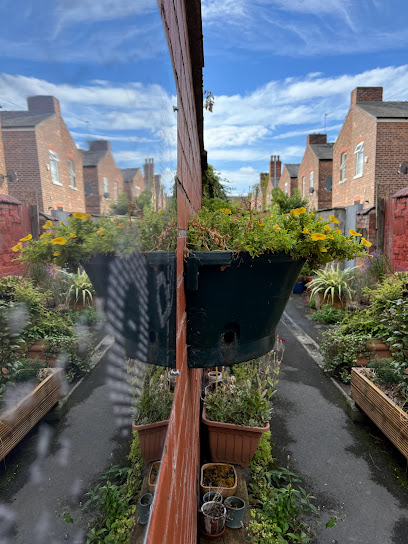
Reflective Passage
4.3 km
Discover Reflective Passage, a tranquil, greened alley in Manchester’s Moss Side where community spirit and urban nature beautifully converge.
A Better Tomorrow - Together We Stand Mural
4.6 km
A vibrant mural in Old Trafford celebrating unity, hope, and community strength through bold street art.
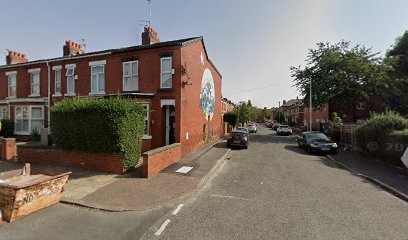
Whitworth Park
4.7 km
Spacious self-catered student flats at the heart of Manchester’s University campus with excellent facilities and vibrant community life.
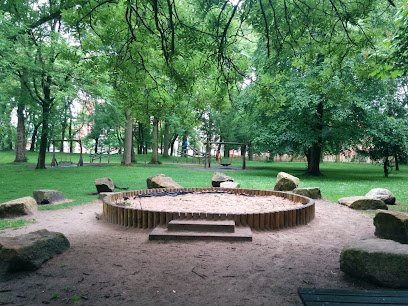
The Whitworth
4.8 km
Discover The Whitworth, Manchester’s vibrant art gallery blending historic and contemporary art within scenic parkland surroundings.

Al-alam Palace Manchester
5.0 km
Discover the serene beauty and rich cultural heritage of Al Alam Palace Manchester, a stunning architectural gem nestled in Hulme’s peaceful gardens.
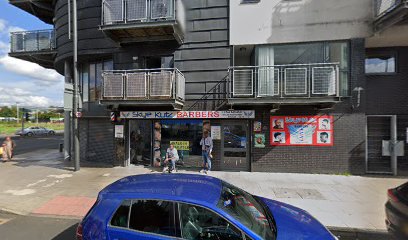
Victoria Baths
5.0 km
Manchester’s Edwardian water palace, where ornate tiles, stained glass, and grand pools tell a story of civic pride and community life.
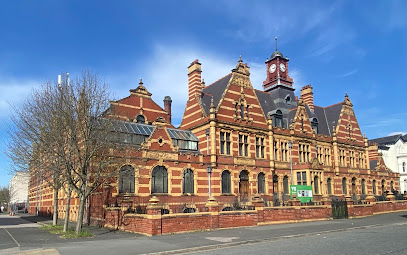
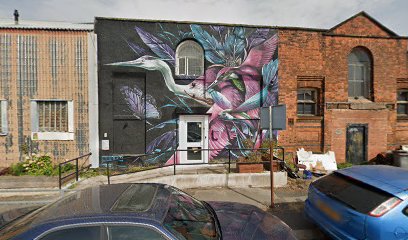
The Journey Mural
5.1 km
Explore the Journey Mural in Manchester, a vibrant public artwork that celebrates the rich cultural tapestry of the community.
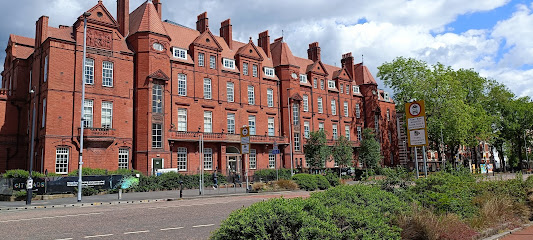
The Pankhurst Centre
5.2 km
Explore the birthplace of the suffragette movement and celebrate women's activism in this historic Manchester museum and garden.
Essential places to dine

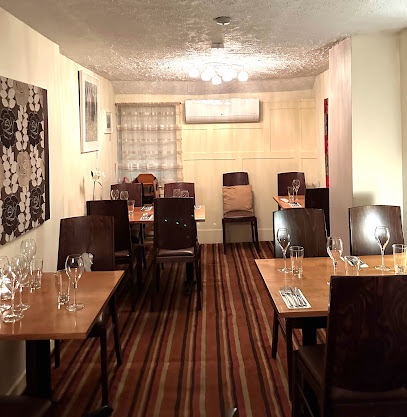
No 4 Dine & Wine
0.8 km
Intimate modern European dining in Didsbury with seasonal menus, expert service, and genuine warmth.
The Banyan Tree
6.2 km
Bohemian bistro in Castlefield serving fusion bites, brunch, cocktails, and live events amid murals and canal vibes—Manchester's go-to for eclectic dining.
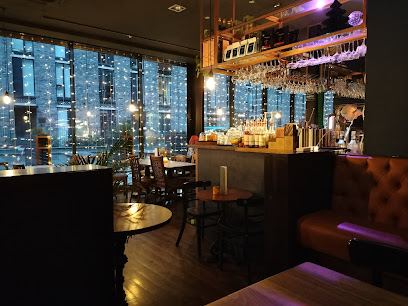
WOOD Manchester by Simon Wood
6.2 km
Experience Simon Wood’s innovative fine dining and artisan pairings in a stylish yet relaxed Manchester setting.
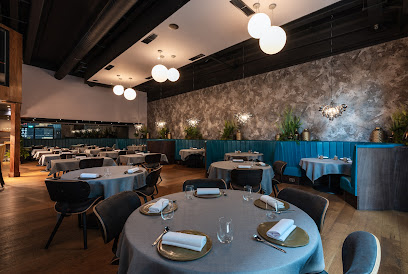
The Refuge
6.3 km
A stylish sanctuary blending global flavors and British classics within Manchester’s iconic Kimpton Clocktower Hotel.
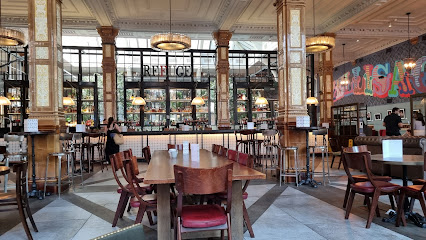
Dom's Italia
6.3 km
Experience authentic Italian flavors and warm hospitality in the heart of Manchester at Dom's Italia, where tradition meets vibrant city dining.
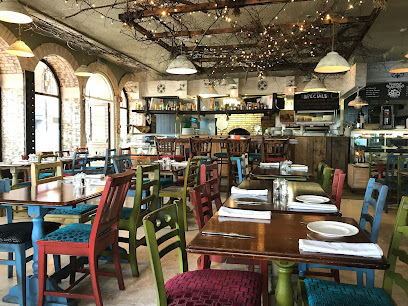
Dukes 92
6.3 km
A vibrant Manchester hotspot blending generous dining, lively music, and versatile event spaces in a stylish city centre setting.
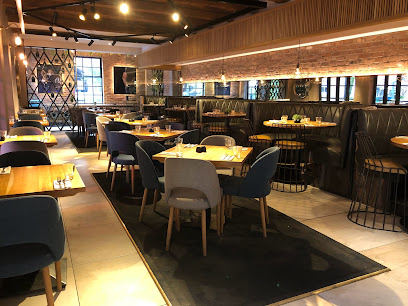
Albert's Shed Restaurant Manchester
6.3 km
Modern European dining with generous portions and lively canal-side ambiance in Manchester’s historic Castlefield district.
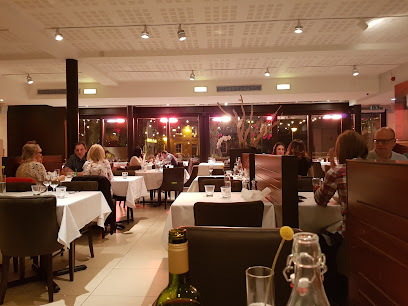
Podium
6.4 km
Sophisticated Modern British dining with inventive flavors and sleek modernist style in Manchester’s iconic Hilton Deansgate.
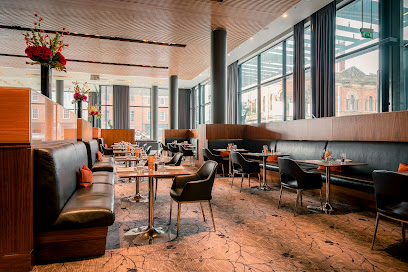
Italiana Fifty Five Liverpool Road
6.5 km
Experience authentic Italian flavors and cozy charm with freshly made pasta and unique flambéed dishes in the heart of Manchester.
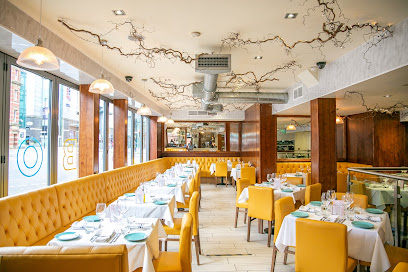
Don Marco
6.5 km
Contemporary Italian dining with warm service and fresh flavors in Manchester’s lively Campfield Arcade.
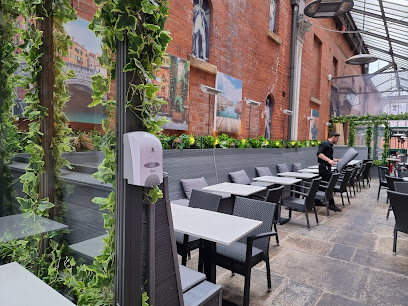
Dimitri's - Tapas Meze Bar & Restaurant
6.5 km
Authentic Greek tapas and meze in Manchester’s lively Deansgate district, perfect for sharing and savoring Mediterranean flavors.
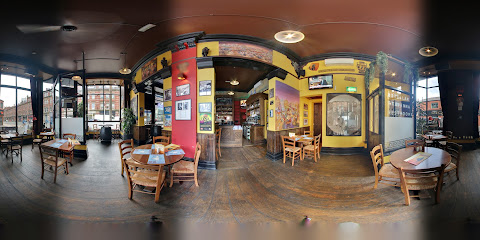
Evuna Deansgate
6.5 km
Authentic Spanish tapas and award-winning wines in the heart of Manchester’s vibrant Deansgate district.
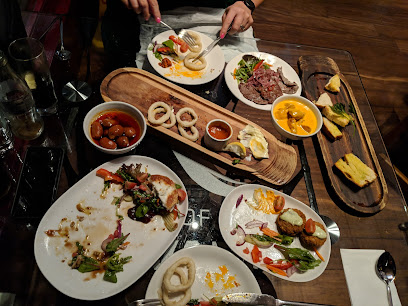
Another hand
6.6 km
An intimate modern British restaurant in Manchester’s Deansgate Mews, celebrated for inventive seasonal dishes and natural wines.
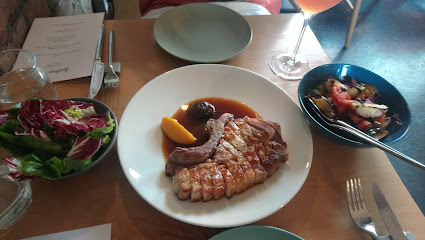
Don Giovanni - Italian Restaurant Manchester
6.6 km
A lively Italian restaurant in Manchester’s city centre blending traditional flavours with modern style and vibrant atmosphere.
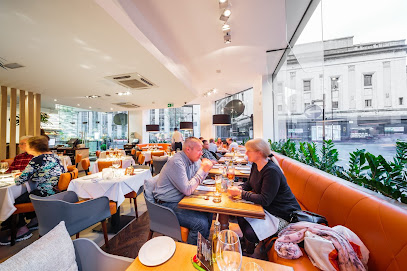
Habesha Restaurant
6.6 km
Discover authentic Ethiopian cuisine and warm hospitality at Habesha Restaurant, Manchester’s beloved spot for traditional injera and hearty stews.
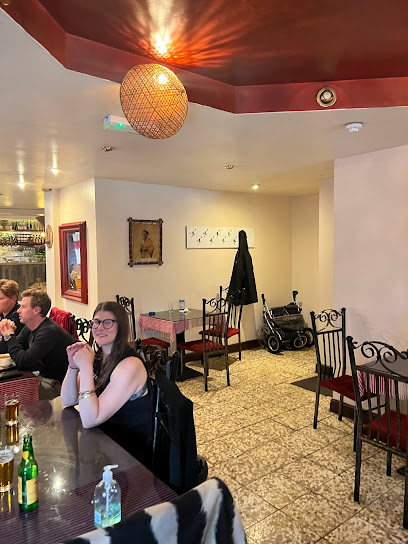
Markets, malls and hidden boutiques

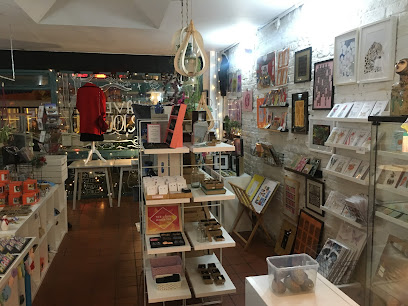
A Curious Collection
2.2 km
Discover Withington’s charming boutique gift shop offering unique, locally crafted treasures that celebrate Manchester’s creative spirit.
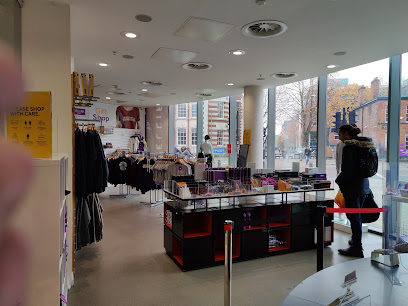
The University of Manchester Gift Shop
5.5 km
Official University of Manchester merchandise and unique gifts in a welcoming campus shop on Oxford Road.
Utility Gift Store
5.6 km
Discover quirky, trendy, and unique gifts at Utility Gift Store, Manchester’s independent boutique for stylish presents and creative designs.
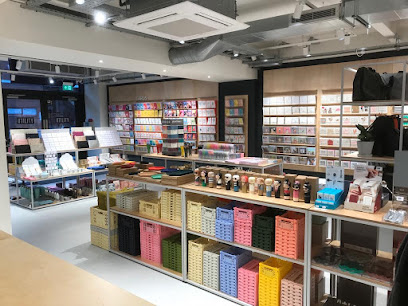
SHMYLS - Thoughtfully Made
6.0 km
Discover thoughtfully crafted jewelry and homewares at SHMYLS, a unique gift shop nestled in Manchester’s vibrant Hatch complex.
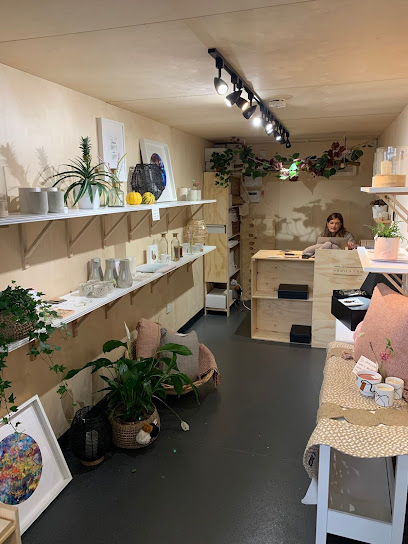
Cute Things By Aggie
6.1 km
Discover unique handmade gifts and charming homewares crafted with natural elements in Manchester’s cozy boutique, Cute Things By Aggie.

INFINITE RUNNING
6.1 km
Elevate your run with Infinite Running's premium gear: sleek half tights, breathable singlets, and weather-ready layers for Manchester's relentless athletes.
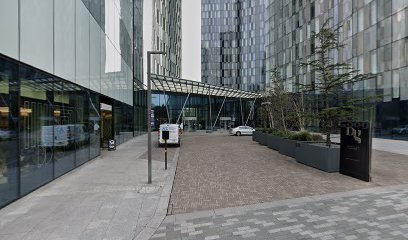
ItsFetch
6.1 km
Unleash your fashion potential at ItsFetch, a stylish accessories shop in Manchester, featuring unique pieces for every trendsetter.
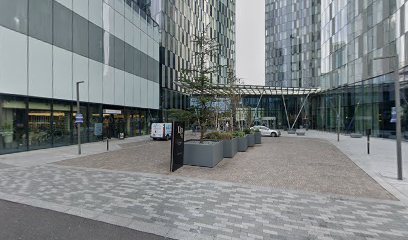
Deansgate Square General Store
6.1 km
Futuristic cornershop at Deansgate Square's base: craft coffee, local brews, zero-waste refills, and artisanal bites amid Manchester's iconic towers.
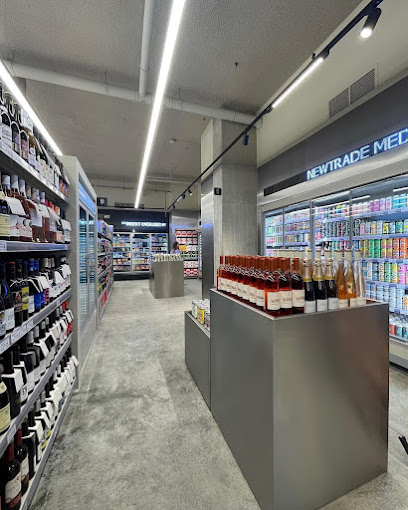
Curvilicious Clothing
6.1 km
Empowering plus-size style in Manchester's beating heart: Curvilicious Clothing celebrates curves with trendy, authentic fashion on Owen Street.
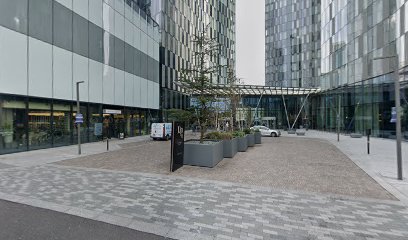
Branded Like A Boss
6.1 km
Discover Manchester's spirited souvenirs and artisan crafts at this vibrant Owen Street gift shop, blending trendy flair with local soul.

SPAR Salford Quays
6.2 km
Small, practical 24-hour convenience store on Trafford Road serving Salford Quays visitors, residents and shift workers.
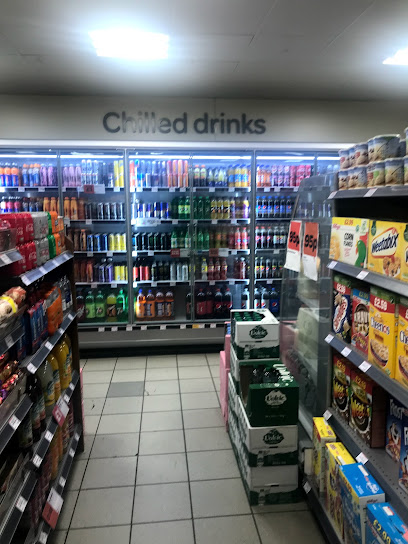
Catch my Thrift
6.5 km
Sustainable designer vintage at £25 and under – Manchester's thrift haven for slow fashion lovers in the city centre.
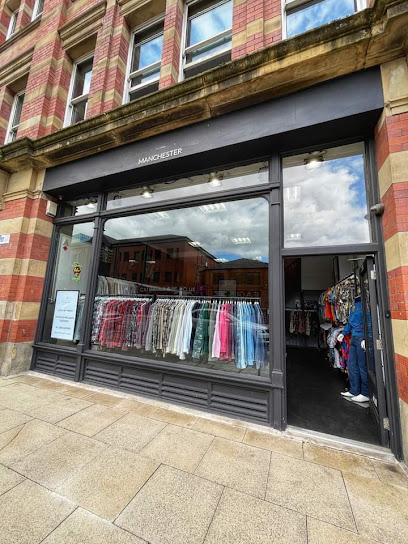
TVSeriesJackets
6.5 km
Explore TVSeriesJackets in Manchester, where iconic TV show jackets come to life, blending style with your favorite characters' adventures.
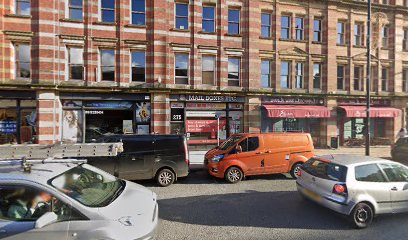
Science and Industry Museum Shop
6.5 km
Discover science-infused souvenirs in the heart of Manchester's industrial birthplace, where history meets hands-on innovation at the Science and Industry Museum Shop.
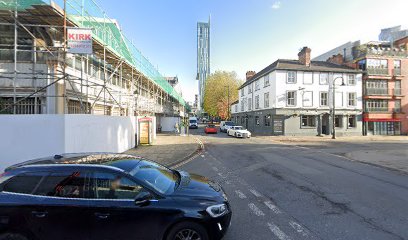
Great Northern
6.7 km
Experience the vibrant atmosphere of The Great Northern in Manchester, where shopping, dining, and entertainment come together in perfect harmony.
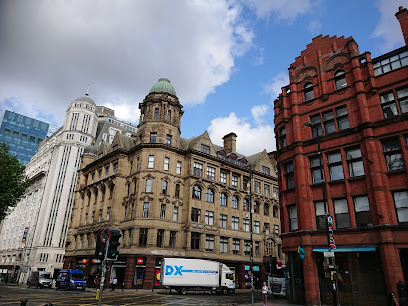
Essential bars & hidden hideouts

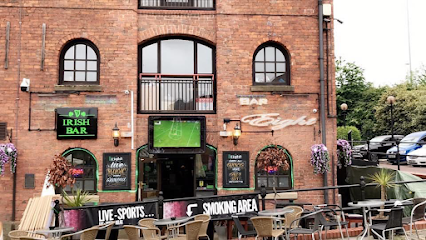
Bar Eight
6.2 km
Lively Irish pub on Manchester's Castle Quay, blending sports screens, hearty grub, and canalside cheer for unforgettable nights out.
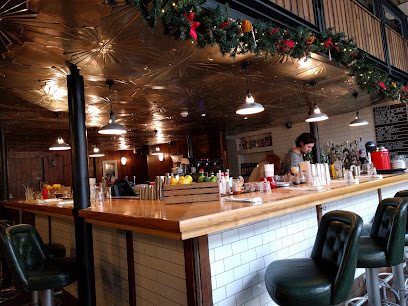
Gorilla
6.3 km
Manchester's ultimate hybrid haunt: brunch by day, beats by night in a funky bar-club fusion with live gigs and roasts.
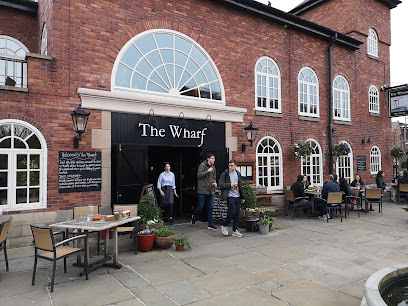
The Wharf
6.3 km
Cosy canalside pub in Manchester's Castlefield, where real fires, craft ales, hearty roasts, and patio views create an unmissable waterside retreat for all.
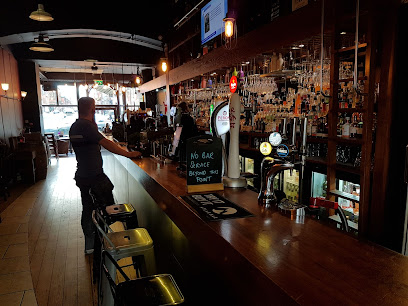
Atlas Bar
6.3 km
Discover Manchester’s iconic gin bar with 570+ gins, award-winning service, and a year-round heated terrace in the heart of Deansgate.
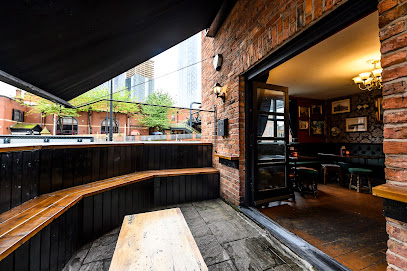
Lock 91
6.3 km
Historic charm meets inventive cocktails in Manchester’s vibrant Lock 91, a versatile bar and events venue beneath the city’s Metrolink station.
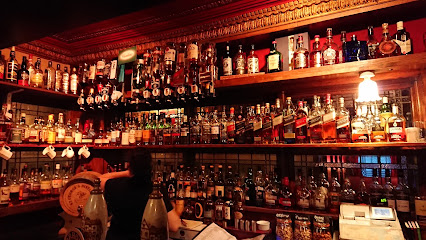
The Britons Protection
6.4 km
Historic Manchester pub famed for its vast whisky selection, traditional charm, lively atmosphere, and welcoming community spirit.
Matchstick Man
6.4 km
Waterside, budget-friendly pub serving hearty classics and live sport in a modern, family-friendly setting at Salford Quays.
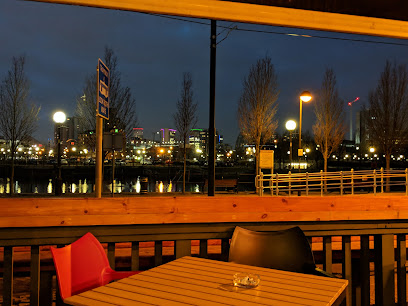
The Deansgate
6.4 km
Historic Deansgate pub revived with cask ales, hearty eats, rooftop terraces, and Manchester buzz—perfect pit stop since the 18th century.
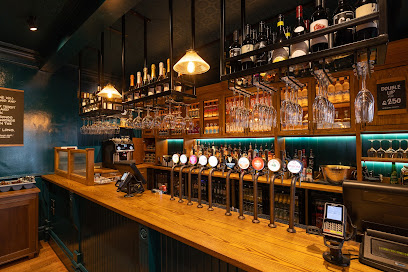
Barça - Canal-side Bar, Castlefield - Manchester
6.4 km
Canal terraces, stylish drinks, and Castlefield vibes—Manchester's waterside bar for every occasion.
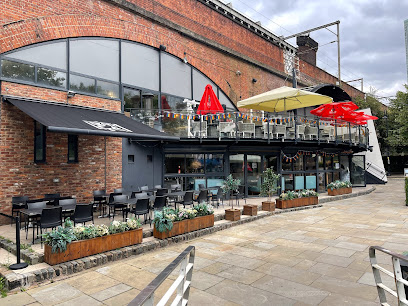
Cloud 23
6.4 km
Experience Manchester’s skyline from the stylish 23rd-floor cocktail bar with innovative drinks and panoramic city views.
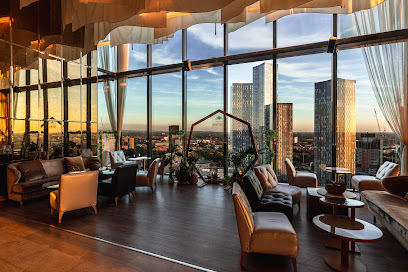
cask
6.5 km
Authentic Manchester pub pouring cask ales amid Castlefield's historic canals and warehouses—timeless brews in a revolutionary setting.
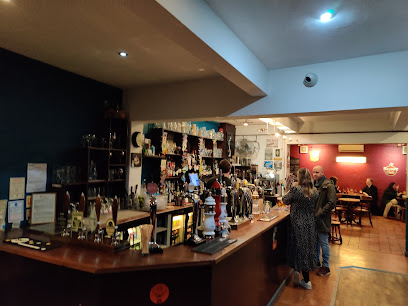
Three Little Words
6.5 km
A stylish gin distillery and cocktail bar under historic arches, blending craft cocktails, seasonal food, and immersive experiences in Manchester’s heart.
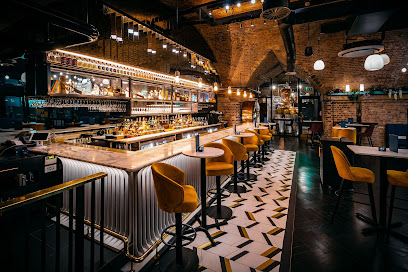
Via Manchester
6.6 km
A stylish LGBTQ+ bar and nightclub on Manchester’s Canal Street, serving food, cocktails and regular drag shows in a vibrant, inclusive setting.
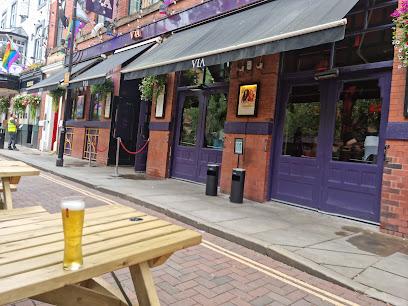
The Molly House
6.6 km
Eclectic tapas bar blending Argentinian-Spanish flavors with vintage charm in Manchester’s vibrant Gay Village.
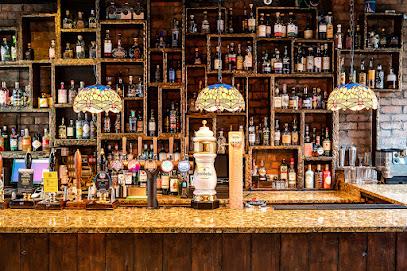
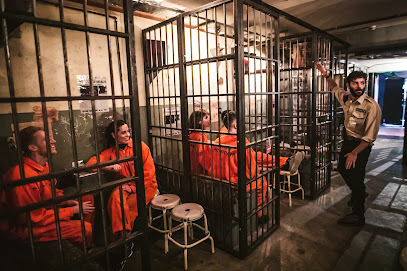
Alcotraz Manchester: Cell Block Three-Four
6.6 km
Smuggle liquor, don the jumpsuit, and sip bespoke cocktails in a live prison breakout drama—Alcotraz Manchester delivers immersive thrills and mixology magic behind bars.
Nightclubs & after hour spots

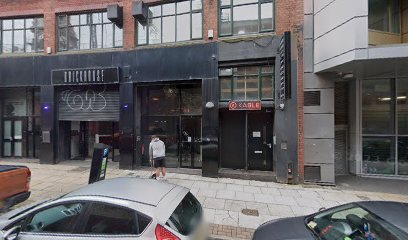
Kable
6.2 km
A compact, late‑night basement club on New Wakefield Street, favoured for punchy electronic nights and close‑up DJ sessions.
Viva Manchester
6.3 km
Compact stage-driven nightclub on Whitworth Street West — theatrical themed nights, DJ sets and group-friendly table service.
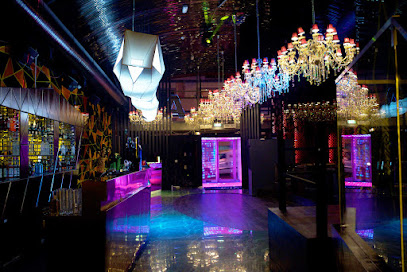
Popworld Manchester
6.3 km
Dance to cheesy pop anthems amid neon lights and poptail cocktails in Manchester's ultimate throwback nightclub.
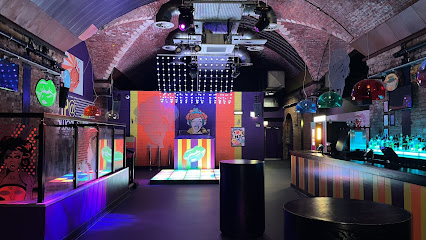
Ark Manchester
6.3 km
Multi-room beats and canal-side cocktails fuel Manchester's electric Deansgate Locks nightlife at Ark—dance, drink, repeat till dawn.
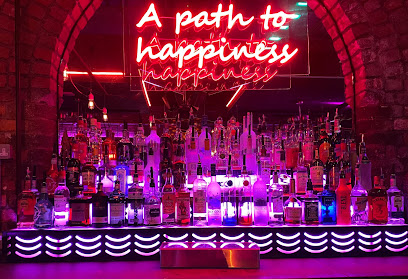
Bliss Club Manchester
6.3 km
Experience Manchester’s authentic late-night vibe at Bliss Club, where music and local energy blend into a spirited urban nightlife hub.

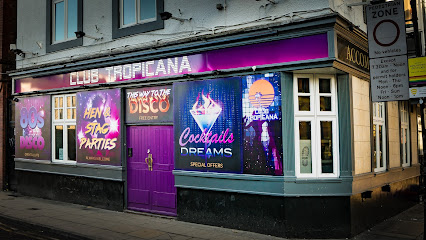
Club Tropicana
6.6 km
Dive into 1980s glamour at Manchester's premier gay nightclub, where drag, DJs, cocktails, and retro beats fuel the Gay Village's electric nightlife.
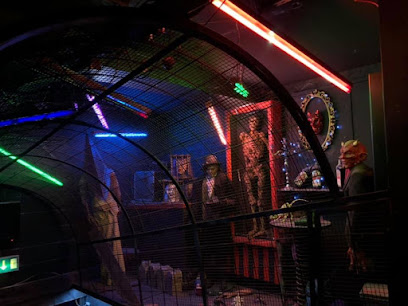
Royal Vida Night Club
6.6 km
Dive into Manchester's underground pulse at Royal Vida, where Castlefield's industrial shadows host thumping beats and endless nights from 11pm to 4am.

Satans Hollow
6.6 km
Manchester's infernal punk-rock abyss: demonic decor, dirt-cheap drinks, and mosh-pit mayhem for metalheads and rebels.
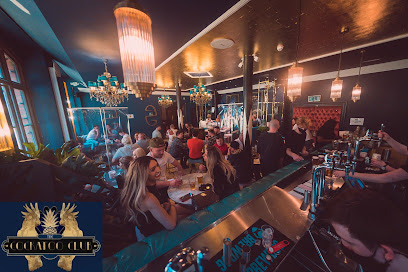
The Cockatoo Club
6.7 km
Discover the electrifying nightlife at The Cockatoo Club in Manchester, where vibrant cabaret performances meet an unforgettable atmosphere.
History Nightclub
6.7 km
Experience Manchester’s lively hip hop and house beats at History Nightclub, a large, energetic venue open late into the night.

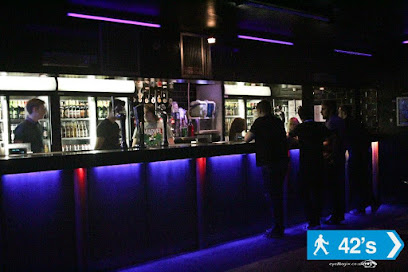
42's
6.8 km
Manchester’s iconic indie nightclub blending rich musical heritage with a lively, inclusive nightlife experience.
Venue Nightclub
6.8 km
Manchester's underground indie haven: cheap drinks, packed dance floors, and anthems till dawn in Deansgate's electric night scene.

Club Liv Manchester
7.0 km
Experience Manchester’s vibrant nightlife with exclusive VIP vibes, world-class Pan-Asian dining, and a stylish rooftop terrace at Club Liv.

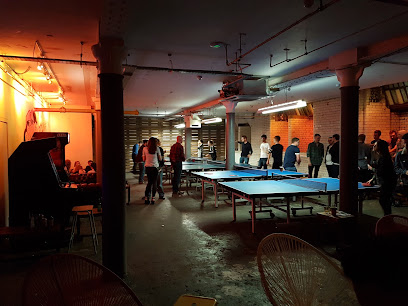
Twenty Twenty Two
7.1 km
Manchester's gritty basement haven where ping pong battles rage under DJ beats and craft brews flow freely in the Northern Quarter's creative underbelly.
Aatma
7.3 km
Manchester's underground heartbeat: live beats, pizza slices, and all-night vibes in the Northern Quarter's hidden gem.

For the vibe & atmosphere seeker
- Tranquil
- Zen
- Scenic
- Relaxing
- Unique
For the design and aesthetic lover
- Vintage Styles
- Rustic Designs
For the architecture buff
- Historic
- Parks & Gardens
- Heritage Neighborhoods
For the view chaser and sunset hunter
- Iconic Views
- Panoramas
For the social media creator & influencer
- Photo Spots
- Aesthetic Corners
For the eco-conscious traveler
- Eco-Friendly
- Protected Area
- Locally Managed
- Wildlife Habitat
- Leave-No-Trace Critical
For the kind of experience you’re after
- Mindfulness
- Meditation Spot
- Cultural Heritage
- Photowalk
- Nature Escape
- Day Trip
For how adventurous you want the journey to be
- Easy Access
Location Audience
- Family Friendly
- Senior Friendly
- Child Friendly
- Wheelchair Access
- Pet Friendly
- Solo Friendly
- Couple Friendly
- Solo Female Friendly


