Wetheral Priory Gatehouse, Cumbria Travel Guide
Explore the finest medieval gatehouse in Cumbria, a fortified monastic relic offering history, architecture, and scenic views by the River Eden.
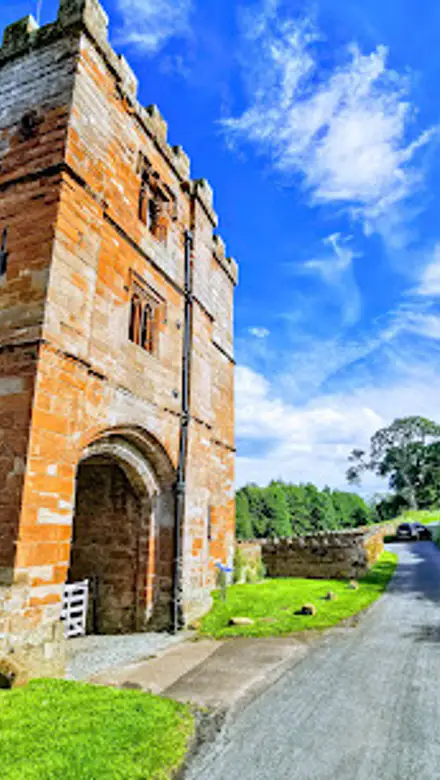
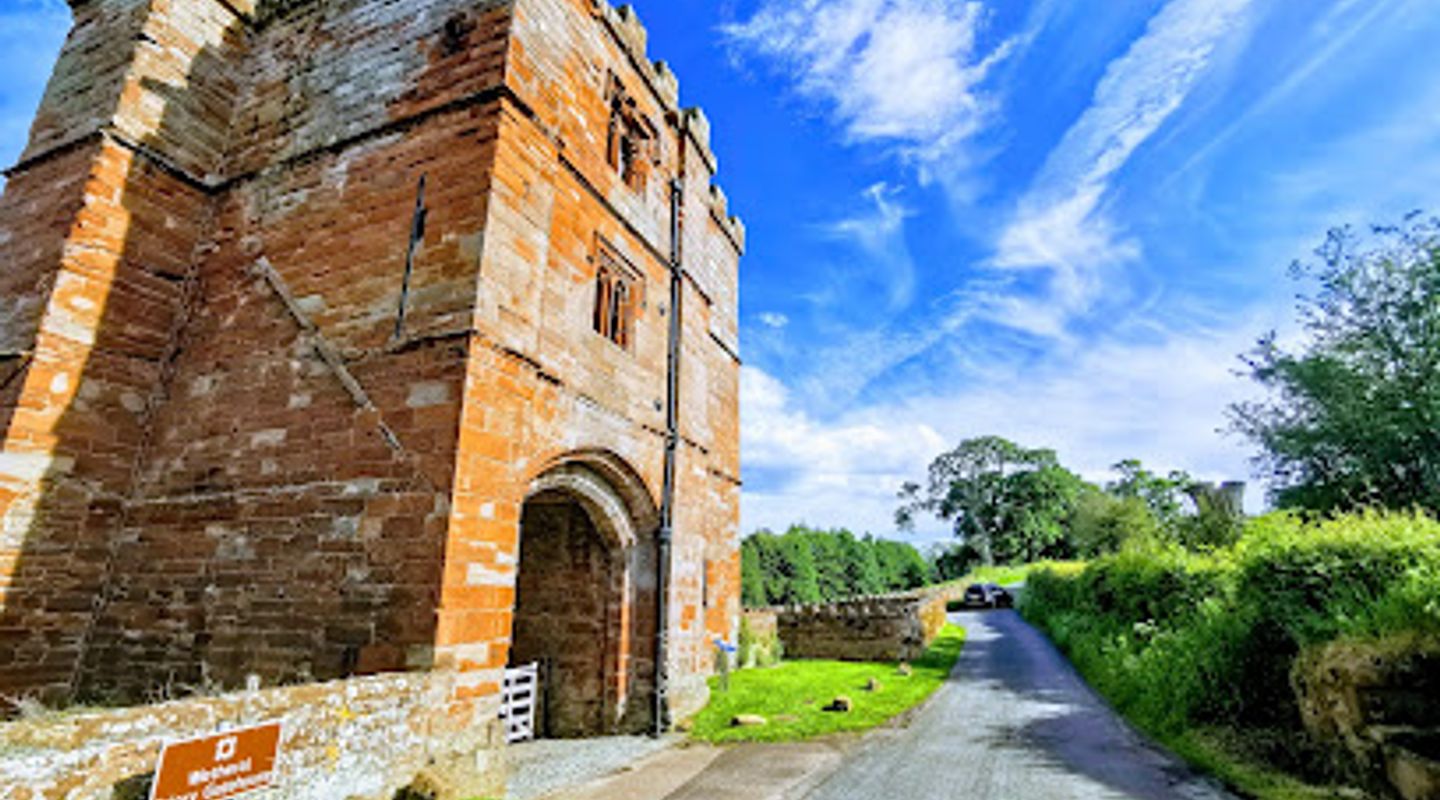
Wetheral Priory Gatehouse is a well-preserved 15th-century crenellated stone gatehouse located in Wetheral, Cumbria. It is the sole surviving structure of a Benedictine priory founded in the early 12th century. The gatehouse served as the fortified entrance to the priory’s outer courtyard and later became a vicarage before falling into agricultural use. Now cared for by English Heritage, it offers visitors a glimpse into medieval monastic life, fortified architecture, and scenic views of the surrounding countryside and River Eden.
A brief summary to Wetheral Priory Gatehouse
- The Glebe, Carlisle, Wetheral, CA4 8EZ, GB
- Click to display
- Click to display
- Duration: 0.5 to 1.5 hours
- Free
-
 Outdoor
- Mobile reception: 4 out of 5
- Monday 10 am-5 pm
- Tuesday 10 am-5 pm
- Wednesday 10 am-5 pm
- Thursday 10 am-5 pm
- Friday 10 am-5 pm
- Saturday 10 am-5 pm
- Sunday 10 am-5 pm

Know before you go
Hi, I'm Eve. Here are a few practical things to know before exploring Wetheral Priory Gatehouse.
- Visit on weekday mornings for a peaceful experience with fewer crowds.
- Wear sturdy footwear as steps to upper floors are uneven and require care.
- Combine your visit with nearby attractions like Carlisle Castle and Lanercost Priory.
- Entry is free; consider donating via the onsite QR code to support preservation.
Do you manage this location?
Take control to get all the benefits, like improved information, better appearance, and stronger visibility across AI-powered discovery. Learn more about listing your business on Evendo
Activate your presenceOther nearby places you may find interesting
The closest places of the same kind, if this one is not quite what you had in mind.
Explore Wetheral Priory Gatehouse on the Map
A handpicked selection of must-see spots near Wetheral Priory Gatehouse, mapped for you.
Getting There
-
Train and Walk
Take a train to Wetheral station, approximately 15-25 minutes from Carlisle. From the station, enjoy a scenic 20-minute walk along country paths and steps down by the viaduct to reach the gatehouse. The walk is moderately easy but includes some uneven terrain.
-
Car
Drive to Wetheral village from Carlisle in about 15 minutes. Parking is limited near the gatehouse on a narrow country road, so use village parking and walk five minutes to the site. Note that there is no dedicated parking at the gatehouse itself.
-
Bus and Walk
Local bus services run from Carlisle to Wetheral village, with a journey time of approximately 20-30 minutes. From the village, it is a short five-minute walk to the gatehouse along quiet roads. Check bus schedules for frequency and seasonal variations.
For the on-the-go comforts that matter to you
-
 Information Boards
-
 Seating Areas
-
 Restrooms
-
 Food Options
-
 Drink Options
Discover more about Wetheral Priory Gatehouse
Medieval Origins and Monastic Significance
Wetheral Priory was established around 1106 as a Benedictine cell affiliated with St Mary's Abbey in York. Dedicated to the Holy Trinity and St Constantine, it housed a small community of twelve monks. The priory gained renown for its special right of sanctuary granted by Henry I, which allowed fugitives to seek refuge within its grounds. The gatehouse, constructed in the 15th century, functioned as the fortified main entrance to the priory’s outer courtyard, symbolizing both spiritual authority and defensive strength amid the turbulent Anglo-Scottish border region.Architectural Features and Defensive Role
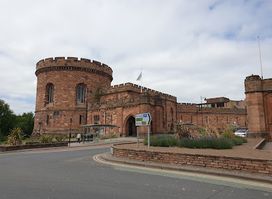
This gatehouse is a miniature 'pele-tower' built from red sandstone, standing three storeys tall with crenellated battlements. The ground floor contains the main entrance passage and a porter’s lodge, while the upper floors housed domestic chambers complete with fireplaces and garderobes (medieval latrines). A spiral staircase connects the floors, offering views into the hall below and the surrounding landscape. The roof timbers date from the early 16th century, likely from a conversion period when the building served as a fortified vicarage, providing protection against border raiders.Post-Dissolution History and Preservation
Following the Dissolution of the Monasteries in 1538 under Henry VIII, the priory was largely demolished, leaving only the gatehouse and a nearby medieval wall standing. The gatehouse transitioned into a vicarage during the 16th and 17th centuries before being repurposed as a hayloft. In 1978, it entered state guardianship and is now maintained by English Heritage as a Grade I listed building. Its preservation offers a rare and tangible connection to Cumbria’s medieval ecclesiastical and defensive heritage.Visitor Experience and Scenic Surroundings
Visitors can explore the gatehouse’s interior chambers and staircases, which are generally safe and well-lit, though the roof area remains closed for safety. Informative signage details the site's history and architecture. From the upper windows, guests enjoy picturesque views of the surrounding countryside and the nearby River Eden. The site is free to enter and situated near Wetheral village, which offers additional amenities. The tranquil setting and compact size make it ideal for a brief, contemplative visit.Nearby Historical Context and Attractions
The gatehouse stands beside Wetheral Abbey Farm, on land once occupied by the larger priory complex. A surviving medieval red sandstone wall nearby is thought to be part of the priory’s chapter house. The region is rich in heritage, with Carlisle Castle and the well-preserved Lanercost Priory within short driving distance, as well as the World Heritage sites of Hadrian’s Wall further afield, offering visitors a broader understanding of the area's medieval and border history.Architectural and Cultural Legacy
Wetheral Priory Gatehouse exemplifies the fusion of monastic life with fortified architecture characteristic of border monasteries. Its survival through centuries of religious, political, and social upheaval highlights its resilience and significance. Today, it stands not only as a monument to medieval craftsmanship and spiritual sanctuary but also as a cultural landmark preserving the stories of sanctuary, defense, and community in Cumbria’s borderlands.More to explore near Wetheral Priory Gatehouse













Your all‑in‑one travel companion app
Explore expert travel guides, compare and book tours, experiences, hotels, and more—all from the palm of your hand. Download now for seamless trip planning wherever your wanderlust takes you.


Explore More of Cumbria
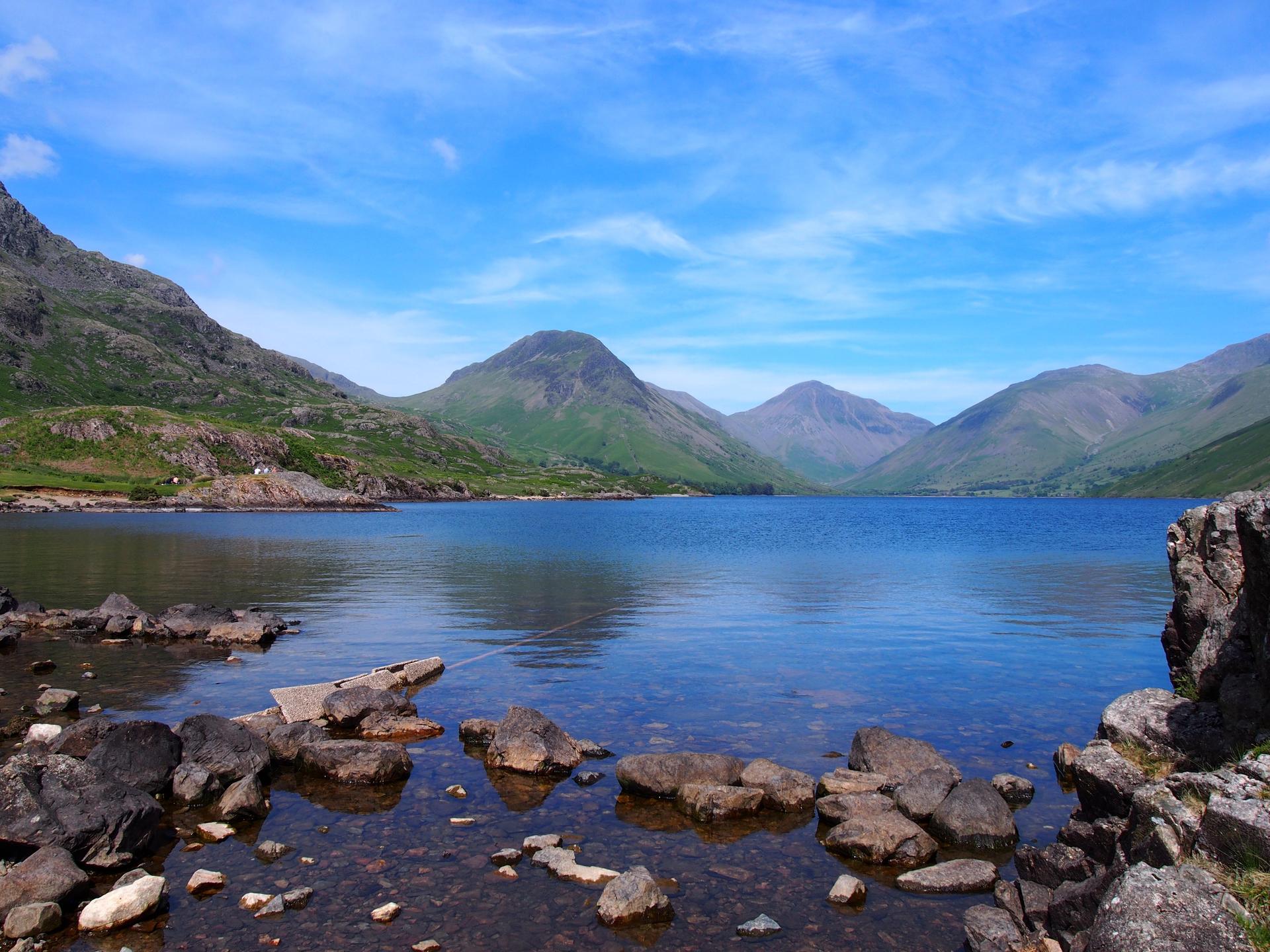
Looking beyond Wetheral Priory Gatehouse? Discover Cumbria for broader travel guides, local hot-spots, and regional highlights.
Explore Cumbria
Experience the timeless romance of Scotland’s iconic wedding venue where history, tradition, and love unite at the Famous Blacksmiths Shop.
Explore Carlisle’s iconic twin sandstone towers, a historic gateway blending Tudor defense and judicial heritage in the city’s heart.