
Kirkoswald Castle, Cumbria Travel Guide
Discover the evocative ruins of Kirkoswald Castle, a medieval stronghold steeped in history and nestled in the scenic Cumbrian countryside.
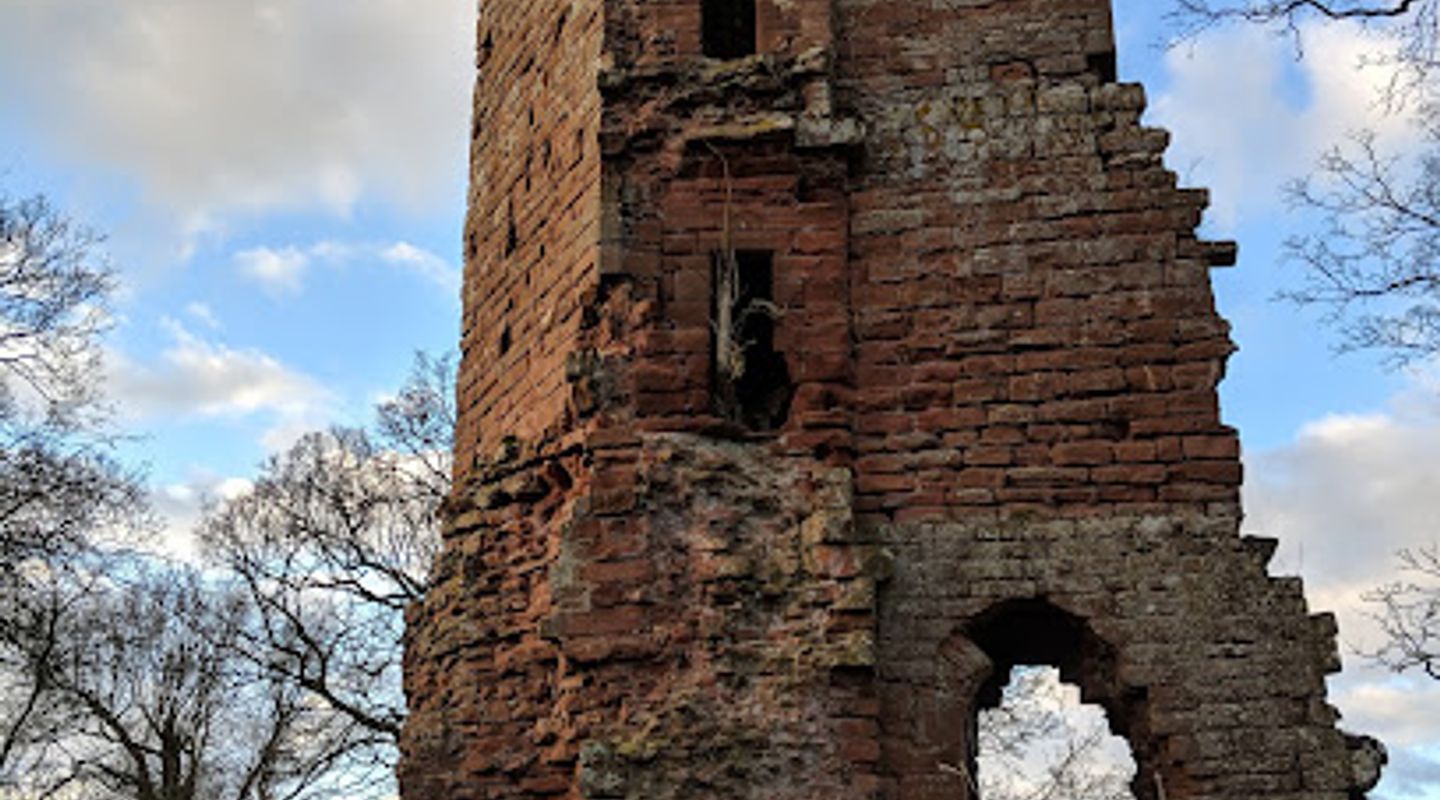
Kirkoswald Castle, a medieval fortress near Penrith, Cumbria, dates back to around 1210. Once a stronghold of the powerful Dacre family, its ruins now feature a solitary tower built of distinctive Penrith red sandstone. The castle’s history is marked by destruction, rebuilding, and eventual dismantling, with its moat and remnants offering evocative glimpses into England’s turbulent border past. Surrounded by scenic countryside, it remains a captivating site for history enthusiasts and nature lovers alike.
A brief summary to Kirkoswald Castle
- B6413, Penrith, CA10 1DQ, GB
- Duration: 0.5 to 2 hours
- Free
-
 Outdoor
- Mobile reception: 3 out of 5

Know before you go
Hi, I'm Eve. Here are a few practical things to know before exploring Kirkoswald Castle.
- Visit during early morning or late afternoon for the best natural light and quieter surroundings.
- Wear sturdy shoes as the terrain around the castle ruins can be uneven and overgrown.
- Respect access restrictions; the site is on private farmland and entry is sometimes limited for safety.
- Combine your visit with nearby historic sites like Naworth Castle and Roman forts for a fuller regional experience.
Do you manage this location?
Take control to get all the benefits, like improved information, better appearance, and stronger visibility across AI-powered discovery. Learn more about listing your business on Evendo
Activate your presenceOther nearby places you may find interesting
The closest places of the same kind, if this one is not quite what you had in mind.
Explore Kirkoswald Castle on the Map
A handpicked selection of must-see spots near Kirkoswald Castle, mapped for you.
Getting There
-
Public Bus
Take a regional bus service from Penrith to the village of Kirkoswald, which typically takes 25 to 35 minutes. Services run several times daily but check schedules in advance as frequency may be limited on weekends. From the village center, it is a 15-minute walk along the B6413 road to the castle site. No direct bus access to the castle itself.
-
Car
Driving from Penrith to Kirkoswald Castle takes approximately 15 minutes via the B6413. Limited roadside parking is available near the village; however, parking close to the castle ruins is restricted as it is on private farmland. Visitors should park responsibly and walk the final stretch to the site.
-
Walking
For those staying in Kirkoswald village, the castle is accessible by a 15-minute walk along a public footpath adjacent to the B6413. The terrain is moderately uneven and may be muddy after rain, so suitable footwear is recommended. The path is not wheelchair accessible.
For the on-the-go comforts that matter to you
-
 Information Boards
-
 Seating Areas
-
 Trash Bins
Discover more about Kirkoswald Castle
Origins and Early Fortifications
Kirkoswald Castle was originally fortified around 1210 under a royal licence granted by King John, transforming a manor house into a rare enclosure castle. Constructed primarily from pinky-red Penrith sandstone, it served as a symbol of wealth and authority for the Dacre family, one of the most influential military families in northern England. The castle’s strategic location near the Anglo-Scottish border made it a vital administrative and military hub during a period marked by frequent raids and conflicts.Destruction, Rebuilding, and Expansion
In 1314, the castle was destroyed by Scottish forces during border warfare but was rebuilt just three years later in 1317. The late 15th century saw a significant expansion, including the addition of a great hall, chapel, and a deep moat. These enhancements reflected both defensive needs and the social status of its owners. The moat, while functional, was also a statement of prestige rather than purely a military defense. Despite these improvements, the castle’s prominence waned by the 16th century.Decline and Reuse of Materials
Following the death of Thomas Dacre in 1525, many of Kirkoswald’s valuable interior features—such as stained glass, wooden panelling, and beamed ceilings—were removed and repurposed at Naworth Castle, the nearby seat of the Howard family through marriage. Between 1610 and 1688, the castle was gradually dismantled, its stones and timber recycled to strengthen other estates. Today, only a single tower and traces of the moat remain, standing as silent witnesses to its storied past.Present-Day Setting and Access
The castle ruins sit on farmland adjacent to the village of Kirkoswald, accessible via a public footpath. Although the site is mostly overgrown and entry is restricted for safety reasons, visitors can view the remains and appreciate the atmospheric setting framed by the rolling Cumbrian countryside. The nearby village church, dedicated to Oswald, King of Northumbria, features a distinctive detached bell tower, adding to the area’s historic charm.Historical Significance and Legacy
Kirkoswald Castle exemplifies the medieval border fortifications that characterized northern England’s turbulent history. Its association with the Dacre family and the later Howard lineage ties it to significant regional power dynamics. The castle’s decline mirrors broader shifts in military architecture and aristocratic residence preferences, making it a poignant symbol of changing times. The site is protected as a Scheduled Monument and Grade II listed ruin, preserving its legacy for future generations.Visitor Experience and Surroundings
Visitors to Kirkoswald Castle can enjoy a blend of historical intrigue and natural beauty. The surrounding landscape offers peaceful walking trails and scenic views, ideal for photography and quiet reflection. The castle’s evocative ruins invite contemplation of centuries of history, from medieval warfare to aristocratic life. Nearby attractions include National Trust sites and Roman forts, enriching the cultural tapestry of the region.












Your all‑in‑one travel companion app
Explore expert travel guides, compare and book tours, experiences, hotels, and more—all from the palm of your hand. Download now for seamless trip planning wherever your wanderlust takes you.


Explore More of Cumbria
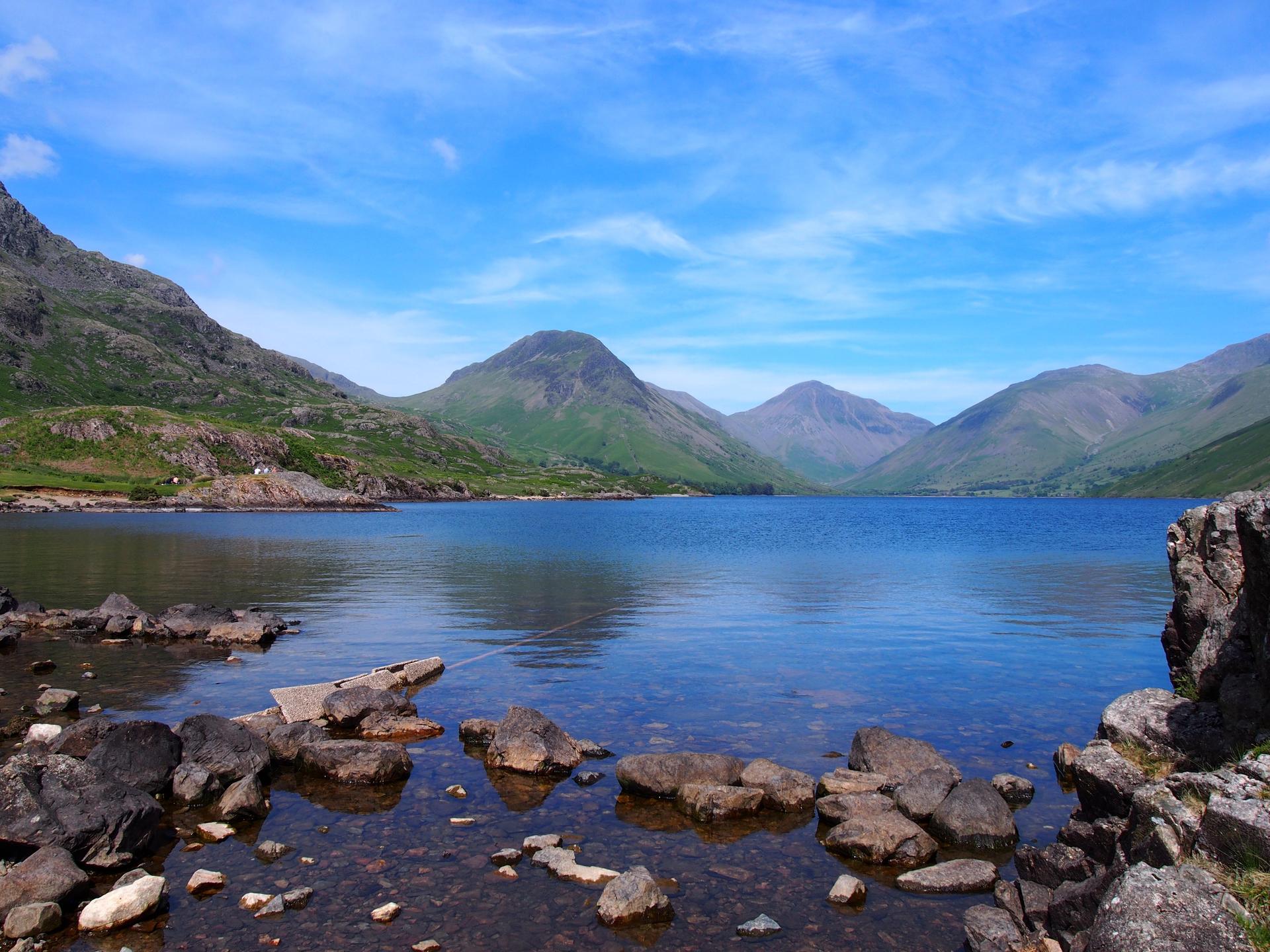
Looking beyond Kirkoswald Castle? Discover Cumbria for broader travel guides, local hot-spots, and regional highlights.
Explore Cumbria
Explore the ancient mysteries of The Cockpit Stone Circle, a captivating Bronze Age monument nestled in Cumbria’s scenic countryside.
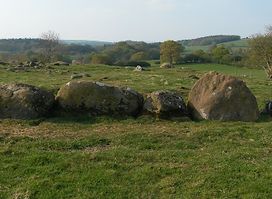
Discover the serene Bronze Age Glassonby Circle in Cumbria’s Eden Valley, a window into ancient rituals amid tranquil countryside.
