
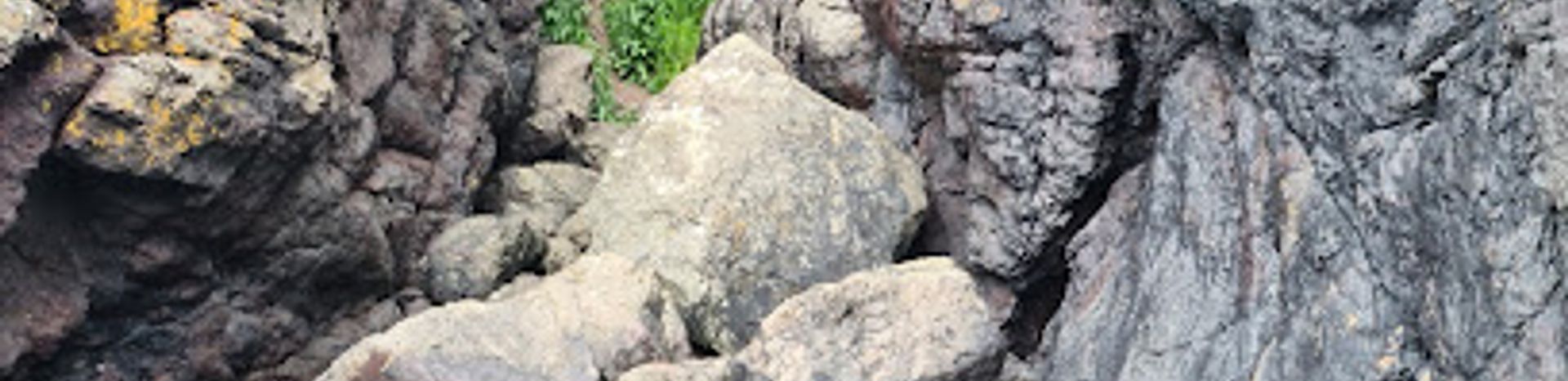
Sawney Bean's Cave: The Infamous Scottish Cannibal Lair
Explore the eerie coastal cave of Sawney Bean, Scotland’s legendary cannibal lair steeped in dark folklore and dramatic seaside beauty.
Sawney Bean's Cave, also known as Bennane Cave, is a coastal sea cave near Girvan, Scotland, steeped in dark legend. Allegedly home to the 16th-century cannibal Sawney Bean and his extended family, the cave is a chilling site where gruesome tales of murder, cannibalism, and mystery have persisted for centuries. Accessible only by a steep, rugged path near the shoreline, the cave offers visitors a haunting glimpse into Scotland's folklore amid dramatic coastal scenery.
A brief summary to Sawney Bean's Cave
- Girvan, GB
- Duration: 0.5 to 2 hours
- Free
-
 Outdoor
- Mobile reception: 3 out of 5
- Monday 12 am-12 am
- Tuesday 12 am-12 am
- Wednesday 12 am-12 am
- Thursday 12 am-12 am
- Friday 12 am-12 am
- Saturday 12 am-12 am
- Sunday 12 am-12 am
Local tips
- Check tide times before visiting, as the cave entrance is inaccessible during high tide.
- Bring at least two torches or strong lights to navigate the pitch-dark interior safely.
- Wear sturdy footwear and be prepared for a steep, slippery descent to the cave entrance.
- Visit late in the day for the best natural light on the bay and cave entrance.
- Respect the natural environment and avoid disturbing the cave’s fragile geology and wildlife.

For the on-the-go comforts that matter to you
- Restrooms
- Seating Areas
- Information Boards
Getting There
-
Car
Driving from Girvan, the cave is approximately a 15-20 minute journey via the A77 road southbound. Parking is available at a designated car park near Bennane Head. The final approach to the cave requires a steep, uneven 10-minute walk with a rocky scramble, so sturdy footwear is essential.
-
Bus
Local bus services run from Girvan to Ballantrae along the A77 corridor, with stops near Bennane Head. From the bus stop, expect a 20-30 minute walk over uneven terrain to reach the cave entrance. Bus frequency is limited, so check schedules in advance.
-
Walking
For adventurous walkers, a coastal hike from Ballantrae to Bennane Head offers scenic views and wildlife spotting opportunities. The route takes approximately 1.5 to 2 hours one way over rugged paths and requires good fitness and navigation skills.
Sawney Bean's Cave location weather suitability
-
 Any Weather
-
 Rain / Wet Weather
-
 Clear Skies
-
 Windy Conditions
-
 Mild Temperatures
Discover more about Sawney Bean's Cave
The Legend of Sawney Bean and His Clan
Sawney Bean's Cave is famously linked to the notorious 16th-century figure Alexander 'Sawney' Bean, who, according to legend, led a clan of nearly 50 men and women engaged in robbery, murder, and cannibalism. The story tells that Sawney and his wife, 'Black' Agnes Douglas, fled Edinburgh to live in this remote coastal cave, where they expanded their family through generations, many born of incest. Over 25 years, the clan allegedly ambushed travelers along the nearby coastal paths, bringing victims back to the cave to be dismembered and eaten. The gruesome practice included pickling body parts, some of which reportedly washed ashore, fueling local fears and mystery.The Cave’s Geography and Accessibility
Bennane Cave is a sea cave located about 8 miles south of Girvan, near Bennane Head on the Ayrshire coast. The cave extends roughly 50 yards into the hillside, with winding passages and side chambers. Its entrance is a narrow slit in the rock face just above the high tide line, often submerged or inaccessible during high tide, making timing crucial for visits. Access requires a careful descent down a steep, often slippery path from a nearby car park, including a scramble over rocks near the entrance. Inside, the cave is pitch dark and requires torches for navigation, with walls marked by graffiti but no evidence of the macabre remains described in the legend.Historical Context and Skepticism
While the tale of Sawney Bean is entrenched in Scottish folklore, historical evidence supporting the clan’s existence and their crimes is lacking. No contemporary records confirm their capture or execution, and some scholars consider the story a myth or moral cautionary tale. However, the presence of cannibalistic acts in Scottish history and the cave’s long-term habitation by vagrants until recent decades add layers of intrigue. The legend has been perpetuated through oral tradition, local lore, and sensational retellings, contributing to the cave’s eerie reputation.The Dramatic Capture and Aftermath
According to legend, the clan was eventually discovered after a victim fought back, alerting nearby villagers. A large posse, reportedly led by King James VI, tracked the clan to the cave using bloodhounds. Upon entering, they found rows of human limbs hanging and barrels filled with preserved body parts alongside stolen valuables. The clan was captured, taken to Edinburgh’s Tolbooth prison, and executed without trial in brutal fashion. Women were said to have been burned at the stake. These grisly details have become central to the mythos surrounding the site.Visiting Today: Experience and Environment
Today, Sawney Bean's Cave is a striking natural feature on the rugged Ayrshire coastline, attracting visitors intrigued by its dark history and dramatic setting. The cave’s tidal nature and difficult access mean visits require preparation, including checking tide times and bringing reliable lighting. The surrounding area offers scenic coastal views and a sense of isolation that enhances the cave’s haunting atmosphere. While no physical evidence of the clan remains, the site remains a powerful symbol of Scotland’s rich tapestry of myth and legend.Preservation and Local Significance
The cave is part of the Ballantrae Ophiolite Complex, notable for its geological formations of basalt pillow lavas. It is protected as a natural feature with some graffiti marking the walls. Local communities maintain the site’s lore, and it continues to inspire stories, tours, and cultural references. Visitors are encouraged to respect the fragile environment and the cave’s historical significance while exploring this evocative landmark.Iconic landmarks you can’t miss

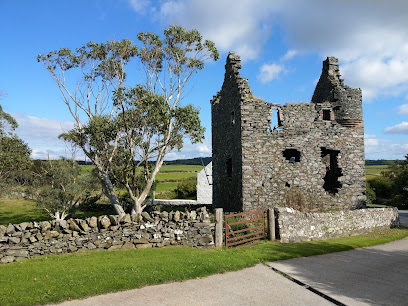
Galdenoch Castle
27.4 km
Explore the evocative ruins of Galdenoch Castle, a 16th-century Scottish tower house rich in history, architecture, and ghostly legends.
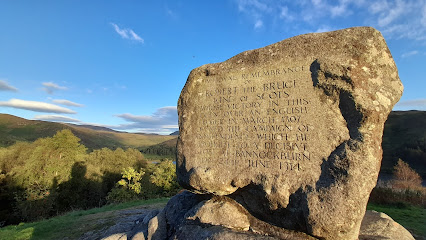
Bruce’s Stone
32.4 km
Discover the historic site of Bruce’s Stone overlooking Loch Trool, where Scotland’s fight for independence echoes amid stunning natural beauty.
The Belted Galloway Visitor Centre
38.3 km
Experience local flavors at The Belted Galloway Visitor Centre, a charming restaurant in Newton Stewart surrounded by breathtaking natural beauty.
Original site of Loch Doon Castle
39.4 km
Discover the relocated medieval stronghold of Loch Doon Castle, a polygonal fortress with deep ties to Robert the Bruce and Scottish history.
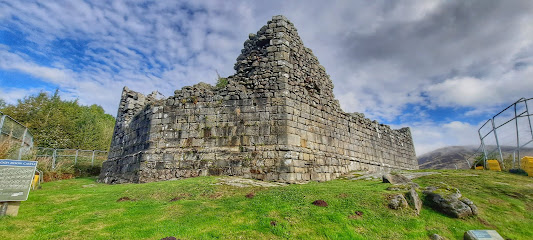
Kingscross Viking Fort
40.9 km
Discover the ancient Viking fort and burial mound at Kingscross Point, where history meets breathtaking coastal vistas on the Isle of Arran.
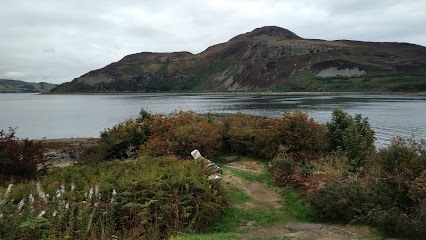
Ayr Citadel
41.6 km
Explore Ayr Citadel, a 17th-century hexagonal fortress by the sea, rich in history and coastal charm.
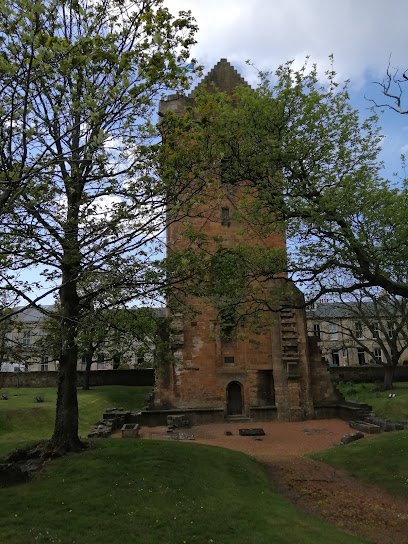
Wee Al's Bench
43.7 km
Breathtaking coastal vantage point where Arran's natural beauty meets centuries of island heritage.
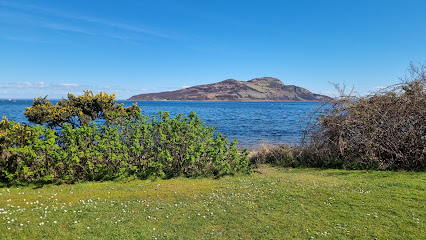
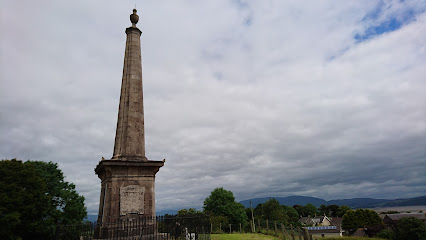
Martyr's Memorial
46.1 km
A solemn memorial at Wigtown Bay honoring two brave Covenanter women who faced execution for their faith in 1685.
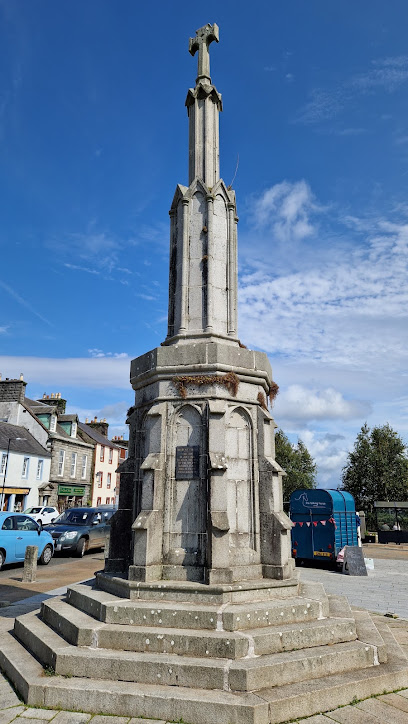
Mercat Cross
46.3 km
Historic Scottish market cross in Wigtown’s square, marking centuries of commerce and community life in this charming burgh.
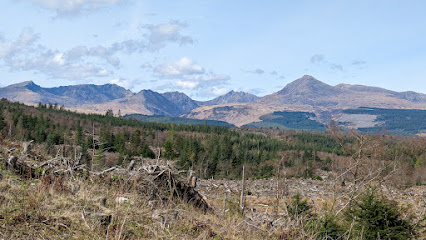
Lamlash Stone Circle
46.5 km
Ancient Neolithic gathering place where stone and sky converge on Arran's moorland.
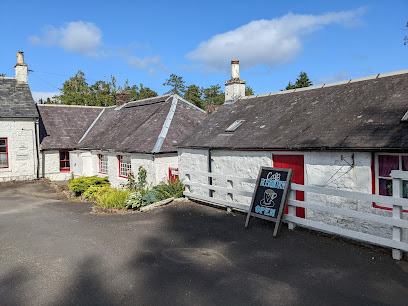
Arran Heritage Museum
49.9 km
Explore the Isle of Arran's history and culture at Arran Heritage Museum, a captivating destination for all ages.
Brodick Castle, Garden and Country Park
50.9 km
Explore the historical splendor of Brodick Castle, surrounded by enchanting gardens and breathtaking landscapes on the Isle of Arran.
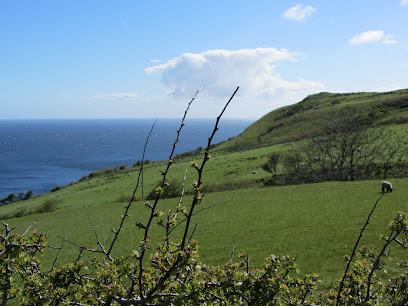
Carsluith Castle
51.7 km
Explore the historic Carsluith Castle in Newton Stewart, a stunning landmark surrounded by beautiful landscapes and rich Scottish heritage.
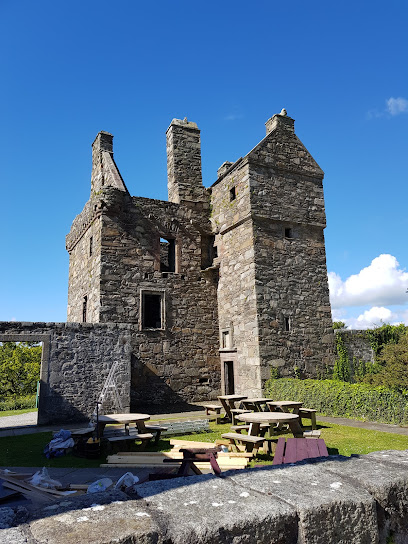
Wallace's Monument, Ayrshire “Burnweil”
51.9 km
A proud Ayrshire landmark honoring William Wallace, Scotland’s legendary hero of independence and bravery.
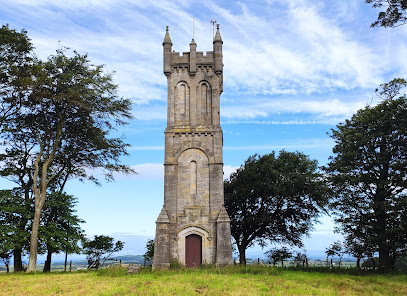
Barsalloch Fort - Historic Scotland
52.5 km
Explore Barsalloch Fort, a historic site offering breathtaking views and a glimpse into Scotland's ancient past amidst stunning natural beauty.
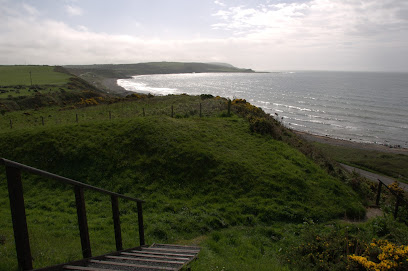
Unmissable attractions to see

Glenapp Castle
6.9 km
Experience timeless Scottish Baronial luxury and breathtaking coastal views at Glenapp Castle, a secluded 5-star retreat in Ayrshire’s natural splendor.

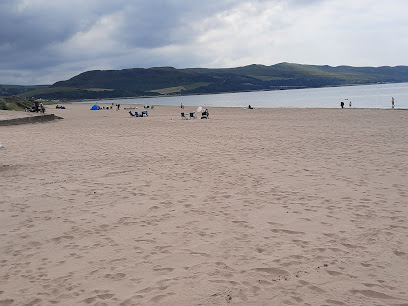
Girvan Beach
13.3 km
A sweeping sandy beach with iconic views of Ailsa Craig, family-friendly attractions, and a charming seaside town atmosphere.
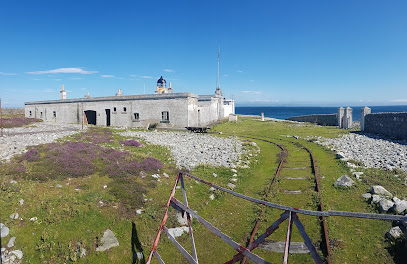
Ailsa Craig Lighthouse
14.2 km
Historic 19th-century lighthouse on a volcanic island sanctuary, blending maritime heritage with vibrant seabird colonies off Scotland’s Ayrshire coast.
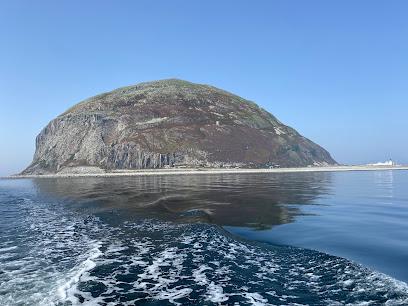
Ailsa Craig
14.5 km
Ailsa Craig, the volcanic granite isle famed for its seabird colonies and world-renowned curling stones, rises steeply from the Firth of Clyde’s waters.
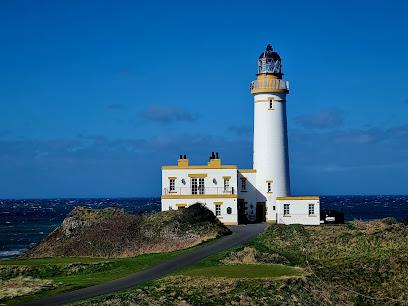
Turnberry Lighthouse
21.9 km
Historic 1873 lighthouse on Ayrshire coast blending maritime heritage, stunning sea views, and luxury golf resort charm.
Turnberry Castle, Robert the Bruce birthplace
21.9 km
Historic ruins on Scotland’s Ayrshire coast, birthplace of Robert the Bruce and a symbol of Scottish independence and heritage.
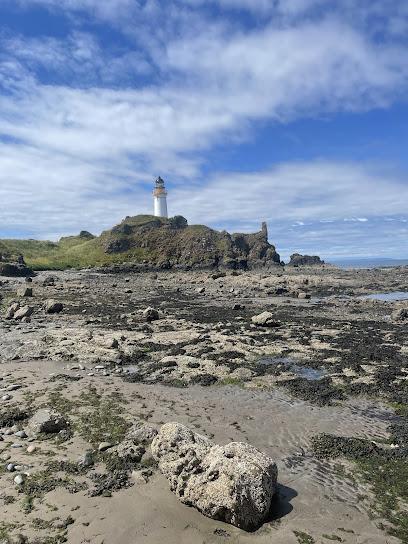
Dalquharran Castle
22.4 km
Explore the evocative ruins of Dalquharran Castle, a neo-classical masterpiece turned romantic ruin nestled in Ayrshire’s scenic countryside.
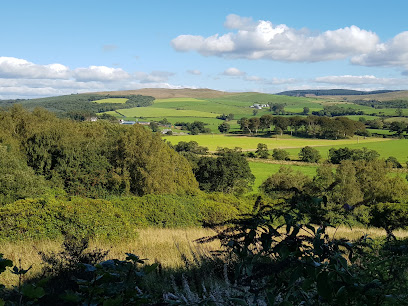
Culzean Castle
26.3 km
Discover Culzean Castle’s dramatic cliff-top grandeur, rich history, and sprawling parkland with gardens, beaches, and family-friendly adventures.
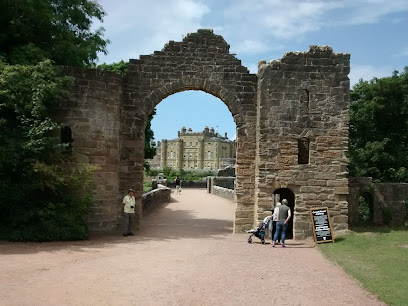
Castle Kennedy Gardens
26.7 km
Explore 75 acres of historic gardens, scenic lochs, and romantic ruins in the tranquil setting of Castle Kennedy Gardens near Stranraer.
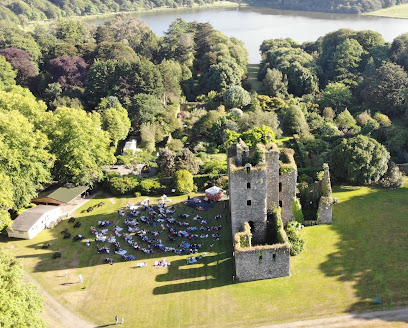
Agnew Park
26.8 km
A vibrant family park on Loch Ryan’s edge, blending scenic beauty with fun activities and a charming miniature railway.
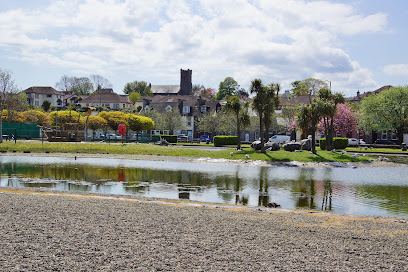
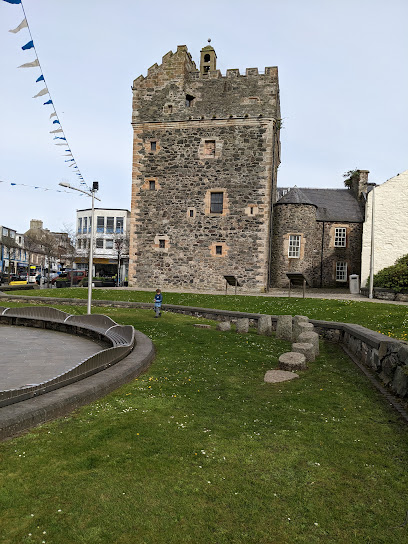
Castle of St. John
27.0 km
Explore the medieval Castle of St John in Stranraer, a historic fortress turned museum revealing centuries of Scottish history and heritage.
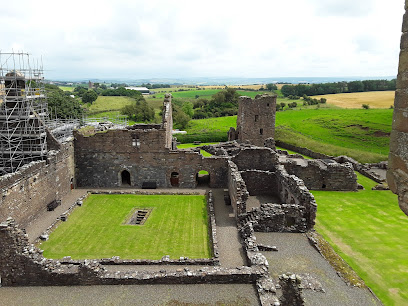
Crossraguel Abbey(Abaid Crossraguel
27.2 km
Explore the remarkably complete ruins of Crossraguel Abbey, a medieval Cluniac monastery steeped in Scottish history and scenic Ayrshire charm.
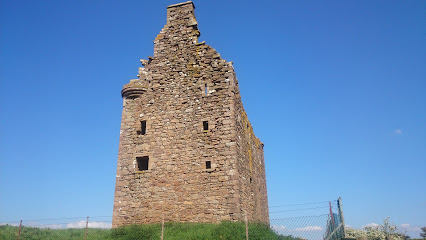
Baltersan Castle(Caisteal Baltersan)
28.0 km
Explore the evocative ruins of Baltersan Castle, a 16th-century Renaissance tower house nestled in the historic Ayrshire countryside near Maybole.
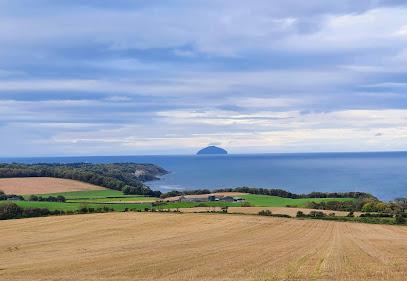
Electric Brae
29.8 km
Discover the surreal optical illusion of Electric Brae, where cars appear to roll uphill amidst stunning Ayrshire coastal views.
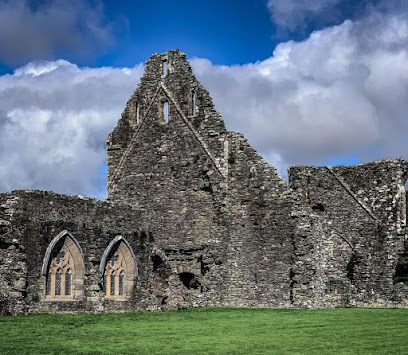
Glenluce Abbey
30.1 km
Explore the evocative ruins of Glenluce Abbey, a serene Benedictine site blending medieval history with tranquil rural beauty.
Essential places to dine

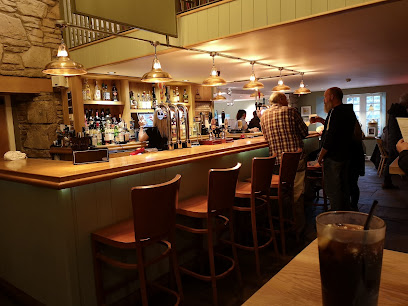
Souters Inn
24.3 km
Historic Burns schoolhouse turned award-winning restaurant, blending Scottish heritage with contemporary culinary excellence.
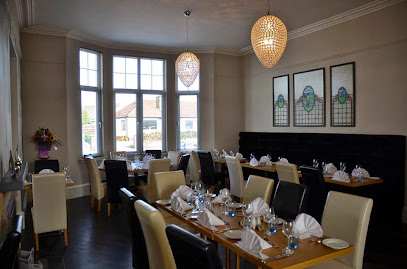
Henrys Bay House Restaurant
26.7 km
Waterfront Scottish dining celebrating fresh seafood and local meats with panoramic Loch Ryan views.
Custom House
26.9 km
A traditional Scottish pub in Stranraer offering hearty meals, friendly service, and a warm, welcoming atmosphere near the ferry terminal.
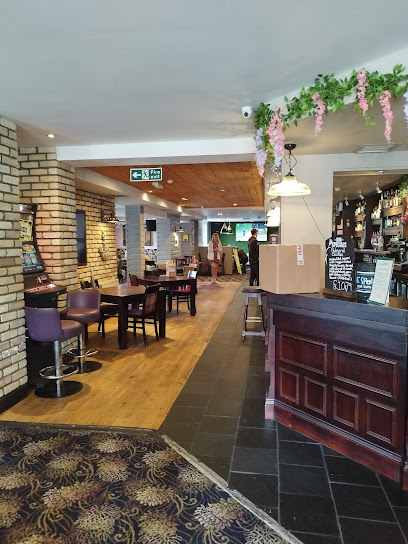
The Greenside Restaurant
29.9 km
A welcoming Maybole eatery offering generous portions, diverse menu, and friendly service in a cozy, clean setting.
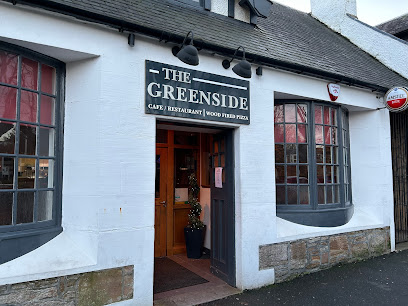
The Galloway Bar & Restaurant
34.8 km
A lively, welcoming spot in Stranraer serving generous, tasty meals with friendly service in a modern, casual setting.
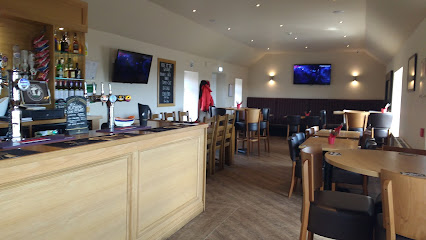
Tigh Na Mara Hotel
37.7 km
Charming coastal hotel in Sandhead with sea views, cozy bar, excellent food, and warm hospitality near the scenic Mull of Galloway.
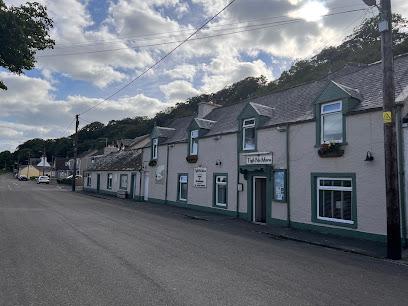
The Cree Inn
38.1 km
Warm Scottish hospitality, quality food, and genuine welcome in a charming Creebridge pub.
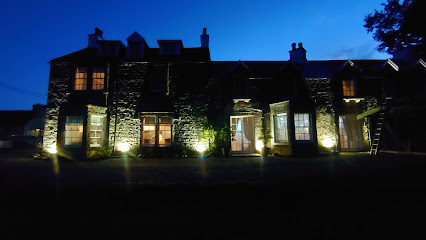
Cock Inn
38.3 km
Cozy coastal pub with classic Scottish dishes, friendly service, and stunning views over Luce Bay near Newton Stewart.
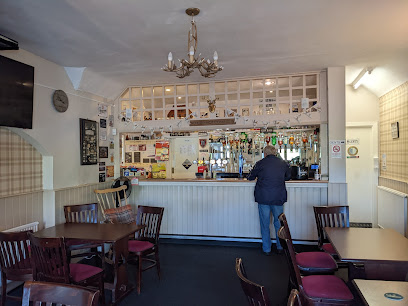
The Riverbank Restaurant
38.3 km
A bright and friendly café in Newton Stewart serving fresh, well-crafted meals and home-baked delights in a welcoming atmosphere.
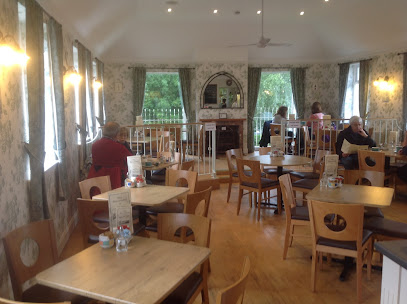
The Balgarth Pines Bar & Restaurant
38.5 km
A welcoming modern British restaurant and bar in Ayr blending traditional flavors with contemporary dining in a relaxed setting.
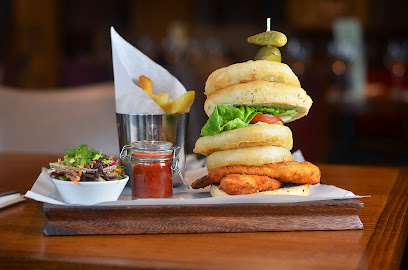
The Crown Hotel
38.5 km
Traditional Scottish inn with modern comfort, quality dining, and warm hospitality in Galloway's market town.
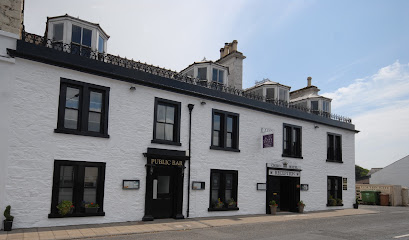
The Secret Garden
38.7 km
A cozy family-friendly bistro in Ayr offering hearty British breakfasts, award-winning coffee, and delightful home baking daily.
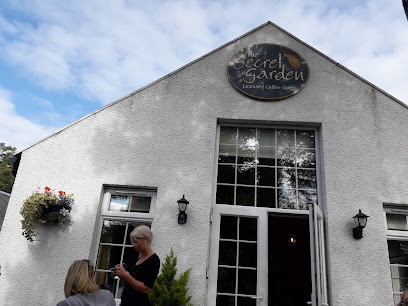
The Shore
38.8 km
Family-run café on Whiting Bay’s shore serving local produce with stunning views over Holy Isle and the Firth of Clyde.
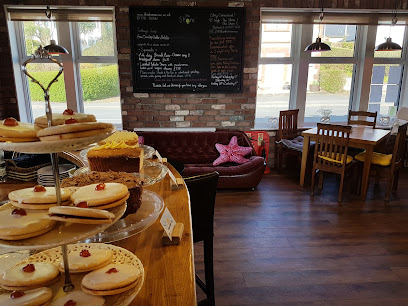
Coast Arran
38.9 km
Coast Arran offers a warm, pet-friendly dining experience with fresh Scottish coastal flavors on the scenic Isle of Arran’s Shore Road.
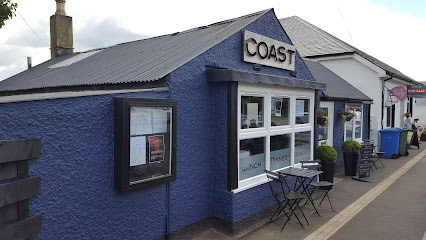
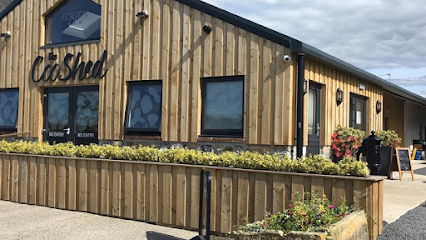
The Coo Shed
38.9 km
Award-winning Ayrshire café serving farm-fresh food, homemade cakes, and afternoon teas in a charming countryside setting with an adjoining plant nursery.
Markets, malls and hidden boutiques

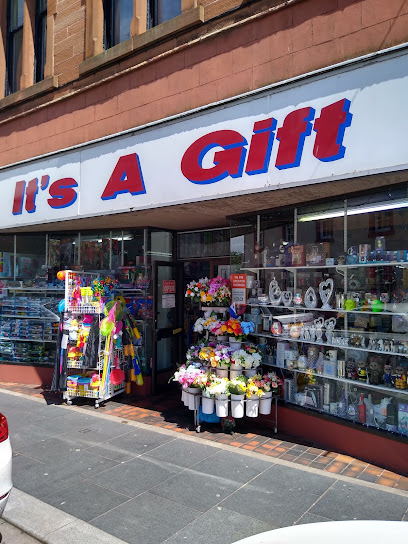
Its A Gift
27.0 km
Explore the charm of Stranraer at 'Its A Gift', a unique gift shop brimming with local treasures and handmade wonders.
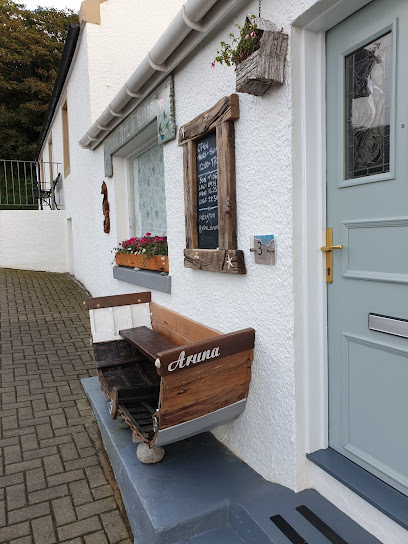
Aruna Art & Gifts
32.3 km
Discover unique handcrafted gifts in a charming harbour-side shop nestled in the historic village of Dunure, Ayr.
Smugglers Cove
34.9 km
Discover quirky treasures and retro gifts at Portpatrick’s charming Smugglers Cove Gift Shop by the scenic harbor.
Treasures Gift Shop
36.9 km
Explore Ayr's Treasures Gift Shop – your destination for unique souvenirs and local crafts that capture the essence of this charming Scottish town.
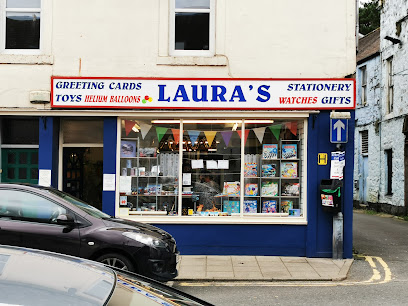
Laura's
38.1 km
Discover authentic Scottish souvenirs and handcrafted treasures at Laura's, a charming gift shop in the heart of Newton Stewart.
The Celtic Knot
38.1 km
Discover unique Scottish clothing and artisan accessories in a warm, welcoming boutique at the heart of Newton Stewart.
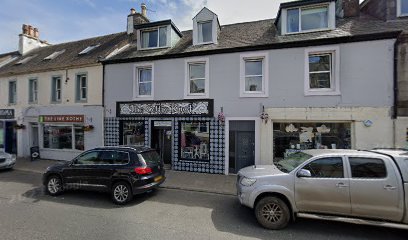
Avocet
38.1 km
Discover unique gifts, candles, garden furniture, and stylish ladies' clothing in a welcoming shop at Newton Stewart’s vibrant Victoria Street.
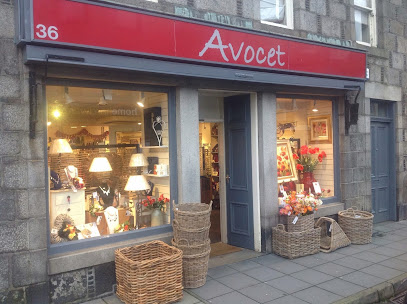
Idlehour Gifts
38.2 km
Explore Idlehour Gifts in Newton Stewart: Your destination for unique, locally crafted treasures that capture the essence of Scotland.
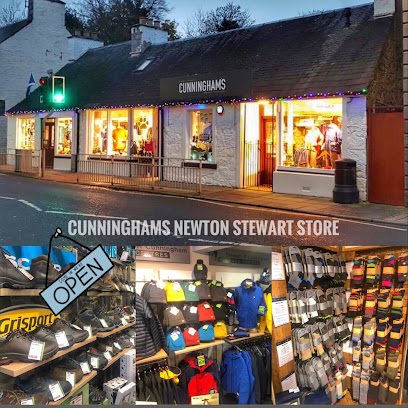
Cunningham Stewart R
38.2 km
Your trusted outfitter for outdoor clothing and equipment in Newton Stewart, serving adventurers exploring the Galloway Hills and beyond.
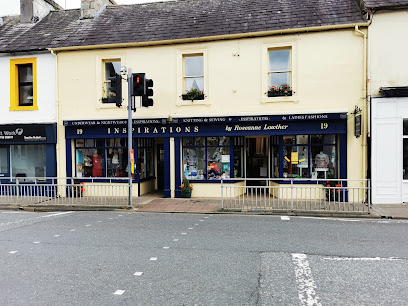
Inspirations
38.2 km
Discover unique sewing and knitting treasures at Inspirations, Newton Stewart’s welcoming hub for craft lovers and fashion enthusiasts alike.
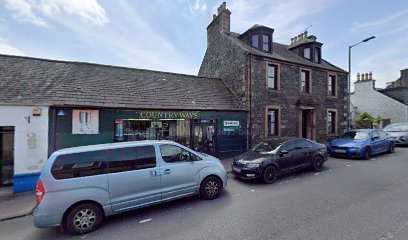
D & W Countryways
38.3 km
Discover premium outdoor clothing and equipment at D & W Countryways in Wigtown, your gateway to exploring Scotland's stunning landscapes.
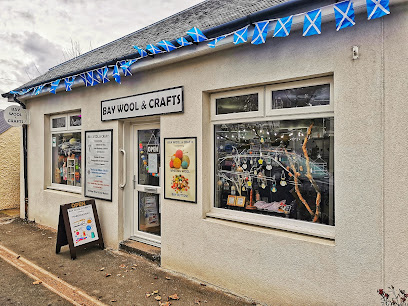
BAY WOOL & CRAFTS
38.9 km
Discover the heart of Arran’s wool craft tradition at Bay Wool & Crafts, Whiting Bay’s unique yarn and artisan shop.
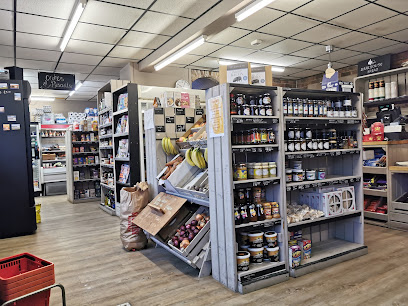
The Bay Kitchen and Stores
39.8 km
A century-old gourmet store in Whiting Bay blending local artisan foods, fresh seasonal produce, and eco-friendly shopping on the Isle of Arran.
L Occasionwear Ayr
41.3 km
Elegant ladies’ formalwear boutique in Ayr offering personalized service and curated occasionwear collections in a bright, welcoming setting.

BOOM!
41.5 km
Ayr’s vibrant gift and collectibles shop, packed with pop culture treasures from Harry Potter, Star Wars, Marvel, DC, and more.
Essential bars & hidden hideouts

Flix Theme Bar
13.7 km
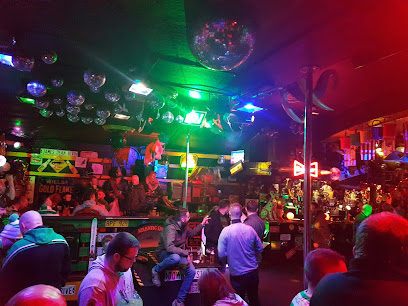
A vibrant bar and nightclub in Girvan offering lively nights, diverse drinks, and versatile event spaces on Bridge Street.
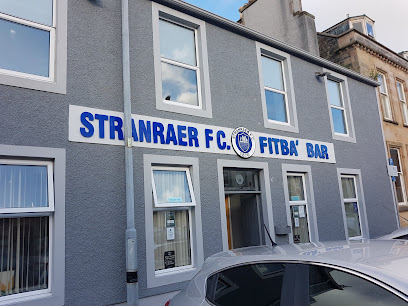
Stranraer F C Fitba Bar
26.9 km
A vibrant sports bar and community hub in Stranraer, blending football passion with live entertainment and friendly local spirit.
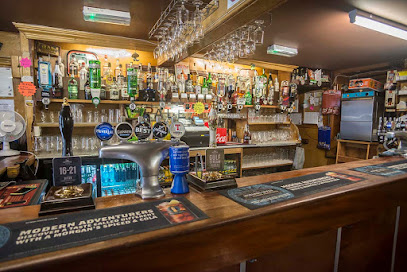
The Grapes
27.1 km
Experience authentic Scottish pub culture in the heart of Stranraer at The Grapes, a welcoming and timeless local favorite.
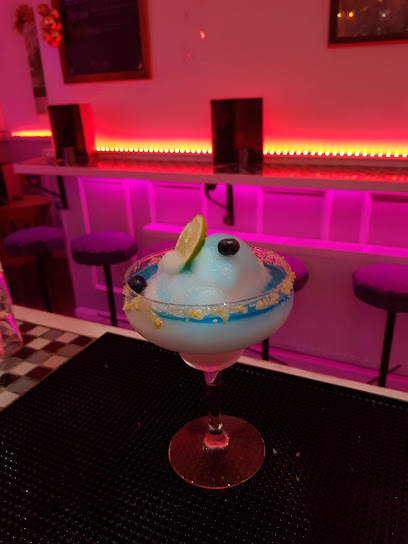
The Meeting Place
27.1 km
A welcoming cocktail bar in Stranraer with expertly crafted drinks, modern mood lighting, and a friendly, pet-inclusive atmosphere.
The Lagg Inn 1791
36.9 km
Historic family-run inn with cosy fires, homemade food, and tranquil gardens on the scenic Isle of Arran’s southern tip.
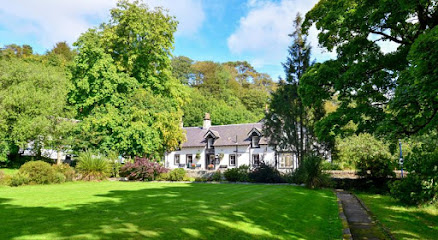
Galloway Arms Hotel
38.1 km
A traditional Scottish inn in Newton Stewart offering hearty local dishes, fine whiskies, and a warm, welcoming atmosphere steeped in regional charm.
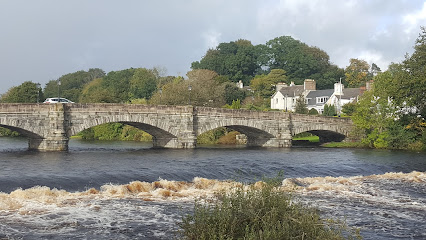
Star Inn
38.3 km
A friendly local bar in Newton Stewart serving hearty pub food with fresh local ingredients in a warm, lively atmosphere.
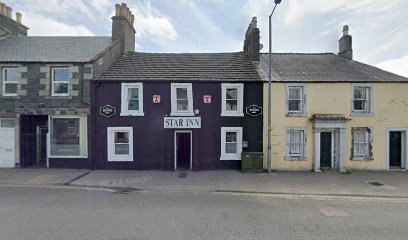
Blackhorse Hotel
38.4 km
Cozy 3-star hotel in Newton Stewart with modern rooms, a lively bar, and friendly local charm in Dumfries and Galloway.
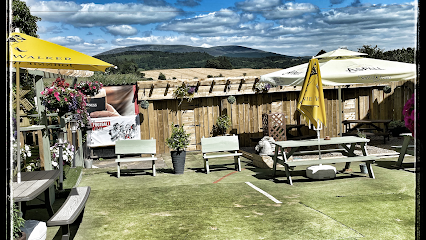
Hollybush Inn
40.0 km
A cozy Ayrshire countryside inn offering modern comfort, hearty food, and a warm, friendly atmosphere for relaxed dining and socializing.
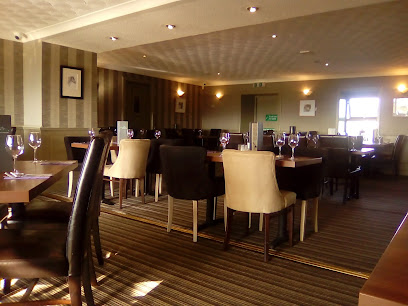
The Growler Taphouse & Kitchen
41.3 km
A lively bar and grill in Ayr offering exceptional craft beers, grilled delights, and a welcoming dog-friendly atmosphere.
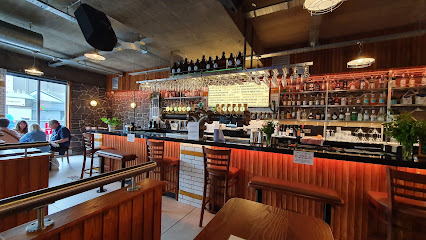
Wellingtons Lounge Bar
41.3 km
Step into Wellingtons Lounge Bar for handcrafted cocktails, live music, and a cozy 1920s vibe in the heart of Ayr’s vibrant social scene.
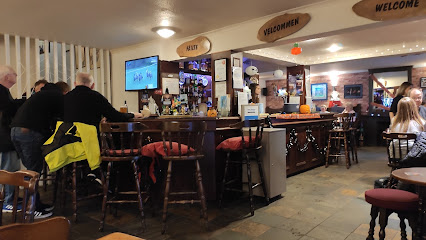
The Twa Dugs
41.4 km
A lively, Burns-inspired Scottish pub in Ayr’s heart, known for unique ales, live music, and an inclusive, welcoming atmosphere.
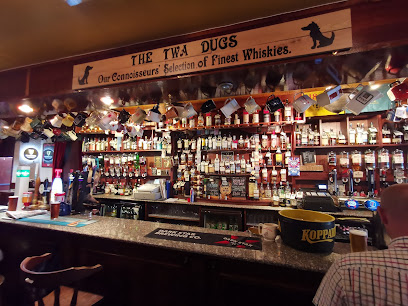
The Market Inn
41.4 km
A warm, traditional Scottish pub in Ayr offering lively football viewing, live music, and a welcoming atmosphere for locals and visitors alike.
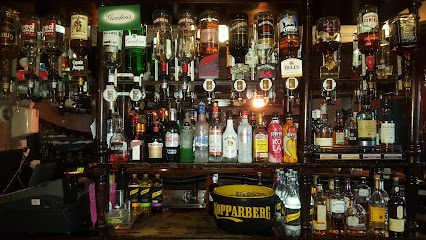
Rabbies Bar
41.4 km
A vibrant Ayrshire pub blending Robert Burns heritage with lively sports, music, and welcoming Scottish hospitality.
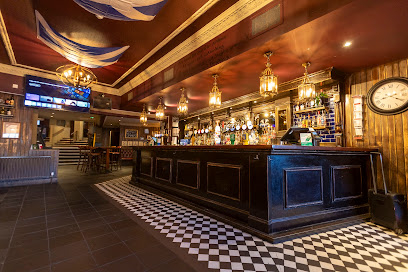
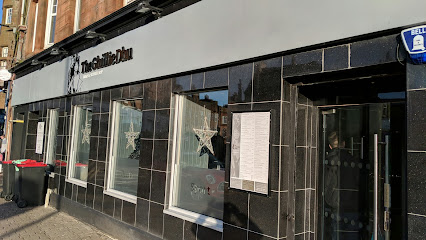
The Ghillie Dhu
41.4 km
A vibrant bar and street food hotspot in Ayr’s Burns Statue Square, blending Scottish tradition with lively music and modern flavors.
Nightclubs & after hour spots

Notion Ayr
41.6 km
Discover the vibrant nightlife at Notion Ayr, an exceptional events venue in the heart of Ayr, perfect for unforgettable social experiences.

Printhouse Ayr
41.8 km
Experience Ayrshire’s vibrant nightlife and live music scene at Printhouse Ayr, where music and atmosphere unite for unforgettable nights.
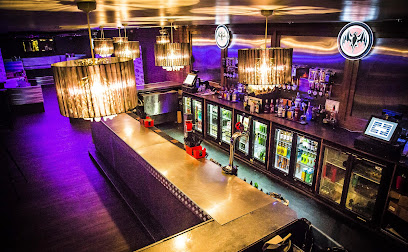
Ayr Ex-Services Club
41.8 km
A friendly and lively social club in Ayrshire offering great music, community spirit, and vibrant weekend nights.
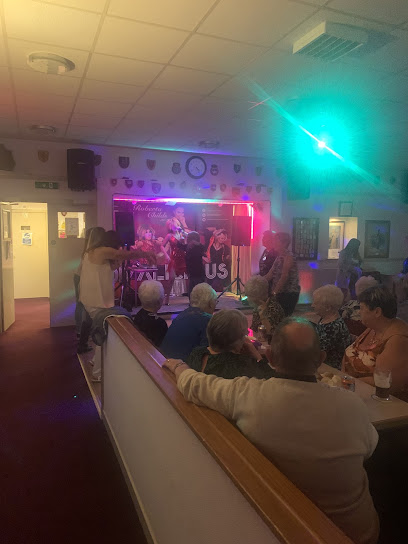
Pitchers Bar and Nightclub
55.9 km
A vibrant and inclusive nightclub in Irvine’s heart, offering lively music, dancing, and a welcoming atmosphere until the early hours.

The Club
60.0 km
A vibrant nightlife hotspot in the heart of Kilmarnock, offering lively music and a welcoming atmosphere for locals and visitors.
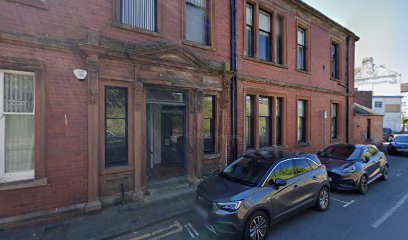
Saturday Night Nightclub
76.8 km
Experience the vibrant pulse of Newtownards nightlife at Saturday Night Nightclub, where music, dancing, and social energy come alive.
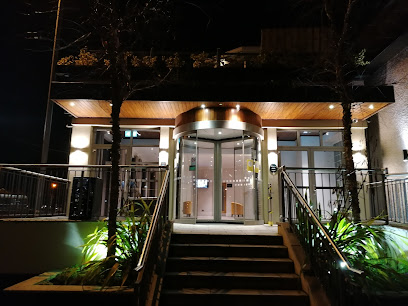
The Galatea
76.9 km
Discover lively evenings at The Galatea, a charming bar in Rothesay offering a delightful atmosphere, local drinks, and friendly service.
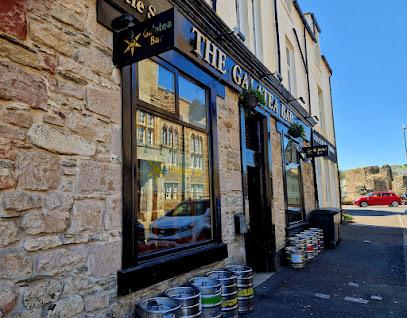
Mac's Bar
77.0 km
Discover the vibrant atmosphere of Mac's Bar in Rothesay, Isle of Bute - a perfect blend of local charm and delightful refreshments.
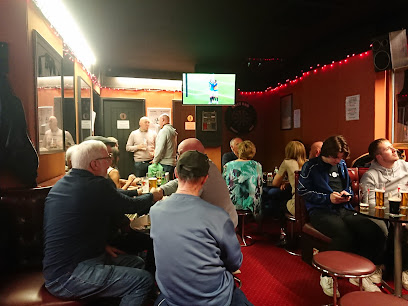
The Golfers
77.0 km
Discover The Golfers, a charming pub in Rothesay, Isle of Bute, perfect for enjoying local cuisine and a friendly atmosphere.
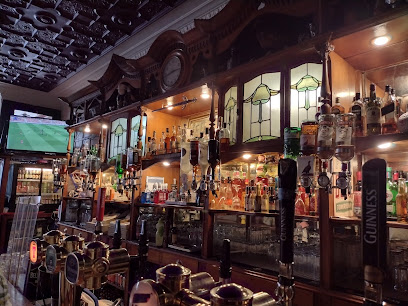
Black Bull Inn
77.0 km
Experience the warmth of Rothesay at the Black Bull Inn, where traditional pub culture meets delicious local cuisine.
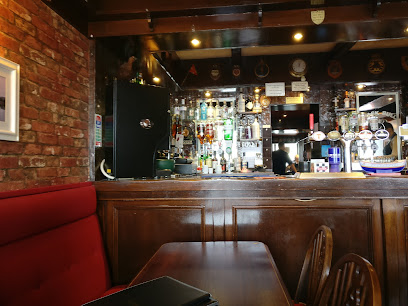
The Taverna Bar
77.0 km
Discover The Taverna Bar in Rothesay - a cozy bar offering local drinks, delicious food, and a vibrant atmosphere on the Isle of Bute.
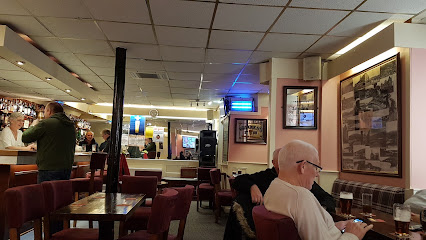
The Islander Bar
77.0 km
Experience the charm of The Islander Bar on the Isle of Bute, where local flavors and stunning harbor views create an unforgettable atmosphere.
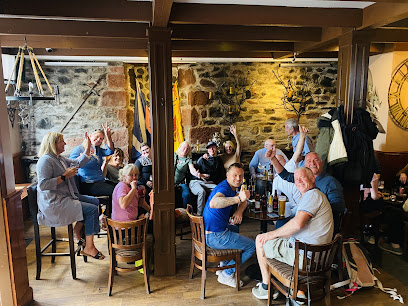
Palace Bar
77.0 km
Discover the warm atmosphere and local flavor of Palace Bar in Rothesay, a perfect spot for relaxation and socializing on the Isle of Bute.
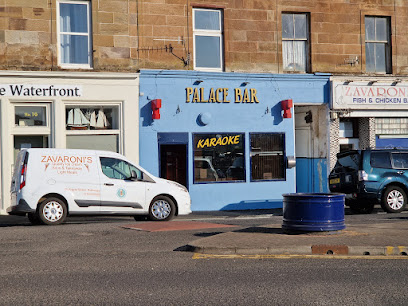
Grapes Bar
77.0 km
Experience the warmth of local hospitality at Grapes Bar, a cozy pub in Rothesay, perfect for relaxing with friends and enjoying a wide selection of drinks.
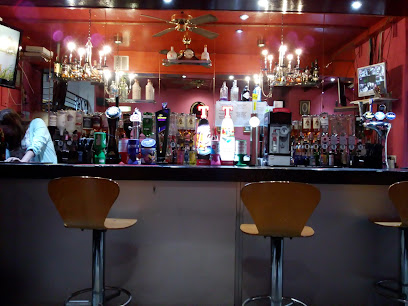
The Scottish Honky-Tonk
79.4 km
Discover the lively Scottish Honky-Tonk on the Isle of Bute for an authentic experience filled with music, hospitality, and local charm.
For the vibe & atmosphere seeker
- Scenic
- Tranquil
- Unique
- Quirky
For the design and aesthetic lover
- Rustic Designs
For the architecture buff
- Historic
- Landmarks
- Parks & Gardens
For the view chaser and sunset hunter
- Iconic Views
- Waterfront
- Sunset Spots
For the social media creator & influencer
- Instagrammable
- Photo Spots
- Selfie Spots
For the eco-conscious traveler
- Protected Area
- Public-Transport Accessible
- Leave-No-Trace Critical
- Locally Managed
For the kind of experience you’re after
- Myth & Legends
- Cultural Heritage
- Nature Escape
- Day Trip
- Weekend Getaway
For how adventurous you want the journey to be
- Easy Access
Location Audience
- Family Friendly
- Senior Friendly
- Child Friendly
- Teen Friendly
- Solo Friendly
- Couple Friendly
- Vegetarian Friendly
- Vegan Friendly


