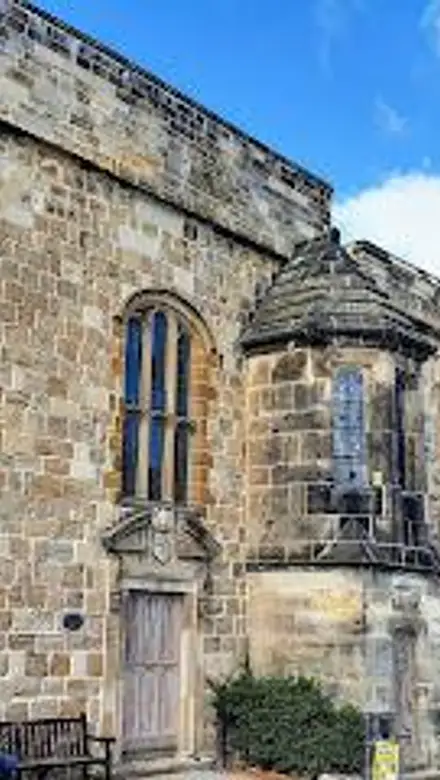
Palace Green Library, Durham Travel Guide
Free Guide: Explore centuries of history and rare collections at Durham’s iconic Palace Green Library, a gateway to the city’s UNESCO World Heritage Site.


A brief summary of Palace Green Library
Explore centuries of history and rare collections at Durham’s iconic Palace Green Library, a gateway to the city’s UNESCO World Heritage Site.
Palace Green Library in Durham is a historic university library and cultural hub located on the UNESCO World Heritage Site peninsula. Founded in the 17th century by Bishop John Cosin, it houses extensive collections of rare books, manuscripts, and archives, alongside exhibitions on local history and archaeology. The library blends centuries-old architecture with modern conservation efforts, offering visitors a unique glimpse into Durham's rich heritage and academic legacy.
On-site amenities
 Restrooms
 Information boards
 Seating areas
Opening hours
- Every day10 am–5 pm
Opening hours as listed on the venue’s Google Business Profile. Hours can change for services and special events, so check with the venue before you go.
- Address
- Palace Green, Durham DH1 3RN
- Phone
- Website
Getting there
Bus
Walking
Taxi
Discover more about Palace Green Library
A Historic Beacon of Knowledge and Heritage
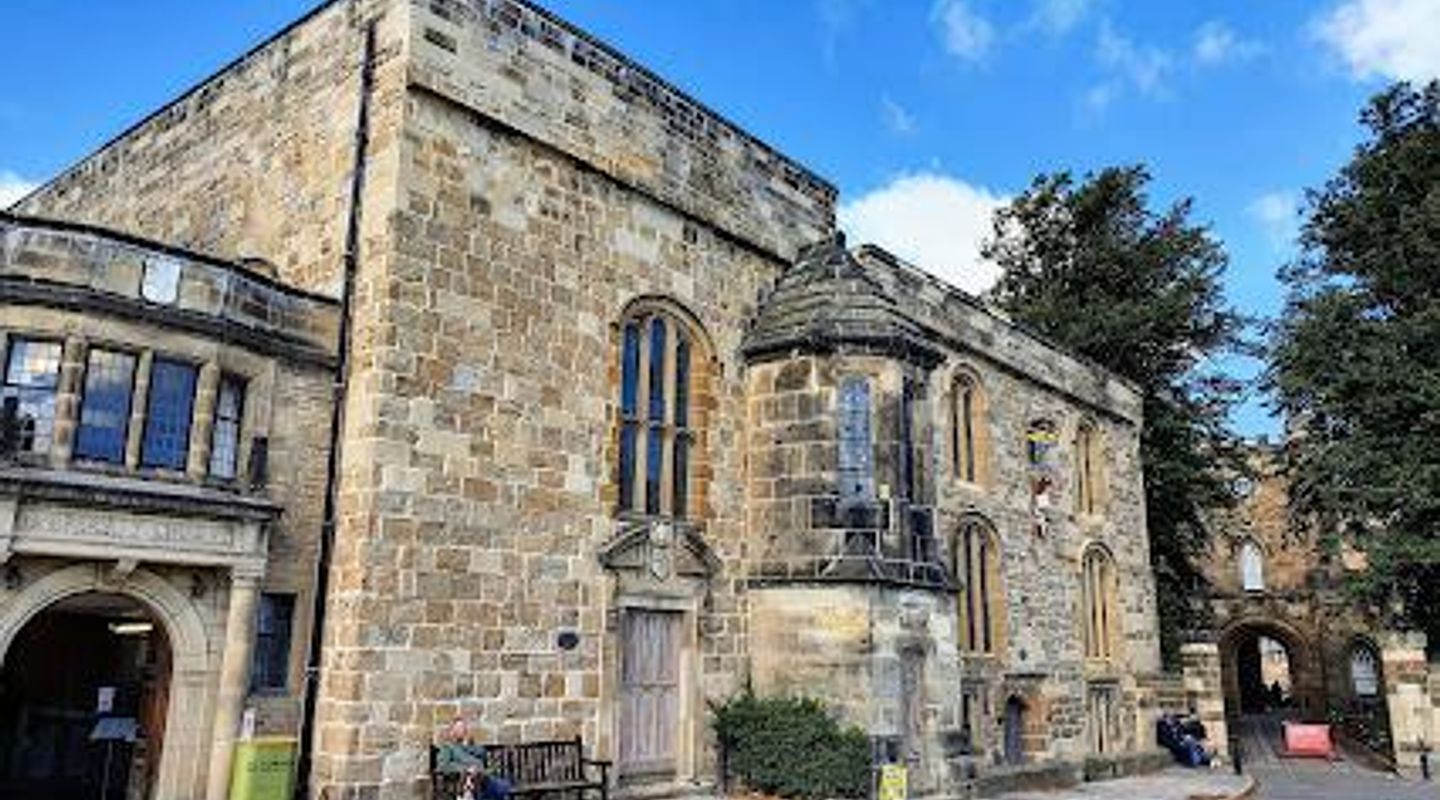
Palace Green Library stands proudly at the heart of Durham’s historic peninsula, nestled between the iconic Durham Cathedral and Castle. Originally established in 1669 by Bishop John Cosin, a noted bibliophile and churchman, the library is one of the oldest surviving libraries in Northeast England. Its foundation marked the beginning of a public lending tradition in the region, and over the centuries it evolved into a vital repository for Durham University’s archives and special collections. The library complex comprises multiple historic buildings dating from the 15th century onward, including the 17th-century Cosin’s Library and the 19th-century purpose-built extensions that have been carefully integrated into the site.
Architectural Layers and Conservation
The ensemble of buildings that form Palace Green Library reflects a layered architectural history, from medieval stonework to Georgian and Victorian additions. The library’s setting on Palace Green—a grassy square once the city’s market place—enhances its stately presence amid Durham’s medieval streetscape. Inside, visitors encounter not only vast collections of rare books—over 70,000 printed before 1850, including incunabula—but also carefully curated exhibition spaces. The Dennyson Stodart Gallery hosts temporary exhibitions, while permanent displays highlight Durham’s history and the Durham Light Infantry’s military heritage. Conservation workshops are visible through windows, offering a rare insight into the delicate care of priceless manuscripts and bindings.
Cultural and Academic Significance
Beyond its role as a public museum, Palace Green Library remains a working academic resource. The Barker Research Library within the complex provides quiet study spaces and access to archives for scholars and researchers by appointment. Its collections encompass manuscripts, photographs, maps, and documents that chronicle centuries of regional and university history. The library’s ongoing exhibitions and events connect the public with Durham’s cultural heritage, including archaeological finds from Roman and medieval periods and notable local artists’ works. The library also serves as the gateway visitor centre for the Durham World Heritage Site, offering interactive displays that explain the significance of the peninsula’s historic buildings and landscapes.
Visitor Experience and Accessibility
Visitors to Palace Green Library can explore the historic interiors, exhibitions, and the surrounding World Heritage Site ambiance. Opening hours have recently been adjusted, with the library generally open Tuesday to Friday from 10am to 5pm, and weekends from 11am to 4pm during summer months, though closures on Mondays and some seasonal variations apply. While the library does not have on-site café facilities, nearby cafes and amenities complement a visit. Access to some areas involves steps, and visitors are advised to check current accessibility information. Admission is free for general entry, with occasional charges for special exhibitions.
Engaging Stories and Local Legacy
The library’s collections tell fascinating stories about Durham’s past and its people—from Bishop Cosin’s original vision to the preservation of medieval manuscripts like St Cuthbert’s Gospel. Exhibitions have featured treasures such as the Lindisfarne Gospels and works by Norman Cornish, a celebrated local artist. The library’s role in safeguarding these cultural artifacts underscores its importance not only as a university institution but as a custodian of regional identity and history. Its location on Palace Green places it at the cultural crossroads of Durham, inviting visitors to immerse themselves in a rich tapestry of heritage, scholarship, and community.
Continuing Legacy in a World Heritage Context
Palace Green Library is integral to Durham’s UNESCO World Heritage Site, linking the academic world with the city’s medieval origins. The library’s ongoing exhibitions, educational programs, and conservation efforts ensure that this historic site remains a vibrant part of Durham’s cultural landscape. Its unique blend of historic architecture, scholarly resources, and public engagement makes it a must-visit destination for those interested in history, literature, and archaeology within one of England’s most picturesque and historically rich cities.
Evendo Review Centre
 Google
Guest reviews
Best time to go
Quietest: Jan, Feb & Dec · before 7am or at 8pm
Busy times are Evendo estimates for a typical year, to help you plan. Actual crowds vary with events, school holidays and the weather.
Explore Palace Green Library on the map
A handpicked selection of must-see spots near Palace Green Library, mapped for you.
Get your free copy of our complete guide to Palace Green Library, delivered straight to you.
Everything on this page, from opening hours and how to get there to Eve’s tips and the best time to go, in one PDF you can read offline, print or share.
Already have an account? Sign in
Your Palace Green Library guide is ready.
We'll send it to · Not you? Sign out

Getting your guide ready…
We are putting together a fresh copy of the Palace Green Library guide. This can take up to a minute.
This can take a few moments. If your browser asks, choose Allow so the download can start. You'll find the guide in your Downloads folder.
Nothing happened? Download it again
Sorry, the guide is taking longer than usual. Please try again in a minute, or get it by email instead.
Unlock the best of Palace Green Library
Skip-the-line tickets, guided tours with entry, and walking tours of the area, booked in a few clicks.


Other nearby places you may find interesting
The closest places of the same kind, if this one is not quite what you had in mind.
-
-
-
-
-


Swipe for more places
More to explore near Palace Green Library

 Best experiences near Palace Green Library
 Best hotels near Palace Green Library
 Best landmarks near Palace Green Library
 Best attractions near Palace Green Library
 Best shops near Palace Green Library
 Best restaurants near Palace Green Library
 Best bars near Palace Green Library
Do you manage this location?
Take control to get all the benefits, like improved information, better appearance, and stronger visibility across AI-powered discovery.
Explore more

Explore more of Durham
Discover the unique blend of history and modernity in Durham. From the iconic Cathedral in England to the vibrant innovation hub in North Carolina.
Explore Durham
Explore more of United Kingdom
Discover the United Kingdom: A blend of rich history, stunning landscapes, and vibrant cities, offering a unique travel experience for every visitor.
Explore United Kingdom