

Department of Classics and Ancient History at Durham University
Classical scholarship in a medieval setting: Durham's premier centre for ancient languages, philosophy, and Mediterranean studies.
Located on the historic North Bailey in Durham's medieval heart, the Department of Classics and Ancient History is one of England's leading centres for classical scholarship. Housed in a Grade I listed building adjacent to Durham Castle, the department combines rigorous language study with exploration of ancient Greek, Roman, and Mediterranean cultures. Home to world-class researchers and extensive special collections, it offers postgraduate programmes and welcomes visitors interested in classical heritage.
A brief summary to Department of Classics and Ancient History • Durham University
- 38 N Bailey, Durham, DH1 3EU, GB
- +441913341670
- Visit website
- Duration: 1 to 3 hours
- Free
-
 Indoor
- Mobile reception: 5 out of 5
Local tips
- Visit during term time (September to June) when the department is most active and academic events, seminars, and lectures are regularly scheduled. Contact the department in advance if you wish to visit the special collections or discuss postgraduate programmes.
- Explore the surrounding Peninsula area on foot—the Cathedral, Castle, and Palace Green Library are all within a few minutes' walk and provide complementary historical context to classical studies.
- The North Bailey street itself is one of Durham's most picturesque and historically significant thoroughfares; allow time to appreciate the medieval architecture and atmosphere of the location.
- If interested in classical reception or ancient philosophy, inquire about public lectures and seminars hosted by the department's research centres, which are occasionally open to the wider community.

For the on-the-go comforts that matter to you
- Restrooms
- Drinking Water
- Information Boards
- Seating Areas
Getting There
-
Walking from Durham City Centre
From Durham Market Place, walk north along Saddler Street for approximately 5 minutes. The street becomes North Bailey as it climbs toward the Cathedral. The Department of Classics and Ancient History is located at 38 North Bailey, on the left side as you ascend. The walk is steep but manageable, passing through the heart of medieval Durham. No parking is required; the route is pedestrian-friendly with good pavement.
-
Bus from Regional Centres
Regional bus services connect Durham to Newcastle, Sunderland, and surrounding areas, with journey times of 30–60 minutes depending on origin. Local buses within Durham operate frequent services to the city centre (typically every 10–20 minutes during weekdays). From the bus station, walk north through the city centre to North Bailey as described above. Single fares within Durham cost approximately £1.50–£2.50; regional fares vary by distance.
-
Train to Durham Station
Durham Railway Station is served by regular East Coast Main Line services from London King's Cross (approximately 2.5–3 hours), Edinburgh (approximately 1.5 hours), and Newcastle (approximately 15 minutes). From the station, the city centre and North Bailey are a 15–20 minute walk uphill, or local buses operate frequent services. Train fares vary by advance booking; typical off-peak returns from London range from £30–£80.
-
Parking in Durham City Centre
Several car parks operate within Durham city centre, including Millburngate, Walkergate, and North Road car parks, all within 5–10 minutes' walk of North Bailey. Parking charges typically range from £1.50–£2.50 per hour, with daily rates around £8–£12. On-street parking is limited and subject to permit restrictions. The steep terrain and narrow medieval streets make walking preferable once parked.
Department of Classics and Ancient History • Durham University location weather suitability
-
 Any Weather
-
 Mild Temperatures
-
 Cold Weather
Discover more about Department of Classics and Ancient History • Durham University
A Centre of Classical Excellence in Medieval Durham
The Department of Classics and Ancient History occupies a prominent position on North Bailey, one of Durham's most historically significant streets. This location places the department at the heart of the university's historic Peninsula, surrounded by medieval architecture and within sight of Durham Castle and the Cathedral. The building itself reflects the scholarly traditions of the institution, with its Grade I listed status marking its architectural and cultural importance. The department's position on this ancient thoroughfare creates a tangible connection between contemporary classical scholarship and the medieval world that inspired much of European learning.Research and Academic Distinction
The department has established an international reputation for excellence in classical studies, supported by several dedicated research centres. The Centre for Classical Reception explores how ancient texts and ideas have been interpreted across centuries. The Centre for the Study of the Ancient Mediterranean and the Near East investigates the broader cultural contexts of classical civilisation. The Centre for Language and Writing Systems examines how ancient languages functioned and evolved. The Durham Centre for Ancient and Medieval Philosophy bridges classical and medieval thought, while the Centre for Classics Pedagogy Education and Didactics advances teaching methodologies. These research hubs generate significant scholarly activity and attract international collaborators.Collections and Resources for Scholars
The department maintains an exceptional library collection of approximately 8,000 volumes of ancient texts in original languages and translation. This extensive resource supports advanced research and provides students with direct access to primary sources. The collection is housed within the university's broader special collections system, which includes materials spanning from prehistoric times through the post-medieval period. These holdings make the department a destination for serious classical scholars and researchers pursuing specialised study in ancient languages, philosophy, history, and culture.Teaching and Postgraduate Programmes
The MA in Classics is offered as a one-year full-time or two-year part-time programme, combining intensive language study with thematic modules across philosophy, history, literature, and visual culture. Teaching emphasises small-group seminars and discussions, enabling in-depth engagement with classical texts and ideas. Students may specialise in Greece, Rome and the Near East, or Ancient Philosophy, and complete a major dissertation under expert supervision. The curriculum reflects the department's research strengths and commitment to producing scholars capable of contributing to the field at the highest level.The Historic Peninsula Setting
The department's location on North Bailey places it within Durham's most atmospheric and historically layered quarter. The Peninsula contains five residential colleges, the Cathedral Library, and numerous academic departments housed in converted historic buildings. The area is linked by the Kingsgate Bridge to Dunelm House, home of the Students' Union, creating a walkable academic community. The medieval street layout, stone architecture, and proximity to the Cathedral and Castle create an environment that reinforces the study of classical heritage and ancient history.Iconic landmarks you can’t miss

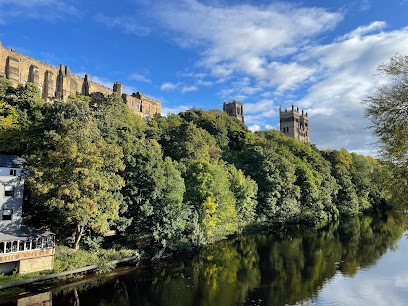
Framwellgate Bridge
0.3 km
Durham’s oldest stone bridge, a medieval marvel offering iconic views of the cathedral and river, steeped in history and timeless charm.
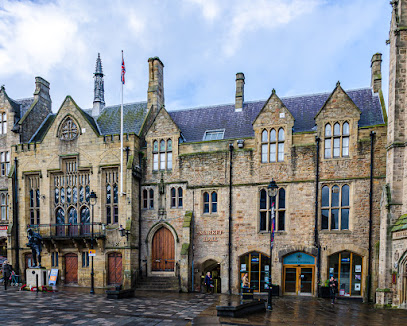
Market place
0.4 km
Medieval marketplace meets Victorian grandeur—Durham's beating heart of commerce, culture, and community.
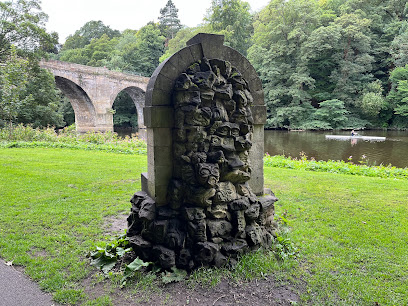
Kathedra
0.4 km
Explore the Kathedra in Durham, a stunning gothic stone chair by the river, perfect for history lovers and photography enthusiasts alike.
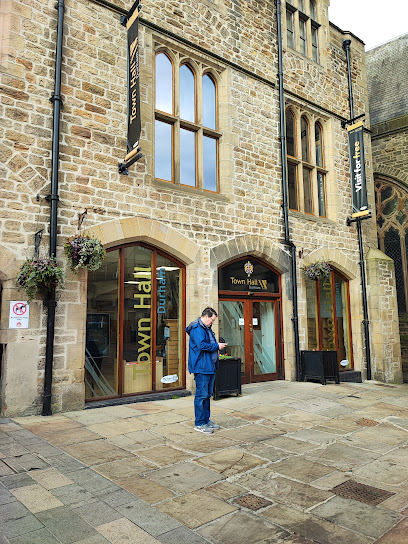
Durham Town Hall
0.4 km
Victorian civic landmark hosting culture, heritage, and community in Durham's historic heart.
Durham British Israel Fellowship
0.5 km
Discover the Durham British Israel Fellowship: A historical church offering community spirit, stunning architecture, and a glimpse into Durham's rich heritage.
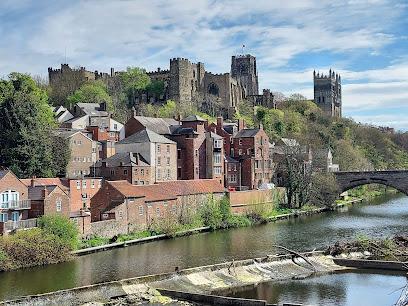
Durham
0.7 km
Explore Durham Cathedral, a Norman architectural masterpiece and spiritual sanctuary with stunning views, sacred relics, and rich medieval heritage.
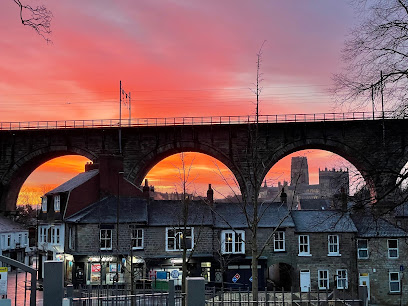
Durham Viaduct
0.7 km
A majestic Victorian railway viaduct soaring over Durham’s River Wear, blending engineering excellence with stunning historic city views.
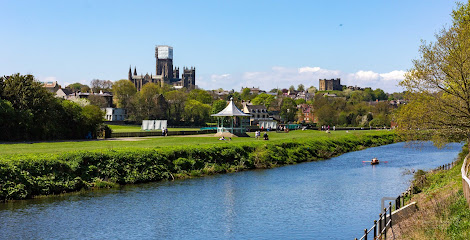
Durham Band Stand
0.8 km
A peaceful riverside bandstand with one of Durham’s most iconic cathedral views, perfect for quiet moments and photography by the River Wear.
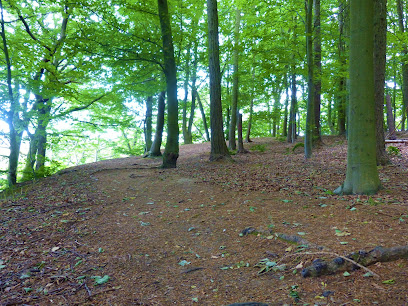
Maiden Castle Earthwork
1.0 km
Explore Durham’s ancient Iron Age promontory fort with its impressive earthworks nestled in tranquil woodland overlooking the River Wear.
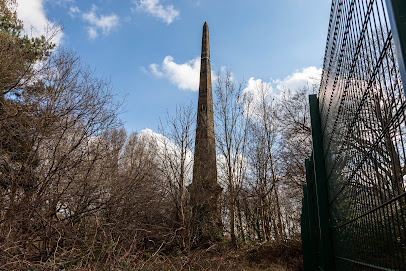
Durham Obelisk
1.1 km
A hidden 90-foot sandstone tower concealed by woodland, marking Durham's forgotten astronomical heritage.
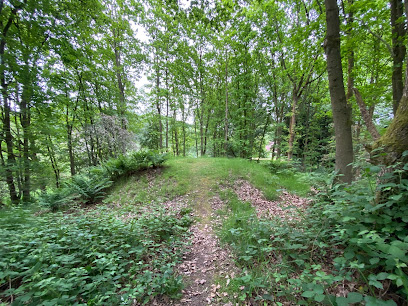
Maiden's Bower
1.1 km
Explore Maiden's Bower, a serene Bronze Age cairn nestled in Durham's Flass Vale, where ancient history meets tranquil woodland beauty.
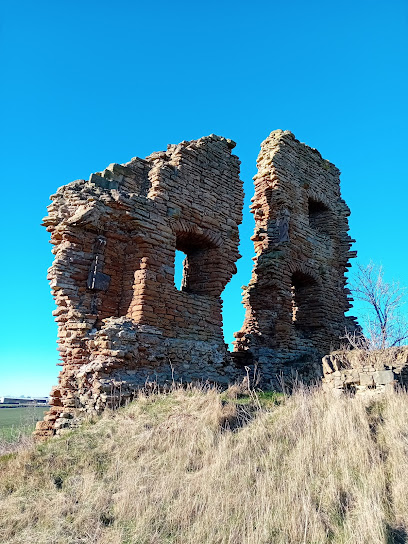
Ludworth Tower
8.2 km
A rare 15th-century pele tower standing as a testament to medieval border fortifications
The High Level Bridge
21.6 km
A pioneering double-deck Victorian bridge uniting rail and road across the River Tyne, symbolizing Newcastle’s industrial heritage.
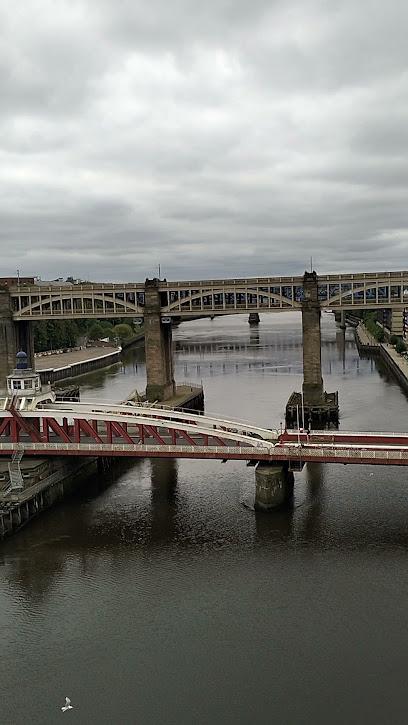
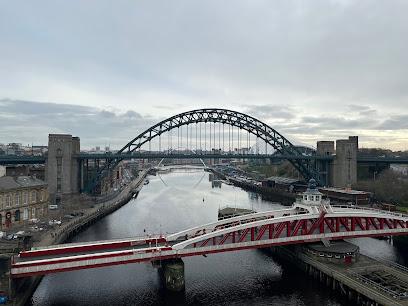
Tyne Bridge
21.7 km
An iconic steel arch bridge spanning the River Tyne, symbolising NewcastleGateshead’s industrial heritage and modern spirit.
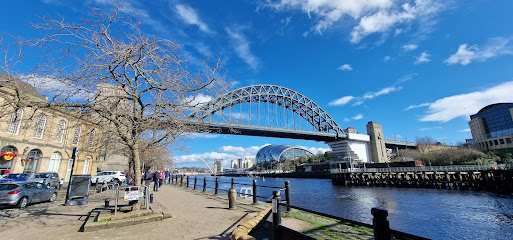
Quayside
21.7 km
Quayside is a dynamic riverside district where iconic bridges meet vibrant culture, blending industrial heritage with modern art and lively waterfront life.
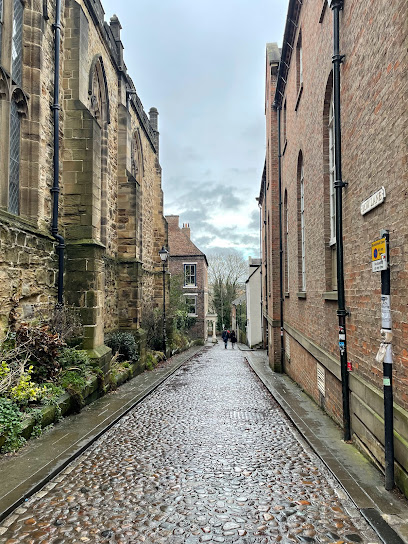
Unmissable attractions to see

Durham Museum
0.0 km
Medieval heritage and local history in the heart of historic Durham, near the cathedral.
Department of History • Durham University
0.1 km
Explore history where Durham’s rich past meets vibrant academic excellence at the University’s historic North Bailey location.
Museum of Archaeology • Durham University
0.1 km
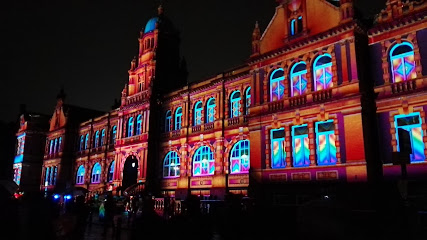
Explore northeast England’s ancient past in a historic university library at the heart of Durham’s UNESCO World Heritage Site.
Palace Green
0.1 km
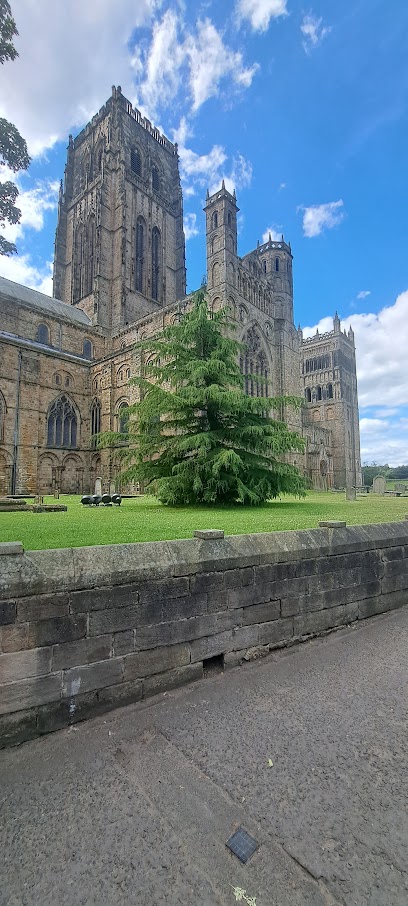
Historic green heart of Durham, framed by Norman cathedral and castle, blending medieval power with academic heritage.
World Heritage Site Visitor Centre
0.1 km
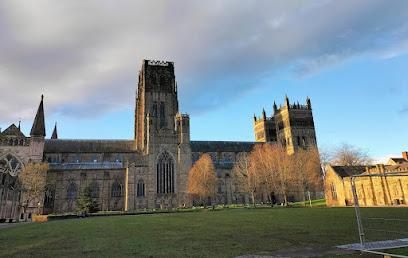
Free gateway to understanding Durham's UNESCO World Heritage Site and medieval treasures
Durham Cathedral
0.1 km
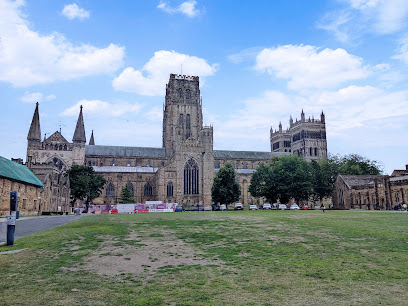
Discover Durham Cathedral’s Norman grandeur, sacred relics, and breathtaking views in the heart of a UNESCO World Heritage Site.
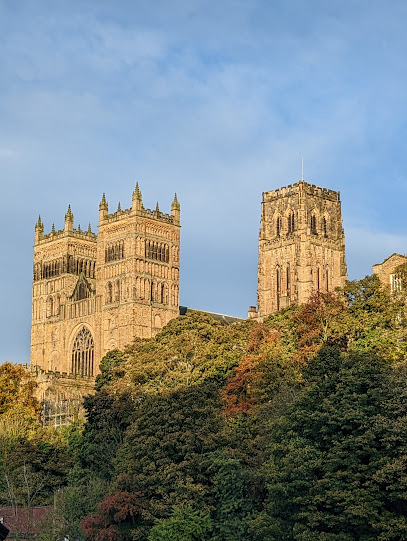
Palace Green Library
0.1 km
Explore Durham’s historic Palace Green Library, a treasure trove of rare books, exhibitions, and heritage in the heart of a UNESCO World Heritage Site.
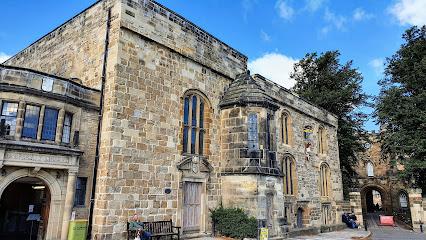
Durham Castle
0.2 km
Explore over 1000 years of history in this Norman castle, a UNESCO World Heritage Site and vibrant university residence in the heart of Durham.
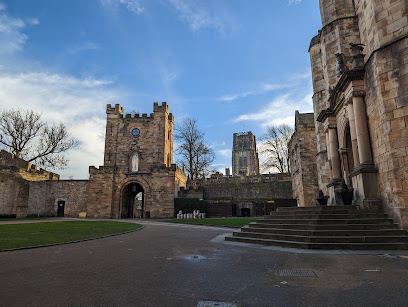
Escape Rooms Durham
0.2 km
Immersive puzzle adventures in Durham's historic centre—from spy missions to gothic mysteries.
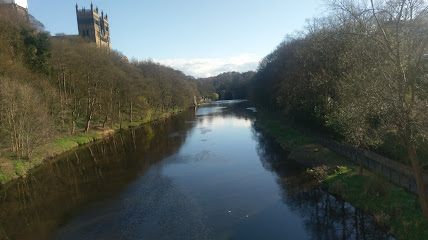
Elvet Bridge
0.2 km
A medieval stone arch bridge over the River Wear, now a lively pedestrian walkway with cafes, restaurants and stunning views of Durham Cathedral and the city’s dramatic river gorge.
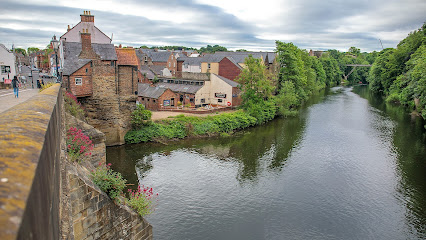
Riverside walk
0.3 km
Explore Durham’s scenic 3-mile riverside loop with historic bridges, cathedral views, and tranquil green spaces along the River Wear.
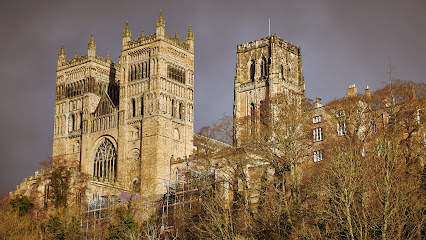
Durham Big Sing
0.3 km
A joyful community choral event in Durham celebrating inclusive singing and vibrant local music culture.
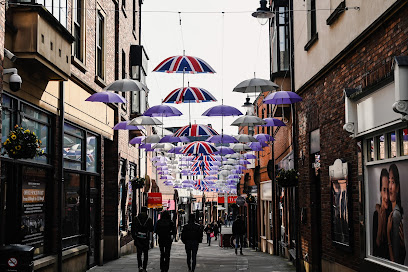
Umbrella alley
0.3 km
A vibrant canopy of colorful umbrellas brightening Durham’s Millburngate Shopping Centre with artful charm and urban whimsy.
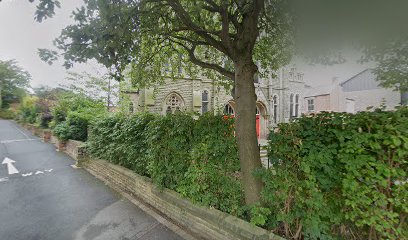
No 59 Old Elvet
0.3 km
An intimate evening bistro on historic Old Elvet street, blending local heritage with contemporary dining in the heart of Durham.
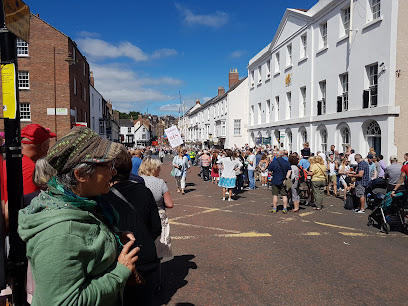
Revolution Durham
0.3 km
Lively lounge and restaurant on Durham’s riverside offering creative cocktails, seasonal British fare, and rooftop views of historic landmarks.

Essential places to dine

Lebaneat
0.1 km
Experience authentic Lebanese flavors with generous portions and diverse dietary options in the heart of historic Durham.
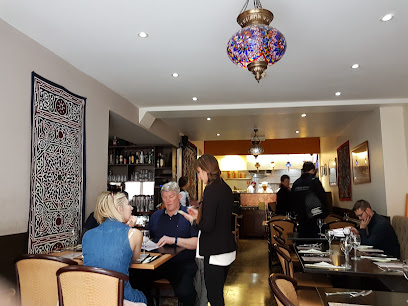
Zizzi - Durham
0.2 km
Modern Italian dining in the heart of Durham – wood-fired pizzas, fresh pasta, and a relaxed atmosphere just steps from the cathedral.
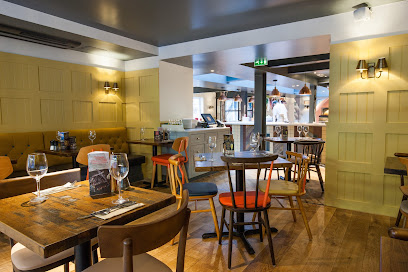
The Cellar Door
0.2 km
Historic riverside dining with seasonal Modern European cuisine and scenic terraces in the heart of Durham.
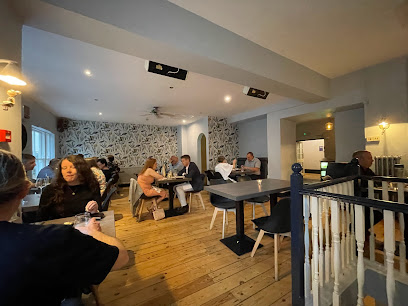
The Undercroft Restaurant
0.2 km
Historic charm meets locally sourced British fare in Durham Cathedral’s tranquil medieval café.
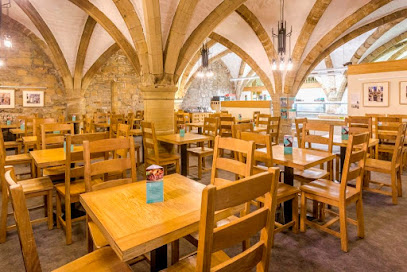
Flat White Kitchen
0.2 km
Experience Durham’s finest coffee and brunch in a cozy 17th-century townhouse with a modern rustic vibe and welcoming atmosphere.
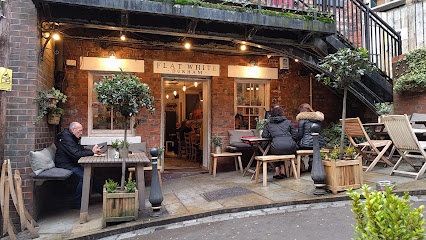
Tango Durham
0.2 km
Lively American-style burgers, fresh local produce, and creative cocktails in Durham’s vibrant city centre with riverside terrace dining.
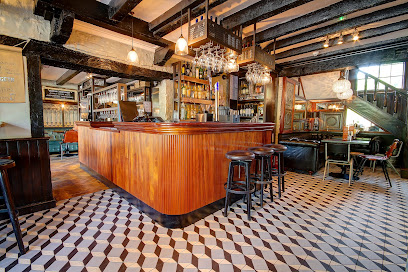
Fat Hippo Durham
0.2 km
Savor bold, inventive burgers in a quirky multi-level venue on historic Saddler Street, Durham’s heart of casual dining.
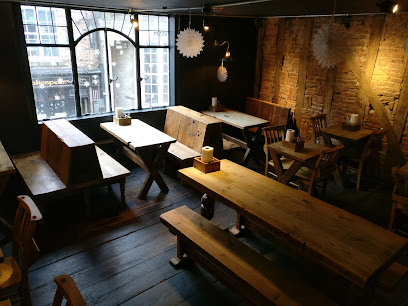
La Spaghettata
0.2 km
Durham’s longest-standing independent Italian restaurant, serving authentic, hearty Italian dishes in a cozy, welcoming setting since 1996.
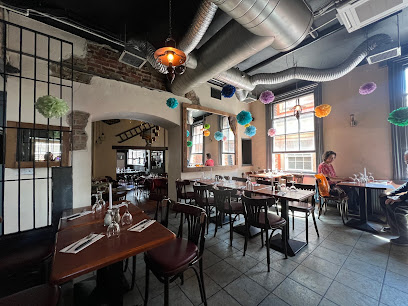
Notch Durham
0.2 km
Slow-cooked American barbecue and craft cocktails in Durham's vibrant city centre.
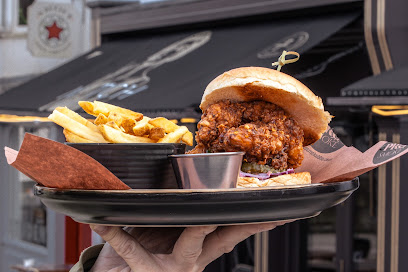
19Twenty Bar & Grill
0.2 km
Modern grill and cocktail bar on Durham’s Elvet Bridge, serving gourmet burgers and steaks with scenic riverside views.
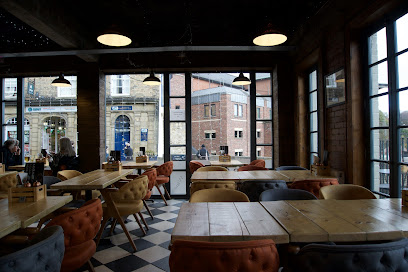
Turkish Kitchen Meze and grill
0.2 km
Authentic Turkish grilling and meze in Durham's vibrant city centre, where tradition meets modern hospitality.
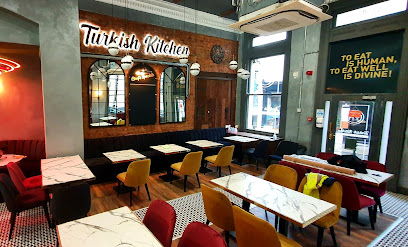
Restaurant 17
0.3 km
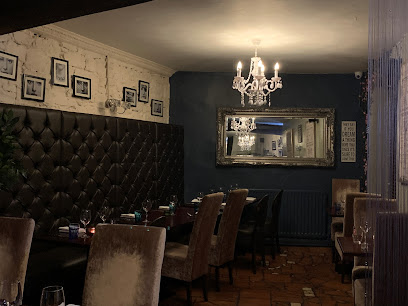
Boutique dining below Elvet Bridge offering world-inspired dishes in an intimate, candlelit setting with fresh local ingredients.
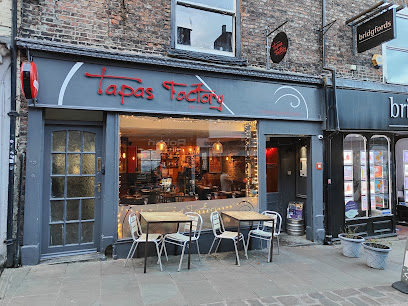
Tapas Factory
0.3 km
Authentic Spanish tapas and Mediterranean flavors in Durham's vibrant city center.
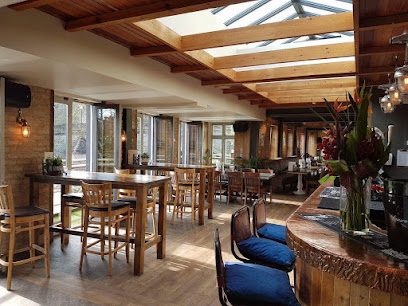
The Boat Club & Tomahawk Steakhouse
0.3 km
Discover exquisite steaks and crafted cocktails at The Boat Club & Tomahawk Steakhouse on Elvet Riverside - where taste meets tranquility.
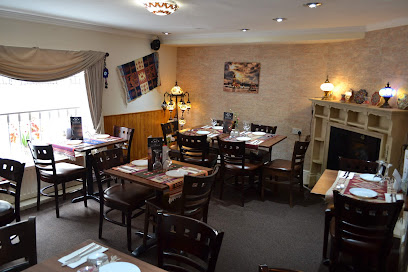
Akarsu Turkish Restaurant & Grill
0.3 km
Authentic Turkish flavors and vibrant dining in the heart of historic Durham with stunning river and landmark views.
Markets, malls and hidden boutiques

The Georgian Window
0.2 km
Discover stylish ladies’ fashion, unique gifts, and elegant accessories in the heart of Durham at The Georgian Window.
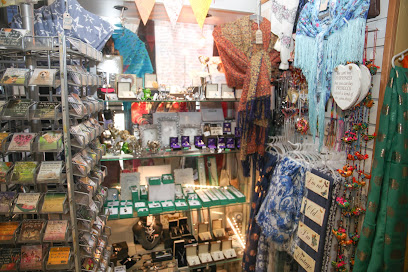
Italian Clothes Room Inside Georgian Window
0.2 km
Discover elegant Italian fashion in Durham’s historic Georgian window boutique, blending timeless style with personalized service.
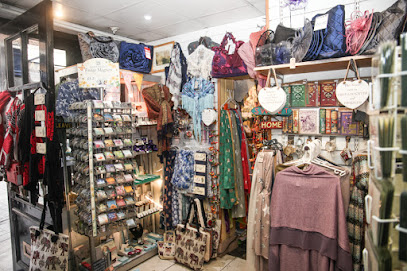
The Cathedral Shop
0.2 km
Curated gifts and books supporting Durham Cathedral's conservation, housed in medieval undercroft spaces.
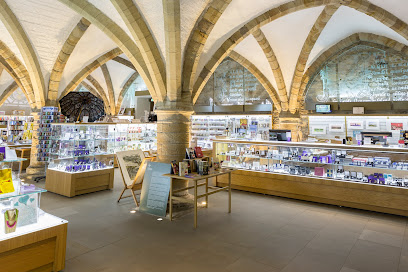
Circle Vintage Durham
0.2 km
Discover Durham’s largest curated vintage clothing collection in a charming historic boutique on Saddler Street.
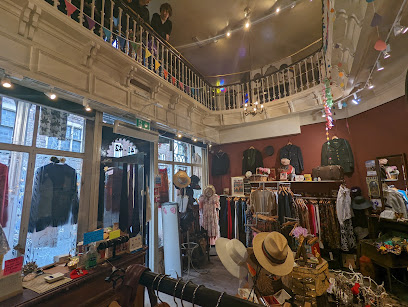
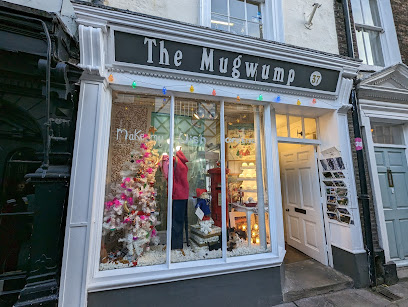
The Mugwump
0.2 km
Discover Durham’s iconic boutique blending vintage fashion, unique gifts, and local art in a charming historic setting.
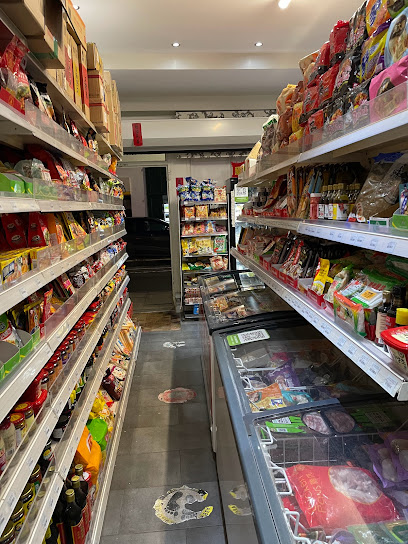
7 Day Store
0.2 km
Discover authentic Asian flavors and ingredients at Durham’s vibrant 7 Day Store, open daily for your culinary adventures.
Waceland Durham
0.2 km
Discover handpicked vintage gems and streetwear essentials in a family-run boutique at the heart of Durham’s Saddler Street.
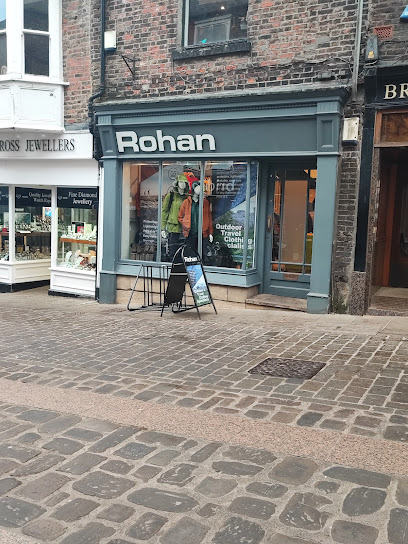
Rohan Durham - Outdoor Clothing & Walking Gear
0.2 km
Discover Rohan Durham, your premier destination for high-quality outdoor clothing and gear, perfect for every adventurer in the beautiful English countryside.
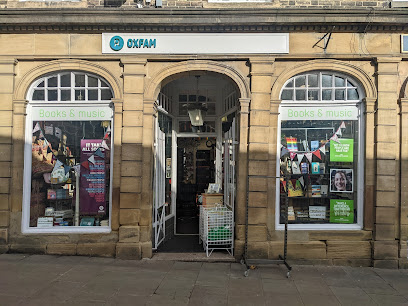
Oxfam Shop
0.3 km
Discover pre-loved books, music, and more at Durham’s Oxfam Shop—where every purchase supports global poverty relief and sustainability.
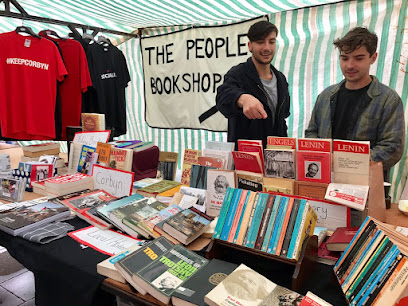
People's Bookshop Durham
0.3 km
Discover Durham’s vibrant radical bookshop, a volunteer-run haven for second-hand books and community stories.
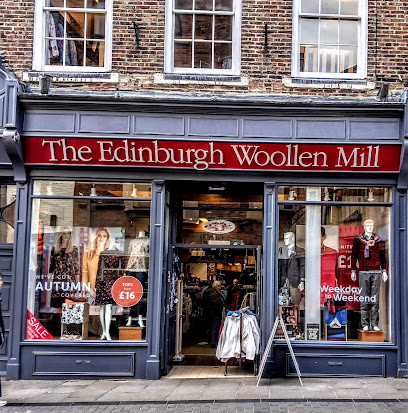
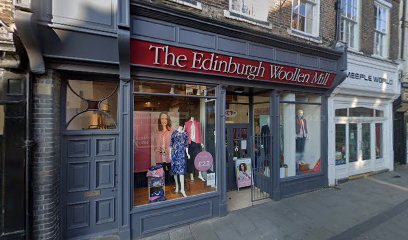
The Edinburgh Woollen Mill
0.3 km
Discover timeless Scottish knitwear and heritage fabrics at The Edinburgh Woollen Mill in Durham’s historic Saddler Street.
The Boathouse
0.3 km
Discover unique clothing and accessories at The Boathouse in Durham, a charming shop showcasing local designs and a welcoming atmosphere.
Cloth
0.3 km
Discover Durham’s hidden basement gem for costumes, vintage clothing, fabrics, and party supplies all in one quirky, creative boutique.
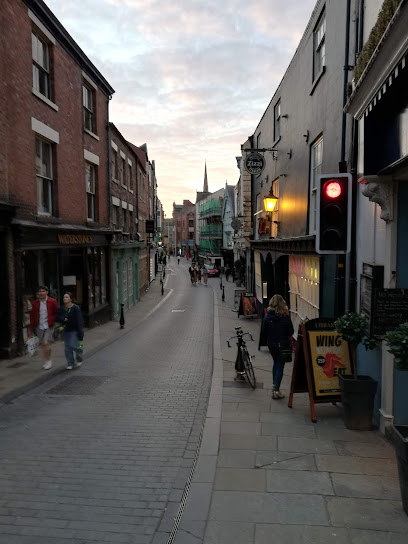
BEAR BOTTOM
0.3 km
Discover unique gifts, collectibles, and local craftsmanship at Bear Bottom, Durham’s beloved indoor market shop.
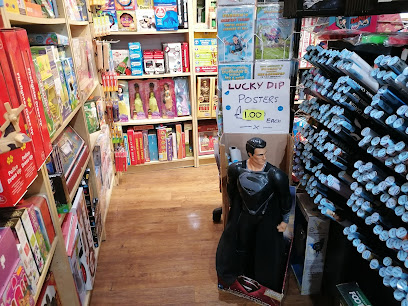
Elvet & Bailey
0.3 km
Discover unique handmade gifts and local artisan treasures at Elvet & Bailey, Durham’s beloved boutique in Prince Bishops Shopping Centre.
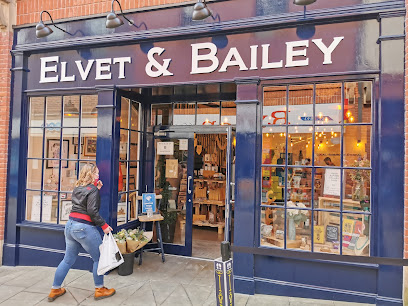
Essential bars & hidden hideouts

24 North Bailey Club
0.2 km
Durham students’ beloved late-night bar and social club, blending historic charm with lively events on the iconic North Bailey.
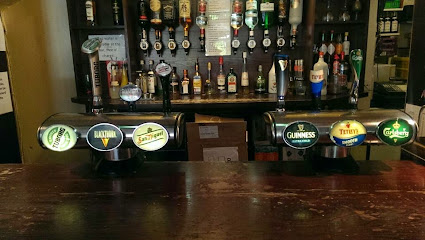
The Library
0.2 km
A lively pub and social hub in Durham offering quality drinks, creative vegan dishes, and a quirky, welcoming atmosphere from morning till late.
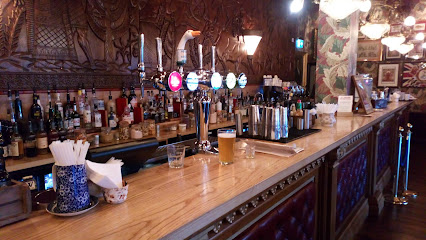
The Shakespeare
0.2 km
A historic and quirky Durham pub famed for its real ales, theatrical roots, and ghostly tales in a cosy 12th-century setting.
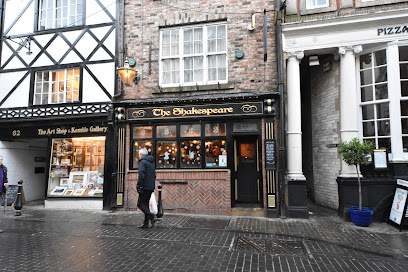
Osbournes
0.2 km
A vibrant, intimate bar and club in Durham known for its lively music nights, extensive gin selection, and welcoming local vibe.
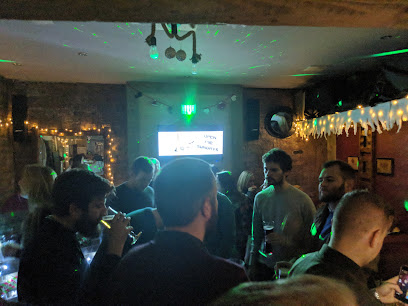
The Half Moon Inn
0.2 km
Historic Tudor pub on Durham’s riverside offering award-winning ales, scenic courtyard views, and a warm local atmosphere.
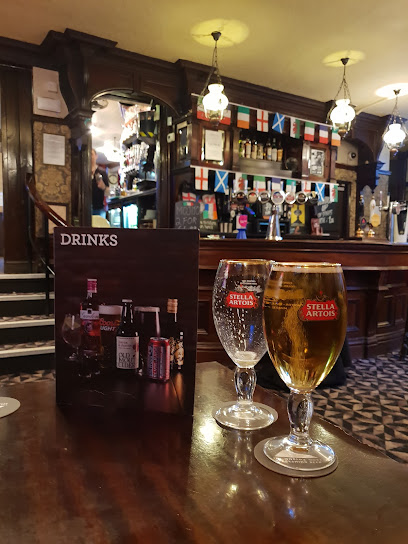
Blue Eye
0.2 km
Durham’s stylish cocktail bar with creative drinks, lively vibes, and a welcoming atmosphere on historic Elvet Bridge.
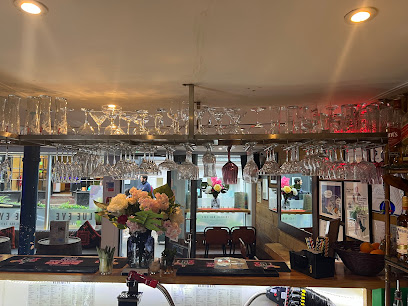
Tin Of Sardines Gin Bar - Durham
0.3 km
Discover Durham’s tiniest gin bar with a colossal selection, expert service, and an intimate, unforgettable atmosphere on Elvet Bridge.
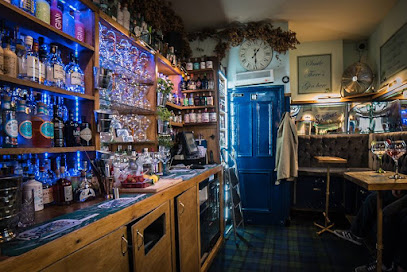
Swan & Three Cygnets
0.3 km
Traditional riverside pub with a no-technology policy, affordable drinks, and cosy charm beside Durham’s historic Elvet Bridge.
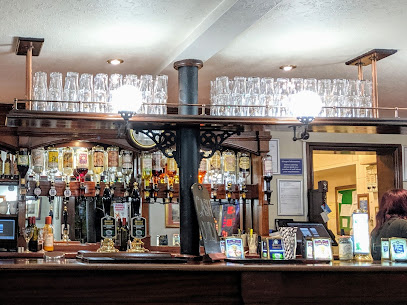
Old Toms Gin Bar
0.4 km
Discover Durham’s riverside gem with over 250 gins, artisan boards, and expert Ginologists crafting unforgettable cocktails.
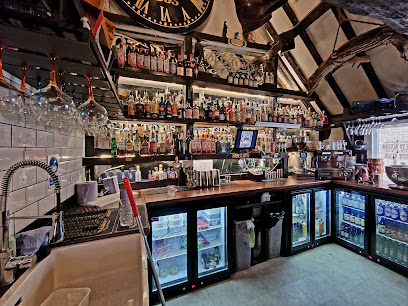
The Fighting Cocks
0.4 km
A lively, affordable pub in Durham’s city centre, perfect for casual drinks and socializing in a friendly, unpretentious setting.
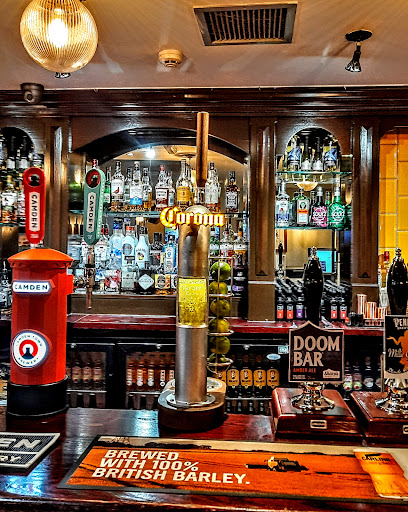
Dun Cow Durham
0.4 km
Historic Durham pub famed for traditional ales, Tudor Revival interiors, and a warm, authentic local atmosphere.
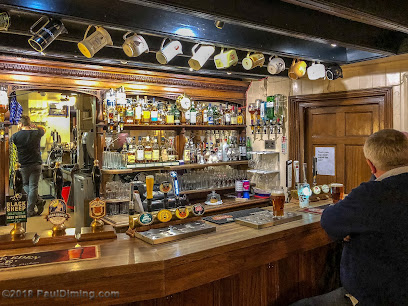
The Drunken Duck
0.4 km
A welcoming and lively British pub in Durham's heart, offering quality drinks and a classic atmosphere for locals and visitors alike.
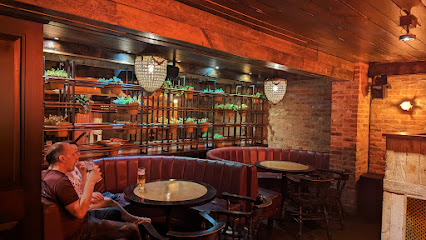
The Three Bridges
0.4 km
A lively British pub in Durham blending traditional charm with modern dining, drinks, and sports in a welcoming atmosphere.
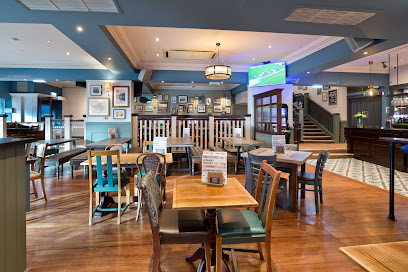
The Holy GrAle
0.5 km
Discover Durham’s vibrant craft beer scene at The Holy GrAle, a quirky bar with local brews, live music, and a welcoming atmosphere.
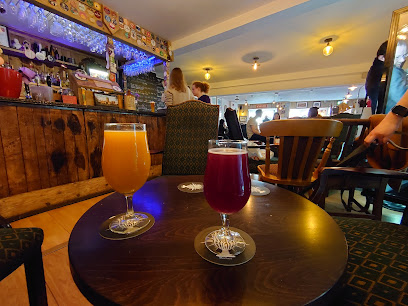
Ye Old Elm Tree
0.5 km
Historic Durham pub blending centuries-old charm with a lively, welcoming atmosphere and excellent real ales.
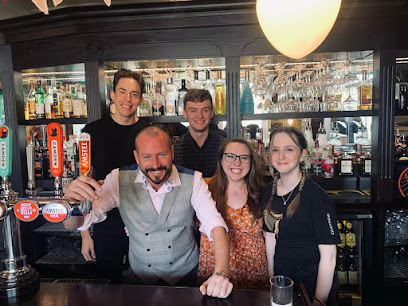
Nightclubs & after hour spots

Klute
0.2 km
Durham’s iconic, unapologetically rough nightclub famed for nostalgic beats, cheap drinks, and a legendary student party atmosphere.
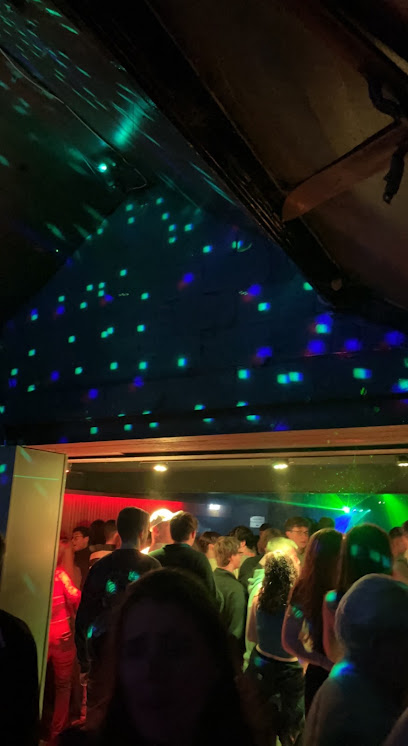
Jimmy Allens
0.2 km
Dive into Durham’s iconic vaulted nightclub where free entry, cheap drinks, and lively crowds create unforgettable nights beneath Elvet Bridge.
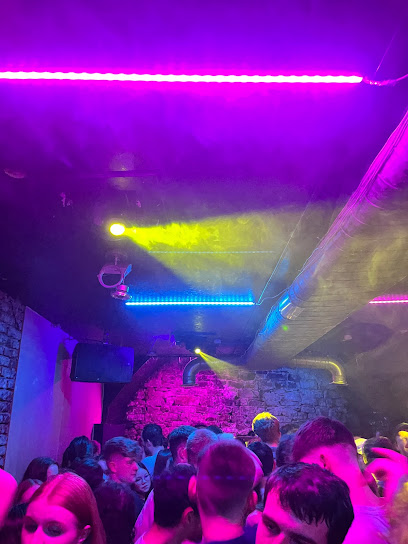
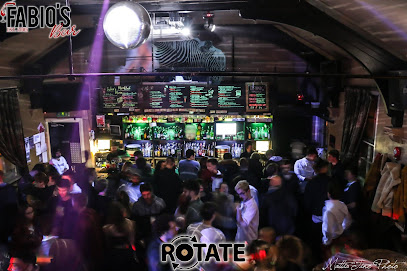
Fabio's Bar
0.2 km
Durham’s lively student nightclub and live music bar above the iconic La Spaghettata, buzzing with events and authentic local charm.
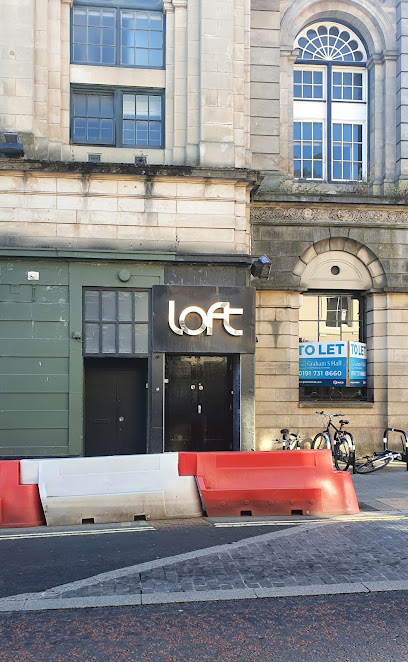
Loft Durham
0.5 km
Discover Loft Durham, the ultimate nightlife destination offering vibrant music, energetic dancing, and a chic atmosphere in the heart of Durham.
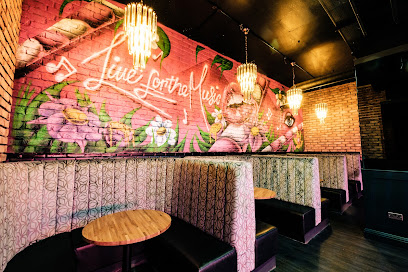
Bohemia Durham
0.5 km
Bohemia Durham pulses with vibrant nightlife energy, offering dynamic music and a lively social scene in the heart of historic Durham.
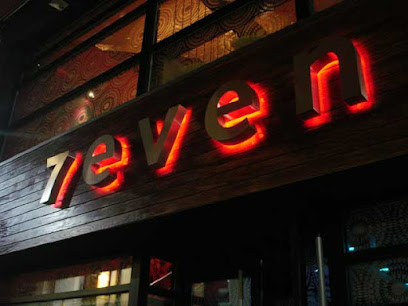
7even Nightclub
18.8 km
Sunderland’s alternative nightclub with two floors of indie, soul, and rock music, hosting themed parties and vibrant late-night events.
Warehouse Night Club(SR44)
21.7 km
Experience Newcastle’s vibrant underground gay nightclub scene at Warehouse Night Club (SR44), where eclectic music and lively parties come alive.
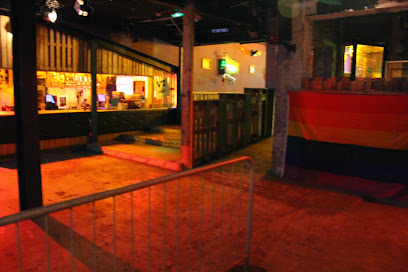
Digital
21.7 km
Experience cutting-edge nightlife with superior sound and vibrant energy at Digital, Newcastle’s premier clubbing destination in Times Square.
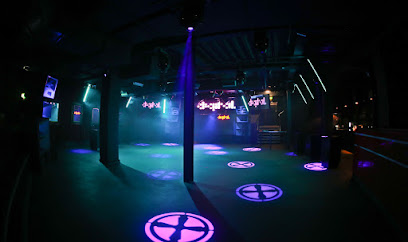
Powerhouse
21.8 km
Newcastle’s iconic four-floor nightclub blending rich LGBTQ+ history with vibrant, inclusive nightlife and dynamic music scenes.
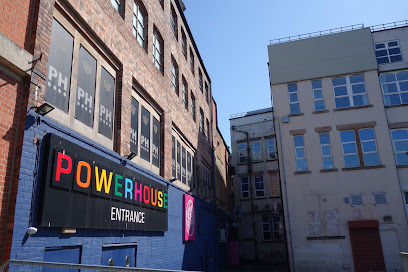
TheCUT Newcastle
21.9 km
Discover Newcastle’s vibrant alternative nightclub with themed indie, rock, and disco nights in a cozy, unpretentious setting.
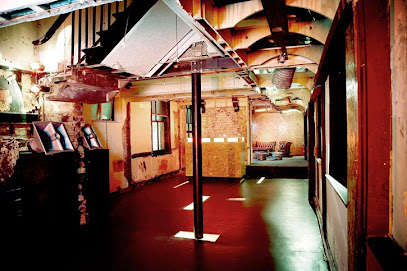
Tup Tup Palace
21.9 km
Experience Newcastle’s vibrant nightlife in style at Tup Tup Palace, a luxurious club blending exotic décor with pulsating beats until the early hours.
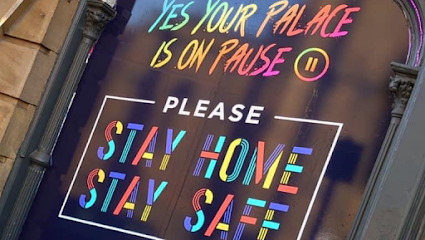
The Social Club
21.9 km
Experience Newcastle’s vibrant nightlife at The Social Club, where music, cocktails, and dancing come alive until the early hours.
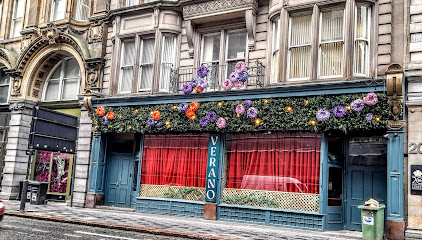
Bohemia Newcastle
21.9 km
Neon-lit cocktail bar and compact club with graffiti murals, a mezzanine dance space and a sheltered courtyard terrace for late-night socialising.
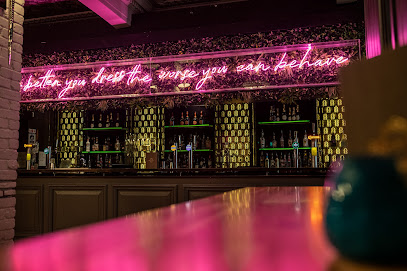
TROPICANA NEWCASTLE
22.0 km
Experience Newcastle’s vibrant nightlife at Tropicana, a lively nightclub blending cocktail sophistication with energetic club beats in the city’s heart.
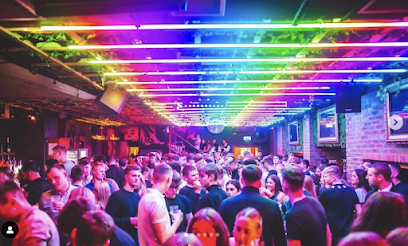
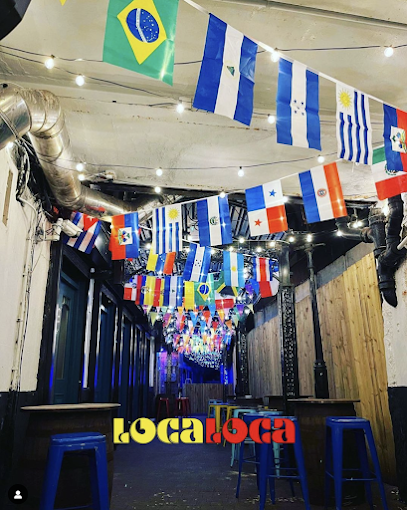
Loca Loca | Newcastle
22.0 km
A compact, neon-lit nightclub on Groat Market serving late-night dance, chart and urban sets in an intimate city-centre setting.
For the vibe & atmosphere seeker
- Scholarly
- Unique
- Tranquil
- Romantic
For the design and aesthetic lover
- Vintage Styles
- Historic
For the architecture buff
- Historic
- Landmarks
- Heritage Neighborhoods
For the view chaser and sunset hunter
- Iconic Views
- Panoramas
For the social media creator & influencer
- Architectural Shots
- Photo Spots
For the eco-conscious traveler
- Protected Area
- Locally Managed
For the kind of experience you’re after
- Cultural Heritage
- Myth & Legends
- Day Trip
For how adventurous you want the journey to be
- Easy Access
- Requires Hike
Location Audience
- Solo Friendly
- Couple Friendly
- Student Friendly
- Wheelchair Access
- Senior Friendly


