
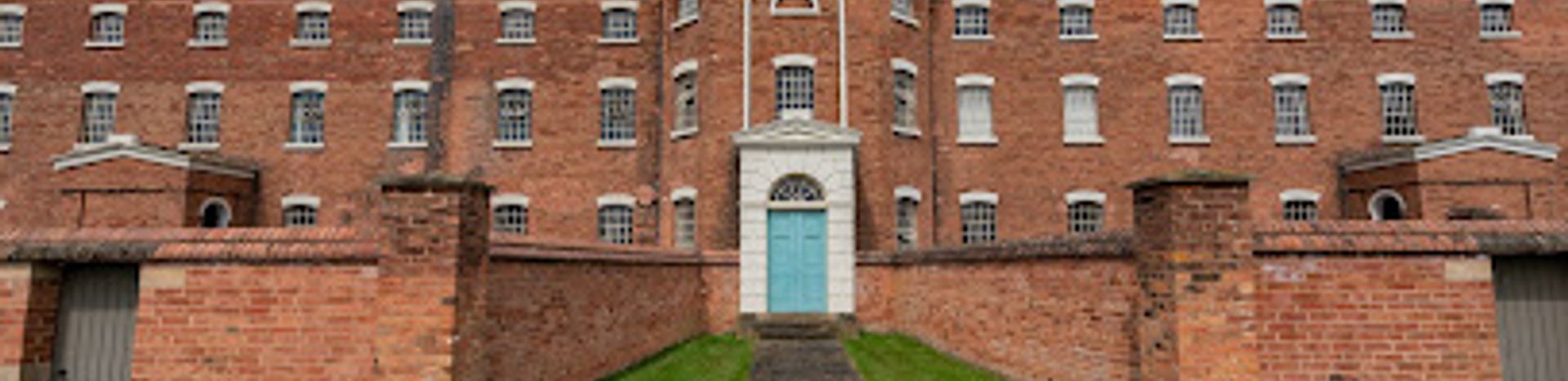
The Workhouse, Southwell: England’s Best Preserved Victorian Poor Law Institution
Step back into Victorian England at Southwell’s best preserved workhouse, where history, hardship, and hope come vividly to life.
The Workhouse in Southwell, Nottinghamshire, is England’s best preserved workhouse, built in 1824 to house and manage the poor under the Victorian Poor Law. Now a National Trust site, it offers immersive exhibitions, restored buildings, and gardens that reveal the harsh realities and social history of life for inmates. Visitors can explore the segregated living quarters, infirmary, and recreated Victorian vegetable garden, gaining insight into 19th-century poverty and welfare.
A brief summary to National Trust - The Workhouse, Southwell
- Upton Rd, Southwell, NG25 0PT, GB
- +441636817260
- Visit website
- Duration: 3 to 4 hours
- Mid ranged
-
 Outdoor
- Mobile reception: 4 out of 5
- Wednesday 10:30 am-5 pm
- Thursday 10:30 am-5 pm
- Friday 10:30 am-5 pm
- Saturday 10:30 am-5 pm
- Sunday 10:30 am-5 pm
Local tips
- Allocate at least 3 to 4 hours to fully explore the workhouse, infirmary, gardens, and exhibitions without rushing.
- Engage with the knowledgeable volunteers whose stories and insights enrich the historical experience.
- Bring a picnic to enjoy in the tranquil gardens or use the café located in the Infirmary for refreshments.
- Check opening times in advance, especially during winter months when the site may close for conservation.
- The upper floors of the main workhouse building are only accessible by stairs; mobility scooters are available for hire.

For the on-the-go comforts that matter to you
- Restrooms
- Drink Options
- Food Options
- Seating Areas
- Picnic Areas
- Information Boards
- Visitor Center
Getting There
-
Car
Driving from Nottingham or Newark-on-Trent takes approximately 30 to 45 minutes. Free parking is available about 200 yards from the main entrance. Note that the site is located on Upton Road with clear signage. Parking is ample but can fill on busy days.
-
Bus
Regular bus services connect Southwell to Nottingham, Newark, and Mansfield, with journey times ranging from 40 to 60 minutes depending on the route. The nearest bus stop is within a 10-minute walk of the workhouse. Check local timetables for service frequency.
-
Walking
If staying in Southwell town center, a 20-minute walk along mostly flat terrain leads to the workhouse. The path is accessible but may be less suitable for those with mobility impairments.
National Trust - The Workhouse, Southwell location weather suitability
-
 Any Weather
-
 Rain / Wet Weather
-
 Mild Temperatures
-
 Cold Weather
Discover more about National Trust - The Workhouse, Southwell
A Glimpse into Victorian Social History
The Workhouse in Southwell stands as a remarkable testament to 19th-century social welfare and the Victorian Poor Law system. Constructed in 1824, it is the best preserved workhouse in England, offering a rare, authentic glimpse into the lives of those who sought refuge here. The institution was designed to provide food, shelter, and medical care to the poor, but also to enforce strict discipline and segregation. Men, women, and children were separated into different wings, each with their own routines and harsh rules, reflecting the era’s attitudes towards poverty and morality.Architecture and Layout Reflecting Social Order
The complex includes the main workhouse building and an adjoining infirmary, both carefully restored to their original state. The architecture reveals the rigid social hierarchy imposed on inmates, with separate dormitories, workrooms, and punishment areas. The infirmary, now housing a café and visitor facilities, was once a place of medical care for the sick and elderly. Surrounding the buildings are Victorian-style gardens and vegetable plots, recreated to show how food was grown to sustain the workhouse population.Engaging Exhibitions and Volunteer Stories
Visitors can explore detailed exhibitions that bring to life the stories of the workhouse inmates through artifacts, documents, and interactive displays. Knowledgeable volunteers add depth by sharing personal anecdotes and historical context, making the experience engaging for all ages. The site includes a schoolroom where children were educated, and displays illustrating the daily routines of men, women, and children, highlighting the stark realities of workhouse life.A Thought-Provoking Visit for All Ages
The Workhouse challenges visitors to reflect on the social issues of poverty, welfare, and justice—issues that remain relevant today. The experience is designed to be educational and thought-provoking, suitable for families, history enthusiasts, and anyone interested in social heritage. Children often find the schoolroom and interactive elements particularly fascinating, while adults gain a deeper understanding of Victorian social policies.Visitor Amenities and Practical Information
The site offers a comfortable café located in the Infirmary, serving hot and cold drinks, snacks, and light meals with indoor and outdoor seating, including a dog-friendly area. Accessible restrooms and mobility scooter hire are available, though upper floors are only reachable by stairs. A second-hand bookshop on site provides a quiet retreat with a variety of books, including a children’s corner. The workhouse is open Wednesday to Sunday, typically from 10:30 AM to 4:00 PM, with seasonal variations and winter closures for conservation.Preserving History for Future Generations
Managed by the National Trust, The Workhouse at Southwell is a protected heritage site that preserves an important chapter of England’s social history. Its conservation ensures that visitors can continue to explore and learn from this unique place, understanding the complexities of Victorian welfare and the human stories behind the institution. The surrounding gardens and orchards, maintained by volunteers, connect the past to the present through sustainable cultivation practices.Iconic landmarks you can’t miss

Things to do in Nottinghamshire
17.6 km
Explore the enchanting Nottinghamshire, where history, nature, and adventure await every traveler.
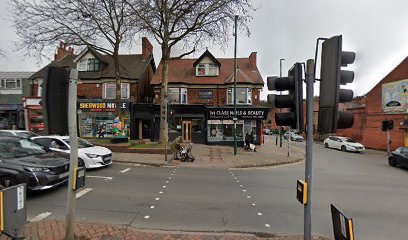
Bunkers Hill
19.5 km
Discover Bunkers Hill, Nottingham's lively pub and restaurant, offering local flavors and a welcoming atmosphere in the heart of the city.
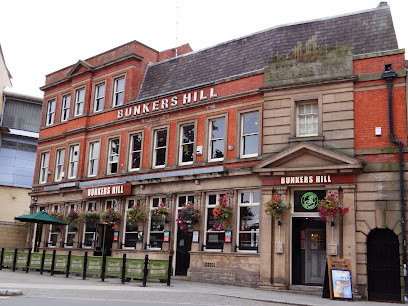
Victoria Station Clock Tower
19.6 km
A towering 100-foot clock tower preserving the grandeur and history of Nottingham's lost Victoria railway station.
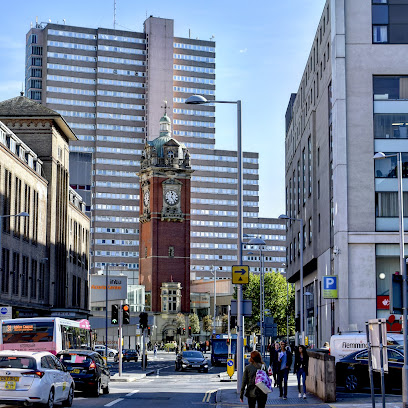
The Spot
19.7 km
Discover Nottingham’s historic heart at The Spot, a tranquil city centre landmark blending heritage with urban life.
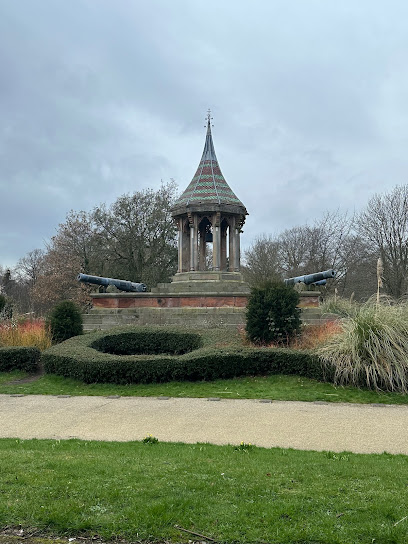
Watson Fothergill's Office
19.7 km
Explore the vibrant Gothic Revival office of Watson Fothergill, Nottingham’s iconic Victorian architect, showcasing intricate brickwork and historic homage.
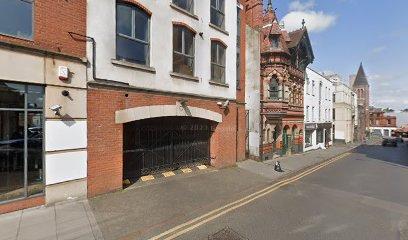
16 Stoney Street
19.7 km
Discover 16 Stoney Street, a preserved Victorian lace warehouse in Nottingham’s historic Lace Market, echoing the city’s rich industrial heritage.
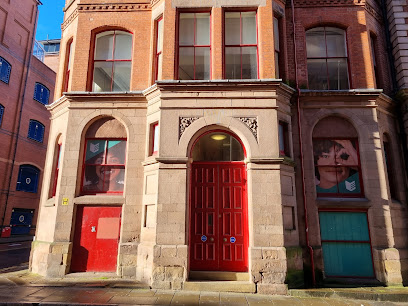
The Hockley Arts Club
19.8 km
Discover Nottingham's vibrant cocktail culture at The Hockley Arts Club, where artistry meets exceptional mixology in a stylish bar setting.
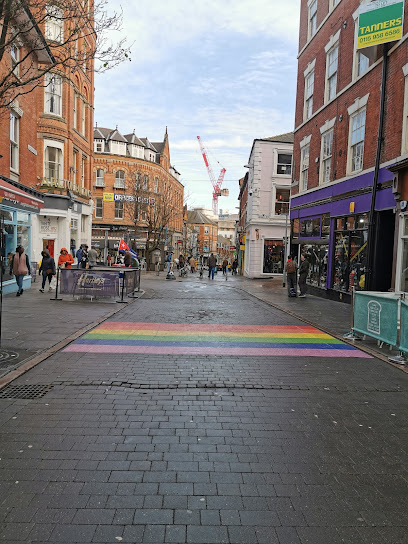
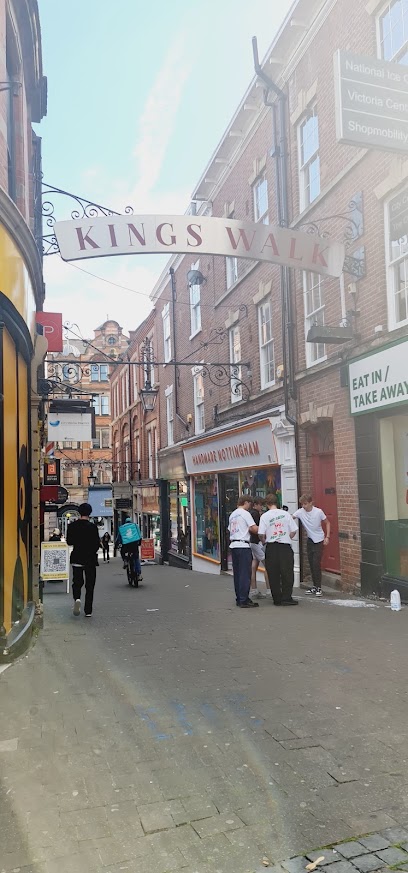
King's Walk sign
19.8 km
A pedestrianised passage where Georgian elegance meets contemporary commerce in Nottingham's historic heart.
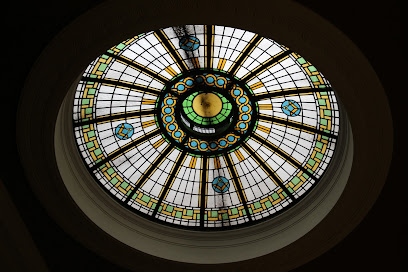
The Belgrave Rooms
19.9 km
Discover The Belgrave Rooms, Nottingham's premier venue for conferences and weddings, blending elegance and modern amenities for unforgettable events.
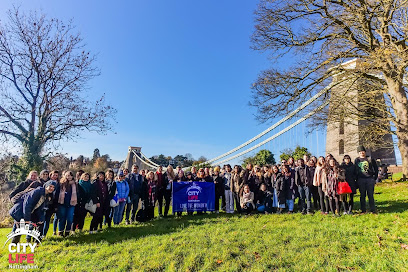
Citylife UK
19.9 km
Explore Nottingham with Citylife UK, your trusted travel agency for personalized experiences and local insights.
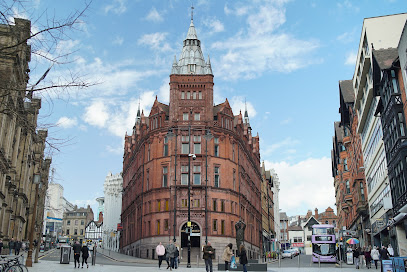
Speakers' Corner
19.9 km
Nottingham’s vibrant Speakers' Corner offers a historic platform for free speech, lively debates, and community connection in the heart of the city.
The Tokenhouse
20.0 km
Explore The Tokenhouse in Nottingham for unique gifts and heartfelt treasures that capture the essence of the city.
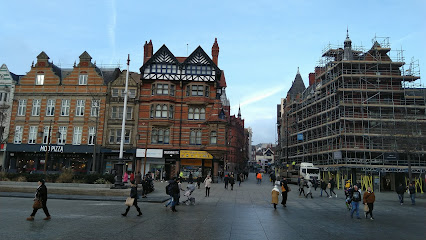
The Left Lion
20.0 km
Meet Nottingham’s iconic Left Lion, a historic stone sentinel and beloved city landmark at the heart of Old Market Square.
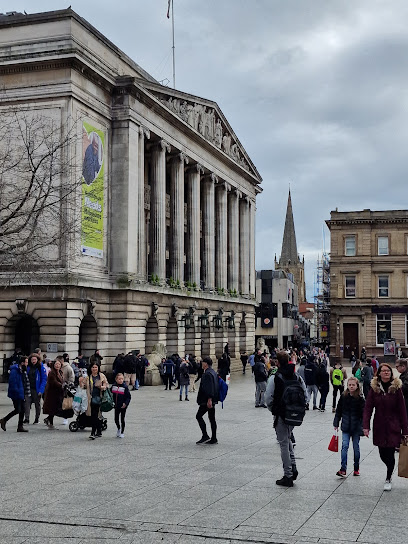
Weekday Cross Monument
20.0 km
Historic heart of Nottingham’s medieval market life, commemorating centuries of trade and community gatherings in the Lace Market district.
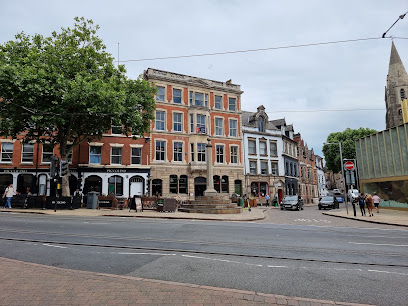
Right Lion
20.0 km
Discover Nottingham’s iconic Right Lion, a historic stone sculpture and beloved meeting point near the Council House in Old Market Square.
Unmissable attractions to see

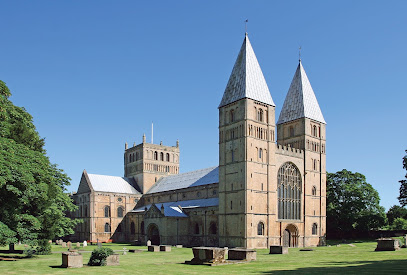
Southwell Minster
1.1 km
Explore Southwell Minster, a magnificent Gothic cathedral in Nottinghamshire, rich in history, stunning architecture, and serene beauty for all visitors.
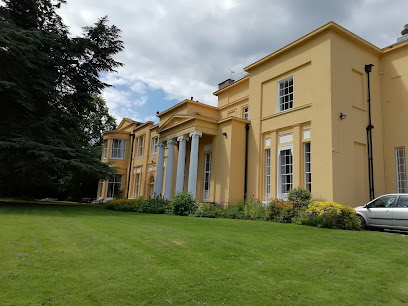
Museum of Timekeeping
2.3 km
Discover centuries of horological heritage and craftsmanship in the historic Upton Hall, home to the Museum of Timekeeping.
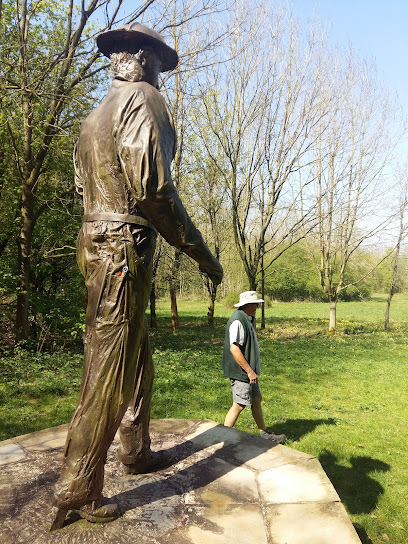
Dukes Wood Nature Reserve And Oil Museum
7.0 km
Discover the serene woodland where Britain’s first onshore oilfield meets vibrant nature and rich industrial heritage.
Sconce and Devon Park
8.1 km
Historic Civil War earthwork meets modern green space in Newark's beloved riverside park.

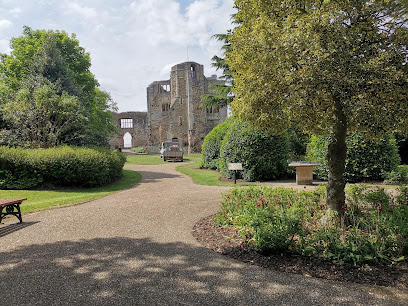
Newark Castle and Gardens
8.5 km
Explore nearly 900 years of history at Newark Castle and Gardens, where Norman architecture meets tranquil Victorian landscapes.
Newark Air Museum
12.2 km
Explore British aviation history firsthand at Newark Air Museum, where iconic aircraft and restoration projects bring flight heritage to life.

Rufford Abbey
12.4 km
Explore medieval ruins, scenic gardens, and family adventures at Nottinghamshire’s historic Rufford Abbey Country Park.
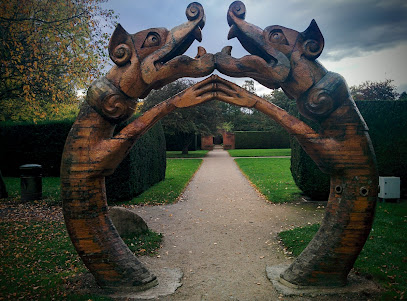
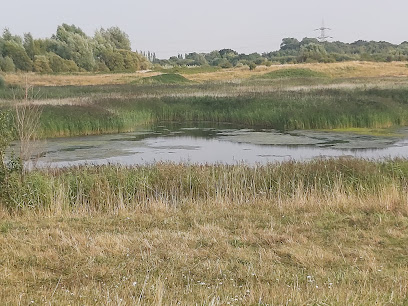
RSPB Langford Lowfields
12.9 km
Discover the East Midlands’ largest reedbed and a vibrant wetland sanctuary teeming with rare birds and tranquil walking trails.
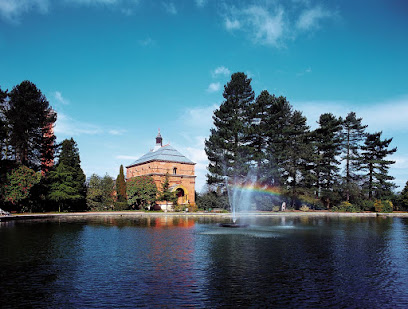
Papplewick Pumping Station
12.9 km
Britain's most spectacular Victorian water pumping station, where original steam engines still roar to life.
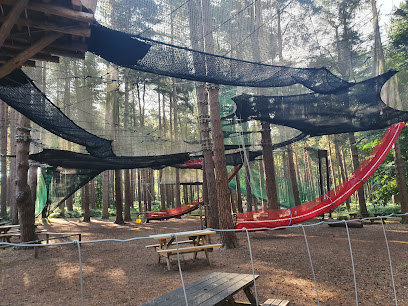
Go Ape Sherwood
13.7 km
Experience thrilling high ropes, ziplines, and forest adventures amidst the ancient pines of Sherwood Forest’s iconic Go Ape site.
Arnot Hill Park
16.0 km
A historic and family-friendly park in Arnold offering nature trails, play areas, and community spirit in a tranquil green setting.
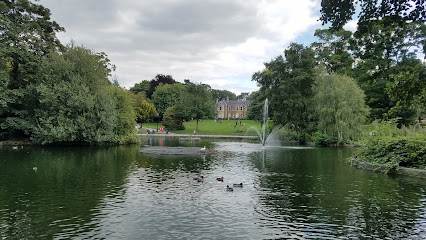
Woodthorpe Grange Park
16.8 km
Explore Nottingham’s historic Woodthorpe Grange Park, where heritage gardens, recreational fun, and tranquil green spaces blend seamlessly.
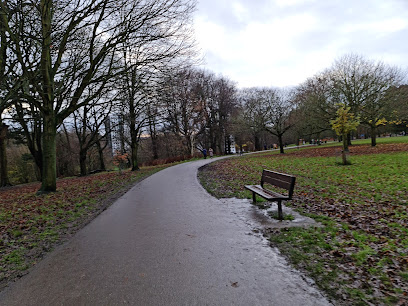
Bestwood Country Park
16.8 km
Explore Nottingham’s expansive Bestwood Country Park, where woodland trails, mining heritage, and panoramic views unite in a natural sanctuary.
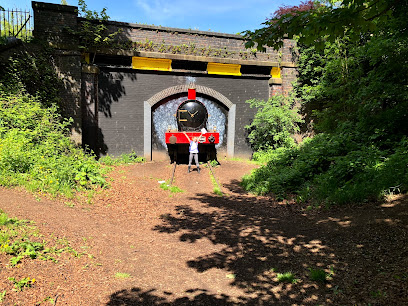
Little Red Train
16.9 km
A charming miniature railway in Nottingham offering family-friendly fun and nostalgic train rides through Woodthorpe’s peaceful neighborhood.
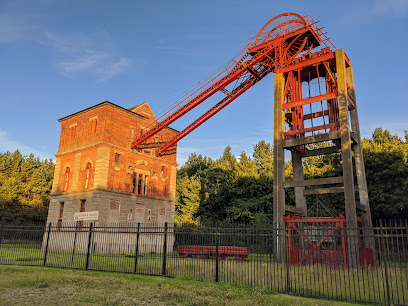
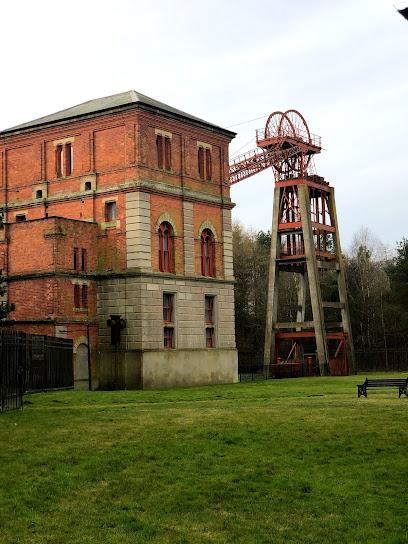
Bestwood Winding Engine House
16.9 km
Explore the majestic Victorian winding engine and rich coal mining heritage nestled in Nottingham’s scenic Bestwood Country Park.
Essential places to dine

Taylor's Fine Dining
8.5 km
Exceptional French fine dining in Newark-on-Trent, offering exquisite tasting menus, expert wine pairings, and a refined, welcoming atmosphere.

The Old Vol
8.7 km
Award-winning gastropub blending local flavors and warm hospitality in the heart of Nottinghamshire’s countryside.

Tom Browns - Nottingham
10.9 km
Elegant riverside dining in Nottingham’s Gunthorpe, offering refined British gastropub cuisine and a welcoming atmosphere for all occasions.

The Bridge & Bayleaf
10.9 km
Experience authentic Indian flavors in a warm, fine dining setting by the scenic Gunthorpe Bridge in Nottingham.

The Wheatsheaf
12.0 km
A classic village pub in Burton Joyce offering hearty meals, traditional ales, and a welcoming countryside atmosphere.

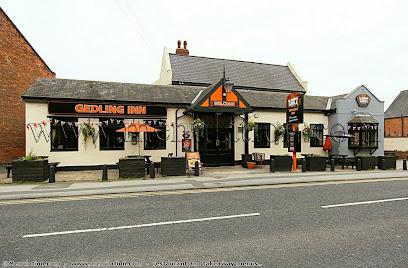
The Gedling Inn
15.1 km
Neighbourhood pub and restaurant serving quality British fare with exceptional value and genuine warmth.
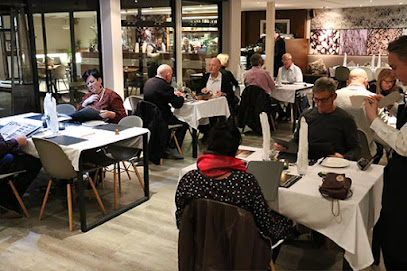
Refined
17.4 km
Experience fine dining excellence crafted by aspiring chefs at Mansfield’s top culinary training restaurant, Refined.
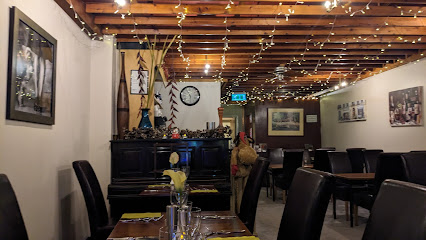
Marc & Daina's Restaurant
17.6 km
Discover authentic French cuisine and warm hospitality in the cozy, family-run Marc & Daina's Restaurant in Nottingham's Sherwood district.
Le Mistral Sherwood - French Restaurant
17.7 km
Cozy French bistro in Sherwood offering authentic cuisine, fine wines, and a warm, rustic atmosphere for memorable meals.
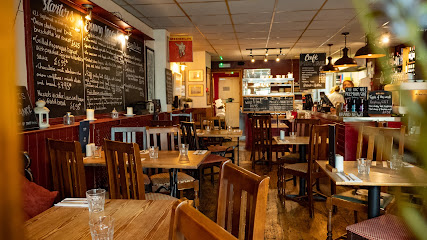
Ania Polish Restaurant
17.8 km
Experience authentic Polish cuisine with generous portions and warm hospitality in Nottingham’s cozy Sherwood neighborhood.
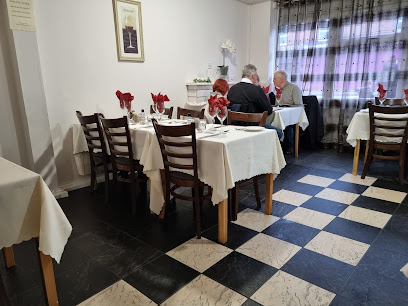
Ciao Bella
18.3 km
Experience authentic Italian flavors and vibrant dining in Mansfield’s charming Ciao Bella, where tradition meets modern comfort.
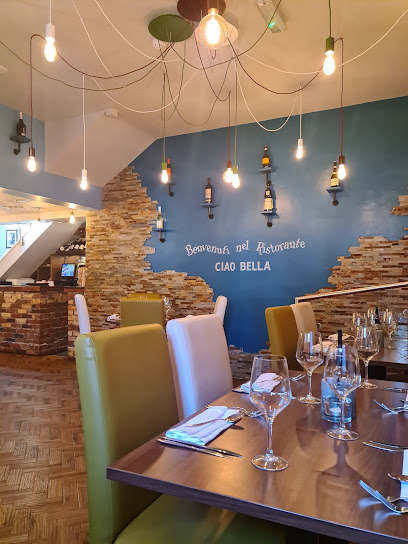
The Kongo
18.7 km
Experience authentic Nigerian cuisine and warm hospitality at The Kongo, Nottingham’s vibrant African restaurant in Sneinton.
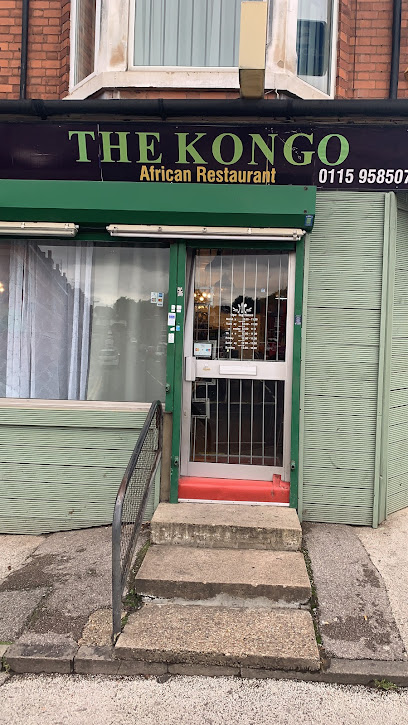
Masala Junction Restaurant
18.8 km
Elegant Indian dining in a beautifully restored 1929 bank building, blending tradition with modern culinary flair in Nottingham’s Carrington.
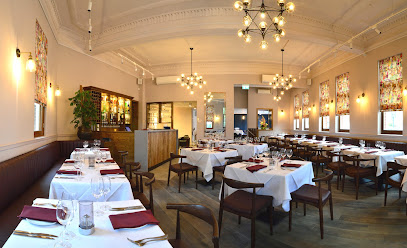
Pistachio Restaurant
19.3 km
Discover vibrant Persian flavors with a modern twist at Nottingham’s cozy and colorful Pistachio Restaurant.
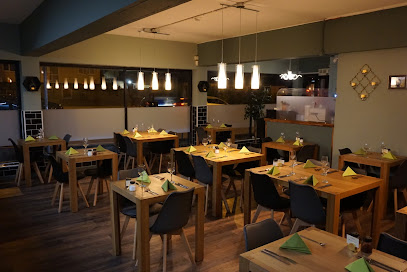
The Lobster Pot Nottingham
19.3 km
Cozy seafood and Thai fusion dining on Mansfield Road, blending fresh flavors with a welcoming atmosphere in Nottingham.
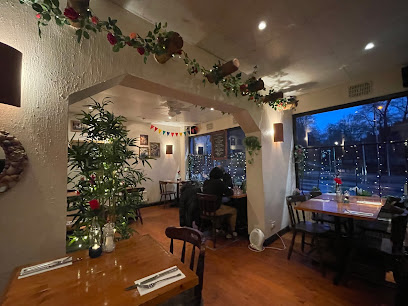
Markets, malls and hidden boutiques

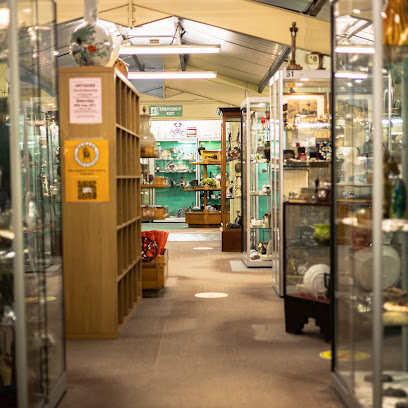
Newark Antiques & Interiors Ltd
8.1 km
Discover Newark’s largest antiques centre with 13,500 sq ft of rare furniture, collectibles, and timeless treasures from over 80 trusted dealers.
Lace Boutique
8.6 km
Discover exclusive UK designer fashion at Lace Boutique, Newark’s premier destination for premium and unique clothing collections.

Scarlet Gifts
8.8 km
Discover magical gothic treasures and vintage charm at Scarlet Gifts, Newark’s enchanting boutique for unique gifts and collectibles.

Just Because.....The Gift and Mix Company
19.0 km
Elegant, curated gift boxes in Nottingham delivering thoughtful luxury for every spontaneous gifting moment.
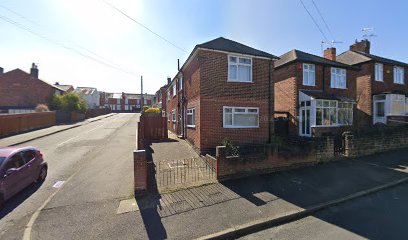
Vintage Emporium
19.1 km
Discover Nottingham’s Vintage Emporium, a charming shop filled with unique retro treasures and timeless homewares in a cozy, curated setting.
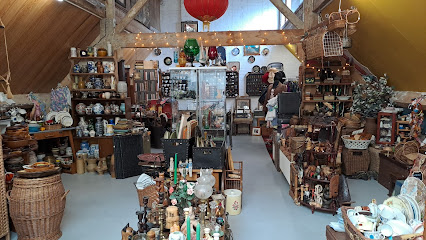
Blend
19.4 km
Discover Blend, Nottingham's charming coffee shop where quality brews meet a cozy ambiance in the heart of Sneinton Market.
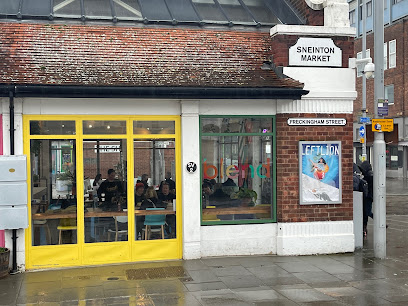
That Weird Shop
19.4 km
Dive into Nottingham's quirkiest emporium: vinyl, retro toys, alt fashion, and a haunted basement brimming with eerie artifacts and spectral whispers.
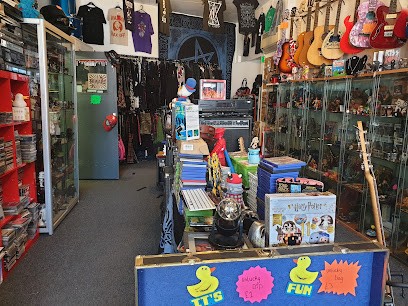
Megan Crook Textiles
19.4 km
Discover handmade vibrant fashion at Sneinton Market: bespoke clothing, accessories, and interiors bursting with color and Nottingham creativity.
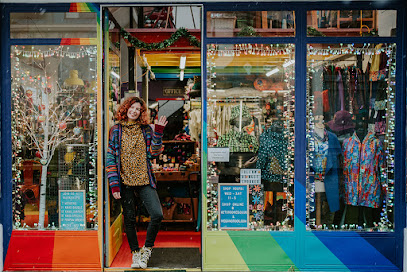
Catori's Gift Shop
19.4 km
A compact Sneinton Market boutique of handmade gifts, local crafts and seasonal surprises — ideal for curious shoppers seeking one-off presents.
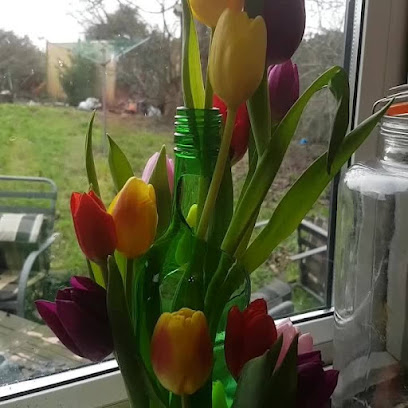
Luisa's Vegan Chocolates
19.5 km
Discover Nottingham’s only 100% plant-based, bean-to-bar chocolate shop blending ethical sourcing with award-winning vegan flavors.
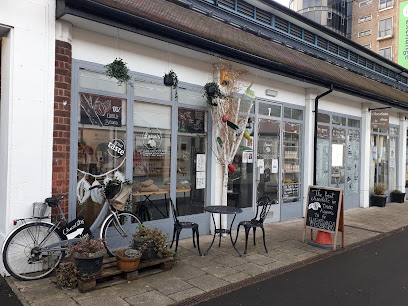
Søstrene Grene
19.5 km
Scandinavian hygge meets affordable creativity in Nottingham's Victoria Centre – a Danish design haven brimming with homewares, crafts, and joyful discoveries.
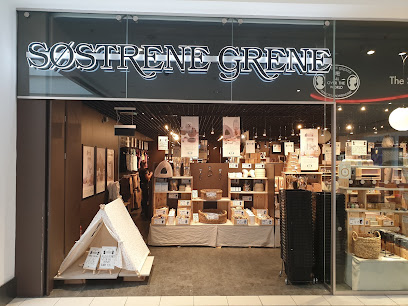
Cow Thrift
19.6 km
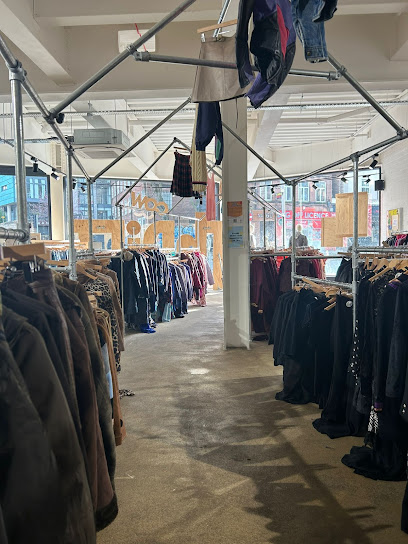
Dive into Hockley's affordable vintage paradise at COW Thrift, where color-coded bargains and sustainable scores await in a spacious haven of retro prints and one-off gems.
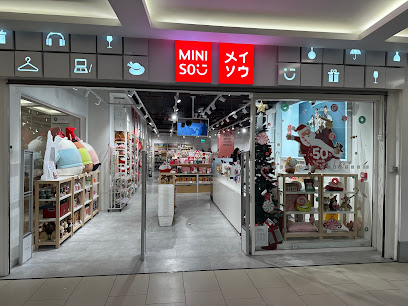
Miniso
19.6 km
Discover stylish, affordable gifts and essentials at Miniso, Nottingham’s vibrant variety shop in Victoria Centre.
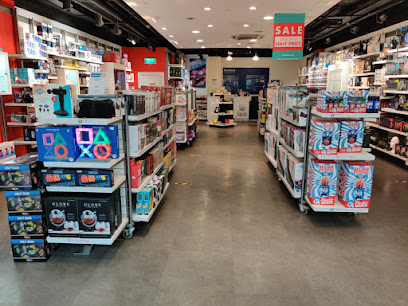
Menkind
19.6 km
Discover quirky gifts, gadgets, and fun collectibles for men at Menkind Nottingham, your go-to spot for original presents and playful shopping.
WAREHOUSE
19.6 km
Discover contemporary women's fashion at WAREHOUSE inside Nottingham’s vibrant Victoria Centre, blending style and convenience in the city heart.
Essential bars & hidden hideouts

The Royal Oak
11.3 km
A contemporary pub with traditional charm offering excellent food, diverse beers, and a relaxed atmosphere in East Bridgford.

The Nelson
12.3 km
A charming gastropub blending rustic warmth and modern comfort in the heart of Burton Joyce.

The Bath Inn
19.3 km
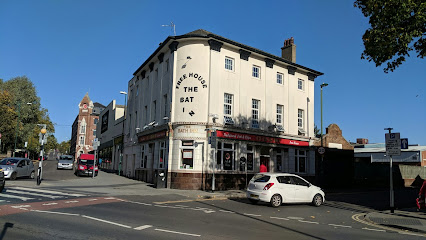
A cosy, detail‑packed pub in Sneinton Market blending Victorian character with quirky Egyptian touches and fresh floral displays.
The New Castle
19.4 km
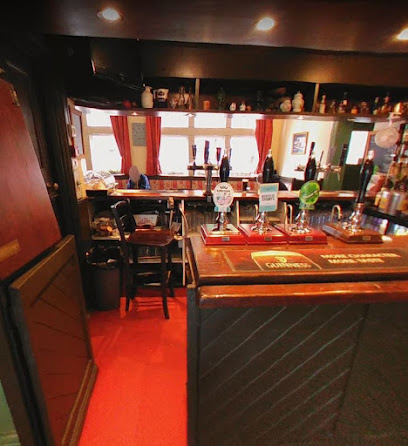
Traditional Nottingham back-street pub with caves, pool, roasts, and a mature local vibe—perfect for authentic pints and hearty classics.
King William IV
19.4 km
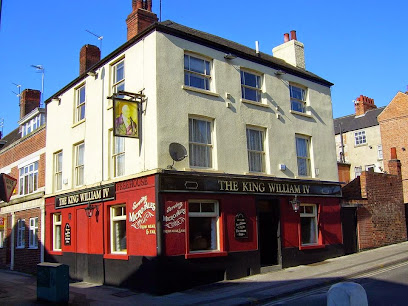
A compact, traditional Nottingham pub — friendly bar service, rotating ales, classic pub food and a relaxed, dog‑friendly atmosphere.
Rose Of England
19.6 km
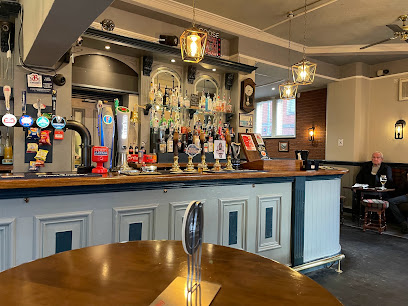
A historic Victorian Neo-Gothic pub in Nottingham blending architectural grandeur with authentic local charm and a lively community spirit.
31K
19.6 km
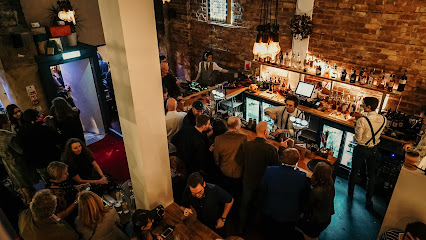
NYC loft-style bar on Nottingham's Goose Gate, mastering cocktails, meatballs, and fusion street food in Hockley's creative heart.
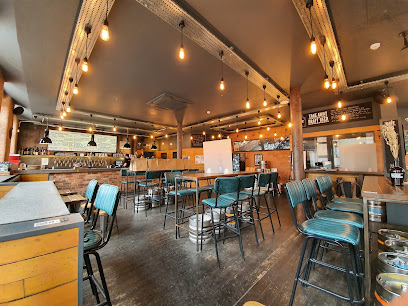
BrewDog Nottingham
19.6 km
Craft beer paradise in a historic lace factory: 28 taps, sourdough pizzas, dog-friendly vibes, and Lace Market energy await in Nottingham's ultimate brew hub.
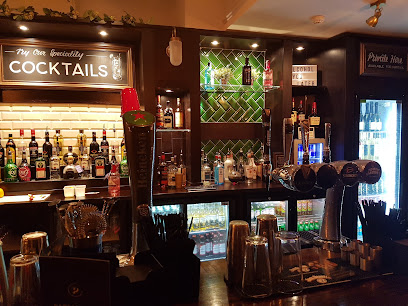
Wax Bar
19.7 km
Nottingham's cocktail pulse: artisanal drinks, Caribbean bites, and DJ rhythms fueling epic weekend nights on Broad Street.
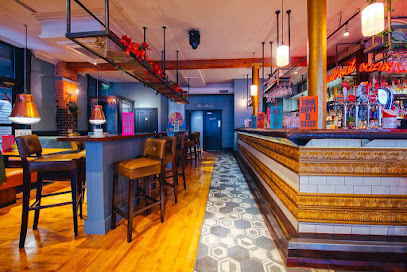
Revolution Nottingham - Hockley
19.7 km
Dive into Hockley's nightlife heartbeat at Revolution, where masterful cocktails, fresh bites, and non-stop party vibes flow from noon till the early hours.
Bunk
19.7 km
Crispy wings, killer cocktails, and Lace Market vibes—Bunk delivers Nottingham's boldest bite in a historic street setting.
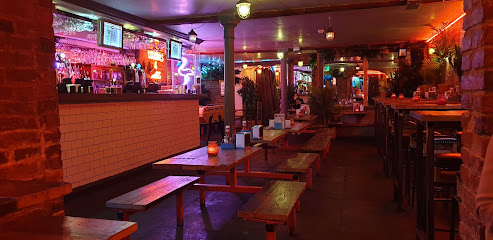
Lost Property
19.7 km
A secretive cocktail bar in the sandstone caves beneath Carlton Street — intimate, theatrical drinks in a subterranean setting.
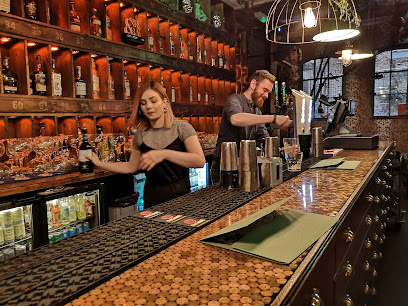
The Curious Tavern
19.7 km
Discover shadowy nooks, bold ales, inventive cocktails, and live tunes in Nottingham's quirkiest Hockley bar—where curiosity meets comfort late into the night.
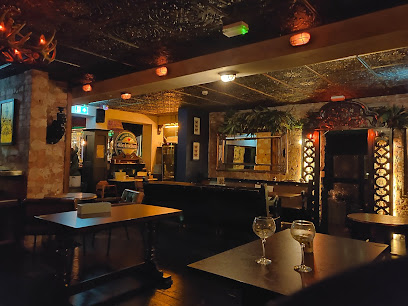
Six Barrel Drafthouse
19.8 km
Hockley’s friendly craft-beer pub — six rotating taps, large bottle fridge and a relaxed, dog-welcoming atmosphere.
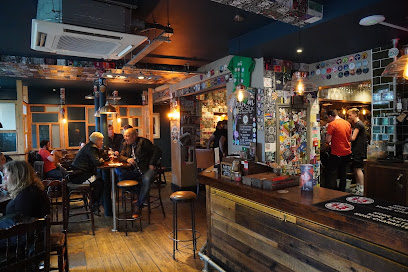
MOJO
19.8 km
MOJO Bar Nottingham: Where rock ’n’ roll meets expertly crafted cocktails in a lively, no-pretence late-night hotspot.
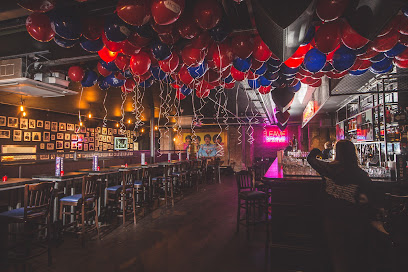
Nightclubs & after hour spots

The Brickworks
19.5 km
Nottingham's raw warehouse heartbeat: intimate DJ nights, killer cocktails, and pure underground energy in a brick-clad haven.
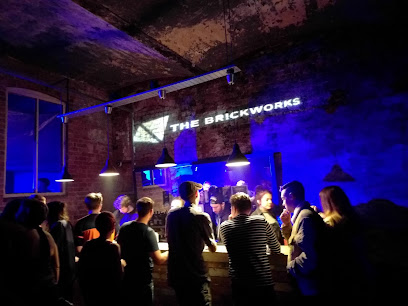
NG-One
19.5 km
A large, late‑night Nottingham club with multiple dancefloors, strong sound and long weekend hours — built for night owls and student crowds.
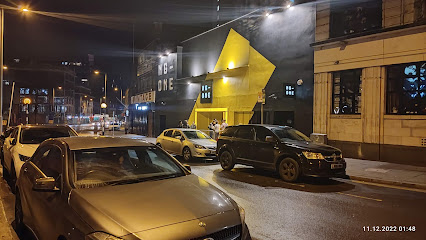
Eleven
19.6 km
A lively, multi-bar nightclub in Nottingham’s Hockley district, famed for great cocktails, student nights, and an intimate yet energetic party vibe.
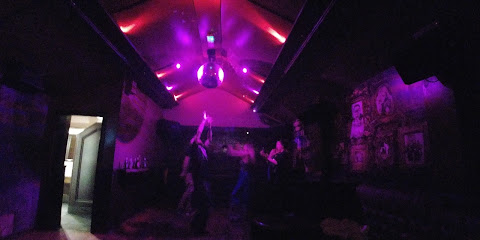
The Bodega Nottingham
19.8 km
Intimate two-level live-music bar and late-night club on Pelham Street — gritty, affordable and centred on close-up gigs and local sounds.
Unit 13
19.8 km
Dive into Nottingham's underground bassline haven at Unit 13, where industrial beats and stellar DJs fuel unforgettable warehouse raves.

Love zoo
19.8 km
Dive into Nottingham's electrifying beats at Love Zoo, where house rhythms, dazzling lights, and cocktail-fueled nights create pure nightlife magic on Weekday Cross.
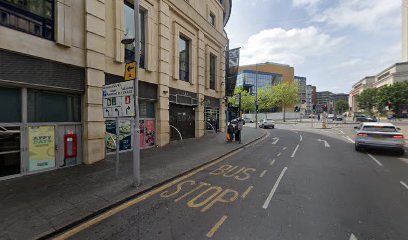
Tantra Night Clubs
19.8 km
Dive into Nottingham's electric nightlife at Tantra Night Clubs, where pulsating beats, dazzling lights, and stylish vibes create unforgettable nights of dance and discovery in the city center.
The Cell
19.9 km
Dive into Nottingham's pulsing heart at The Cell, where affordable drinks, diverse beats, and Hockley's electric vibe fuel unforgettable nights of dance and discovery.

Stealth
19.9 km
Nottingham's drum and bass dynamo: world-ranked beats, epic nights, and unrelenting energy since 2004 in the heart of Goldsmith Street.
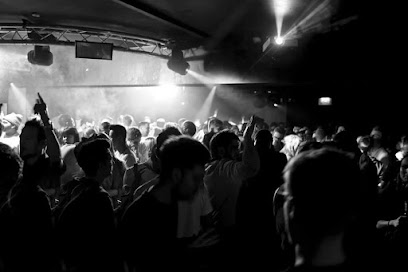
Popworld - Nottingham
19.9 km
A neon-soaked, singalong pop-club in Nottingham city centre — colourful cocktails, nostalgic anthems and compact dancefloor energy.
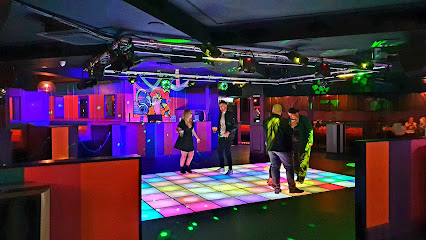
Rescue Rooms
20.0 km
Nottingham's intimate live music powerhouse: raw gigs, electric crowds, and beats till 3am in a historic nook.
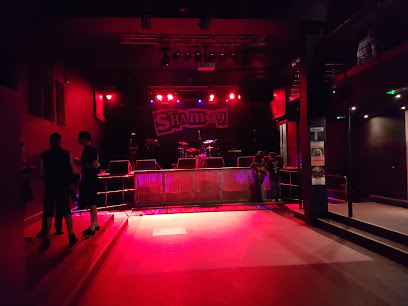
Rock City
20.0 km
Experience Nottingham’s iconic live music and nightclub venue, where legendary acts and vibrant club nights come alive in an intimate, energetic setting.
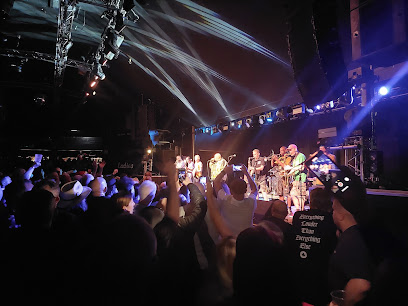
CRISIS
20.0 km
Experience Nottingham’s legendary live music and nightlife at Rock City, a vibrant venue with a rich history and dynamic club nights.
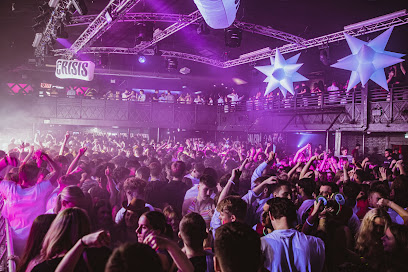
VIBES NIGHTLIFE
20.0 km
Dive into Nottingham's pulsating party hub where weekend beats, neon lights, and vibrant crowds fuel epic nights until 2am—pure vibes unleashed.
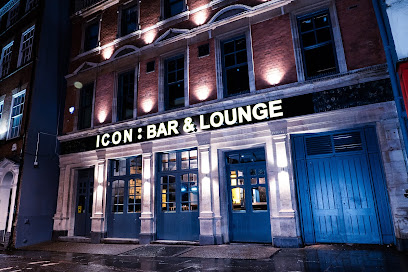
ICON
20.2 km
A compact, DJ-driven late-night club on St James’s Street — small footprint, high-energy nights and a tight city-centre atmosphere.
For the vibe & atmosphere seeker
- Tranquil
- Scenic
- Educational
- Reflective
For the design and aesthetic lover
- Vintage Styles
- Rustic Designs
For the architecture buff
- Historic
- Heritage Neighborhoods
- Sacred Sites
For the view chaser and sunset hunter
- Iconic Views
- Panoramas
For the social media creator & influencer
- Instagrammable
- Photo Spots
- Aesthetic Corners
For the eco-conscious traveler
- Sustainable
- Locally Managed
- Public-Transport Accessible
- Leave-No-Trace Critical
For the kind of experience you’re after
- Cultural Heritage
- Mindfulness
- Educational
- Day Trip
- Weekend Getaway
For how adventurous you want the journey to be
- Easy Access
Location Audience
- Family Friendly
- Senior Friendly
- Child Friendly
- Teen Friendly
- Wheelchair Access
- Pet Friendly
- Solo Friendly
- Couple Friendly
- Vegetarian Friendly
- Vegan Friendly


