
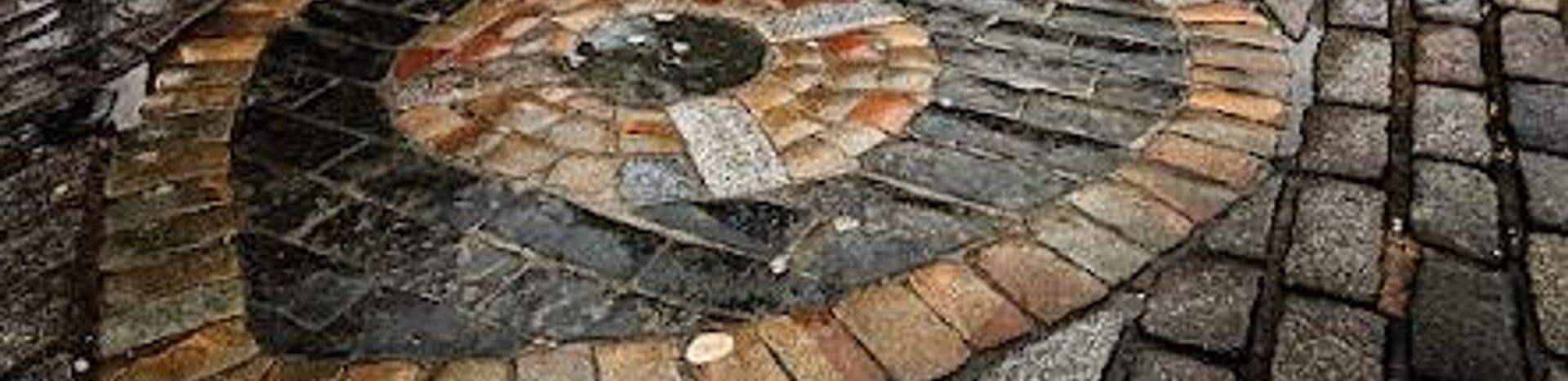
Heart of Midlothian Mosaic, Edinburgh
Discover Edinburgh’s iconic Heart of Midlothian mosaic—a historic symbol of justice, tradition, and local lore on the Royal Mile.
The Heart of Midlothian is a historic mosaic embedded in the pavement on Edinburgh’s Royal Mile, marking the site of the Old Tolbooth prison and administrative center. Dating back to the Middle Ages, the mosaic symbolizes a dark past of incarceration and public executions. Today, it is a cultural landmark where locals and visitors partake in the tradition of spitting on the heart for good luck, a practice rooted in historical disdain for the prison’s harsh legacy.
A brief summary to Heart of Midlothian Mosaic
- 197 High St, Edinburgh, GB
- Duration: 0.25 to 1 hours
- Free
-
 Outdoor
- Mobile reception: 5 out of 5
Local tips
- Join the local tradition by spitting on the heart for good luck, but be mindful of others and the surroundings.
- Visit during daylight hours for the best visibility and photo opportunities of the mosaic and surrounding historic area.
- Explore nearby landmarks such as St Giles’ Cathedral and the brass markers outlining the Old Tolbooth’s former walls.
- Learn about the site’s history through guided tours of Edinburgh’s Old Town to deepen your understanding of its significance.

For the on-the-go comforts that matter to you
- Restrooms
- Drink Options
- Food Options
- Seating Areas
- Information Boards
Getting There
-
Public Bus
Take Lothian Buses routes 35 or 36 from Edinburgh city center, with a travel time of approximately 10–15 minutes. Buses run frequently every 10–15 minutes. A single adult ticket costs around £1.80. The stop is a short walk from the Royal Mile near 197 High Street.
-
Tram
Use the Edinburgh Trams service to Princes Street stop, about 20 minutes from the airport or city outskirts. From Princes Street, it’s a 10-minute walk along the Royal Mile to the Heart of Midlothian. Tram tickets cost between £1.70 and £6.00 depending on distance.
-
Walking
If staying in Edinburgh’s Old Town, the Heart of Midlothian is easily accessible on foot. Expect a 10 to 20-minute walk from central landmarks like Edinburgh Castle or Waverley Station. The terrain is paved and suitable for most mobility levels.
Heart of Midlothian Mosaic location weather suitability
-
 Any Weather
-
 Rain / Wet Weather
-
 Clear Skies
-
 Mild Temperatures
Discover more about Heart of Midlothian Mosaic
Historic Origins of the Heart Mosaic
The Heart of Midlothian marks the location of Edinburgh’s Old Tolbooth, an important civic building dating back to the 14th century. Serving as the city’s administrative hub, courthouse, and prison, the Tolbooth was infamous for its brutal conditions, torture, and public executions. By 1561, the original building was demolished and rebuilt under the order of Mary, Queen of Scots, to improve its structure, including the installation of the heart-shaped mosaic at its main entrance. Despite improvements, the prison continued to house death row inmates and witnessed many grim events until its final demolition in 1817. The mosaic remains the sole physical reminder of this historic site.Cultural Significance and Local Traditions
The Heart of Midlothian has become a potent symbol of Edinburgh’s history and identity. Locals have long maintained a tradition of spitting on the heart as a gesture originally meant to express contempt for the prison and the executions that took place there. Over time, this act transformed into a ritual believed to bring good luck. The mosaic also inspired the name and crest of the local football club, Heart of Midlothian F.C., further embedding the symbol into the city’s cultural fabric. Visitors often join in the spitting tradition, making it a unique and interactive historical experience.Location and Surroundings on the Royal Mile
Situated at 197 High Street, the mosaic lies embedded in the cobblestone pavement outside St Giles’ Cathedral, a central and vibrant area of Edinburgh’s Old Town. The Royal Mile itself is a historic street connecting Edinburgh Castle to the Palace of Holyroodhouse, lined with landmarks, shops, and eateries. Brass markers nearby outline the former footprint of the Old Tolbooth building, giving visitors a tangible sense of the site’s former scale and significance. The area is pedestrian-friendly, making the mosaic easily accessible for exploration and photography.Legacy in Literature and Popular Culture
The Heart of Midlothian gained literary fame through Sir Walter Scott’s 1818 novel titled after the site. Scott’s work immortalized the Tolbooth’s history and the heart symbol, contributing to its enduring legacy. The mosaic also appears in various local artworks and company logos, reinforcing its status as an icon of Edinburgh’s heritage. The story of the Tolbooth and its mosaic continues to captivate visitors, linking the city’s medieval past with its vibrant present.Visitor Experience and Atmosphere
Visiting the Heart of Midlothian offers a poignant encounter with Edinburgh’s layered history. The mosaic’s simple yet evocative design invites reflection on the city’s judicial past and the lives affected by the Tolbooth’s presence. The surrounding area buzzes with the energy of tourists and locals alike, with the spitting tradition adding a quirky and memorable element to the visit. The site is free to access at any time, though daylight hours provide the best viewing conditions for photography and appreciating the mosaic’s details.Preservation and Continuing Relevance
Though the Old Tolbooth building no longer stands, the Heart of Midlothian mosaic preserves its memory in the cityscape. The site is maintained as a protected historical landmark, ensuring that this emblem of Edinburgh’s complex past remains visible and respected. The ongoing tradition of spitting on the heart, while unusual, highlights the community’s connection to its history and the ways in which collective memory is kept alive through ritual and storytelling.Iconic landmarks you can’t miss

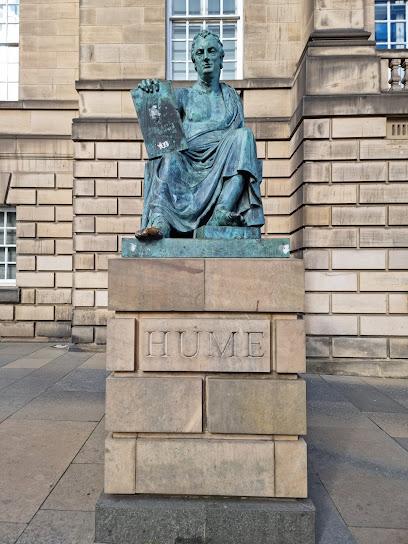
David Hume Statue
0.1 km
A striking bronze tribute to philosopher David Hume, blending classical imagery with Edinburgh’s Enlightenment heritage and a toe-rubbing tradition for luck.
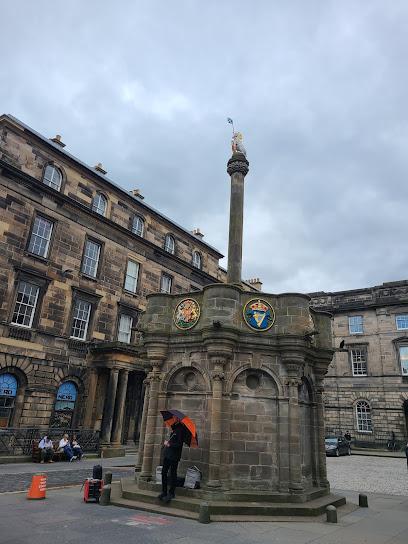
Mercat Cross
0.1 km
Edinburgh’s Mercat Cross: centuries-old market hub and ceremonial heart of the city’s royal proclamations and civic life.
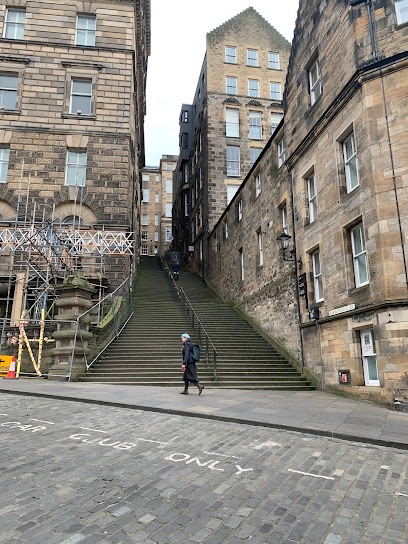
Warriston's Close Stairs
0.1 km
A widening staircase through medieval Edinburgh, where 120 steps transform from narrow lane to grand passage.
Adam Smith Statue
0.1 km
Bronze tribute to the father of modern economics on Edinburgh's historic Royal Mile.
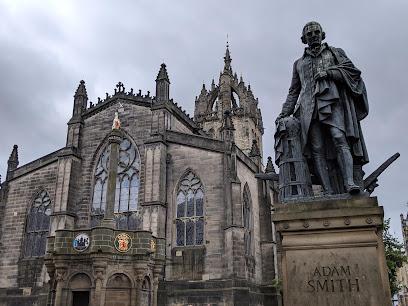
1 Parliament Sqr
0.1 km
Explore Edinburgh’s Parliament Square, a historic nexus of Scottish law, politics, and culture nestled beside the iconic St Giles’ Cathedral.
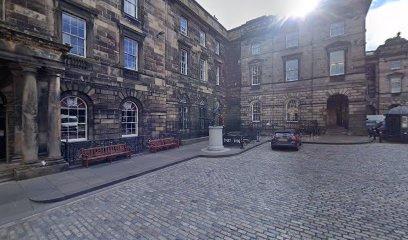
Barrie's Close
0.1 km
Explore Barrie's Close, a historical landmark in Edinburgh that reveals the city's rich heritage through its captivating architecture and stories.
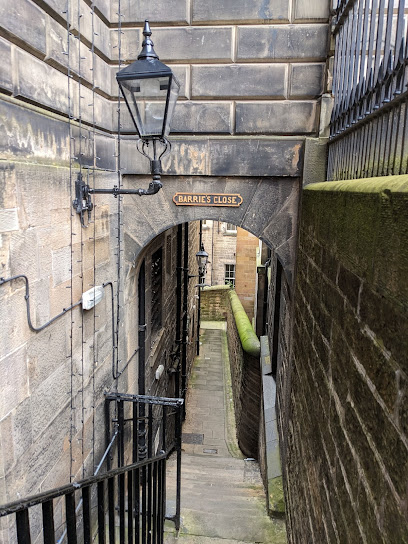
Old and New Towns of Edinburgh UNESCO
0.1 km
Discover Edinburgh’s UNESCO World Heritage Site where medieval charm meets Georgian elegance in a stunning urban landscape.
Lady Stair's Close
0.1 km
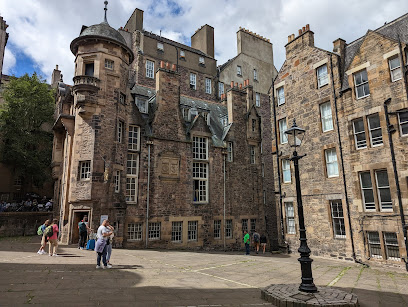
Discover Lady Stair's Close, a serene historic courtyard in Edinburgh's Old Town, home to the Writers' Museum and Scotland’s literary heritage.
The High Street Wellhead
0.1 km
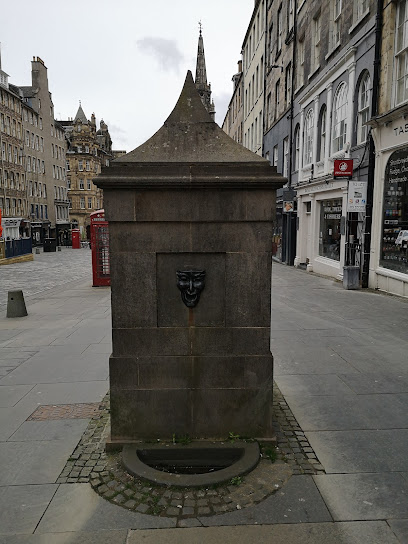
Discover Edinburgh’s medieval heritage through the intricately carved High Street Wellhead, a historic water source nestled in Old Assembly Close.
Museum Context
0.2 km
Explore a unique selection of Scottish gifts and homewares at Museum Context, Edinburgh's premier souvenir shop celebrating local artisans.
George IV Bridge
0.2 km
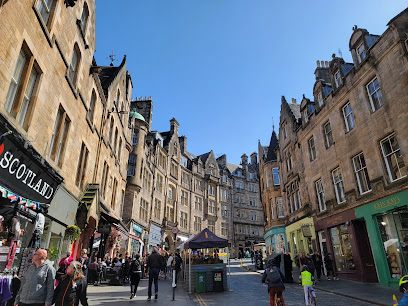
Historic elevated street connecting Old Town to the South Side, lined with Victorian architecture and cultural institutions.
Pont George Ⅳ
0.2 km
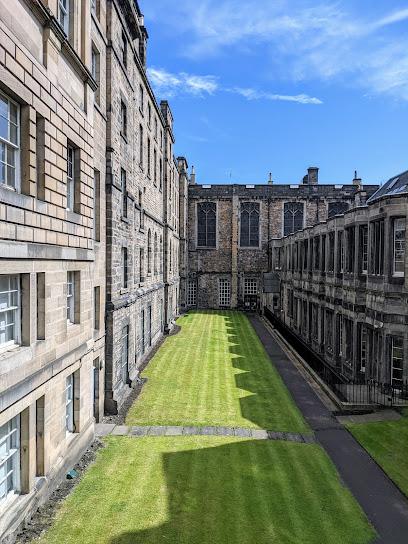
Historic elevated street and bridge connecting Edinburgh’s South Side to Old and New Towns, rich in architecture, culture, and city views.
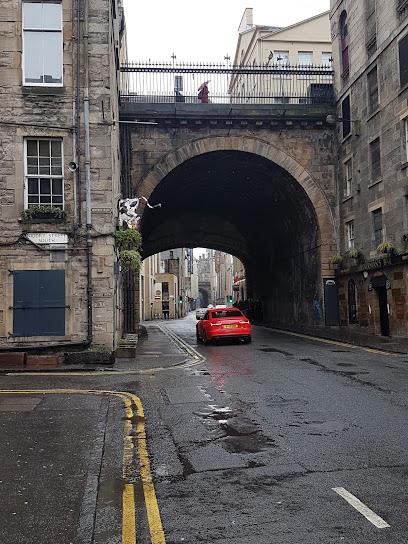
The Mound & Mound Place
0.2 km
Historic artificial slope linking Edinburgh’s Old and New Towns, home to iconic galleries, grand architecture, and vibrant cultural life.
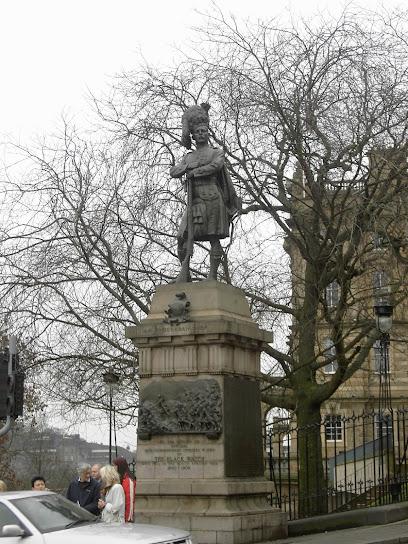
124 High St
0.2 km
Historic Royal Mile building serving as the iconic start point for Edinburgh’s renowned Underground Ghost Tour.
Department Of Magic
0.2 km
Experience the magical fusion of cocktails and escape rooms at Edinburgh's Department of Magic, where every visit is a thrilling adventure.
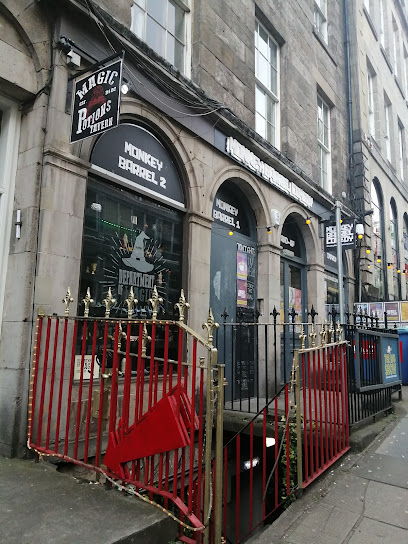
Unmissable attractions to see

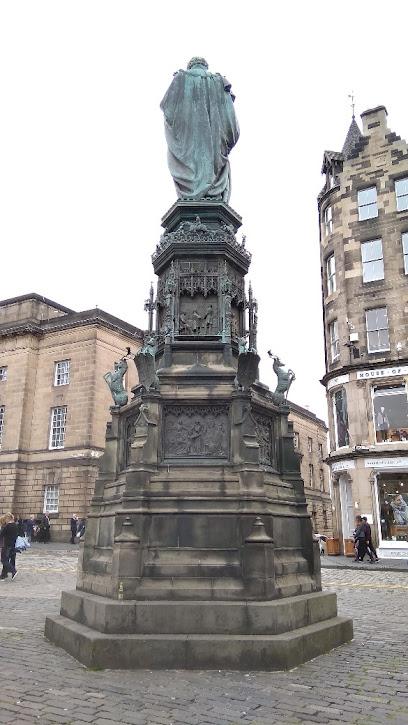
Statue Of Fifth Duke Of Buccleuch
0.0 km
An ornate Victorian bronze statue honoring the 5th Duke of Buccleuch’s legacy, set in Edinburgh’s historic Parliament Square.
Parliament Sqr
0.0 km
Historic Parliament Square in Edinburgh blends medieval charm with modern architecture at the gateway to the Royal Mile.
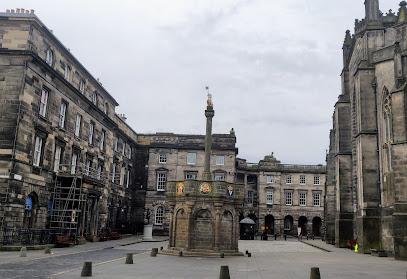
Advocates Close
0.0 km
Discover the steep, historic alleyway of Advocates Close, where medieval charm meets modern vibrancy in Edinburgh’s Old Town.
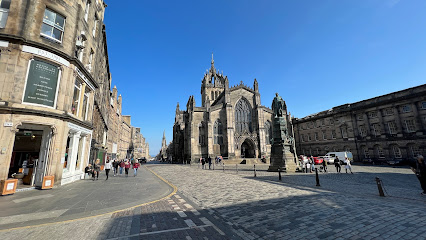
St Giles' Cathedral
0.0 km
Discover the historic heart of Edinburgh at St Giles' Cathedral, a symbol of Scotland’s faith, history, and architectural grandeur.
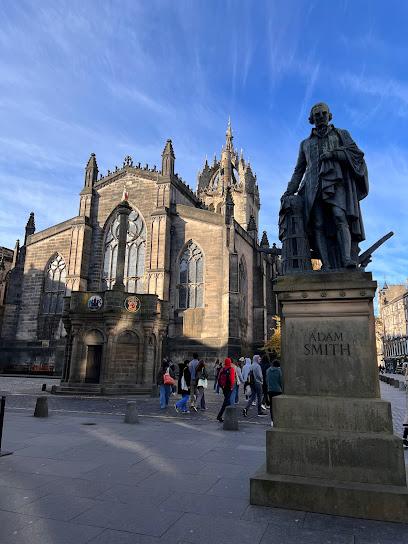
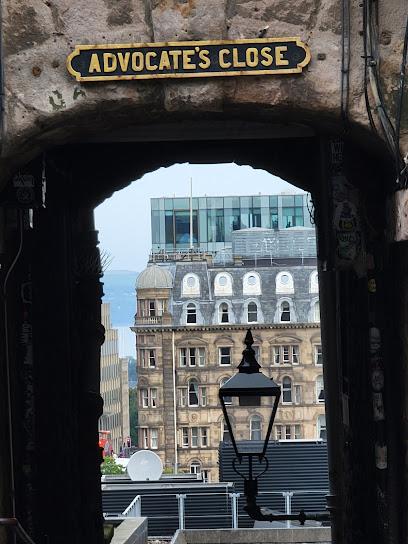
Advocate's Cl
0.1 km
Step into history along Advocate's Close, a steep medieval alleyway in Edinburgh’s Old Town, rich with legal heritage and stunning views.
The Real Mary King's Close
0.1 km
Step beneath Edinburgh’s Royal Mile into a preserved 17th-century close and uncover the city’s hidden stories of plague, poverty, and daily life.
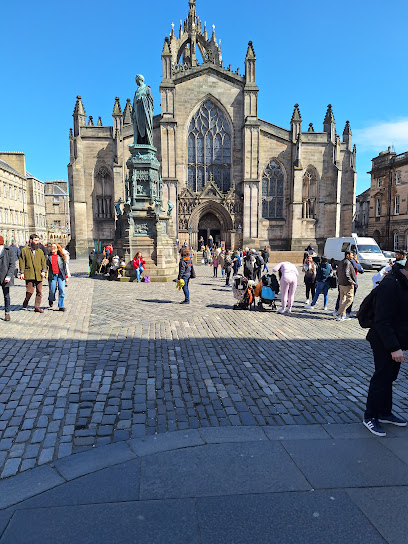
Supreme Courts
0.1 km
Explore the Supreme Courts of Edinburgh, a stunning architectural landmark steeped in Scottish legal history, located in the heart of Scotland's capital.

Deacon Brodies Tavern
0.1 km
Experience the history and charm of Edinburgh at Deacon Brodie's Tavern, a traditional pub offering local ales and hearty Scottish cuisine.
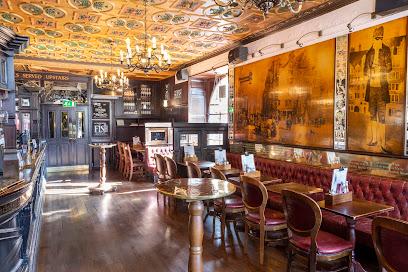
JK Rowling’s Handprints
0.1 km
Discover the golden handprints of J.K. Rowling at Edinburgh City Chambers, a tribute to the author’s lasting impact on the city and literary world.
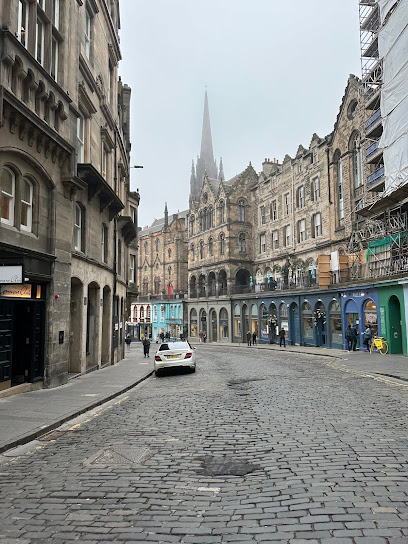
The News Steps
0.1 km
Historic stone steps linking Edinburgh’s Old Town and New Town, echoing the city’s vibrant newspaper heritage and urban character.
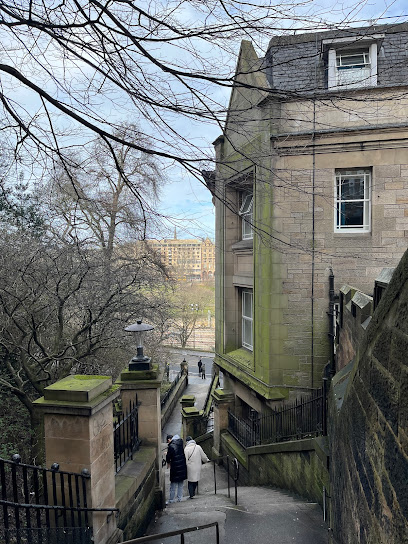
Edinburgh Underground
0.1 km
Descend into Edinburgh’s haunted underground vaults for a thrilling blend of dark history, ghostly tales, and immersive storytelling beneath the Old Town.
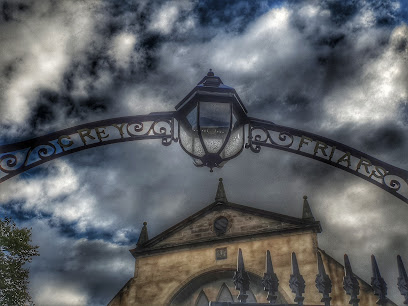
Lawnmarket
0.1 km
Stroll the cobbled Lawnmarket, where Edinburgh’s Royal Mile meets centuries of linen traders, philosophers, and hidden closes in the shadow of the Castle.
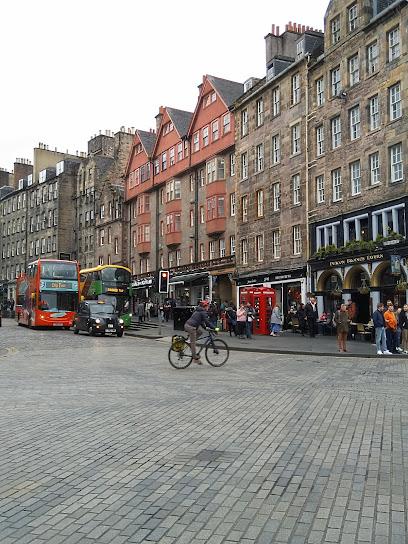
Uncovered Edinburgh
0.1 km
Discover Scotland's political heart and hidden histories at Parliament Square's premier historical experience.
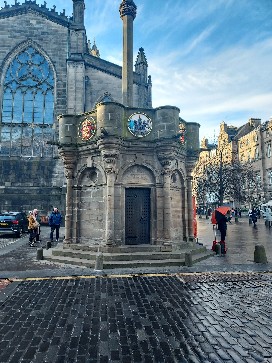
The Lost Close
0.1 km
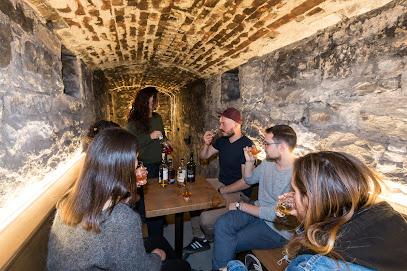
Discover Edinburgh’s hidden underground vault for immersive whisky tastings and rich historical storytelling beneath the Royal Mile.
Edinburgh City Chambers
0.1 km
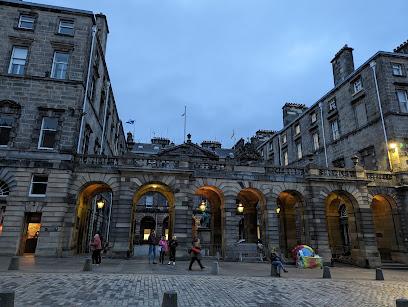
Explore Edinburgh City Chambers: A Historical Gem in the Heart of Scotland's Capital, Showcasing Governance and Heritage.
Essential places to dine

Angels with Bagpipes
0.0 km
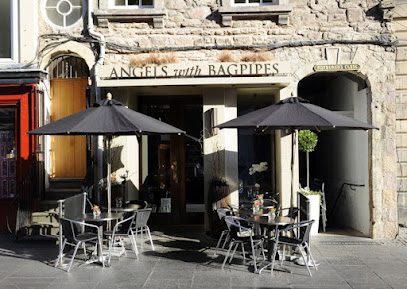
Innovative Scottish small plates and seasonal delights in a cozy Old Town setting on Edinburgh’s historic Royal Mile.
The Devil's Advocate
0.1 km
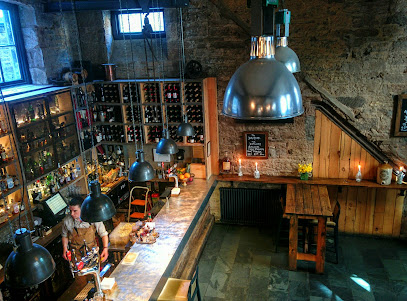
Discover the culinary delights at The Devil's Advocate – Edinburgh’s premier gastropub offering locally sourced dishes and an extensive drinks menu.
Ondine Restaurant
0.1 km
Edinburgh’s stylish seafood haven offering sustainable shellfish, fresh oysters, and elegant dining in a vibrant Old Town setting.
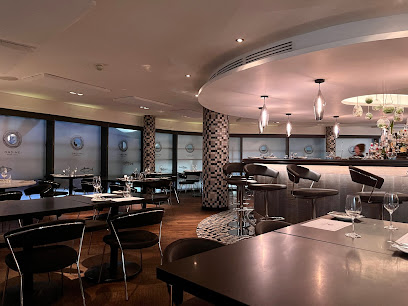
Makars Mash Bar
0.1 km
Scotland's beloved mash bar where premium Scottish meats meet nine distinctive potato creations.
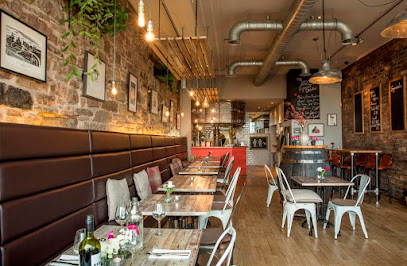
Ecco Vino
0.1 km
Intimate Italian wine bar serving exceptional fresh seafood and handmade pasta in Edinburgh's historic Old Town.
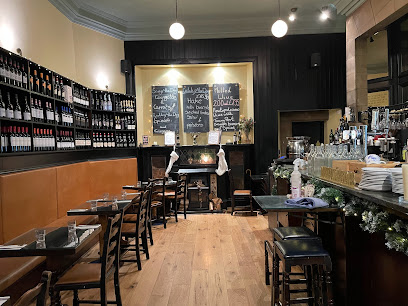
Howies Restaurant
0.1 km
Historic charm meets fresh Scottish flavors on Edinburgh’s iconic Victoria Street, offering seasonal dishes in a warm, relaxed setting.
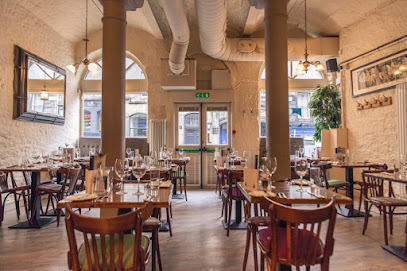
The Outsider Restaurant
0.2 km
Savor creative European cuisine with unbeatable Edinburgh Castle views in a lively, modern setting on George IV Bridge.
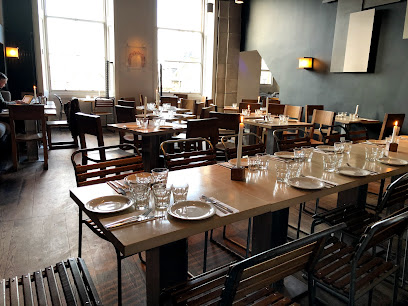
The Cellar Door
0.2 km
Discover modern Scottish cuisine in a cozy, historic underground setting beneath George IV Bridge in Edinburgh’s Old Town.
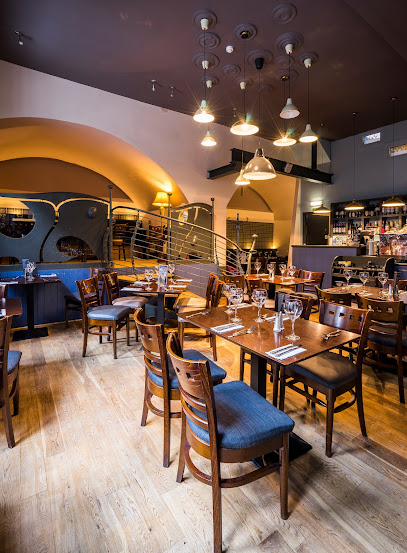
Maison Bleue
0.2 km
French-Moroccan dining in a historic Old Town setting with striking design and exceptional value.
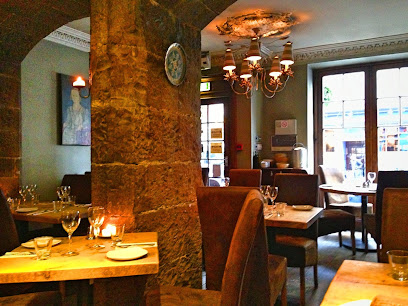
Divino Enoteca Italian Restaurant & Wine Bar
0.2 km
Elegant Italian dining and wine bar in Edinburgh’s Old Town, blending authentic flavors with a cozy, romantic ambiance.
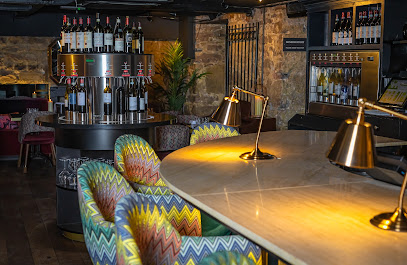
La Locanda Edinburgh
0.2 km
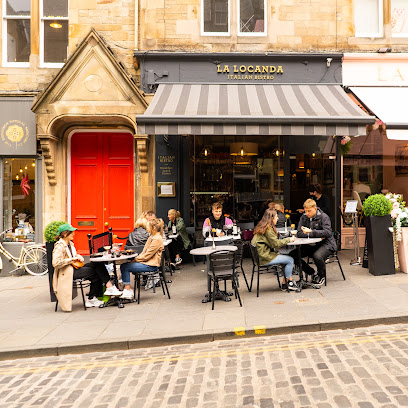
A cozy Italian bistro in Edinburgh’s Old Town, serving authentic, homemade pasta and wine in a warm, intimate setting.
Under The Stairs
0.2 km
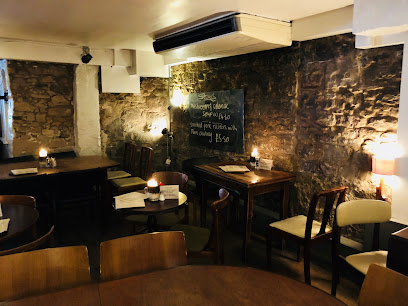
Discover Edinburgh’s cozy underground gem blending rustic charm, creative plates, and vibrant cocktails beneath George IV Bridge.
The Piper's Rest
0.2 km
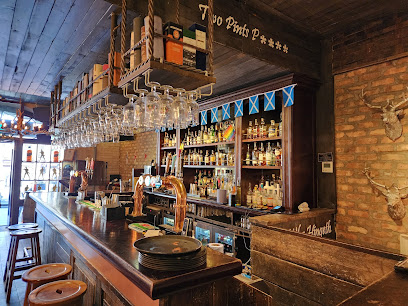
Experience authentic Scottish hospitality with hearty fare, craft drinks, and nightly live music in Edinburgh’s historic Old Town.
The Witchery by the Castle
0.3 km
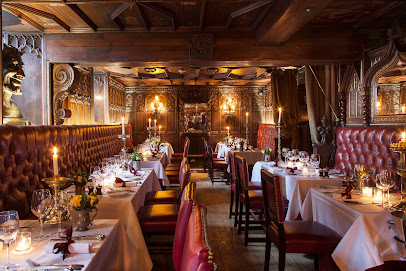
A sumptuous gothic retreat on Edinburgh’s Royal Mile, blending historic grandeur with romantic luxury and award-winning Scottish cuisine.
Amber Restaurant
0.3 km
Experience Scotland’s finest seasonal cuisine expertly paired with over 550 whiskies in the warm, amber-lit heart of Edinburgh’s Royal Mile.
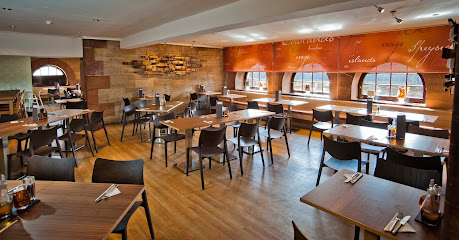
Markets, malls and hidden boutiques

James Pringle Weavers of Inverness
0.0 km
Discover authentic Scottish textiles and menswear steeped in heritage on Edinburgh’s iconic Royal Mile.
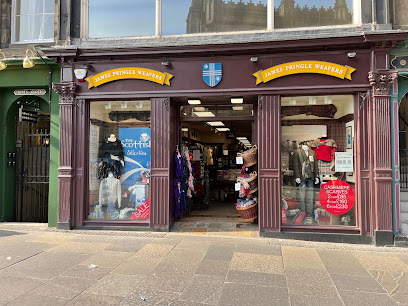
I Love Scotland
0.1 km
Discover affordable, authentic Scottish souvenirs and gifts in the heart of Edinburgh at I Love Scotland on Bank Street.
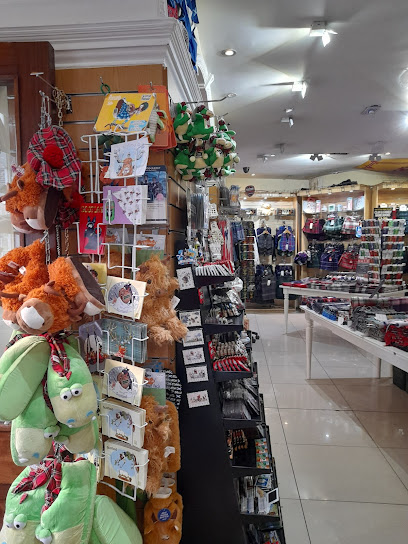
Heritage of Scotland
0.1 km
Discover authentic Scottish kilts, tartans, and treasures on Edinburgh's Lawnmarket, where Highland heritage meets Royal Mile magic in a shopper's delight.
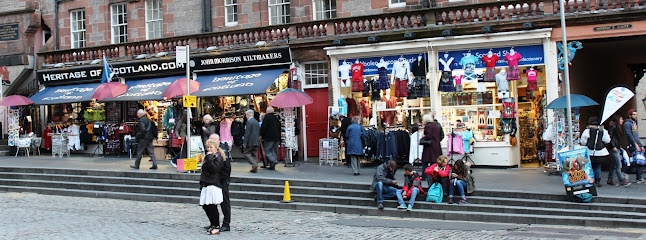
Olde Edinburgh
0.1 km
Independent Scottish gift shop on historic Lawnmarket, specializing in authentic local crafts and traditional shortbread.
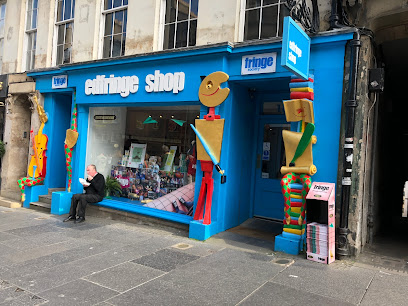
Fringe Shop
0.1 km
Official Edinburgh Festival Fringe Shop on the Royal Mile offering unique festival merchandise and cultural connection year-round.
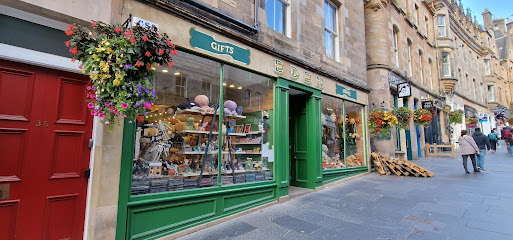
Eden
0.2 km
Discover authentic Scottish crafts and unique gifts in the heart of Edinburgh’s historic Cockburn Street at Eden.
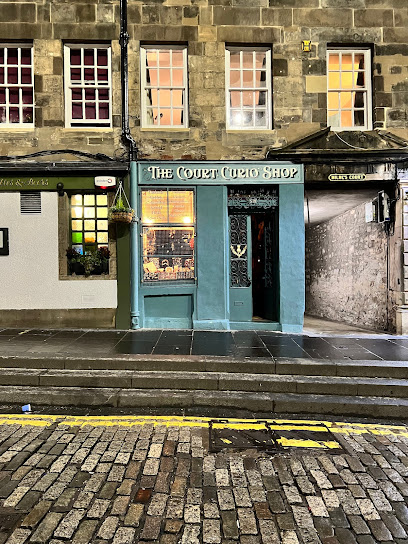
The Court Curio Shop
0.2 km
Discover unique Scottish gifts and artisan jewellery in the heart of Edinburgh’s historic Royal Mile at The Court Curio Shop.
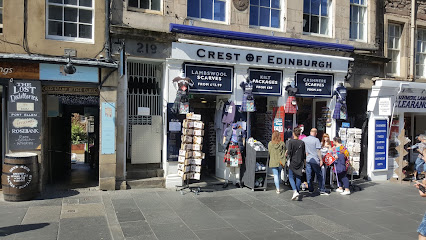
Crest Of Edinburgh
0.2 km
Discover authentic Scottish gifts, kilts, and fashion accessories in the heart of Edinburgh’s historic Royal Mile.
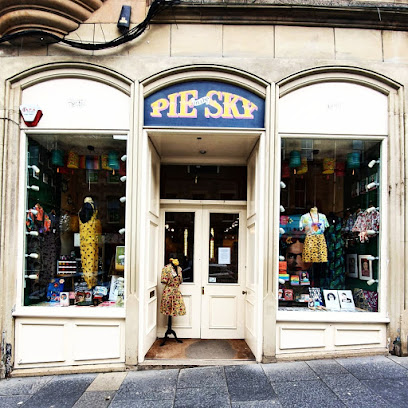
Pie In The Sky Ltd
0.2 km
Discover unique, creative clothing inspired by Scottish culture in the heart of Edinburgh’s historic Old Town.
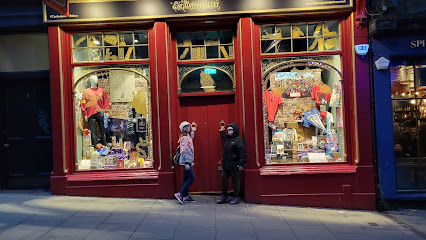
The Enchanted Galaxy
0.2 km
Dive into a wizarding wonderland on Victoria Street, where Harry Potter treasures and fantasy fandoms burst from every shelf in Edinburgh's most enchanting gift shop.
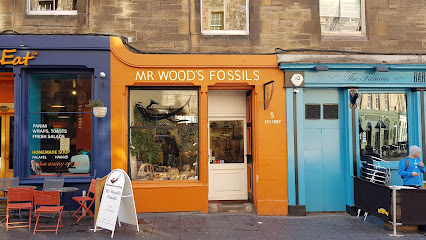
Mr Wood's Fossils
0.2 km
Discover rare fossils, minerals, and meteorites in Edinburgh’s iconic shop founded by legendary fossil hunter Stan Wood.
The Scotland Shop
0.3 km
Discover authentic Scottish tartans, bespoke kilts, and heritage gifts at The Scotland Shop in Edinburgh’s historic South Bridge.

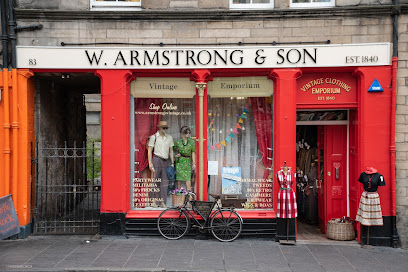
Armstrongs Vintage
0.3 km
Edinburgh's iconic vintage emporium in Grassmarket, brimming with bohemian dresses, chunky knits, and timeless treasures from decades past.
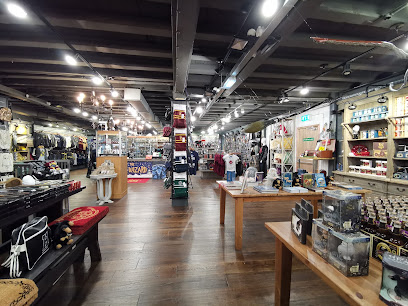
Tartan Weaving Mill and Exhibition
0.3 km
Discover Scotland's rich textile heritage at the Tartan Weaving Mill, where history meets craftsmanship in a vibrant exhibition and unique shopping experience.
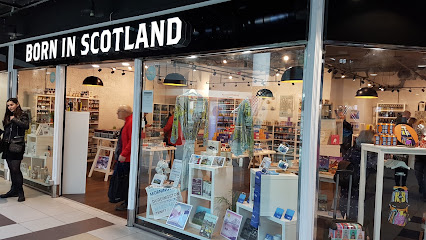
Born In Scotland - Edinburgh Waverly Mall
0.3 km
Authentic Scottish gifts blending tradition and playful modernity in Edinburgh’s Waverly Mall, perfect for meaningful keepsakes and souvenirs.
Essential bars & hidden hideouts

Copper Still
0.2 km
Cozy Royal Mile retreat dishing fresh Scottish eats and drams amid buskers and historic vibes – from breakfast brekkie to late-night cocktails.
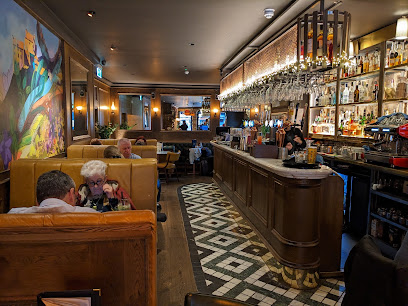
Arcade Bar Haggis & Whisky House, celebrating 20 years of serving The Best Haggis in Town!
0.2 km
Cozy Edinburgh bar serving renowned haggis and over 100 whiskies in a warm, traditional Scottish setting with hearty portions and friendly vibes.
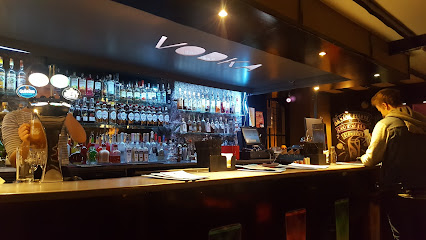
The Bow Bar
0.2 km
A historic Old Town pub famed for its vast whisky selection, traditional ales, and authentic Scottish atmosphere.
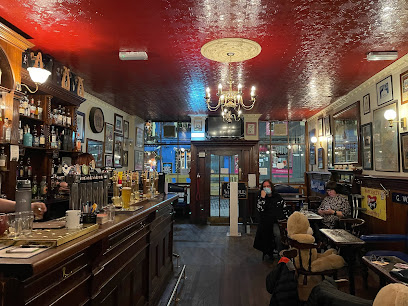
The Oz Bar
0.2 km
A lively, affordable pub in Edinburgh’s city center with friendly staff, Australian flair, pool tables, and a relaxed, welcoming atmosphere.
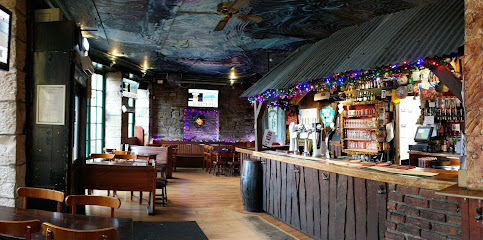
Frankenstein
0.2 km
Step into the gothic world of Mary Shelley’s Frankenstein in a unique bar set within a historic church on Edinburgh’s iconic George IV Bridge.
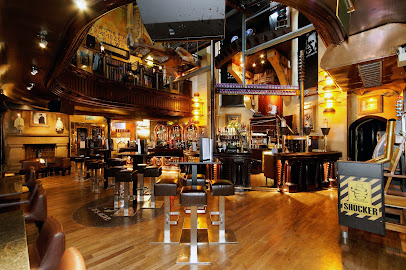
The Wee Pub - The Smallest Pub in Scotland
0.3 km
Discover Scotland’s smallest pub in Edinburgh’s Grassmarket—a cosy, whisky-rich haven perfect for intimate gatherings and private celebrations.
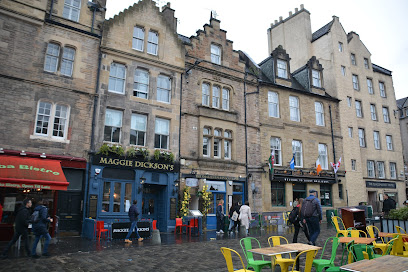
Whistlebinkies
0.3 km
Edinburgh’s legendary underground live music bar offering free entry, vibrant bands, and a cozy vaults atmosphere every night until the early hours.
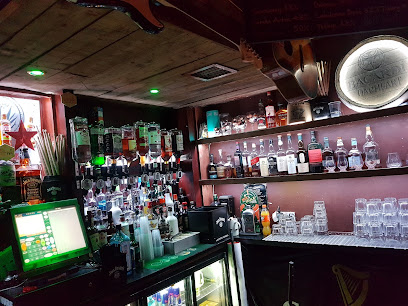
The Banshee Labyrinth
0.3 km
Discover Scotland’s most haunted pub, a labyrinth of eerie vaults and lively entertainment beneath Edinburgh’s Old Town.
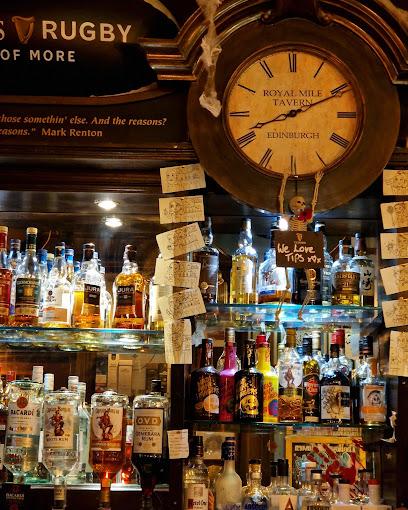
Royal Mile Tavern
0.3 km
Traditional Scottish pub on Edinburgh’s historic Royal Mile with over 100 whiskies, hearty fare, and nightly live music until 1am.
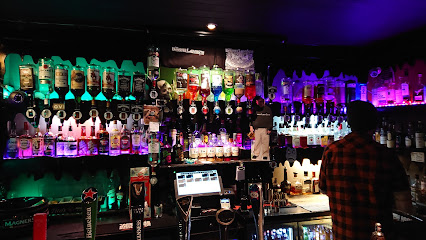
Whiski Bar & Restaurant
0.3 km
A cosy Royal Mile whisky bar with 300+ Scotch malts, hearty Scottish food and nightly live music in Edinburgh’s Old Town.
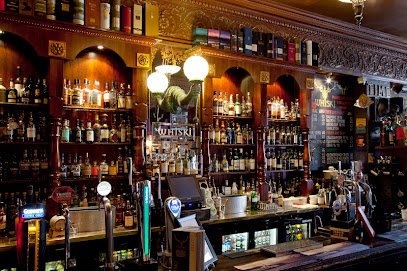
Cask
0.4 km
Discover Cask: Edinburgh's rooftop cocktail bar offering stunning views, innovative drinks, and delectable small plates in a vibrant atmosphere.
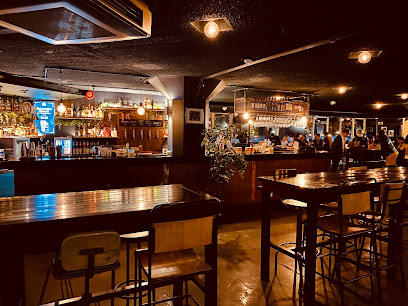
Ballie Ballerson
0.4 km
Edinburgh’s iconic ball pit cocktail bar blending playful fun, creative drinks, and vibrant nightlife in a historic setting.
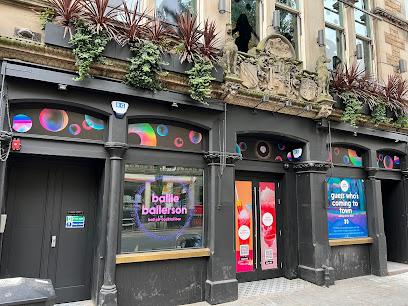
Captain's Bar
0.4 km
Historic Edinburgh pub with daily live Scottish folk music, local ales, and a warm, intimate atmosphere steeped in tradition.
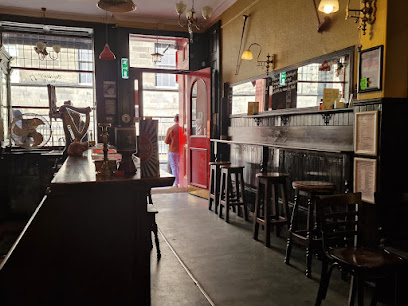
Hoot The Redeemer
0.4 km
A quirky, tarot-themed cocktail bar in Edinburgh offering inventive drinks, playful games, and a lively, intimate atmosphere.
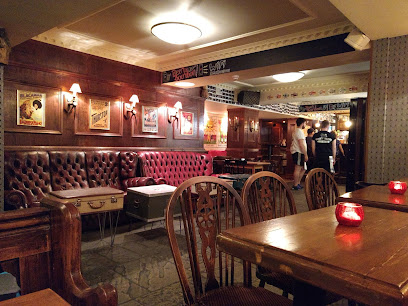
The Cocktail Geeks
0.5 km
Edinburgh's arch-hidden gem for themed cocktails, geeky immersions, and masterful mixology in a cozy, ever-changing vault.
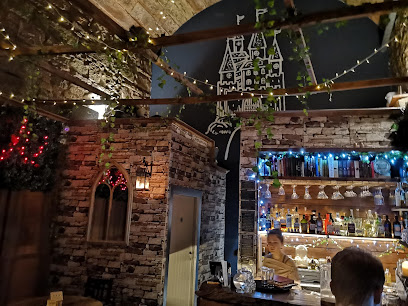
Nightclubs & after hour spots

Sneaky Pete's
0.2 km
Intimate live music and club nights in Edinburgh’s Old Town, where emerging talent meets vibrant nightlife.
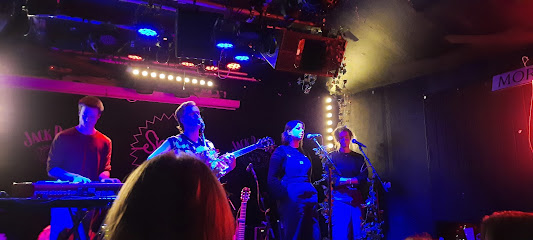
Legends
0.2 km
Edinburgh’s only 24/7 rock nightclub, Legends pulses with raw energy and live alternative music in the heart of Cowgate.
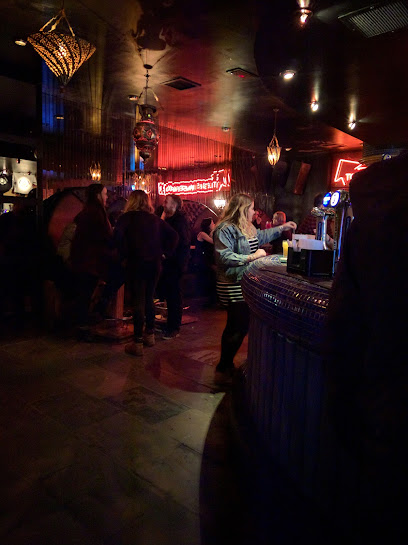
The Bongo Club
0.2 km
Edinburgh’s underground hotspot blending eclectic music, live art, and a vibrant late-night scene in the historic Old Town.

The Liquid Room
0.2 km
Edinburgh's multi-level nightlife gem: techno thumps, live gigs, and warehouse vibes on historic Victoria Street.
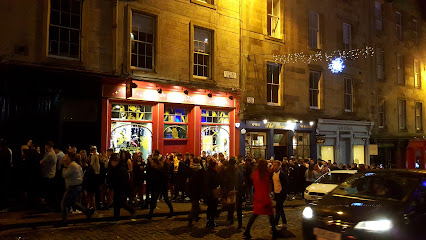
La Belle Angele
0.3 km
Edinburgh’s intimate nightclub and live music venue blending historic charm with vibrant themed nights and diverse performances.
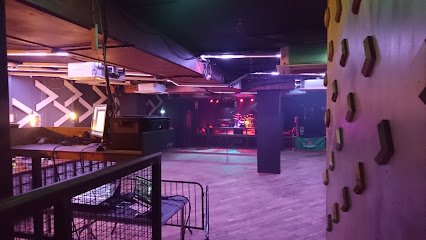
The Mash House
0.3 km
A vibrant Edinburgh nightclub and live music venue blending folk, electronic, and techno in a lively, casual setting.

Cabaret Voltaire
0.3 km
Vaulted live-music rooms and a relaxed upstairs bar—Cabaret Voltaire is Edinburgh’s atmospheric hub for alternative gigs and late-night clubbing.
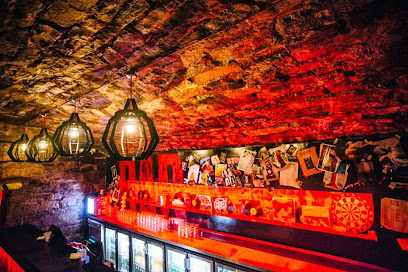
The Hive Nightclub & Venue
0.3 km
Edinburgh's gritty Cowgate nightclub: cheap drinks, multi-room beats, and non-stop energy until 3am in the heart of Old Town.
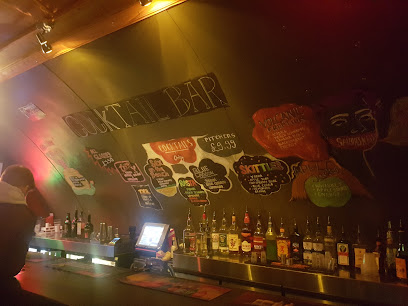
Shanghai Nightclub
0.5 km
Edinburgh's Oriental nightlife den: Asian decor, themed beats, VIP vibes, and non-stop energy on George Street.
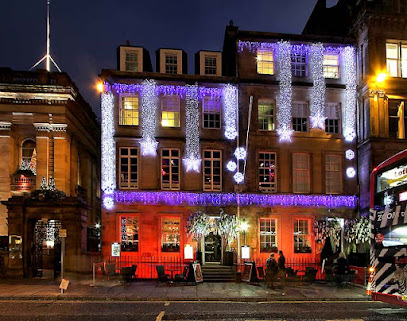
El Barrio Latino
0.5 km
Edinburgh's sizzling Latin nightclub where salsa beats pulse through New Town nights, drawing dancers to its vibrant Hanover Street heart until the early hours.
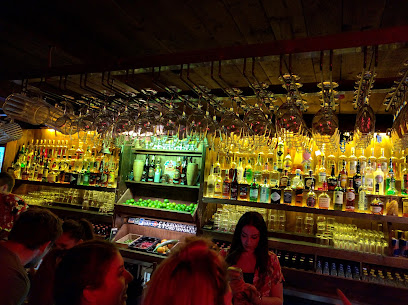
Why Not Nightclub
0.5 km
Edinburgh's multi-award-winning late-night haven with LED immersion, garden vibes, and non-stop beats on George Street.
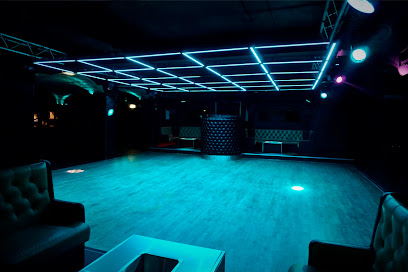
Opal Lounge
0.6 km
A stylish live music bar and nightclub in Edinburgh’s New Town, perfect for celebrations and vibrant nightlife.
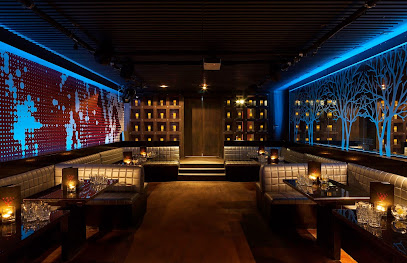
Garibaldi's
0.7 km
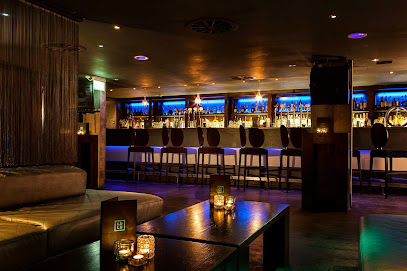
Edinburgh's tiniest nightclub packs the biggest late-night punch on Hanover Street, with killer margaritas and a dance floor that never quits till 3am.
The Shack Retro Bar & Club
0.7 km
Edinburgh's retro dance den blasting 60s-90s hits amid quirky decor and sweaty dance floors—pure nostalgic escapism on Rose Street.

Lulu Bar and Nightclub
0.9 km
Edinburgh's George Street gem: chic cocktails, thumping beats, and dance floors that ignite the night in upscale style.
For the vibe & atmosphere seeker
- Historic
- Unique
- Quirky
- Scenic
- Cultural Heritage
For the architecture buff
- Historic
- Landmarks
For the view chaser and sunset hunter
- Iconic Views
- Photo Spots
For the social media creator & influencer
- Instagrammable
- Photo Spots
- Selfie Spots
For the eco-conscious traveler
- Public-Transport Accessible
- Low Impact
For the kind of experience you’re after
- Cultural Heritage
- Photowalk
- Day Trip
- Weekend Getaway
For how adventurous you want the journey to be
- Easy Access
Location Audience
- Family Friendly
- Senior Friendly
- Child Friendly
- Teen Friendly
- Wheelchair Access
- Solo Friendly
- Couple Friendly
- Solo Female Friendly


