
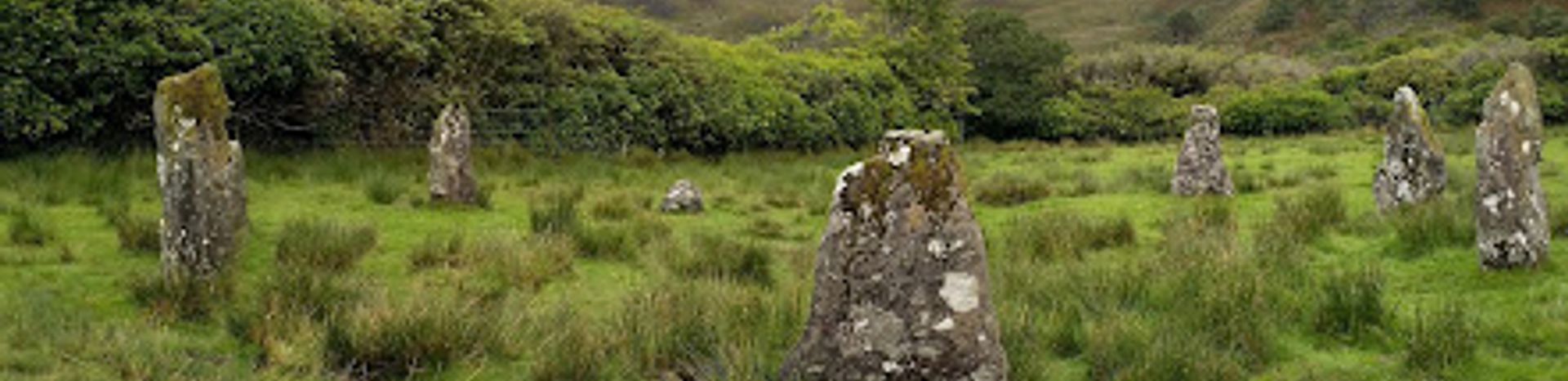
Lochbuie Standing Stones: Ancient Bronze Age Circle on the Isle of Mull
Discover the Isle of Mull’s only stone circle, a Bronze Age monument aligned with ancient solar events, set beneath the majestic Ben Buie.
The Lochbuie Standing Stones form the only stone circle on the Isle of Mull, dating from the late Neolithic to early Bronze Age (circa 3000–2000 BCE). This well-preserved circle of nine granite stones, about 12 metres in diameter, stands near the shores of Loch Buie beneath the imposing Ben Buie. The stones are believed to have had ritual, ceremonial, and astronomical significance, aligned with solar events like the midwinter sunset. Surrounded by a tranquil landscape, the site offers a rare glimpse into Scotland’s prehistoric past.
A brief summary to Lochbuie Standing Stones
- Unnamed Road, Isle of Mull, Lochbuie, PA62 6AA, GB
- Duration: 0.5 to 2 hours
- Free
-
 Outdoor
- Mobile reception: 3 out of 5
Local tips
- Visit in spring or early summer for pleasant weather and fewer midges.
- Wear waterproof footwear as the ground can be boggy and slippery.
- Combine your visit with nearby Moy Castle to explore medieval history alongside prehistoric heritage.
- Bring a camera to capture the stones framed by the dramatic backdrop of Ben Buie.

For the on-the-go comforts that matter to you
- Information Boards
- Seating Areas
- Trash Bins
Getting There
-
Car
Driving from Tobermory, the Isle of Mull’s main town, takes approximately 40 to 50 minutes. The route involves rural roads with limited passing places, so drive cautiously. Parking is available near Lochbuie House, but spaces are limited and can fill during peak season. No parking fees apply.
-
Bus
Local bus services connect Tobermory to Lochbuie several times a day, with journey times around 60 to 75 minutes. Service frequency is limited, especially on weekends and off-season, so check timetables in advance. Walking from the bus stop to the stones involves a 10-minute flat walk over uneven ground.
-
Walking
From Lochbuie village, the standing stones are accessible via a short 10 to 15-minute walk on mostly flat terrain. The path can be boggy and slippery in wet weather, so suitable footwear is recommended. The walk is suitable for most fitness levels but may be challenging for wheelchair users.
Lochbuie Standing Stones location weather suitability
-
 Any Weather
-
 Rain / Wet Weather
-
 Clear Skies
-
 Mild Temperatures
-
 Windy Conditions
Discover more about Lochbuie Standing Stones
A Unique Bronze Age Monument on Mull
The Lochbuie Standing Stones represent the only stone circle on the Isle of Mull, making them a uniquely significant prehistoric site in the region. Comprising originally nine granite stones arranged in an almost perfect circle about 12 metres (40 feet) across, the tallest stones reach approximately two metres (6.5 feet) high. One stone has been replaced in recent times by a rounded boulder, but the circle’s integrity remains largely intact. The stones’ flat sides face inward, focusing attention toward the circle’s centre, which may have been the focal point of ancient ceremonies or gatherings.Ancient Astronomical Alignments and Ritual Use
Archaeological and archaeoastronomical studies suggest that the Lochbuie circle was deliberately aligned with solar phenomena, particularly the midwinter sunset and other solar events such as the winter sunrise and summer sunset. This indicates that the site likely served as a calendar or ceremonial observatory, marking important seasonal changes for the community that built it. The stones’ placement within a rare patch of cultivable land hints at the significance of this location for early agricultural societies during the late Neolithic or early Bronze Age, roughly 3000 to 2000 BCE.Context Within the Landscape and Local History
Set near the sheltered shores of Loch Buie and overlooked by the rugged Ben Buie mountain, the standing stones are part of a larger prehistoric complex that includes nearby single standing stones and a kerb-cairn. The area was likely a hub of ancient activity, possibly connected to sea routes used by early mariners. The proximity of Moy Castle, a 15th-century tower house of the Maclaines clan, adds historical depth to the site, bridging prehistoric and medieval eras. The natural surroundings, including a burn flowing to the sea and original galley slips, enrich the sense of place and continuity.Visiting the Stones Today
The site is accessible by a short walk over fairly flat terrain, though the ground can be boggy in places due to the damp climate. Visitors can experience the stones in their natural setting without interpretive centers, allowing for a personal and contemplative encounter with Scotland’s distant past. Moss and lichen cover the stones, blending them harmoniously with the landscape. The peaceful environment, framed by the imposing Ben Buie and the nearby loch, creates a powerful atmosphere for reflection on ancient human life and their relationship with nature and the cosmos.Archaeological Significance and Ongoing Research
Lochbuie is considered one of the most complex prehistoric sites on Mull, with research highlighting its sophisticated geometric arrangements and solar alignments. It is part of a broader tradition of standing stones and stone circles in Scotland that express millennia of cultural and astronomical knowledge. While no significant archaeological finds have been uncovered at Lochbuie itself, the site’s layout and orientation provide valuable insights into the ceremonial and calendrical practices of Bronze Age communities.Preservation and Cultural Heritage
The standing stones are protected as a historical monument, with efforts to preserve their condition amidst natural weathering and environmental challenges. The site remains a vital cultural heritage landmark, connecting modern visitors with the island’s deep prehistoric roots. Its remote and tranquil setting invites an immersive experience of Scotland’s ancient landscape and enduring mysteries.Iconic landmarks you can’t miss

St John's Scottish Episcopal Cathedral : Oban
24.5 km
An unfinished masterpiece where Gothic ambition meets industrial-age engineering in Scotland's most unusual cathedral.
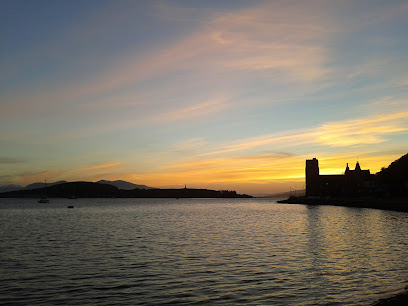
McCaig's Tower & Battery Hill
24.8 km
Explore Oban’s iconic McCaig's Tower, a Colosseum-inspired folly with stunning views and tranquil gardens atop Battery Hill.

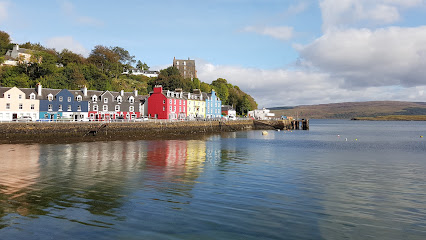
Tobermory Clock Tower
32.1 km
Historic granite clock tower memorializing local heritage, standing proudly by Tobermory’s colourful harbour on the Isle of Mull.
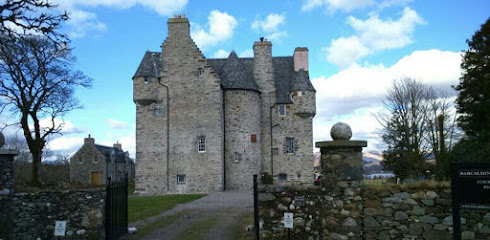
Barcaldine Castle
32.8 km
Experience the haunting beauty and rich history of Barcaldine Castle, a 17th-century Scottish fortress overlooking Loch Creran.
Kilmartin Museum
33.9 km
Discover 12,000 years of history at Kilmartin Museum, where ancient artefacts meet the stunning prehistoric landscape of Kilmartin Glen.
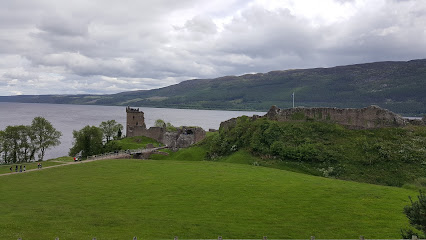
Nether Largie Mid Cairn
34.1 km
Bronze Age burial cairn at the heart of Scotland's most significant prehistoric landscape, carved with rare axehead symbols.
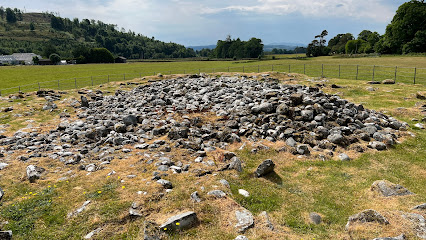
Wild About Argyll
41.0 km
Explore the stunning landscapes and rich biodiversity of Wild About Argyll, a must-visit destination for nature lovers and adventure seekers in Scotland.
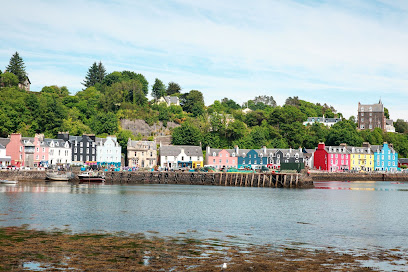
Cairn from Auchoish
42.3 km
Explore the ancient wonders of the Cairn from Auchoish, a historical monument in Lochgilphead, revealing Scotland's rich archaeological heritage.
Heart of Argyll Tourism Alliance
44.2 km
Explore the Heart of Argyll Tourism Alliance, your essential guide to breathtaking landscapes, rich history, and local culture in Scotland.
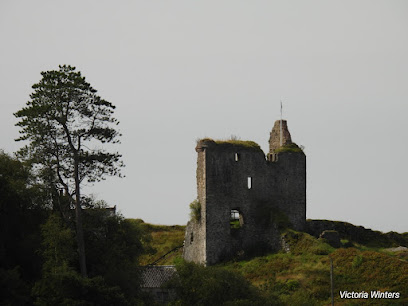
Auchindrain Historic Township
46.5 km
Explore Auchindrain Historic Township, a captivating museum showcasing Scotland's rural heritage through authentic buildings, exhibits, and a charming tea room.
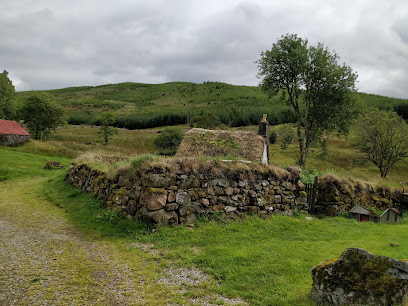
Ardnamurchan Lighthouse
46.8 km
Experience Scotland's stunning coastal beauty at Ardnamurchan Lighthouse, where history meets breathtaking views.
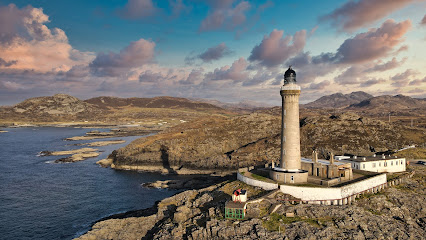
Castle Sween
47.2 km
Explore the ancient ruins of Castle Sween, a historical gem in Scotland, offering stunning views and rich stories from centuries past.
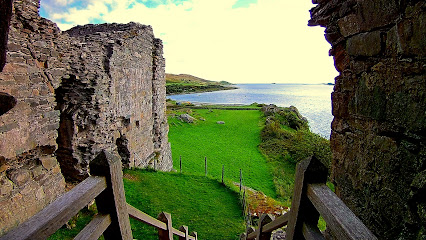
Tioram Castle
47.4 km
A hauntingly beautiful ruined castle on a tidal island in Loch Moidart, once the seat of Clanranald and the Lords of the Isles.
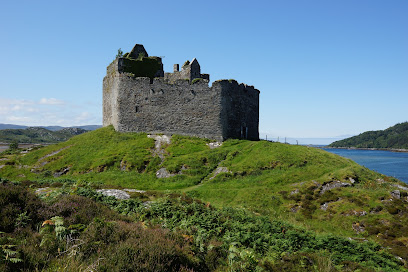
Glas Eilean
49.0 km
Explore the tranquil beauty of Glas Eilean, a hidden island gem in Lochgilphead surrounded by stunning Scottish landscapes and vibrant wildlife.
New Castle Lachlan
49.2 km
Discover the enchanting New Castle Lachlan, a historic Scottish castle offering breathtaking views and a unique venue for unforgettable events.
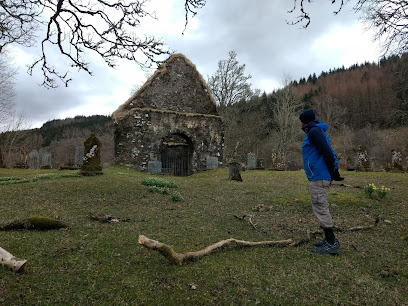
Unmissable attractions to see

Moy Castle
0.4 km
Explore Moy Castle, a stunning historical gem in Lochbuie, offering rich heritage and breathtaking landscapes perfect for photography and exploration.
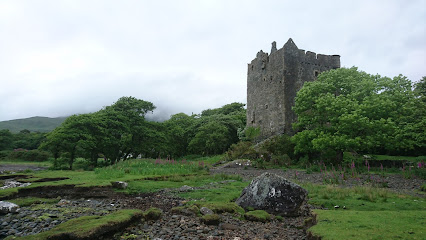
Laggan beach
1.1 km
Discover the serene silver sands of Laggan Beach, where stunning wildlife, historic landmarks, and sweeping views of Ben Buie await on the Isle of Mull.
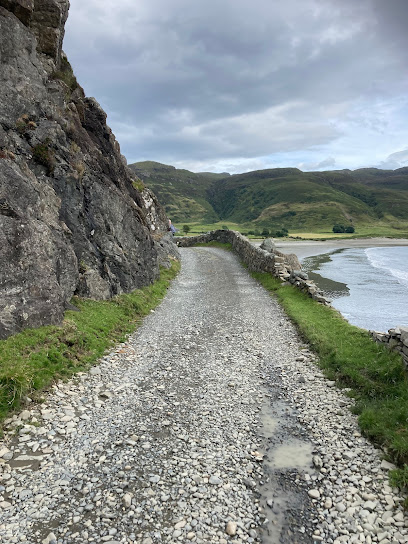
Lochbuie Mausoleum : Isle Of Mull
1.7 km
Historic family mausoleum of the MacLaines of Lochbuie, blending medieval architecture and clan heritage on the tranquil Isle of Mull coast.
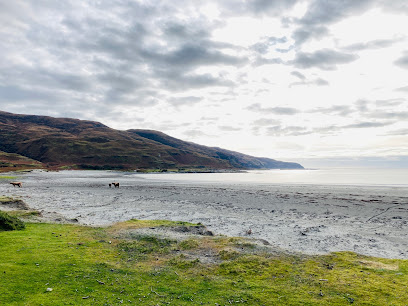
Glenbyre farm
3.5 km
Experience nature's splendor at Glenbyre Farm on the Isle of Mull, where breathtaking landscapes meet the tranquility of rural life.
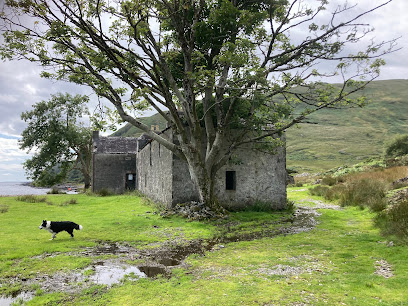
Stone Head
4.6 km
Discover the rugged coastal beauty and ancient mysteries of Stone Head and the Lochbuie Standing Stones on the Isle of Mull.
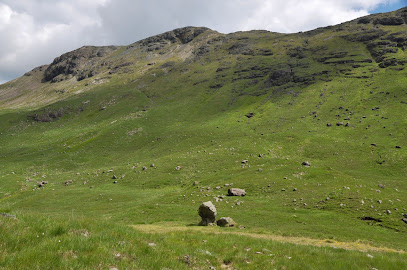
Three Lochs Viewpoint
5.3 km
Breathtaking panoramic views over three serene lochs and Mull’s rugged mountains, a tranquil escape for nature lovers and wildlife watchers.
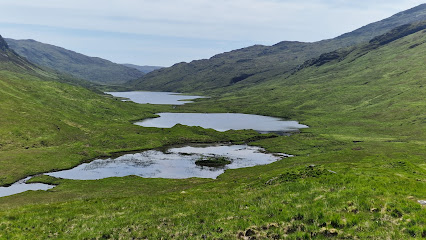
Carsaig Pier
8.2 km
Historic 19th-century pier on Mull’s rugged coast, gateway to stunning sea arches and wild coastal trails.
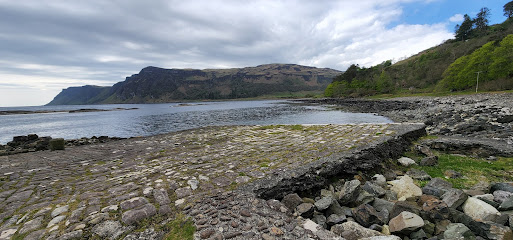
Loch Beg Bridge
8.3 km
Experience the tranquil beauty of Loch Beg Bridge on the Isle of Mull, a picturesque spot for nature lovers and photographers.
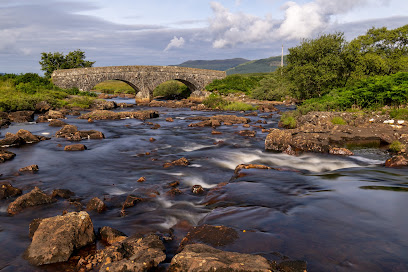
Forest & River Walk
8.6 km
A tranquil forest and river trail on the Isle of Mull, blending waterfalls, wildlife, and scenic views for a refreshing nature escape.
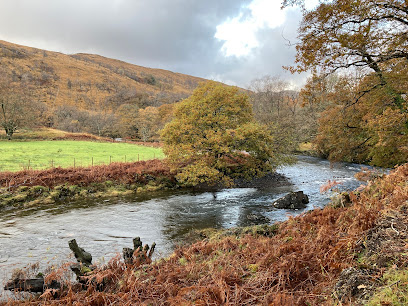
River Lussa
11.2 km
Discover the tranquil beauty and rugged charm of River Lussa, a serene Highland river winding through the Isle of Mull’s dramatic landscapes.
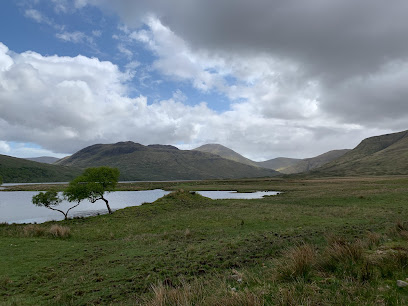
Isle of Mull
12.6 km
Discover the Isle of Mull’s wild landscapes, rich wildlife, historic castles, and vibrant coastal charm on Scotland’s captivating west coast island.
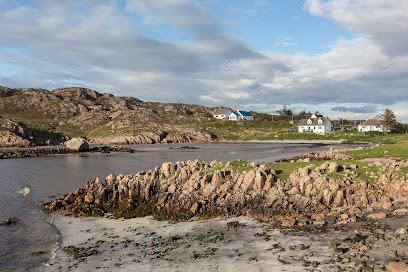
Waterfalls Scenic Walk
14.3 km
Discover tranquil waterfalls and rugged natural beauty on the Isle of Mull’s scenic hiking trail at Scallastle Farm.
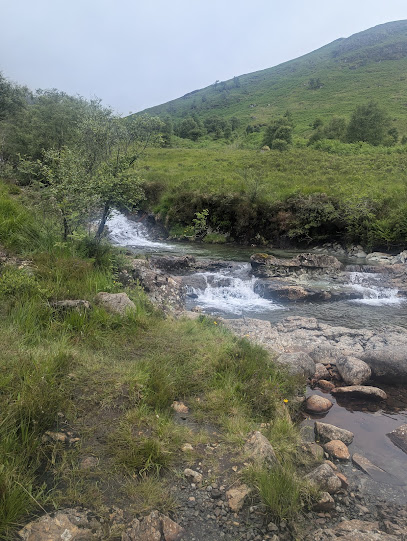
Benmore Estate Ltd
15.7 km
Experience luxurious Scottish country living and exclusive outdoor pursuits on the stunning Benmore Estate, Isle of Mull’s premier sporting retreat.
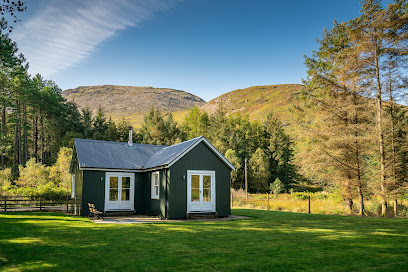
MacQuarie's Mausoleum
16.2 km
A serene Scottish mausoleum honoring Governor Lachlan Macquarie, bridging Scottish heritage and Australian colonial history.
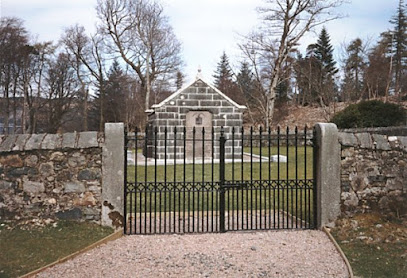
Allt Chreaga Dubha Waterfall
16.3 km
A serene and scenic waterfall nestled in the wild landscapes of the Isle of Mull, perfect for nature lovers and hikers.
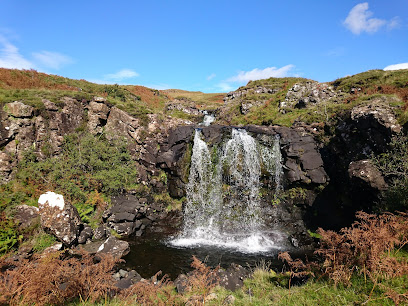
Essential places to dine

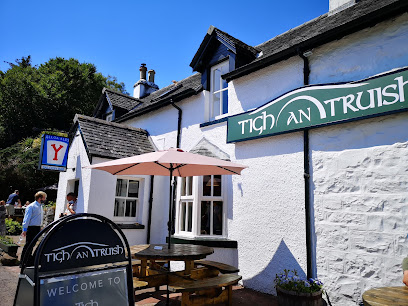
Tigh An Truish
17.5 km
Charming inn and acclaimed restaurant with stunning views of the iconic Clachan Bridge, offering exquisite local cuisine and cozy accommodations.
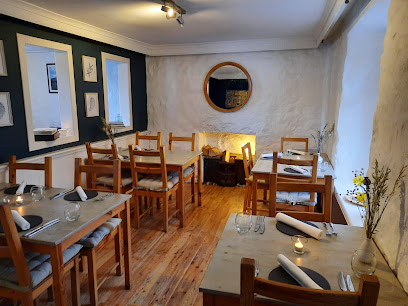
The Whitehouse Restaurant
20.4 km
An intimate fine dining haven in Lochaline serving innovative Scottish cuisine with fresh, local, and foraged ingredients in a historic coastal setting.
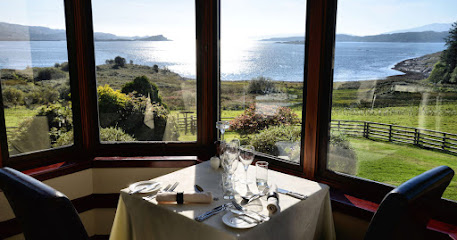
Restaurant at Loch Melfort Hotel
23.2 km
Savor inventive Scottish cuisine with stunning sea loch views at the acclaimed Restaurant at Loch Melfort Hotel in Arduaine.
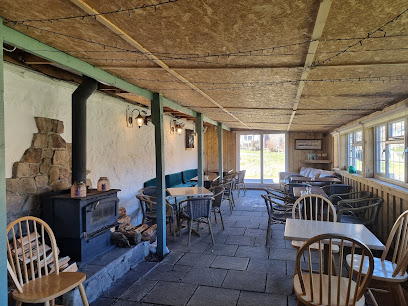
The Barn Bar
23.5 km
A rustic country pub at Cologin offering seasonal Scottish fare, cozy log fires, and lively local music near Oban.
Food From Argyll at the Pier
24.3 km
A vibrant café at Oban’s ferry terminal serving fresh, locally sourced Argyll produce with stunning waterfront views.
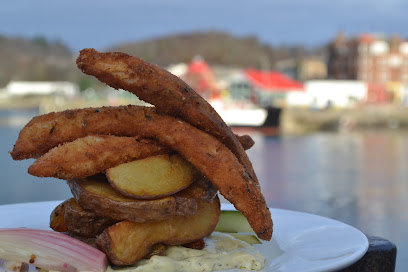
EE-USK
24.4 km
Fresh, locally sourced seafood served with panoramic harbor views on Oban’s historic North Pier.
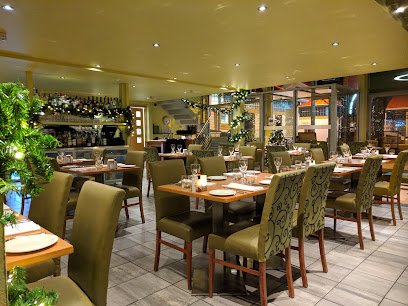
Taste of Argyll Kitchen
24.6 km
Cozy Scottish kitchen in Oban serving fresh, local dishes with a creative touch and warm hospitality.
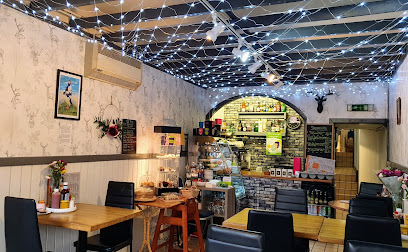
Ninth Wave Restaurant
31.1 km
Intimate seafood dining in a historic croft on the Isle of Mull, blending local flavors with refined culinary artistry.
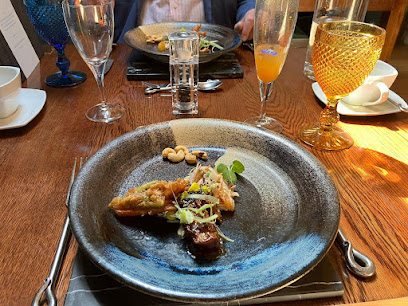
Hebridean Lodge
31.4 km
A charming coastal restaurant near Tobermory serving fresh local seafood with stunning island views and warm hospitality.
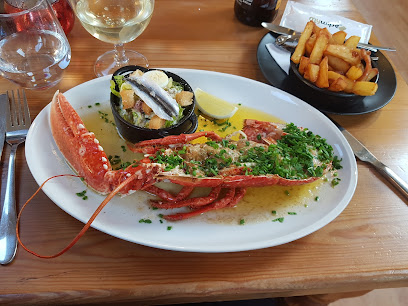
The Creel Seafood Bar
31.7 km
Fresh, locally caught seafood served with friendly charm near the ferry to Iona on the scenic Isle of Mull.
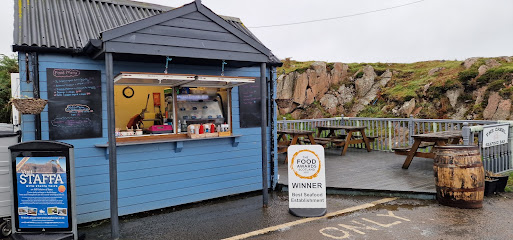
Macgochans
31.9 km
Waterfront gastropub with stunning bay views, fresh Scottish seafood, and warm Hebridean hospitality.
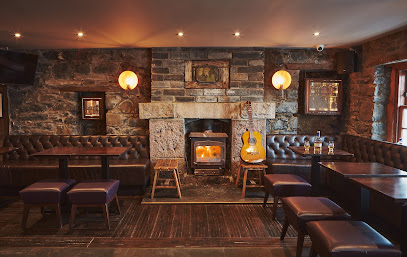
Cafe Fish, Upper Floor, The Pier, Tobermory
32.1 km
Experience Tobermory’s freshest seafood with stunning harbour views at the acclaimed Cafe Fish on the Isle of Mull.
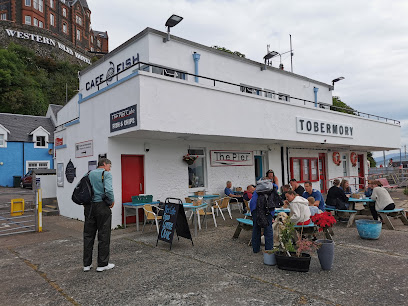
An Cala Ciuin
32.1 km
Traditional Scottish hospitality with harbour views and hearty fare in the heart of Tobermory’s historic Mishnish Hotel.
The Galleon Bistro Tobermory
32.1 km
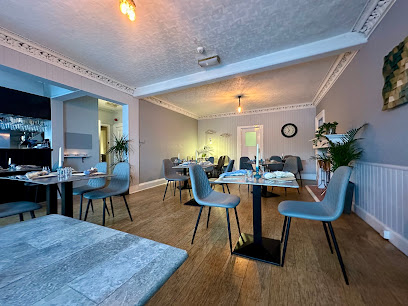
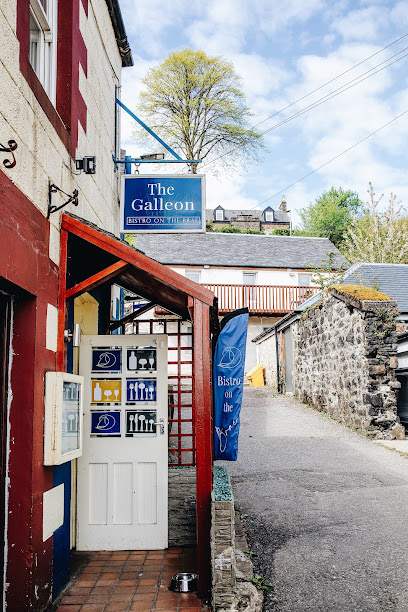
Family-run harbour-side bistro in Tobermory offering fresh local seafood, Scottish classics, and a warm, accessible dining experience on the Isle of Mull.
Spice of Mull
32.1 km
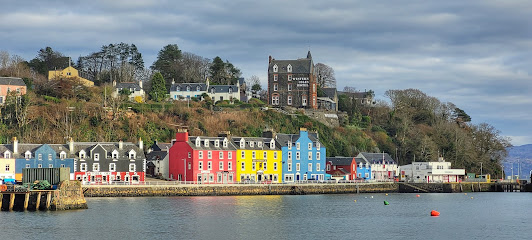
Experience authentic Indian, Bangladeshi, Thai, and Chinese flavors in a cozy Tobermory setting with stunning harbor views.
Markets, malls and hidden boutiques

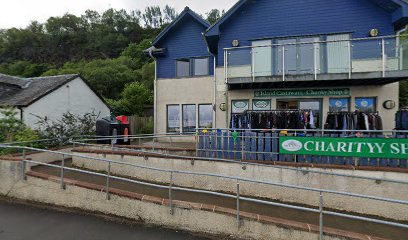
M E S S Charity Shop
15.4 km
Discover unique pre-loved treasures and support local sustainability at M E S S Charity Shop in Craignure’s community hub.
Island Castaways Within An Roth Community Centre
15.6 km
Discover unique preloved treasures and support local causes at Island Castaways, Craignure’s beloved charity shop on the Isle of Mull.
Craignure SPAR and Post Office
15.6 km
Discover the convenience of Craignure SPAR and Post Office, your one-stop shop for essentials and local delights on the Isle of Mull.
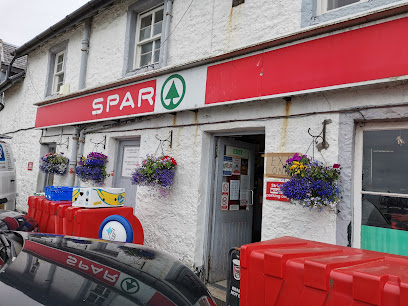
Spar Bunessan
23.6 km
Your friendly local convenience store and post office in Bunessan, Isle of Mull, offering essentials and community connection in a scenic village setting.
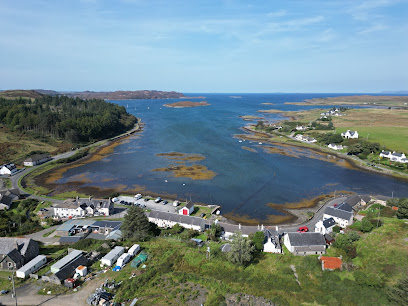
Fingal's Cave Gift Shop
23.7 km
Discover unique Hebridean crafts and souvenirs inspired by the legendary Fingal's Cave at this charming Isle of Mull gift shop.
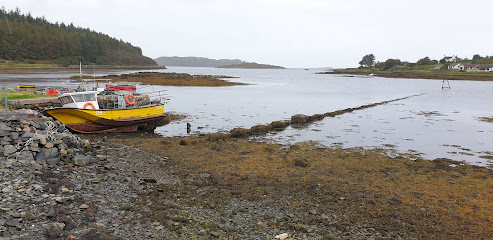
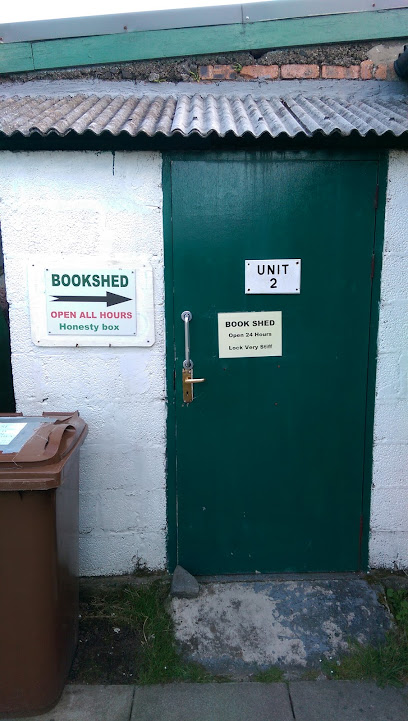
Bookshed
23.7 km
Discover a charming charity bookshop in Bunessan, Isle of Mull, offering diverse second-hand books and supporting local community causes.
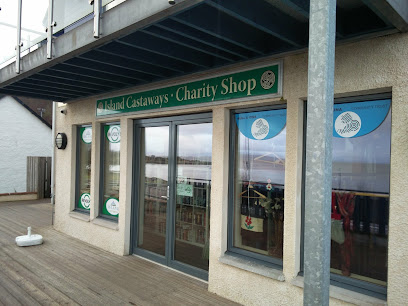
Island Castaways
23.7 km
Discover unique thrift treasures and support local causes at Island Castaways, Mull’s spotless and community-driven charity shop in Craignure.
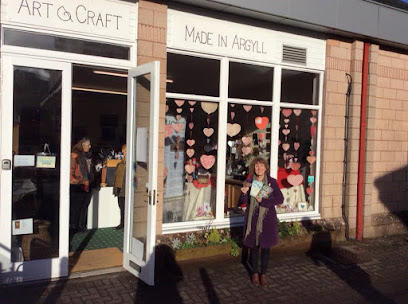
Made in Argyll
24.4 km
Discover handcrafted jewellery, ceramics, textiles and art from Argyll’s makers in a bright, harbour-side craft shop in Oban.
McCaig's Warehouse
24.4 km
Discover quality Scottish clothing and unique gifts at McCaig's Warehouse, a welcoming boutique nestled in Oban’s Heritage Centre.
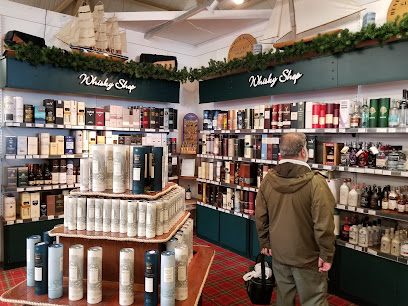
The Modern Croft
24.5 km
A bright, contemporary homewares and gift shop in Oban, showcasing beautiful craft and design from Scotland and beyond.
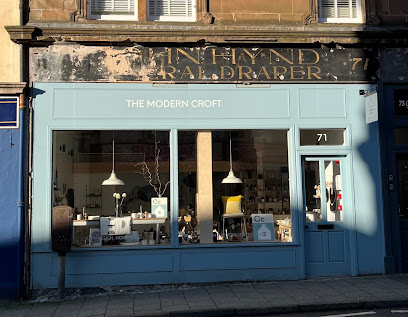
Fancy That & Sci-Fi Planet
24.5 km
Discover a unique blend of local souvenirs and sci-fi collectibles at Fancy That & Sci-Fi Planet in the heart of Oban.
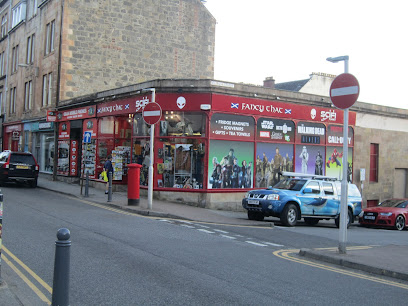
Highland Experience
24.5 km
Explore Highland Experience in Oban for unique Scottish clothing and accessories that reflect the rich culture and craftsmanship of the Highlands.
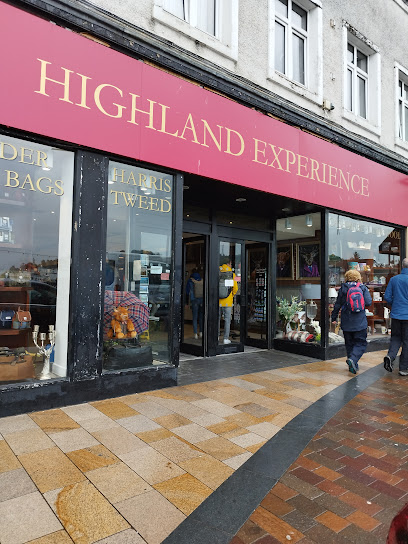
Bolliwood to the Smiddy
24.6 km
A warm, welcoming gift shop in Oban filled with handcrafted Scottish souvenirs and local crafts – perfect for meaningful keepsakes after exploring the coast.
Ardfern Village Store
28.0 km
Charming village store offering local Scottish produce, essentials, and warm hospitality in the heart of Ardfern near Lochgilphead.
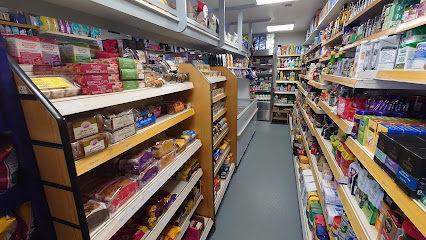
Hasn Candle Company
31.4 km
Discover handcrafted candles inspired by the natural beauty and seasonal scents of the Isle of Mull in Tobermory’s welcoming artisan shop.
Essential bars & hidden hideouts

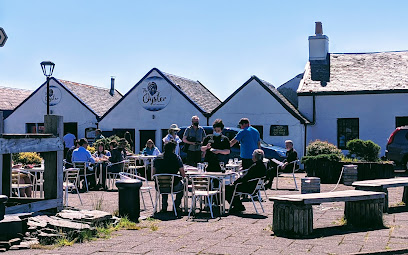
The Oyster Bar
14.7 km
A charming seafood haven in historic Ellenabeich, offering fresh oysters, scenic coastal views, and warm Scottish hospitality.
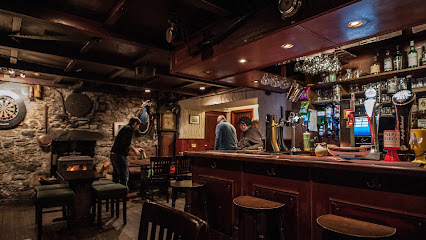
Craignure Inn
15.6 km
A cozy, dog-friendly pub and inn in Craignure offering hearty fare, comfortable rooms, and a warm welcome on the Isle of Mull.
Isle of Mull Hotel & Spa
15.8 km
A welcoming coastal retreat on the Isle of Mull, blending scenic views, spa relaxation, and warm Scottish hospitality.
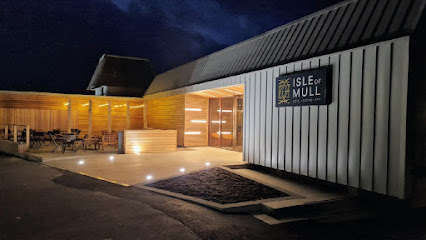
Bunessan Inn
23.7 km
Historic Isle of Mull pub and inn offering hearty food, local whiskies, cozy rooms, and stunning loch views in a warm community setting.
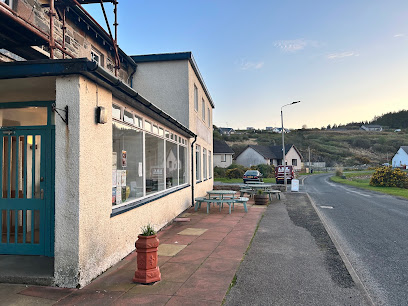
Cellar Bar
24.5 km
Cozy and traditional Scottish pub on Oban’s waterfront, famed for local whiskies, live music, and warm hospitality.
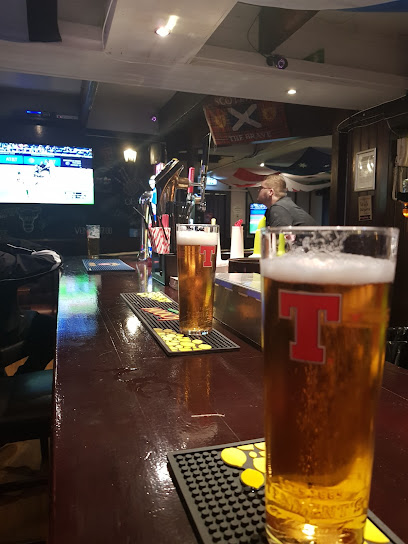
Markie Dans
24.5 km
Family-run pub in Oban offering vast single malts, hearty food, live music, and stunning bay views in a welcoming, lively atmosphere.
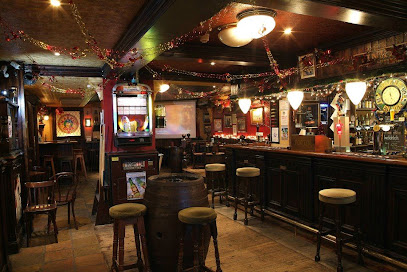
The Tartan Tavern
24.6 km
Experience authentic Scottish hospitality and traditional charm at The Tartan Tavern, a cozy and lively pub in the heart of Oban.
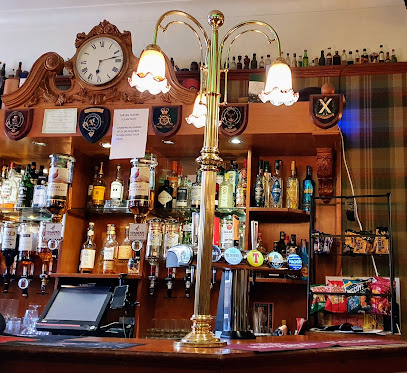
Lorne Bar
24.6 km
Experience authentic Scottish hospitality, fresh local seafood, and a warm, welcoming atmosphere in the heart of Oban at The Lorne Bar.
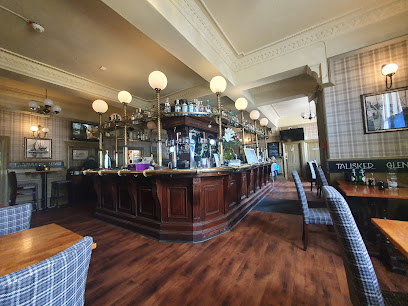
The Keel Row
31.5 km
Cozy pub and restaurant in Fionnphort offering hearty Scottish dishes, scenic bay views, and a warm, welcoming atmosphere on the Isle of Mull.
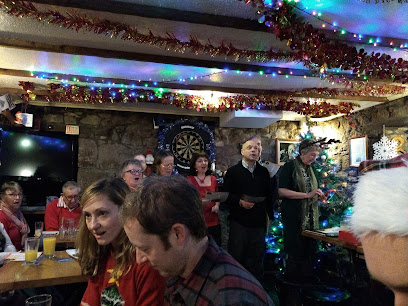
Snack Bar
31.7 km
Experience the charm of the Isle of Mull at the Snack Bar, where delightful bites and stunning views create unforgettable memories.
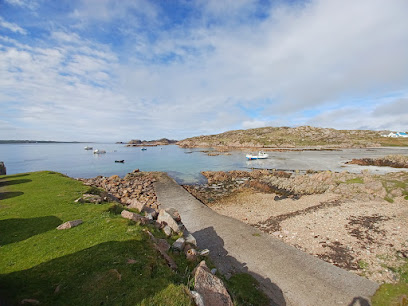
The Tobermory Hotel
32.1 km
Historic boutique hotel with stunning Tobermory Bay views, local cuisine, and warm Highland hospitality on the Isle of Mull’s vibrant waterfront.
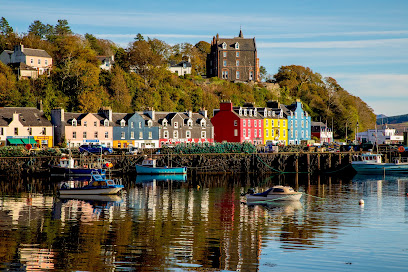
Mishnish
32.1 km
A traditional Scottish hotel and bar in Tobermory, famed for cosy harbour views, live folk music, and warm island hospitality.
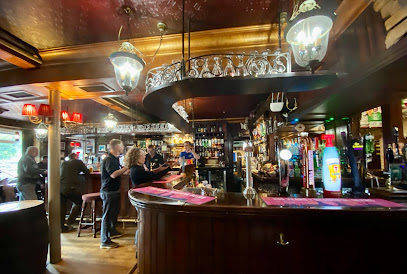
Western Isles Hotel
32.1 km
Historic hotel with breathtaking Tobermory Bay views, classic charm, and warm hospitality on the scenic Isle of Mull.
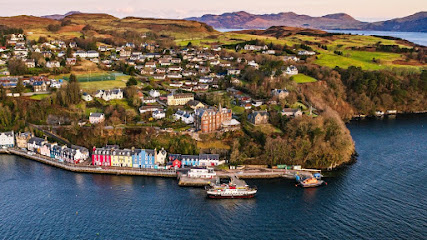
Auld Mull Bar
32.2 km
Experience warm island hospitality and local flavors at Auld Mull Bar, a cozy family-run retreat in Tobermory’s charming harbor village.
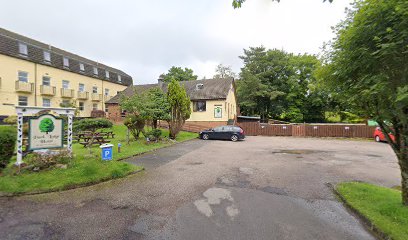
Colonsay Pub
38.4 km
Experience authentic island hospitality and local brews at Colonsay Pub, the vibrant social hub of the Isle of Colonsay.
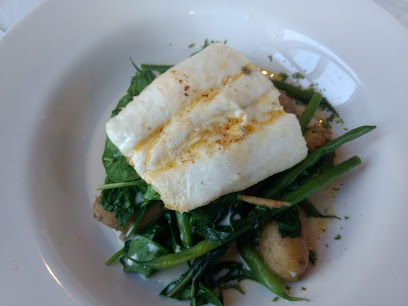
Nightclubs & after hour spots

Jura Brewery
57.5 km
Discover Jura Brewery: A Craft Beer Experience in the Heart of the Isle of Jura, Where Tradition Meets Nature's Bounty.
Roobarb
68.3 km
Experience Fort William’s vibrant nightlife at Roobarb, the welcoming nightclub where music and dancing light up weekend nights.
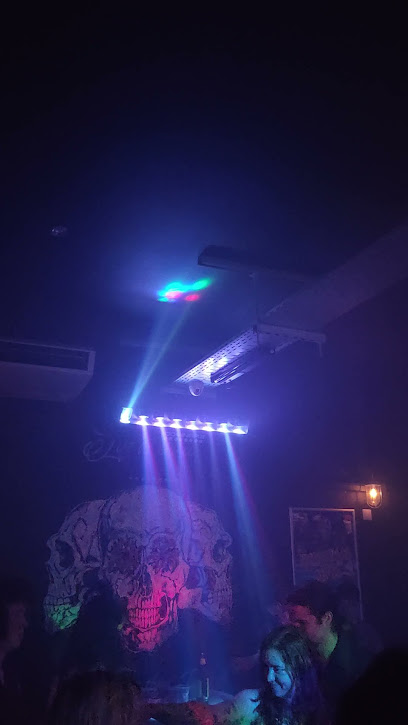
Word Up
81.6 km
Experience Greenock's revitalized nightlife at Word Up, a modern nightclub with vibrant energy and a welcoming atmosphere.
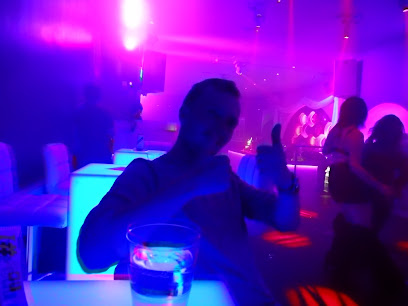
Red
82.2 km
Experience Greenock’s vibrant nightlife at Red Nightclub, where intimate vibes meet lively dance floors and affordable fun every weekend.
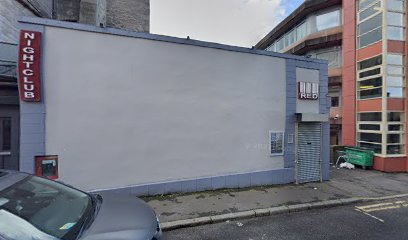
No. 1 Charlotte Street
83.4 km
Discover the cozy charm of No. 1 Charlotte Street, a perfect blend of bar, hotel, and local hospitality in Port Ellen, Isle of Islay.
The Ardview Inn
83.5 km
Experience the warm hospitality and local flavors at The Ardview Inn, a charming pub in Port Ellen, Isle of Islay, perfect for unwinding after your travels.
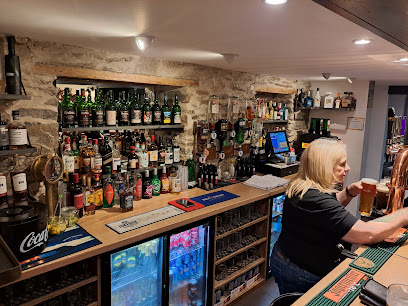
The Islay Hotel
83.6 km
Experience the charm of The Islay Hotel, where comfort meets local culture on the beautiful Isle of Islay.
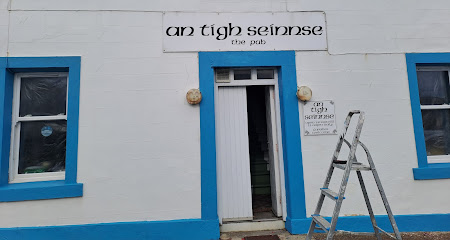
An Tigh Seinnse
85.6 km
Discover the charm of An Tigh Seinnse in Portnahaven, where local flavors and warm hospitality blend for an unforgettable pub experience.
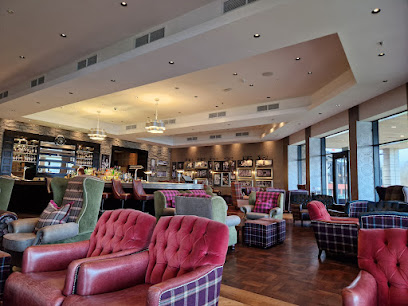
Great Scotts Bar
86.3 km
Experience the perfect blend of stunning loch views and a vibrant bar atmosphere at Great Scots Bar, your ideal retreat in Loch Lomond.
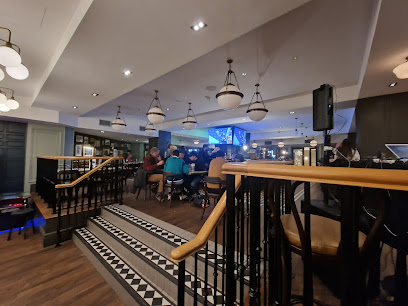
The Tavern
86.3 km
Discover The Tavern, a charming bar by Loch Lomond, perfect for unwinding with drinks amidst stunning natural beauty.
The Lobby Bar
86.5 km
Discover the perfect blend of relaxation and local charm at The Lobby Bar, nestled by the scenic shores of Loch Lomond.
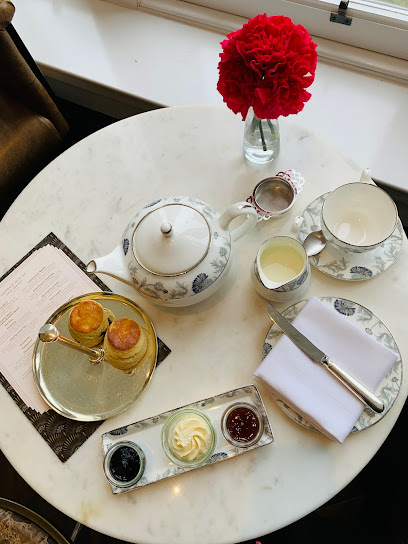
Bar Am Praban
87.6 km
Experience authentic Scottish cuisine and warm hospitality at Bar Am Praban, a premier bar and restaurant on the scenic Isle of Skye.
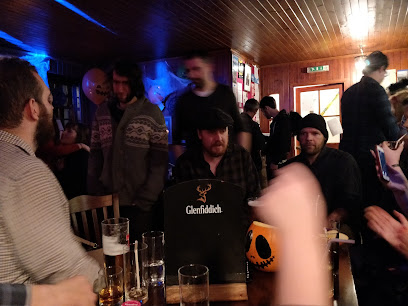
Queen Of The Loch
87.9 km
A charming family and dog-friendly pub and lodge on Loch Lomond’s banks, serving hearty British classics in a warm, scenic setting.
Desire Nightclub
88.1 km
Experience Balloch’s vibrant nightlife at Desire Nightclub, where energetic music and welcoming vibes create unforgettable evenings.
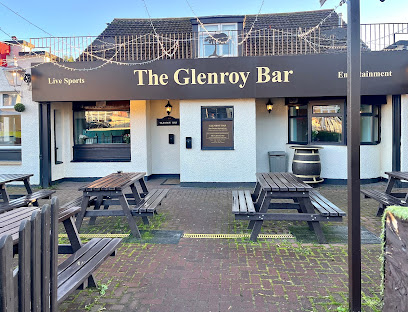
Glenroy Bar
88.2 km
Experience the friendly ambiance and local flavors at Glenroy Bar, your perfect retreat in Balloch, Scotland.
For the vibe & atmosphere seeker
- Tranquil
- Scenic
- Unique
- Relaxing
For the design and aesthetic lover
- Rustic Designs
- Vintage Styles
For the architecture buff
- Historic
- Landmarks
For the view chaser and sunset hunter
- Iconic Views
- Panoramas
- Sunset Spots
For the social media creator & influencer
- Instagrammable
- Photo Spots
- Aesthetic Corners
For the eco-conscious traveler
- Low Impact
- Public-Transport Accessible
- Leave-No-Trace Critical
For the kind of experience you’re after
- Cultural Heritage
- Myth & Legends
- Photowalk
- Nature Escape
- Day Trip
- Weekend Getaway
For how adventurous you want the journey to be
- Easy Access
Location Audience
- Family Friendly
- Senior Friendly
- Child Friendly
- Teen Friendly
- Solo Friendly
- Couple Friendly
- Vegetarian Friendly
- Vegan Friendly


