Derwent Reservoir, Derbyshire Travel Guide
Historic reservoir and dam in Peak District’s Hope Valley, blending engineering heritage with stunning natural vistas and outdoor adventures.
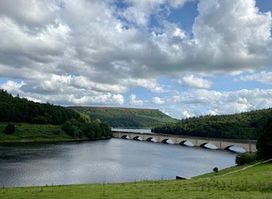
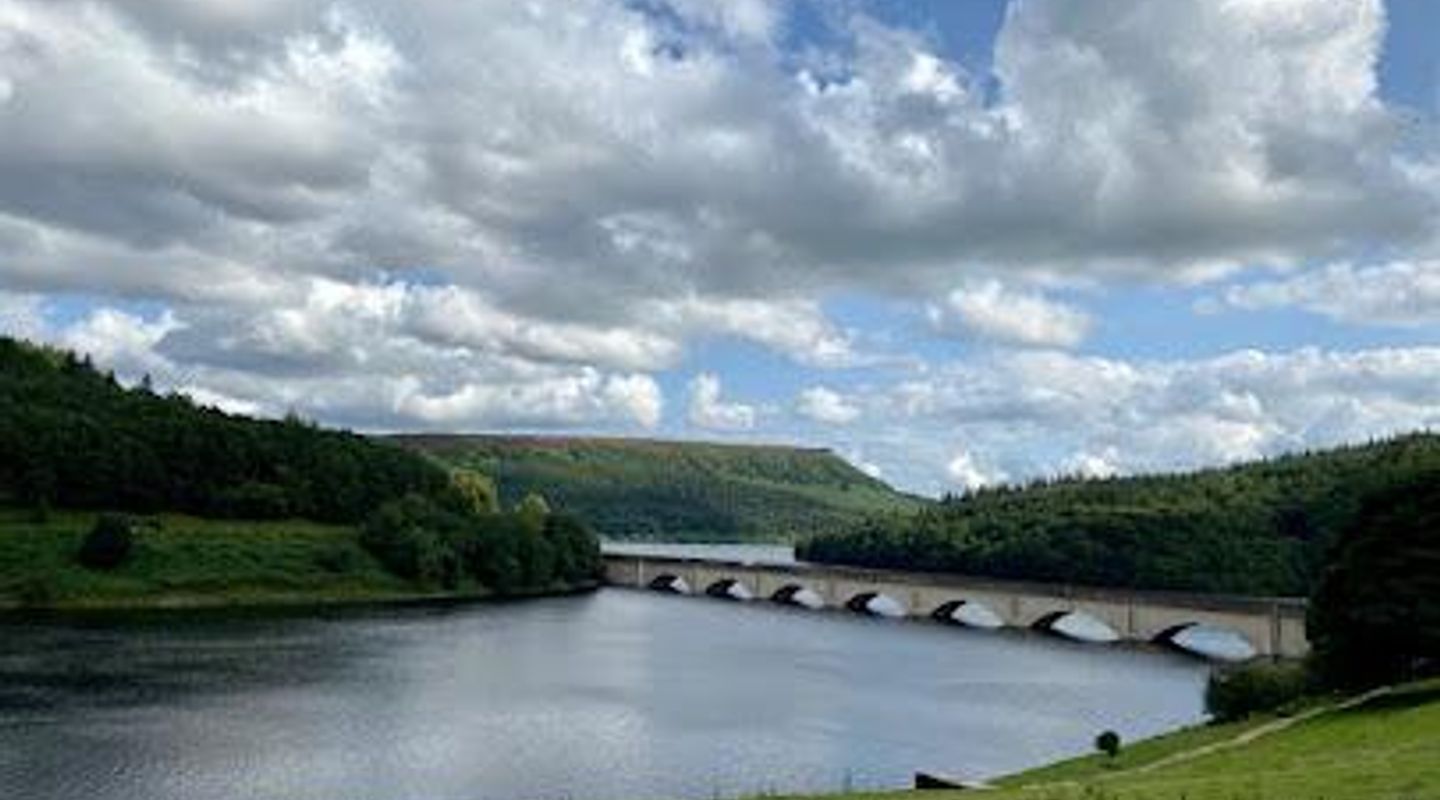
Derwent Reservoir, nestled in the Upper Derwent Valley of the Peak District National Park near Hope Valley, England, is a historic and scenic reservoir stretching 1.5 miles. Built between 1902 and 1916 to supply water to nearby cities, it features the iconic Derwent Dam, a site of WWII Dambusters training. Surrounded by walking trails and panoramic views, it offers a peaceful retreat into nature with rich industrial heritage and striking landscapes.
A brief summary to Derwent Reservoir
- Hope Valley, GB
- Duration: 1 to 4 hours
- Mid ranged
-
 Outdoor
- Mobile reception: 4 out of 5

Know before you go
Hi, I'm Eve. Here are a few practical things to know before exploring Derwent Reservoir.
- Visit after heavy rainfall to see the dam overflow, creating a spectacular waterfall effect.
- Explore the walking trails around the reservoir and nearby Derwent Edge for panoramic views.
- Use Fairholmes Visitor Centre as a starting point for walks and to access parking and facilities.
- Learn about the WWII Dambusters history at the dam and spot the commemorative plaque.
- Combine your visit with nearby Hope Valley attractions like Ladybower Reservoir and local villages.
Do you manage this location?
Take control to get all the benefits, like improved information, better appearance, and stronger visibility across AI-powered discovery. Learn more about listing your business on Evendo
Activate your presenceOther nearby places you may find interesting
The closest places of the same kind, if this one is not quite what you had in mind.

Explore Derwent Reservoir on the Map
A handpicked selection of must-see spots near Derwent Reservoir, mapped for you.
Unlock the Best of Derwent Reservoir
Buy tickets
-
No tickets available
Book tours with entry
-
No tours available
Book tours without entry

Getting There
-
Car
Driving to Derwent Reservoir typically takes 30-45 minutes from Sheffield city center via the A6187 and local roads. Parking is available at Fairholmes Visitor Centre for a fee of approximately £6 for all-day parking. Note that parking can fill quickly on weekends and holidays.
-
Bus and Train
Take a train to Bamford station from Sheffield, a journey of about 30 minutes. From Bamford, a taxi or a 1-hour walk along marked trails leads to the reservoir. Bus services are limited since March 2025, so plan accordingly.
-
Walking
For hikers, the Derwent Valley Heritage Way connects the reservoir with nearby Ladybower Reservoir and Bamford village. The terrain includes moorland and forest paths, suitable for moderate fitness levels and well-equipped walkers, taking 2-3 hours depending on route.
For the on-the-go comforts that matter to you
-
 Restrooms
-
 Drink Options
-
 Food Options
-
 Seating Areas
-
 Trash Bins
-
 Information Boards
-
 Visitor Center
Discover more about Derwent Reservoir
Origins and Engineering Marvel of Derwent Reservoir
Derwent Reservoir is the middle of three reservoirs in the Upper Derwent Valley, constructed to meet the growing water demands of the rapidly industrializing cities nearby, including Sheffield and Derby. Construction began in 1902, with the reservoir filling starting in 1914 and completion by 1916. The dam was engineered by Edward Sandeman, a Victorian specialist known for his gothic-style stone dam designs, which include castle-like towers that give the dam a distinctive appearance. Over 1,000 workers lived in a specially built settlement called Birchinlee or "Tin Town" during construction, and the huge stones forming the dam walls were transported via a dedicated railway from local quarries at Bole Hill. The reservoir can hold up to 9.64 million cubic metres of water, covering approximately 70 hectares and reaching depths of nearly 35 metres.Historical Significance and Wartime Legacy
Derwent Dam holds a unique place in history as a training site for the RAF's 617 Squadron, the famous "Dambusters," during World War II. Its architecture closely resembled the dams targeted in Germany, allowing pilots to practice low-level bombing runs. A plaque commemorates this legacy, and occasional flypasts by the Battle of Britain Memorial Flight honor the squadron’s sacrifice. Nearby, the submerged villages of Derwent and Ashopton, flooded to create the later Ladybower Reservoir, add a poignant historical layer to the area.Natural Beauty and Outdoor Recreation
The reservoir is surrounded by a network of walking trails that offer stunning views across the water and the surrounding Peak District landscapes. Popular routes include walks from the Fairholmes Visitor Centre across the dam and along the reservoir’s edge, ascending into moorland with panoramic vistas. The Derwent Edge, a nearby high ridge, provides dramatic scenery and distinctive rock formations, especially vibrant in late summer when the heather blooms. Though swimming in the reservoir is prohibited, nearby spots like Slippery Stones offer wild swimming opportunities.Visitor Experience and Amenities
Visitors can enjoy the tranquil atmosphere of the reservoir and its surroundings, with facilities such as the Fairholmes Visitor Centre providing information and parking. The dam itself is a popular viewpoint, especially when it overflows after heavy rain, creating a striking cascading waterfall effect. The area is ideal for picnics, photography, and nature observation, with abundant wildlife and seasonal changes enhancing the experience. The reservoir’s location within the Peak District National Park ensures a protected environment with easy access to other regional attractions.Connectivity and Nearby Attractions
Derwent Reservoir lies about 10 miles west of Sheffield and is accessible by car and public transport, though bus services have become limited in recent years. The nearby villages of Hope, Bamford, and Hathersage offer charming local culture, pubs, and additional outdoor activities such as climbing and caving. The reservoir forms part of a trio with Howden and Ladybower Reservoirs, collectively shaping the Upper Derwent Valley’s landscape and heritage.Conservation and Sustainable Tourism
Managed by Severn Trent Water, Derwent Reservoir is a vital water source and a protected natural area. Efforts to maintain its ecological balance and historical integrity support sustainable tourism. Visitors are encouraged to respect the environment by following Leave-No-Trace principles and enjoying the site’s natural and cultural heritage responsibly.












Your all‑in‑one travel companion app
Explore expert travel guides, compare and book tours, experiences, hotels, and more—all from the palm of your hand. Download now for seamless trip planning wherever your wanderlust takes you.


Explore More of Derbyshire
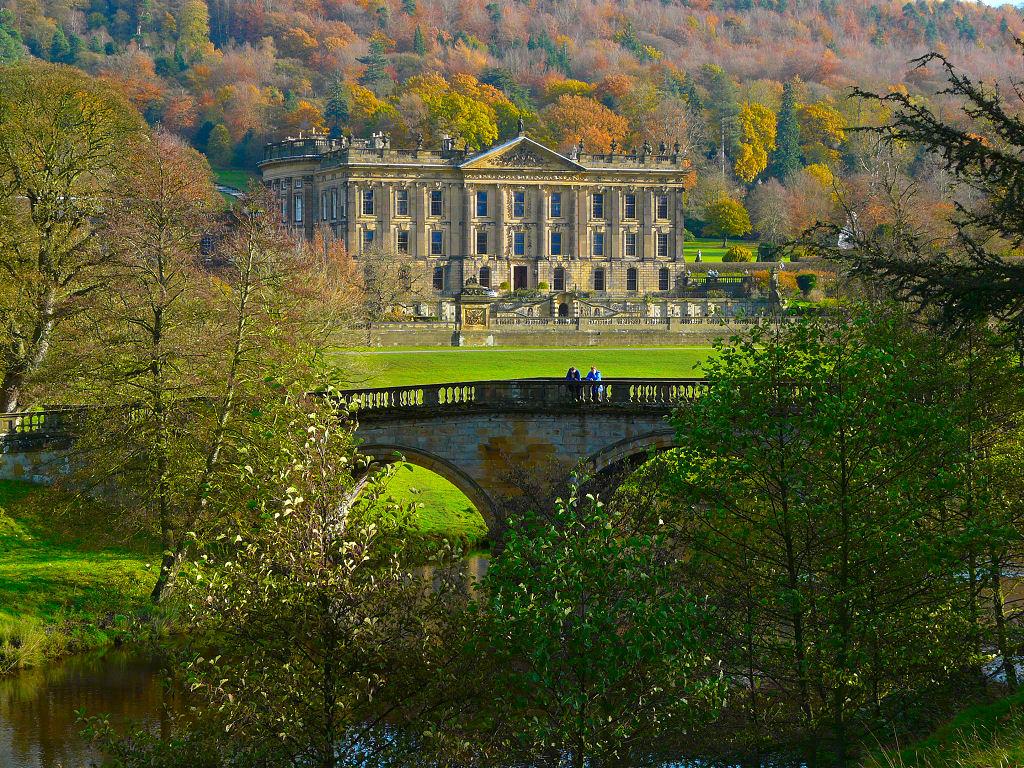
Looking beyond Derwent Reservoir? Discover Derbyshire for broader travel guides, local hot-spots, and regional highlights.
Explore Derbyshire