Stonegate, Leeds Travel Guide
Explore Stonegate, York’s historic street where Roman roots meet medieval charm in a vibrant, architectural treasure trove.
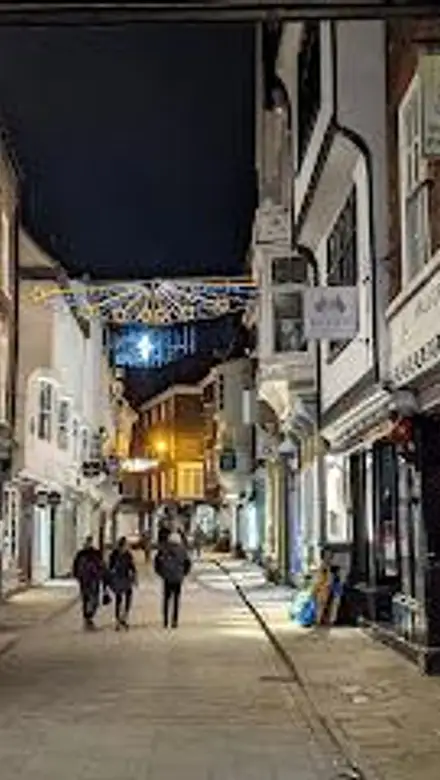
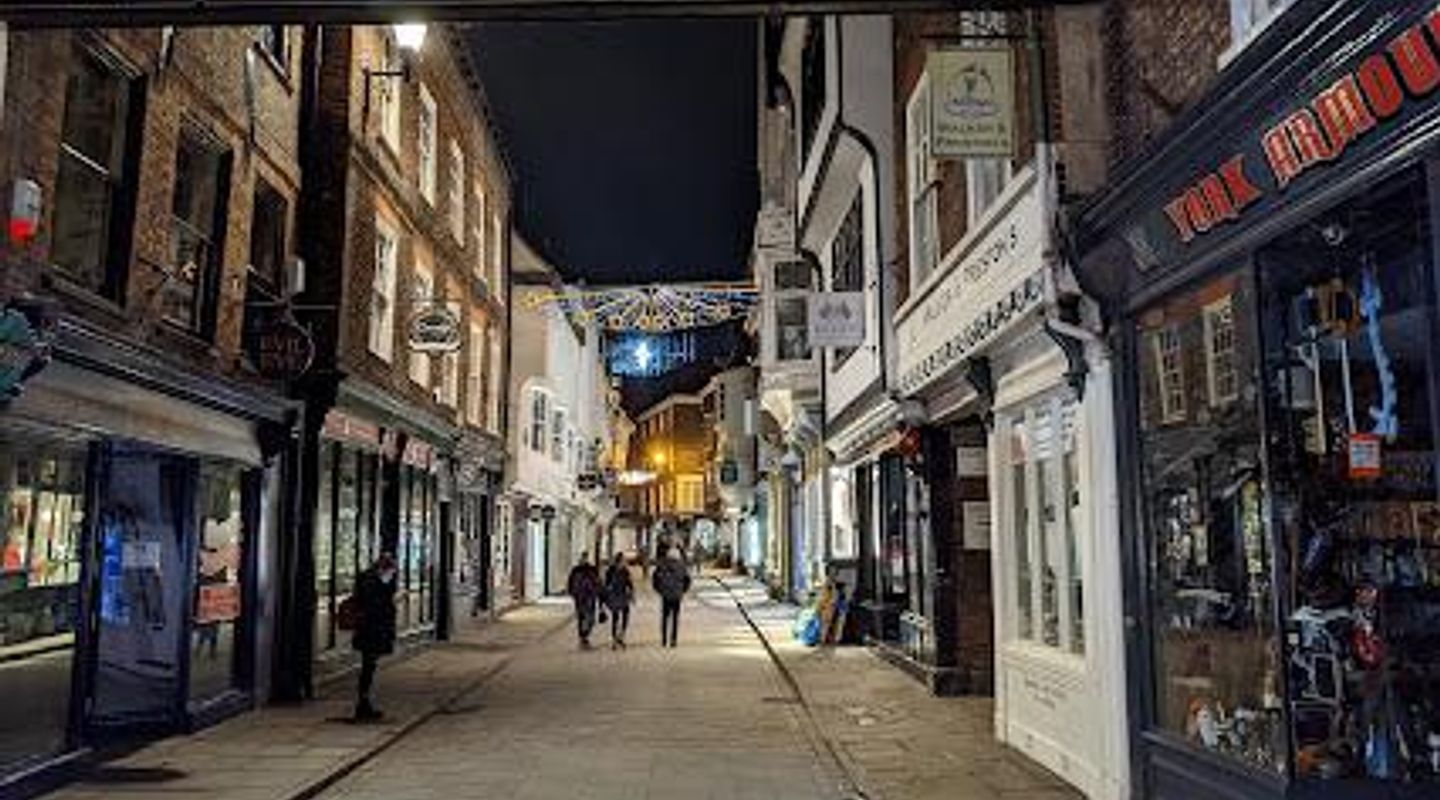
Stonegate is one of York’s most iconic and historically rich streets, located in the city centre. Tracing the route of a Roman via praetoria, it features a remarkable collection of listed buildings spanning from the 12th century Norman House to medieval timber-framed shops and pubs. Known for its historic trades including goldsmiths, printers, and bookshops, Stonegate remains a vibrant destination lined with charming shops, cafes, and architectural treasures that reflect York’s layered past.
A brief summary to Stonegate
- York, GB
- Duration: 0.5 to 2 hours
- Mid ranged
-
 Outdoor
- Mobile reception: 4 out of 5

Know before you go
Hi, I'm Eve. Here are a few practical things to know before exploring Stonegate.
- Visit during weekdays to enjoy a quieter atmosphere and better access to shops and cafes.
- Look out for the Norman House courtyard, a rare 12th-century stone building hidden off the main street.
- Explore the side yards and snickleways branching off Stonegate for charming photo opportunities.
- Check out The Punch Bowl pub for a historic setting and traditional English fare.
- Discover local artisan shops offering unique handcrafted goods and bespoke scents.
Do you manage this location?
Take control to get all the benefits, like improved information, better appearance, and stronger visibility across AI-powered discovery. Learn more about listing your business on Evendo
Activate your presenceOther nearby places you may find interesting
The closest places of the same kind, if this one is not quite what you had in mind.




Explore Stonegate on the Map
A handpicked selection of must-see spots near Stonegate, mapped for you.
Unlock the Best of Stonegate
Buy tickets
-
No tickets available
Book tours with entry


Getting There
-
Bus
Take York Park & Ride services from various city outskirts to the city centre; from the bus stop near St Helen’s Square, Stonegate is a 5-10 minute walk. Buses run frequently every 10-20 minutes, costing around £3-5 for a day ticket.
-
Train
Arrive at York Railway Station and walk approximately 20 minutes through the city centre to Stonegate. The route is mostly flat and accessible, passing landmarks like the Shambles and York Minster.
-
Taxi
Taxis from York Railway Station to Stonegate take about 5-10 minutes depending on traffic, with fares typically between £6-10. Note that Stonegate is pedestrianized, so drop-off is nearby.
-
Walking
If staying in central York, Stonegate is easily accessible on foot via pedestrian-friendly streets. Walking times vary from 5 to 20 minutes depending on your location, with mostly flat terrain and plenty of historic sights en route.
For the on-the-go comforts that matter to you
-
 Restrooms
-
 Drink Options
-
 Food Options
-
 Seating Areas
-
 Information Boards
Discover more about Stonegate
Ancient Origins and Roman Foundations
Stonegate follows the line of the Roman via praetoria, a key road in the fortress of Eboracum, connecting the main gate near St Helen’s Square to the Roman headquarters beneath York Minster. This ancient thoroughfare was likely paved with stone, a rarity at the time, which may have inspired the street’s name recorded as early as 1119. The street’s strategic importance is underscored by its role in transporting stone for the construction of York Minster, linking it closely to the city’s ecclesiastical heritage.Medieval Trade and Cultural Significance
Throughout the Middle Ages, Stonegate was a bustling hub for specialized trades such as goldsmithing and glass painting. It also became a centre for printers and bookshops from the 1500s onwards, with notable establishments like John Todd’s library and bookshop. The street’s civic importance is highlighted by its use for processions between the Guildhall and Minster, as well as being a stage for the historic York Mystery Plays, medieval religious pageants that captivated audiences.Architectural Heritage and Notable Buildings
Stonegate boasts an exceptional array of listed buildings, with many timber-framed structures dating from the 14th to 17th centuries. Among these is the rare 12th-century Norman House, discovered in a courtyard off the street. Other architectural highlights include Mulberry Hall, a medieval baronial hall site, and The Punch Bowl pub, originally a 17th-century coffee house. The street’s buildings showcase a blend of medieval, Tudor, and early modern styles, many preserved with expert care by conservation trusts.Modern-Day Character and Visitor Experience
Today, Stonegate remains a lively pedestrian street renowned for its boutique shops, artisanal crafts, and inviting cafes. The street’s historic ambiance is enriched by its narrow yards and snickleways, offering charming glimpses into York’s past. Visitors can explore unique shops like Beauchamp with Italian leather goods, apothecaries crafting bespoke scents, and award-winning jewellers, all housed within centuries-old buildings that retain their original charm.Legacy and Cultural Resonance
Stonegate’s enduring legacy is reflected in its literary and cultural references, including appearances in historical novels set in Tudor York. The street’s connection to figures like Guy Fawkes, born here in 1570, adds to its rich tapestry of stories. As a protected heritage site, Stonegate continues to embody York’s historic spirit, offering a tangible link to the city’s Roman roots and medieval prosperity.Preservation and Conservation Efforts
Conservation trusts actively manage many properties on Stonegate to preserve their architectural integrity and historical significance. These efforts ensure that Stonegate remains not only a vibrant commercial street but also a living museum of York’s urban development through the centuries. The street’s pedestrianization since 1974 has enhanced its accessibility and atmosphere, allowing visitors to appreciate its heritage in a relaxed setting.












Your all‑in‑one travel companion app
Explore expert travel guides, compare and book tours, experiences, hotels, and more—all from the palm of your hand. Download now for seamless trip planning wherever your wanderlust takes you.


Explore More of Leeds

Looking beyond Stonegate? Discover Leeds for broader travel guides, local hot-spots, and regional highlights.
Explore Leeds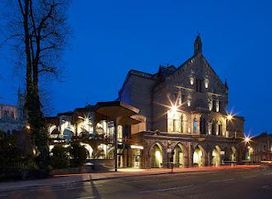
Experience nearly three centuries of theatrical heritage in York’s iconic Victorian Gothic Revival theatre with modern flair and vibrant performances.
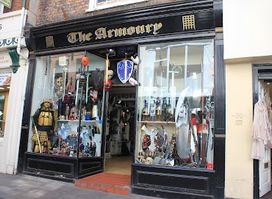
Discover authentic historical arms, armour, and movie swords in York’s premier specialist gift shop on atmospheric Stonegate.