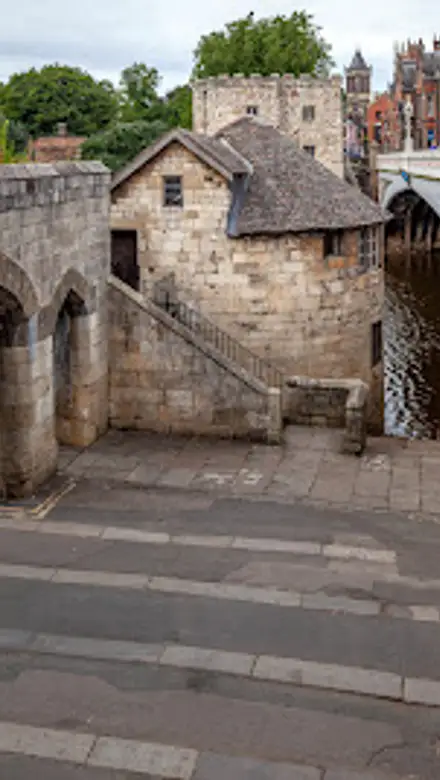
Barker Tower, York Travel Guide
Free Guide: A 14th-century river tower where medieval tolls, ferries, and York's leather trade converged.


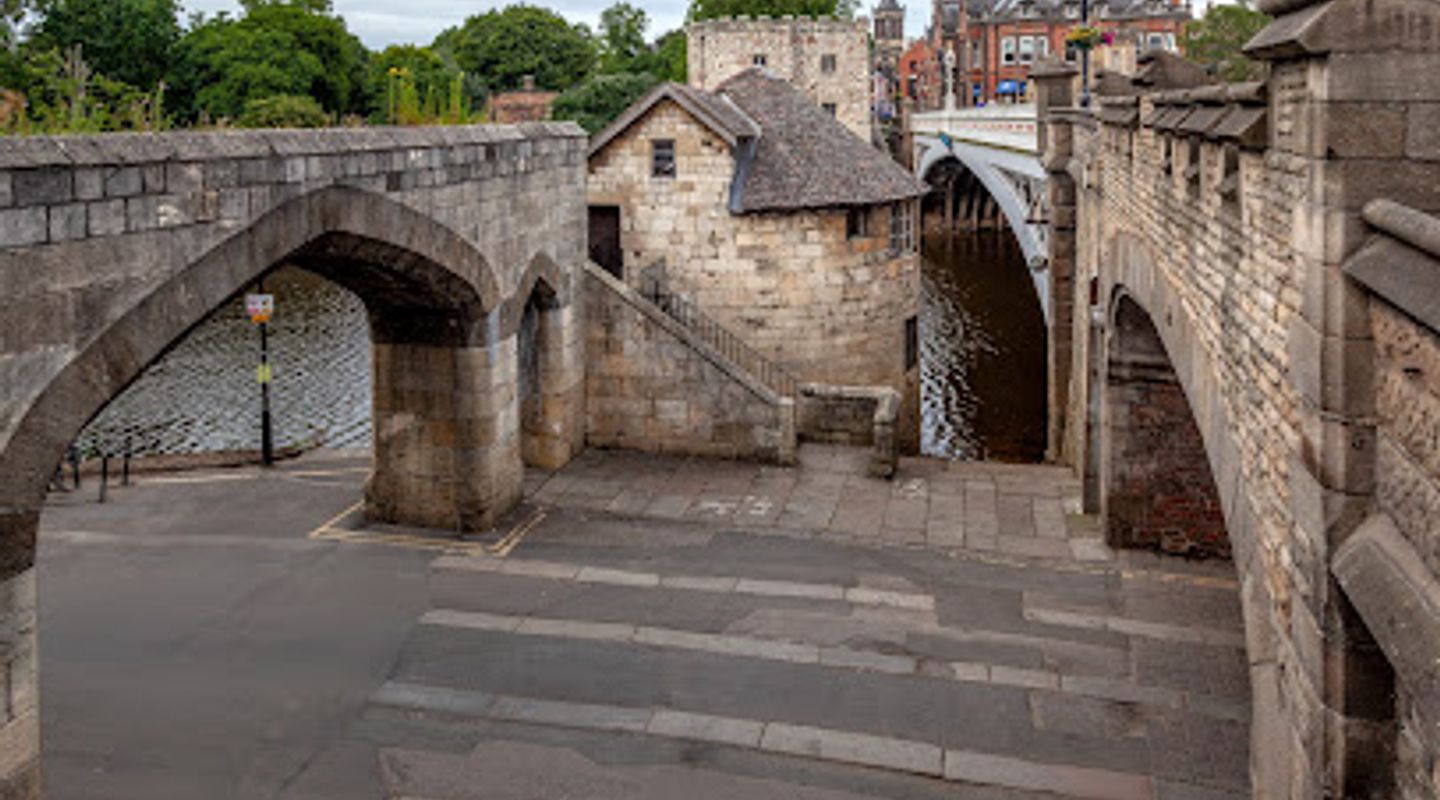
A brief summary of Barker Tower
A 14th-century river tower where medieval tolls, ferries, and York's leather trade converged.
A 14th-century riverside tower in York that once controlled medieval river traffic through a chain system stretching across the River Ouse. Originally built as a defensive structure and toll collection point, Barker Tower later served as a ferry station and even briefly as a mortuary. Today, this historic circular tower retains much of its original medieval character and now houses the Perky Peacock café, offering visitors a unique blend of history and refreshment.
On-site amenities
 Food options
 Drink options
 Seating areas
 Information boards
- Address
- York YO1 6HU
- Website
Getting there
On Foot from York City Centre
Bus Service to York City Centre
Parking and Short Walk
Train and Walk
Discover more about Barker Tower
Medieval Gateway and River Defence
Barker Tower stands as a remarkable survivor of York's medieval defences, built in the early 14th century on the western bank of the River Ouse. Constructed at the junction where the river met the medieval city centre, the tower was strategically positioned to work in conjunction with Lendal Tower on the opposite bank. A massive iron chain was stretched between the two towers to control river traffic entering the city, serving dual purposes: defending York against potential attacks through the river gap in the city walls, and collecting tolls from boats seeking passage. The earliest recorded keeper of this chain was Thomas Smyth in 1380, with a fee of four pennies initially charged for entry. The tower's circular design, typical of 14th-century military architecture, made it an effective defensive position while its riverside location ensured complete control over water-based commerce.
Commerce, Ferries, and the Toll System
For centuries, Barker Tower functioned as a vital commercial checkpoint. Boats travelling downstream faced a particularly expensive journey, encountering tolls from St Mary's Abbey's own tower further upstream before reaching Barker Tower's chain. The tower was leased to various ferrymen—including at least one woman—who operated a passenger ferry service across the Ouse, running reliably through all seasons and weather conditions. Historical records note the ferry operated "in summer and winter, fair weather and foul, Sundays and weekdays," demonstrating the essential nature of this crossing before Lendal Bridge was constructed in 1863. The ferry's closure marked the end of an era, though the tower itself continued to serve the city in various capacities.
Origins of the Name and Tanning Heritage
The tower's distinctive name derives from its proximity to Tanner Row, where York's leather workers processed hides. The tanning industry required constant access to water, making the riverside location ideal for extracting tannin from oak bark—the very material that gave the tower its name. Barkers, or tanners, would have worked extensively near the tower, processing bark for the leather trade. This connection to York's medieval crafts and industries reveals how the tower was embedded within the city's economic life, serving not merely as a defensive structure but as a landmark within a thriving commercial district.
Transformation and Unusual Uses
Following the construction of Lendal Bridge in 1863, Barker Tower lost its primary function as a ferry station, yet the building proved adaptable. In the 19th century, it was repurposed as a mortuary—a curious and somewhat macabre chapter in its history. The tower was re-roofed in the 17th century and underwent alterations in 1840, with significant restoration work completed in 1970. Its original crenellations, which would have given it a castle-like appearance, were converted into small windows just below the roof, subtly altering its silhouette while preserving its essential character.
Present-Day Character and Setting
Today, Barker Tower retains much of its original medieval appearance, standing as a tangible link to York's 14th-century past. The tower now houses the Perky Peacock café, a welcoming establishment serving cakes and coffee to visitors and locals alike. Its location near Lendal Bridge and close to Museum Gardens, the Multangular Tower, and York Art Gallery makes it an accessible waypoint along York's historic routes. Flooding occasionally isolates the tower from the surrounding Memorial Gardens and riverbank, a reminder of its ancient relationship with the River Ouse. The structure remains a scheduled ancient monument and Grade I listed building, protected and maintained as part of York's irreplaceable medieval heritage.
Evendo Review Centre
 Google
Guest reviews
Best time to go
Quietest: Jan, Feb & Dec · before 7am or at 8pm
Busy times are Evendo estimates for a typical year, to help you plan. Actual crowds vary with events, school holidays and the weather.
Explore Barker Tower on the map
A handpicked selection of must-see spots near Barker Tower, mapped for you.
Get your free copy of our complete guide to Barker Tower, delivered straight to you.
Everything on this page, from opening hours and how to get there to Eve’s tips and the best time to go, in one PDF you can read offline, print or share.
Already have an account? Sign in
Your Barker Tower guide is ready.
We'll send it to · Not you? Sign out

Getting your guide ready…
We are putting together a fresh copy of the Barker Tower guide. This can take up to a minute.
This can take a few moments. If your browser asks, choose Allow so the download can start. You'll find the guide in your Downloads folder.
Nothing happened? Download it again
Sorry, the guide is taking longer than usual. Please try again in a minute, or get it by email instead.
Other nearby places you may find interesting
The closest places of the same kind, if this one is not quite what you had in mind.
-
-
-
-
-


Swipe for more places
More to explore near Barker Tower

 Best experiences near Barker Tower
 Best hotels near Barker Tower
 Best landmarks near Barker Tower
 Best attractions near Barker Tower
 Best shops near Barker Tower
 Best restaurants near Barker Tower
 Best bars near Barker Tower
Do you manage this location?
Take control to get all the benefits, like improved information, better appearance, and stronger visibility across AI-powered discovery.
Explore more
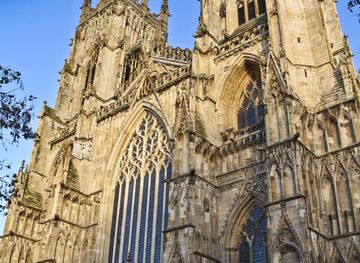
Explore more of York
Explore York, a captivating city where medieval history meets modern charm. Discover York Minster, The Shambles, and a vibrant food scene in this must-visit UK destination.
Explore York
Explore more of United Kingdom
Discover the United Kingdom: A blend of rich history, stunning landscapes, and vibrant cities, offering a unique travel experience for every visitor.
Explore United Kingdom