

All Saints Church, Oakham
Medieval marvel crowned by a soaring Gothic spire, where intricate stone carvings and Victorian craftsmanship create timeless beauty.
All Saints Church dominates Oakham's skyline with its distinctive 14th-century Decorated Gothic tower and spire, visible for miles across the Rutland countryside. This Grade I listed parish church blends 13th-century origins with stunning medieval carved capitals depicting biblical scenes, mythical creatures, and the iconic Green Man. Victorian restoration by Sir George Gilbert Scott preserved precious medieval features while adding ornate chancel work. Today it remains an active community hub hosting worship, concerts, bell-ringing, and cultural events.
A brief summary to All Saints Church : Oakham
- Church St, Oakham, Oakham, LE15 6AA, GB
- +441572724007
- Visit website
- Duration: 0.75 to 2.5 hours
- Free
-
 Indoor
- Mobile reception: 5 out of 5
Local tips
- Visit on a bright day to fully appreciate the stained-glass windows and the play of coloured light across the medieval stone. The interior transforms dramatically with natural illumination.
- Arrive before 10:30 am on Sunday mornings to hear the bell-ringing group perform their weekly practice—a living tradition that echoes through the tower.
- Take time to study the carved capitals in the nave closely. Each depicts distinct biblical scenes and creatures; a church guide or detailed photography reveals the masons' humour and artistry.
- Check the church website for concert and recital schedules. Hearing classical music in this acoustically rich space is an unforgettable experience.
- Bring binoculars during nesting season (spring and summer) for a chance to spot the peregrine falcons that nest on the tower—a rare wildlife encounter in an urban setting.

For the on-the-go comforts that matter to you
- Restrooms
- Drink Options
- Food Options
- Seating Areas
- Information Boards
Getting There
-
Bus
Oakham town centre is served by regular bus routes connecting to Leicester, Melton Mowbray, and surrounding villages. Journey times from Leicester are approximately 45–60 minutes. All Saints Church is located on Church Street in the town centre, a 5–10 minute walk from the main bus station. Service frequency varies by route; check local transport schedules for current timetables. Buses are free or low-cost for local journeys within Rutland.
-
Train
Oakham railway station is on the Nottingham to Melton Mowbray line, approximately 0.8 km from All Saints Church. Journey times from Nottingham are roughly 30–40 minutes; from Leicester approximately 45–55 minutes. From the station, follow signs toward the town centre and Church Street. The walk is straightforward and takes about 10–15 minutes through residential streets. Train fares vary by operator and booking time; typical off-peak returns range from £8–15.
-
Car
Oakham is located on the A606 road, approximately 25 km north-east of Leicester and 20 km south-west of Peterborough. The church is situated on Church Street in the town centre. Limited on-street parking is available nearby; several car parks serve the town centre within a 2–5 minute walk. Parking charges typically apply during daytime hours (approximately £1–2 per hour). The church is not accessible by car; visitors must park and walk the final distance.
-
Walking
Oakham town centre is compact and pedestrian-friendly. From the market place and buttercross, All Saints Church is immediately visible and accessible on foot. The surrounding streets are flat and well-maintained. Walking from Oakham railway station takes approximately 10–15 minutes via Church Street. No special footwear is required for normal conditions, though the surrounding area can be wet during rainy periods.
All Saints Church : Oakham location weather suitability
-
 Any Weather
Discover more about All Saints Church : Oakham
A Landmark Spire Across the Rutland Landscape
All Saints Church commands the Oakham skyline with one of Rutland's most recognizable features: a soaring 14th-century tower and spire in Decorated Gothic style that can be glimpsed from several miles across the rolling countryside. Built during the early 1400s, this magnificent structure rises 100 feet and represents the pinnacle of medieval ecclesiastical ambition. The church itself is constructed of local Barnack stone, creating warm, honey-coloured walls that glow in sunlight. Clustered around the market place with its buttercross, the church presides over a delightful jumble of historic inns, houses, and the famous Oakham School, anchoring the town's medieval character.Medieval Craftsmanship and Intricate Stone Carving
The interior reveals the church's true artistic treasure: an extraordinary series of intricately carved capitals adorning the tall, slender piers of the nave. These 14th-century carvings showcase the riotous imagination of medieval masons, depicting a menagerie of creatures, biblical narratives, and symbolic imagery. Visitors encounter Adam and Eve's expulsion from paradise, the Annunciation with the lily symbol of Mary, the Coronation of the Virgin, and the four beasts of the Apocalypse. Among these sacred scenes sits the enigmatic Green Man, his face framed by flowing foliage—a pre-Christian symbol of rebirth that medieval craftsmen boldly incorporated into Christian architecture. Corbels throughout the church display equally imaginative details, including baby birds nestled in a stone nest. The south doorway, dating from the early 13th century, represents the oldest surviving element, while the font—carved with intersecting arcades in late Norman style—anchors the church's earliest phase around 1180.Victorian Restoration and Sir George Gilbert Scott's Legacy
In 1857–1858, the renowned Victorian architect Sir George Gilbert Scott undertook a comprehensive restoration that would define the church's modern character. Scott, who oversaw more than 800 Gothic buildings and restorations across Britain, approached All Saints with sensitivity and ambition. He created the ornately stencilled and gilded chancel ceiling, installed high-quality woodwork parclose screens, renewed the floor, and removed 18th-century galleries and pews to restore sight lines. His east window, though initially controversial among parishioners who felt its design anachronistic, now stands as a testament to his refined Gothic Revival aesthetic. The church clock, installed in 1858, was one of the prototypes for Big Ben. Scott's interventions preserved precious medieval features while introducing Victorian craftsmanship that harmonizes with rather than overwhelms the original structure.Light, Space, and Perpendicular Grandeur
The church's interior surprises visitors with its brightness and airiness—a quality enhanced by extensive Perpendicular Gothic windows added during the 15th-century rebuilding. Large windows flood the nave with light, filtered through excellent stained-glass panels that cast coloured patterns across stone and wood. The north and south chapels contain treasured medieval monuments: a fine alabaster effigy of a priest in Eucharist vestments graces the north chapel, while the south chapel preserves an incised medieval monument and a cross-legged wooden effigy of a warrior in armour. The Lady Chapel of the south aisle, dating from the 1480s, exemplifies the Perpendicular style with its graceful tracery and east window. The pews are arranged facing each other along the north and south walls in the style of a college chapel—an unusual configuration that creates an intimate, collegiate atmosphere. Above the altar hangs a painting of the Last Supper from the school of Otto van Veen, adding Renaissance refinement to the medieval core.Living Community and Musical Heritage
All Saints remains vibrantly active, hosting regular Sunday services, weekday worship, and a full calendar of community activities. The church's musical tradition is particularly strong: a ring of eight bells cast by Gillett & Johnston in 1910, plus a priest's bell from 1840, are rung regularly by a dedicated bell-ringing group on Sunday mornings from 10:00 to 10:30 before the morning service. Practice nights occur on Tuesdays from 7:30 to 9:00 pm, welcoming new ringers. A new organ with an oak case bearing the Rutland coat of arms was installed in 1995, anchoring a programme of concerts and recitals that transforms the spacious interior into a venue for classical music. Oakham School contributes free Wednesday lunchtime performances for the community, while various local clubs and groups meet throughout the week, making the church a genuine hub of civic and cultural life.Natural Wonders and Contemporary Significance
From 2020 onwards, a pair of peregrine falcons have nested on the church tower, delighting local birdwatchers and residents with their presence. In March 2024, All Saints celebrated the 1000th anniversary of the birth of Queen Edith, whose historical connection to Rutland deepened the church's significance in regional heritage. The Grade I listed status reflects both the intricate medieval craftsmanship and Scott's sensitive Victorian intervention, recognizing the church as a masterwork of English ecclesiastical architecture spanning nearly nine centuries.Iconic landmarks you can’t miss

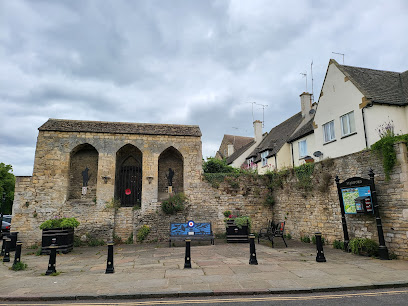
Stamford Castle
16.8 km
Discover the Norman heritage and medieval echoes at Stamford Castle, a historic motte and bailey fortress nestled in the heart of Lincolnshire.
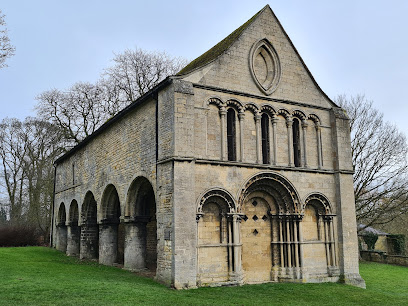
St Leonard's Priory, Stamford
17.8 km
Discover the serene beauty and rich history of St Leonard's Priory in Stamford, a captivating medieval gem waiting to be explored.
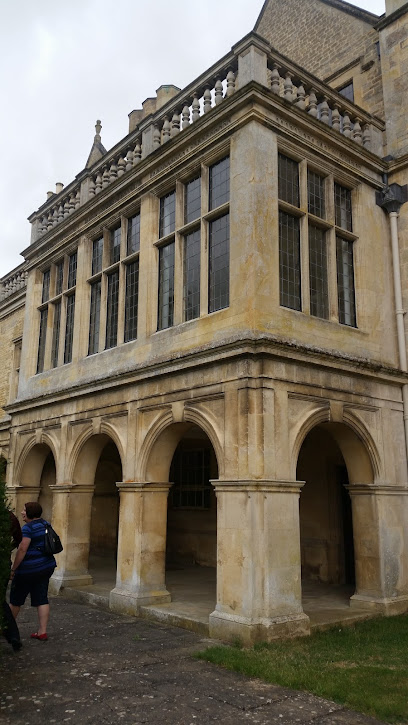
English Heritage - Apethorpe Palace
21.1 km
Explore the enchanting Apethorpe Palace, a historical landmark showcasing England's rich heritage and stunning Tudor architecture.
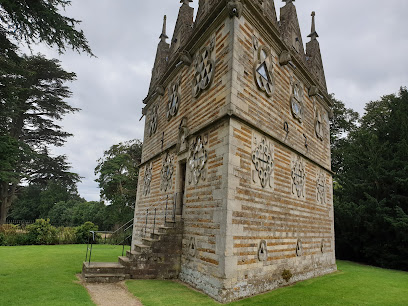
Rushton Triangular Lodge
26.0 km
Explore the architectural wonder of Rushton Triangular Lodge, a unique heritage building steeped in history and stunning design.
Welford Place
27.6 km
Explore the historic John Biggs statue at Welford Place, a Victorian landmark celebrating Leicester’s reformist legacy and civic pride.
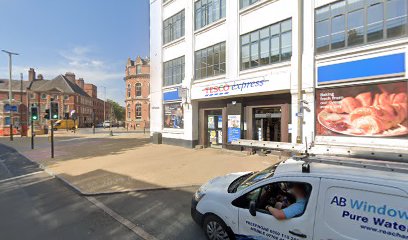
23 St.Nicholas Pl
28.0 km
Leicester's oldest place of worship, where Roman foundations meet medieval splendour and 1,100 years of history.
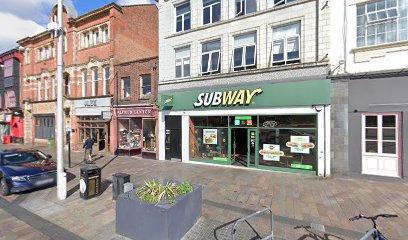
Leicester Roman West Gate site
28.2 km
Explore Leicester’s monumental Roman baths and the iconic Jewry Wall, a testament to ancient urban life and architecture.
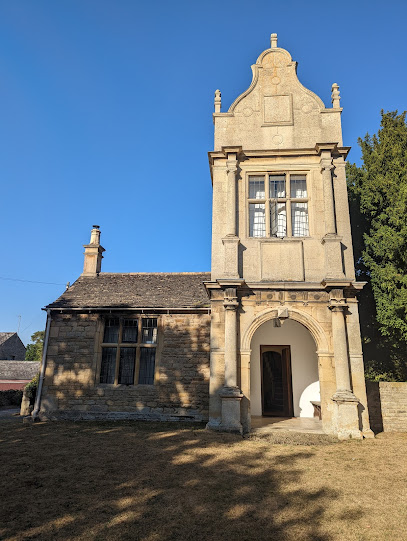
Lynch Lodge
30.1 km
Step into history at Lynch Lodge, a beautifully preserved Georgian porch and unique holiday let nestled in the tranquil village of Alwalton near Peterborough.
Museum Development East Midlands
31.0 km
Supporting East Midlands museums with expert guidance, grants, and training from County Hall, Leicester.
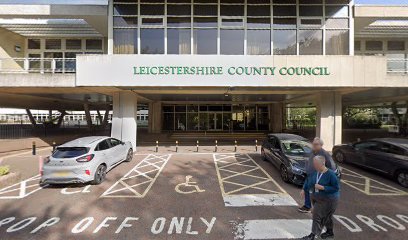
King Lear
31.5 km
Explore Leicester’s legendary ties to King Lear, where Roman ruins and medieval myths converge in a captivating historical landmark.

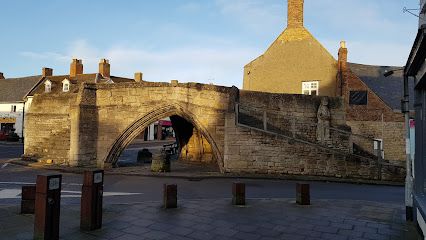
Trinity Bridge
37.8 km
A unique 14th-century three-way stone bridge in the heart of Crowland, once spanning two rivers, now a striking medieval monument in the town centre.
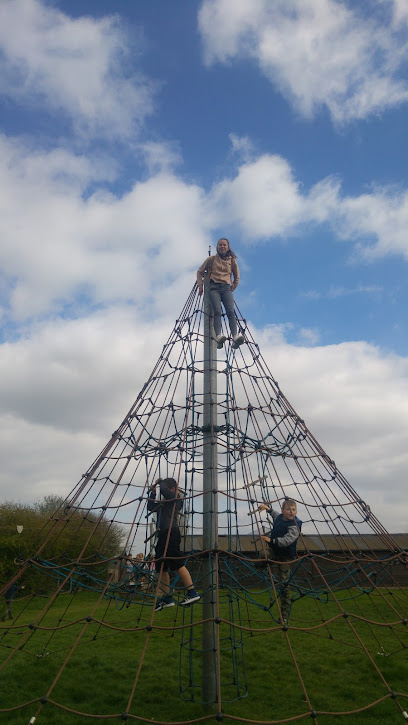
Hamerton Zoo Park
39.7 km
Explore Hamerton Zoo Park, a family-friendly destination with diverse wildlife, beautiful gardens, and educational experiences in the heart of Huntingdon.
Old Trent Bridge
40.3 km
A historic river crossing in Nottingham blending medieval origins with Victorian engineering and enduring local heritage.
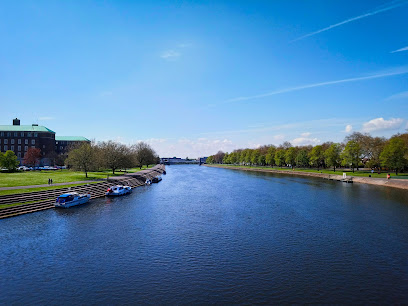
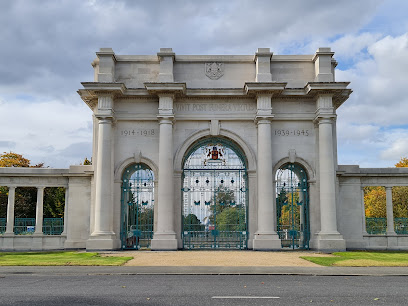
Nottingham War Memorial Gardens
40.3 km
Discover the serene Nottingham War Memorial Gardens, a tranquil tribute to military history along the scenic River Trent, perfect for reflection and relaxation.
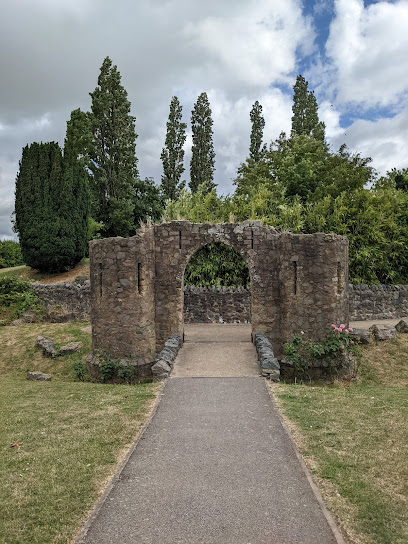
Earl Shilton Castle
40.4 km
Discover the Norman motte and bailey earthworks of Earl Shilton Castle, a historic hunting lodge and fortress near Leicester.
Unmissable attractions to see

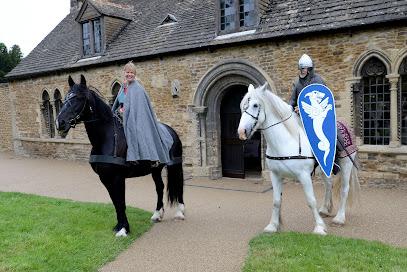
Oakham Castle
0.1 km
Explore Oakham Castle, a historical gem in Oakham, featuring stunning architecture, beautiful grounds, and enriching cultural experiences.
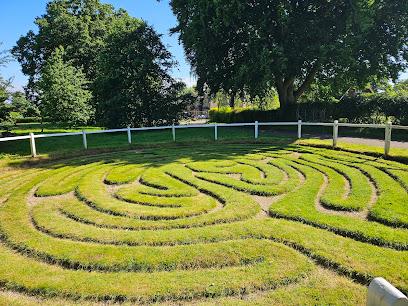
Wing Maze
7.0 km
Explore Wing Maze, a rare medieval turf labyrinth in Rutland, offering a unique blend of history, spirituality, and tranquil countryside charm.
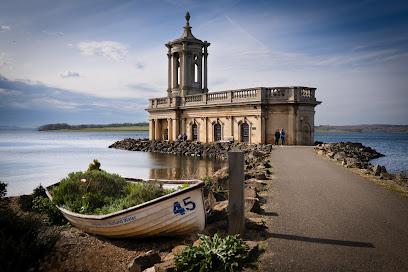
Normanton Church
7.6 km
A captivating lakeside church blending historic elegance with stunning waterside views, renowned for its unique preservation and romantic wedding setting.
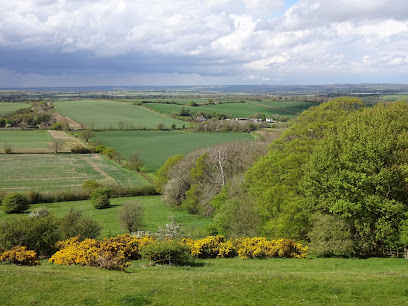
Burrough Hill - Iron Age Hillfort
10.4 km
Explore Burrough Hill, a stunning Iron Age hillfort with rich archaeological finds and panoramic views near Melton Mowbray.
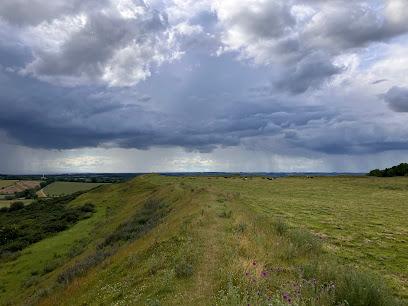
Burrough on the Hill
10.5 km
Explore Burrough Hill, a commanding Iron Age hillfort near Melton Mowbray with rich archaeological heritage and panoramic countryside views.
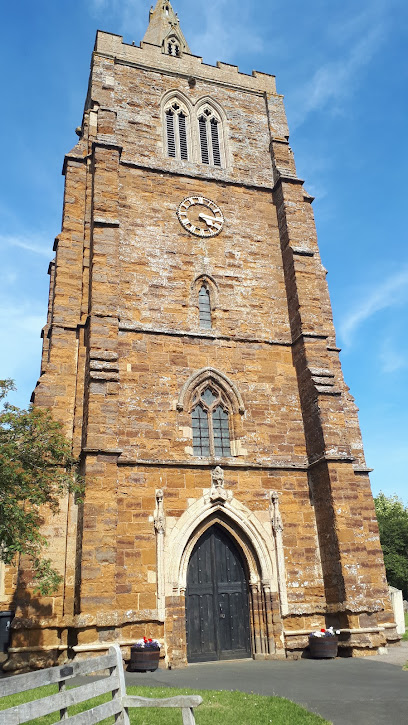
Lyddington Bede House
12.0 km
Explore a rare medieval bishop’s palace turned almshouse, rich with Tudor craftsmanship and centuries of English heritage in the charming village of Lyddington.
National Trust - Woolsthorpe Manor
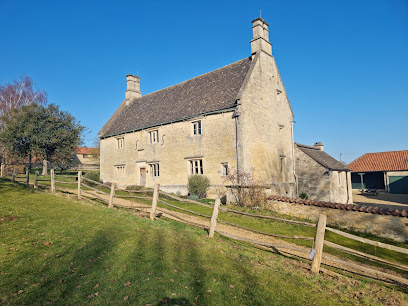
16.7 km
Explore the birthplace of Sir Isaac Newton and discover the origins of gravity in this historic Lincolnshire manor with interactive science exhibits.
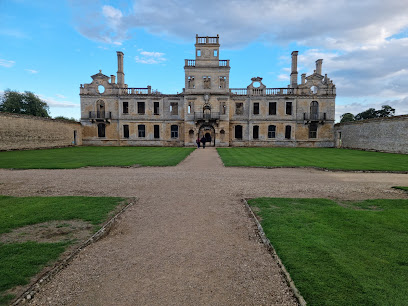
Kirby Hall
17.4 km
Explore the majestic Elizabethan Kirby Hall, a stunning blend of Renaissance architecture and tranquil gardens in Northamptonshire.
Easton Walled Gardens
19.0 km
Discover the historic charm and seasonal beauty of Easton Walled Gardens, a tranquil haven near Grantham blending heritage and horticulture.

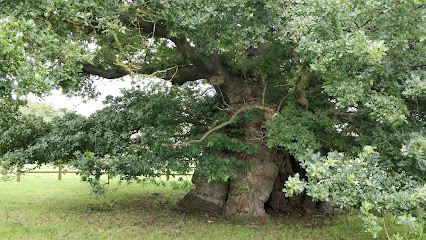
Bowthorpe Oak
21.6 km
Discover the ancient majesty of the Bowthorpe Oak, the UK’s largest girth oak, set within a charming family farm in Lincolnshire’s tranquil countryside.
Windmill Farm Park
22.3 km
Five generations of farming heritage meet family adventure in rural Leicestershire.

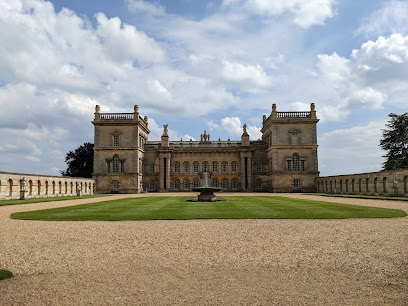
Grimsthorpe Castle Park & Gardens
23.0 km
Explore centuries of history, art, and nature at Grimsthorpe Castle Park & Gardens, a majestic estate with elegant gardens and vast wildlife-rich parkland.
Sacrewell Farm
23.6 km
Explore rare breeds, historic watermill, award-winning play areas, and artisan crafts at Sacrewell Farm near Peterborough.
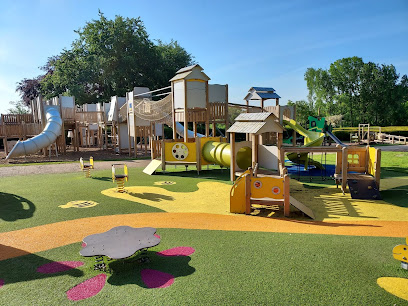
Shady Lane Arboretum
24.2 km
A peaceful arboretum in Leicester with diverse trees, meadows, and historical charm, perfect for nature walks and quiet reflection.
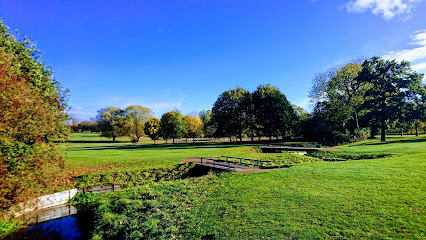
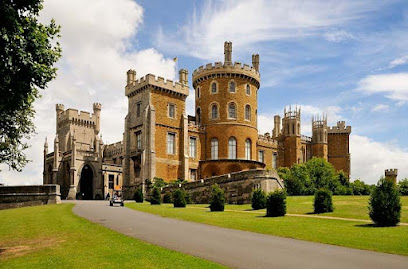
Belvoir Castle
25.1 km
Regency splendour on a hilltop, where a thousand years of aristocracy meets Hollywood glamour.
Essential places to dine

Hambleton Hall
4.4 km
Michelin-starred country house hotel on Rutland Water, where Victorian elegance meets contemporary comfort.

Six Bells
20.7 km
A charming village pub and boutique inn offering refined British cuisine, cozy rooms, and warm hospitality in Witham on the Hill.
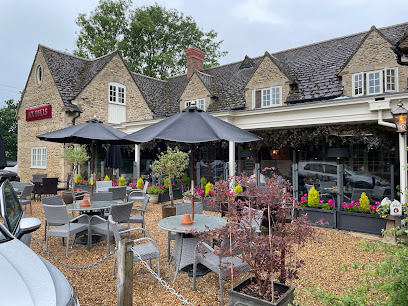
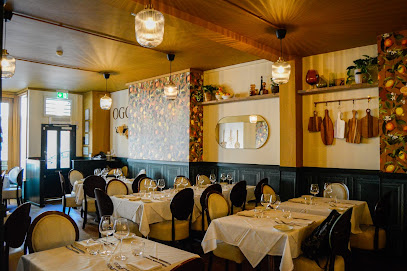
OGGI Italian Restaurant
26.8 km
Experience authentic Italian cuisine with fresh ingredients and warm hospitality at OGGI Italian Restaurant in Leicester’s vibrant London Road.
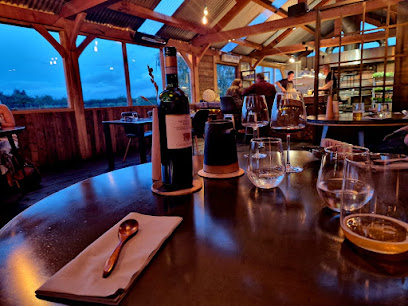
Restaurant Jericho
26.9 km
Farm-to-table fine dining in the heart of Nottinghamshire’s countryside, where rustic charm meets innovative cuisine.
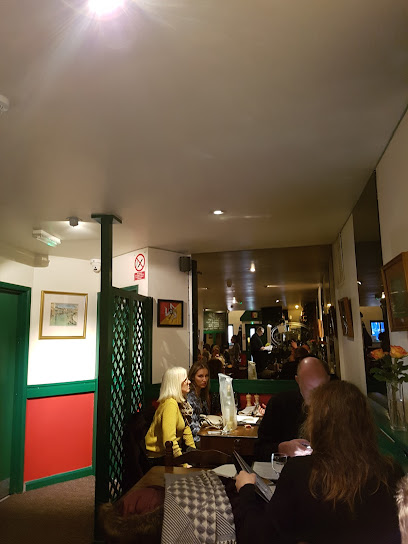
Casa Romana Restaurant
27.5 km
Experience authentic Italian flavors and cozy charm at Casa Romana, Leicester’s cherished seafood and pasta haven.
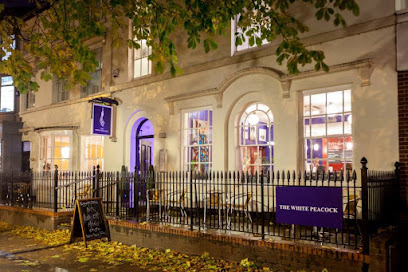
The White Peacock
27.6 km
Elegant modern European dining with innovative tasting menus and warm service in Leicester’s vibrant city centre.
Bistrot Pierre - Leicester
27.7 km
Experience authentic French bistro dining in Leicester’s city centre with classic dishes, seasonal specials, and a warm Parisian atmosphere.
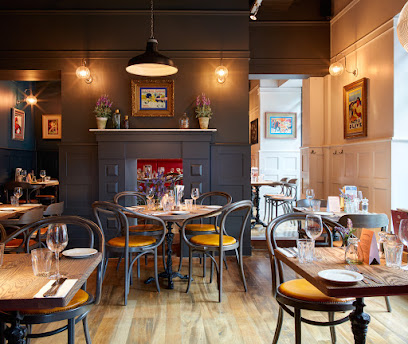
The Frame
27.7 km
A vibrant Mediterranean restaurant and bar in Leicester’s St Martins Square, blending refined flavours with stylish, inviting surroundings.
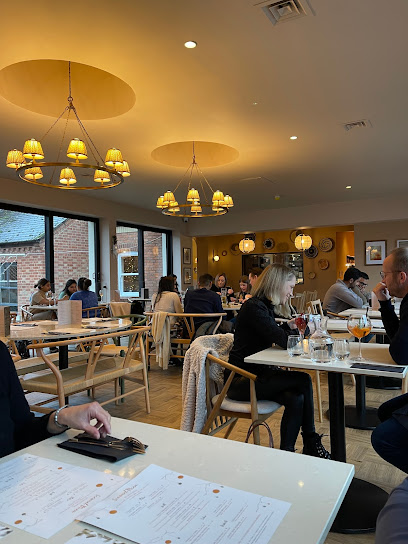
Merchant of Venice
27.8 km
Experience authentic Italian flavors and Renaissance-inspired charm in Leicester’s Merchant of Venice, a unique dining destination blending culture and cuisine.
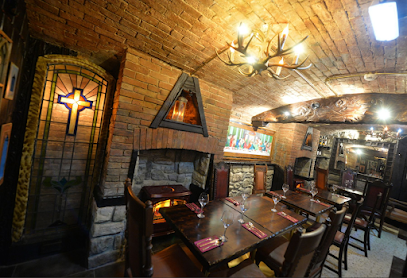
Sapphire Seafood Kitchen - Leicester Restaurant
27.8 km
Savor fresh seafood and American-inspired dishes in a lively, casual setting at Leicester’s vibrant Sapphire Seafood Kitchen.
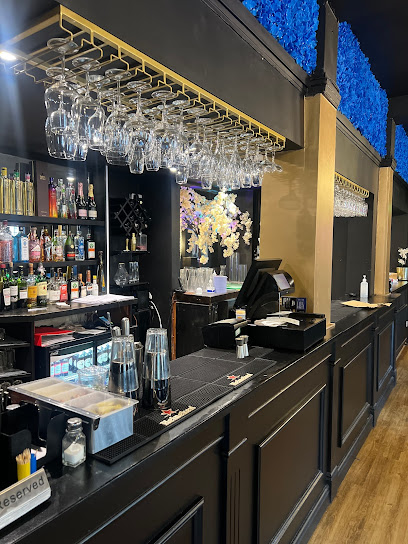
Varanasi Boutique Restaurant
27.9 km
Experience exquisite Indian fine dining in Leicester’s majestic Varanasi Boutique, where culinary artistry meets opulent ambiance.
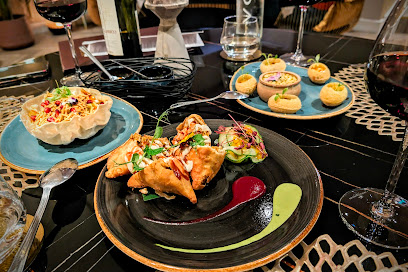
Wygston's House Bar & Restaurant
27.9 km
Historic 15th-century timber-framed house in Leicester’s Old Town serving classic English pub fare and real ales in a vibrant, heritage-rich setting.
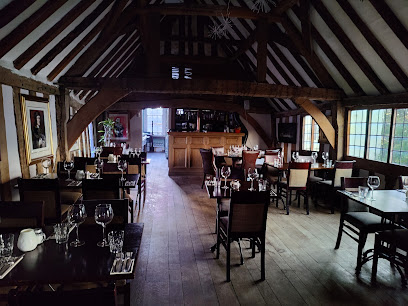
Cosy Club
28.0 km
Stylish British dining and vibrant bar in Leicester’s heart, blending timeless glamour with all-day menus and festive event spaces.
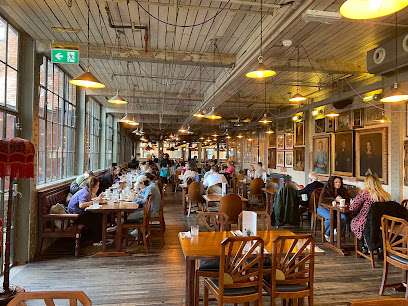
Restaurant263
28.0 km
Experience innovative modern British fine dining with personal chef touches and vibrant vegan options in Leicester’s stylish city centre venue.
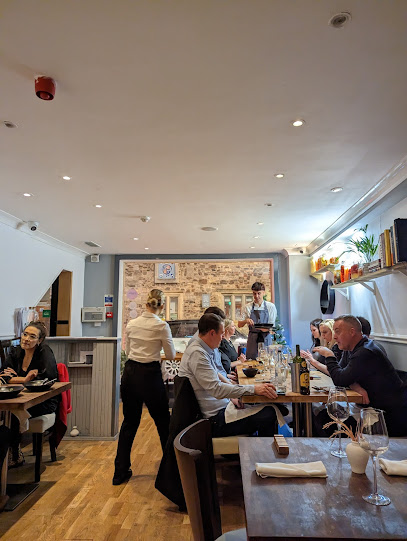
Restaurant Romanesc Leicester (Romanian Restaurant) Grande Gusto
28.7 km
Authentic Romanian flavors and generous portions await you at Grande Gusto, Leicester’s cozy hub for traditional Eastern European cuisine.
Markets, malls and hidden boutiques

Unique Boutique Ltd
14.8 km
Discover Unique Boutique Ltd, a charming clothing shop offering personalized fashion finds in the historic market town of Melton Mowbray.
Valley Discount Store
25.5 km
A vibrant Leicester discount store offering diverse homewares, kitchenware, toys, and more under one roof with great value and friendly service.
Nest
25.8 km
Independent gift boutique in Leicester's Stoneygate, specializing in personalized jewellery and curated home accessories.
St George's Shopping Park
26.7 km
A vibrant open-air retail park in Leicester offering diverse shops, extended hours, and convenient amenities for a comprehensive shopping experience.

Prettiez
26.9 km
Discover unique gifts and boutique treasures in the heart of Leicester’s vibrant Clarendon Park at Prettiez.
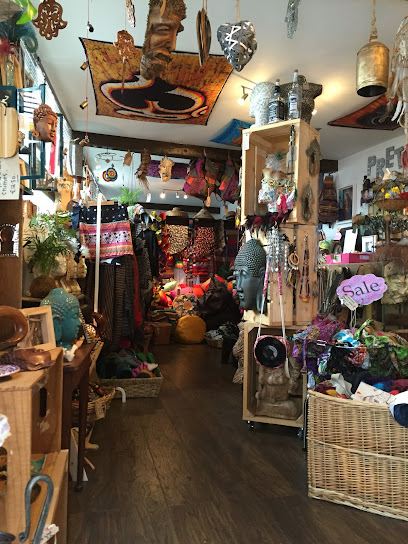
Karma Corner Gifts
26.9 km
Leicester's premier spiritual gift shop offering curated wellness items and mindful lifestyle products.
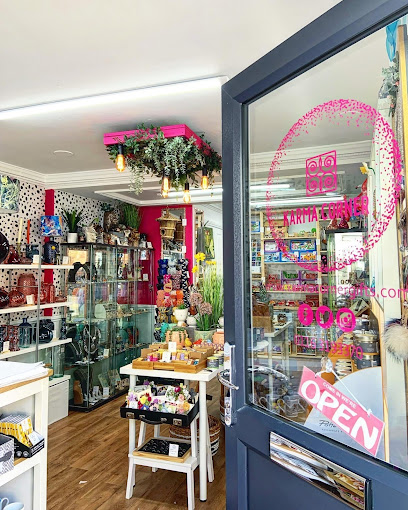
The Pot Pourri Shop Leicester
27.4 km
Discover Leicester’s hidden gem for natural aromatherapy and handcrafted gifts on Free Lane, blending quality, charm, and personalized service.
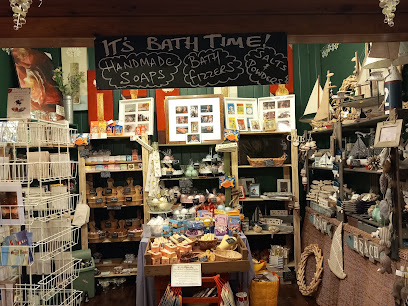
Haymarket Shopping Centre
27.4 km
Leicester's pioneering indoor shopping centre with 60+ stores, dining, and award-winning facilities.
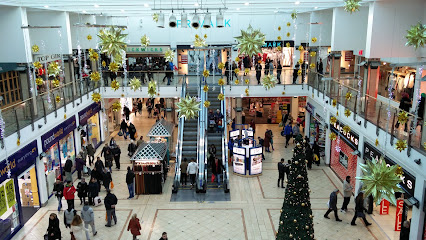
Urban Outfitters
27.6 km
Discover Urban Outfitters Leicester: a stylish blend of fashion, accessories, and homewares in the vibrant heart of the city.
Nim's Boutique ltd
27.6 km
Discover timeless Indian and Asian women's fashion with inclusive sizing and exquisite bridal wear at Nim's Boutique Ltd in Leicester.
The Source
27.6 km
Discover unique, high-quality gifts with expert service at The Source, Leicester’s cherished family-owned gift shop on Church Gate.
Just Fair Trade
27.7 km
Discover Leicester’s ethical gem offering fair trade gifts and sustainable clothing with a heart for global artisans.
The Wardrobe
27.7 km
Discover timeless style and sustainable fashion at Leicester’s longest-running vintage clothing shop in the historic Royal Arcade.

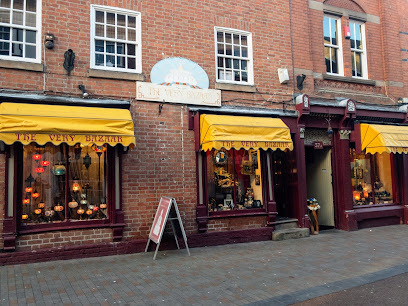
Very Bazaar Leicester
27.8 km
Discover Leicester’s vibrant Very Bazaar, a colourful haven of crystals, unique gifts, and mystical charm in the city centre.
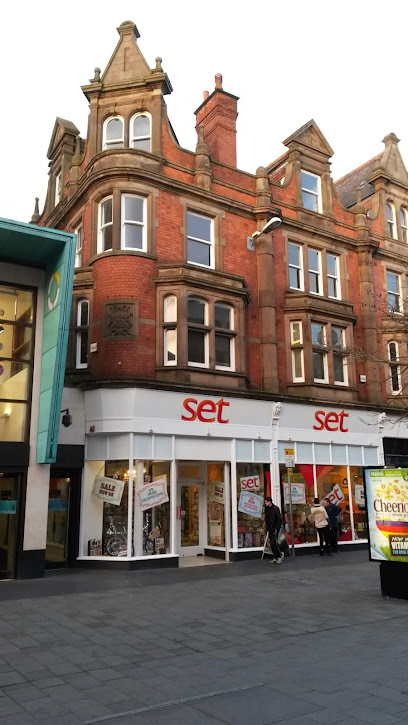
Set
27.8 km
Award-winning gifts, jewellery, and cards in a historic High Street gem with royal connections.
Essential bars & hidden hideouts

The Wine Bar Stamford
17.2 km
A lively, modern wine bar in Stamford offering quality wines and a vibrant social atmosphere in the heart of town.
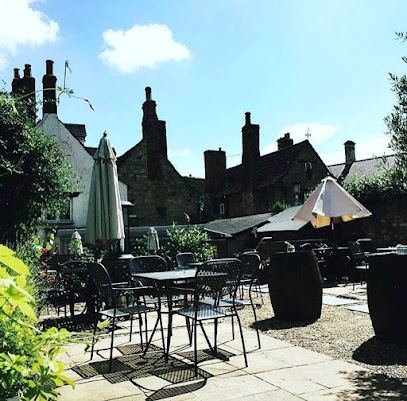
The Bertie Arms
20.3 km
A charming thatched pub in Uffington offering fresh local food, warm hospitality, and a cozy countryside atmosphere.
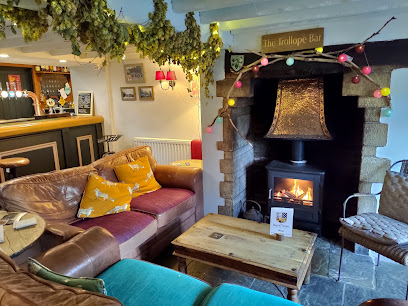
Nags Head
25.0 km
Historic village pub in Harby offering warm hospitality, hearty home-cooked meals, and well-kept ales in a cozy traditional setting.
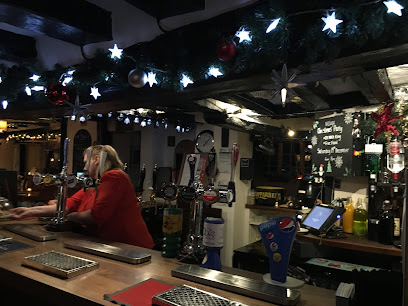
The Old Horse
26.6 km
A friendly, pet-welcoming Leicester pub with hearty roasts, unique charm, and a spacious garden for relaxed socializing.
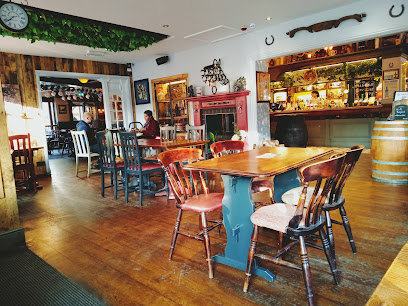
The Loaded Dog
26.8 km
A lively Leicester pub buzzing with craft beers, live sports, and a student-friendly atmosphere on London Road.
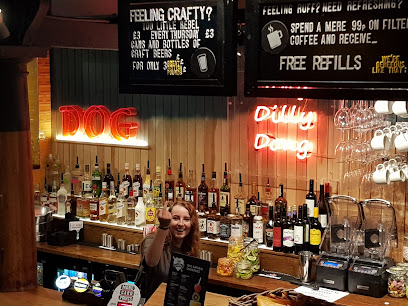
The Marquis Wellington
26.9 km
A classic Leicester gastropub offering hearty fare, local ales, and a cozy atmosphere with heated beer garden beach huts.
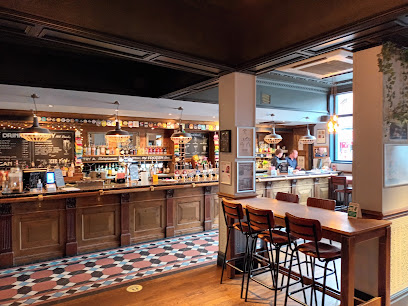
Babelas Continental Bar
26.9 km
A cozy, quirky bar in Leicester’s Clarendon Park serving continental beers, wines, and snacks in a welcoming neighborhood setting.
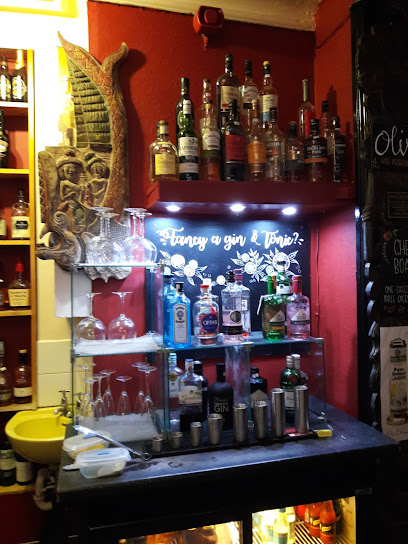
Brick & Beam
27.1 km
A stylish rooftop bar in Leicester offering live jazz, craft drinks, and unique event spaces with stunning city views.
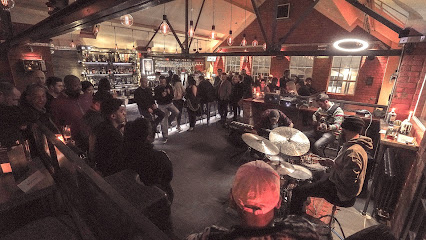
The Exchange Bar
27.2 km
Historic charm meets vibrant culture in Leicester’s iconic Exchange Bar, a lively hub for drinks, music, and community spirit.
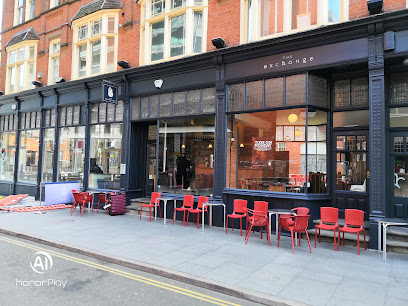
Watson's Cocktail Bar
27.3 km
A vibrant vegan-inspired cocktail bar in Leicester blending quirky charm, expert mixology, and a warm, inclusive atmosphere.
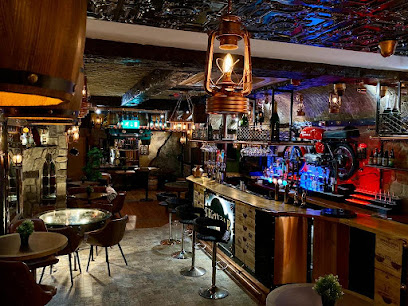
Fat Cat Cocktail Bar & Lounge
27.5 km
A vibrant Leicester hotspot blending creative cocktails, lively entertainment, and a stylish atmosphere in the heart of the city.
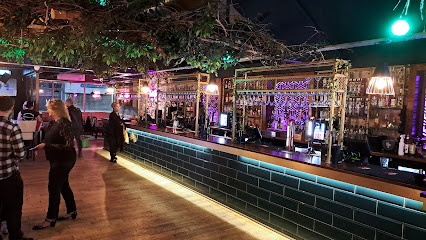
The King's Head
27.6 km
A traditional Leicester pub famed for its exceptional ales, warm community spirit, and charming character in the city centre.
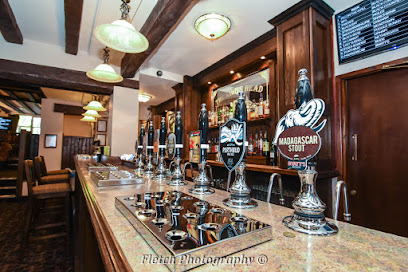
The Distillery
27.6 km
Lively city-centre pub offering craft beers, stone-baked pizzas, stacked burgers, and a vibrant atmosphere for dining and socializing in Leicester.
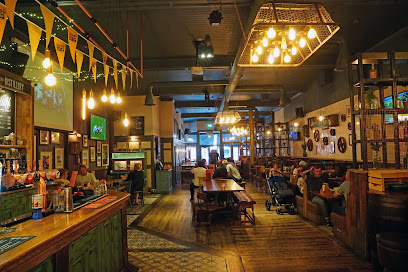
Inside No 9
27.7 km
A stylish Leicester cocktail bar blending expert gin craft, live music, and intimate private events in a historic city centre setting.
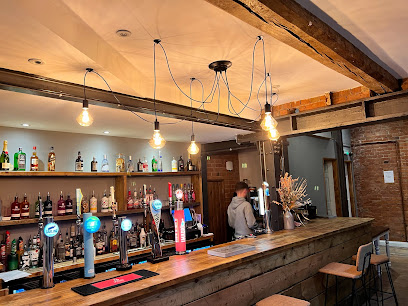
Duffy's Bar
27.7 km
A vibrant, affordable city-centre pub in Leicester known for its welcoming atmosphere and lively social scene.
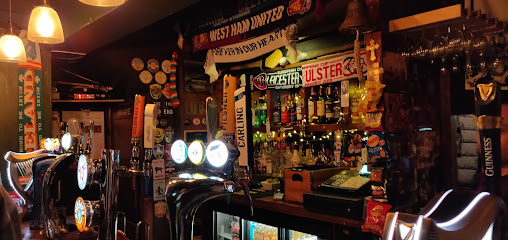
Nightclubs & after hour spots

Tubes
14.9 km
Energetic nightlife and affordable drinks come alive at Tubes, Melton Mowbray’s go-to nightclub and bar for fun and dancing.
Helsinki
27.1 km
Leicester’s vibrant LGBTQ+ nightclub with electrifying drag shows, diverse music, and late-night celebrations in the heart of the city.

Motto Nightclub
27.4 km
Experience Leicester’s vibrant nightlife at Motto Nightclub, a dynamic venue where music, dancing, and late-night energy come alive.

The Fan Club
27.5 km
Leicester’s vibrant weekend nightclub with four rooms, diverse music, and a welcoming atmosphere for unforgettable nights out.
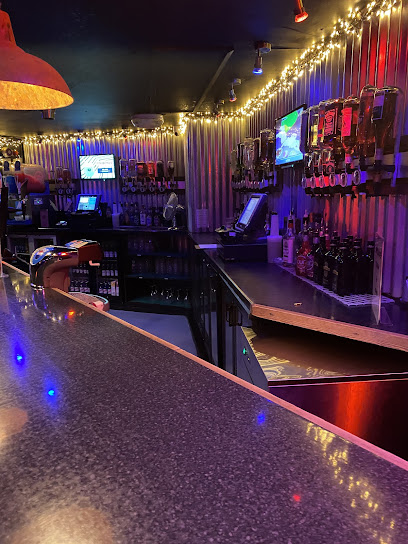
Corah Works
27.5 km
Experience Leicester’s rich textile heritage transformed into a vibrant nightlife hotspot at Corah Works on St John Street.

TRUTH Leicester
27.5 km
Experience Leicester’s vibrant nightlife at TRUTH, a dynamic nightclub pulsing with music and energy in the city centre’s entertainment heart.

Waikiki Nightclub
27.5 km
Experience Leicester’s electric nightlife with futuristic vibes, trendy cocktails, and top RnB beats at Waikiki Nightclub every weekend.

Club Republic
27.5 km
Experience Leicester’s ultimate clubbing hotspot with immersive audiovisuals, live gigs, and a vibrant student-friendly atmosphere.
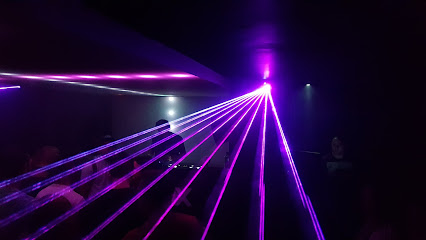
The Basement
27.6 km
Leicester’s underground hotspot for late-night dancing, eclectic music, and unforgettable private events in a vintage-inspired setting.

Mosh
28.0 km
Leicester’s vibrant three-floor alternative nightclub, buzzing with indie, emo, and metal beats and budget-friendly drinks.

The 2Funky Lounge
28.4 km
Leicester’s energetic two-floor nightclub with live music, private parties, and a rooftop terrace for unforgettable nights out.
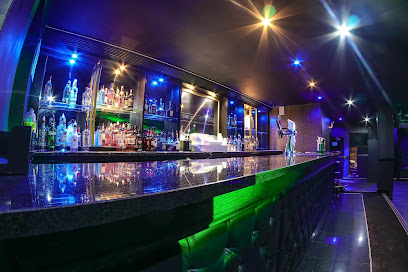
Echo's Night Club
34.1 km
Loughborough’s energetic nightclub with dual rooms, affordable drinks, and a lively student-friendly atmosphere on Biggin Street.
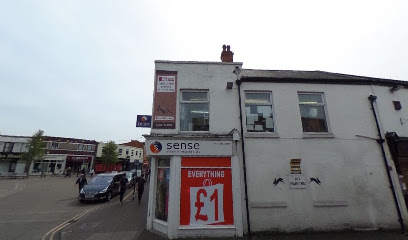
The Met Lounge
34.7 km
Peterborough’s vibrant live music venue and nightclub blending nostalgic charm with lively club nights and diverse musical acts.
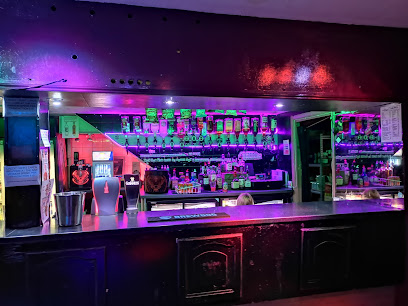
Angels Peterborough
34.7 km
Experience lively nightlife and captivating stage performances at Angels Peterborough, the city’s vibrant nightclub and bar on Brook Street.
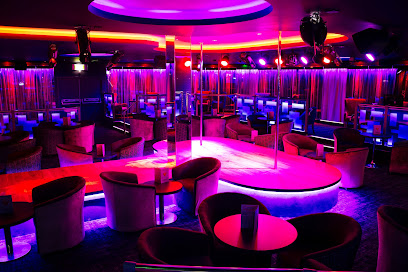
The Brickworks
41.4 km
Nottingham's raw warehouse heartbeat: intimate DJ nights, killer cocktails, and pure underground energy in a brick-clad haven.

For the vibe & atmosphere seeker
- Romantic
- Scenic
- Tranquil
- Unique
- Entertaining
For the design and aesthetic lover
- Vintage Styles
- Rustic Designs
For the architecture buff
- Historic
- Landmarks
- Art & Design
- Sacred Sites
- Heritage Neighborhoods
For the view chaser and sunset hunter
- Iconic Views
- Panoramas
For the social media creator & influencer
- Instagrammable
- Photo Spots
- Architectural Shots
For the eco-conscious traveler
- Protected Area
- Locally Managed
For the kind of experience you’re after
- Spiritual / Energy Spot
- Myth & Legends
- Cultural Heritage
- Photowalk
- Day Trip
For how adventurous you want the journey to be
- Easy Access
Location Audience
- Family Friendly
- Senior Friendly
- Wheelchair Access
- Solo Friendly
- Couple Friendly


