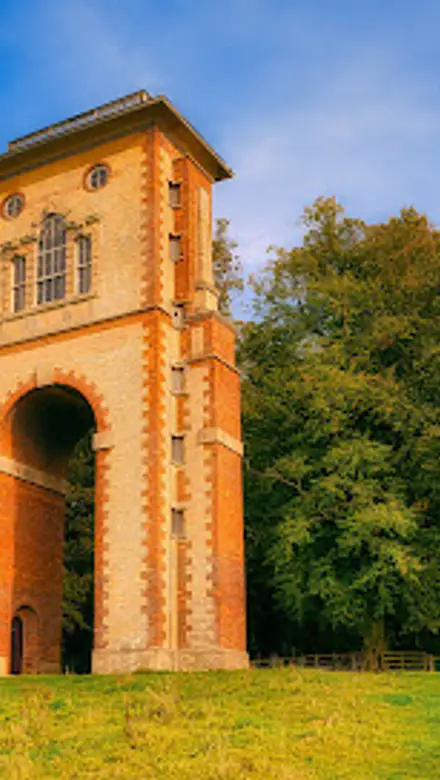
Bellmount Tower Travel Guide
Free Guide: Discover Bellmount Tower, an 18th-century folly with panoramic views and rich history nestled in the Belton Estate’s scenic Lincolnshire countryside.


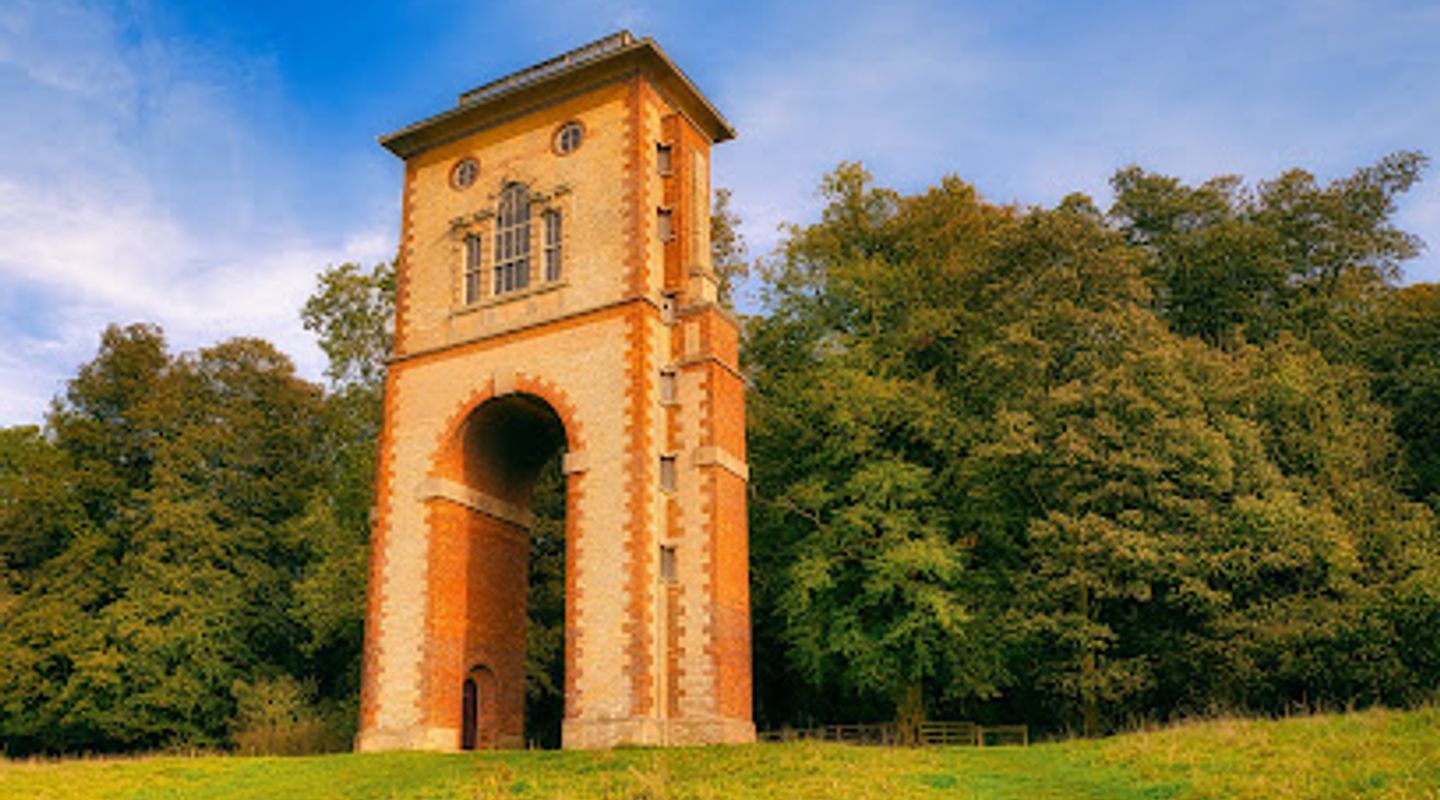
A brief summary of Bellmount Tower
Discover Bellmount Tower, an 18th-century folly with panoramic views and rich history nestled in the Belton Estate’s scenic Lincolnshire countryside.
Bellmount Tower is an 18th-century folly located within the Belton Estate near Grantham, Lincolnshire. Built around 1750 by Viscount Tyrconnel, the tower served as a viewing platform and social venue, offering panoramic views across seven counties. Part of the National Trust’s Belton House grounds, it stands as a unique architectural landmark surrounded by woodland once used as a military training camp during World War I.
On-site amenities
 Restrooms
 Drink options
 Food options
 Seating areas
 Information boards
Opening hours
- Every dayOpen 24 hours
Opening hours as listed on the venue’s Google Business Profile. Hours can change for services and special events, so check with the venue before you go.
- Address
- Belton, Grantham NG32 2LW
- Website
Getting there
Public Bus
Car
Walking
Discover more about Bellmount Tower
An Architectural Statement from the 18th Century
Bellmount Tower was constructed circa 1750 by Sir John Brownlow, Viscount Tyrconnel, as a striking folly within the grounds of the Belton Estate. Designed as a tall arch-shaped viewing tower, it originally featured two small wings that were later removed, leaving curious buttresses that give the tower its distinctive silhouette today. The tower was intended both as an eyecatcher from Belton House and as a social retreat where Lord Tyrconnel could entertain guests while showcasing his extensive estate.
Panoramic Vistas and Scientific Pursuits
From the upper room of Bellmount Tower, visitors can enjoy sweeping views reportedly spanning seven counties, a testament to its elevated position in the landscape. Lord Tyrconnel had a keen interest in science, equipping the tower with telescopes and microscopes, and likely used it as an observatory for stargazing. The tower’s location at the eastern end of the Belton House avenue made it a focal point for appreciating the estate’s formal gardens and surrounding countryside.
Historical Role During World War I
During the First World War, the Belton Estate and its surrounding woodlands, including those near Bellmount Tower, were repurposed as a large military training camp. The Machine Gun Corps and other units used the area extensively, with remnants of the camp such as concrete water tanks and firing ranges still visible. The tower itself became a strategic observation point during military manoeuvres, linking its peaceful past with a more utilitarian wartime role.
Conservation and Restoration Efforts
Bellmount Tower is a Grade II* listed building under the care of the National Trust. Although restored in the late 1980s, the tower has faced challenges including vandalism and structural decline. Recent efforts have involved collaboration between architects, conservation officers, and ecologists to preserve the tower while respecting its role as a maternity roost for bats. Plans to enhance public access include creating walking trails through the adjacent Londonthorpe and Alma Woods, allowing visitors to experience the tower in its natural and historic context.
The Tower’s Place Within the Belton Estate
The tower is part of the wider Belton Estate, a historic landscape that has evolved since the late 16th century under the Brownlow family. Belton House itself is a celebrated example of English country house architecture, and Bellmount Tower complements this heritage as a garden folly and landmark. The estate’s grounds blend formal gardens, parkland, and woodland, offering visitors a rich experience of history, nature, and scenic beauty.
Visitor Experience and Surrounding Environment
Today, Bellmount Tower stands amid tranquil woodland walks managed by the Woodland Trust, providing a peaceful setting for exploration. The tower’s unique architecture and commanding views make it a compelling destination for history enthusiasts, photographers, and nature lovers alike. Interpretive signage and conservation initiatives help illuminate the tower’s multifaceted story, from aristocratic leisure to wartime utility and ecological significance.
Evendo Review Centre
 Google
Guest reviews
Best time to go
Quietest: Jan, Feb & Dec · before 6am or at 9pm
Busy times are Evendo estimates for a typical year, to help you plan. Actual crowds vary with events, school holidays and the weather.
Explore Bellmount Tower on the map
A handpicked selection of must-see spots near Bellmount Tower, mapped for you.
Get your free copy of our complete guide to Bellmount Tower, delivered straight to you.
Everything on this page, from opening hours and how to get there to Eve’s tips and the best time to go, in one PDF you can read offline, print or share.
Already have an account? Sign in
Your Bellmount Tower guide is ready.
We'll send it to · Not you? Sign out

Getting your guide ready…
We are putting together a fresh copy of the Bellmount Tower guide. This can take up to a minute.
This can take a few moments. If your browser asks, choose Allow so the download can start. You'll find the guide in your Downloads folder.
Nothing happened? Download it again
Sorry, the guide is taking longer than usual. Please try again in a minute, or get it by email instead.
Other nearby places you may find interesting
The closest places of the same kind, if this one is not quite what you had in mind.
-
The Jubilee Clock Tower A striking Victorian landmark in Skegness, the Jubilee Clock Tower commemorates Queen Victoria’s Diamond Jubilee and anchors the town’s historic seaside charm.
-
Gainsborough Old Hall A 15th-century timber-framed manor where Tudor royalty dined and religious reformers found refuge before sailing to America.
-
Tupholme Abbey Medieval monastery transformed: where Premonstratensian canons once prayed, Tudor mansions rose and farmland endured.
-
Lincoln Museum Explore the life and legacy of Abraham Lincoln through immersive exhibits, rare artifacts, and interactive storytelling in Springfield, Illinois.
-
Pottergate Arch Step through Pottergate Arch, Lincoln’s medieval gateway guarding the sacred Cathedral Close since the 13th century.
Swipe for more places
More to explore near Bellmount Tower

 Best experiences near Bellmount Tower
 Best hotels near Bellmount Tower
 Best landmarks near Bellmount Tower
 Best attractions near Bellmount Tower
 Best shops near Bellmount Tower
 Best restaurants near Bellmount Tower
 Best bars near Bellmount Tower
Do you manage this location?
Take control to get all the benefits, like improved information, better appearance, and stronger visibility across AI-powered discovery.
Explore more
Explore more of Lincolnshire
Discover Lincolnshire: Historic cathedrals, scenic countryside, charming villages, and coastal delights in England's hidden gem.
Explore Lincolnshire
Explore more of United Kingdom
Discover the United Kingdom: A blend of rich history, stunning landscapes, and vibrant cities, offering a unique travel experience for every visitor.
Explore United Kingdom