

Queen Victoria Monument
A grand Victorian monument celebrating empire, virtue, and industrial achievement in Liverpool's historic heart.
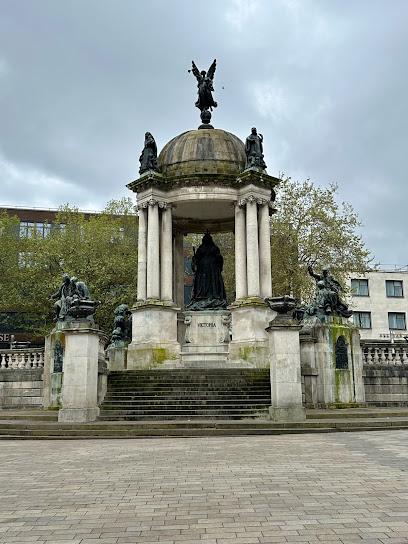
A commanding neo-Baroque monument occupying Derby Square in Liverpool's city center, featuring a 14.5-foot statue of Queen Victoria surrounded by 26 bronze figures representing virtues, agriculture, commerce, industry, and education. Built from Portland stone and bronze, this grand ensemble was unveiled in 1906 and stands on the historic site of the former Liverpool Castle. The monument survived World War II bombing and remains a striking architectural testament to the Victorian era and Liverpool's industrial heritage.
A brief summary to Queen Victoria Monument
- One Derby Square, James St, Liverpool, L2 1AB, GB
- +441511234567
- Visit website
- Duration: 0.5 to 1.5 hours
- Free
-
 Outdoor
- Mobile reception: 5 out of 5
Local tips
- Visit early morning or late afternoon for the best light to photograph the monument's intricate bronze sculptures and architectural details without crowds.
- Take time to examine each of the four sculptural groups around the base—Agriculture, Commerce, Industry, and Education—each tells a different story about Victorian values.
- The surrounding Derby Square area is busy with foot traffic; step back to view the full monument from across the square for the most impressive perspective.
- Combine your visit with nearby attractions in Liverpool's city center, including historic buildings and museums within easy walking distance.
- Note the gold mosaic work inside the dome's canopy—visible from ground level on clear days—a detail often overlooked by casual visitors.

For the on-the-go comforts that matter to you
- Seating Areas
- Information Boards
Getting There
-
Walking from Liverpool City Centre
Derby Square is in the heart of Liverpool's city center, easily reached on foot from Liverpool Lime Street railway station (approximately 10–15 minutes). From the station, head northwest through the city center following signs toward the Pier Head or city landmarks. The monument is prominently positioned and visible from surrounding streets. No parking is required for pedestrian access.
-
Bus from Liverpool City Centre
Multiple bus routes serve the city center and stop within 2–5 minutes' walk of Derby Square. Journey times from other parts of Liverpool typically range from 10–25 minutes depending on origin. Single journey fares are approximately £1.75–£2.50. Check local bus operator schedules for current routes and frequencies.
-
Taxi or Ride-Share
Taxis and ride-share services are readily available throughout Liverpool. Journey times from Liverpool Lime Street station are approximately 5–10 minutes depending on traffic. Typical fares range from £6–£12. The monument is located at One Derby Square, postcode L2 1AB, which can be provided to drivers.
-
Train to Liverpool Lime Street
If traveling from outside Liverpool, arrive at Liverpool Lime Street railway station, the city's main rail hub with connections to Manchester, London, and other major cities. From the station, proceed on foot to Derby Square as described above (10–15 minutes). Train fares vary by origin and operator; check National Rail or Merseyrail for current pricing.
Queen Victoria Monument location weather suitability
-
 Any Weather
Discover more about Queen Victoria Monument
A Monument to Empire and Industry
The Queen Victoria Monument stands as one of the largest memorials in the United Kingdom, rising over 60 feet above Derby Square in Liverpool's heart. This imposing neo-Baroque structure was unveiled on 27 September 1906 by Princess Louise, Duchess of Argyll, daughter of Queen Victoria herself. The monument occupies a site of profound historical significance—the very ground where Liverpool Castle once stood, connecting centuries of the city's past in a single location. Built from Portland stone and adorned with bronze sculptures, the monument represents the architectural and sculptural ambitions of the Edwardian era.The Central Figure and Symbolic Canopy
At the heart of the monument stands a statue of Queen Victoria, 14 feet 6 inches in height, dressed in robes of state and holding crown, orb, and sceptre. This central figure is elevated considerably above street level on a terraced platform, crowned by a domed canopy supported on sixteen Ionic columns arranged in four groups. The dome's interior is beautifully finished with gold mosaic, and its summit bears a winged figure of "Fame" holding a globe. This architectural arrangement creates a theatrical frame for the monarch, emphasizing her authority and the grandeur of her reign.Allegorical Figures and Victorian Values
Surrounding the central dome are four principal groups of bronze figures, each representing virtues and aspects of society that defined the Victorian age. Immediately above the columns stand figures embodying Peace, Justice, Wisdom, and Charity—the moral pillars upon which the era believed itself to rest. Additional sculptural groups represent Agriculture, Commerce, Industry, and Education, reflecting the economic and intellectual foundations of Victorian Britain. Notably, the Education group includes a figure modeled on Sir Oliver Lodge, the renowned physicist and long-time Professor of Physics at the University of Liverpool, lending local significance to this national monument. In total, sculptor Charles J. Allen created 26 bronze figures for this ensemble, each contributing to a comprehensive visual narrative of Victorian achievement.Design and Craftsmanship
The monument was designed by Professor F. M. Simpson of the Liverpool School of Architecture, working in collaboration with the local architectural firm of Willink and Thicknesse. The foundation stone was laid on 11 October 1902 by Field Marshal Lord Roberts, Commander-in-Chief of the Forces, marking the beginning of a four-year construction process. The choice of Portland stone for the architectural elements and bronze for all sculptural work reflects both durability and the finest materials available at the time. The craftsmanship evident in every detail—from the intricate mosaic work within the dome to the expressive poses of the bronze figures—demonstrates the technical mastery of Edwardian sculptors and architects.Survival and Enduring Presence
The monument's resilience is itself a testament to its solid construction. It survived the devastating bombing of Liverpool during World War II, particularly the May Blitz of 1941, which caused extensive destruction across the city. While much of Liverpool was rebuilt in the decades following the war, the Queen Victoria Monument remained standing, a tangible link to the pre-war city and the Victorian era it commemorates. Today, it continues to serve as a focal point in Liverpool's city center, attracting visitors interested in history, architecture, and the city's maritime and industrial heritage.Iconic landmarks you can’t miss

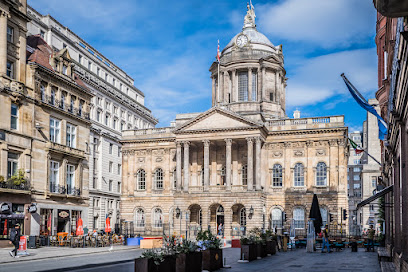
Liverpool Town Hall
0.2 km
Explore Liverpool Town Hall, a stunning Georgian masterpiece and historic civic venue at the heart of Liverpool’s cultural heritage.
Cilla Black
0.2 km
Celebrate Liverpool’s beloved entertainer with the life-size bronze statue of Cilla Black on iconic Mathew Street, near the legendary Cavern Club.
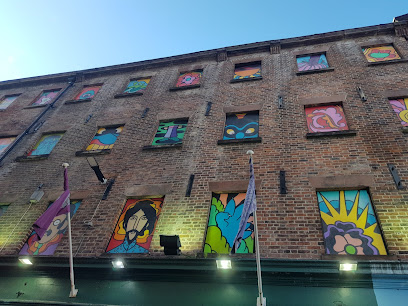
Liverpool Beatles Museum
0.3 km
Explore the largest authentic Beatles collection in Liverpool’s historic Mathew Street, celebrating the band’s legendary journey and legacy.
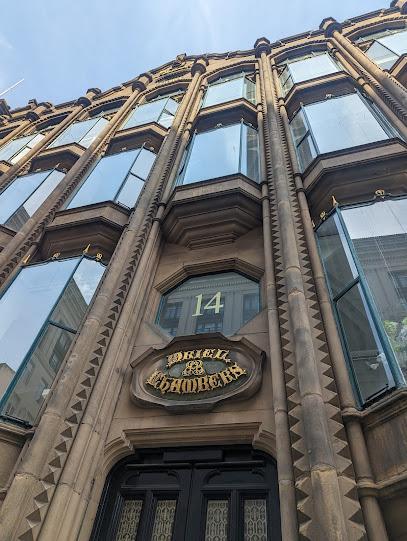
Oriel Chambers
0.3 km
Oriel Chambers: Liverpool’s revolutionary 1864 office building that pioneered the metal-framed glass curtain wall and modern skyscraper design.
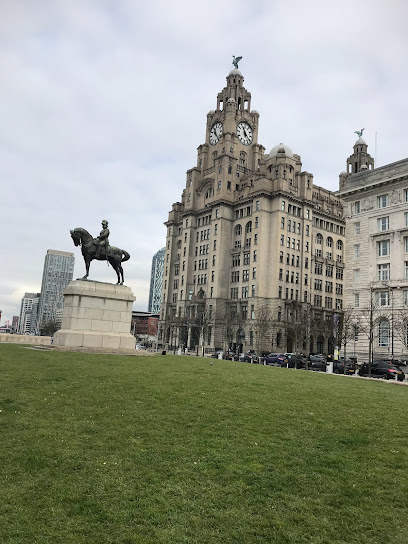
The Port Of Liverpool Building
0.3 km
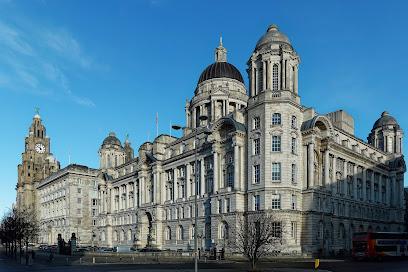
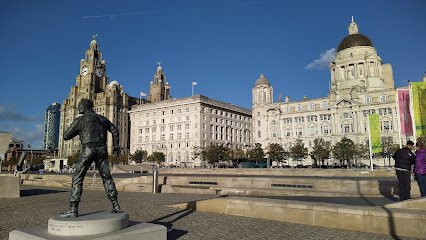
The oldest of Liverpool’s Three Graces, this Edwardian Baroque masterpiece at Pier Head is a powerful symbol of the city’s golden age as a global port and a defining feature of its historic skyline.
Viewing window to the Old Dock
0.3 km
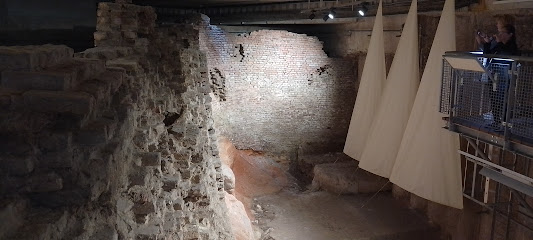
Step through a glass window into the world’s first commercial wet dock, the birthplace of Liverpool’s global maritime legacy.
1 Exchange Flags
0.3 km
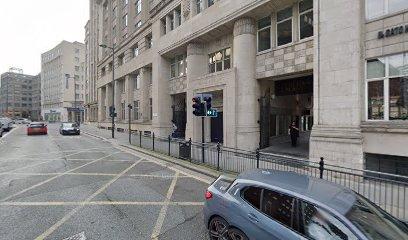
Historic Liverpool landmark featuring WWII command bunker, elegant architecture, and a courtyard rich with maritime and mercantile heritage.
Cunard Building
0.3 km
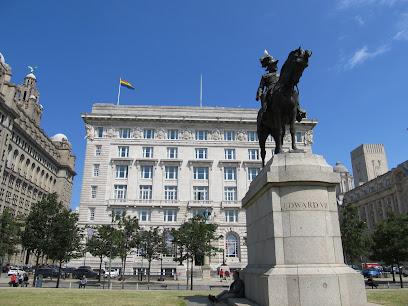
A majestic waterfront landmark embodying Liverpool’s rich maritime history and Cunard’s legacy of luxury ocean travel.
Hargreaves Buildings
0.4 km
Victorian banking landmark preserving Liverpool's golden age of maritime commerce and financial power
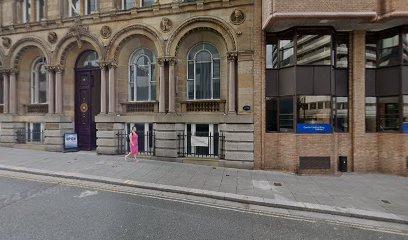
Coopers Building
0.4 km
Discover Coopers Building, a striking early 20th-century landmark that enriches Liverpool’s historic Church Street with timeless architectural charm.
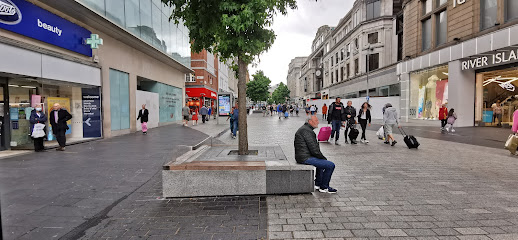
Royal Liver Suite
0.4 km
Celebrate your special moments with panoramic Mersey views in Liverpool’s iconic Royal Liver Suite, blending heritage and elegance.
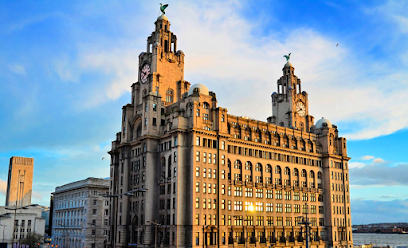
Mann Island
0.4 km
Contemporary waterfront landmark reflecting Liverpool's maritime heritage through striking architecture and cultural innovation.
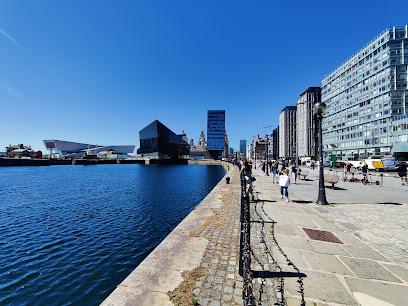
Sir Alfred Lewis Monument
0.4 km
A striking bronze memorial at Liverpool’s Pier Head honoring Sir Alfred Lewis Jones, maritime pioneer and founder of tropical medicine research.
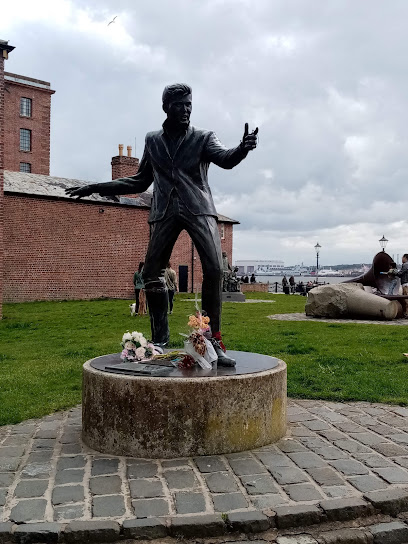
Billy Fury
0.5 km
Celebrate the legacy of Liverpool’s rock and roll pioneer with the iconic Billy Fury statue at the historic Royal Albert Dock.
Cotton Exchange Bldg Old Hall Street
0.5 km
Historic heart of Liverpool’s cotton trade, blending Edwardian grandeur with modern business life on Old Hall Street.
Unmissable attractions to see

Derby Square
0.1 km
Historic Derby Square in Liverpool blends medieval roots, iconic monuments, and vibrant city life in a captivating urban landmark.
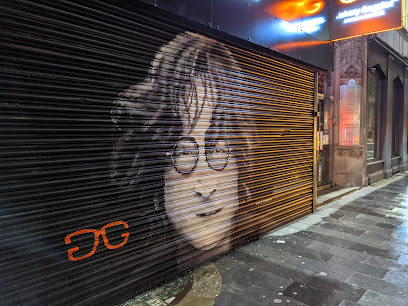
John Lennon Mural by Paul Curtis
0.1 km
A vibrant street art tribute to John Lennon’s legacy, celebrating Liverpool’s rich musical and artistic heritage.
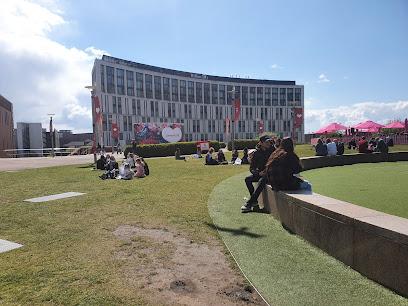
Chavasse Park
0.1 km
A serene urban park at Liverpool ONE, renowned for festive cheer, community events, and a welcoming green escape in the city centre.
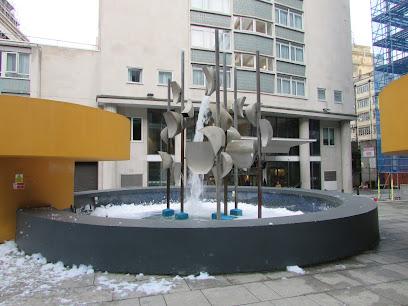
Piazza Fountain
0.2 km
A dynamic 1960s kinetic water sculpture in Liverpool’s historic Goree Piazza, blending art, history, and community spirit.
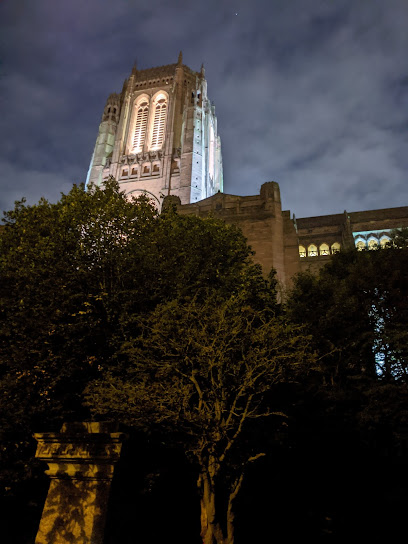
Shiverpool
0.2 km
Experience Liverpool’s haunted history with Shiverpool’s award-winning ghost tours blending thrills, laughs, and captivating storytelling.
John Lennon Statue - Mathew Street
0.2 km
Celebrate the legacy of John Lennon with this iconic statue on Liverpool’s legendary Mathew Street, the heart of Beatles history.
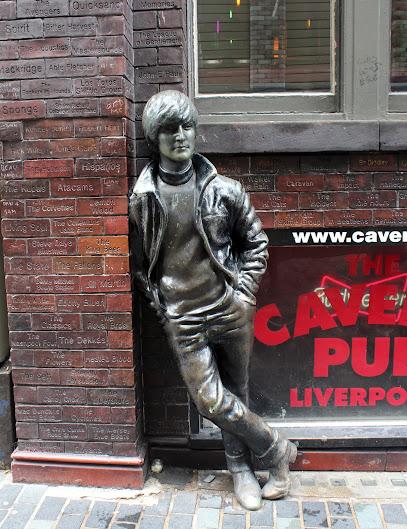
The Wall Of Fame - Mathew Street
0.2 km
Celebrate Liverpool’s legendary musicians on Mathew Street’s iconic Wall Of Fame, a tribute to the city’s unparalleled musical heritage.
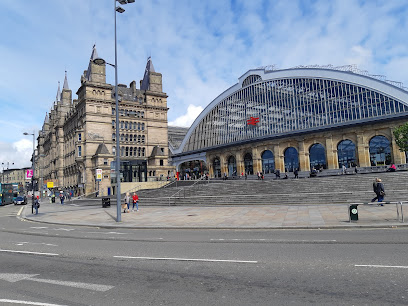
Cavern Club
0.2 km
Experience the legendary Cavern Club, Liverpool’s iconic live music venue where The Beatles’ legacy lives on beneath the city’s historic arches.
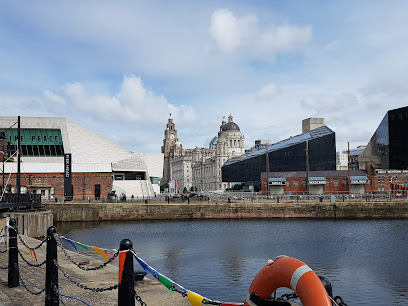
Eric's Liverpool
0.2 km
Historic punk club and vibrant live music venue on Mathew Street, where Liverpool’s musical legends were born and continue to thrive.
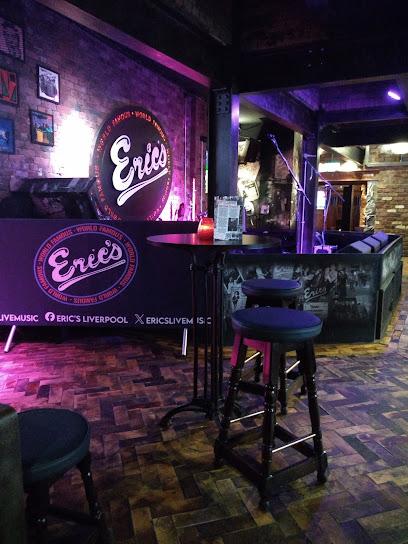
Mathew St
0.2 km
Experience the legendary Mathew Street, Liverpool’s iconic music hub and birthplace of Beatlemania, alive with history, live music, and vibrant culture.
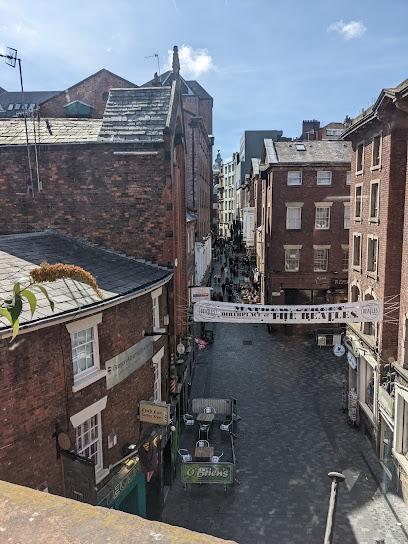
Mersey Tunnel Tours
0.3 km
Explore Liverpool’s iconic Queensway Tunnel on a fascinating guided tour revealing engineering, history, and underground adventure.
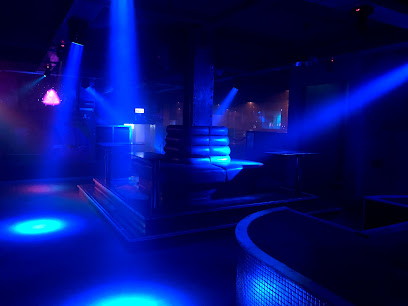
Heaven Nightclub Liverpool
0.3 km
A compact, late‑night gay club in Liverpool city centre offering high‑energy DJ nights, compact dancefloors and themed queer nightlife until the early hours.
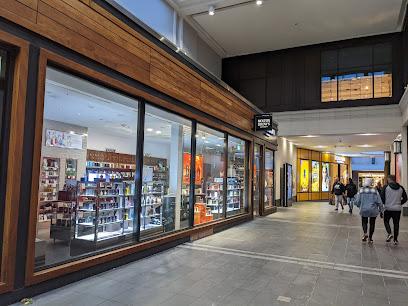
Liverpool ONE
0.3 km
Liverpool ONE: The UK’s largest open-air shopping and leisure hub in the vibrant heart of Liverpool city centre.
Tate Liverpool
0.3 km
Discover cutting-edge modern art and family-friendly creativity at Tate Liverpool’s vibrant waterfront home at RIBA North.
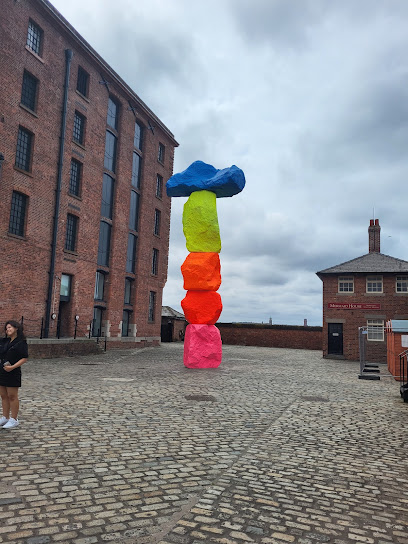
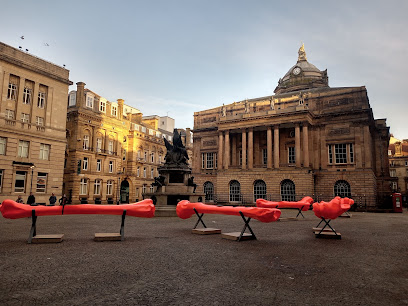
Nelson Monument
0.3 km
Liverpool’s Nelson Monument: A neo-classical tribute capturing Admiral Nelson’s naval victories and legacy in the heart of the city’s maritime heritage.
Essential places to dine

Bacaro
0.1 km
Experience vibrant Venetian small plates and authentic Italian flavors in the stylish heart of Liverpool’s Castle Street.
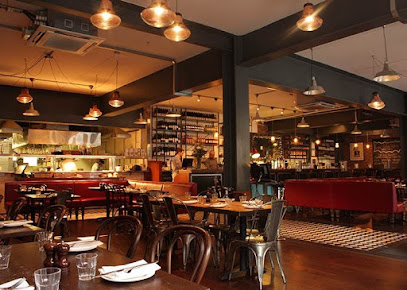
San Carlo - Liverpool
0.1 km
Experience authentic Italian elegance and vibrant city dining at San Carlo Liverpool, where classic flavors meet stylish ambiance.
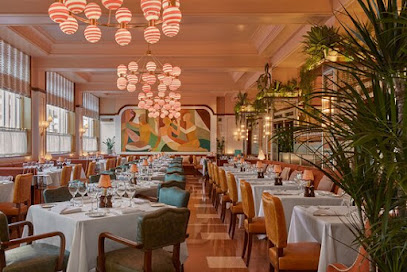
Castle St Townhouse
0.1 km
A stylish all-day dining venue in Liverpool’s historic heart, blending heritage charm with vibrant food, drinks, and social atmosphere.
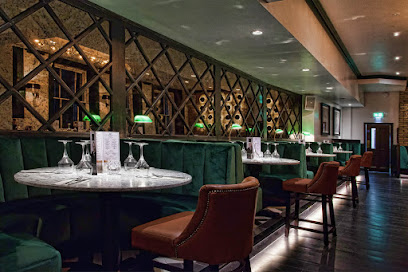
Hawksmoor Liverpool
0.2 km
Experience premium British steaks and seafood in a stylish, lively Liverpool setting with exceptional service and classic flavors.
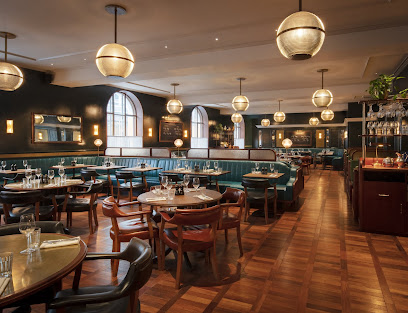
Blakes Restaurant
0.2 km
Experience British classics with a Beatles twist in Liverpool’s iconic Hard Days Night Hotel restaurant.
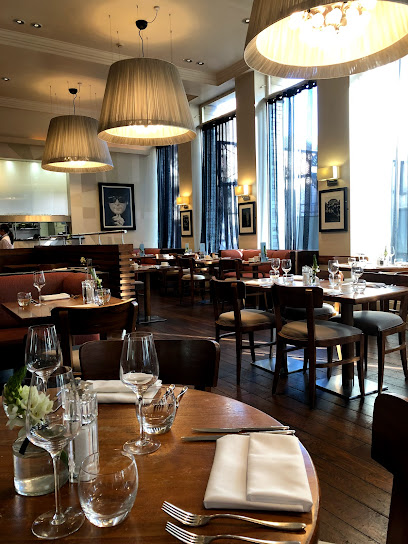
Etsu
0.2 km
Authentic Japanese flavors and warm hospitality await at Etsu, Liverpool’s premier destination for refined dining on The Strand.
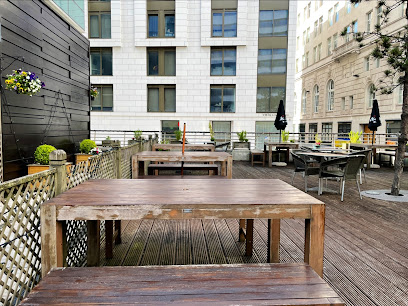
Meet Argentinian Restaurant
0.2 km
Premium Argentine beef grilled over open flames in Liverpool's most authentic steakhouse since 2006.
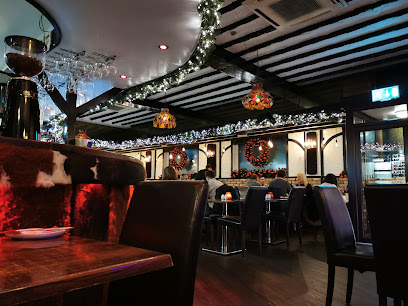
Riva Blu Italian Restaurant & Bar, Liverpool
0.2 km
Modern Italian dining and cocktails in the heart of Liverpool, with a stylish terrace and a unique vaulted private dining room for special occasions.
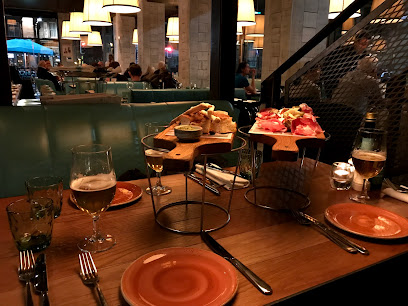
Mowgli Street Food Water Street
0.2 km
Contemporary Indian street food in a vibrant, casual setting with bold flavors and communal sharing plates.
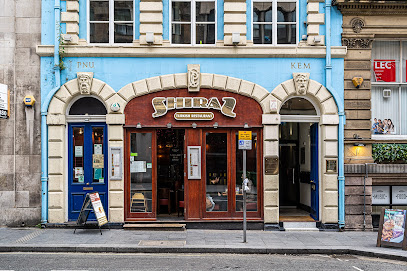
Shiraz BBQ
0.2 km
Charcoal-grilled Mediterranean excellence with generous portions and unbeatable value in central Liverpool.
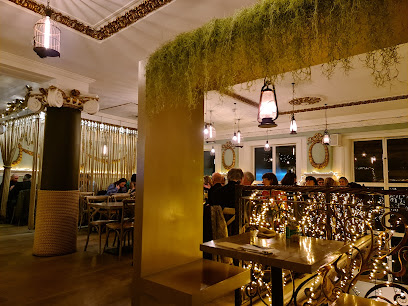
Turtle Bay Liverpool Victoria St
0.2 km
Lively Caribbean dining and cocktails in Liverpool’s historic Produce Exchange, blending authentic flavors with vibrant island vibes.
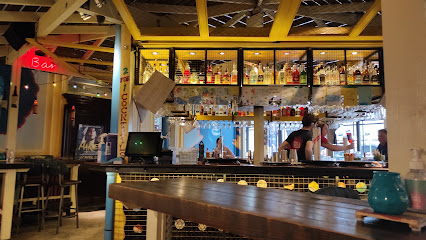
Las Iguanas - Liverpool
0.2 km
Vibrant Latin American dining and cocktails in Liverpool's premier shopping destination.
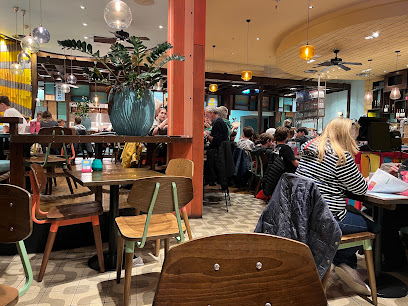
NYL Restaurant and Bar
0.3 km
Stylish American dining and cocktails in Liverpool's commercial heart, where upmarket meets approachable.
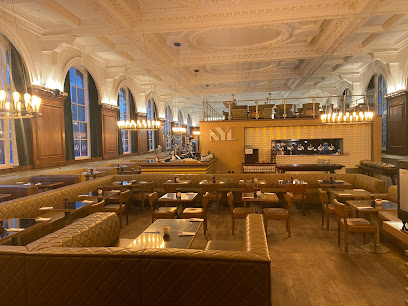
Smoke & Dough
0.3 km
Interactive BBQ dining in Liverpool One where you grill premium meats at your table, paired with vibrant cocktails and a lively city terrace.
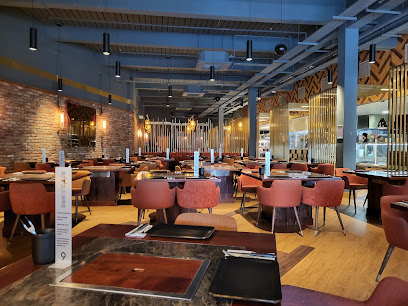
OH ME OH MY
0.3 km
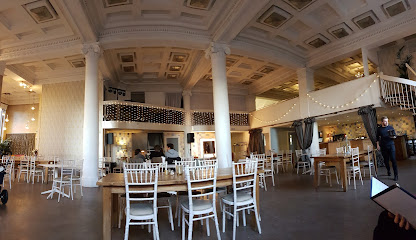
Historic waterfront tea house with rooftop views, afternoon tea, and elegant events space.
Markets, malls and hidden boutiques

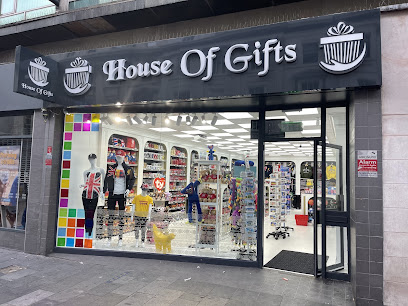
House Of Gifts
0.2 km
A fun-filled Liverpool novelty shop packed with souvenirs, local memorabilia, and quirky gifts for visitors and locals alike.
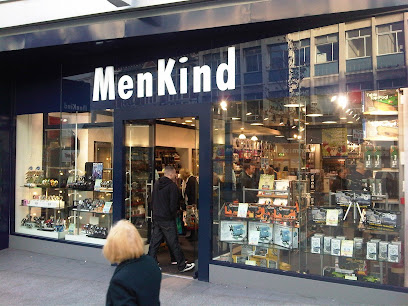
Menkind
0.2 km
Discover quirky gadgets and imaginative gifts for men and boys at Menkind Liverpool, your go-to spot for unique presents in the city centre.
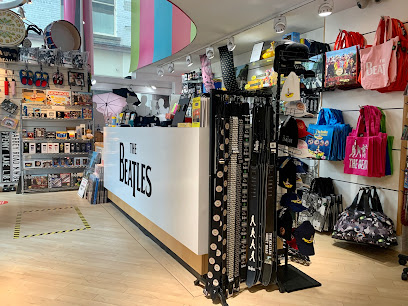
Hard Days Night Shop
0.2 km
Explore the heart of Beatles heritage with exclusive memorabilia and authentic merchandise at Liverpool’s iconic Hard Days Night Shop.
The Gallery
0.2 km
Discover Liverpool’s musical heritage and unique local crafts at The Gallery, your destination for Beatles memorabilia and authentic souvenirs.
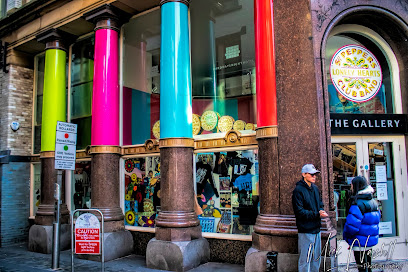
Cool Britannia
0.2 km
Liverpool's vibrant gift shop packed with Britpop t-shirts, Beatles nods, and Cool Britannia souvenirs—your one-stop for cheeky, affordable UK mementos in the city center.
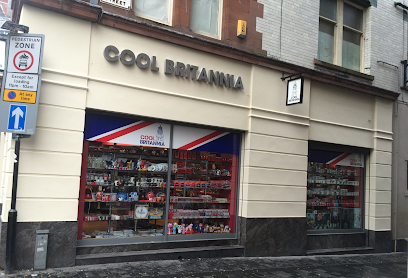
Cavern Walks - Shopping Centre
0.2 km
Boutique shopping arcade in Liverpool's Beatles epicentre, linking stylish retail to Cavern Club legacy on vibrant Mathew Street.
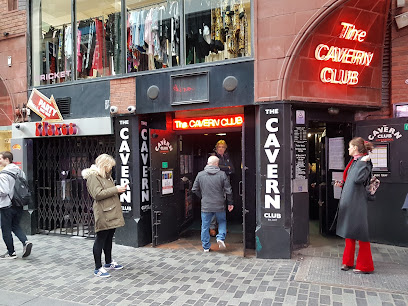
As Above So Below Emporium Ltd
0.2 km
A darkly elegant witchy emporium in Liverpool’s historic Cavern Walks, blending mysticism, tarot, and alternative culture.
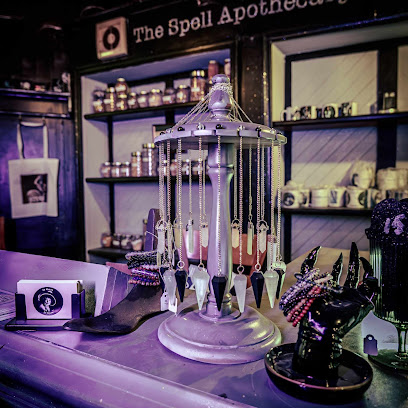
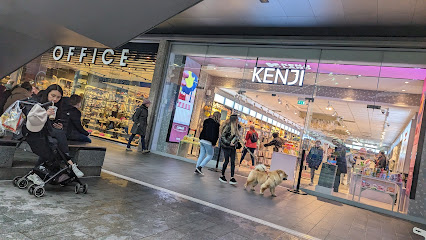
KENJI Liverpool ONE
0.2 km
Discover cute plushies, quirky gifts, and local makers in Liverpool ONE's playful arcade-gift haven—perfect for unique souvenirs and fun finds.
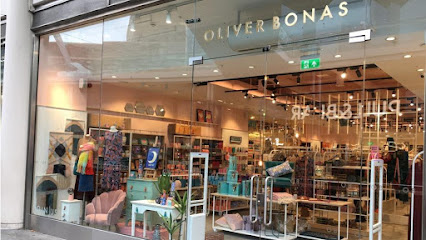
Oliver Bonas
0.3 km
Colourful, design-led fashion and homeware in Liverpool ONE — a boutique atmosphere for stylish gifts and everyday statement pieces.
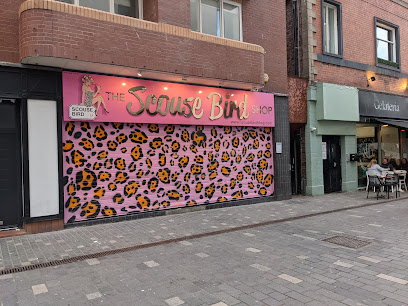
Scouse Bird Shop (inside Boutique 56 & online)
0.3 km
Discover cheeky Liverpool gifts and local charm at Scouse Bird Shop, nestled inside the stylish Boutique 56 hotel on Stanley Street.
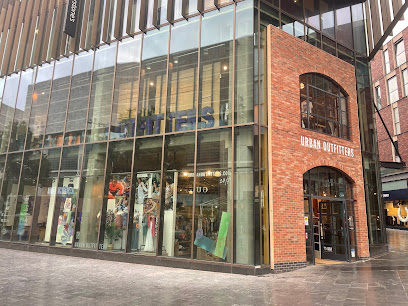
Urban Outfitters
0.3 km
Discover unique vintage-inspired fashion and eclectic homewares at Urban Outfitters Liverpool, a vibrant hub for style and culture in the city centre.
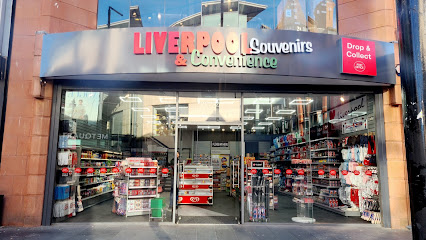
Liverpool Souvenirs and Gifts
0.4 km
Discover unique Liverpool keepsakes and exceptional service at this friendly souvenir shop in the heart of the city.
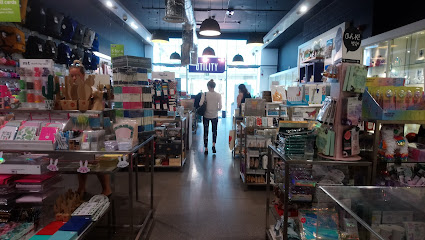
Utility
0.4 km
Independent Liverpool gift shop specialising in quirky, design-led presents, cards and small homewares with a friendly, well-curated atmosphere.
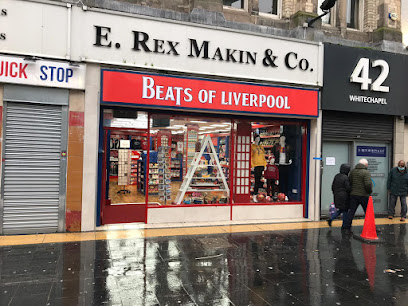
Beats of Liverpool
0.4 km
Discover authentic Liverpool memorabilia and Beatles-inspired souvenirs in the heart of the city’s historic Whitechapel district.
Off The List Luxury
0.5 km
Discreet luxury watch boutique in Liverpool's business heart, offering Rolex Datejust and elite timepieces with expert, professional service.
Essential bars & hidden hideouts

The Slaughter House
0.1 km
Historic Liverpool pub blending hearty gastropub fare with lively live music and comedy in a warm, rustic setting.
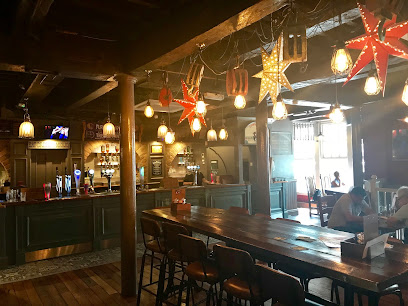
The Alchemist Liverpool
0.1 km
Experience Liverpool’s premier cocktail bar where molecular mixology meets bold flavors and vibrant city vibes.
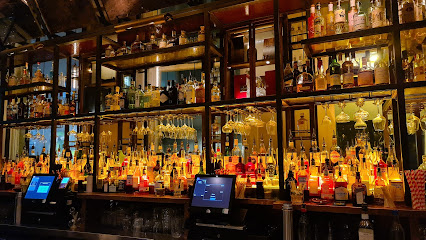
Slug & Lettuce - Liverpool
0.2 km
Liverpool's ultimate cocktail spot in a historic building—2-for-1 drinks, bottomless brunches, and three floors of festive vibes for groups and celebrations.
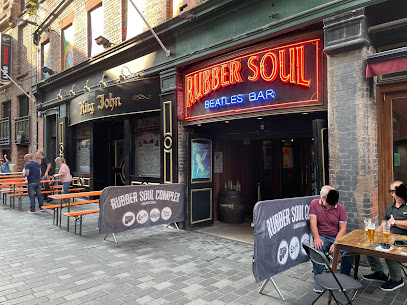
Rubber Soul
0.2 km
Experience Liverpool’s vibrant nightlife and Beatles heritage at Rubber Soul, a lively bar with three unique atmospheres and nightly live music.
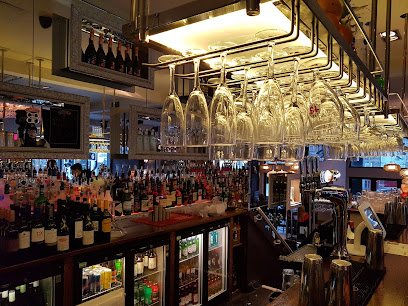
The Bierkeller Liverpool
0.3 km
Experience the ultimate Bavarian beer hall vibe in Liverpool with giant steins, live Oompah bands, and a lively party atmosphere.
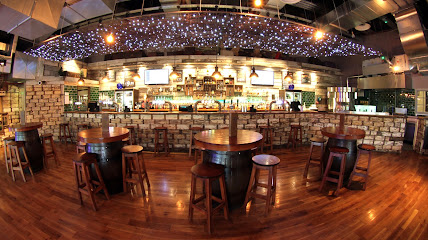
Ex-Directory
0.5 km
Discover Liverpool’s hidden speakeasy with quirky charm, expertly crafted cocktails, and a vibrant atmosphere on Vernon Street.
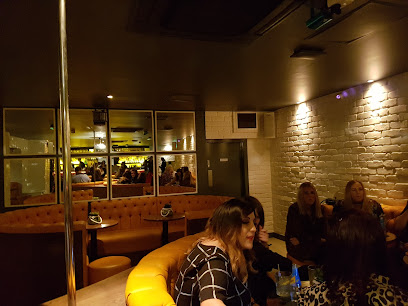
Brass Monkey
0.5 km
Liverpool's quirky cocktail haven on School Lane, blending inventive drinks, British bites, and lively vibes from midday to late-night revelry.
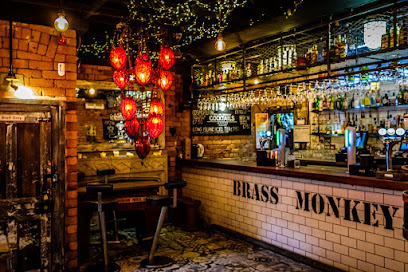
Present Company
0.5 km
Intimate Liverpool cocktail bar blending expert drinks, music culture, and warm hospitality in a stylish, relaxed setting.
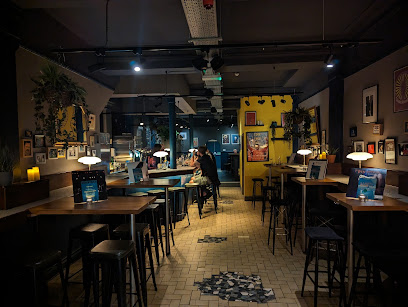
Revolution Liverpool - Albert Dock
0.5 km
Vibrant cocktails, riverside vibes, and non-stop nightlife in Liverpool's legendary Albert Dock—where dockside history meets modern revelry.
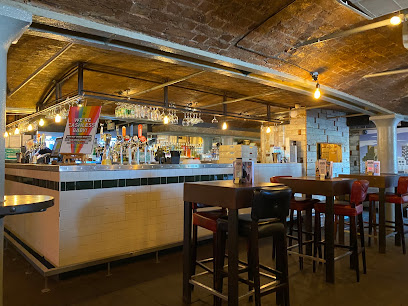
Motel Bar
0.6 km
A moody, music-first Fleet Street dive bar famous for band-backed karaoke and late-night crowds in Liverpool city centre.
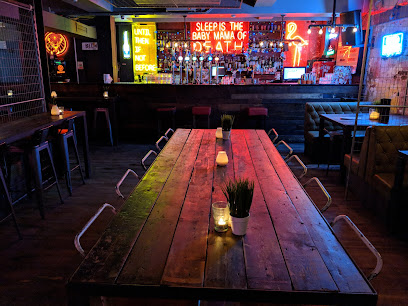
Be At One - Liverpool
0.6 km
Liverpool's cocktail epicenter: 100+ mixes, 2-for-1 happy hours, and masterclass shakes in a chic Seel Street hotspot.
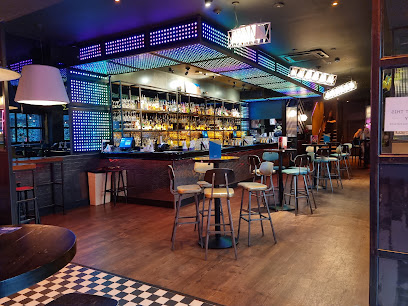
The One O'Clock Gun
0.6 km
Raise a glass to Liverpool's maritime heartbeat at this dockside pub, where historic time signals meet modern merriment and Mersey views.
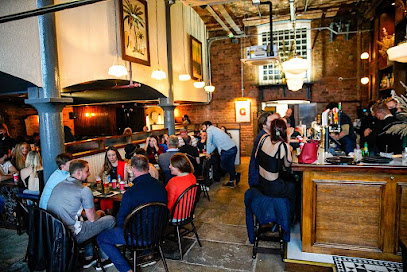
Kazimier Garden
0.6 km
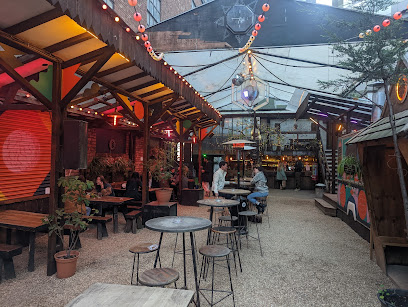
Liverpool's original garden bar: quirky outdoor oasis with craft brews, live gigs, and fairy-lit magic in the heart of Ropewalks.
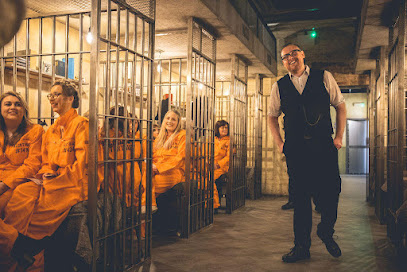
Alcotraz Liverpool: Cell Block Three-Six
0.6 km
Experience immersive cocktails and themed nights at Alcotraz Liverpool: Cell Block Three-Six, a unique cocktail bar that offers an unforgettable night out.
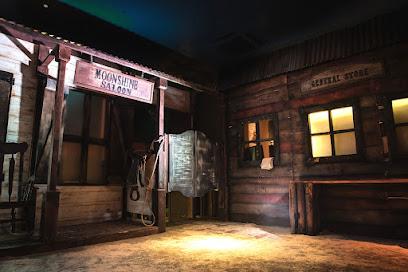
Moonshine Saloon Liverpool
0.6 km
Step into Liverpool’s Moonshine Saloon for an immersive Wild West cocktail adventure blending live theatre, bespoke drinks, and interactive fun.
Nightclubs & after hour spots

Flares - Liverpool
0.2 km
Experience Liverpool’s vibrant nightlife at Flares on Mathew Street, where great cocktails and unbeatable party vibes meet iconic music heritage.
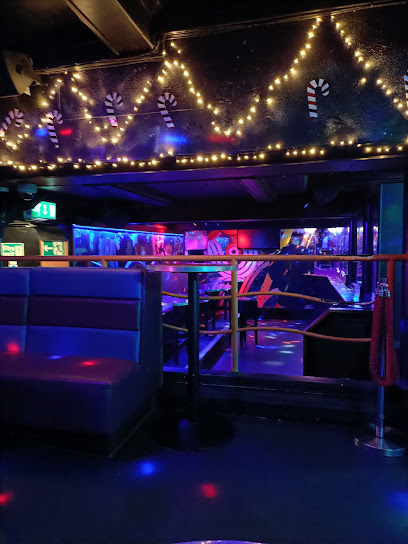
Mambo Club Liverpool
0.2 km
Experience Liverpool’s vibrant nightlife at Mambo Club, where electrifying music and lively crowds create unforgettable Saturday nights.
Mansion Nightclub
0.3 km
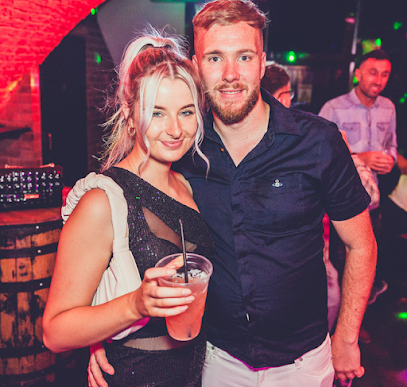
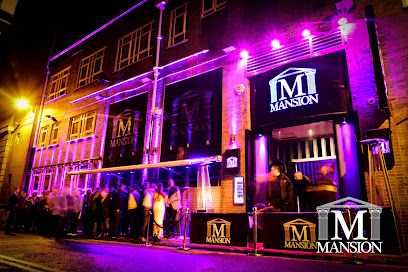
Liverpool’s vibrant nightclub with the UK’s largest LED ceiling, laser shows, and a dynamic party atmosphere in the city centre.
XOXO Nightclub Liverpool
0.3 km
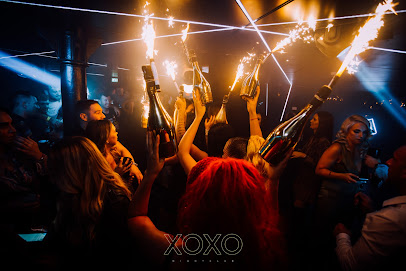
Dive into Liverpool's electric basement beats at XOXO Nightclub, where diverse DJs and immersive vibes craft unforgettable weekends from 10pm till dawn.
Playground Liverpool
0.3 km
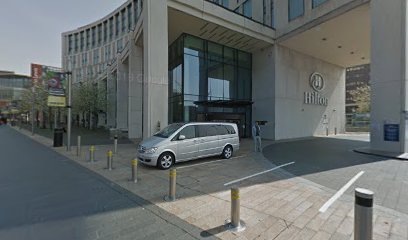
Liverpool's luxury nightclub haven in the Hilton, pulsing with upscale beats by the Mersey waterfront – exclusive nights await in the heart of the city.
GBar Liverpool
0.3 km
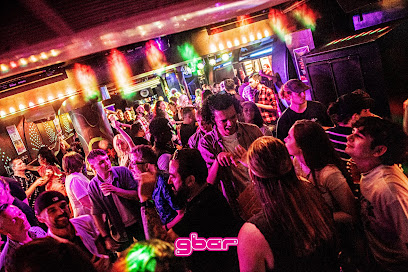
Liverpool's legendary late-night gay club: pop upstairs, bass downstairs, dancing till dawn on Eberle Street's vibrant strip.
Elysium Nightclub
0.4 km
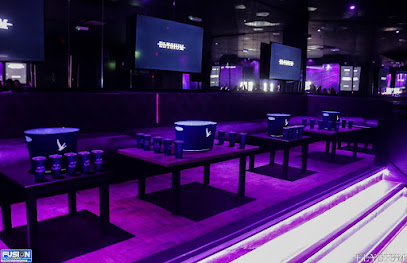
Experience Liverpool’s vibrant nightlife with dynamic DJ events and an energetic atmosphere at Elysium Nightclub, open late on weekends.
Popworld - Liverpool
0.6 km
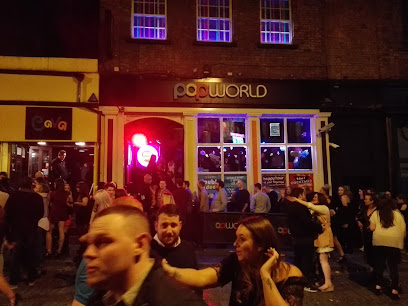
Liverpool's ultimate cheesy pop haven: 90s bangers, cheap drinks, and dance-'til-dawn vibes in the heart of Ropewalks.
ELECTRIK WAREHOUSE
0.6 km
Liverpool's multi-floor warehouse nightclub: three dance floors of dance, RnB, indie, and chart hits in quirky industrial surrounds, open Thu-Sat till 4am.
LEVEL Nightclub Liverpool
0.6 km
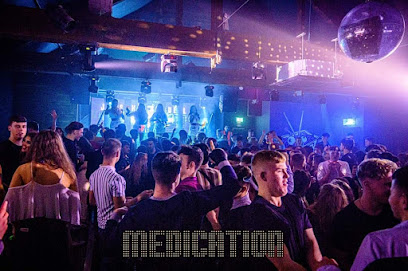
Liverpool’s expansive multi-floor nightclub offering diverse music, VIP areas, and a buzzing party atmosphere in the heart of Ropewalks.
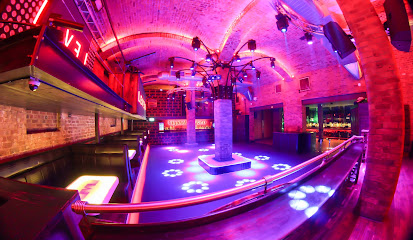
Modo, Liverpool
0.7 km
Liverpool's Concert Square legend: multi-room nightclub with cocktails, sports screens, heated terrace, and epic party spaces for every vibe.
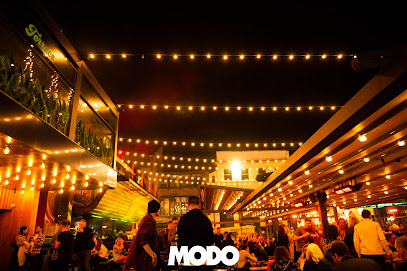
Concert Square Bars And Clubs Liverpool
0.7 km
Discover the energetic nightlife of Liverpool at Concert Square Bars and Clubs, where diverse bars and clubs create an unforgettable experience.
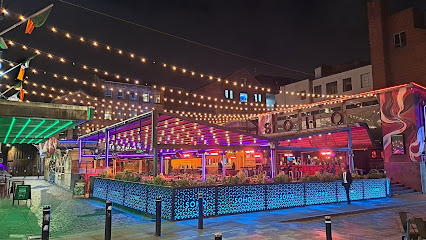
Baa Bar Liverpool
0.7 km
Two floors of house and R&B beats, £2 shooters, and courtyard vibes in Liverpool's nightlife epicenter—perfect for students and party-hoppers alike.
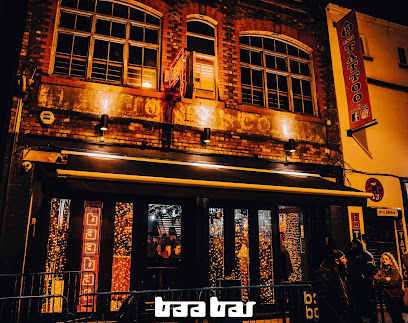
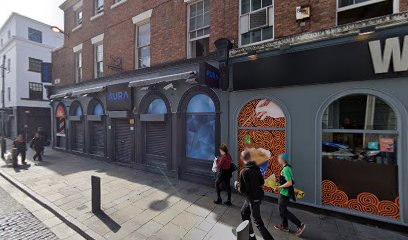
Aura
0.8 km
Dive into Liverpool's pulsating beats at Aura Nightclub, where Afrobeats and R&B fuel intimate, high-energy nights in Ropewalks' vibrant core.
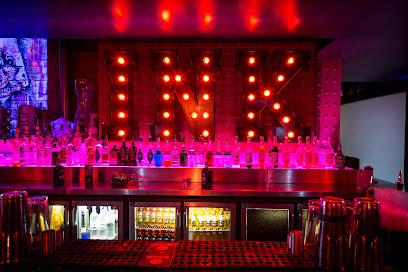
Ink Bar Liverpool
0.8 km
Liverpool's premier R&B and house nightclub, where stylish cocktails, thumping beats, and luxury vibes fuel unforgettable nights on Wood Street.
For the vibe & atmosphere seeker
- Scenic
- Unique
- Lively
For the design and aesthetic lover
- Vintage Styles
- Art Deco Styles
For the architecture buff
- Historic
- Landmarks
- Art & Design
- Heritage Neighborhoods
For the view chaser and sunset hunter
- Iconic Views
- Panoramas
For the social media creator & influencer
- Instagrammable
- Photo Spots
- Architectural Shots
For the eco-conscious traveler
- Protected Area
- Locally Managed
For the kind of experience you’re after
- Cultural Heritage
- Photowalk
- Myth & Legends
- Day Trip
For how adventurous you want the journey to be
- Easy Access
Location Audience
- Family Friendly
- Senior Friendly
- Solo Friendly
- Couple Friendly


