
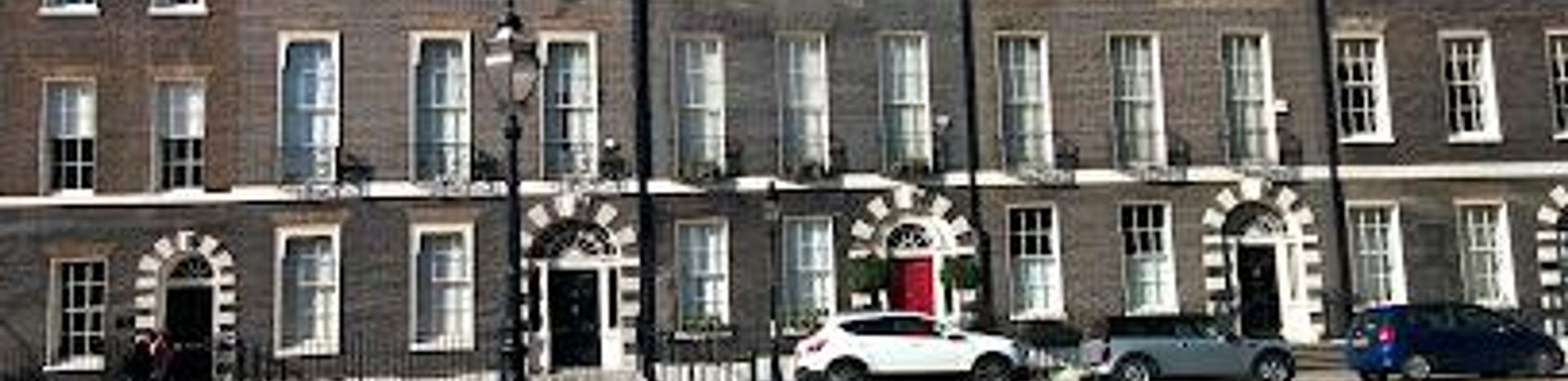
Bedford Square Gardens: London's Finest Georgian Garden Square
A pristine Georgian garden square in Bloomsbury, blending historic architecture with tranquil green space in the heart of London.
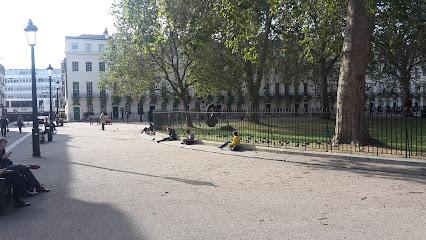
Bedford Square Gardens in Bloomsbury, London, is the best-preserved Georgian garden square, laid out between 1775 and 1780. Surrounded by elegant Grade I listed terraced townhouses with distinctive Coade-stone entrances, the square features a large oval garden with mature London plane trees and herbaceous borders. Once a prestigious residential area, it now hosts cultural institutions and private offices, with the garden open to the public during special events.
A brief summary to Bedford Square Gardens
- Bedford Square, London, WC1B 3HH, GB
- Visit website
- Duration: 0.5 to 2 hours
- Free
-
 Outdoor
- Mobile reception: 5 out of 5
- Monday 8 am-9 pm
- Tuesday 8 am-9 pm
- Wednesday 8 am-9 pm
- Thursday 8 am-9 pm
- Friday 8 am-9 pm
- Saturday 8 am-9 pm
- Sunday 8 am-9 pm
Local tips
- Visit during the annual Open Garden Squares Weekend in June to access the private central garden.
- Admire the Grade I listed Georgian terraces surrounding the square, notable for their Coade-stone entrances.
- Look for the blue plaques commemorating notable former residents like Lord Eldon and Henry Cavendish.
- Enjoy the peaceful atmosphere created by mature London plane trees and the garden’s herbaceous borders.

For the on-the-go comforts that matter to you
- Seating Areas
- Information Boards
Getting There
-
Underground
Take the London Underground to Tottenham Court Road station, approximately a 4 to 7-minute walk to Bedford Square. The station is served by the Central and Northern lines, with frequent service throughout the day. Tickets cost between £2.50 and £6.00 depending on travel zones and ticket type.
-
Bus
Use local bus routes stopping at Great Russell Street, about a 4 to 6-minute walk from Bedford Square. Buses run frequently during the day with fares around £1.75 using contactless payment or Oyster card.
-
Train
London Euston railway station is about a 20-minute walk from Bedford Square, providing national and regional rail services. Walking is along paved urban streets; taxis and rideshares are also readily available.
-
Walking
If staying nearby in Bloomsbury or the West End, Bedford Square is accessible on foot via flat, paved streets. Walking times vary from 10 to 30 minutes depending on your starting point, offering a pleasant urban stroll through historic neighborhoods.
Bedford Square Gardens location weather suitability
-
 Any Weather
-
 Clear Skies
-
 Mild Temperatures
-
 Rain / Wet Weather
Discover more about Bedford Square Gardens
Architectural Harmony and Historical Origins
Bedford Square Gardens is celebrated as the finest and most complete example of Georgian architecture in London. Constructed between 1775 and 1780, the square was likely designed by architect Thomas Leverton, with construction overseen by builders William Scott and Robert Grews. The square was developed as part of the Bedford Estate, owned by the Dukes of Bedford, who played a pivotal role in shaping Bloomsbury’s urban landscape. The design features uniform terraced townhouses arranged in four symmetrical 'palace-fronted terraces', each with distinctive Coade-stone door surrounds and wrought-iron balconies, creating a grand and cohesive architectural statement.The Central Garden and Its Evolution
At the heart of Bedford Square lies a large oval garden, enclosed by original pre-war iron railings, which remains a rare survival of its kind. The garden is planted with mature London plane trees, herbaceous perennials, and shrub borders, providing shade and tranquility amidst the urban setting. The garden’s layout has evolved since the 19th century, with significant redesigns in the 1870s by landscape gardener Joseph Fyfe Meston, who removed earlier dense undergrowth and paths to create the open, picturesque lawn and informal tree planting visible today. The garden holds Grade II* listed status, reflecting its historic and horticultural significance.Notable Residents and Cultural Legacy
Historically, Bedford Square was home to prominent figures including Lord Chancellor Lord Eldon, scientist Henry Cavendish, architect William Butterfield, and anti-slavery campaigner Elizabeth Jesser Reid. The square was designed for the upper middle class, attracting merchants, lawyers, physicians, and intellectuals rather than aristocracy. Over time, many of the original residences transitioned to offices housing cultural institutions such as Sotheby’s Institute of Art and Yale University Press. Blue plaques on several buildings commemorate the square’s distinguished past residents.Preservation and Public Access
The Bedford Estate’s careful stewardship has ensured Bedford Square’s remarkable preservation, maintaining its architectural integrity and garden setting. Unlike many London squares, Bedford Square’s original iron railings survived World War II scrap drives, thanks to the advocacy of the Georgian Group and the Duke of Bedford’s pacifism. Although the central garden remains private, it opens annually during the Open Garden Squares Weekend, allowing public enjoyment of this historic green space. The square’s harmonious blend of architecture and landscape continues to influence London’s garden squares.Setting and Surroundings
Located in Bloomsbury, Bedford Square is adjacent to cultural landmarks such as the British Museum and is well served by nearby Tottenham Court Road and Goodge Street Underground stations. The square forms part of a larger network of historic garden squares developed by the Bedford Estate, contributing to Bloomsbury’s reputation as a center of culture and learning. Today, the square’s tranquil garden offers a peaceful retreat amid the bustling city, framed by some of London’s finest Georgian terraces.Architectural and Urban Significance
Bedford Square exemplifies the impact of the London Building Act of 1774, which standardized building regulations and promoted architectural uniformity. Its design set a precedent for garden squares across London in the late 18th and early 19th centuries, combining urban planning with landscaped communal spaces. The square’s layout and buildings remain largely intact, offering a rare and authentic glimpse into Georgian London’s urban fabric and social history.Iconic landmarks you can’t miss

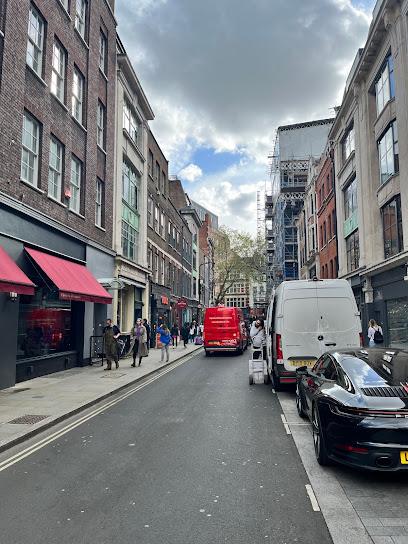
Denmark St
0.4 km
Britain's legendary Tin Pan Alley where rock and roll history was written in every studio, café, and guitar shop.
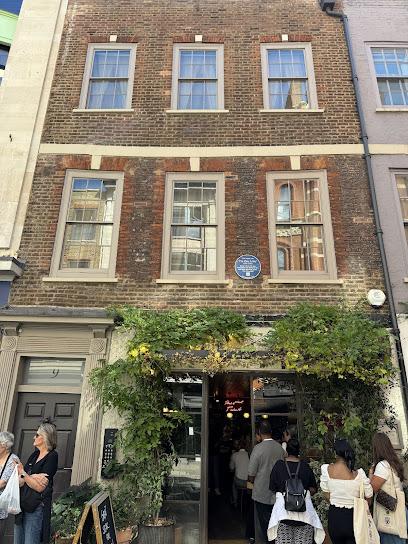
Plaque: Tin Pan Alley & La Giaconda cafe
0.4 km
Discover the legendary Tin Pan Alley and La Giaconda Cafe at 9 Denmark Street, the historic heart of London’s music scene and creative spirit.
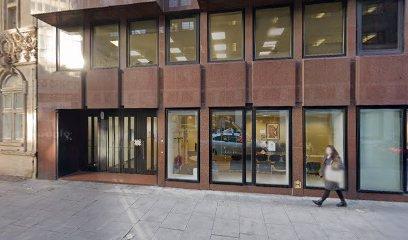
190 High Holborn
0.6 km
A modern office landmark in central London, blending contemporary design with strategic connectivity near historic Holborn.
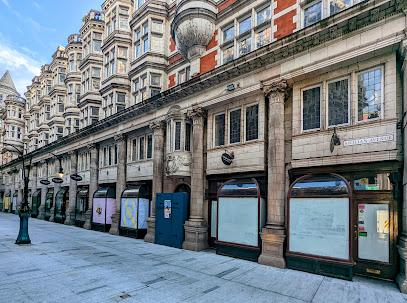
Sicilian Avenue
0.6 km
Discover Sicilian Avenue, a serene Edwardian pedestrian street in London blending Italianate architecture with charming shops and tranquil ambiance.
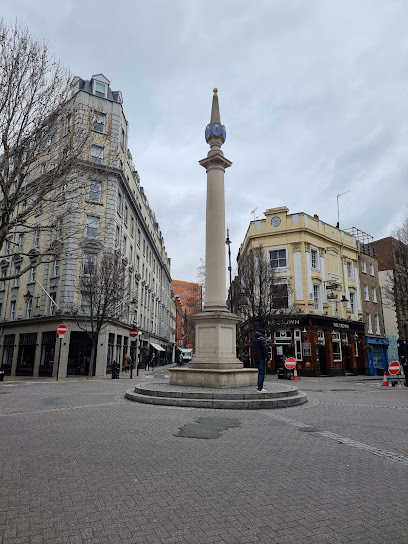
Historic Seven Dials
0.6 km
Discover Seven Dials, a historic London quarter where seven streets meet at a unique sundial pillar, blending rich heritage with vibrant culture.
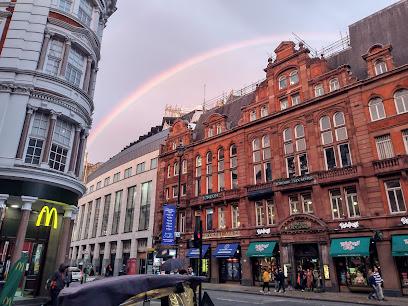
Shaftesbury Ave
0.6 km
Discover London’s vibrant Shaftesbury Avenue, the epicenter of the West End's theatre scene, offering a myriad of shows, dining, and nightlife options.
Self-Guided Audio Tour - London's Soho, Theatreland and Chinatown
0.6 km
Discover the rich culture and vibrant nightlife of London's Soho, Theatreland, and Chinatown with a self-guided audio tour.
Tavistock Square
0.7 km
Explore Tavistock Square, a beautiful garden and historical landmark in London, perfect for relaxation and cultural exploration.
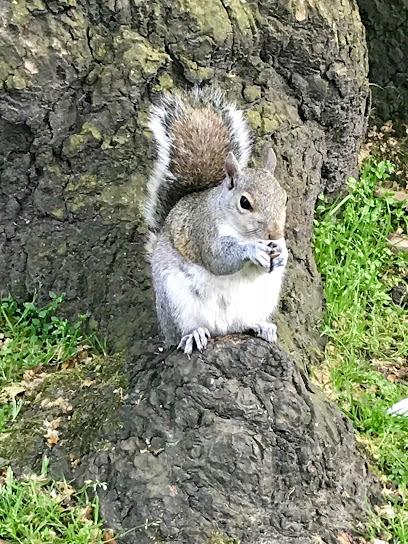
The Smallest Gallery in Soho
0.7 km
Discover unique contemporary art at The Smallest Gallery in Soho, London - an intimate space showcasing emerging talents and established artists.
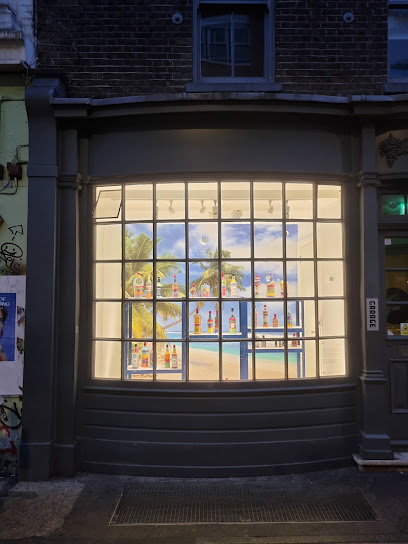
Mercer Walk
0.7 km
Experience the enchanting Mercer Walk in London, a charming alley brimming with boutique shops, cozy cafes, and artistic flair that captures the city's spirit.
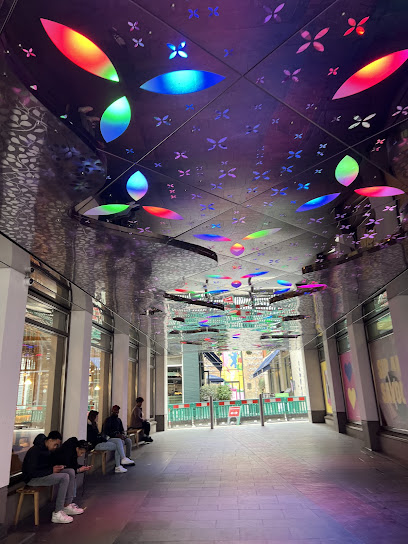
Soho
0.7 km
London's pulsating heart of nightlife, cuisine, and cultural reinvention where bohemian heritage meets contemporary glamour.
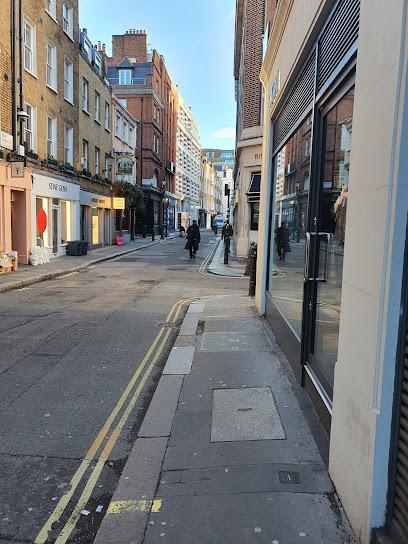
Fitzroy Square
0.8 km
Discover the serene beauty of Fitzroy Square, a historic garden square in London, where elegance meets tranquility amidst the city's vibrant energy.
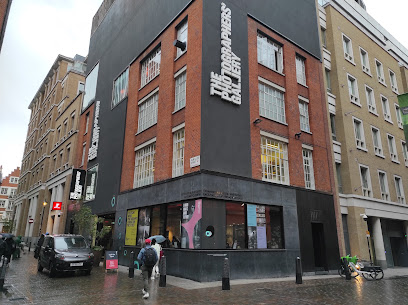
The Photographers' Gallery
0.8 km
Explore the captivating world of photography at The Photographers' Gallery, London's premier destination for stunning exhibitions and engaging workshops.
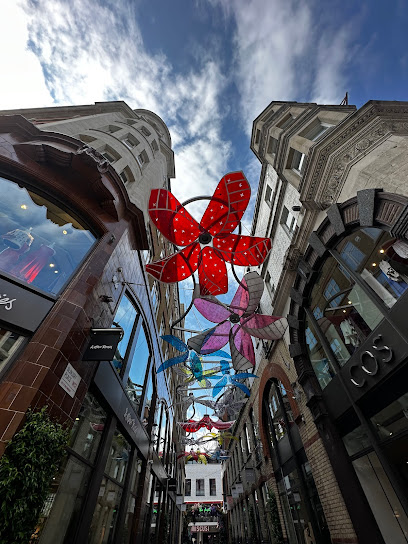
Slingsby Place
0.8 km
Explore Slingsby Place, a serene scenic point in London, offering lush greenery and stunning architecture perfect for relaxation and memorable photographs.
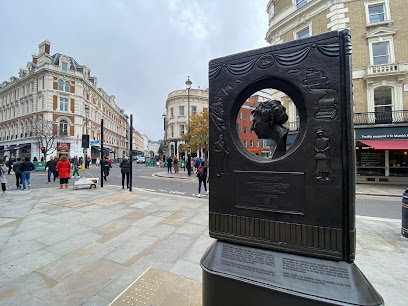
Agatha Christie memorial
0.8 km
A captivating bronze tribute to Agatha Christie, celebrating her literary genius and theatrical legacy in London's vibrant theatre district.
Unmissable attractions to see

Bedford Square & Montague Pl
0.1 km
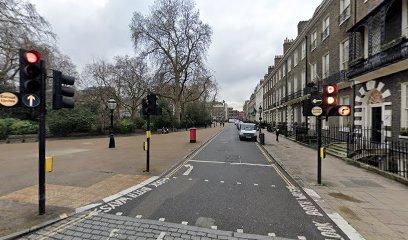
Discover the serene elegance and rich history of Bedford Square & Montague Place, London's finest Georgian architectural oasis in Bloomsbury.
The British Museum
0.2 km
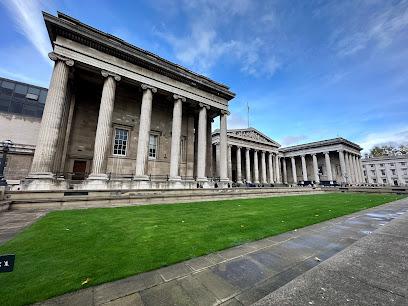
Explore over two million years of human history and culture beneath the iconic Greek Revival façade and stunning Great Court of the British Museum.
Hasdan
0.2 km
Discover Hasdan, a vibrant cultural attraction nestled in the heart of London’s dynamic Tottenham Court Road district.
Dominion Theatre
0.3 km
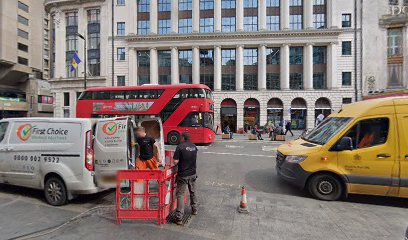
Step into the spotlight at Dominion Theatre, London’s grand West End venue hosting blockbuster musicals like The Devil Wears Prada in a stunning art deco setting.

1 Soho Place
0.3 km
Contemporary business park in the heart of Soho, blending modern workspaces with London's vibrant cultural scene.
Goodge St
0.4 km
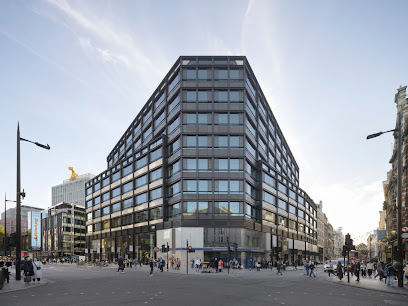
Discover Goodge Street, a historic Fitzrovia street blending Georgian charm, wartime heritage, and vibrant urban life in central London.
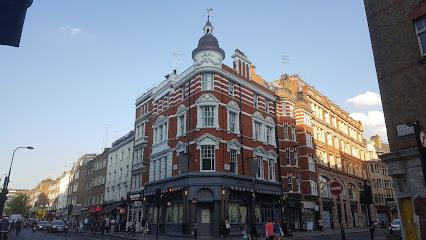
Priscilla The Party
0.4 km
Experience the dazzling, immersive drag musical party inspired by Priscilla Queen of the Desert at HERE at Outernet, Soho’s cutting-edge venue.

Torrington Square
0.4 km
A tranquil university-owned garden square in Bloomsbury blending historic heritage with academic vibrancy and green respite.
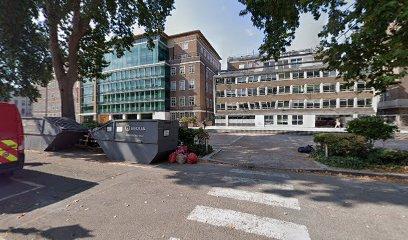
Pollocks Toy Museum
0.4 km
A whimsical journey through Victorian toys and childhood history in London’s charming Pollock’s Toy Museum.

12 Bar Club
0.4 km
Historic London music venue famed for intimate gigs, antifolk festivals, and a vibrant independent spirit on legendary Denmark Street.

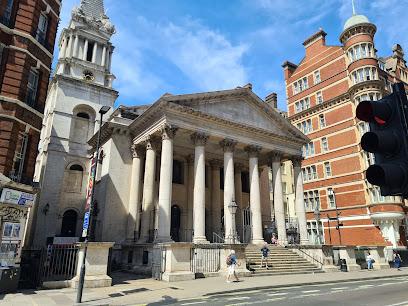
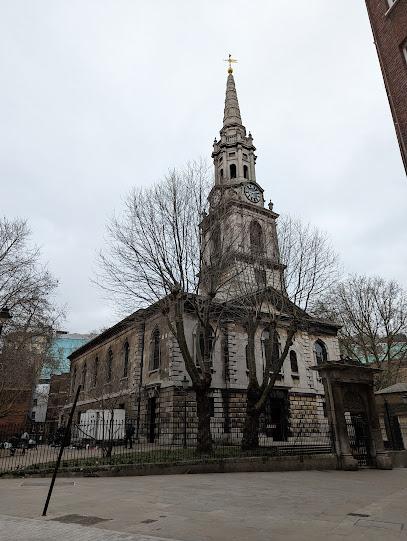
St George's Church, Bloomsbury.
0.4 km
Discover St George’s Church, Bloomsbury, Hawksmoor’s last English Baroque masterpiece crowned by its iconic stepped spire and rich historical legacy.
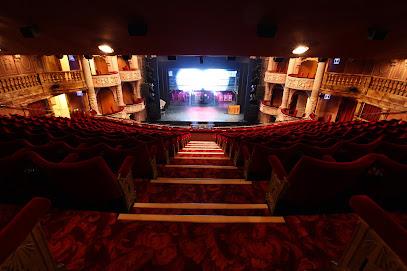
The Shaftesbury Theatre
0.4 km
Experience iconic West End theatre in a historic, steel-framed London venue renowned for its rich heritage and outstanding performances.
St Giles in the Fields
0.4 km
Explore St Giles in the Fields, a stunning Anglican church in London, rich in history and architectural beauty, offering a peaceful retreat in the city.
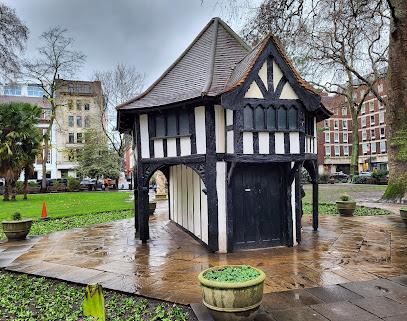
Soho Square
0.4 km
Discover the charm of Soho Square, a vibrant public garden in London's West End, perfect for relaxation and enjoying the lively atmosphere.
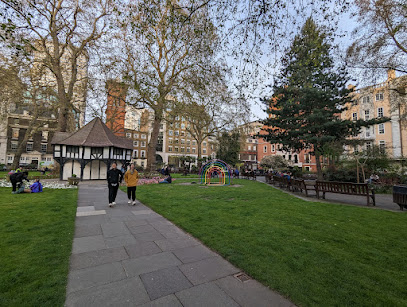
Soho Square Gardens
0.4 km
A serene historic garden square in the heart of Soho, blending royal heritage with tranquil green space and vibrant cultural life.
Essential places to dine

The Ninth
0.3 km
Michelin-starred modern French cuisine with Mediterranean flair in Fitzrovia’s chic and relaxed dining hotspot.
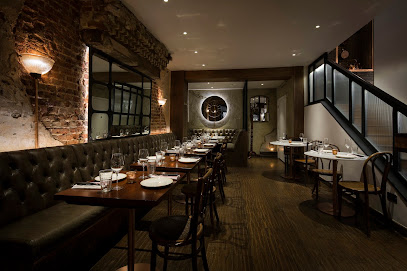
Noble Rot Soho
0.5 km
A Soho gem blending historic charm with modern European cuisine and an exceptional, accessible wine list in a cozy, clubby setting.
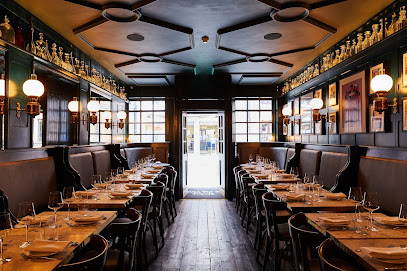
Sussex Bar & Restaurant
0.5 km
A vibrant Soho bistro blending Sussex countryside flavors with London’s energy, featuring seasonal British dishes and curated wines.
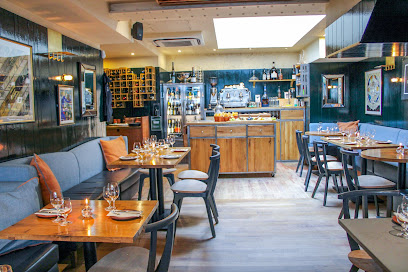
Quo Vadis
0.6 km
An iconic Soho dining destination blending refined modern British cuisine with elegant historical charm and a lively, convivial atmosphere.
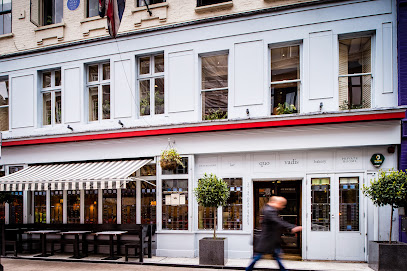
Inamo
0.6 km
Experience futuristic Asian fusion dining with interactive tables and vibrant sharing plates in the heart of London’s Covent Garden.
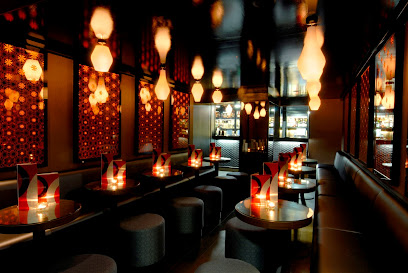
La Bodega Negra Restaurant
0.6 km
Experience daring Mexican cuisine and vibrant nightlife in Soho’s provocative La Bodega Negra, where edgy ambiance meets inventive flavors.
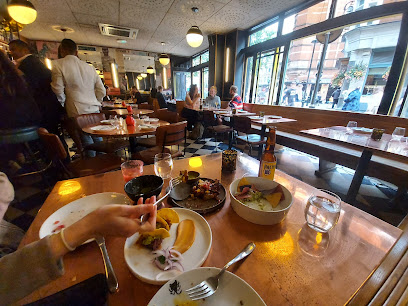
Hoppers Soho
0.6 km
Experience vibrant Sri Lankan street food and signature hoppers in a lively, intimate Soho setting bursting with authentic flavors and culture.
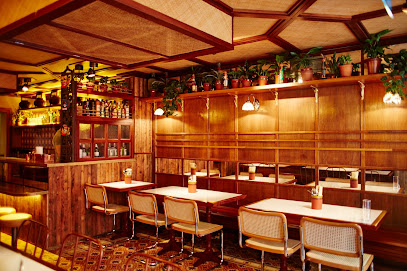
Circus
0.6 km
Experience Covent Garden’s vibrant Asian fusion dinner theatre where culinary artistry meets captivating live performances.
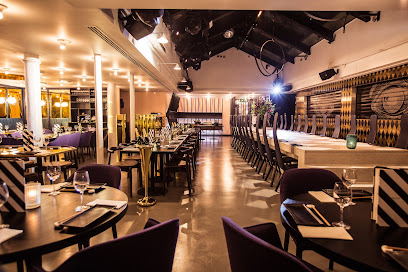
Flesh & Buns Covent Garden
0.6 km
Lively Japanese izakaya in Covent Garden famed for its signature bao buns, vibrant atmosphere, and innovative pan-Asian small plates.
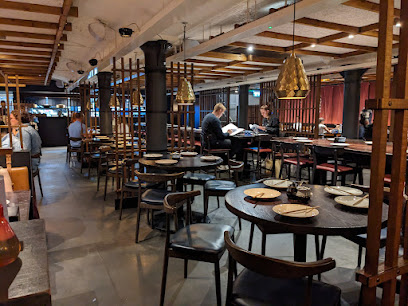
Hoa Sen Vietnamese Street Food Restaurant
0.6 km
Authentic Vietnamese street food in the heart of Covent Garden, blending vibrant flavors with a lively, cozy atmosphere.
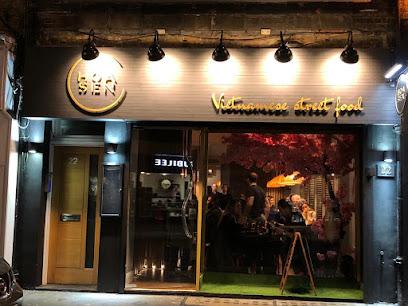
Blanchette
0.6 km
Cozy Soho French bistro serving modern small plates, charcuterie, and exquisite cheese and honey pairings in a Parisian-inspired setting.
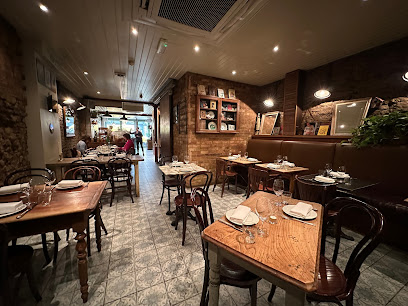
Hawksmoor Seven Dials
0.7 km
Savor expertly grilled British steaks and vibrant seafood in a historic Covent Garden brewery setting with atmospheric charm and refined cocktails.
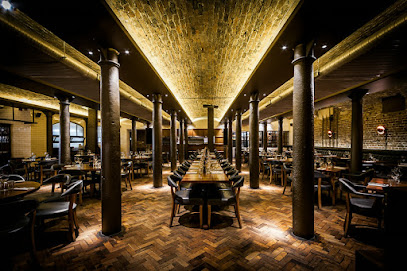
Gauthier Soho
0.7 km
Innovative vegan French fine dining in a stylish Soho townhouse, blending tradition with plant-based creativity.
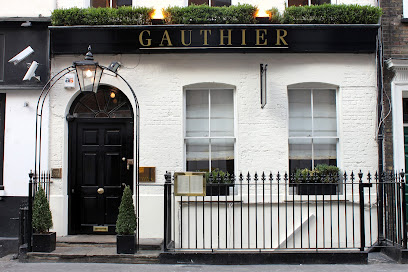
Social Eating House
0.7 km
Modern European dining in Soho with creative British flair, relaxed elegance, and an intimate chef’s counter experience.
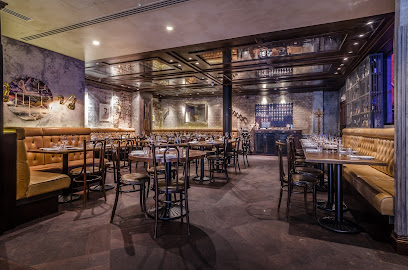
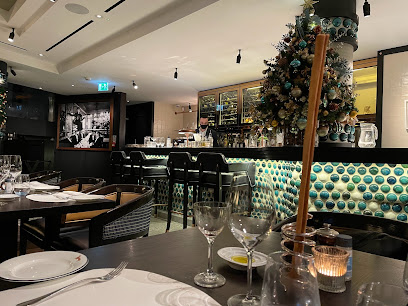
Margot
0.7 km
Sophisticated Italian dining with classic charm and an extensive wine list in the heart of Covent Garden, London.
Markets, malls and hidden boutiques

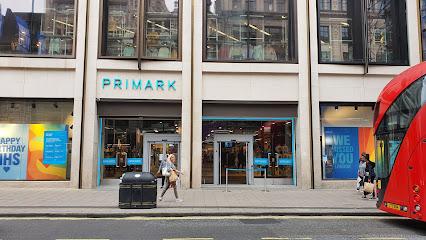
Primark
0.3 km
Discover unbeatable fashion and homeware bargains across multiple floors at Primark Oxford Street, London’s premier budget shopping destination.
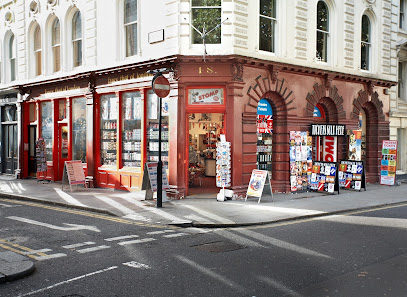
Fancy That of London
0.3 km
Discover unique London souvenirs and charming keepsakes in a warm, inviting shop just opposite the British Museum on Great Russell Street.
Oxford Street Gift Shop
0.3 km
A lively and colorful gift shop on Oxford Street offering quintessential London souvenirs with a vibrant atmosphere and a hint of retail adventure.
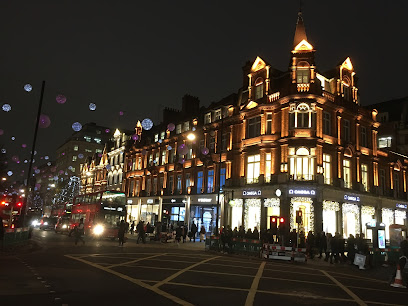
Radha's Boutique
0.4 km
A small, curated Soho boutique offering tactile womenswear and accessories with friendly, personalised service in the heart of central London.
Souvenir Shop
0.4 km
Discover authentic British souvenirs in the heart of London’s iconic Oxford Street.
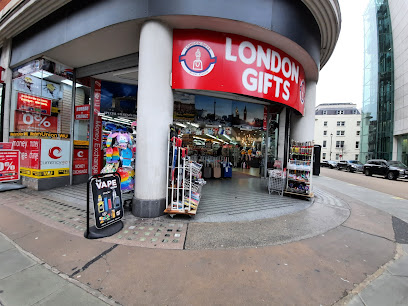
Goldsmith Vintage
0.4 km
Iconic Soho vintage shop since 1990: two floors of handpicked retro dresses, blazers, bags & accessories from decades past, with sales from £10.95.
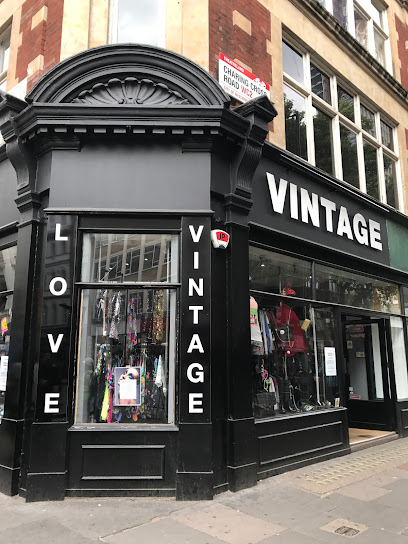
Blackout II - Vintage Clothing London
0.6 km
Discover timeless vintage fashion treasures from the 1920s to the 1980s in Covent Garden’s iconic Blackout II boutique.
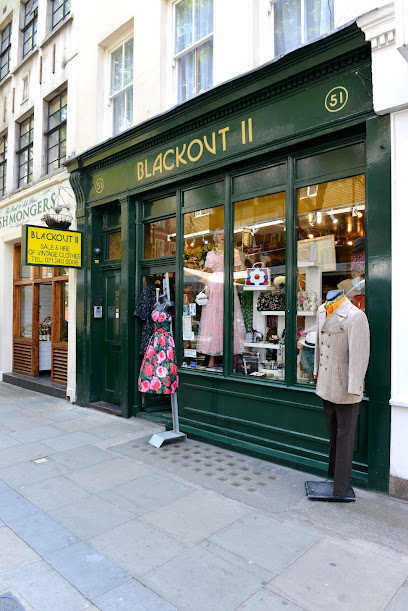
Pop Boutique
0.6 km
Discover authentic vintage fashion treasures from the 50s to 90s in a colorful, retro boutique at London’s vibrant Seven Dials.
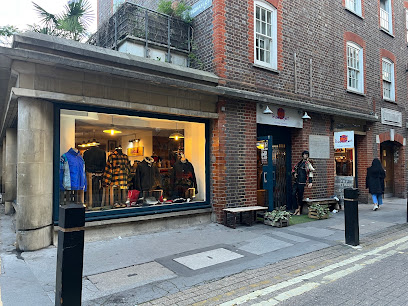
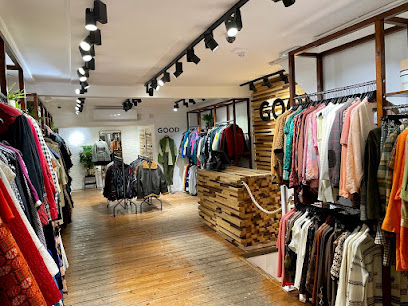
Good
0.6 km
Discover sustainable style with curated preloved vintage and designer fashion at Good London’s Seven Dials shop.
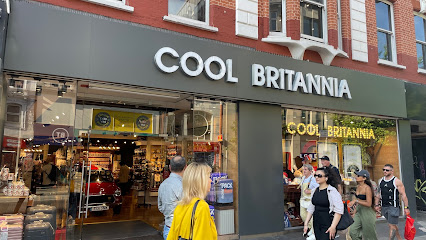
Cool Britannia Oxford Street
0.6 km
Discover authentic British souvenirs and capture timeless memories in the heart of London at Cool Britannia Oxford Street.
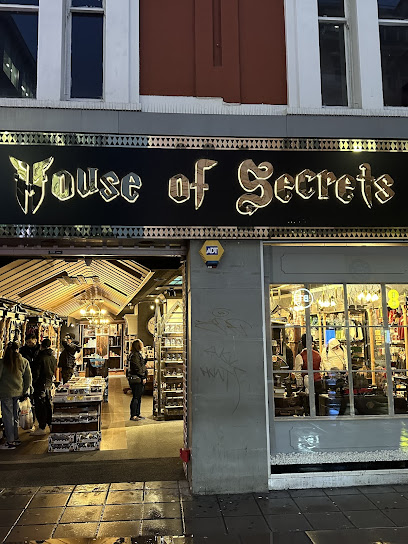
House of secrets
0.6 km
Step into House of Secrets on Oxford Street and discover a magical world of Harry Potter collectibles and enchanting souvenirs in the heart of London.
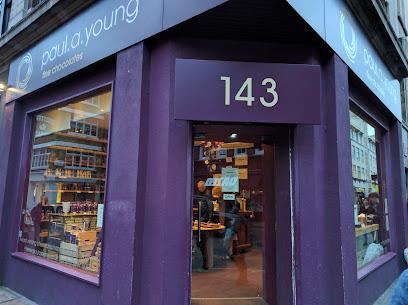
Paul A Young Fine Chocolates
0.6 km
Artisan chocolate craftsmanship in the heart of Soho, where award-winning sea salted caramels and inventive flavours await.
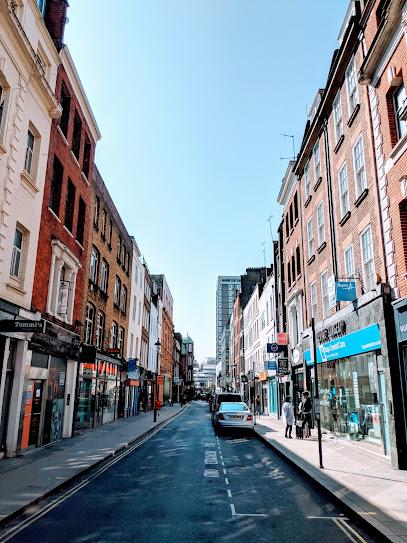
Berwick St
0.6 km
London's legendary market where 18th-century tradition meets contemporary street food culture and vinyl heritage.
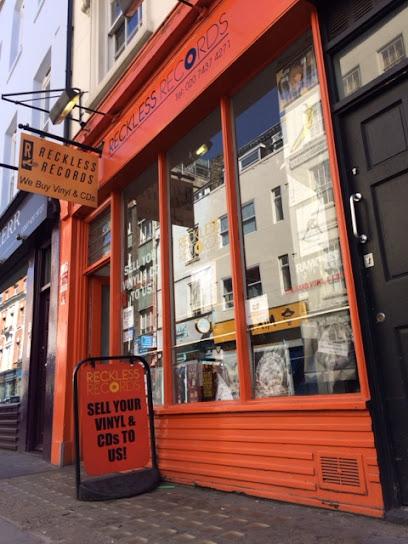
Reckless Records
0.6 km
Discover music history and rare vinyl in the heart of Soho at Reckless Records, London’s iconic independent record shop.
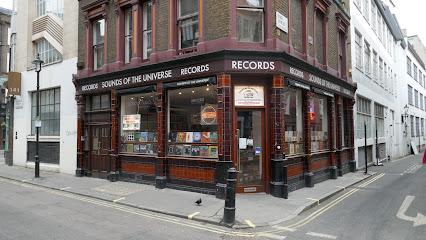
Sounds of the Universe
0.6 km
Discover a world of diverse vinyl and music culture at Soho’s iconic Sounds of the Universe record store.
Essential bars & hidden hideouts

The Coral Room
0.2 km
Experience 1920s-inspired glamour and expertly crafted cocktails in the vibrant coral-hued heart of Bloomsbury Hotel.
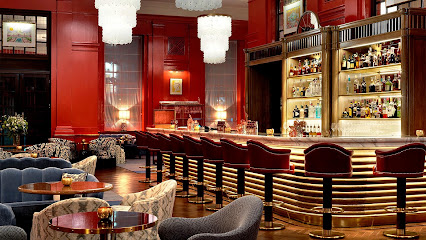
The Black Horse - Pub & Cocktail Bar
0.3 km
Experience the perfect blend of traditional pub charm and stylish cocktails in the heart of Soho’s vibrant nightlife.
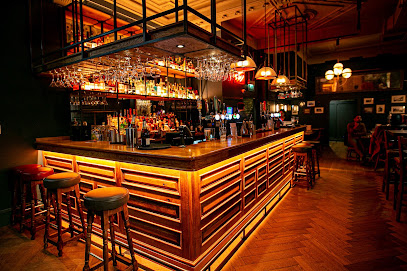
Punch Room
0.5 km
An exclusive Fitzrovia cocktail bar where historic punch traditions meet innovative craft mixology in a cozy, club-like setting.
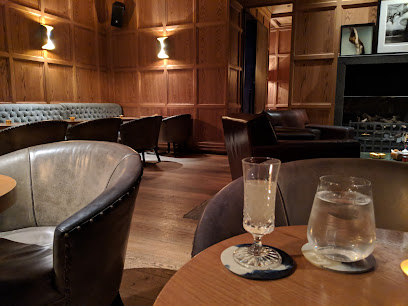
Fitz's Russell Sq.
0.5 km
Discover Fitz's Russell Square, a glamorous cocktail bar blending Victorian elegance with modern British cuisine in the heart of Bloomsbury.
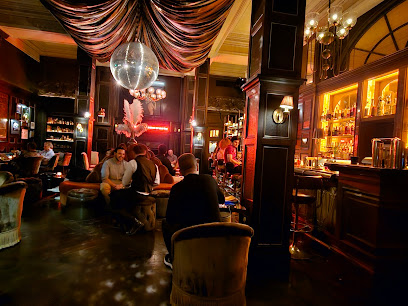
The Little Scarlet Door
0.5 km
Step through the scarlet door to a playful Soho loft bar alive with inventive cocktails, secret rooms, and a lively house party vibe.
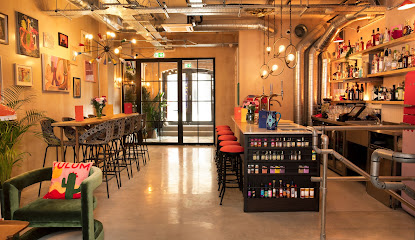
Thirst Bar Soho
0.5 km
Compact Soho cocktail bar by day, pulsing DJ‑led club by night—cheap cocktails, leather booths and a lively basement scene.
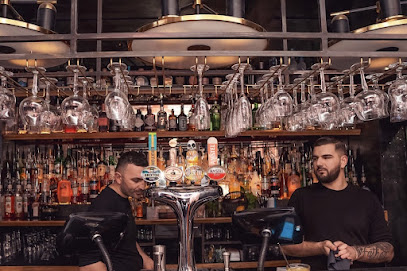
Simmons Bar | Soho
0.5 km
Soho's kitsch cocktail den with epic happy hours, retro karaoke vibes, and two floors of nostalgic nightlife fun.
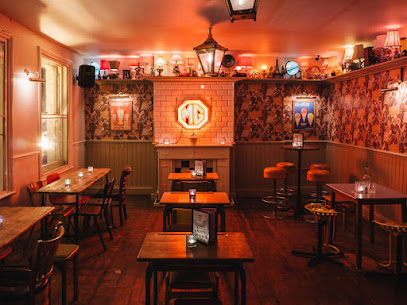
Henson's Bar and Social
0.6 km
Soho's oak-panelled cocktail sanctuary: precise classics, inventive signatures, and fireside intimacy amid Frith Street's electric vibe.
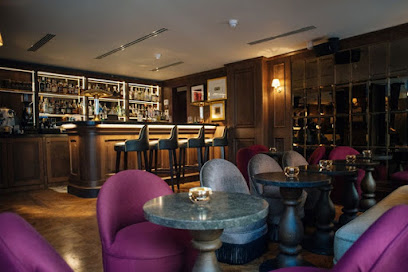
Swift Soho
0.6 km
Soho's split-level cocktail gem: aperitivo elegance upstairs, whisky-laced intimacy below, with live jazz and legendary mixes drawing night owls to Old Compton Street.
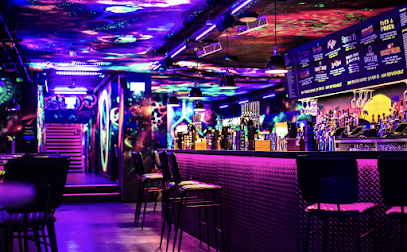
NQ64 Soho
0.6 km
Dive into a neon-lit world of retro arcade games and themed cocktails in the heart of Soho’s vibrant nightlife scene.
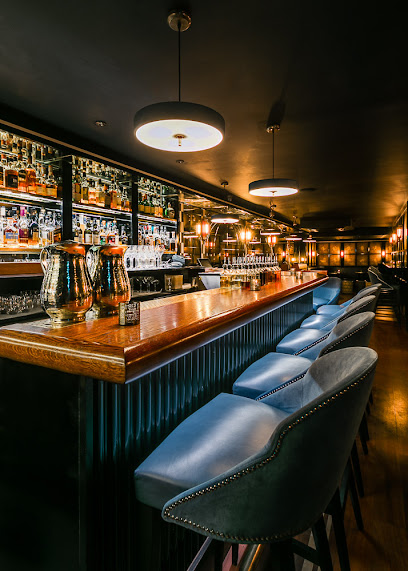
Bar Termini
0.6 km
An intimate Soho gem blending Italian cocktail artistry with a cozy, elegant atmosphere in London’s vibrant West End.
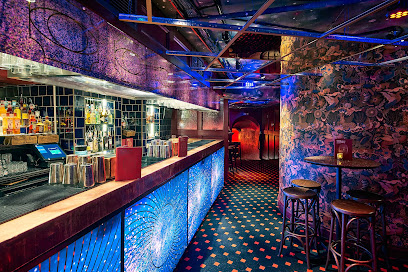
The Escapologist Bar
0.6 km
Step into a Victorian-inspired underground bar in Covent Garden where theatrical cocktails and lively entertainment create unforgettable nights.
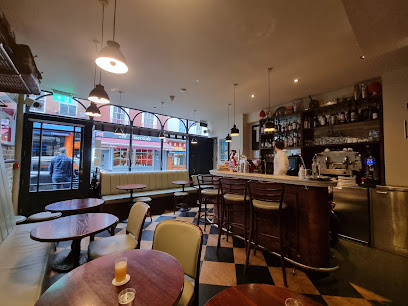
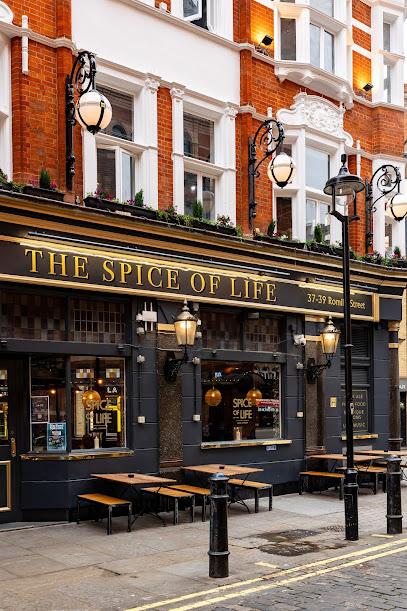
The Spice Of Life
0.6 km
Historic Soho pub and live music venue blending traditional charm with vibrant nightlife and boutique hotel comforts.
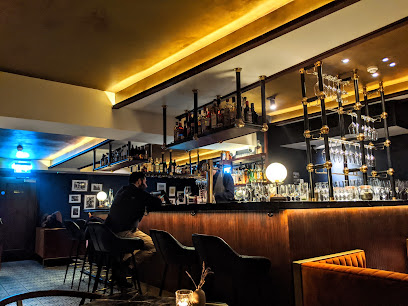
The Black Book
0.6 km
Soho's clandestine basement wine bar, pouring rare vintages by the glass alongside Mediterranean bites in a former members' club hideout—perfect for late-night indulgence.
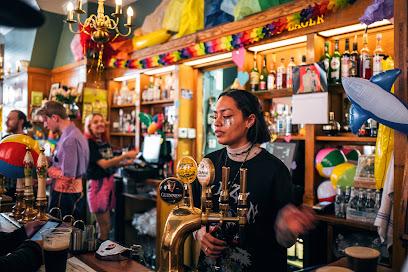
The Coach & Horses, Soho
0.6 km
Historic Soho pub famed for its legendary landlord, literary clientele, and London’s first vegetarian and vegan menu.
Nightclubs & after hour spots

La Capannina Club
0.5 km
Discover Soho's discreet gentlemen's club: seductive stage shows, cosy vibes, and late-night allure in London's nightlife heart.
101 Nightclub London
0.6 km
Soho's raw Saturday night pulse: intimate beats, crowded floors, and unfiltered London club energy on Wardour Street.
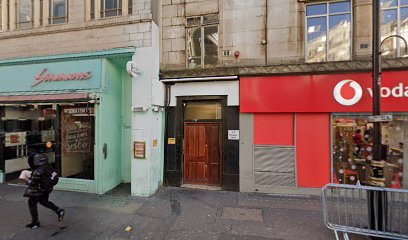
Bordello London
0.6 km
Dive into Soho's seductive basement beats at Bordello London, where Wardour Street's nightlife legacy ignites late-night frenzy on weekends.
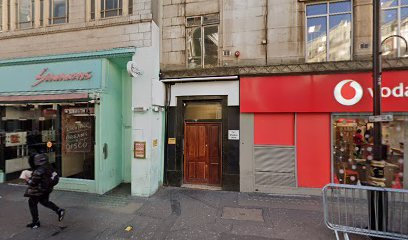
The Roxy
0.6 km
Soho's unbeatable happy hour cocktail bar by day, pulsing nightclub with live music and DJ nights till 3am—affordable vibes in London's nightlife heart.
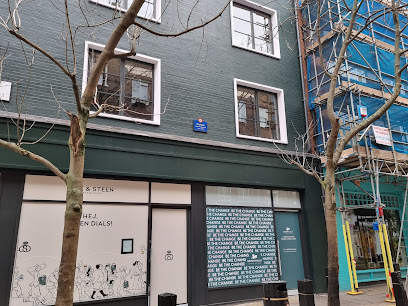
St Moritz Club
0.6 km
Soho's retro basement nightclub: 1960s vibes meet modern beats in an intimate, wood-paneled haven beneath a Swiss chalet restaurant.
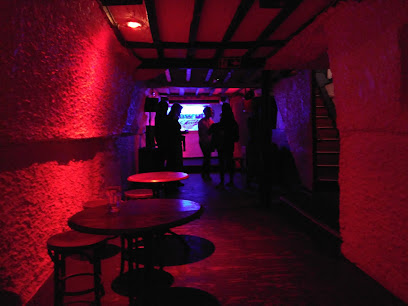
Comedy Carnival Covent Garden
0.6 km
London's premier stand-up comedy venue showcasing bold, award-winning international comedians in vibrant Covent Garden.

Bunga Bunga Covent Garden
0.7 km
A neon-soaked, pizza-and-karaoke supper club under Drury Lane — 90s nostalgia, stage shows and shareable Italian feasts.
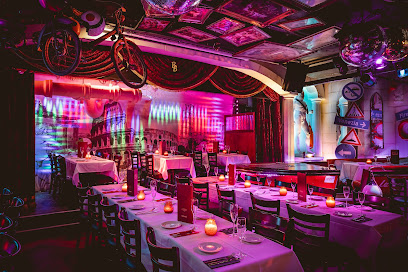
The Ivy Club
0.7 km
Art-Deco‑tinged members’ club above The Ivy — piano bars, discreet private dining and polished West End glamour.
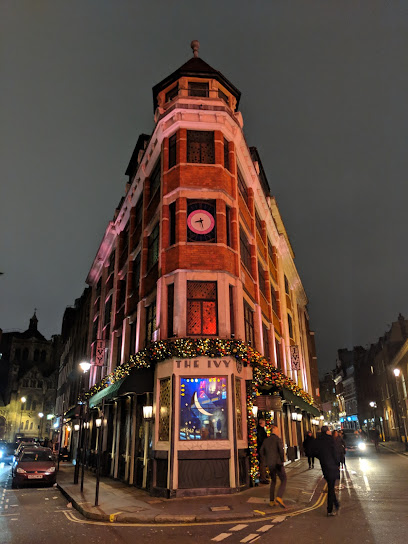
Sunset night club
0.7 km
Dive into Soho's electric nightlife at Sunset Night Club, where thumping beats, craft cocktails, and dawn-chasing energy define unforgettable nights in London's vibrant core.
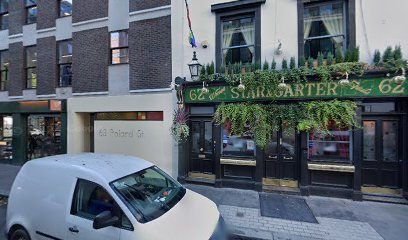
The Box Soho
0.8 km
A clandestine Soho cabaret where decadent staging, provocative shows and high‑end cocktails collide in an intense late‑night theatre.
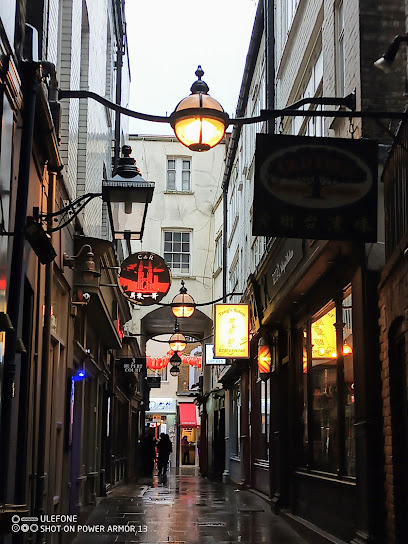
Carwash Nightclub
0.8 km
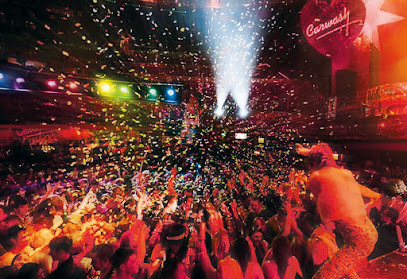
Experience Europe’s longest-running disco club in London’s West End, where retro beats, vibrant crowds, and themed parties create unforgettable nights.
Versity Camp Nightclub
0.8 km
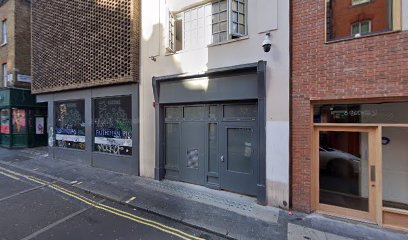
Dive into Soho's beating heart at Versity Camp Nightclub, where thumping bass, inventive cocktails, and an electric crowd fuel unforgettable nights until dawn.
Sophisticats Soho
0.8 km
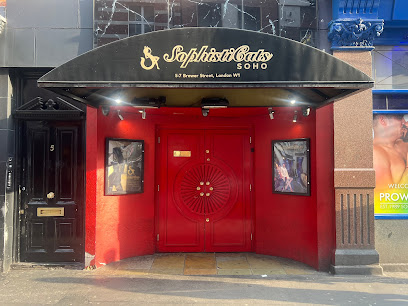
An intimate, late‑night Soho gentlemen’s club on Brewer Street offering staged performances, VIP seating and an upmarket, discreet atmosphere.
Whatdafunk Presents West End Urban Disco
0.8 km
Dive into London's grooviest urban disco beats at Whatdafunk, where Covent Garden's streets pulse with funk, soul, and non-stop dance energy in the heart of the West End.
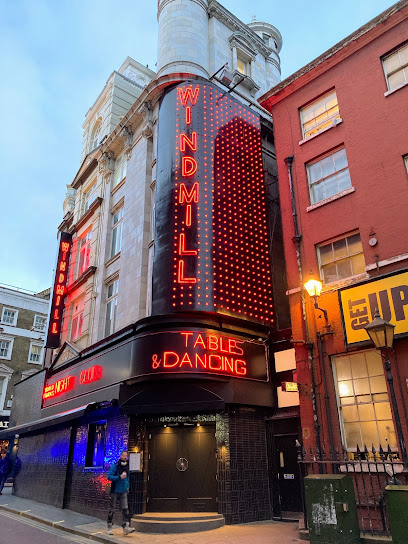
The Windmill Soho | Restaurant, Cabaret & Nightclub in Soho, London
0.9 km
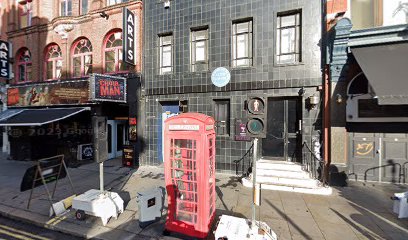
Soho's legendary cabaret den revived: burlesque bites, theatrical feasts, and all-night beats in a historic hotspot of hedonism.
For the vibe & atmosphere seeker
- Tranquil
- Scenic
- Relaxing
- Unique
- Casual
For the design and aesthetic lover
- Vintage Styles
For the architecture buff
- Historic
- Landmarks
- Parks & Gardens
For the view chaser and sunset hunter
- Iconic Views
- Panoramas
For the social media creator & influencer
- Instagrammable
- Photo Spots
- Selfie Spots
For the eco-conscious traveler
- Protected Area
- Public-Transport Accessible
- Locally Managed
For the kind of experience you’re after
- Cultural Heritage
- Photowalk
- Nature Escape
- Day Trip
For how adventurous you want the journey to be
- Easy Access
Location Audience
- Family Friendly
- Senior Friendly
- Child Friendly
- Teen Friendly
- Wheelchair Access
- Solo Friendly
- Couple Friendly
- Solo Female Friendly


