

Canary Wharf: London's Modern Financial Powerhouse and Riverside Urban Oasis
London’s sleek financial district blending towering skyscrapers, vibrant urban life, and serene green spaces on the historic Isle of Dogs.
Canary Wharf is a dynamic financial district in London’s Isle of Dogs, renowned for its towering skyscrapers, including One Canada Square, and extensive office spaces housing global corporations. Once a bustling dockland, it has transformed into a vibrant urban hub blending business, residential living, shopping, and green spaces like Jubilee Park and the Crossrail Place Roof Garden.
A brief summary to Canary Wharf
- London, GB
- Duration: 1 to 4 hours
- Mid ranged
-
 Outdoor
- Mobile reception: 5 out of 5
Local tips
- Visit the Crossrail Place Roof Garden for a peaceful oasis with exotic plants and water features atop the Elizabeth line station.
- Explore the plazas like Canada Square and Cabot Square for outdoor dining and to experience the lively atmosphere.
- Use the Jubilee Line or Elizabeth Line for the fastest connections to central London and Heathrow Airport.
- Take a riverboat from central London to Canary Wharf Pier for a scenic arrival along the Thames.
- Check out the Museum of London Docklands nearby to learn about the area’s rich maritime and trading history.

For the on-the-go comforts that matter to you
- Restrooms
- Drink Options
- Food Options
- Seating Areas
- Trash Bins
- Information Boards
- Visitor Center
Getting There
-
London Underground
Take the Jubilee Line to Canary Wharf Station, with frequent services connecting to central London in about 10-20 minutes. The station is wheelchair accessible and located centrally within the district.
-
Elizabeth Line (Crossrail)
Use the Elizabeth Line for rapid transit to Canary Wharf, linking Heathrow Airport and central London in under 30 minutes. Trains run every few minutes during peak times, offering direct access to Liverpool Street and Paddington.
-
Docklands Light Railway (DLR)
DLR services connect Canary Wharf with East London areas such as Stratford and Greenwich, with stations including Canary Wharf, Heron Quays, and South Quay. Trains run frequently and are fully accessible.
-
Riverboat Service
The Uber Boat by Thames Clippers offers a scenic route to Canary Wharf Pier from central London in under 30 minutes. Services run regularly during the day, providing a relaxing alternative to rail travel.
Canary Wharf location weather suitability
-
 Any Weather
-
 Rain / Wet Weather
-
 Clear Skies
-
 Mild Temperatures
-
 Windy Conditions
Discover more about Canary Wharf
From Maritime Roots to Financial Heights
Canary Wharf is situated on the Isle of Dogs in East London, occupying the historic site of the former West India Docks, which were once the world’s busiest shipping port in the early 19th century. Named after the Canary Islands trade, the docks thrived until containerization led to their decline and closure in the 1980s. The area was then redeveloped in the 1990s into a modern financial district, now a key part of London’s central business district alongside the City of London and the West End.Architectural Icons and Skyline Dominance
The district is defined by its striking skyline of glass and steel towers, with One Canada Square standing as its most iconic building at 235 meters tall. Designed by Cesar Pelli and completed in 1991, it was the tallest building in the UK until 2010. Canary Wharf’s architecture also includes residential skyscrapers like Landmark Pinnacle, the tallest residential tower in Europe, and the Norman Foster-designed Canary Wharf Tube Station, noted for its modern underground design.A Thriving Business and Residential Community
Home to more than 105,000 workers, Canary Wharf offers about 14 million square feet of office space accommodating global banks, media companies, and multinational corporations. Alongside corporate offices, the area features luxury residential buildings, retail centers, and a vibrant dining scene with cafés and restaurants around plazas such as Canada Square and Cabot Square. This blend creates a lively, 24-hour environment balancing work and leisure.Green Spaces Amidst Urban Energy
Despite its commercial focus, Canary Wharf boasts several green spaces and parks, including Jubilee Park, a roof garden above the underground station, and the expansive Crossrail Place Roof Garden, one of London’s largest rooftop gardens. These tranquil spots offer visitors and residents peaceful retreats with landscaped gardens, waterways, and public art, enhancing the district’s appeal beyond business.Seamless Connectivity and Transport Links
Canary Wharf is exceptionally well connected, served by the Jubilee Line of the London Underground, the Docklands Light Railway (DLR), and the Elizabeth Line, providing fast access to Central London, Heathrow Airport, and beyond. Riverboat services along the Thames add a scenic transport option. Major roads such as the A12 and A13 link the area with other parts of London and nearby airports, making it accessible for commuters and visitors alike.Cultural Vibrancy and Events
The district hosts over 100 art events annually, showcasing more than 60 public artworks by various artists. Seasonal activities like the Canary Wharf Summer Screens offer open-air film and sports viewing, while the proximity to venues like The O2 and Queen Elizabeth Olympic Park enhances its cultural calendar. This mix of business, culture, and leisure makes Canary Wharf a unique and multifaceted destination in London.Iconic landmarks you can’t miss

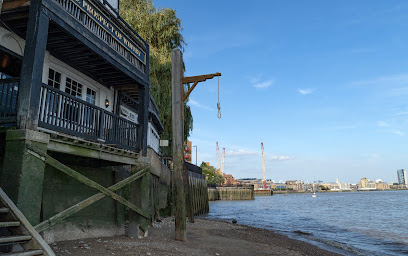
Execution Dock
1.9 km
A haunting riverside landmark where London’s maritime law was enforced through centuries of public executions.
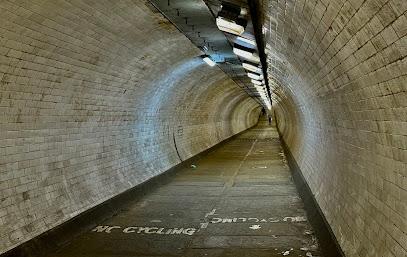
Greenwich Foot Tunnel North
2.3 km
Walk beneath the Thames through 200,000 white tiles in this 1902 engineering marvel.
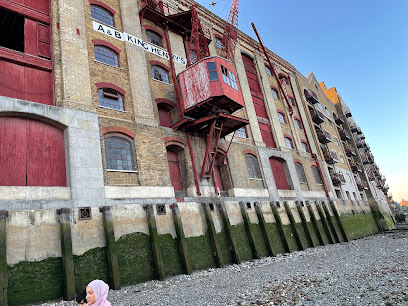
King Henry’s Stairs (Execution Dock)
2.3 km
Historic Thames foreshore site where pirates and maritime criminals faced grim justice under Admiralty law for over 400 years.
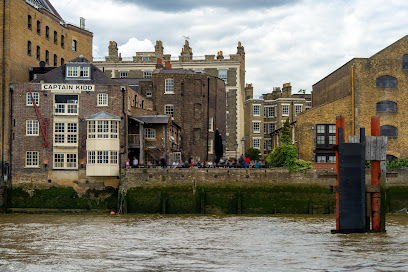
The Captain Kidd
2.4 km
Historic riverside pub with authentic maritime charm, classic ales, and scenic Thames views in London’s Wapping district.
Execution Dock House
2.6 km
Historic riverside site where pirates and maritime criminals met justice in London’s centuries-old Admiralty executions.
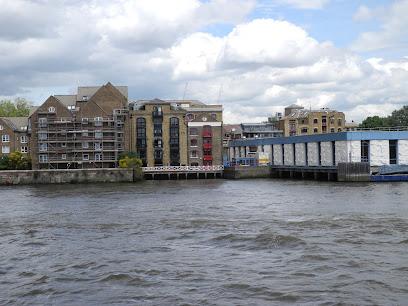
Bellot Memorial Greenwich
2.7 km
A solemn obelisk in Greenwich honoring Lieutenant Joseph René Bellot’s Arctic bravery and sacrifice during the Franklin rescue expeditions.
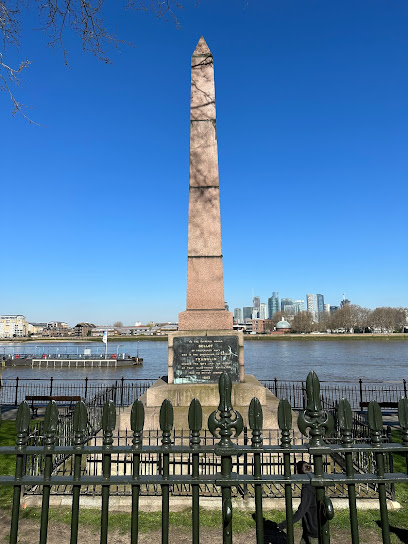
Anchor Iron Wharf
2.7 km
Historic riverside wharf in Greenwich marked by a large anchor sculpture, blending maritime heritage with stunning Thames views.
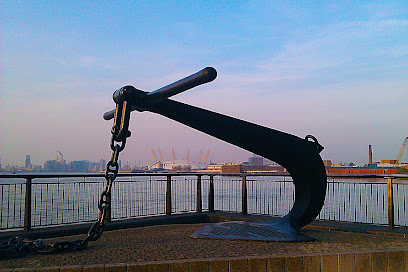
Trafalgar Tavern
2.7 km
Historic Greenwich riverside pub since 1837, famed for whitebait feasts, naval art, and Thames panoramas—perfect for pints, roasts, and celebrations.
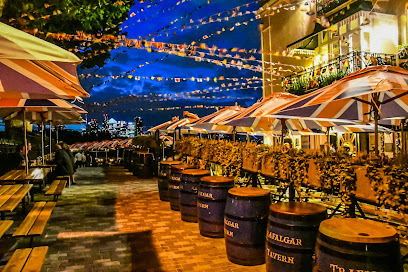
Maritime Greenwich a World Heritage Site
3.0 km
Explore Maritime Greenwich, where royal heritage, maritime history, and the birthplace of Greenwich Mean Time converge in a stunning UNESCO World Heritage Site.
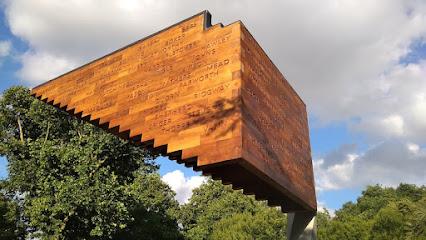
Stairway to Heaven, Bethnal Green Memorial
3.3 km
A powerful inverted staircase memorial in Bethnal Green Gardens, honouring the 173 civilians who died in the 1943 tube shelter disaster, the worst civilian loss of life in Britain during WWII.
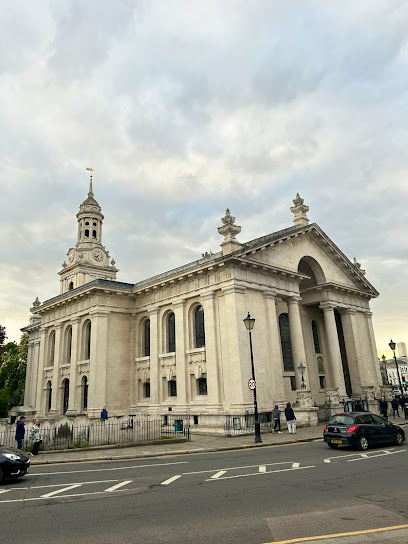
St Mary’s, Whitechapel (The White Chapel)
3.3 km
Historic site of St Mary’s Whitechapel, the iconic White Chapel that shaped East London’s identity and now commemorated as Altab Ali Park.
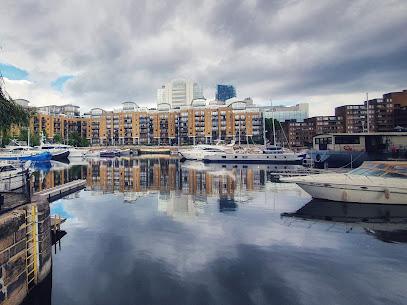
St Katharine Docks Marina
3.3 km
London's only central marina: historic waterfront elegance where maritime heritage meets modern leisure.
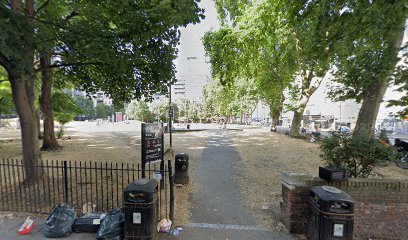
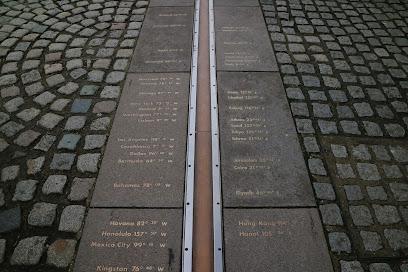
Prime Meridian
3.4 km
Stand astride the historic Prime Meridian line at the Royal Observatory Greenwich, the birthplace of global time and navigation.
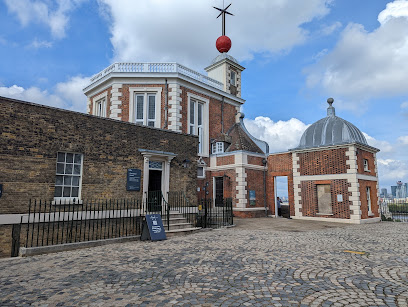
Royal Observatory Greenwich
3.6 km
Discover the Royal Observatory Greenwich, where history and astronomy collide in a breathtaking setting. Experience the Prime Meridian and explore fascinating exhibitions.
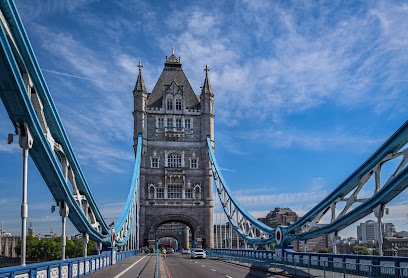
Tower Bridge
3.6 km
Experience the grandeur of Tower Bridge, a Victorian marvel combining stunning architecture and engineering, offering breathtaking views of London's skyline.
Unmissable attractions to see

London Museum Docklands
0.2 km
Step into 400 years of London’s maritime history in a stunning riverside warehouse with interactive exhibits and free entry daily.
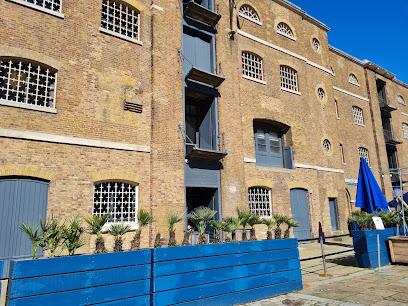
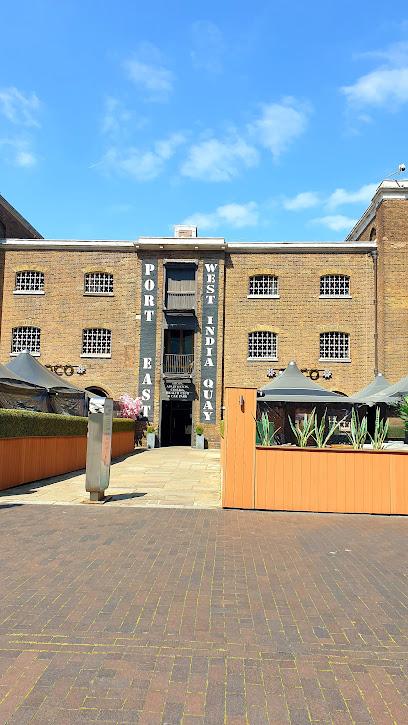
West India Quay
0.2 km
Where London’s maritime heritage meets vibrant waterfront dining, culture, and luxury living in the heart of the Docklands.
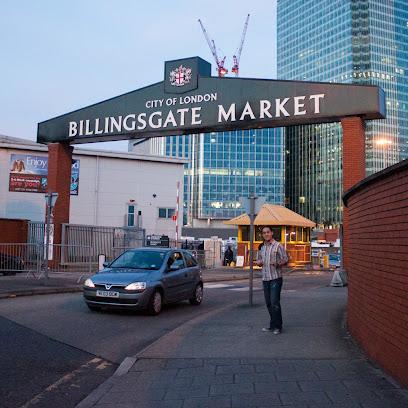
Billingsgate Market
0.7 km
Explore Billingsgate Market, London’s historic and largest inland fish market, bustling with fresh seafood and rich maritime heritage.
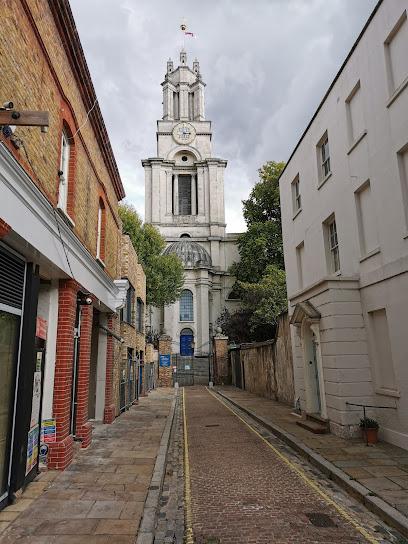
St Anne's Church, Limehouse
0.8 km
Explore the historic St Anne's Church in Limehouse, a serene Anglican church rich in history and architectural beauty in the heart of London.
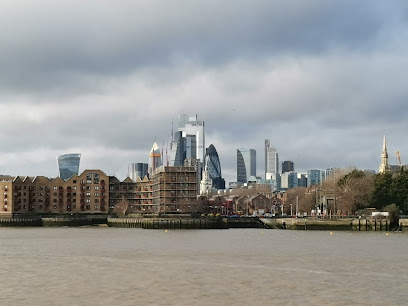
Ratcliff Beach
1.3 km
Discover Ratcliff Beach, a hidden pebble shore on the Thames with stunning Canary Wharf views and rich maritime history in East London.
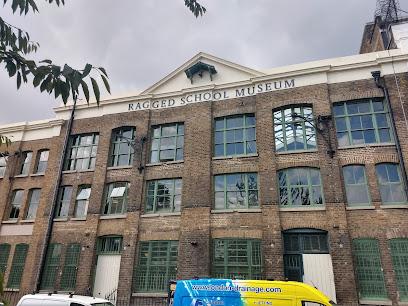
Ragged School Museum
1.7 km
Explore Victorian East End life and the pioneering free education movement at London’s Ragged School Museum, housed in historic canal warehouses.
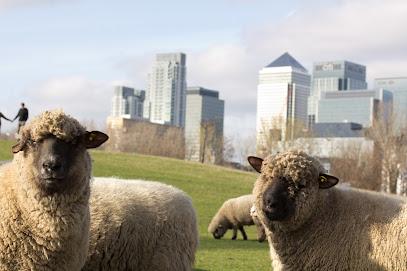
Mudchute Park and Farm
1.7 km
Discover 32 acres of urban countryside, rare breeds, and family-friendly farm life in the heart of East London’s Isle of Dogs.
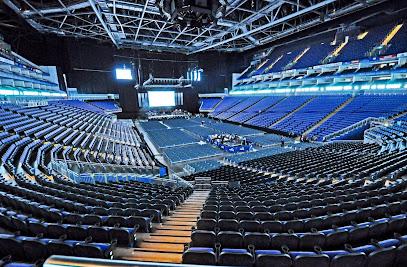
The O2
1.9 km
London’s premier entertainment destination blending world-class concerts, sports, dining, and vibrant nightlife under one iconic dome.
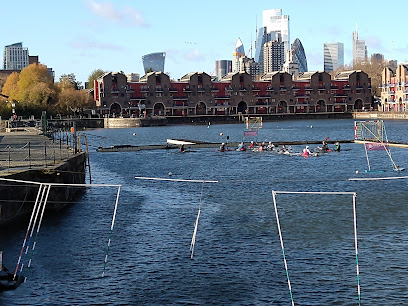
Shadwell Basin
1.9 km
Historic London dock transformed into a vibrant waterside community hub for leisure, water sports, and scenic urban living.
Prospect of Whitby
1.9 km
Step into London’s oldest riverside pub, where centuries of maritime history, pirate tales, and royal visits blend with stunning Thames views.
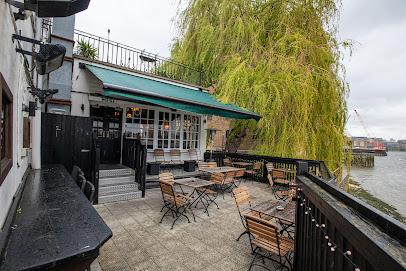
Tower Hamlets Cemetery Park
2.0 km
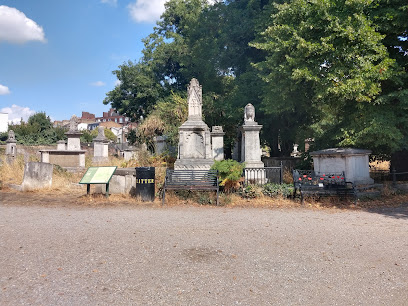
A historic Victorian cemetery transformed into a tranquil nature reserve and green sanctuary in East London’s heart.
o2
2.0 km
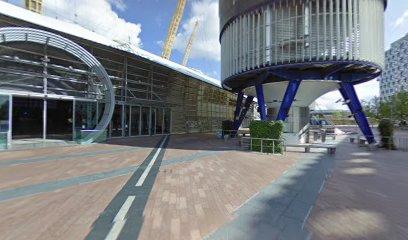
Experience world-class concerts, sports, and entertainment at London's iconic O2 Arena, a vibrant hub on the Greenwich Peninsula.
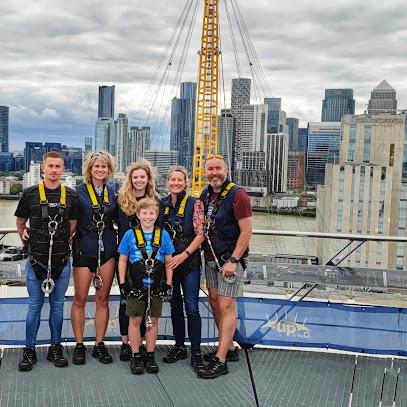
Up at The O2
2.0 km
Climb the iconic roof of The O2 for an exhilarating 90-minute adventure with stunning 360° views over London’s skyline.
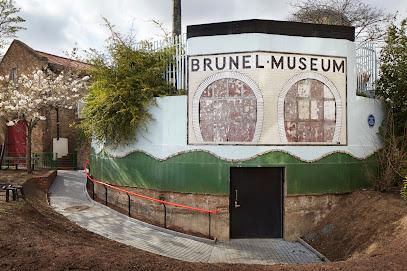
Brunel Museum
2.1 km
Discover the pioneering Thames Tunnel and Brunel family legacy in London’s historic Engine House museum.
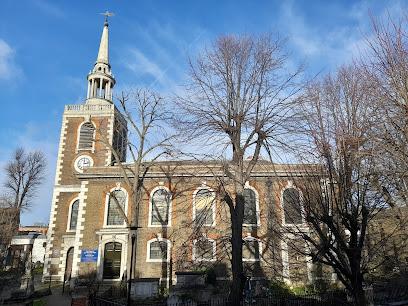
St Mary's Church, Rotherhithe
2.2 km
An 18th-century riverside church in Rotherhithe with deep maritime roots and Mayflower connections, offering quiet reflection and centuries of history by the Thames.
Essential places to dine

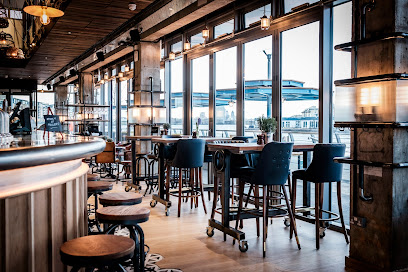
The Sail Loft, Greenwich
2.6 km
Stylish riverside dining in Greenwich with panoramic Thames views, modern British cuisine, and versatile event spaces.
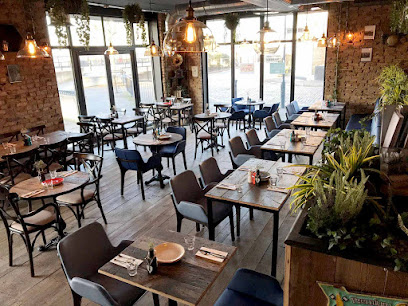
Midpoint Restaurant
2.7 km
Authentic Turkish and Mediterranean dining with riverside views and warm hospitality in London’s vibrant SE10 district.
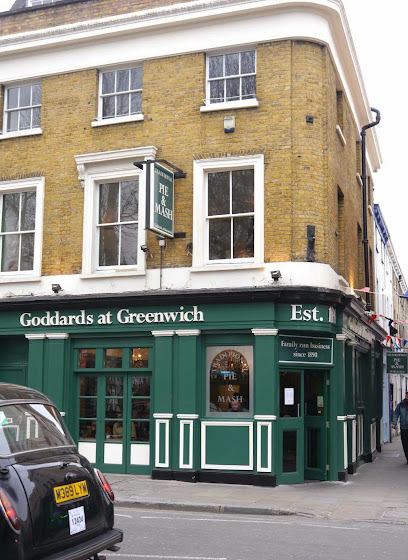
Goddards at Greenwich
2.9 km
Experience authentic British pie and mash at Goddards at Greenwich, a historic eatery serving traditional comfort food in a welcoming setting.
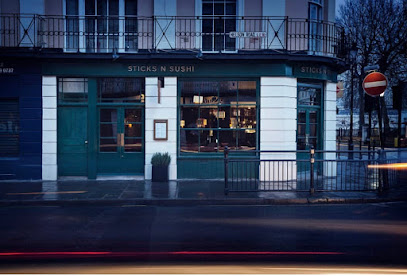
Sticks'n'Sushi Greenwich
2.9 km
Experience fresh sushi and Nordic-inspired grilled sticks in stylish Greenwich, where maritime history meets modern Japanese cuisine.
Pho Street
2.9 km
Authentic Vietnamese pho, banh mi, and bubble tea served in a lively Greenwich setting with fresh flavors and warm hospitality.
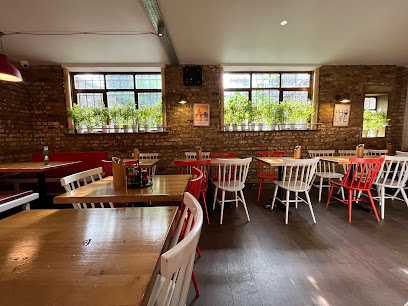
Bill's Greenwich Restaurant
2.9 km
A cozy British restaurant in Greenwich offering hearty dishes, friendly service, and a vibrant, family-friendly atmosphere from breakfast to late dinner.
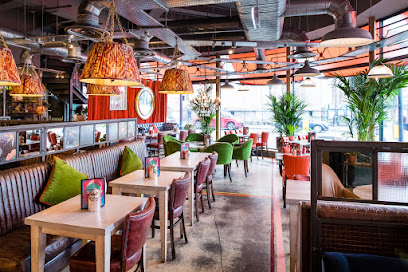
Sefa Restaurant
2.9 km
Savor authentic Turkish and Mediterranean dishes with generous portions and warm hospitality in the heart of Greenwich.
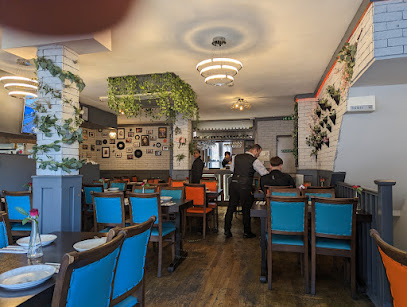
The Prince of Greenwich Pub
3.4 km
A vibrant gastropub in Greenwich blending quirky museum charm, authentic Italian cuisine, and lively jazz in a historic London setting.
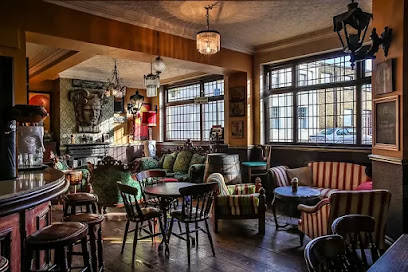
The Hill
3.4 km
A vibrant Mediterranean and Latin American fusion restaurant with a cozy garden setting in the heart of Greenwich.
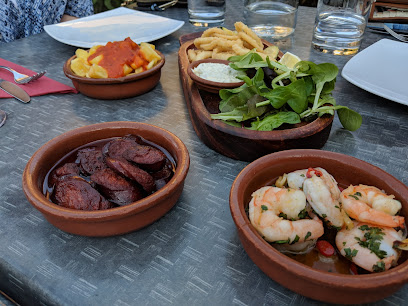
Da Terra Restaurant
3.6 km
Experience innovative two-Michelin-star Modern European cuisine with vibrant Brazilian influences in the heart of East London’s historic Bethnal Green.
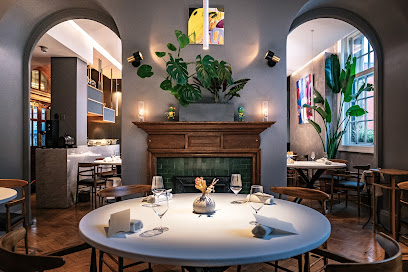
Nomadic community
3.7 km
A colorful, community-driven urban garden near Brick Lane, blending street art, creativity, and green space in East London’s vibrant cultural scene.
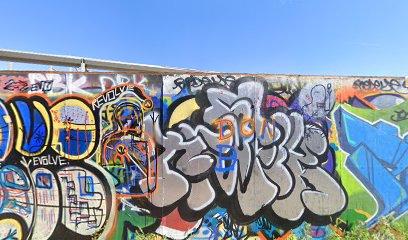
Barcelona Tapas Bar & Restaurant
3.8 km
Authentic Spanish tapas and warm hospitality in the heart of London’s City since 1991.
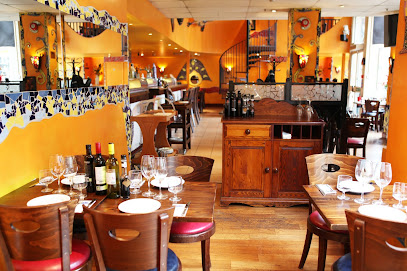
Restaurant Story
3.8 km
Experience a two Michelin-starred culinary journey where storytelling meets British fine dining in the heart of London Bridge.
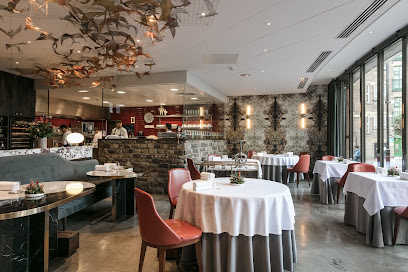
Mattarello Chiodo Bolognese Restaurant
3.8 km
Authentic Bolognese pasta and gluten-free Italian delights in the heart of London’s Middlesex Street.
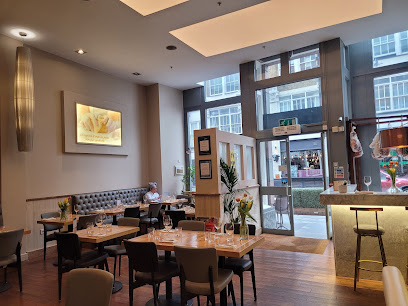
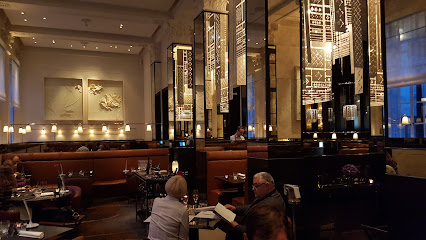
La Dame de Pic London
3.8 km
Discover refined French gastronomy and elegant dining in a historic London landmark with two Michelin stars and innovative cuisine.
Markets, malls and hidden boutiques

Painted hall gift shop
2.8 km
Souvenirs and stories from Greenwich's naval heart—tote bags, books, and treasures evoking the Painted Hall's timeless splendor.
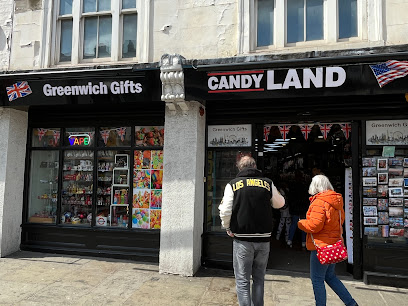
Greenwich Gifts Candy Land
2.8 km
Dive into a candy wonderland on Greenwich Church Street, where British classics and global sweets make perfect edible souvenirs in London's historic heart.
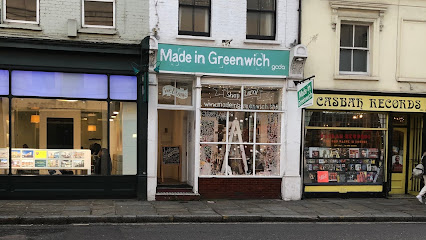
Made in Greenwich
2.8 km
Discover Greenwich's handmade heart: a not-for-profit haven where local makers' treasures shine, fueling community creativity one unique gift at a time.
Rare Books & Curios
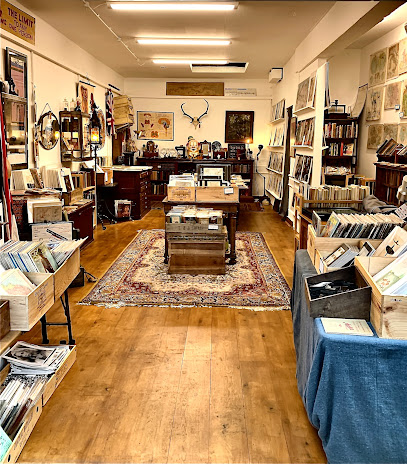
2.8 km
A compact Greenwich Market stall overflowing with rare and vintage books, maps and printed curios that reward slow, tactile browsing.
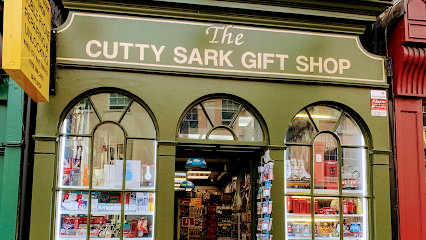
The Cutty Sark Gift Shop
2.9 km
Discover maritime magic and London keepsakes at this Greenwich gem, brimming with Cutty Sark-inspired treasures and souvenirs just steps from the historic clipper ship.
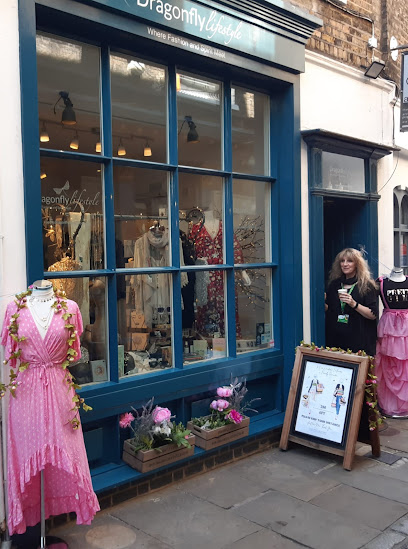
Dragonfly Lifestyle
2.9 km
A small Greenwich boutique blending mindful womenswear, handcrafted jewellery and wellbeing finds in a calm, curated shop environment.
Arc Angel Boutique London
2.9 km
Elegant womenswear samples, striking accessories, and quirky gifts await in Greenwich Market's stylish haven, where fashion meets historic charm.

Joli Vintage Living
2.9 km
Discover timeless threads and retro treasures at Joli Vintage Living, Greenwich's gem for sustainable, era-spanning style on charming Nelson Road.
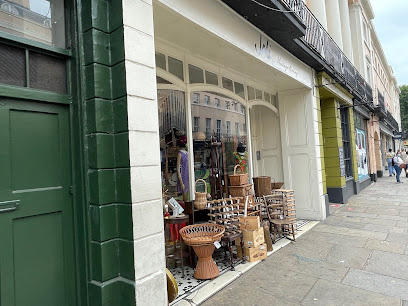
The Junk Shop
3.2 km
Lose yourself in Greenwich's maze-like antique wonderland, where eclectic treasures, a cozy tearoom, and quirky finds await around every cluttered corner.
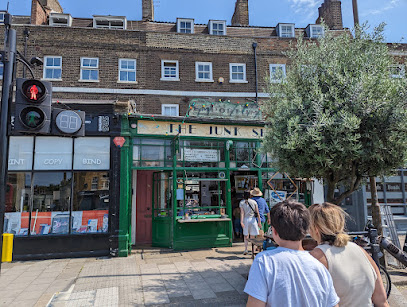
Tower Bridge - Engine Rooms and Official Gift Shop
3.7 km
Explore the fascinating history of Tower Bridge at the Engine Rooms and shop for unique gifts at the Official Gift Shop.
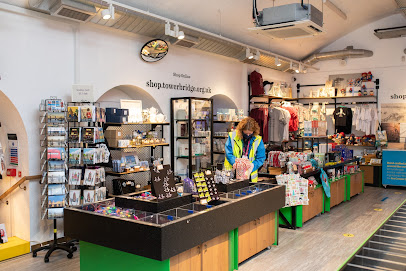
La Boutique Vintage
3.7 km
Unearth retro home treasures in Greenwich's cozy furniture nook—sustainable style with vintage soul.
Fashion St
3.7 km
A historic East London street where Victorian architecture meets modern creativity, surrounded by boutiques, cafés, and vibrant community life.
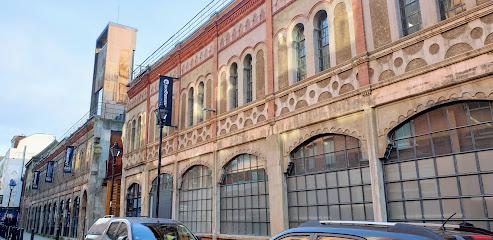
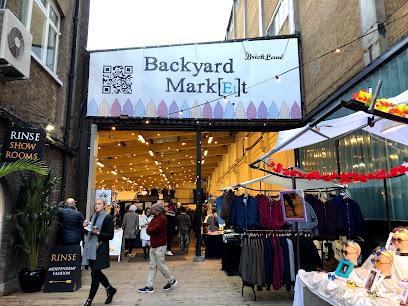
Backyard Market
3.7 km
Discover handmade treasures and vibrant street culture at Backyard Market, Brick Lane’s creative heart.
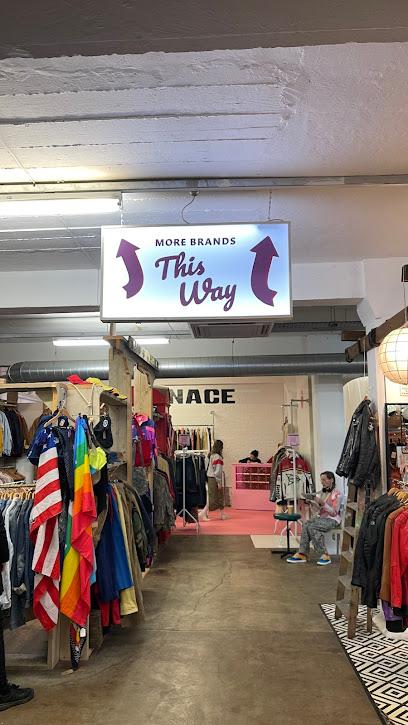
The Brick Lane Vintage Market
3.8 km
Explore the UK’s largest underground vintage market, where fashion history meets East London creativity and every visit promises a unique find.
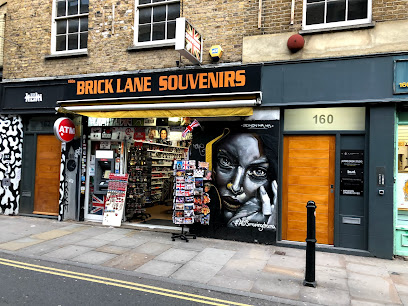
Brick Lane Souvenirs
3.8 km
Discover affordable, stylish London souvenirs and gifts in the heart of Brick Lane’s vibrant cultural scene.
Essential bars & hidden hideouts

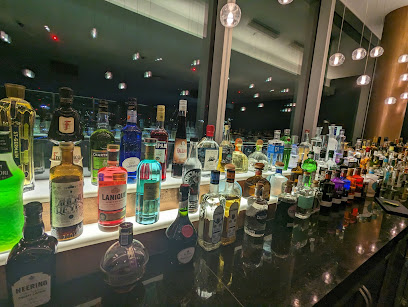
Eighteen Sky Bar
1.6 km
Elevate your evening with crafted cocktails and 360-degree skyline views from the 18th floor over Thames, Canary Wharf, and The O2.
All Bar One Greenwich
2.0 km
Elevate your O2 experience at this multi-floor haven of wines, cocktails, and event-night energy—perfect for pre-show feasts and lively toasts amid London's entertainment epicenter.
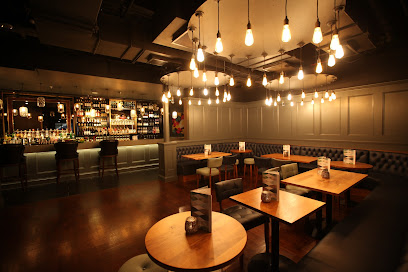
The Midnight Apothecary
2.1 km
Discover a magical rooftop bar blending botanical cocktails, fire pits, and historic tunnel tours atop London’s Brunel Museum.
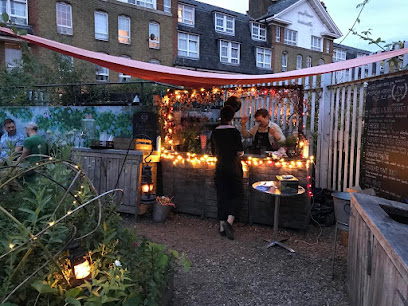
Td 338 Bar
2.2 km
Warehouse wonderland with epic sound, lush terraces, and non-stop beats—London's hidden rave escape on Greenwich Peninsula.
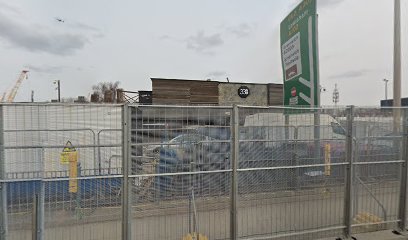
The Gipsy Moth
2.7 km
Historic Greenwich pub with Cutty Sark views, hearty grub, beer garden bliss, and live music vibes—perfect for nautical nostalgia and relaxed revelry.
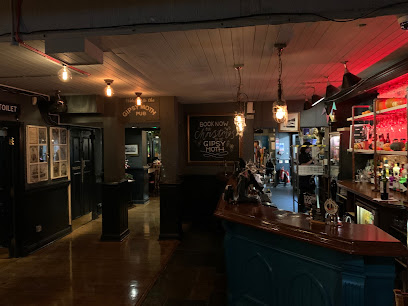
Mindful Mixology
2.8 km
A compact Greenwich cocktail bar focused on lower-sugar craft drinks, hands-on masterclasses and a calm riverside atmosphere.

Kings Arms
2.9 km
Classic Greenwich pub with hearty grub, real ales, dog-friendly beer garden, and riverside vibes—perfect for post-sightseeing pints.
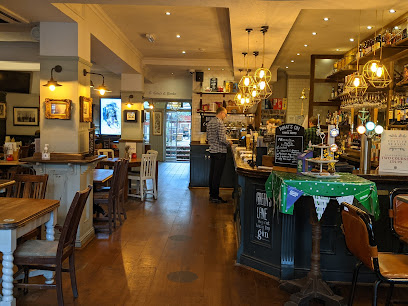
Greenwich Town Social Club
3.0 km
Cozy Greenwich social hub for cheap drinks, karaoke nights, and neighborhood camaraderie on Blackwall Lane.
Ye Olde Rose & Crown Greenwich
3.1 km
Traditional Greenwich pub pouring real ales and pub classics next to the theatre—perfect for families, dogs, and post-show pints in historic surrounds.
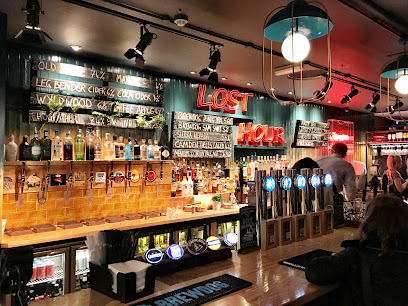
The Lost Hour
3.1 km
Greenwich's craft beer epicenter where sports, pub grub, and late-night vibes collide—lose yourself in the fun on High Road.
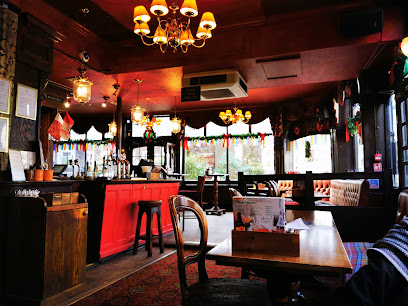
The Sun Tavern
3.4 km
Historic East End corner bar blending a vast Irish whiskey collection with lively live music and expertly crafted cocktails.
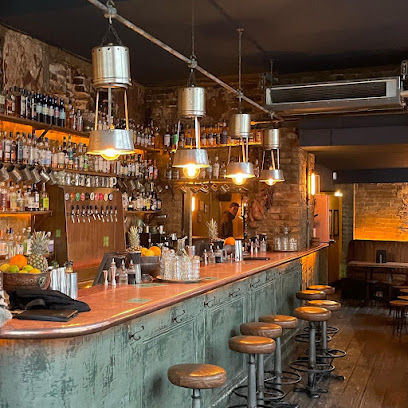
Apples & Pears Cocktail Bar
3.5 km
A vibrant East London cocktail bar blending creative drinks, lively DJs, and a welcoming atmosphere in the heart of Brick Lane.
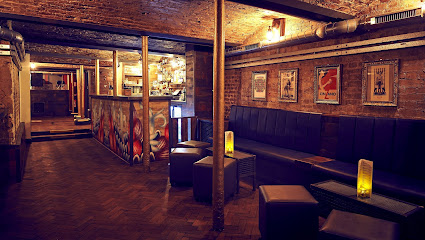
Satan's Whiskers
3.5 km
Discover East London's beloved cocktail bar where classic drinks meet hip-hop vibes and a quirky, intimate atmosphere.
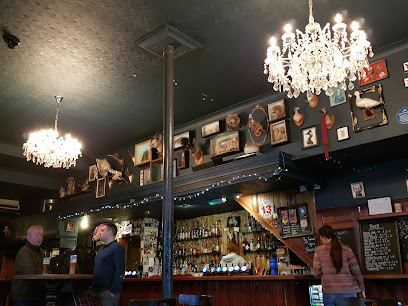
The Bell
3.8 km
A historic East End pub blending traditional charm and local spirit near Petticoat Lane Market.
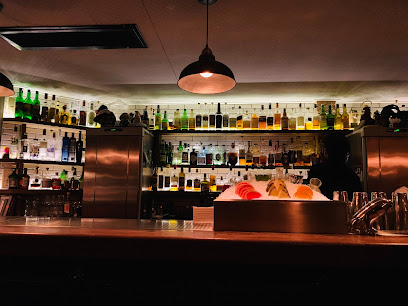
Discount Suit Company
3.8 km
Discover a hidden vintage cocktail bar beneath Spitalfields, blending bespoke drinks with a cozy speakeasy atmosphere in London’s historic tailoring district.
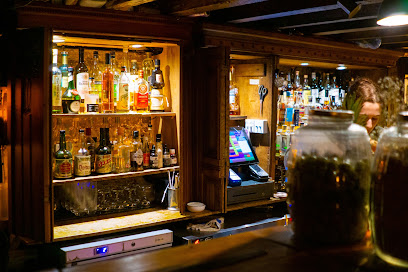
Nightclubs & after hour spots

(Admin Office) The Mobile Nightclub
1.6 km
Discover the joy of nightlife on the move with The Mobile Nightclub in London, where the party comes to you!
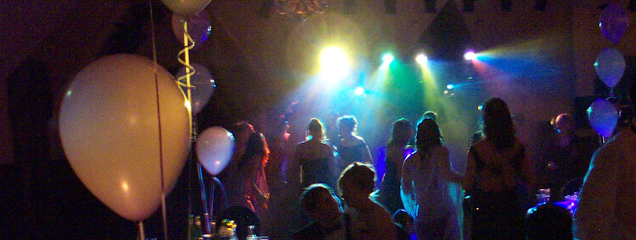
American Express Invites Lounge
1.9 km
A backstage‑inspired, Cardmember-only lounge at The O2 with distinct seating zones, crafted drinks and a complimentary welcome drink on event nights.
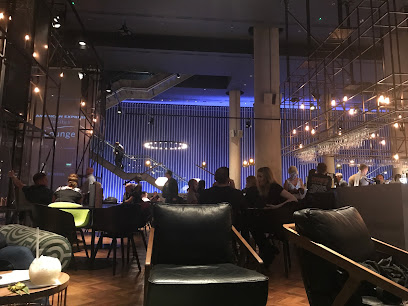
E1
2.7 km
Experience East London’s underground pulse with E1’s cutting-edge sound, immersive visuals, and vibrant club nights.
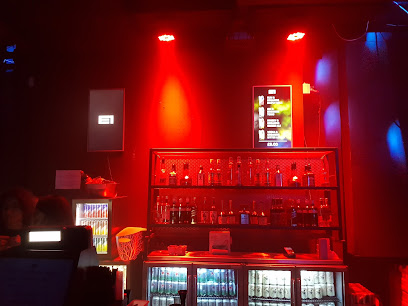
LA Lounge
2.8 km
London's top Afrobeats nightclub in Docklands: ethnic sophistication, VIP vibes, cocktails, and late-night dances until 4am on weekends.
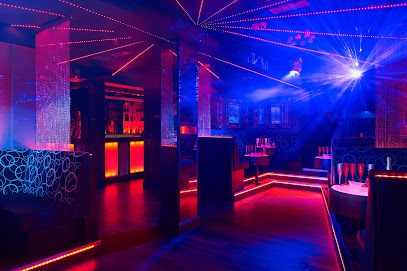
The Venue
3.4 km
A vibrant multi-room nightclub in New Cross, London, blending diverse music, cutting-edge sound, and a welcoming atmosphere since 1989.
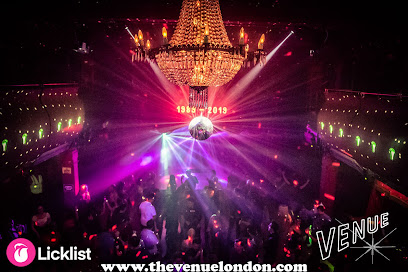
The Bunker
3.4 km
A compact, late-night basement club on Deptford Broadway offering affordable drinks, close-up atmosphere and energetic weekend sessions.
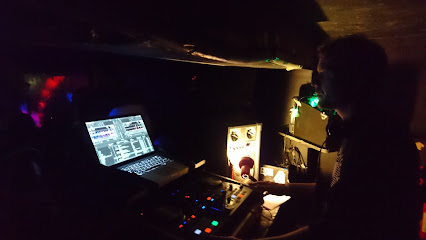
The Hatch Club
3.5 km
A late-night New Cross club with a roomy dancefloor, VIP sections and bass-forward DJ nights—built for parties and private events.

Club 701
3.9 km
Experience the vibrant nightlife and dynamic clubbing scene at Club 701, South London's energetic hotspot on Old Kent Road.
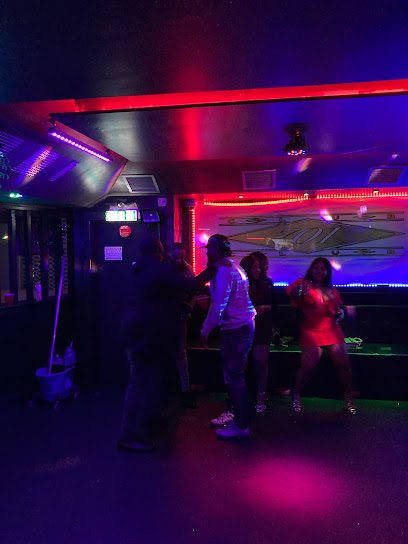
The Hoxton Pony
4.5 km
Edgy Shoreditch cocktail bar and nightclub blending vintage style with vibrant nightlife energy in East London.

Basing House - Shoreditch
4.6 km
An intimate Shoreditch nightclub with top electronic beats, a Funktion One sound system, and a lively rooftop bar under the London skyline.
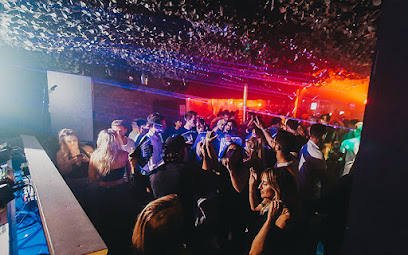
Trafik
4.6 km
Shoreditch’s dynamic nightclub with underground beats, two floors of dancing, and a late licence for unforgettable nights.

The Steel Yard
4.7 km
Experience London’s premier industrial-chic nightclub set in historic Victorian railway arches, with world-class sound and late-night energy until 6am.
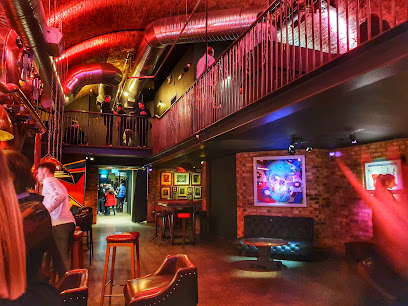
XOYO LONDON
4.8 km
Experience Shoreditch’s iconic XOYO, where cutting-edge DJs and vibrant nightlife create an unforgettable London clubbing atmosphere.

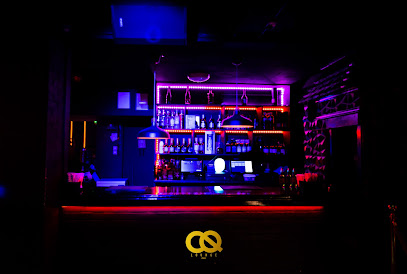
CQ LOUNGE
4.9 km
South London's Afrobeats epicenter: dance, shisha, cocktails, and culture until 5am in Woolwich's vibrant CQ Lounge.
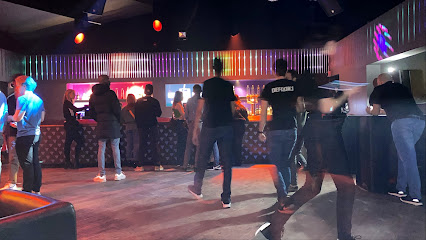
Ministry of Sound
5.3 km
London's legendary dance music cathedral since 1991, where world-class sound systems and global DJs fuel euphoric nights across four pulsing rooms.
For the vibe & atmosphere seeker
- Scenic
- Lively
- Relaxing
- Unique
- Fun-filled
For the design and aesthetic lover
- Modern Designs
- Minimalist Designs
For the architecture buff
- Historic
- Modern
- Landmarks
- Parks & Gardens
- Viewpoints
For the view chaser and sunset hunter
- Iconic Views
- Panoramas
- Waterfront
- Skyline
- Sunset Spots
For the social media creator & influencer
- Instagrammable
- Photo Spots
- Selfie Spots
- Architectural Shots
For the eco-conscious traveler
- Public-Transport Accessible
- Leave-No-Trace Critical
- Locally Managed
For the kind of experience you’re after
- Cultural Heritage
- Photowalk
- Nature Escape
- Day Trip
- Weekend Getaway
- Festival / Event Nearby
For how adventurous you want the journey to be
- Easy Access
Location Audience
- Family Friendly
- LGBT Friendly
- Senior Friendly
- Child Friendly
- Teen Friendly
- Wheelchair Access
- Pet Friendly
- Solo Friendly
- Couple Friendly
- Solo Female Friendly
- Vegetarian Friendly
- Vegan Friendly
- Business Friendly


