

Garden Museum, London Travel Guide
Free Guide: A compact London museum in a former church, where garden history, planted courtyards, and a café create a quiet break from the city rush.


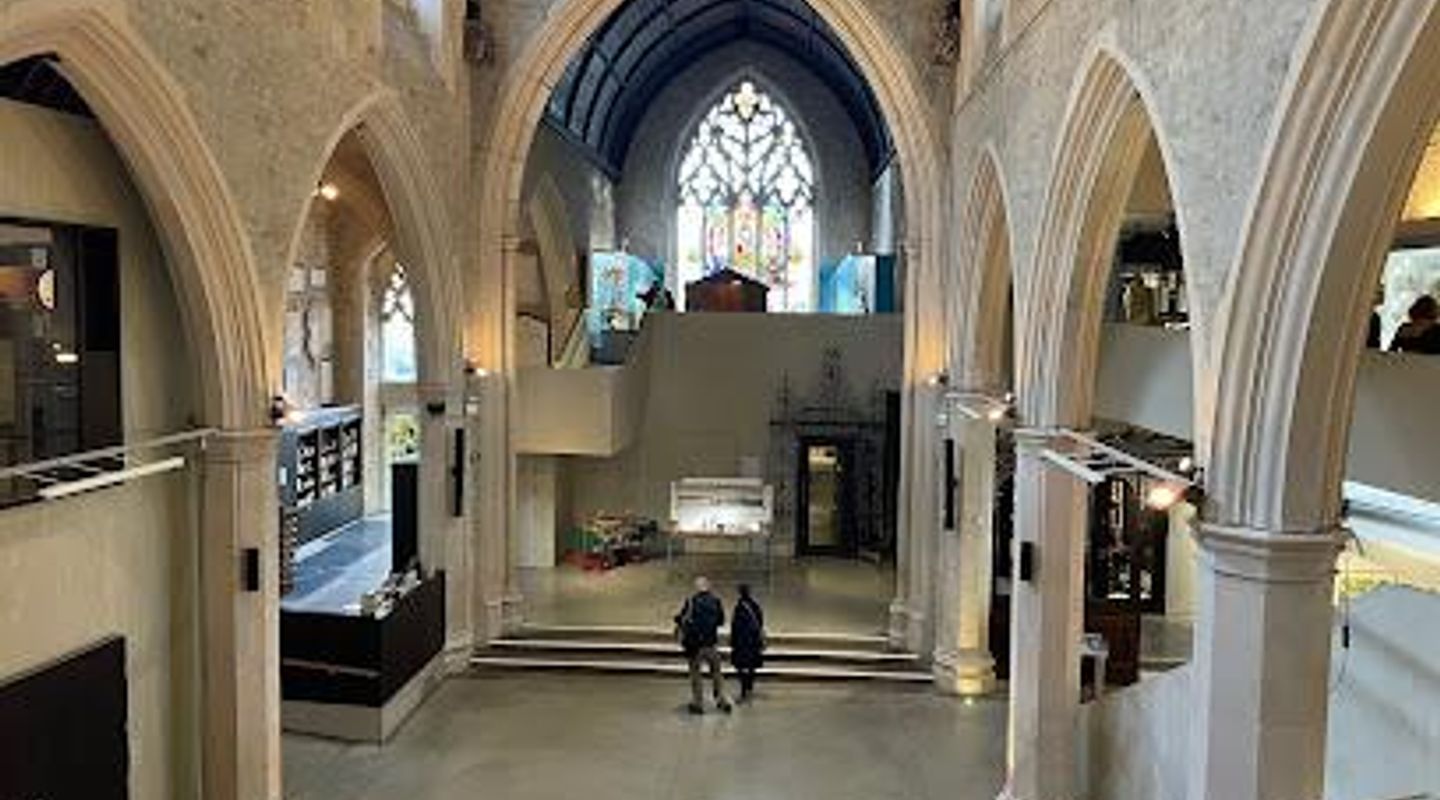
A brief summary of Garden Museum
A compact London museum in a former church, where garden history, planted courtyards, and a café create a quiet break from the city rush.
Britain’s only museum devoted to gardens sits in a former church beside Lambeth Palace, combining exhibitions, planted courtyards, and a café. Visits are unhurried and reflective, with a mix of garden history, design, and seasonal events. It feels quieter than much of central London, yet remains easy to reach from Waterloo, Lambeth North, and Vauxhall.
On-site amenities
 Restrooms
 Drink options
 Food options
 Seating areas
 Sheltered areas
 Trash bins
 Information boards
Opening hours
- Mon10 am–5 pm
- Tue10 am–5 pm
- Wed10 am–5 pm
- Thu10 am–5 pm
- Fri10 am–5 pm
- SatClosed
- SunClosed
Opening hours as listed on the venue’s Google Business Profile. Hours can change for services and special events, so check with the venue before you go.
- Address
- 5 Lambeth Palace Rd London
- Phone
- Website
Getting there
Tube
Rail
Bus
Cycle or taxi
Discover more about Garden Museum
What it is
Garden Museum is a compact but distinctive London attraction devoted to the art, history, and design of gardens. Housed in the former church of St Mary-at-Lambeth, it pairs heritage interiors with exhibition spaces, a planted courtyard, and a café that draws as many lingering visitors as the galleries themselves. The setting beside Lambeth Palace gives it a strong sense of place without the scale or formality of a major national museum.The museum’s focus is specific rather than broad: gardening as culture, craft, and social history. That makes it especially appealing to visitors who want something quieter and more specialised than the usual central-London museum circuit.
Atmosphere and setting
The immediate impression is calm. Even though the museum sits in the middle of the city, the enclosed garden areas and historic church shell create a sheltered, inward-looking atmosphere. Inside, the pace is slow and browsing-friendly; outside, the planted spaces and courtyard feel closer to a community garden than a formal park.The architecture matters as much as the collections. The old church structure gives the museum a slightly solemn frame, while the contemporary museum use keeps it from feeling frozen in time. The contrast between stone, glass, planting, and seasonal displays is what gives the place its character.
What visitors actually do
Most visits unfold in a measured sequence: enter, look through the exhibitions, pause in the garden spaces, then drift into the café or shop. People rarely rush through. The museum works well for visitors who like reading labels, comparing objects, and spending time in a place rather than ticking off highlights.The collections and programming link gardening with architecture, plant science, food, sustainability, and wellbeing, so the experience is broader than flower beds and tools. Seasonal events and talks add variety, but even on an ordinary day the museum offers enough to fill an hour or two without feeling crowded or overstimulating.
Practical expectations
This is an easy place to fit into a central London day, especially if you are already around Westminster, Waterloo, or the South Bank. Public transport is the sensible approach; nearby stations and bus routes make access straightforward, while driving is less convenient in this part of London. Cycle racks are available, and the museum is generally manageable for visitors who prefer a low-effort outing.Expect a mid-range spend overall if you include admission, café food, and perhaps a book or gift. The café is a major part of the visit, and the outdoor areas are most rewarding in mild, dry weather. In winter or rain, the museum still works well because the core experience is indoors, but the gardens become more of a brief pause than a destination in themselves.
Evendo Review Centre
 Google
Guest reviews
Best time to go
Quietest: Jan, Feb & Nov · before 11am or from 3pm
Busy times are Evendo estimates for a typical year, to help you plan. Actual crowds vary with events, school holidays and the weather.
Explore Garden Museum on the map
A handpicked selection of must-see spots near Garden Museum, mapped for you.
Get your free copy of our complete guide to Garden Museum, delivered straight to you.
Everything on this page, from opening hours and how to get there to Eve’s tips and the best time to go, in one PDF you can read offline, print or share.
Already have an account? Sign in
Your Garden Museum guide is ready.
We'll send it to · Not you? Sign out

Getting your guide ready…
We are putting together a fresh copy of the Garden Museum guide. This can take up to a minute.
This can take a few moments. If your browser asks, choose Allow so the download can start. You'll find the guide in your Downloads folder.
Nothing happened? Download it again
Sorry, the guide is taking longer than usual. Please try again in a minute, or get it by email instead.
Unlock the best of Garden Museum
Skip-the-line tickets, guided tours with entry, and walking tours of the area, booked in a few clicks.


Other nearby places you may find interesting
The closest places of the same kind, if this one is not quite what you had in mind.
-
-
-
-
-


Swipe for more places
More to explore near Garden Museum

 Best experiences near Garden Museum
 Best hotels near Garden Museum
 Best landmarks near Garden Museum
 Best attractions near Garden Museum
 Best shops near Garden Museum
 Best restaurants near Garden Museum
 Best bars near Garden Museum
Do you manage this location?
Take control to get all the benefits, like improved information, better appearance, and stronger visibility across AI-powered discovery.
Explore more

Explore more of London
Explore London: A city of iconic landmarks, rich history, vibrant culture, and endless attractions that cater to every taste, making it a must-visit destination.
Explore London
Explore more of United Kingdom
Discover the United Kingdom: A blend of rich history, stunning landscapes, and vibrant cities, offering a unique travel experience for every visitor.
Explore United Kingdom
