

King Charles Street: Heart of British Government and Architectural Heritage
Explore King Charles Street, a historic London government hub famed for its grand Victorian architecture and pivotal role in British political life.
King Charles Street in London’s Westminster district is a historically significant government hub, home to iconic buildings like the Foreign and Commonwealth Office and HM Treasury. Renowned for its grand Victorian and Edwardian architecture, the street links key government departments and features notable landmarks such as the Grade I listed Foreign Office building designed by Sir George Gilbert Scott. This area embodies centuries of British political history and architectural grandeur.
A brief summary to King Charles Street
- King Charles St, London, SW1, GB
- Visit website
- Duration: 0.5 to 2 hours
- Free
-
 Outdoor
- Mobile reception: 5 out of 5
Local tips
- Visit during weekdays to observe the bustling government atmosphere, but note that public access inside buildings is limited.
- Take time to admire the exterior sculptures and architectural details, especially on the Foreign and Commonwealth Office building.
- Combine your visit with nearby landmarks such as Parliament Square and the Churchill War Rooms for a fuller historical experience.
- Photography is best in the morning or late afternoon when the light highlights the classical facades.

For the on-the-go comforts that matter to you
- Restrooms
- Drink Options
- Food Options
- Seating Areas
- Information Boards
Getting There
-
London Underground
Take the District or Circle Line to Westminster Station, approximately a 10-15 minute walk to King Charles Street. The station is well-served and accessible, with frequent trains and ticket costs ranging from £2.50 to £6 depending on travel zones and time.
-
Bus
Several London bus routes, including routes 11, 24, and 148, stop near Parliament Square, a short 5-minute walk from King Charles Street. Buses run frequently throughout the day; a single fare costs £1.75 with an Oyster card or contactless payment.
-
Taxi or Rideshare
A taxi or rideshare from central London locations typically takes 10-20 minutes depending on traffic. Fares vary but expect around £10-£20. Note that traffic congestion can affect travel times, especially during peak hours.
-
Walking
If you are already in central Westminster or near Parliament Square, walking to King Charles Street is straightforward and takes about 5-10 minutes over flat, paved terrain suitable for most visitors.
King Charles Street location weather suitability
-
 Any Weather
-
 Rain / Wet Weather
-
 Clear Skies
-
 Mild Temperatures
Discover more about King Charles Street
Architectural Grandeur and Government Legacy
King Charles Street is a prominent thoroughfare in London’s Westminster area, steeped in political and architectural significance. It hosts some of the United Kingdom’s most important government offices, including the Foreign and Commonwealth Office and HM Treasury. The Foreign Office building, a masterpiece designed by Sir George Gilbert Scott and completed in 1868, showcases classical Italianate style with rich sculptural decoration and grand columns, reflecting the power and prestige of British diplomacy. This Grade I listed building is considered one of Scott’s finest works and has been carefully preserved as a national heritage site.Historical Evolution of Government Offices
The street’s government buildings have evolved over centuries, with the New Government Offices, also known as Government Offices Great George Street, constructed in the early 20th century. Originally designed by John Brydon, this Edwardian Baroque Revival building now accommodates HM Treasury, HM Revenue and Customs, and various other departments. The western end, known as 1 Horse Guards Road, and the eastern end, 100 Parliament Street, form a significant administrative complex that has undergone major refurbishments, including a £140 million renovation completed in 2002, ensuring modern functionality while respecting historic fabric.Iconic Features and Interior Highlights
Within these buildings lie remarkable interiors such as the Durbar Court in the Foreign Office, inspired by Italian Renaissance architecture and named after royal coronation celebrations. The India Office Council Chamber, with its historic doors and paintings from the former East India Company, further enriches the site’s cultural depth. The basement houses the Churchill War Rooms, a branch of the Imperial War Museum, linking the location to pivotal moments in British history.Symbolism and Cultural Importance
King Charles Street is more than just a government hub; it symbolizes British political continuity and heritage. The architecture and layout reflect centuries of governance, diplomacy, and administration. The street’s proximity to Parliament Square and Horse Guards Road places it at the core of British political life, making it a vital link between historic traditions and contemporary government operations.Urban Setting and Visitor Experience
Set amidst the grandeur of Whitehall and Parliament Square, King Charles Street offers visitors a glimpse into the workings of the UK government framed by striking historic architecture. While primarily a working government area, the street’s majestic buildings and sculptural details provide a visually rich experience for those interested in history, architecture, and British governance.Preservation and Modern Use
Despite its historic status, the buildings along King Charles Street continue to serve active government functions, blending heritage with modern administrative needs. The careful preservation and sensitive refurbishments ensure that the street remains both a living center of British government and a monument to the nation’s architectural and political legacy.Iconic landmarks you can’t miss

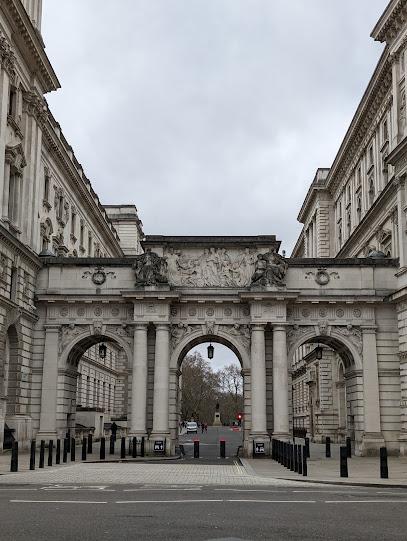
King Charles Street
0.0 km
Explore King Charles Street, a historic London government hub famed for its grand Victorian architecture and pivotal role in British political life.
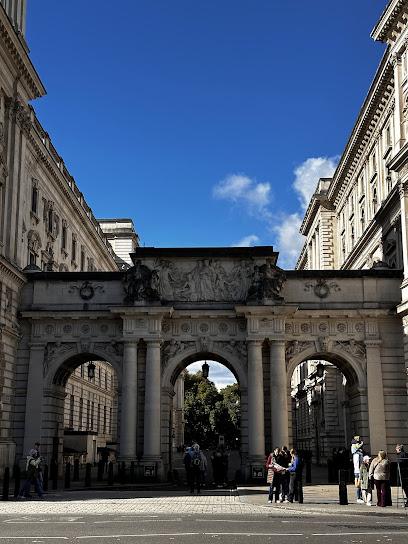
King Charles Street Arch
0.0 km
A grand 1908 triple-arched gateway in London’s Whitehall, rich in sculptural detail and historical significance.
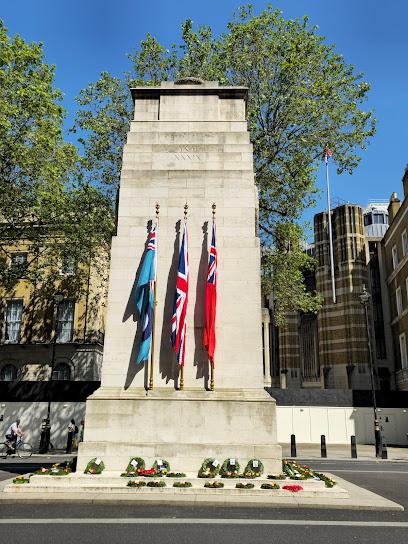
The Cenotaph
0.1 km
Britain’s national war memorial in Whitehall, a solemn tribute to the fallen of the World Wars and later conflicts.
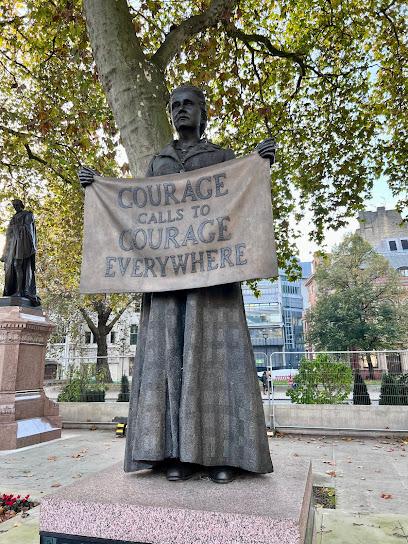
Millicent Garrett Fawcett Statue
0.1 km
Honoring Millicent Garrett Fawcett, the first woman commemorated in Parliament Square, inspiring equality through her iconic statue and legacy.
10 Downing Street
0.2 km
Iconic London residence and office of the UK Prime Minister, steeped in centuries of political history and power.
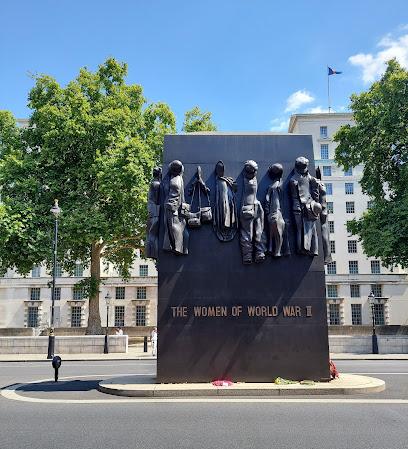
The Women of World War II
0.2 km
A powerful bronze tribute in Whitehall honoring over seven million British women’s vital roles during World War II.
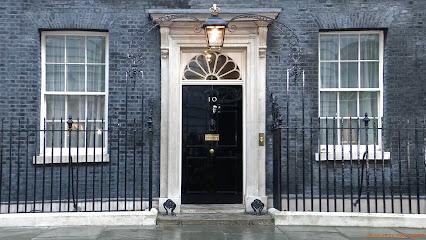
10 Downing St
0.2 km
Discover the historic seat of British leadership, where iconic moments and political power converge behind the famous black door.
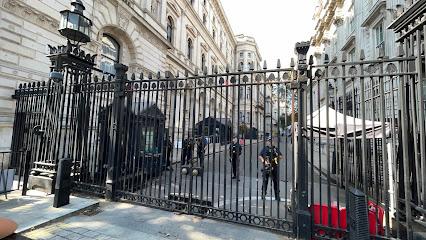
His Majesty's Treasury
0.2 km
The historic and strategic heart of the UK government’s economic policy, located in the iconic government district of Westminster, London.
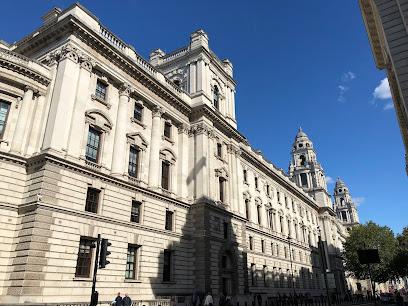
Clive of India Memorial
0.2 km
A towering Edwardian statue in London commemorating Robert Clive, founder of British rule in India, embodying imperial triumph and controversy.
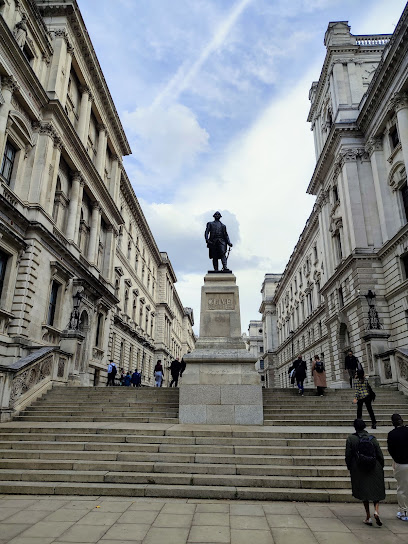
Clive Steps
0.2 km
A Grade II-listed bronze statue commemorating the controversial architect of British imperial power in India.
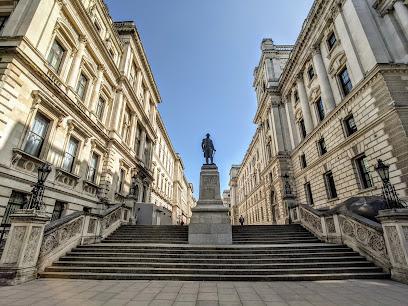
Westminster Hall
0.2 km
Step into Westminster Hall, a majestic medieval masterpiece that has witnessed a millennium of British history, law, and monarchy.
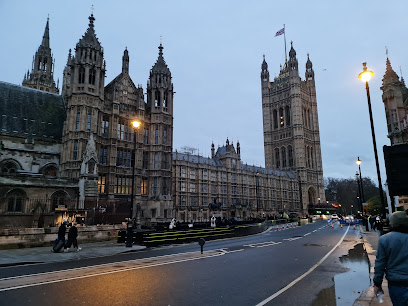
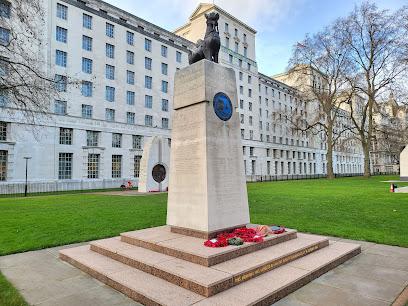
Chindit Memorial
0.2 km
A solemn tribute in London honoring the daring Chindit special forces and their leader Major General Orde Wingate’s legacy.
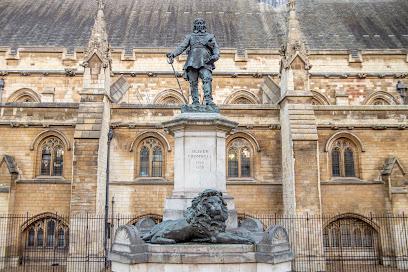
Statue of Oliver Cromwell
0.2 km
A commanding bronze tribute to Oliver Cromwell, standing outside Westminster Hall as a symbol of Britain’s turbulent 17th-century history and contested legacy.
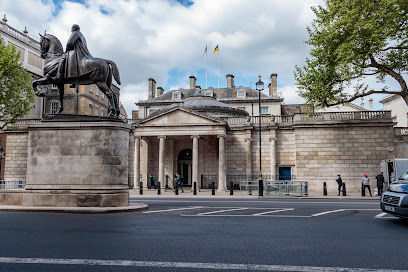
Dover House
0.3 km
Historic neoclassical mansion on Whitehall, home to the Scotland Office with a unique rotunda entrance and rich aristocratic past.
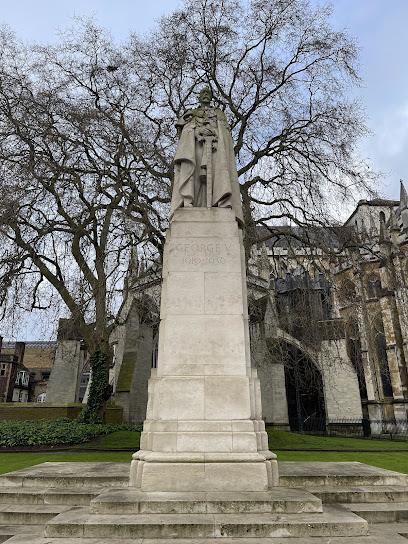
Statue of George V
0.3 km
A dignified white Portland stone statue honoring King George V, standing proudly in Westminster’s historic Old Palace Yard.
Unmissable attractions to see

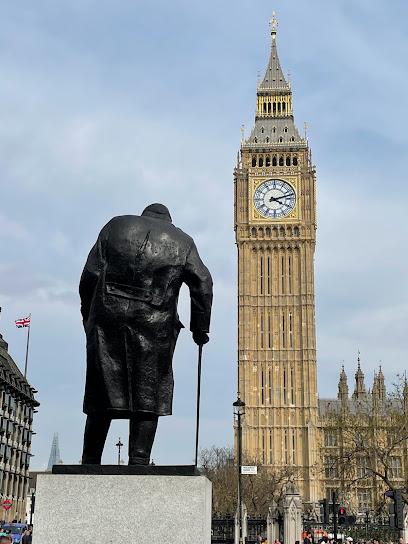
Sir Winston Churchill statue
0.1 km
Iconic bronze statue of Winston Churchill in Parliament Square, symbolizing British resilience and leadership during World War II.
Bridge St
0.1 km
Historic Bridge Street in London offers riverside views, rich heritage, and vibrant urban life beside the iconic London Bridge.
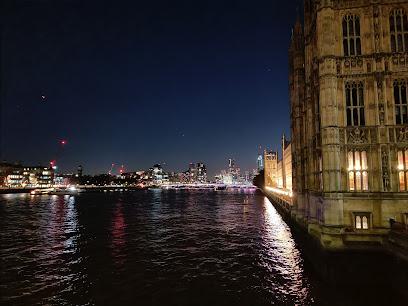
Parliament Square Garden
0.2 km
A historic green oasis in Westminster, offering iconic views and monuments at the heart of London’s political heritage.
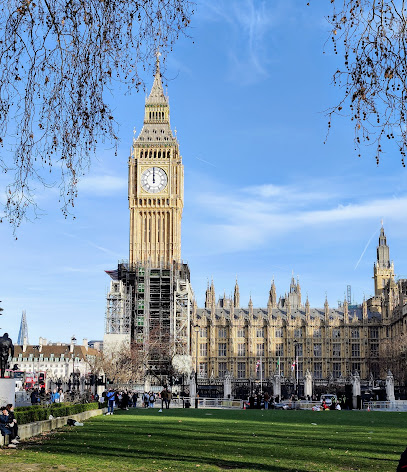
Mahatma Gandhi statue
0.2 km
A dignified bronze tribute to Gandhi’s peaceful legacy, standing humbly among world leaders in the heart of London’s historic Parliament Square.
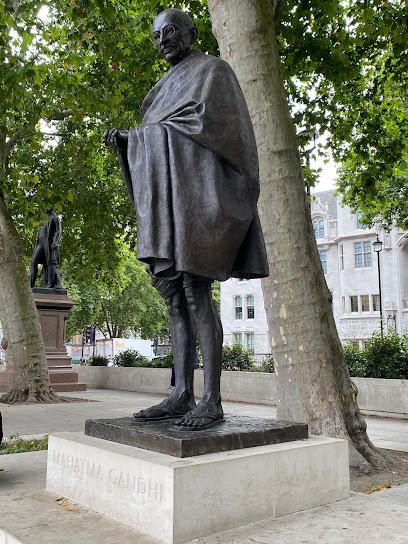
Big Ben
0.2 km
Explore Big Ben, London's iconic clock tower, a cultural landmark and symbol of British history, attracting millions of tourists each year.
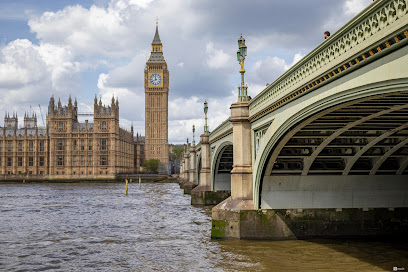
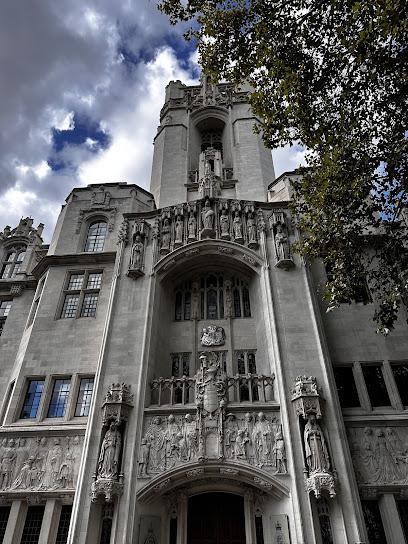
The Supreme Court
0.2 km
Explore the UK's highest court in a stunning neo-Gothic building at the heart of London’s political and judicial district.
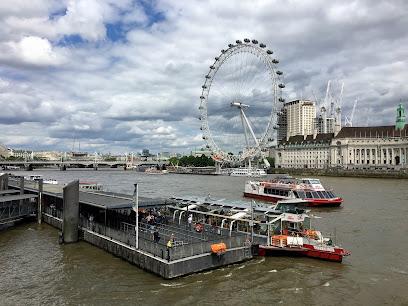
Westminster Pier
0.2 km
A vibrant river gateway beside iconic London landmarks, Westminster Pier invites you to explore the Thames and historic city sights from the water.
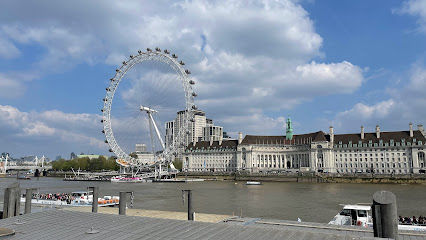
Westminster Millennium Pier
0.2 km
Experience London's iconic riverfront from Westminster Millennium Pier, your gateway to historic landmarks and scenic Thames cruises.
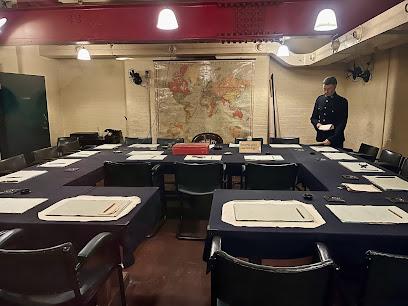
Churchill War Rooms
0.2 km
Britain's secret wartime headquarters where Churchill directed the fight against Nazi tyranny from underground bunkers beneath Westminster.
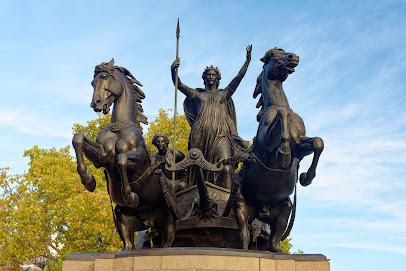
Boadicea and Her Daughters
0.2 km
A commanding bronze tribute to Boudica, the fierce Celtic queen, standing proud on her chariot beside Westminster Bridge in the heart of London.
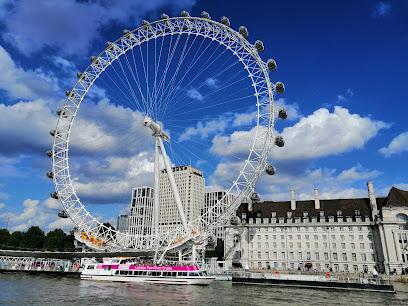
City Cruises London Westminster Pier
0.2 km
Experience the beauty of London from the water at Westminster Pier, your gateway to unforgettable Thames River adventures.
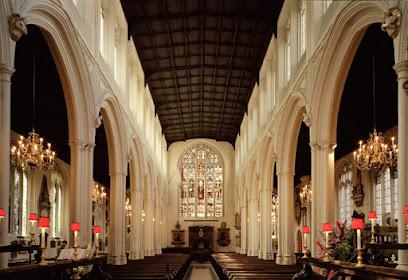
St Margaret's Church
0.2 km
Explore the serene St Margaret's Church, a historic Anglican church in London, next to Westminster Abbey, rich in history and stunning architecture.
The Battle of Britain Monument
0.2 km
A powerful bronze and granite tribute on London’s Victoria Embankment honoring the heroic RAF pilots of the 1940 Battle of Britain.
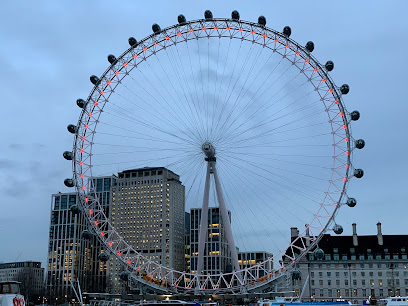
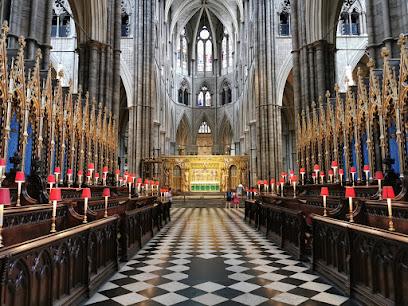
Westminster Abbey
0.3 km
Discover the majestic Gothic abbey where British monarchs have been crowned since 1066 and history echoes through every stone.
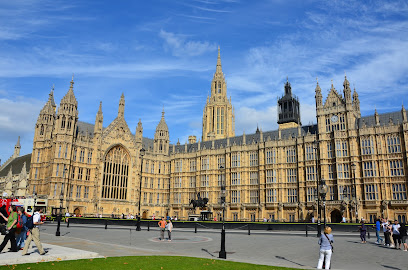
Palace of Westminster
0.3 km
Discover the architectural splendor and historical significance of the Palace of Westminster, the iconic heart of British democracy in London.
Essential places to dine

Ekstedt at The Yard
0.5 km
Experience Nordic wood-fired cuisine by Michelin-starred chef Niklas Ekstedt in the historic Great Scotland Yard Hotel, blending ancient fire cooking with British seasonal ingredients.
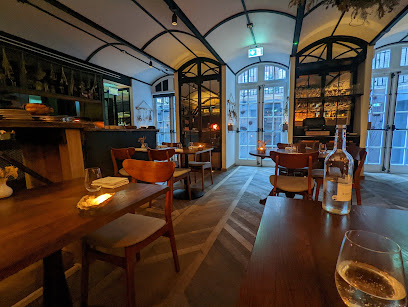
The Pem
0.5 km
Elegant modern British dining in Westminster, honoring heritage with exquisite seasonal menus and refined ambiance.
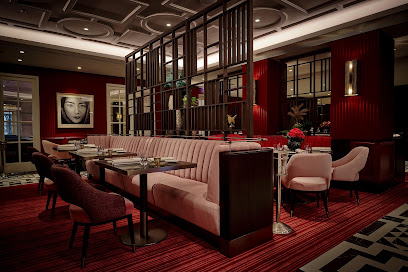
The Garden
0.6 km
A Mediterranean-inspired garden oasis offering refined seafood and elegant dining in the heart of London’s Corinthia Hotel.
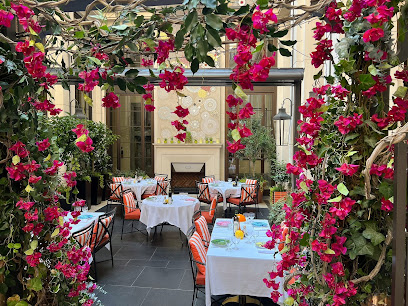
The Northall
0.6 km
Refined British dining with seasonal flair in a grand, elegant setting at Corinthia London’s distinguished restaurant.
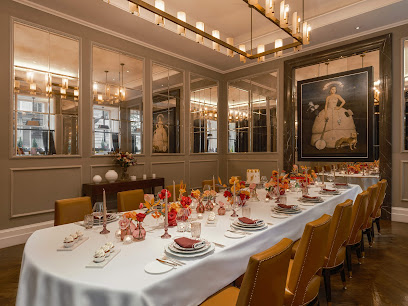
OKAN South Bank
0.6 km
Experience authentic Osaka-style okonomiyaki and Japanese street food in a cozy, lively South Bank eatery with friendly service and a nostalgic vibe.
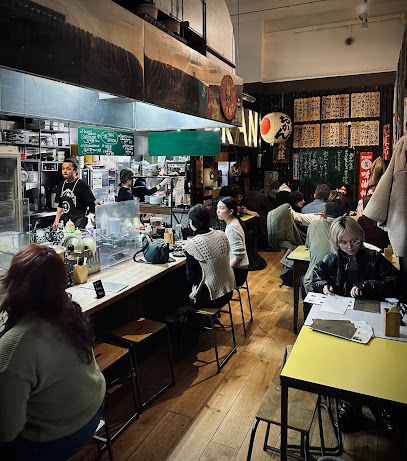
Troia Southbank
0.6 km
Experience authentic Mediterranean and Middle Eastern cuisine with halal options in a vibrant riverside setting near the London Eye.
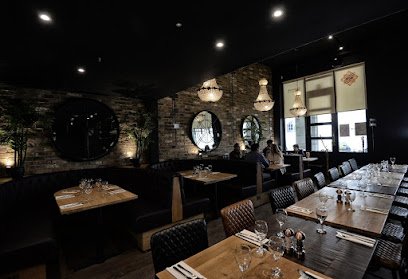
Caxton Grill
0.6 km
Refined British grill cuisine with fresh rooftop garden produce in a relaxed Westminster setting inside St Ermin’s Hotel.
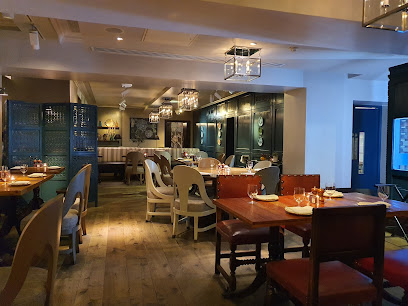
Ma La Sichuan
0.7 km
Experience authentic, boldly spiced Sichuan cuisine in the heart of Westminster with vibrant flavors and a welcoming atmosphere.
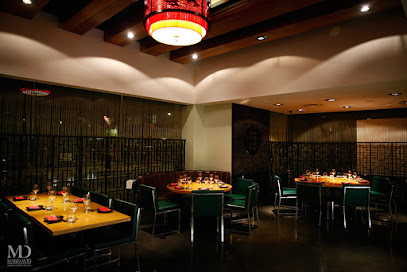
Park Plaza London Westminster Bridge
0.7 km
Stylish 4-star hotel on London’s South Bank with exceptional dining, event spaces, and modern amenities near iconic landmarks.
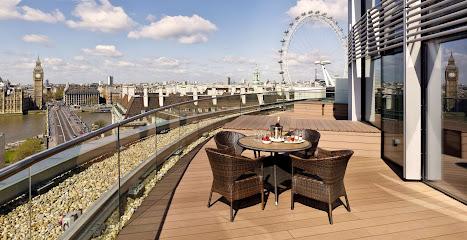
Wild Honey St James
0.7 km
Michelin-starred French-influenced cooking in a Grade II-listed banking hall, where refined technique meets understated elegance.
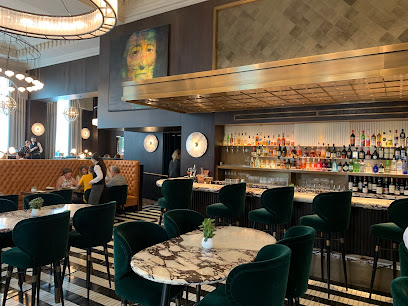
Chez Antoinette Victoria
0.7 km
Authentic French bistro in London’s Victoria offering classic Lyonnais and Parisian dishes in a cozy, Parisian-style setting.
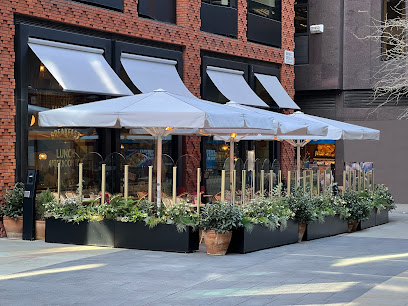
Osteria dell'Angolo
0.7 km
Classic Italian flavors and fresh pasta in a warm, elegant Westminster setting with attentive service and a visible kitchen.
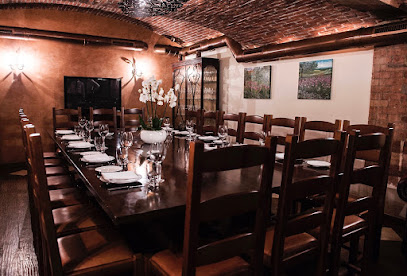
wagamama southbank
0.8 km
Lively riverside pan-Asian dining with fresh, bold flavors and stunning Thames views at London’s Royal Festival Hall.
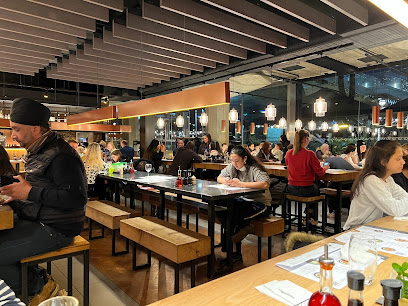
Bustronome London
0.8 km
Dine in luxury aboard a panoramic double-decker bus while touring London’s iconic landmarks with gourmet cuisine and fine wines.
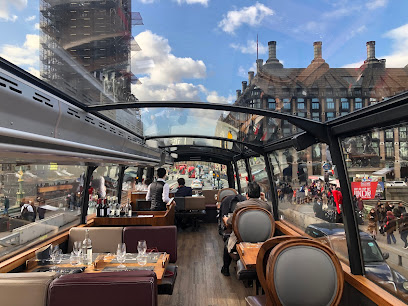
Mio Restaurant & Bar
0.8 km
Authentic Italian flavors and warm hospitality await you in this cozy central London gem with generous portions and great value.
Markets, malls and hidden boutiques

Houses of Parliament Shop
0.1 km
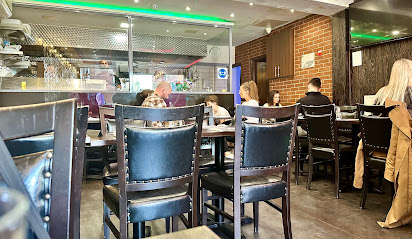
Discover parliamentary pride in souvenirs, books, and gifts at this cozy Bridge Street boutique, steps from Westminster's iconic halls.
Jubilee Shop (Houses of Parliament Gift Shop)
0.2 km
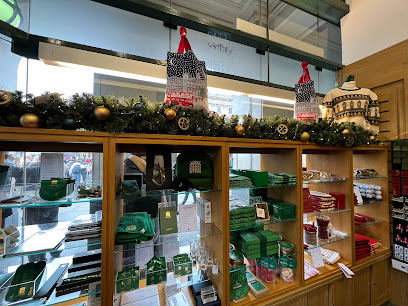
Discover exclusive British political gifts and souvenirs inside the historic Westminster Hall at the Jubilee Shop, Houses of Parliament.
Westminster Abbey Shop
0.3 km
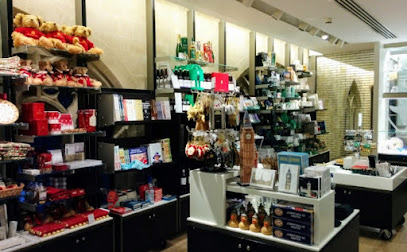
Discover exclusive Abbey-inspired gifts and souvenirs that support Westminster Abbey’s heritage and conservation efforts.
Browns of London
0.5 km
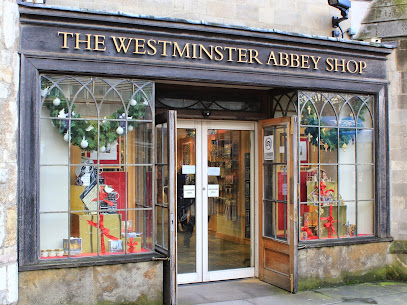
Explore Browns of London for unique handcrafted gifts and local treasures in the heart of the city, perfect for memorable souvenirs from your travels.
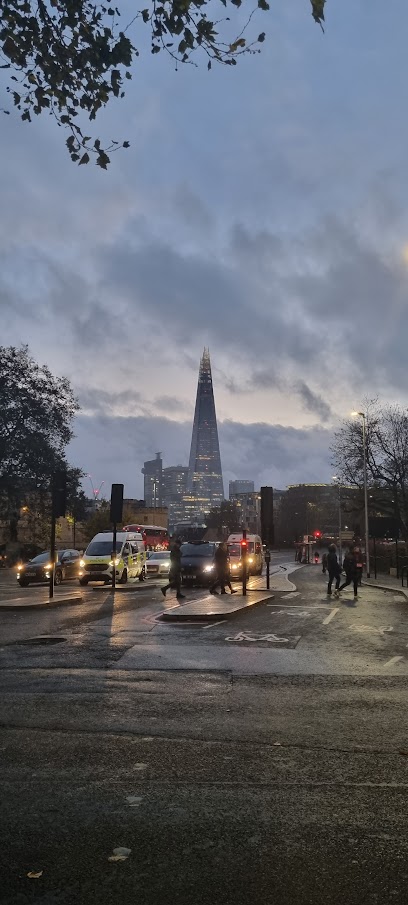
Gift Shop - London Eye Shop
0.5 km
Capture London's magic at the London Eye Gift Shop: exclusive souvenirs, Thames views, and iconic keepsakes from the wheel's base.
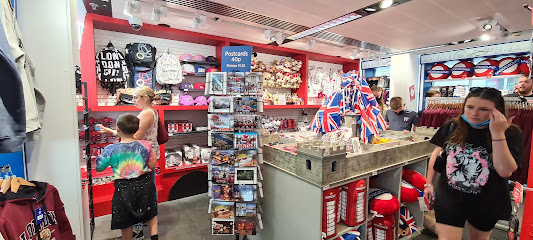
Crest of London Ltd
0.6 km
Discover authentic London souvenirs and local crafts at Crest of London Ltd, your premier gift shop in historic Whitehall.
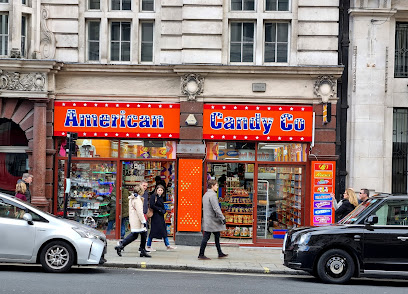
Custom Gifts By Jupiter
0.6 km
Unleash creativity with bespoke gifts and custom decor from this South Bank artisan haven near the Thames and iconic landmarks.
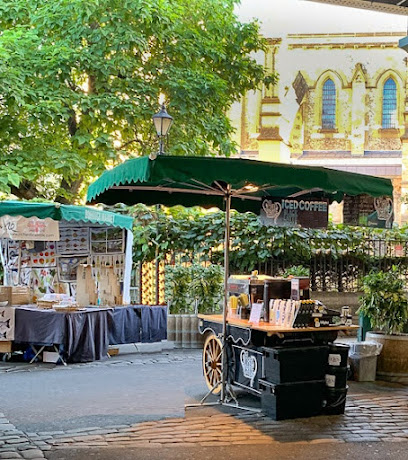
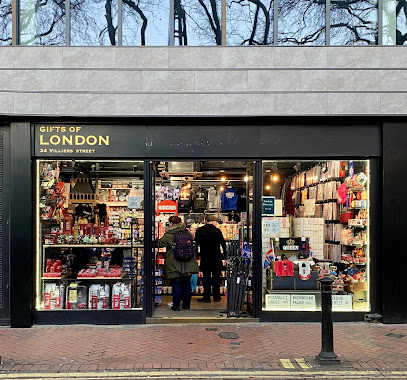
Gifts of London
0.7 km
Discover unique souvenirs and gifts that embody the spirit of London at Gifts of London, your perfect shopping destination.
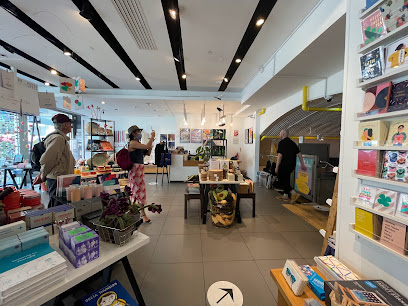
Southbank Centre Shop, Mandela Walk
0.8 km
Discover creative gifts, sustainable homewares, and arts-inspired souvenirs on vibrant Mandela Walk, opposite Royal Festival Hall—a stylish treat amid South Bank's cultural heartbeat.
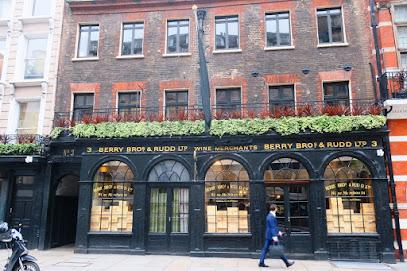
Berry Bros. & Rudd Wine Shop
0.9 km
London’s oldest family-run wine merchant since 1698, blending royal tradition with expert wine and spirits in a historic Pall Mall setting.
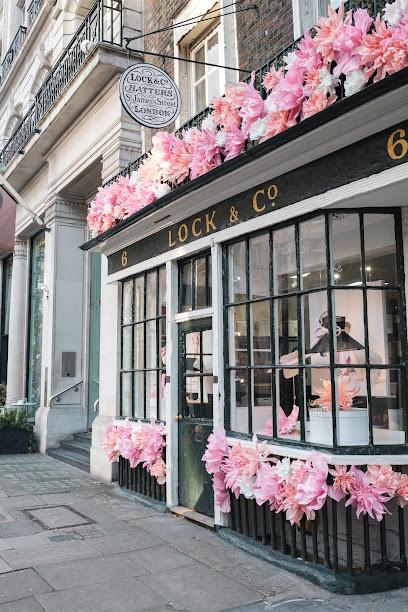
Lock & Co. Hatters
0.9 km
Discover the world’s oldest hat shop, where centuries of British style and craftsmanship come to life in the heart of London.
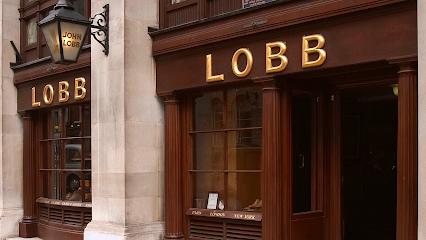
John Lobb St. James
0.9 km
Where 170 years of royal patronage meets handcrafted perfection in every stitch.
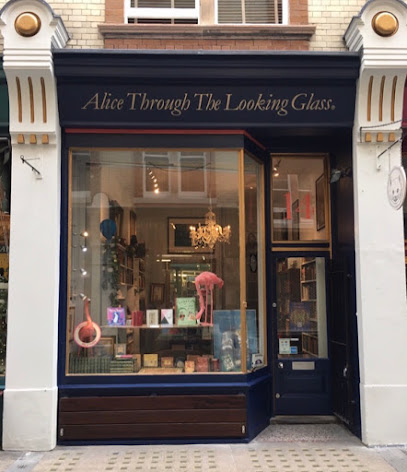
Alice Through The Looking Glass
1.0 km
Step into a whimsical world of antiques, art, and literary treasures inspired by Alice in Wonderland in the heart of London’s Cecil Court.
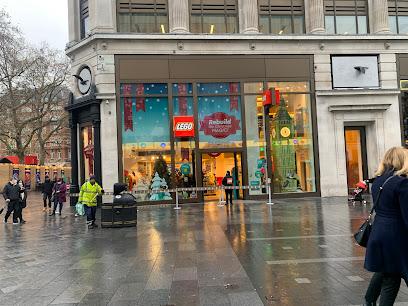
The LEGO® Store Leicester Square
1.0 km
Explore the world’s largest LEGO® Store in Leicester Square, London—two floors of interactive fun, iconic models, and endless creativity.
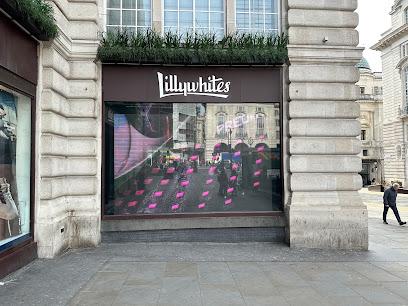
Lillywhites
1.0 km
London's iconic sports megastore at Piccadilly Circus—where athletic excellence meets retail tradition.
Essential bars & hidden hideouts

The Red Lion, Parliament Street
0.0 km
A venerable Westminster corner pub — late‑Victorian fittings, political atmosphere and a long history beside Downing Street and Parliament.
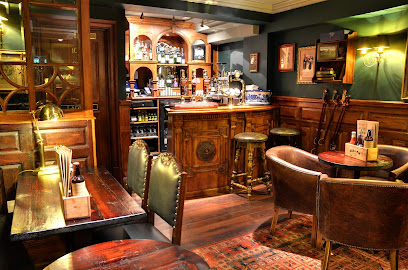
Westminster Arms
0.3 km
Historic Westminster pub with parliamentary division bell, Shepherd Neame ales, and cozy alcoves steps from Abbey and Parliament—timeless British charm in political heart.
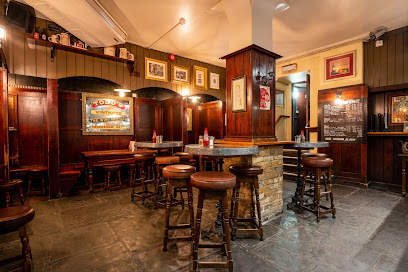
Two Chairmen
0.4 km
Traditional Westminster pub serving hearty pies, fresh ales, and classic British cheer just steps from St. James's Park and Parliament.
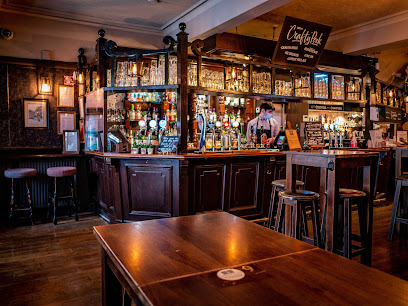
The Spy Bar
0.4 km
Step into London’s secret subterranean bar where espionage history meets masterful cocktails and exclusive, no-photos privacy.
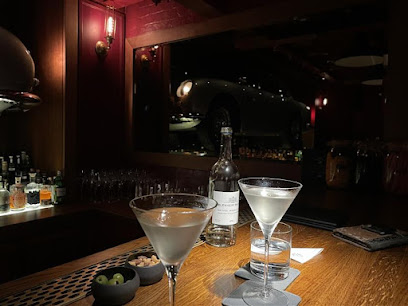
Blue Boar Pub
0.5 km
Traditional Westminster pub serving hearty British classics in a cozy, historic setting near Abbey and Parliament—perfect for ales, roasts, and relaxed evenings.
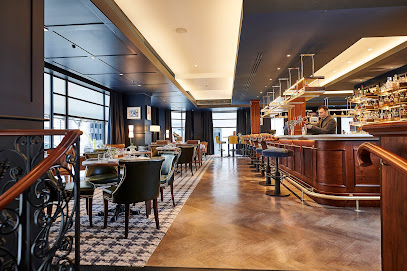
Old Shades
0.5 km
Historic Whitehall pub pouring cask ales and pub classics since 1898, steps from Trafalgar Square—a true taste of London tradition.
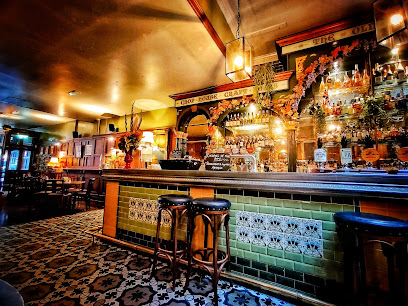
Le Champagne Bar
0.5 km
A compact riverside champagne lounge beside the London Eye—perfect for a celebratory flute and framed Thames views.
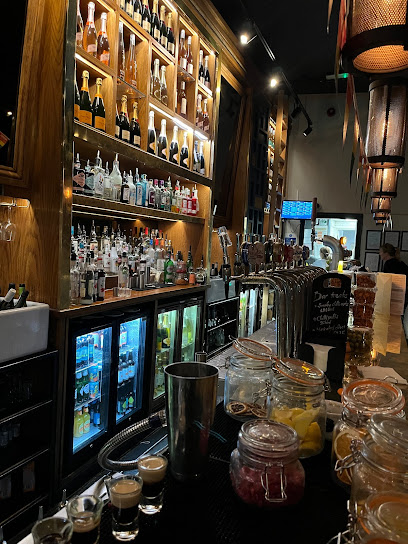
The Thirsty Farrier Cocktail Bar
0.6 km
A vibrant London cocktail bar offering expertly crafted seasonal drinks with scenic riverside views and a welcoming atmosphere.
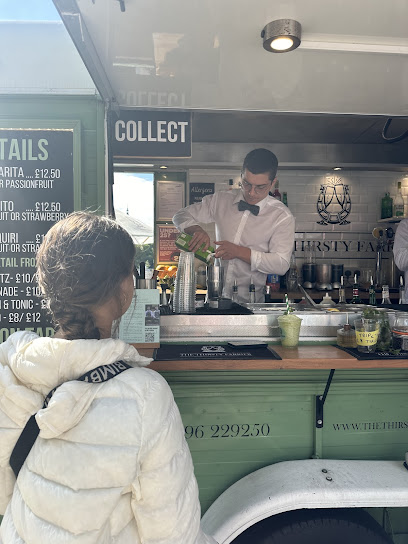
All Bar One Waterloo
0.6 km
Sophisticated South Bank bar serving creative cocktails, sharing plates, and wines in a lively spot near Waterloo Station and the London Eye.
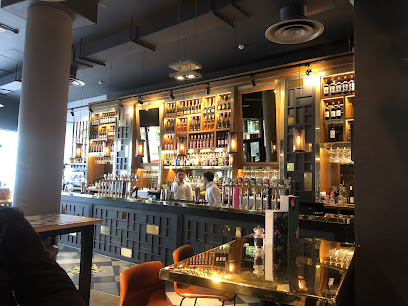
Primo Bar, London
0.7 km
Sophisticated South Bank cocktails and live jazz with Big Ben views—Primo Bar blends daytime lounge ease with electrifying nightly performances in stylish 60s-inspired surrounds.
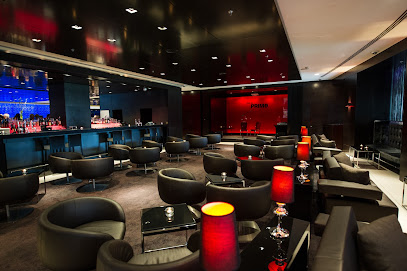
Slug & Lettuce - County Hall
0.7 km
Chic South Bank cocktail haven in County Hall: bottomless brunches, 2-for-1 sips, pub classics, and Thames views for London's liveliest lunches and nights out.
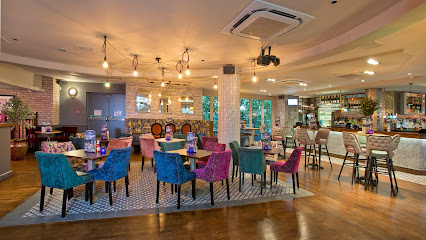
Adam & Eve
0.7 km
Classic Westminster pub pouring real ales and hearty grub amid historic streets—a cozy haven near Parliament and the Abbey for authentic London pints.
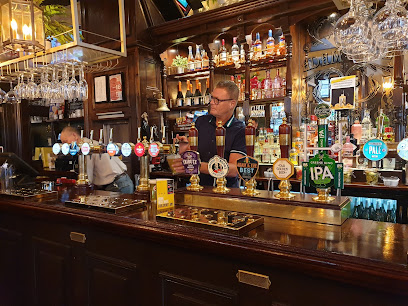
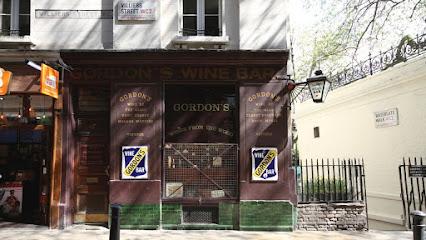
Gordon's Wine Bar
0.7 km
Step into London's oldest wine bar, where history, candlelight, and award-winning wines create an unforgettable cellar experience.
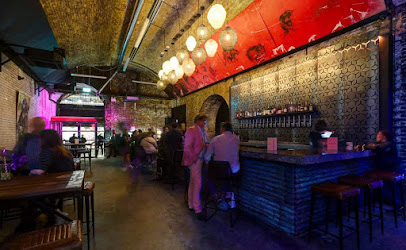
Bar @ 26 Leake Street
0.7 km
Experience London’s vibrant street art and nightlife culture at 26 Leake Street, a unique cocktail bar and event venue in Waterloo’s iconic graffiti tunnels.
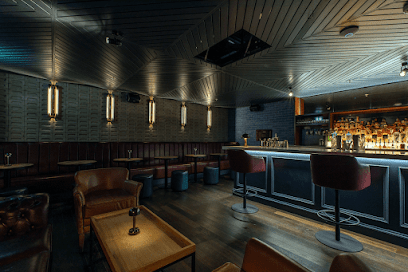
Waterloo Lost Property Office Speakeasy
0.8 km
Discover a hidden 1920s-inspired speakeasy in Waterloo serving expertly crafted cocktails in a seductive, vintage setting.
Nightclubs & after hour spots

TSQ Club
0.7 km
Dive into Trafalgar Square's nightlife pulse at TSQ Club, where eclectic beats, dazzling lights, and craft cocktails fuel unforgettable weekend nights in London's heart.
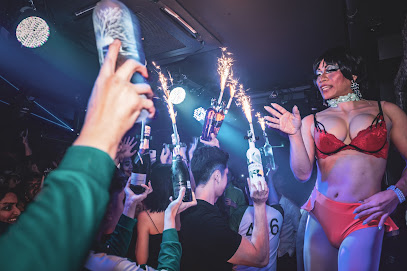
Heaven
0.7 km
London’s iconic gay superclub under the railway arches — big nights, loud music, drag, and late finishes in the heart of the West End.
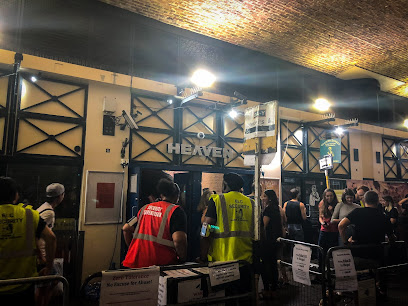
Cirque Du Soul
0.7 km
Dive into Leake Street's graffiti tunnel for soul-stirring electronic nights at this underground nightclub haven.
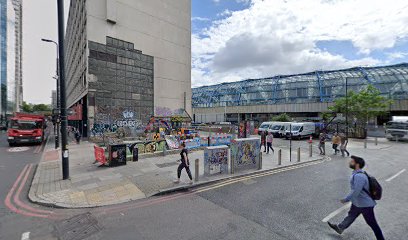
We Are Waterloo
0.7 km
Dive into Leake Street's graffiti heart where street art meets thumping beats in London's ultimate underground nightclub haven.
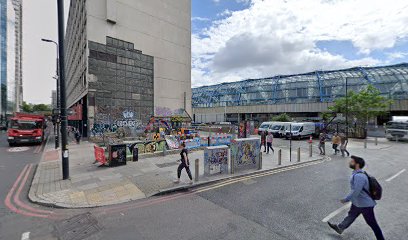
STRAWBERRY SUNDAE
0.7 km
Retro rave haven in Waterloo Arches: Daytime hardcore beats, 90s DJ legends, and industrial euphoria from midday to midnight.
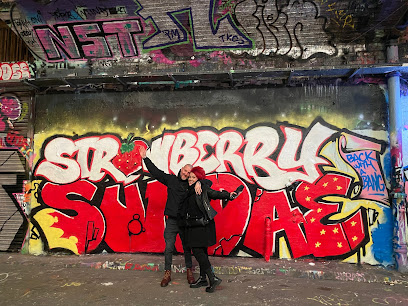
Tiger Tiger London
1.0 km
Experience London’s iconic Haymarket nightclub with six vibrant rooms, lively DJs, and a dynamic party atmosphere just moments from Piccadilly Circus.
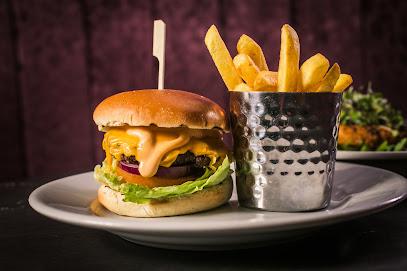
The Scotch of St James
1.0 km
Legendary Mayfair speakeasy where 60s rock stars jammed and today's elite dance till dawn in velvet-clad intimacy.
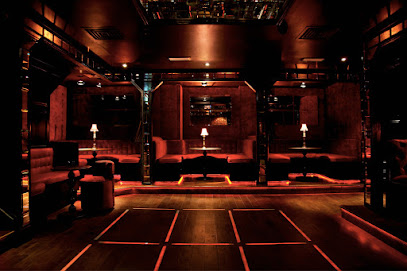
Luxe Club
1.0 km
Experience London's vibrant nightlife at Luxe Club, a central hotspot for music, dancing, and late-night entertainment.
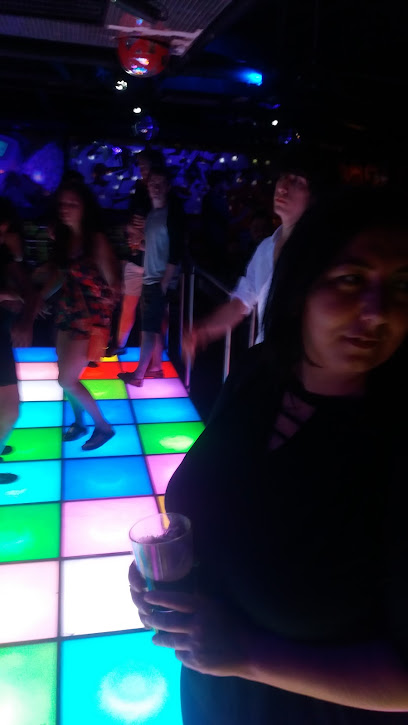
Zoo Bar & Club
1.0 km
Dive into Leicester Square's edgy nightlife hub: two floors of R&B beats, sports screens, and wild energy until 3am at Zoo Bar & Club.
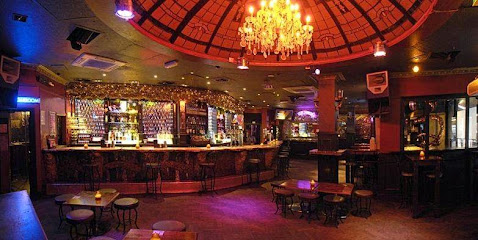
Café de Paris
1.0 km
Step into London’s iconic West End nightclub where history, glamour, and electrifying cabaret create unforgettable nights.
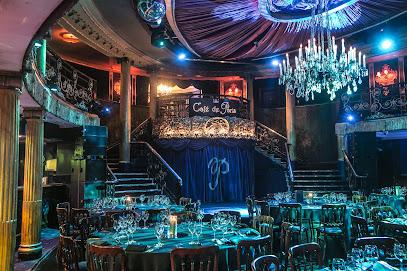
The Penthouse London
1.0 km
A compact, rooftop nightclub above Leicester Square — reached by a side lift, built for late‑night private parties and skyline glimpses.
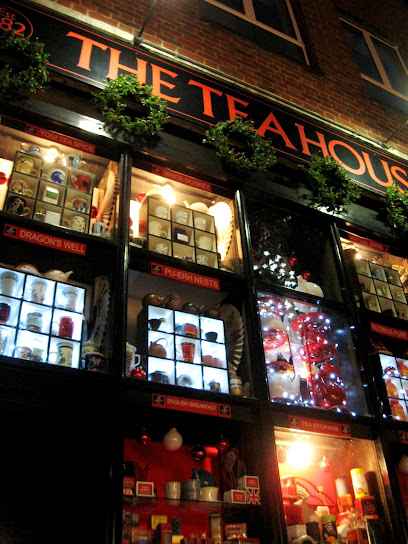
Proud Late
1.1 km
Dive into two-storey glamour under Waterloo Bridge: cabaret acrobatics, burlesque dazzle, supper feasts, and non-stop clubbing till 5am in London's West End nightlife epicenter.
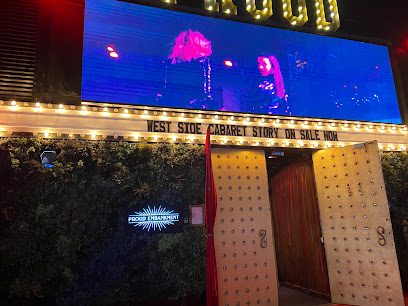
Whatdafunk Presents West End Urban Disco
1.1 km
Dive into London's grooviest urban disco beats at Whatdafunk, where Covent Garden's streets pulse with funk, soul, and non-stop dance energy in the heart of the West End.
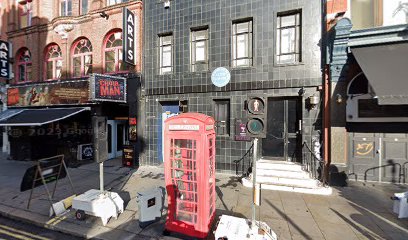
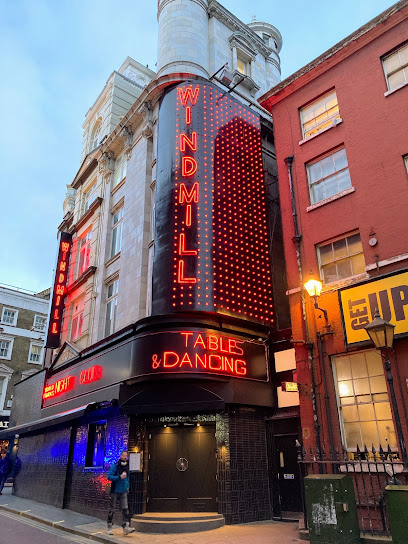
The Windmill Soho | Restaurant, Cabaret & Nightclub in Soho, London
1.2 km
Soho's legendary cabaret den revived: burlesque bites, theatrical feasts, and all-night beats in a historic hotspot of hedonism.
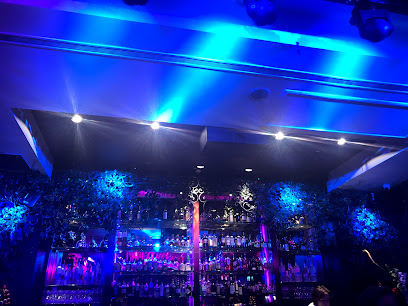
The Cuckoo Club
1.2 km
Exclusive Mayfair nightclub and restaurant blending glamorous design, contemporary cuisine, and vibrant nightlife in London’s upscale scene.
For the vibe & atmosphere seeker
- Historic
- Scenic
- Tranquil
For the design and aesthetic lover
- Classical Designs
- Victorian Styles
- Edwardian Baroque Revival
For the architecture buff
- Historic
- Landmarks
- Sacred Sites
For the view chaser and sunset hunter
- Iconic Views
- Architectural Shots
For the social media creator & influencer
- Instagrammable
- Photo Spots
- Architectural Shots
For the eco-conscious traveler
- Public-Transport Accessible
- Locally Managed
For the kind of experience you’re after
- Cultural Heritage
- Photowalk
- Day Trip
- Weekend Getaway
For how adventurous you want the journey to be
- Easy Access
Location Audience
- Family Friendly
- Senior Friendly
- Child Friendly
- Teen Friendly
- Wheelchair Access
- Solo Friendly
- Couple Friendly
- Solo Female Friendly


