
Florence Nightingale Museum, London
Explore the inspiring legacy of Florence Nightingale, the founder of modern nursing, at this engaging museum in the heart of London’s South Bank.
Located at The Nightingale School, 2 Lambeth Palace Rd, the Florence Nightingale Museum celebrates the life and legacy of the founder of modern nursing. The museum showcases personal artefacts, historical exhibits from the Crimean War, and interactive displays that illuminate Nightingale's pioneering work in healthcare reform. Open Tuesday to Sunday, it offers a rich, immersive experience for visitors interested in nursing history and Victorian-era social reform.
A brief summary to Florence Nightingale Museum
- The Nightingale School, 2 Lambeth Palace Rd, London, SE1 7EP, GB
- +442071884400
- Visit website
- Duration: 0.75 to 2 hours
- Mid ranged
-
 Indoor
- Mobile reception: 5 out of 5
- Tuesday 10 am-5 pm
- Wednesday 10 am-5 pm
- Thursday 10 am-5 pm
- Friday 10 am-5 pm
- Saturday 10 am-5 pm
- Sunday 10 am-5 pm
Local tips
- Visit on weekday afternoons or early evenings to avoid crowds, especially during school term times.
- Purchase tickets online in advance to benefit from annual ticket validity and skip queues.
- Attend the daily free 15-minute talks at 3:30pm to learn more about key artefacts.
- Explore the temporary exhibitions in the In Focus space to discover stories of other influential nurses.

For the on-the-go comforts that matter to you
- Restrooms
- Drink Options
- Food Options
- Seating Areas
- Information Boards
- Visitor Center
Getting There
-
Public Transport
Take the London Underground to Waterloo Station, served by the Jubilee, Bakerloo, Northern, and Waterloo & City lines. The Jubilee line offers step-free access. From Waterloo, it is a 5-10 minute walk to the museum. Bus routes stop nearby on Lambeth Palace Road and Westminster Bridge Road. Expect travel times from central London to range from 15 to 30 minutes. Single fares start at approximately £2.50 with an Oyster or contactless card.
-
Taxi or Ride-Share
A taxi or ride-share from central London to the museum typically takes 15-25 minutes depending on traffic. Expect fares to range from £10 to £20. The museum entrance is accessible with a flat-level approach suitable for passengers with mobility needs.
-
Walking
If you are staying nearby on the South Bank or in Westminster, walking to the museum is feasible within 15-30 minutes. The route is mostly flat but includes some pavement slopes. Suitable for most visitors, though those with limited mobility should consider alternative transport.
Florence Nightingale Museum location weather suitability
-
 Any Weather
Discover more about Florence Nightingale Museum
A Tribute to a Nursing Pioneer
The Florence Nightingale Museum is dedicated to the life and work of Florence Nightingale, widely regarded as the founder of modern nursing. Situated within the grounds of St Thomas’ Hospital on Lambeth Palace Road, London, the museum opened in 1989 on the site of the original Nightingale Training School established in 1860. It preserves and celebrates Nightingale’s pioneering contributions to nursing, healthcare reform, and social activism during the Victorian era.Historic Collections and Personal Artefacts
The museum’s collection includes a remarkable array of personal items that belonged to Nightingale, such as her clothing, jewellery, letters, and the iconic lamp that earned her the nickname “The Lady with the Lamp.” Visitors can also see her pet owl Athena and a medicine chest she used. These artefacts are displayed alongside objects related to the Crimean War, where Nightingale and her team of nurses revolutionized military healthcare. The collection originated from Dame Alicia Lloyd Still, a former Matron of St Thomas’s, who gathered these items as teaching tools for trainee nurses.Engaging Exhibitions and Interactive Experiences
The museum is arranged in a single-level gallery space divided into thematic sections covering Nightingale’s affluent childhood, her battle to become a nurse against family opposition, her transformative work during the Crimean War, and her later campaigns for healthcare improvements. Interactive drawers and audio interviews provide a tactile and auditory dimension to the exhibits. Temporary exhibitions, such as the “In Focus” space, highlight stories of influential nurses like Kofoworola Abeni Pratt, expanding the narrative beyond Nightingale herself.Educational Programs and Events
The Florence Nightingale Museum offers a variety of educational programs, talks, and special events throughout the year, designed to inspire and inform visitors about nursing history and healthcare innovation. Daily 15-minute talks about the museum’s star objects are included with admission. The museum also hosts school groups and provides resources for nursing students and professionals, continuing Nightingale’s legacy of education and reform.Visitor Amenities and Accessibility
Open Tuesday to Sunday from 10am to 5pm, with last entry at 4:30pm, the museum is wheelchair accessible and features a shop selling unique items inspired by its collection. Admission tickets are valid for a full year from the date of first visit, encouraging repeat visits. The museum is located a short walk from Waterloo Station, with step-free access available on the Jubilee line, and nearby bus stops on Lambeth Palace Road and Westminster Bridge Road.Legacy and Cultural Significance
Florence Nightingale’s impact extends far beyond nursing; she was a statistician, social reformer, and advocate for public health. The museum not only preserves her memory but also promotes ongoing dialogue about healthcare and social justice issues. It stands as a cultural landmark on London’s South Bank, attracting visitors worldwide who seek to understand the life of a woman who changed the course of medical history.Iconic landmarks you can’t miss

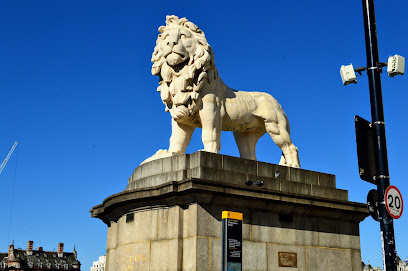
South Bank Lion
0.2 km
Majestic 1837 Coade stone lion guarding Westminster Bridge, symbolizing London’s resilience and rich heritage.
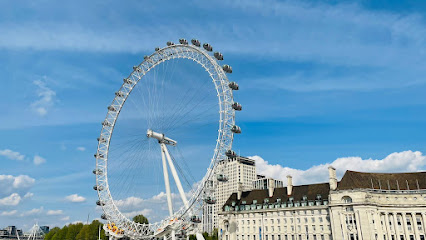
County Hall
0.3 km
Historic Edwardian Baroque landmark on London’s South Bank with iconic river views, cultural venues, and rich civic heritage.
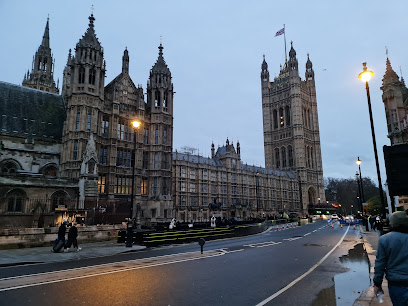
Westminster Hall
0.5 km
Step into Westminster Hall, a majestic medieval masterpiece that has witnessed a millennium of British history, law, and monarchy.
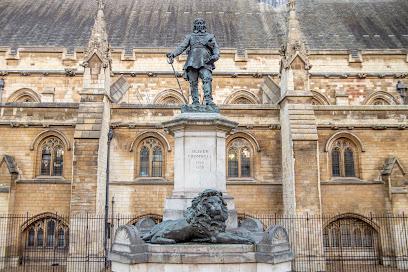
Statue of Oliver Cromwell
0.6 km
A commanding bronze tribute to Oliver Cromwell, standing outside Westminster Hall as a symbol of Britain’s turbulent 17th-century history and contested legacy.
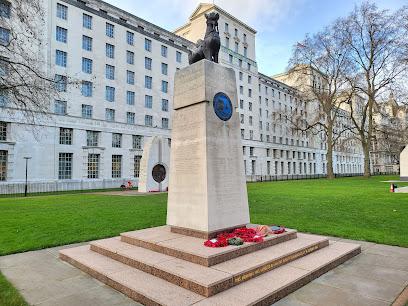
Chindit Memorial
0.6 km
A solemn tribute in London honoring the daring Chindit special forces and their leader Major General Orde Wingate’s legacy.
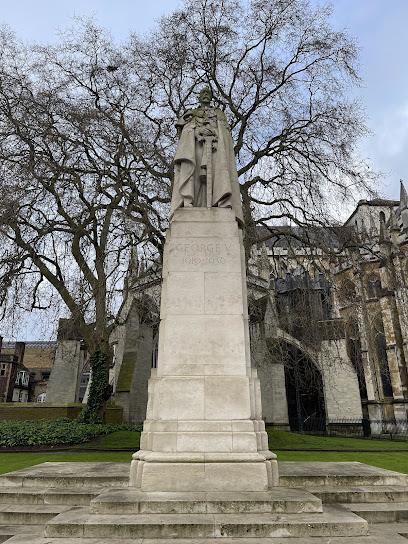
Statue of George V
0.6 km
A dignified white Portland stone statue honoring King George V, standing proudly in Westminster’s historic Old Palace Yard.
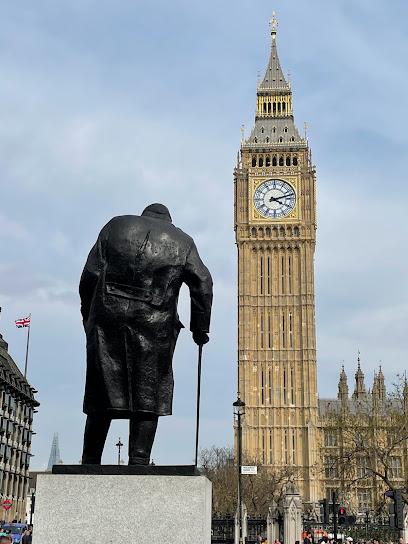
Sir Winston Churchill statue
0.6 km
Explore the Sir Winston Churchill statue in Parliament Square, a symbol of resilience and leadership in the heart of London’s historic landscape.
St Margaret's Church
0.6 km
Explore the serene beauty and rich history of St Margaret's Church, a hidden gem in the heart of London near Westminster Abbey.
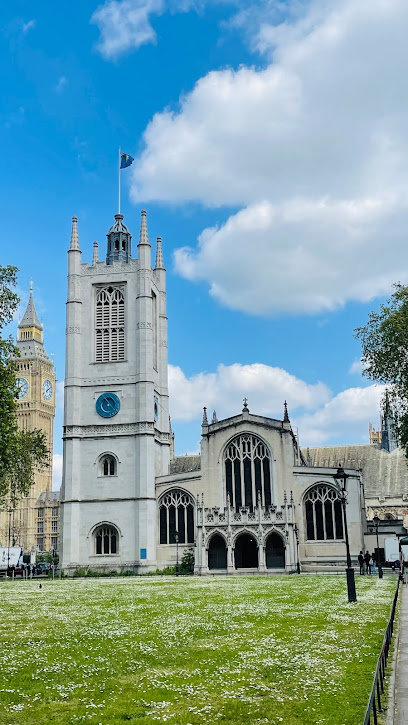
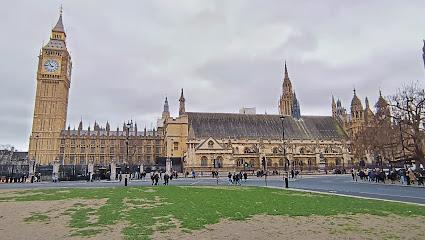
Parliament Square Garden
0.6 km
Where Westminster's political heart meets a tranquil green sanctuary beneath the shadow of Big Ben.
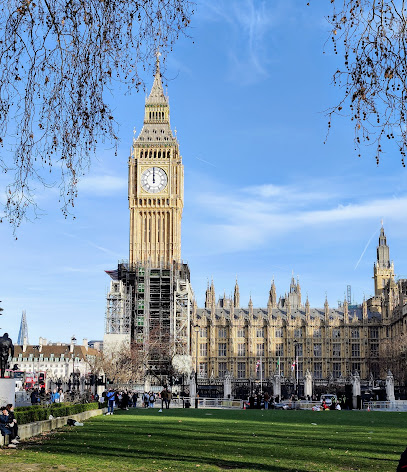
Jewel Tower
0.6 km
Discover the Jewel Tower, a rare medieval treasure guarding centuries of royal secrets in the heart of Westminster.
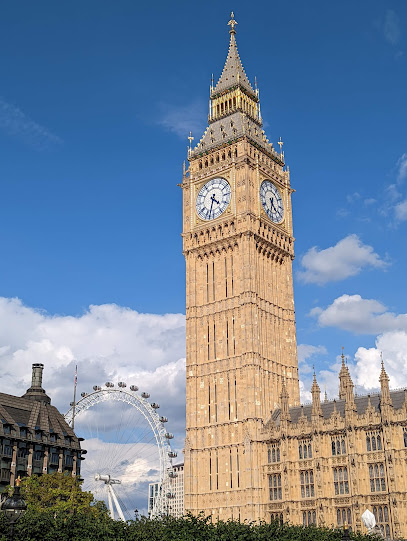
King Charles Street
0.6 km
Explore King Charles Street, a historic London government hub famed for its grand Victorian architecture and pivotal role in British political life.
Parliament Sq
0.6 km
Where Britain's democratic institutions converge, history breathes, and voices are heard.
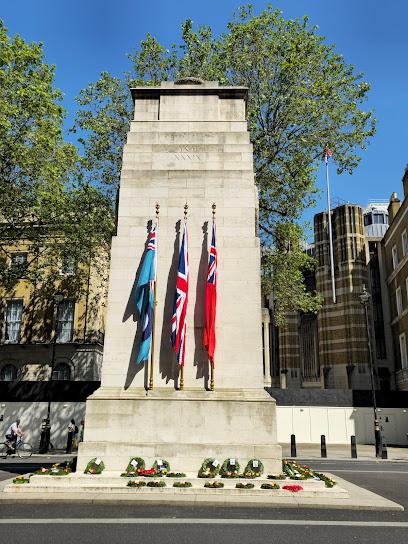
The Cenotaph
0.7 km
Britain’s national war memorial in Whitehall, a solemn tribute to the fallen of the World Wars and later conflicts.
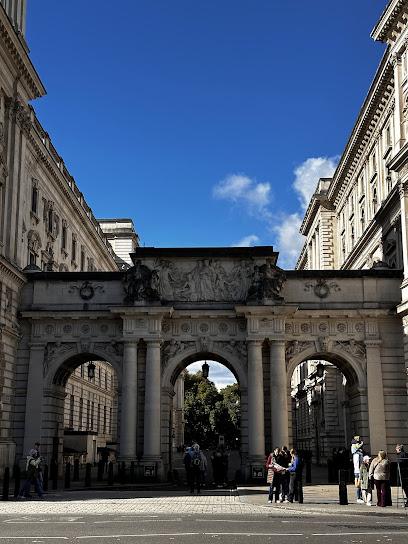
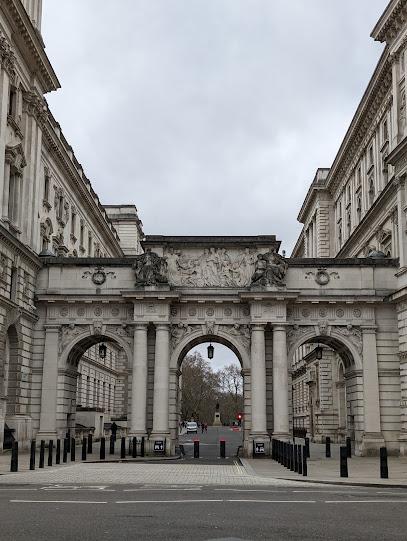
King Charles Street Arch
0.7 km
A grand 1908 triple-arched gateway in London’s Whitehall, rich in sculptural detail and historical significance.
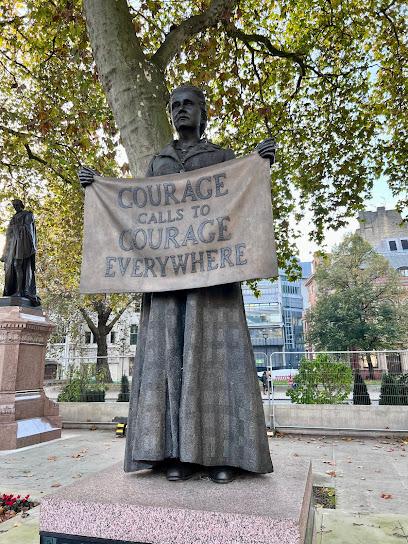
Millicent Garrett Fawcett Statue
0.7 km
Honoring Millicent Garrett Fawcett, the first woman commemorated in Parliament Square, inspiring equality through her iconic statue and legacy.
Unmissable attractions to see

South of the River
0.1 km
A prestigious, fully fitted office building with prime views opposite the Houses of Parliament in London’s thriving South Bank business district.
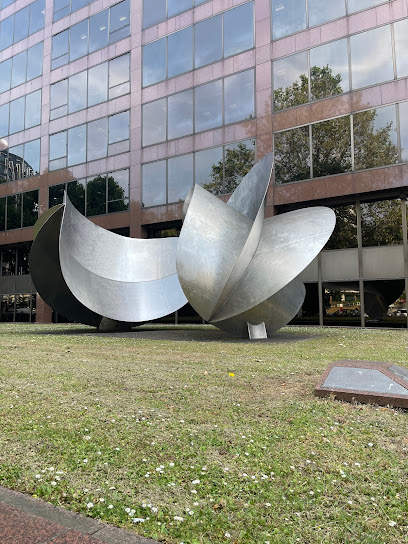
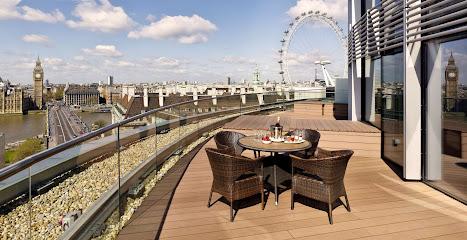
Park Plaza London Westminster Bridge
0.1 km
Modern luxury and iconic views converge at Park Plaza London Westminster Bridge, your gateway to the heart of London’s South Bank.
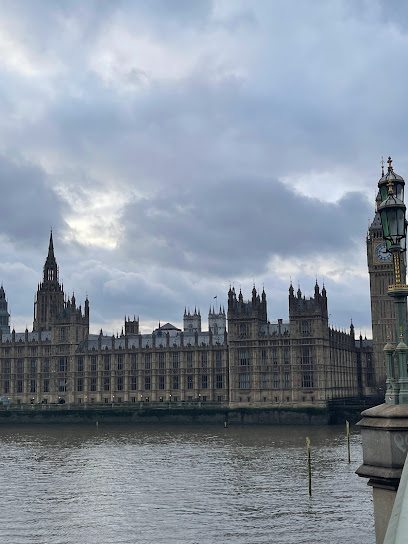
Memorial wall
0.2 km
A heartfelt 500-metre mural along the Thames commemorating every UK life lost to COVID-19 with over 245,000 hand-painted hearts.
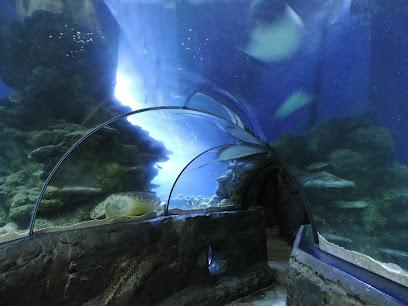
SEA LIFE London Aquarium
0.2 km
Dive into London’s premier marine world with over 500 species, immersive underwater tunnels, and inspiring conservation efforts at SEA LIFE London Aquarium.
Shrek's Adventure London
0.2 km
Step into a magical world of fairy tales and fun with Shrek and friends on London’s South Bank, perfect for families and kids aged 6 to 12.
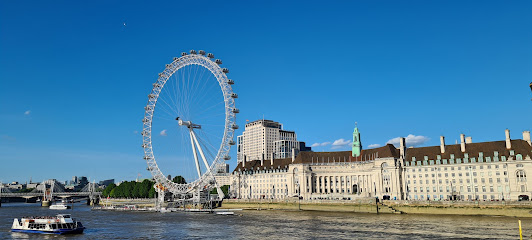
Westminster Bridge Rd
0.2 km
Historic Westminster Bridge Road links London’s iconic landmarks with vibrant South Bank culture and excellent transport connections.
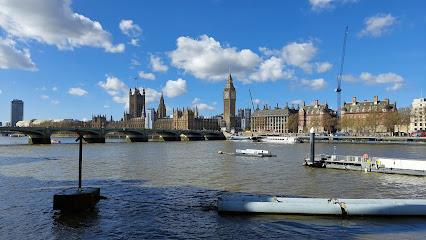
Leake St
0.3 km
Dive into London’s vibrant Banksy Tunnel, where ever-changing legal graffiti transforms a forgotten underpass into a dynamic urban art sanctuary.
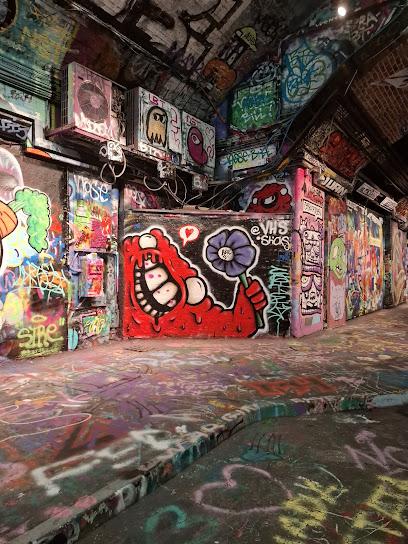
The Graffiti Tunnel
0.3 km
London’s largest legal graffiti gallery beneath Waterloo Station, where street art thrives in a constantly evolving urban canvas.
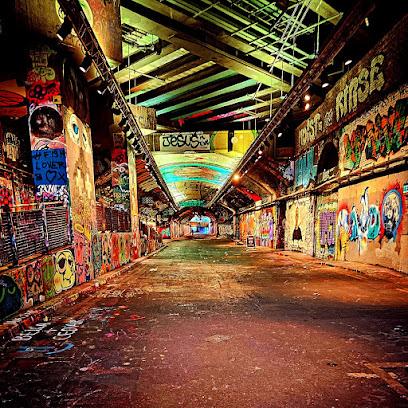
The London Dungeon
0.3 km
Step into London’s darkest history with live actors, thrilling rides, and immersive storytelling in the heart of the South Bank.
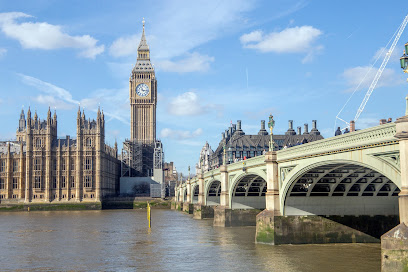
Westminster Bridge
0.3 km
Experience the historic charm and stunning views from Westminster Bridge, an iconic London landmark linking culture and architecture.
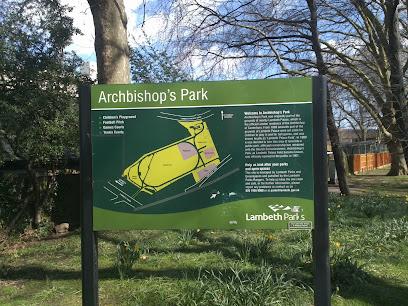
Archbishop's Park
0.3 km
Historic green space in central London with sports, playgrounds, gardens, and a welcoming community atmosphere.
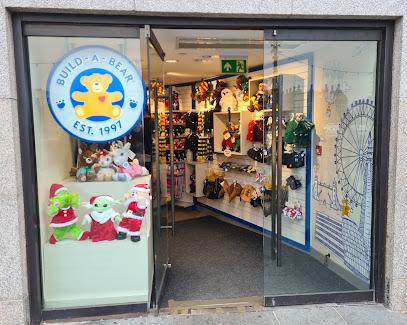
Build-A-Bear Workshop - Westminster Bridge
0.3 km
Create your own cuddly companion in this vibrant, family-friendly toy workshop by the Thames at County Hall.
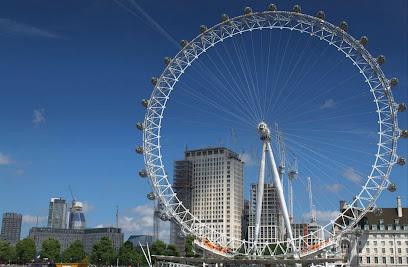
London Eye Ticket Office
0.4 km
Discover London's skyline from the iconic London Eye, an unmissable experience offering breathtaking views of the city's landmarks and vibrant atmosphere.
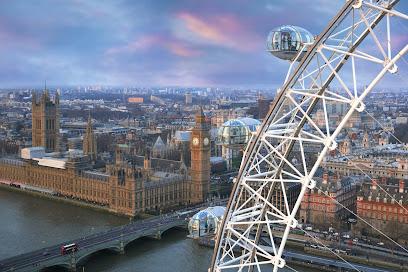
The London Eye Millennium Pier
0.4 km
A modern riverside gateway beside the London Eye, connecting you to iconic London landmarks and vibrant Thames river journeys.

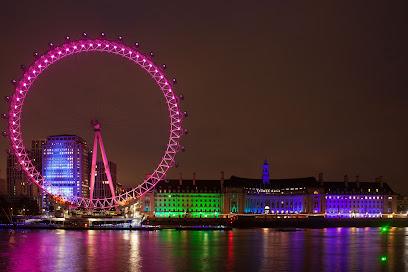
lastminute.com London Eye
0.4 km
Experience breathtaking 360-degree views of London’s iconic skyline from the towering lastminute.com London Eye on the South Bank.
Essential places to dine

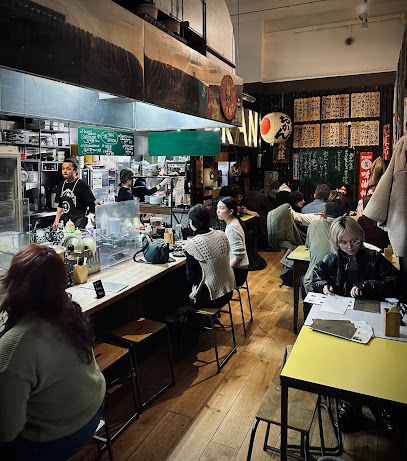
OKAN South Bank
0.2 km
Experience authentic Osaka-style okonomiyaki and Japanese street food in a cozy, lively South Bank eatery with friendly service and a nostalgic vibe.
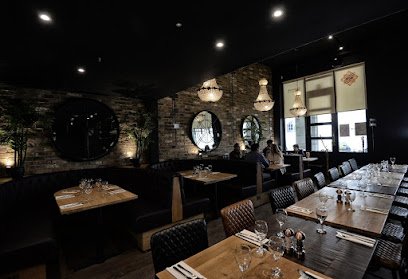
Troia Southbank
0.2 km
Experience authentic Mediterranean and Middle Eastern cuisine with halal options in a vibrant riverside setting near the London Eye.
The Archduke
0.6 km
Lively steakhouse and wine bar in Waterloo with superb Scotch beef, classic desserts, and live jazz in a buzzy, inviting atmosphere.
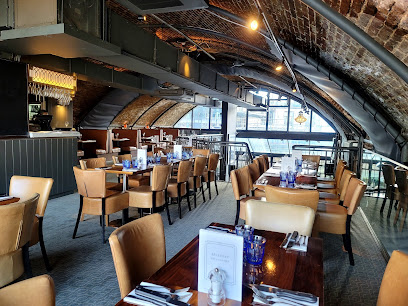
Ping Pong Southbank
0.6 km
Lively Southbank dim sum and cocktail bar blending traditional Chinese flavors with modern Asian fusion in a bustling riverside setting.
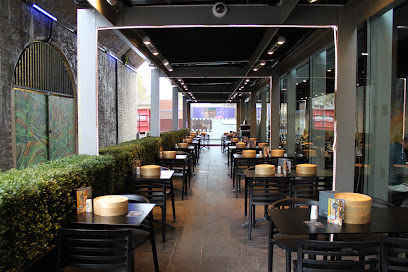
Southbank Centre Food Market
0.6 km
A lively weekend street food market on London’s South Bank offering diverse global cuisines in a vibrant riverside setting.
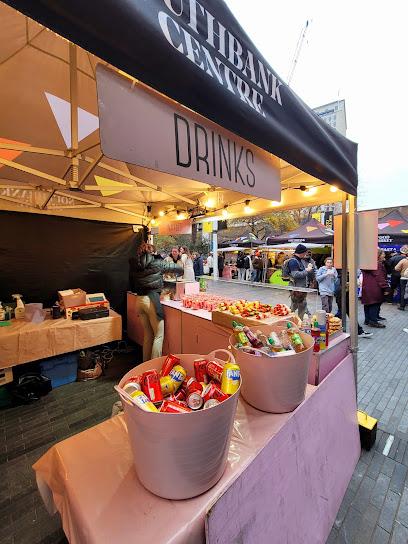
wagamama southbank
0.7 km
Lively riverside pan-Asian dining with fresh, bold flavors and stunning Thames views at London’s Royal Festival Hall.
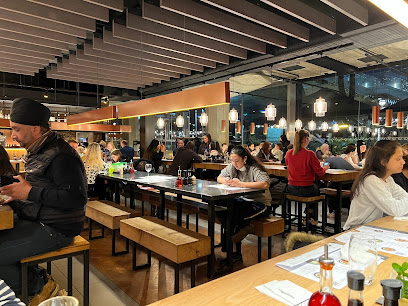
Strada Southbank
0.7 km
Authentic Southern Italian flavors served with vibrant riverside views in the heart of London’s Southbank.
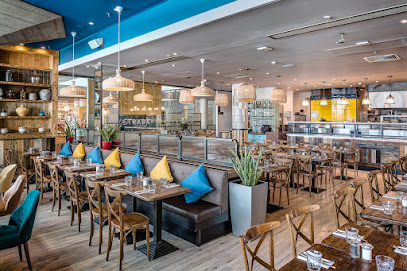
Brasserie Blanc - Southbank
0.7 km
Authentic French brasserie dining with hearty seasonal dishes and rustic charm on London’s lively South Bank.
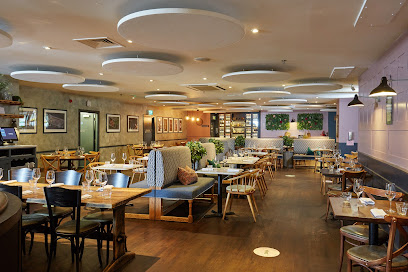
Wahaca Southbank
0.8 km
Experience vibrant Mexican street food in a unique riverside setting with scenic Thames views and lively atmosphere at Wahaca Southbank.
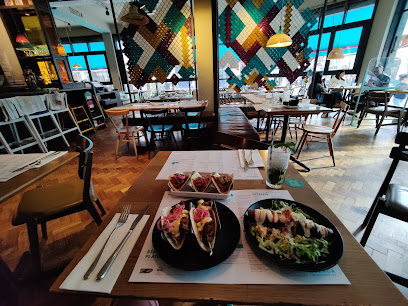
The Garden
0.9 km
A Mediterranean-inspired garden oasis offering refined seafood and elegant dining in the heart of London’s Corinthia Hotel.
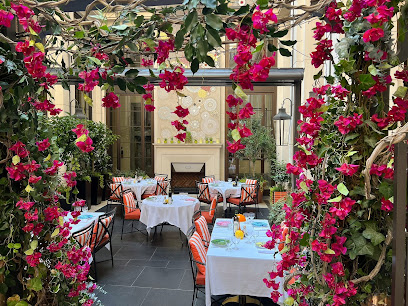
The Northall
0.9 km
Refined British dining with seasonal flair in a grand, elegant setting at Corinthia London’s distinguished restaurant.
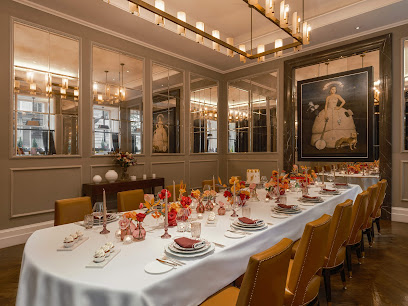
Sapori
0.9 km
Enjoy authentic Italian cuisine with generous portions and a lively atmosphere in the heart of Westminster, London.
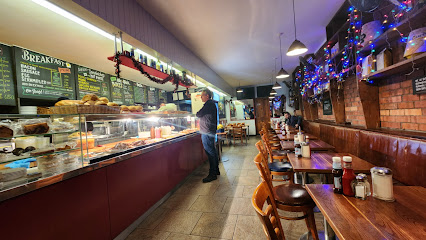
Ekstedt at The Yard
0.9 km
Experience Nordic wood-fired cuisine by Michelin-starred chef Niklas Ekstedt in the historic Great Scotland Yard Hotel, blending ancient fire cooking with British seasonal ingredients.
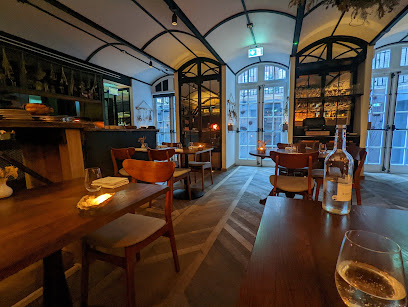
Bustronome London
0.9 km
Dine in luxury aboard a panoramic double-decker bus while touring London’s iconic landmarks with gourmet cuisine and fine wines.
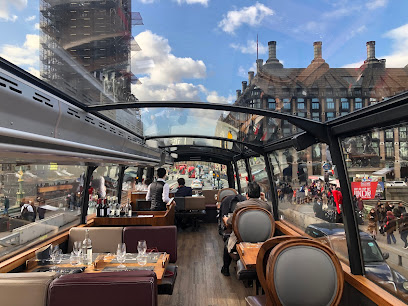
Osteria dell'Angolo
0.9 km
Classic Italian flavors and fresh pasta in a warm, elegant Westminster setting with attentive service and a visible kitchen.
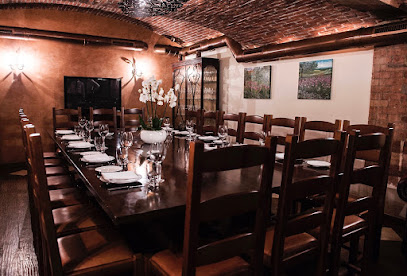
Markets, malls and hidden boutiques

Browns of London
0.2 km
Explore Browns of London for unique handcrafted gifts and local treasures in the heart of the city, perfect for memorable souvenirs from your travels.
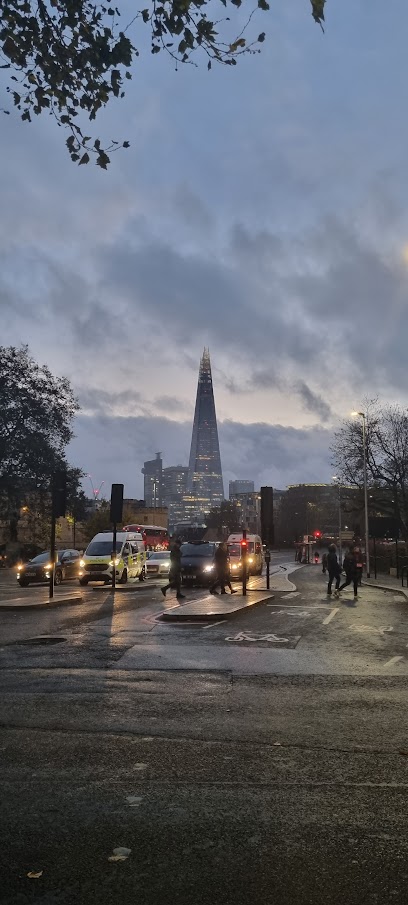
Gift Shop - London Eye Shop
0.4 km
Capture London's magic at the London Eye Gift Shop: exclusive souvenirs, Thames views, and iconic keepsakes from the wheel's base.
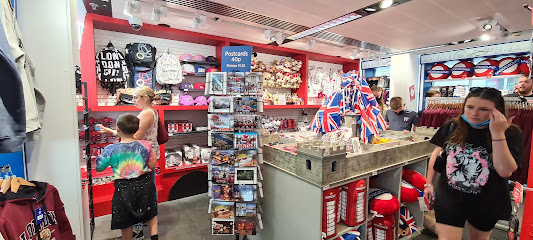
The Giftree London
0.4 km
Discover London's soul in souvenirs, crafts, and conveniences at this Lambeth gem—unique gifts, luggage storage, and local flair await.
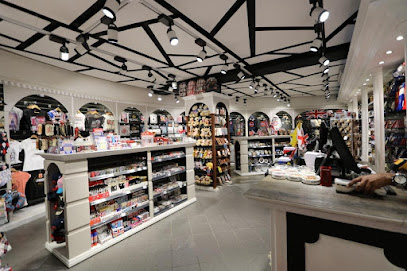
Custom Gifts By Jupiter
0.5 km
Unleash creativity with bespoke gifts and custom decor from this South Bank artisan haven near the Thames and iconic landmarks.
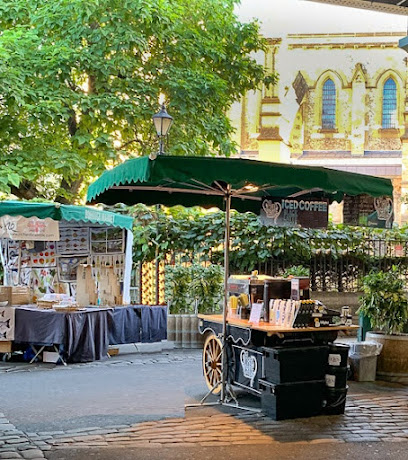
Jubilee Shop (Houses of Parliament Gift Shop)
0.5 km
Discover exclusive British political gifts and souvenirs inside the historic Westminster Hall at the Jubilee Shop, Houses of Parliament.
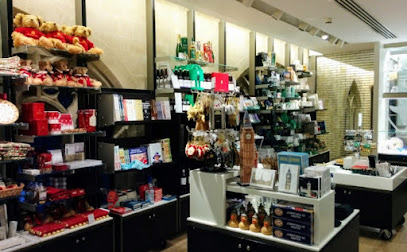
Houses of Parliament Shop
0.6 km
Discover parliamentary pride in souvenirs, books, and gifts at this cozy Bridge Street boutique, steps from Westminster's iconic halls.
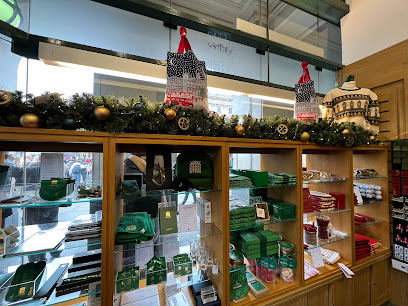
Southbank Centre Shop, Mandela Walk
0.6 km
Discover creative gifts, sustainable homewares, and arts-inspired souvenirs on vibrant Mandela Walk, opposite Royal Festival Hall—a stylish treat amid South Bank's cultural heartbeat.
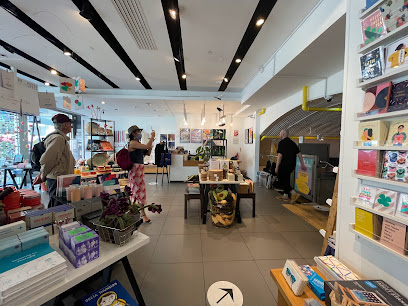
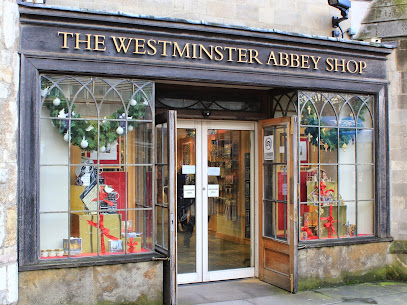
Westminster Abbey Shop
0.8 km
Discover exclusive Abbey-inspired gifts and souvenirs that support Westminster Abbey’s heritage and conservation efforts.
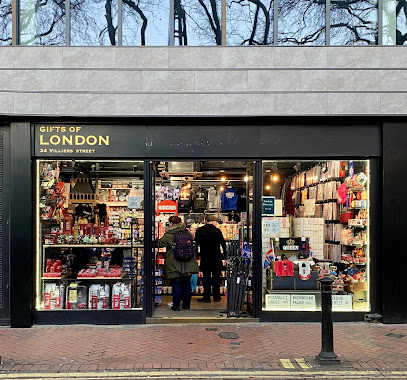
Gifts of London
0.9 km
Discover unique souvenirs and gifts that embody the spirit of London at Gifts of London, your perfect shopping destination.
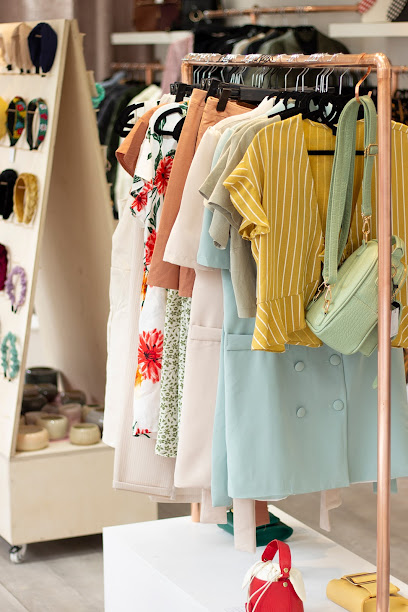
Sugar And Style
1.0 km
Discover design-led fashion accessories in Gabriel's Wharf, London's arty South Bank riverside haven blending style, creativity, and Thames views.
Crest of London Ltd
1.0 km
Discover authentic London souvenirs and local crafts at Crest of London Ltd, your premier gift shop in historic Whitehall.
j-me original design ltd
1.1 km
Whimsical designs with a humorous twist from London's Oxo Tower creative hub – quirky home gifts blending fun, function, and British ingenuity.
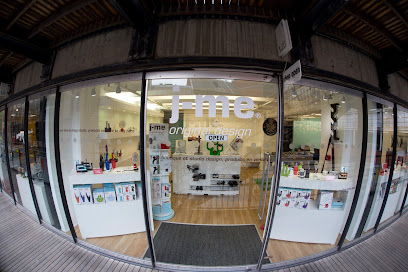
Brand Academy Independent Gift Shop
1.1 km
Dive into a world of whimsical designs and unique finds at this South Bank gem, where global brands meet emerging talents in the heart of Oxo Tower Wharf.
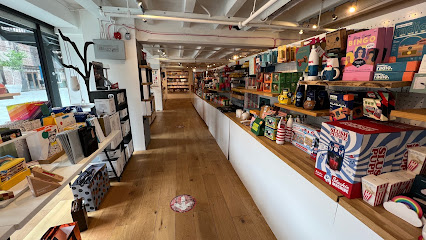
SUCK UK Alternative Gifts (OXO Tower)
1.1 km
Discover quirky, clever gifts and homewares at SUCK UK’s flagship store in London’s iconic OXO Tower.
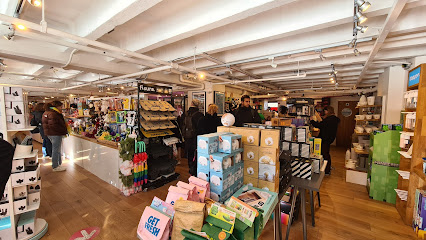
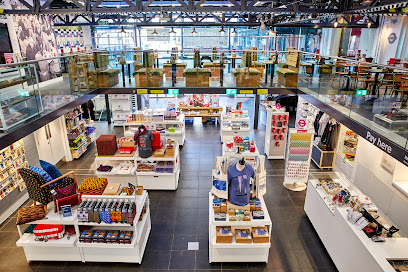
London Transport Museum - Shop
1.3 km
Discover unique transport-themed gifts and iconic London memorabilia at the London Transport Museum Shop in Covent Garden.
Essential bars & hidden hideouts

Primo Bar, London
0.1 km
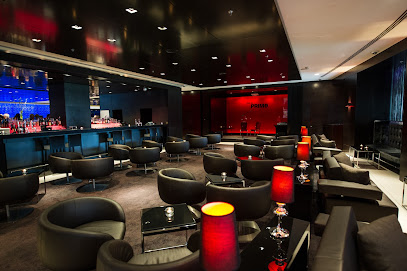
Sophisticated South Bank cocktails and live jazz with Big Ben views—Primo Bar blends daytime lounge ease with electrifying nightly performances in stylish 60s-inspired surrounds.
Waterloo Lost Property Office Speakeasy
0.3 km
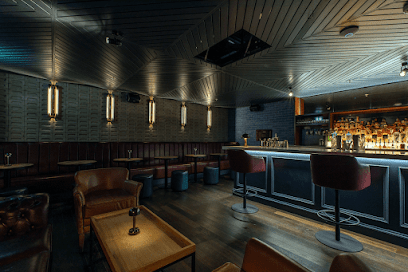
Discover a hidden 1920s-inspired speakeasy in Waterloo serving expertly crafted cocktails in a seductive, vintage setting.
All Bar One Waterloo
0.3 km
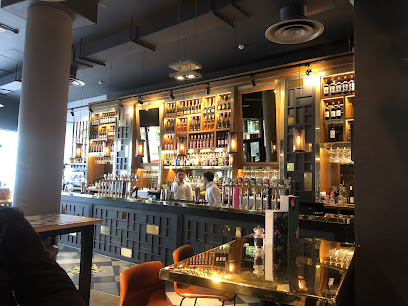
Sophisticated South Bank bar serving creative cocktails, sharing plates, and wines in a lively spot near Waterloo Station and the London Eye.
Slug & Lettuce - County Hall
0.3 km
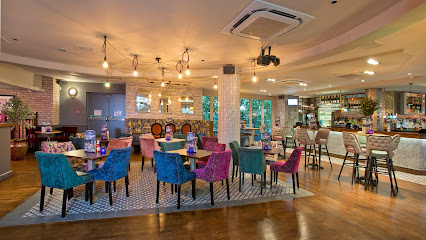
Chic South Bank cocktail haven in County Hall: bottomless brunches, 2-for-1 sips, pub classics, and Thames views for London's liveliest lunches and nights out.
Bar @ 26 Leake Street
0.3 km
Experience London’s vibrant street art and nightlife culture at 26 Leake Street, a unique cocktail bar and event venue in Waterloo’s iconic graffiti tunnels.
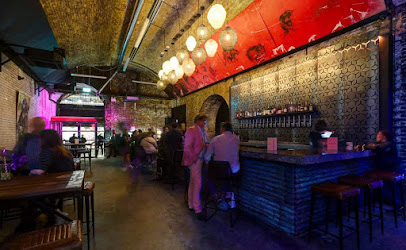
Le Champagne Bar
0.4 km
A compact riverside champagne lounge beside the London Eye—perfect for a celebratory flute and framed Thames views.
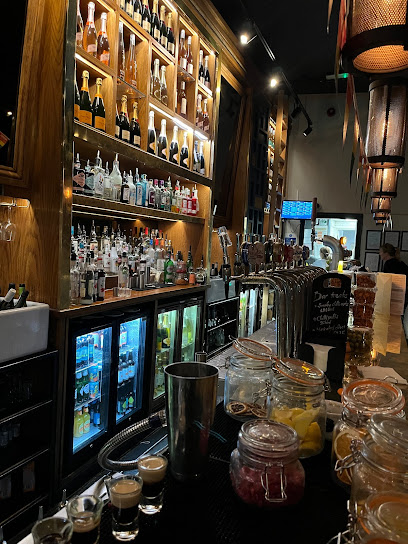
The Thirsty Farrier Cocktail Bar
0.6 km
A vibrant London cocktail bar offering expertly crafted seasonal drinks with scenic riverside views and a welcoming atmosphere.
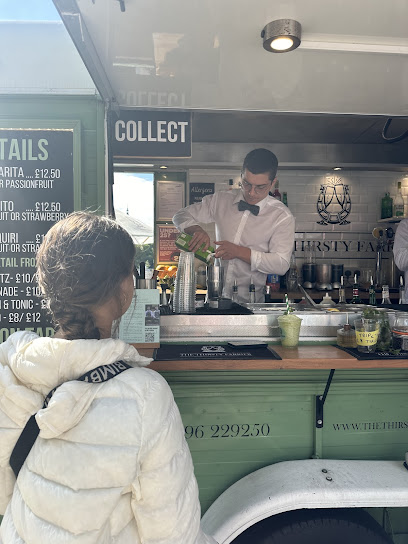
The Red Lion, Parliament Street
0.6 km
A venerable Westminster corner pub — late‑Victorian fittings, political atmosphere and a long history beside Downing Street and Parliament.
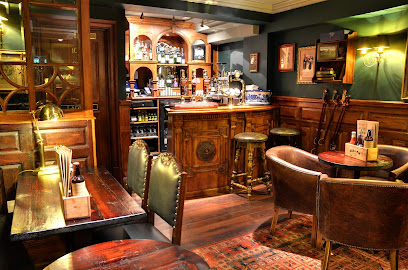
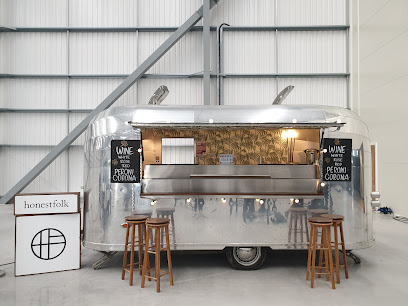
honestfolk Cocktail Bar (Southbank Centre Food Market)
0.7 km
Seasonal cocktails and classics from a cozy mobile bar at Southbank Centre Food Market, where Thames breezes mingle with market buzz and craft libations.
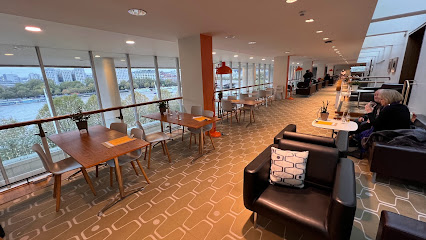
Southbank Centre, Members Bar
0.7 km
Elevated wine bar with Thames panoramas and cultured calm atop Royal Festival Hall—perfect for drinks amid London's arts heartbeat.
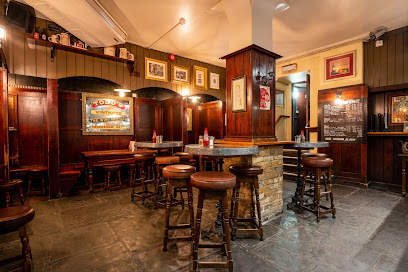
Westminster Arms
0.8 km
Historic Westminster pub with parliamentary division bell, Shepherd Neame ales, and cozy alcoves steps from Abbey and Parliament—timeless British charm in political heart.
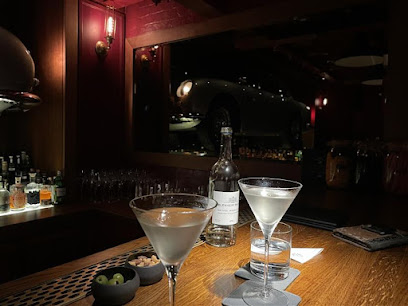
The Spy Bar
0.9 km
Step into London’s secret subterranean bar where espionage history meets masterful cocktails and exclusive, no-photos privacy.
The Understudy
0.9 km
Riverside craft beers, KERB street food, and Thames views at the National Theatre's lively bar – perfect for pre-show bites or late-night hangs on London's South Bank.
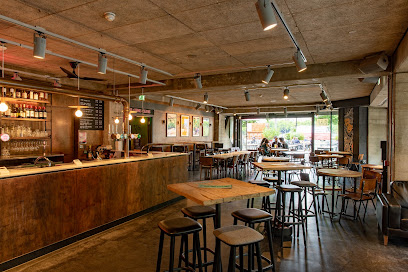
Tamesis Dock
0.9 km
A vibrant floating bar and live music venue on a historic barge with iconic Thames views between Lambeth and Vauxhall Bridges.
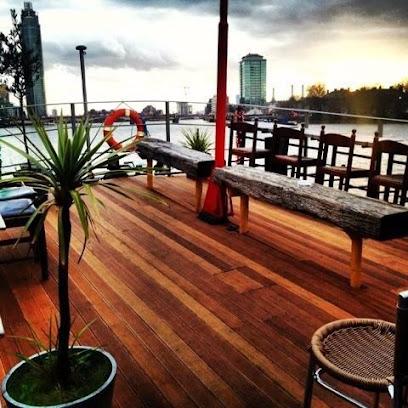
Old Shades
1.0 km
Historic Whitehall pub pouring cask ales and pub classics since 1898, steps from Trafalgar Square—a true taste of London tradition.
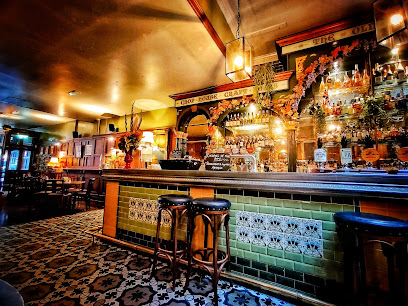
Nightclubs & after hour spots

STRAWBERRY SUNDAE
0.3 km
Retro rave haven in Waterloo Arches: Daytime hardcore beats, 90s DJ legends, and industrial euphoria from midday to midnight.
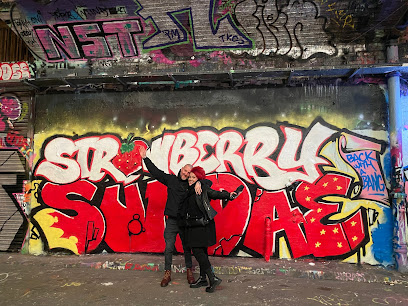
Cirque Du Soul
0.3 km
Dive into Leake Street's graffiti tunnel for soul-stirring electronic nights at this underground nightclub haven.
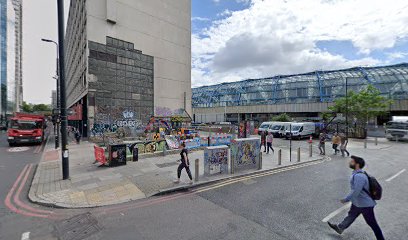
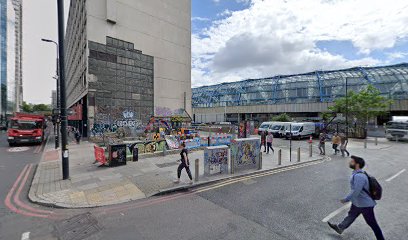
We Are Waterloo
0.3 km
Dive into Leake Street's graffiti heart where street art meets thumping beats in London's ultimate underground nightclub haven.
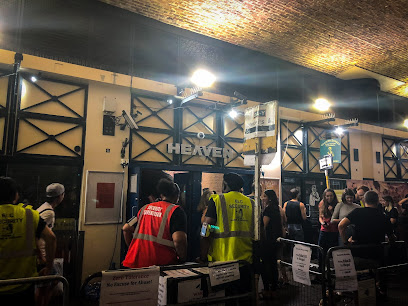
Heaven
1.0 km
London’s iconic gay superclub under the railway arches — big nights, loud music, drag, and late finishes in the heart of the West End.
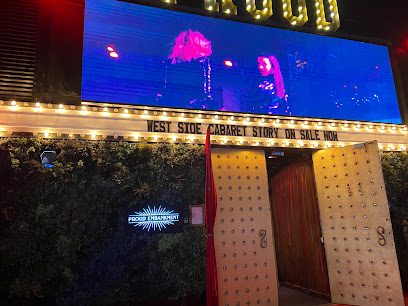
Proud Late
1.1 km
Dive into two-storey glamour under Waterloo Bridge: cabaret acrobatics, burlesque dazzle, supper feasts, and non-stop clubbing till 5am in London's West End nightlife epicenter.
TSQ Club
1.2 km
Dive into Trafalgar Square's nightlife pulse at TSQ Club, where eclectic beats, dazzling lights, and craft cocktails fuel unforgettable weekend nights in London's heart.
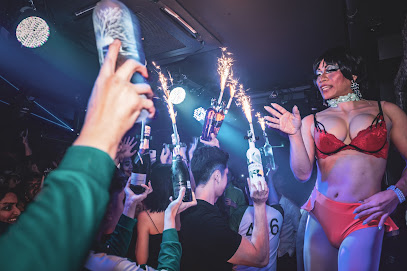
Ministry of Sound
1.3 km
London's legendary dance music cathedral since 1991, where world-class sound systems and global DJs fuel euphoric nights across four pulsing rooms.
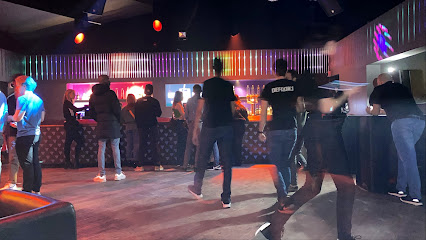
Zoo Bar & Club
1.4 km
Dive into Leicester Square's edgy nightlife hub: two floors of R&B beats, sports screens, and wild energy until 3am at Zoo Bar & Club.
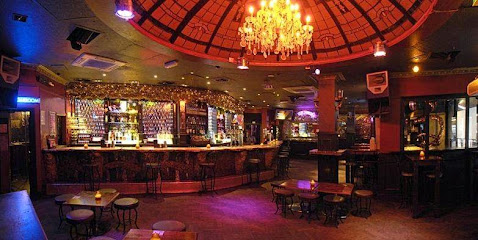
Union
1.5 km
Vauxhall's relentless nightclub heartbeat: techno-fueled nights stretching to dawn in multi-zone bliss along the Thames.
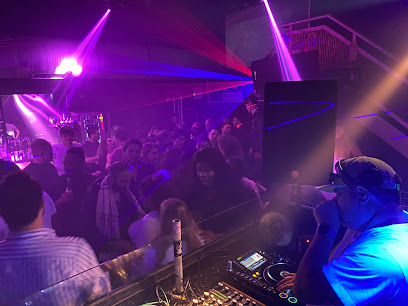
Tiger Tiger London
1.5 km
Experience London’s iconic Haymarket nightclub with six vibrant rooms, lively DJs, and a dynamic party atmosphere just moments from Piccadilly Circus.
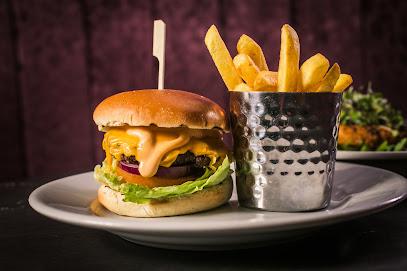
Whatdafunk Presents West End Urban Disco
1.5 km
Dive into London's grooviest urban disco beats at Whatdafunk, where Covent Garden's streets pulse with funk, soul, and non-stop dance energy in the heart of the West End.
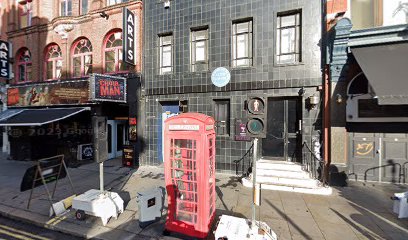
Corsica Studios
1.5 km
Experience London’s underground music pulse at Corsica Studios, where intimate vibes meet exceptional sound beneath historic railway arches.
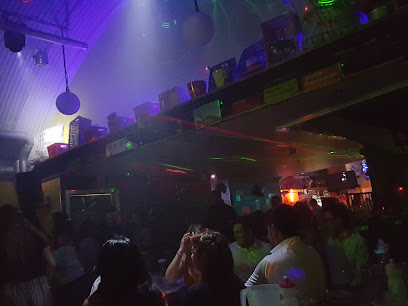
Bootylicious London last Saturday of the month
1.5 km
Late-night Vauxhall institution for raw techno, queer-focused party nights and after-hours clubbing on Albert Embankment.
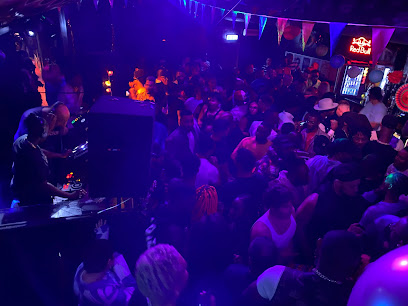
The Penthouse London
1.5 km
A compact, rooftop nightclub above Leicester Square — reached by a side lift, built for late‑night private parties and skyline glimpses.
Luxe Club
1.5 km
Experience London's vibrant nightlife at Luxe Club, a central hotspot for music, dancing, and late-night entertainment.
For the vibe & atmosphere seeker
- Educational
- Tranquil
- Cultural Heritage
- Unique
For the design and aesthetic lover
- Vintage Styles
- Rustic Designs
For the architecture buff
- Historic
- Heritage Neighborhoods
For the view chaser and sunset hunter
- Iconic Views
For the social media creator & influencer
- Instagrammable
- Photo Spots
For the eco-conscious traveler
- Public-Transport Accessible
For the kind of experience you’re after
- Cultural Heritage
- Day Trip
- Photowalk
For how adventurous you want the journey to be
- Easy Access
Location Audience
- Family Friendly
- Senior Friendly
- Child Friendly
- Wheelchair Access
- Solo Friendly
- Couple Friendly
- Vegetarian Friendly
- Vegan Friendly


