
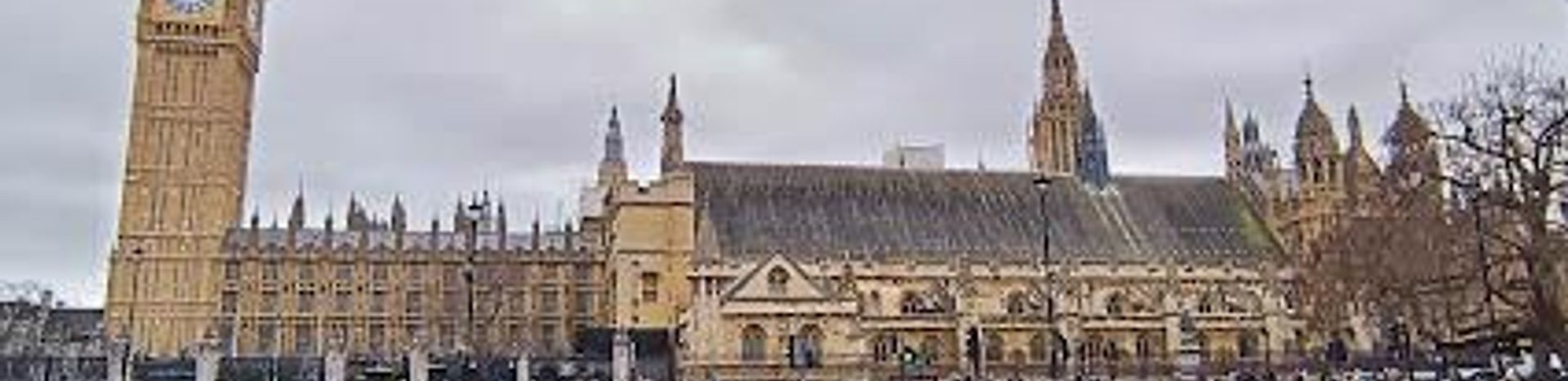
Parliament Square
Where Britain's democratic institutions converge, history breathes, and voices are heard.
Parliament Square is a historic public space at the heart of Westminster, London, featuring a central green garden surrounded by Britain's most iconic institutions. Home to twelve bronze statues honoring global leaders and political figures, the square sits at the intersection of the Houses of Parliament, Westminster Abbey, the Supreme Court, and Whitehall. Laid out in 1868 to improve traffic flow around the Palace of Westminster, it has evolved into both a major tourist destination and a focal point for national ceremonies, protests, and public demonstrations.
A brief summary to Parliament Sq
- London, GB
- Duration: 0.75 to 2.5 hours
- Free
-
 Outdoor
- Mobile reception: 5 out of 5
Local tips
- Visit early in the morning before 9 AM for fewer crowds and optimal photography conditions, particularly for capturing Big Ben and the Houses of Parliament without throngs of tourists.
- Position yourself near the iconic red K2 telephone box across from Parliament Square Garden for the quintessential Big Ben backdrop—a photographer's essential shot.
- Check the parliamentary calendar before visiting; the square may host official ceremonies or be affected by security measures during significant state events or parliamentary sessions.
- Allow time to read the plaques and inscriptions on each statue; they provide fascinating context about the figures honored and their historical significance to British and world politics.
- Use Parliament Square as a hub to explore the surrounding Westminster heritage sites—Westminster Abbey, the Houses of Parliament, and the Supreme Court are all immediately adjacent.

For the on-the-go comforts that matter to you
- Restrooms
- Drink Options
- Food Options
- Seating Areas
- Information Boards
- Trash Bins
Getting There
-
Underground (Tube)
Westminster Station (District, Circle, and Jubilee lines) is the closest and most direct option, located immediately adjacent to Parliament Square. Journey time from central London varies by starting point but typically ranges from 5–15 minutes depending on your origin. Single fares within central London zones cost approximately £1.75–£2.80. The station exit places you directly at the square's entrance.
-
Bus
Multiple bus routes serve the area, including routes 3, 11, 12, 24, 29, 53, 77A, 87, and 88, all stopping at Parliament Square or nearby Whitehall. Journey times from central London typically range from 15–30 minutes depending on traffic and starting location. A single bus fare costs £1.75 within central London. Buses offer a scenic alternative with views of London's streets.
-
Walking
Parliament Square is highly accessible on foot from most central London locations. From Trafalgar Square, the walk takes approximately 10–12 minutes heading south through Whitehall. From the South Bank, crossing Westminster Bridge takes about 8–10 minutes. The surrounding streets are flat, well-paved, and clearly signposted. Walking allows you to experience the Westminster neighborhood's architectural grandeur and discover adjacent heritage sites.
-
Taxi or Ride-Share
Black cabs and ride-sharing services (Uber, Bolt) operate throughout London and can deliver you directly to Parliament Square. Typical fares from central London locations range from £8–£20 depending on distance and traffic conditions. Journey times vary significantly with congestion but typically range from 10–25 minutes. Note that the square itself has limited vehicle access due to security measures and traffic restrictions.
Parliament Sq location weather suitability
-
 Any Weather
Discover more about Parliament Sq
A Monument to Democratic Ideals
Parliament Square represents the four pillars of British governance arranged symbolically around its perimeter: the legislature to the east in the Houses of Parliament, the executive to the north on Whitehall, the judiciary to the west in the Supreme Court, and the church to the south with Westminster Abbey. This deliberate spatial arrangement transforms the square into a physical manifestation of constitutional balance and democratic principle. The square itself has been recognized as a UNESCO World Heritage Site, part of the Palace of Westminster and Westminster Abbey inscription granted in 1987 for its outstanding architectural, historic, and symbolic significance.From Medieval Monastery to Victorian Innovation
The history of this location stretches back over a thousand years. Benedictine monks arrived around 960 AD to establish a monastery on what was then a marshy, flood-prone island called Thorney Island. This monastic settlement eventually evolved into Westminster Abbey. The area remained largely unchanged until the great fire of 1834 destroyed most of the medieval Westminster Palace. Sir Charles Barry won the competition to design the replacement, creating the magnificent neo-Gothic Houses of Parliament completed in 1852, with the iconic Clock Tower housing Big Ben finished in 1858. The square itself was formally laid out in 1868 as part of Barry's vision to open up the space and improve traffic circulation. Remarkably, Parliament Square hosted the world's first traffic light in 1868, a pioneering safety innovation positioned near the Churchill statue in the northeast corner.The Gallery of Statesmen and Global Leaders
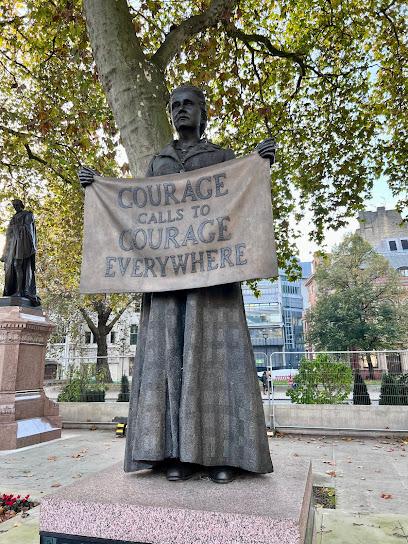
Twelve bronze statues populate Parliament Square, each telling a story of political influence and historical significance. The oldest monument is George Canning, the former Prime Minister who served for only five months in 1827 before dying of pneumonia. His statue, originally unveiled in 1832, was moved to the square in 1867 and marked the beginning of the square's transformation into an outdoor memorial gallery. The Victorian era saw the addition of four prime ministers: Canning, Edward Stanley (Earl of Derby, 1874), Benjamin Disraeli (1883), and Robert Peel (1876), all created by renowned sculptors of the period and standing on granite pedestals with bronze reliefs. Sir Winston Churchill's bronze statue, created by sculptor Ivor Roberts-Jones in 1973, occupies the northeast corner—the very spot Churchill himself selected when shown redevelopment plans as Prime Minister. The twentieth century brought international figures: Abraham Lincoln, added to celebrate Anglo-American friendship a century after the War of 1812; Nelson Mandela (2007), whose statue was added following sustained public pressure; Mahatma Gandhi (2015), unveiled to commemorate 100 years since Gandhi left South Africa to begin his independence campaign; and Millicent Fawcett, the only woman among the statues, added after considerable public advocacy for female representation.Post-War Redesign and Modern Character
Following significant bomb damage during the Second World War, architect George Grey Wornum was commissioned in 1948 to redesign the square into the form largely seen today. The Parliament Square (Improvements) Act 1949 authorized the transformation, which included creating a central garden island with formal paved walkways, a square lawn, and seating areas on the northern and western edges. This redesign required the removal of the Victorian Buxton Memorial Fountain, which was relocated to nearby Victoria Tower Gardens in 1957. The square was formally listed as a Grade II Registered Garden of Special Historic Interest in 1996 and designated as part of the Westminster Abbey and Parliament Square Conservation Area in 1987.A Stage for National Expression
Beyond its role as a tourist attraction, Parliament Square has served as a vital platform for public expression and national ceremony. The square forms part of the ceremonial route between Westminster Abbey and Westminster Hall, hosting coronation processions of monarchs since 1066. In modern times, it has become equally renowned as a site for protests and demonstrations, reflecting its position at the symbolic heart of British democracy. The east side, opposite the main entrance to the Palace of Westminster, has historically attracted activists and campaigners. Notable demonstrations include the May Day 2000 Reclaim the Streets guerrilla gardening action, which temporarily transformed the square into a giant allotment, and Brian Haw's multi-year protest against British and American military action in Iraq. This duality—simultaneously a place of ceremonial reverence and democratic dissent—defines the square's contemporary character.Iconic landmarks you can’t miss

Millicent Garrett Fawcett Statue
0.0 km
Honoring Millicent Garrett Fawcett, the first woman commemorated in Parliament Square, inspiring equality through her iconic statue and legacy.
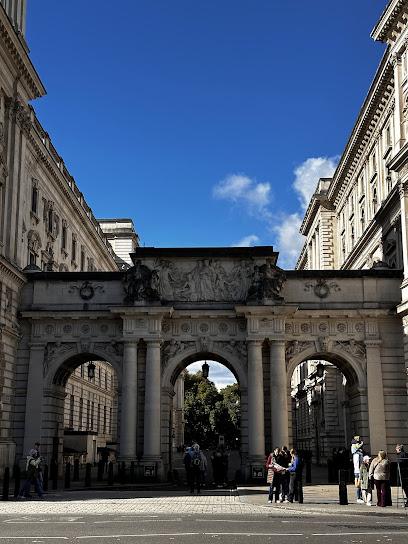
King Charles Street
0.1 km
Explore King Charles Street, a historic London government hub famed for its grand Victorian architecture and pivotal role in British political life.
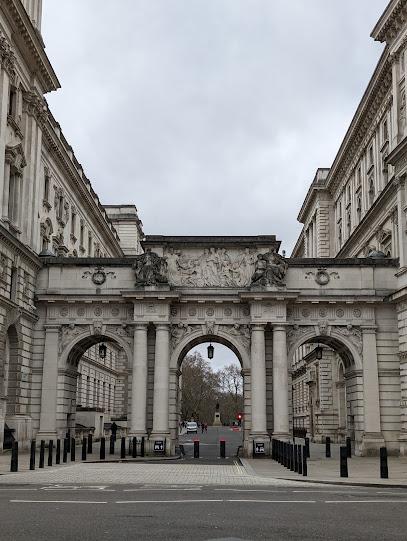
King Charles Street Arch
0.1 km
A grand 1908 triple-arched gateway in London’s Whitehall, rich in sculptural detail and historical significance.
Westminster Hall
0.1 km
Step into Westminster Hall, a majestic medieval masterpiece that has witnessed a millennium of British history, law, and monarchy.
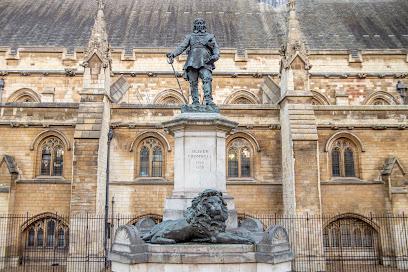
Statue of Oliver Cromwell
0.2 km
A commanding bronze tribute to Oliver Cromwell, standing outside Westminster Hall as a symbol of Britain’s turbulent 17th-century history and contested legacy.
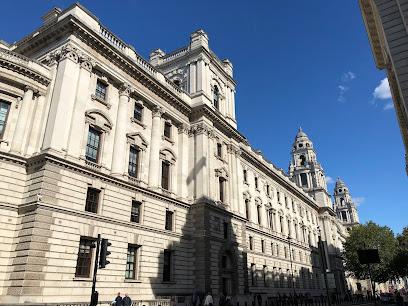
His Majesty's Treasury
0.2 km
The historic and strategic heart of the UK government’s economic policy, located in the iconic government district of Westminster, London.
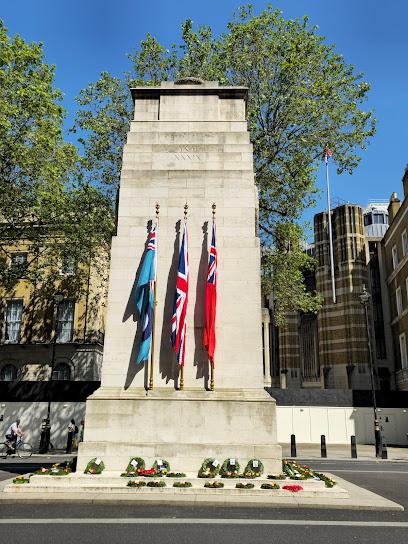
The Cenotaph
0.2 km
Britain’s national war memorial in Whitehall, a solemn tribute to the fallen of the World Wars and later conflicts.
Clive of India Memorial
0.2 km
A towering Edwardian statue in London commemorating Robert Clive, founder of British rule in India, embodying imperial triumph and controversy.
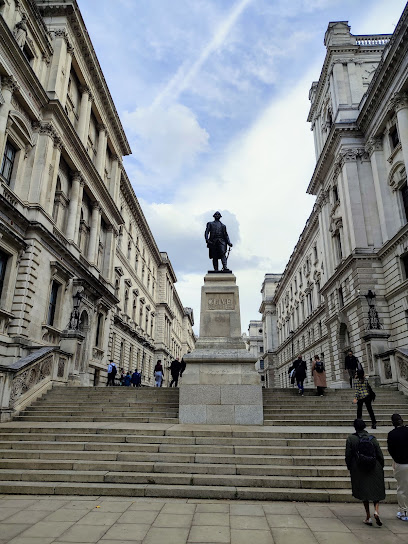
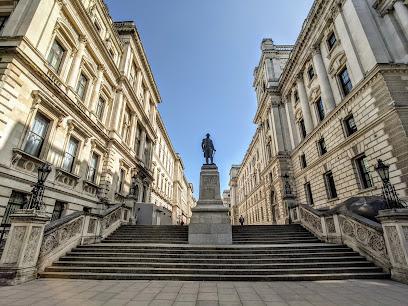
Clive Steps
0.2 km
A Grade II-listed bronze statue commemorating the controversial architect of British imperial power in India.
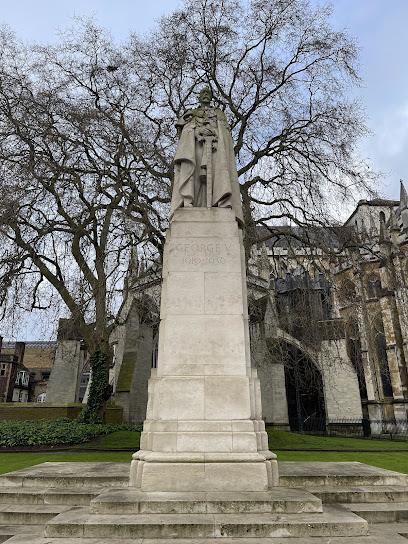
Statue of George V
0.2 km
A dignified white Portland stone statue honoring King George V, standing proudly in Westminster’s historic Old Palace Yard.
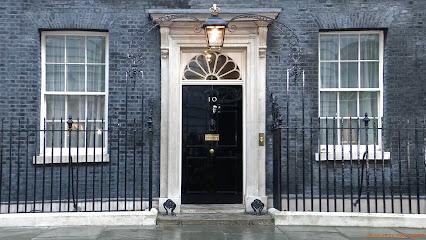
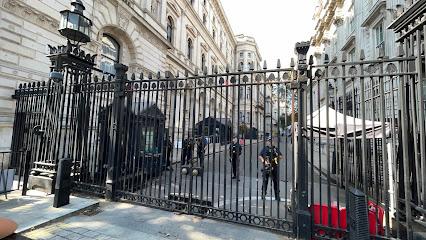
10 Downing Street
0.3 km
Iconic London residence and office of the UK Prime Minister, steeped in centuries of political history and power.
10 Downing St
0.3 km
Discover the historic seat of British leadership, where iconic moments and political power converge behind the famous black door.
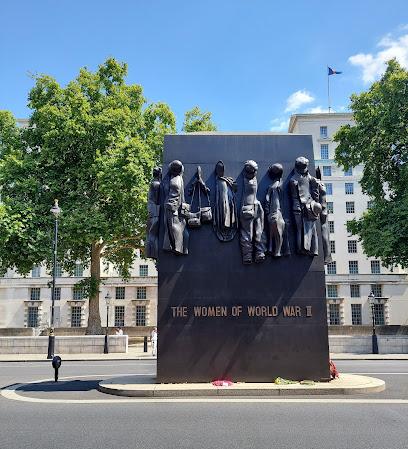
The Women of World War II
0.3 km
A powerful bronze tribute in Whitehall honoring over seven million British women’s vital roles during World War II.
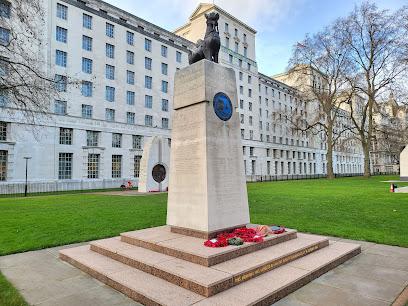
Chindit Memorial
0.3 km
A solemn tribute in London honoring the daring Chindit special forces and their leader Major General Orde Wingate’s legacy.
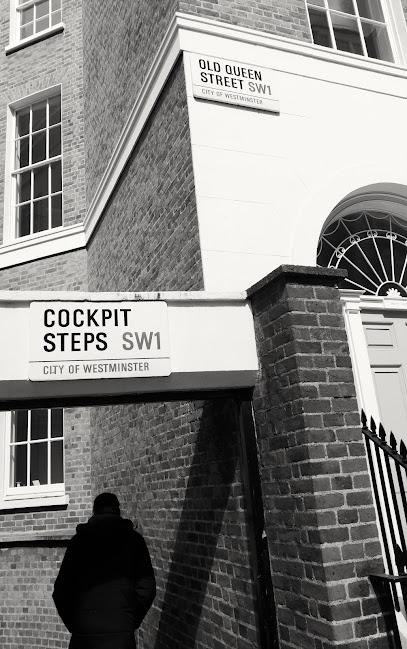
Cockpit Steps
0.3 km
Discover Cockpit Steps, a hidden historic passage in Westminster where London’s royal cockfighting past meets ghostly legend and quiet charm.
Unmissable attractions to see

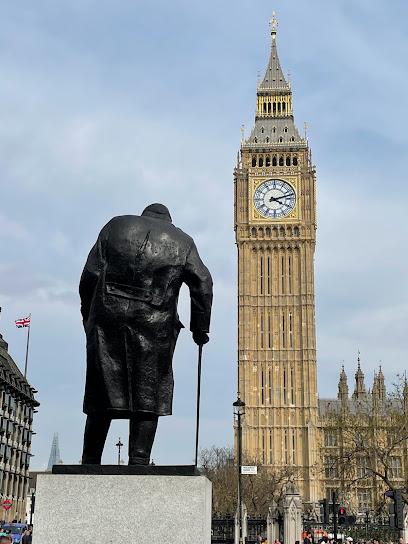
Sir Winston Churchill statue
0.0 km
Iconic bronze statue of Winston Churchill in Parliament Square, symbolizing British resilience and leadership during World War II.
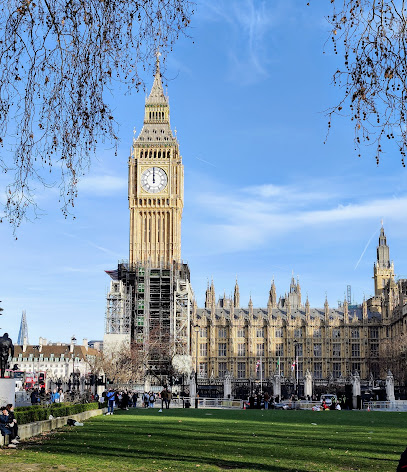
Parliament Square Garden
0.1 km
A historic green oasis in Westminster, offering iconic views and monuments at the heart of London’s political heritage.
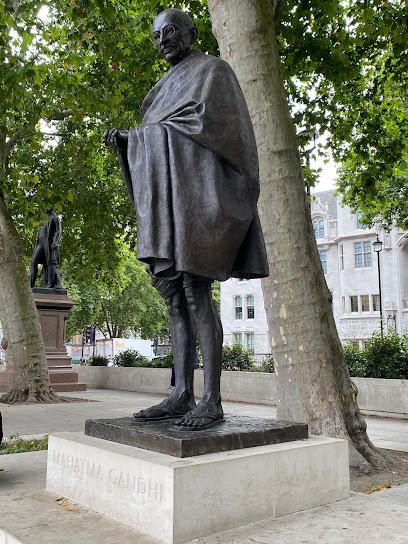
Mahatma Gandhi statue
0.1 km
A dignified bronze tribute to Gandhi’s peaceful legacy, standing humbly among world leaders in the heart of London’s historic Parliament Square.
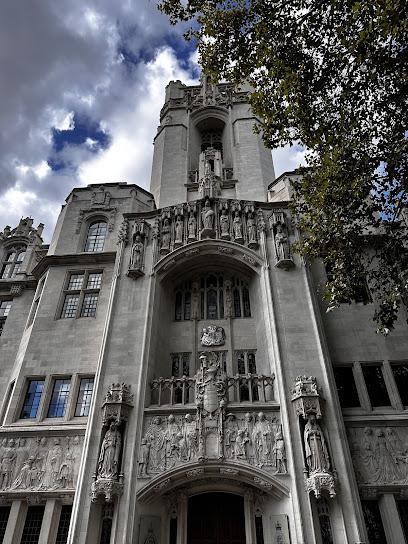
The Supreme Court
0.1 km
Explore the UK's highest court in a stunning neo-Gothic building at the heart of London’s political and judicial district.
Bridge St
0.1 km
Historic Bridge Street in London offers riverside views, rich heritage, and vibrant urban life beside the iconic London Bridge.
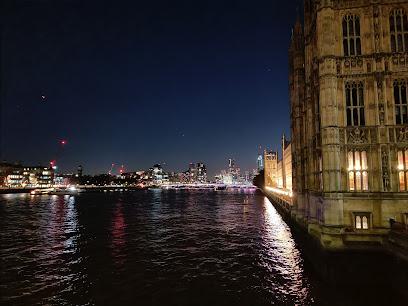
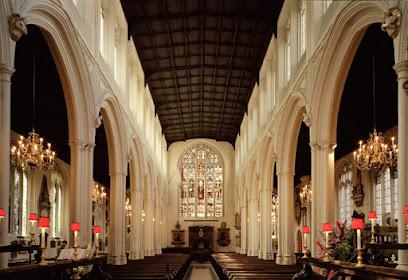
St Margaret's Church
0.1 km
Explore the serene St Margaret's Church, a historic Anglican church in London, next to Westminster Abbey, rich in history and stunning architecture.
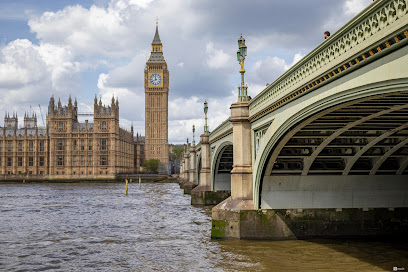
Big Ben
0.2 km
Explore Big Ben, London's iconic clock tower, a cultural landmark and symbol of British history, attracting millions of tourists each year.
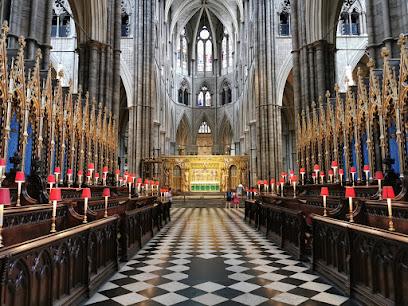
Westminster Abbey
0.2 km
Discover the majestic Gothic abbey where British monarchs have been crowned since 1066 and history echoes through every stone.
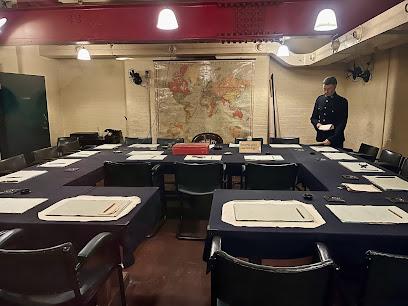
Churchill War Rooms
0.2 km
Britain's secret wartime headquarters where Churchill directed the fight against Nazi tyranny from underground bunkers beneath Westminster.
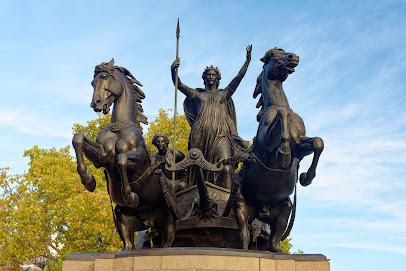
Boadicea and Her Daughters
0.2 km
A commanding bronze tribute to Boudica, the fierce Celtic queen, standing proud on her chariot beside Westminster Bridge in the heart of London.
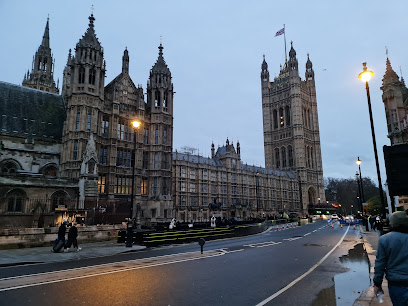
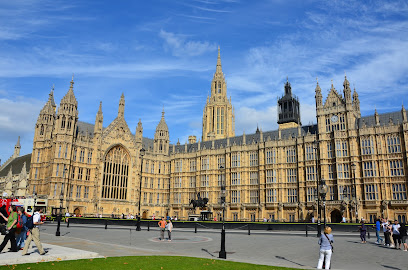
Palace of Westminster
0.2 km
Discover the architectural splendor and historical significance of the Palace of Westminster, the iconic heart of British democracy in London.
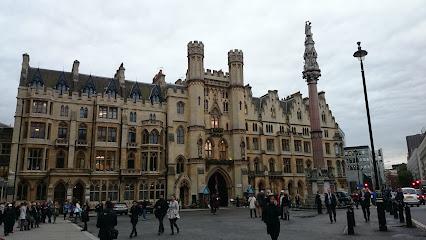
The Sanctuary
0.2 km
Historic charm meets modern comfort in the heart of Westminster, with cozy rooms, a classic pub, and sustainable hospitality.
Westminster Millennium Pier
0.2 km
Experience London's iconic riverfront from Westminster Millennium Pier, your gateway to historic landmarks and scenic Thames cruises.
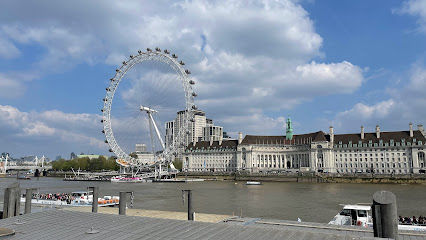
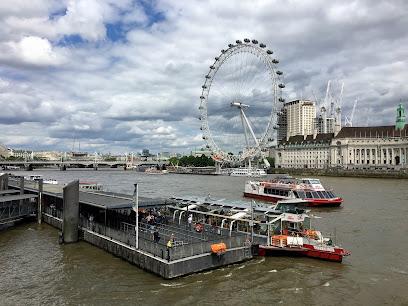
Westminster Pier
0.2 km
A vibrant river gateway beside iconic London landmarks, Westminster Pier invites you to explore the Thames and historic city sights from the water.
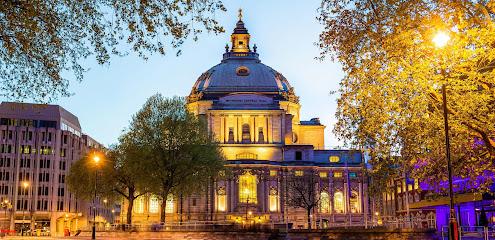
Central Hall Westminster
0.3 km
Iconic Grade II* listed venue with Europe’s largest self-supporting dome, hosting historic and modern events in central London.
Essential places to dine

The Pem
0.5 km
Elegant modern British dining in Westminster, honoring heritage with exquisite seasonal menus and refined ambiance.
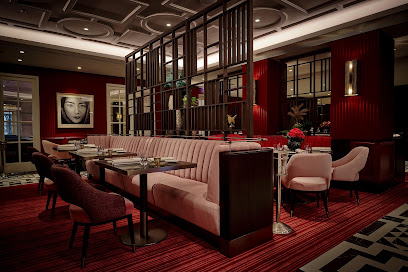
Caxton Grill
0.5 km
Refined British grill cuisine with fresh rooftop garden produce in a relaxed Westminster setting inside St Ermin’s Hotel.
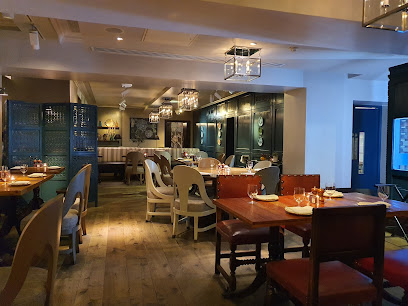
Ma La Sichuan
0.5 km
Experience authentic, boldly spiced Sichuan cuisine in the heart of Westminster with vibrant flavors and a welcoming atmosphere.
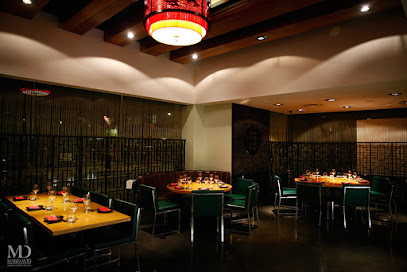
Ekstedt at The Yard
0.6 km
Experience Nordic wood-fired cuisine by Michelin-starred chef Niklas Ekstedt in the historic Great Scotland Yard Hotel, blending ancient fire cooking with British seasonal ingredients.
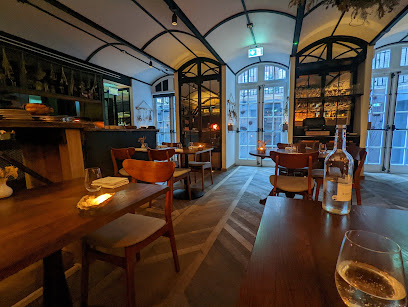
OKAN South Bank
0.6 km
Experience authentic Osaka-style okonomiyaki and Japanese street food in a cozy, lively South Bank eatery with friendly service and a nostalgic vibe.
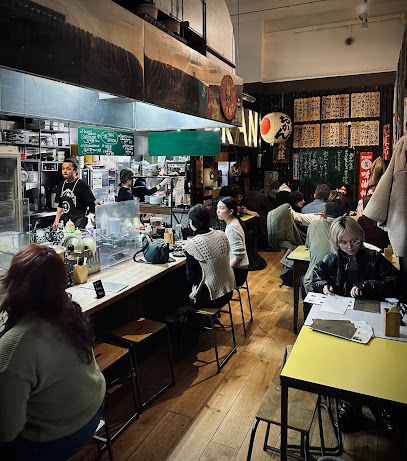
Troia Southbank
0.6 km
Experience authentic Mediterranean and Middle Eastern cuisine with halal options in a vibrant riverside setting near the London Eye.
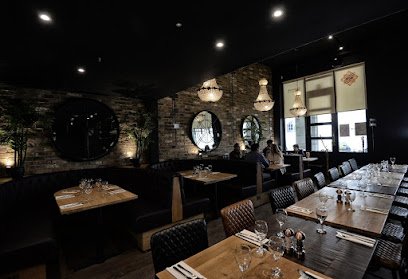
Osteria dell'Angolo
0.6 km
Classic Italian flavors and fresh pasta in a warm, elegant Westminster setting with attentive service and a visible kitchen.
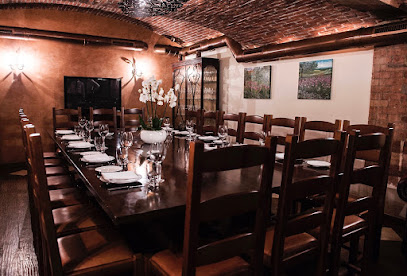
The Garden
0.7 km
A Mediterranean-inspired garden oasis offering refined seafood and elegant dining in the heart of London’s Corinthia Hotel.
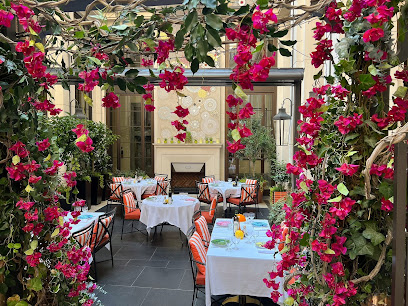
The Northall
0.7 km
Refined British dining with seasonal flair in a grand, elegant setting at Corinthia London’s distinguished restaurant.
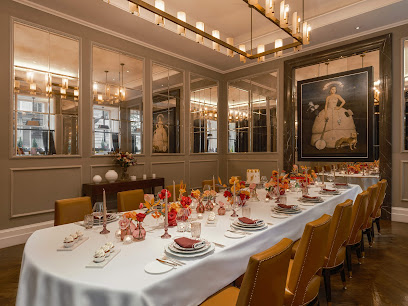
Mio Restaurant & Bar
0.7 km
Authentic Italian flavors and warm hospitality await you in this cozy central London gem with generous portions and great value.
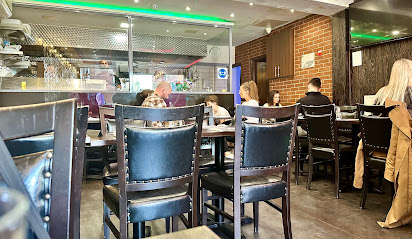
Chez Antoinette Victoria
0.7 km
Authentic French bistro in London’s Victoria offering classic Lyonnais and Parisian dishes in a cozy, Parisian-style setting.
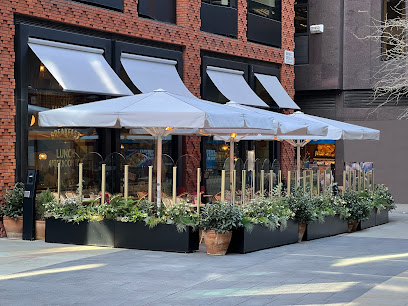
Sapori
0.7 km
Enjoy authentic Italian cuisine with generous portions and a lively atmosphere in the heart of Westminster, London.
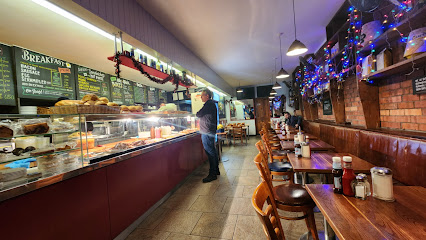
Colosseo Restaurant
0.7 km
Experience authentic Italian flavors and warm hospitality in the heart of London’s Victoria at Colosseo Restaurant.
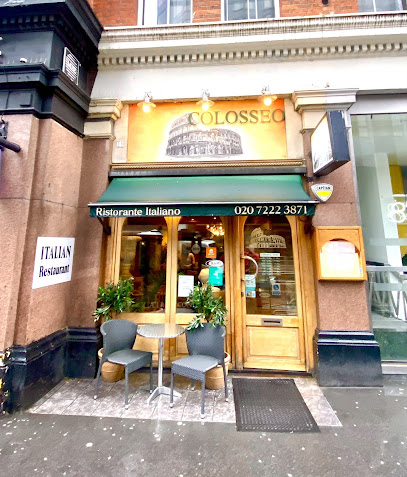
Park Plaza London Westminster Bridge
0.7 km
Stylish 4-star hotel on London’s South Bank with exceptional dining, event spaces, and modern amenities near iconic landmarks.
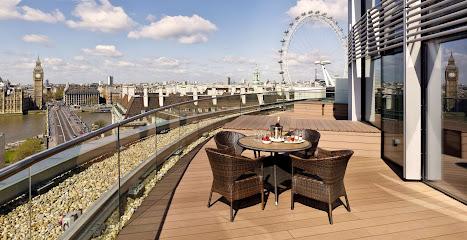
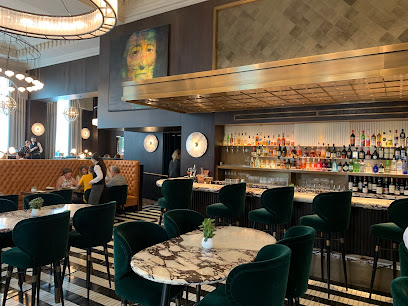
Wild Honey St James
0.8 km
Michelin-starred French-influenced cooking in a Grade II-listed banking hall, where refined technique meets understated elegance.
Markets, malls and hidden boutiques

Houses of Parliament Shop
0.1 km
Discover parliamentary pride in souvenirs, books, and gifts at this cozy Bridge Street boutique, steps from Westminster's iconic halls.
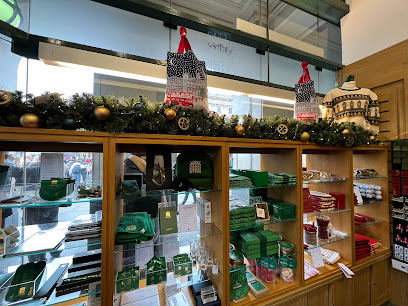
Jubilee Shop (Houses of Parliament Gift Shop)
0.1 km
Discover exclusive British political gifts and souvenirs inside the historic Westminster Hall at the Jubilee Shop, Houses of Parliament.
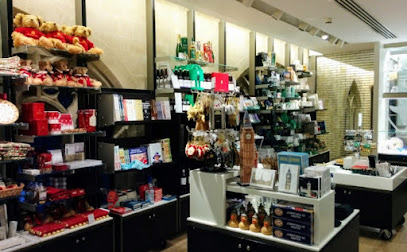
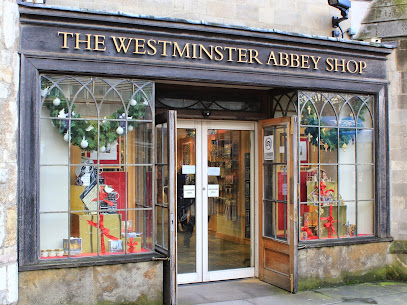
Westminster Abbey Shop
0.2 km
Discover exclusive Abbey-inspired gifts and souvenirs that support Westminster Abbey’s heritage and conservation efforts.
Browns of London
0.5 km
Explore Browns of London for unique handcrafted gifts and local treasures in the heart of the city, perfect for memorable souvenirs from your travels.
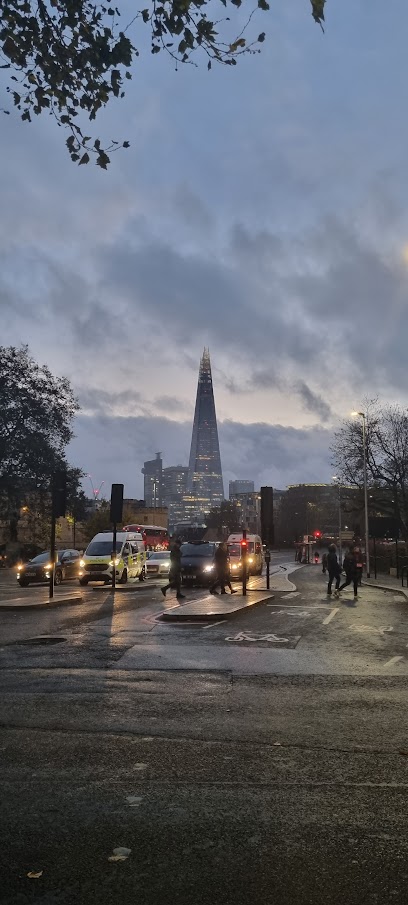
Gift Shop - London Eye Shop
0.6 km
Capture London's magic at the London Eye Gift Shop: exclusive souvenirs, Thames views, and iconic keepsakes from the wheel's base.
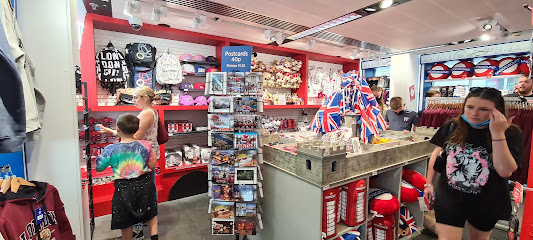
Crest of London Ltd
0.7 km
Discover authentic London souvenirs and local crafts at Crest of London Ltd, your premier gift shop in historic Whitehall.
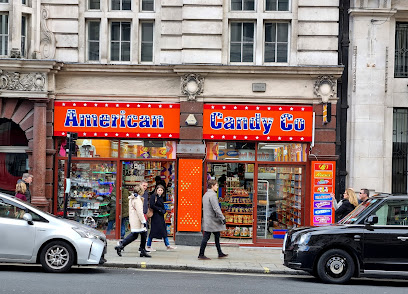
Custom Gifts By Jupiter
0.7 km
Unleash creativity with bespoke gifts and custom decor from this South Bank artisan haven near the Thames and iconic landmarks.
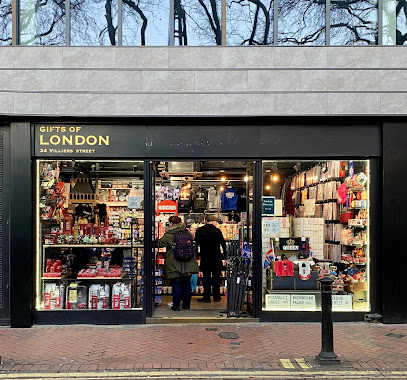
Gifts of London
0.8 km
Discover unique souvenirs and gifts that embody the spirit of London at Gifts of London, your perfect shopping destination.
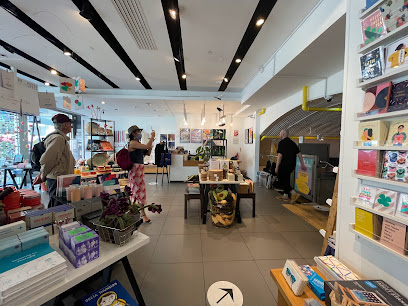
Southbank Centre Shop, Mandela Walk
0.8 km
Discover creative gifts, sustainable homewares, and arts-inspired souvenirs on vibrant Mandela Walk, opposite Royal Festival Hall—a stylish treat amid South Bank's cultural heartbeat.
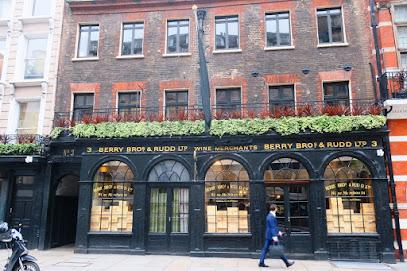
Berry Bros. & Rudd Wine Shop
0.9 km
London’s oldest family-run wine merchant since 1698, blending royal tradition with expert wine and spirits in a historic Pall Mall setting.
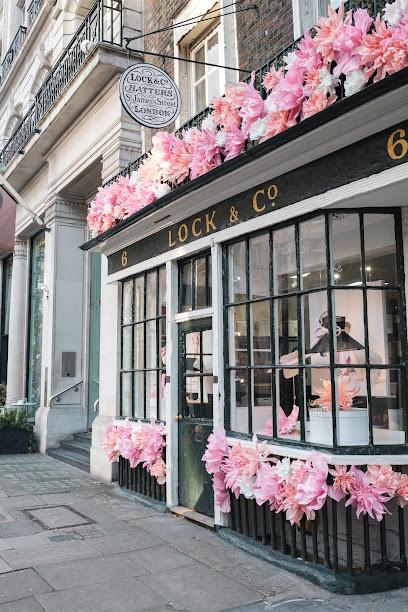
Lock & Co. Hatters
0.9 km
Discover the world’s oldest hat shop, where centuries of British style and craftsmanship come to life in the heart of London.
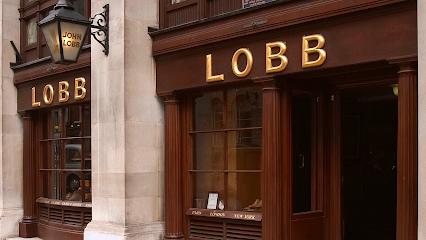
John Lobb St. James
1.0 km
Where 170 years of royal patronage meets handcrafted perfection in every stitch.
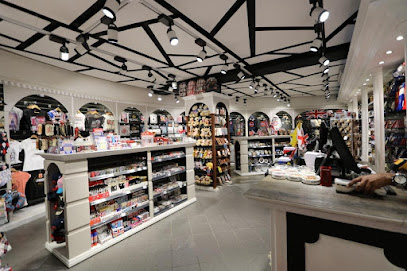
The Giftree London
1.0 km
Discover London's soul in souvenirs, crafts, and conveniences at this Lambeth gem—unique gifts, luggage storage, and local flair await.
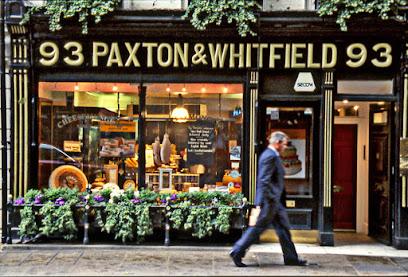
Paxton & Whitfield Ltd
1.1 km
London’s oldest cheesemonger, serving artisan cheese with royal heritage and timeless charm.
Jermyn St
1.1 km
Discover Jermyn Street, London’s historic menswear enclave blending timeless craftsmanship with contemporary style and refined elegance.
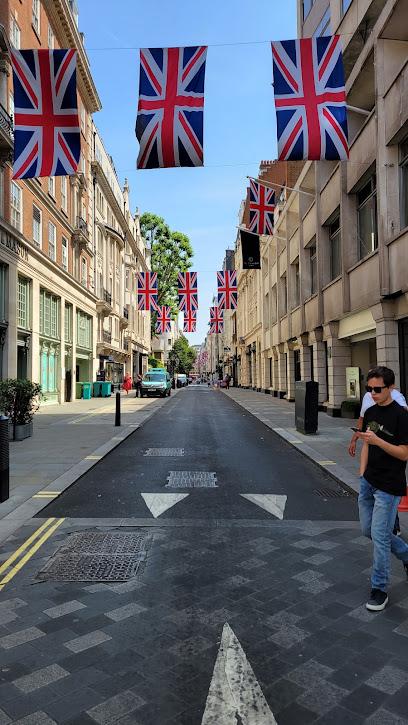
Essential bars & hidden hideouts

The Red Lion, Parliament Street
0.1 km
A venerable Westminster corner pub — late‑Victorian fittings, political atmosphere and a long history beside Downing Street and Parliament.
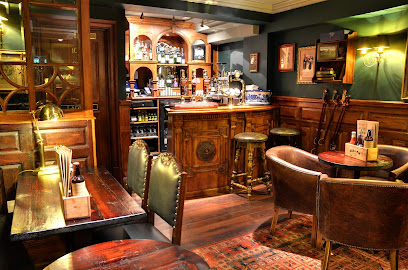
Westminster Arms
0.2 km
Historic Westminster pub with parliamentary division bell, Shepherd Neame ales, and cozy alcoves steps from Abbey and Parliament—timeless British charm in political heart.
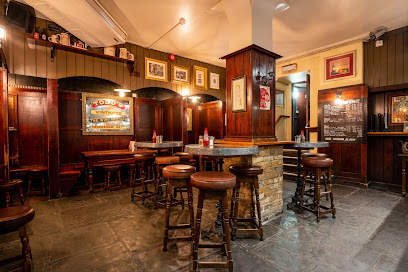
Two Chairmen
0.3 km
Traditional Westminster pub serving hearty pies, fresh ales, and classic British cheer just steps from St. James's Park and Parliament.
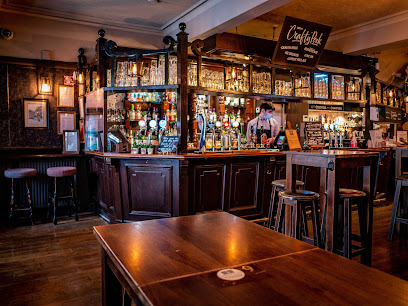
Blue Boar Pub
0.4 km
Traditional Westminster pub serving hearty British classics in a cozy, historic setting near Abbey and Parliament—perfect for ales, roasts, and relaxed evenings.
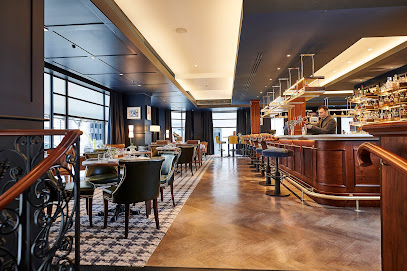
The Spy Bar
0.5 km
Step into London’s secret subterranean bar where espionage history meets masterful cocktails and exclusive, no-photos privacy.
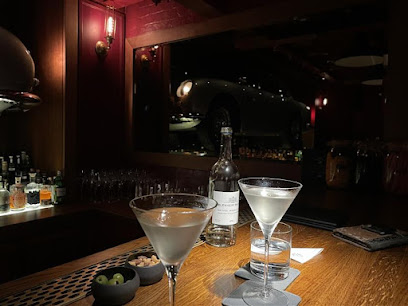
Le Champagne Bar
0.6 km
A compact riverside champagne lounge beside the London Eye—perfect for a celebratory flute and framed Thames views.
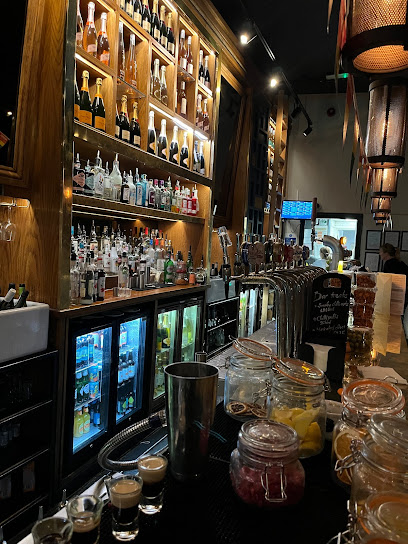
Old Shades
0.6 km
Historic Whitehall pub pouring cask ales and pub classics since 1898, steps from Trafalgar Square—a true taste of London tradition.
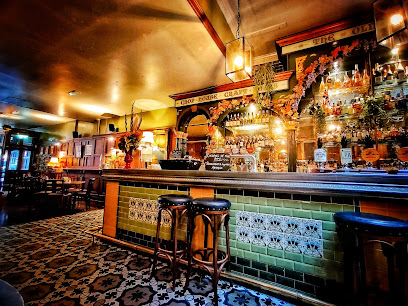
Adam & Eve
0.6 km
Classic Westminster pub pouring real ales and hearty grub amid historic streets—a cozy haven near Parliament and the Abbey for authentic London pints.
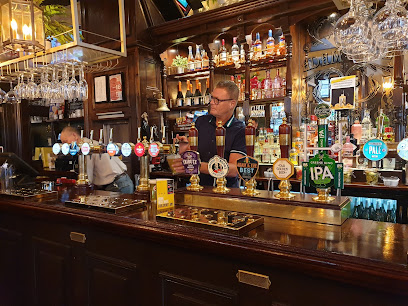
Primo Bar, London
0.7 km
Sophisticated South Bank cocktails and live jazz with Big Ben views—Primo Bar blends daytime lounge ease with electrifying nightly performances in stylish 60s-inspired surrounds.
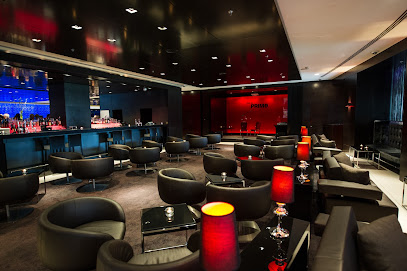
All Bar One Waterloo
0.7 km
Sophisticated South Bank bar serving creative cocktails, sharing plates, and wines in a lively spot near Waterloo Station and the London Eye.
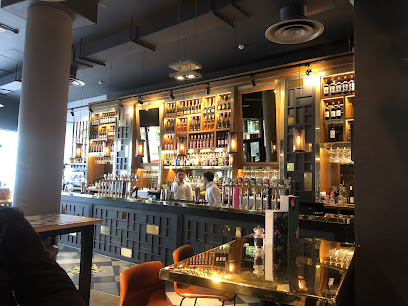
The Thirsty Farrier Cocktail Bar
0.7 km
A vibrant London cocktail bar offering expertly crafted seasonal drinks with scenic riverside views and a welcoming atmosphere.
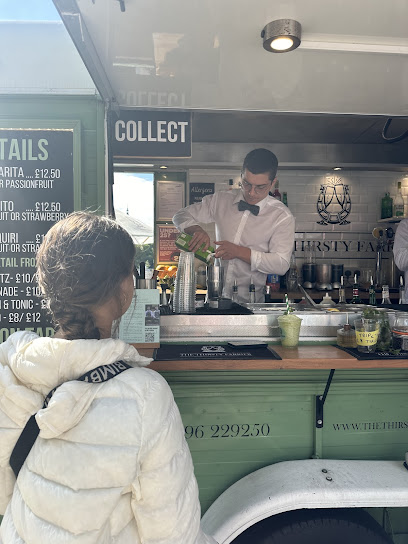
Slug & Lettuce - County Hall
0.7 km
Chic South Bank cocktail haven in County Hall: bottomless brunches, 2-for-1 sips, pub classics, and Thames views for London's liveliest lunches and nights out.
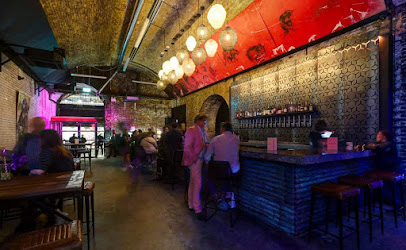
Bar @ 26 Leake Street
0.8 km
Experience London’s vibrant street art and nightlife culture at 26 Leake Street, a unique cocktail bar and event venue in Waterloo’s iconic graffiti tunnels.
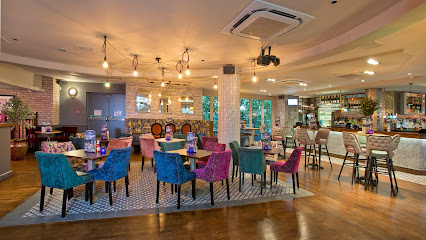
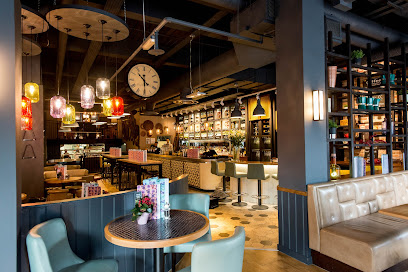
All Bar One Victoria
0.8 km
Sophisticated wines, global bites, and lively vibes on Victoria Street – London's go-to for stylish drinks and casual feasts near Westminster's heart.
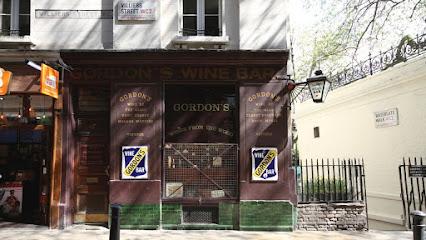
Gordon's Wine Bar
0.8 km
Step into London's oldest wine bar, where history, candlelight, and award-winning wines create an unforgettable cellar experience.
Nightclubs & after hour spots

TSQ Club
0.7 km
Dive into Trafalgar Square's nightlife pulse at TSQ Club, where eclectic beats, dazzling lights, and craft cocktails fuel unforgettable weekend nights in London's heart.
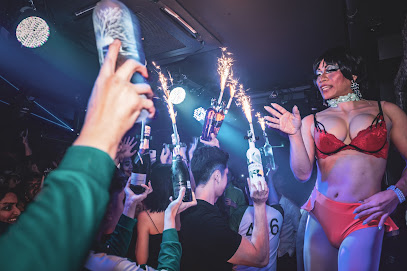
Cirque Du Soul
0.8 km
Dive into Leake Street's graffiti tunnel for soul-stirring electronic nights at this underground nightclub haven.
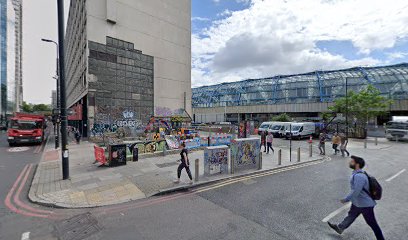
We Are Waterloo
0.8 km
Dive into Leake Street's graffiti heart where street art meets thumping beats in London's ultimate underground nightclub haven.
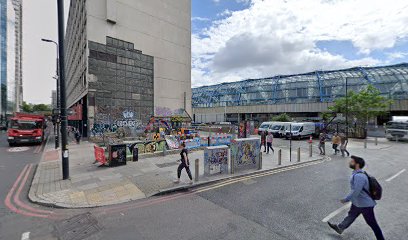
STRAWBERRY SUNDAE
0.8 km
Retro rave haven in Waterloo Arches: Daytime hardcore beats, 90s DJ legends, and industrial euphoria from midday to midnight.
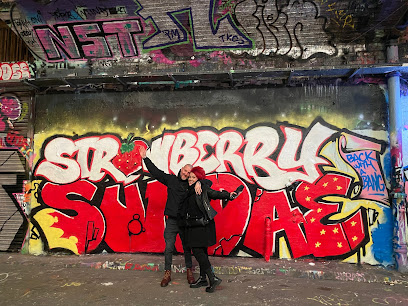
Heaven
0.8 km
London’s iconic gay superclub under the railway arches — big nights, loud music, drag, and late finishes in the heart of the West End.
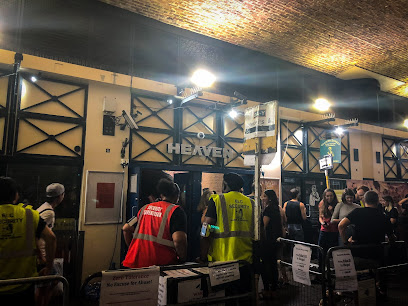
The Scotch of St James
1.0 km
Legendary Mayfair speakeasy where 60s rock stars jammed and today's elite dance till dawn in velvet-clad intimacy.
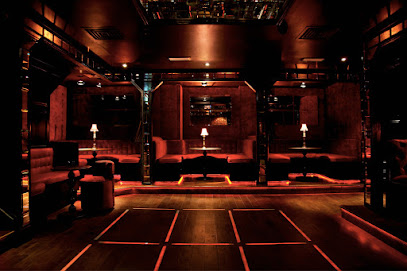
Tiger Tiger London
1.0 km
Experience London’s iconic Haymarket nightclub with six vibrant rooms, lively DJs, and a dynamic party atmosphere just moments from Piccadilly Circus.
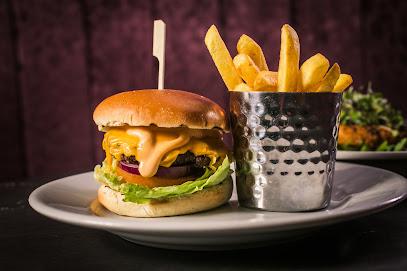
Luxe Club
1.1 km
Experience London's vibrant nightlife at Luxe Club, a central hotspot for music, dancing, and late-night entertainment.
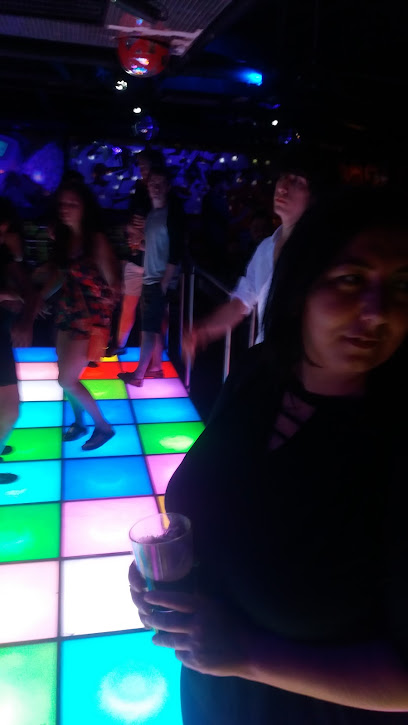
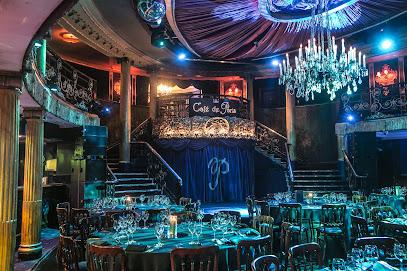
Café de Paris
1.1 km
Step into London’s iconic West End nightclub where history, glamour, and electrifying cabaret create unforgettable nights.
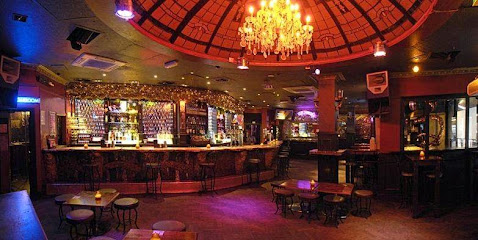
Zoo Bar & Club
1.1 km
Dive into Leicester Square's edgy nightlife hub: two floors of R&B beats, sports screens, and wild energy until 3am at Zoo Bar & Club.
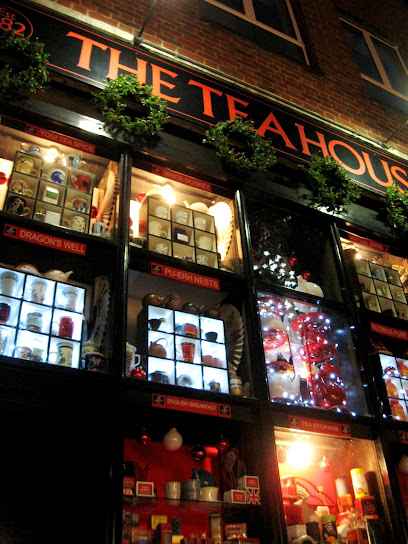
The Penthouse London
1.1 km
A compact, rooftop nightclub above Leicester Square — reached by a side lift, built for late‑night private parties and skyline glimpses.
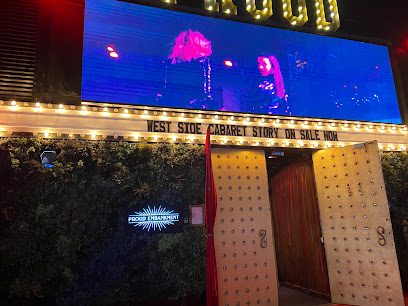
Proud Late
1.2 km
Dive into two-storey glamour under Waterloo Bridge: cabaret acrobatics, burlesque dazzle, supper feasts, and non-stop clubbing till 5am in London's West End nightlife epicenter.
Whatdafunk Presents West End Urban Disco
1.2 km
Dive into London's grooviest urban disco beats at Whatdafunk, where Covent Garden's streets pulse with funk, soul, and non-stop dance energy in the heart of the West End.
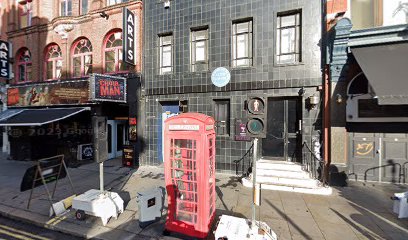
The Cuckoo Club
1.2 km
Exclusive Mayfair nightclub and restaurant blending glamorous design, contemporary cuisine, and vibrant nightlife in London’s upscale scene.
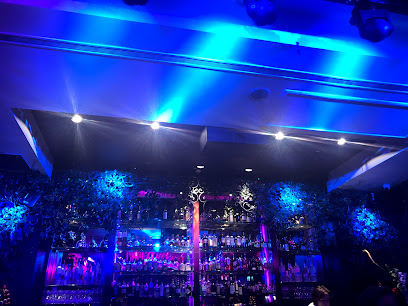
Tabu London
1.2 km
Escape Mayfair's polish for Tokyo's neon-lit Shinjuku alleys at Tabu London—retro gaming vibes, caged dancers, hip-hop beats, and upscale bites fuel epic nights.
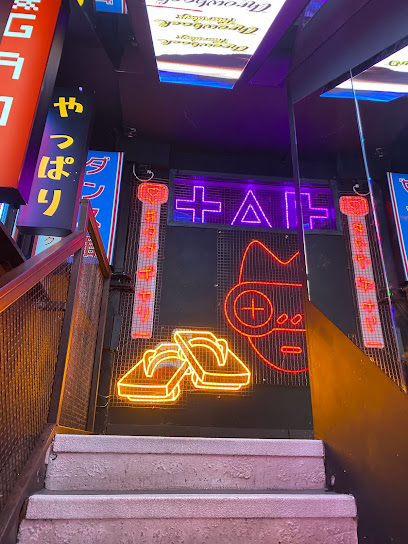
For the vibe & atmosphere seeker
- Scenic
- Unique
- Lively
- Entertaining
For the design and aesthetic lover
- Historic
- Vintage Styles
For the architecture buff
- Historic
- Landmarks
- Viewpoints
- Parks & Gardens
- Heritage Neighborhoods
For the view chaser and sunset hunter
- Iconic Views
- Panoramas
- Skyline
For the social media creator & influencer
- Instagrammable
- Photo Spots
- Selfie Spots
- Architectural Shots
For the eco-conscious traveler
- Public-Transport Accessible
- Car-Free Access
For the kind of experience you’re after
- Cultural Heritage
- Photowalk
- Myth & Legends
- Day Trip
For how adventurous you want the journey to be
- Easy Access
Location Audience
- Family Friendly
- Senior Friendly
- Wheelchair Access
- Solo Friendly
- Couple Friendly
- Solo Female Friendly


