
King Charles Street Arch: A Majestic Historical Gateway in London
A grand 1908 triple-arched gateway in London’s Whitehall, rich in sculptural detail and historical significance.
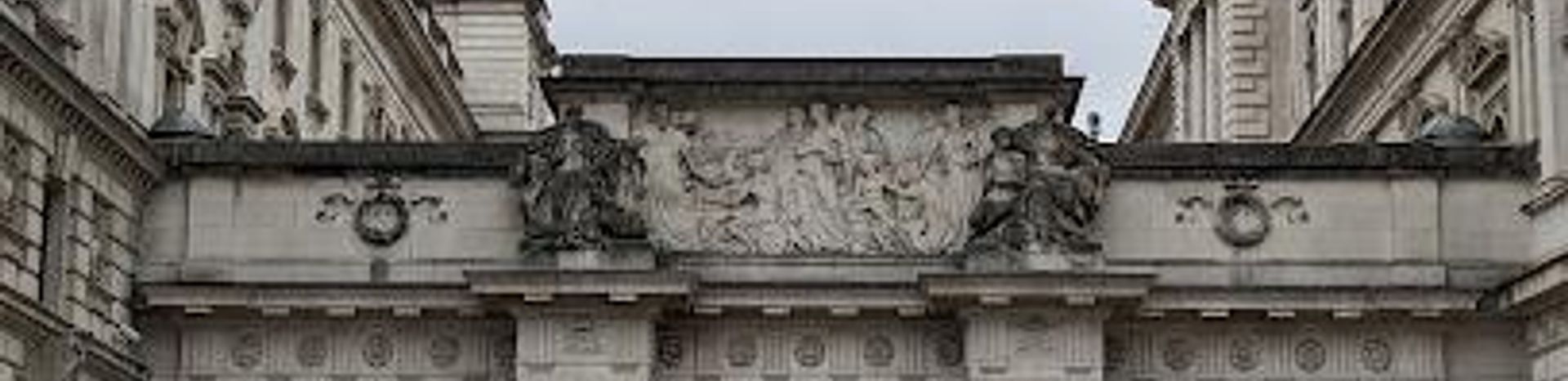
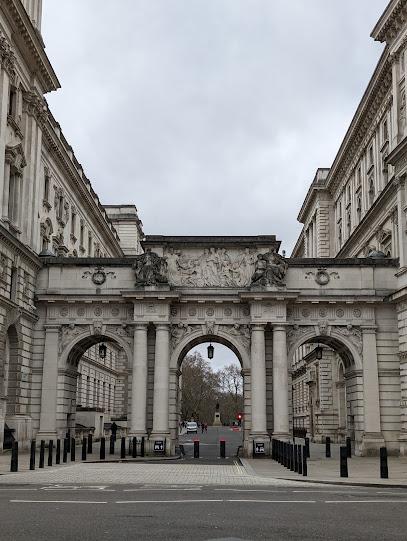
The King Charles Street Arch, completed in 1908 and designed by Sir Henry Tanner, is a grand architectural landmark located at 100 Parliament Street in London. This imposing triple-arched structure, adorned with intricate stonework and sculptures by William Silver Frith and Paul Raphael Montford, marks the entrance to King Charles Street and the Foreign, Commonwealth and Development Office complex. It stands as a testament to London's rich governmental history and architectural heritage, offering visitors a striking visual experience in the heart of Whitehall.
A brief summary to King Charles Street Arch
- 100 Parliament St, London, SW1A 2NH, GB
- Duration: 0.5 to 1.5 hours
- Free
-
 Outdoor
- Mobile reception: 5 out of 5
Local tips
- Visit early in the morning to enjoy a quieter atmosphere and optimal lighting for photography.
- Combine your visit with nearby landmarks such as the Houses of Parliament and Westminster Abbey.
- Take time to explore the surrounding gardens for a peaceful break and picnic opportunities.
- Look closely at the sculptures to appreciate the symbolic figures representing government and navigation.

For the on-the-go comforts that matter to you
- Seating Areas
- Information Boards
- Trash Bins
Getting There
-
Public Transport - Bus
Take bus routes 11, 24, or 88 to the Parliament Square stop. From there, it is a 5 to 10-minute walk east along Bridge Street and Parliament Street to reach the King Charles Street Arch. Bus fares typically range from £1.75 to £2.50 depending on payment method.
-
Walking from Westminster Abbey
A pleasant 10 to 15-minute walk from Westminster Abbey involves heading towards Parliament Square and then east along Parliament Street. The route is flat and accessible, suitable for most visitors with no special equipment needed.
-
Walking from Trafalgar Square
From Trafalgar Square, walk south along Whitehall for approximately 15 minutes until reaching the junction with Parliament Street. Turn onto Parliament Street and continue for about 5 minutes to the arch. The terrain is paved and wheelchair accessible.
King Charles Street Arch location weather suitability
-
 Any Weather
-
 Rain / Wet Weather
-
 Clear Skies
-
 Mild Temperatures
Discover more about King Charles Street Arch
Architectural Grandeur and Artistic Detail
The King Charles Street Arch is a striking triple-arched gateway constructed in 1908 under the design direction of Sir Henry Tanner. Its monumental stone facade is richly decorated with figurative reliefs and patterns crafted by sculptors William Silver Frith and Paul Raphael Montford. The arch’s entrances are lined with classical columns, lending it a dignified and imposing presence. The sculptures include semi-reclining figures symbolizing concepts such as Government, Shipping, and Navigation, reflecting the arch’s connection to the seat of British governance. This blend of neoclassical and Victorian artistic styles makes the arch a significant architectural feature in London’s Whitehall district.Historical Context and Governmental Significance
Situated at 100 Parliament Street, the arch serves as the grand entrance to King Charles Street, a cul-de-sac that functions as a courtyard to the Foreign, Commonwealth and Development Office (FCDO). The FCDO itself is housed within a Grade I listed mid-19th-century building, originally completed in 1873 and restored extensively in the late 20th century. The arch and its surrounding buildings have witnessed pivotal moments in British political history, symbolizing the enduring legacy of governance and diplomacy. The location’s proximity to iconic sites such as the Houses of Parliament and Westminster Abbey further underscores its importance within London’s political landscape.The Surrounding Environment and Visitor Experience
The arch is set amidst well-maintained pathways and lush greenery, providing a tranquil oasis within the bustling governmental quarter. The immediate area is often used for ceremonial events and offers visitors a peaceful spot to admire the architectural details and historic ambiance. Photography enthusiasts frequently visit to capture the intricate stonework and the arch’s majestic scale. Nearby gardens offer picnic opportunities, making it a pleasant place to rest and reflect on the rich history embodied by the structure.Craftsmanship and Restoration Efforts
The arch’s detailed stone carvings and sculptural elements have been preserved through careful restoration, maintaining their original splendor over a century after completion. The collaboration of artists Frith and Montford on the sculptures created a layered artistic narrative that complements the architectural design. The surrounding Foreign Office buildings underwent significant refurbishment between 1984 and 1997, which revitalized the area and enhanced the arch’s prominence as a historical landmark.Symbolism and Cultural Legacy
The King Charles Street Arch stands as a symbol of British governance, diplomacy, and architectural achievement. Its sculptures and design elements reflect themes of power, navigation, and the British Empire’s global reach during the early 20th century. The arch not only marks a physical gateway but also serves as a cultural and historical portal, linking visitors to London’s storied past and its ongoing role on the world stage.Integration with London’s Heritage Landscape
Located in the heart of Whitehall, the arch complements the surrounding neoclassical and Victorian government buildings, creating a cohesive heritage environment. Its presence enhances the historical narrative of the area, which includes the nearby Royal Courts of Justice and other landmark structures. The arch contributes to the architectural dialogue between tradition and modern governance, making it an essential stop for those exploring London’s political and cultural heritage.Iconic landmarks you can’t miss

King Charles Street Arch
0.0 km
A grand 1908 triple-arched gateway in London’s Whitehall, rich in sculptural detail and historical significance.
King Charles Street
0.0 km
Explore King Charles Street, a historic London government hub famed for its grand Victorian architecture and pivotal role in British political life.
The Cenotaph
0.1 km
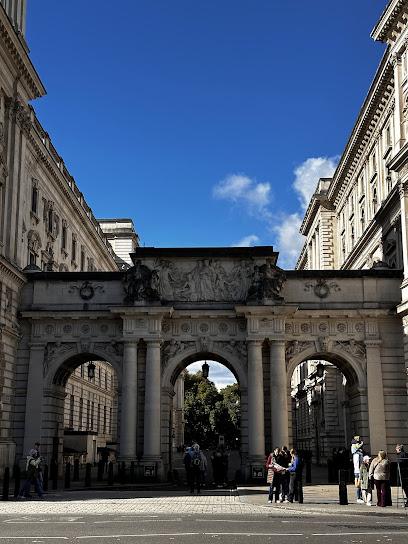
Britain’s national war memorial in Whitehall, a solemn tribute to the fallen of the World Wars and later conflicts.
10 Downing Street
0.2 km
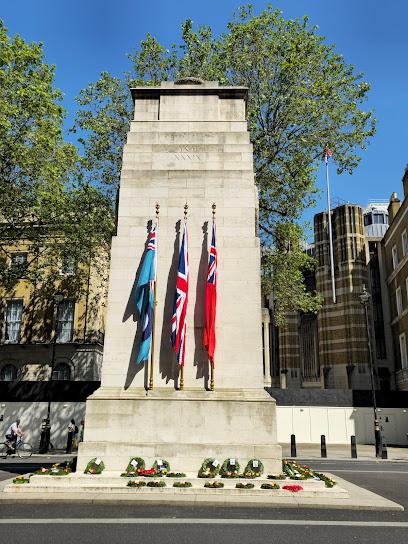
Iconic London residence and office of the UK Prime Minister, steeped in centuries of political history and power.
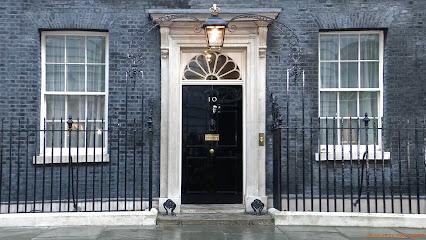
The Women of World War II
0.2 km
A powerful bronze tribute in Whitehall honoring over seven million British women’s vital roles during World War II.
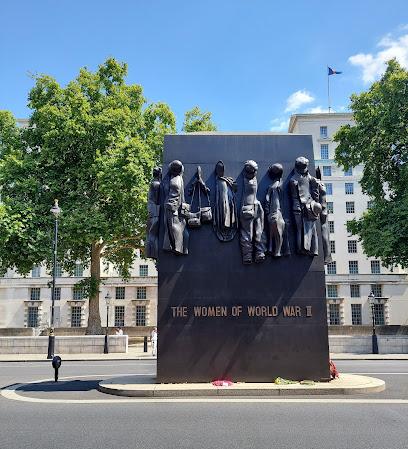
10 Downing St
0.2 km
Discover the historic seat of British leadership, where iconic moments and political power converge behind the famous black door.
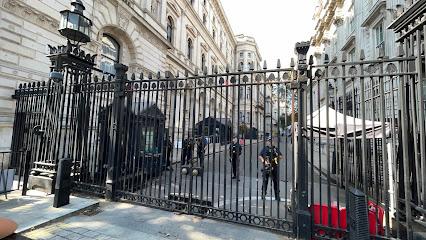
Millicent Garrett Fawcett Statue
0.2 km
Honoring Millicent Garrett Fawcett, the first woman commemorated in Parliament Square, inspiring equality through her iconic statue and legacy.
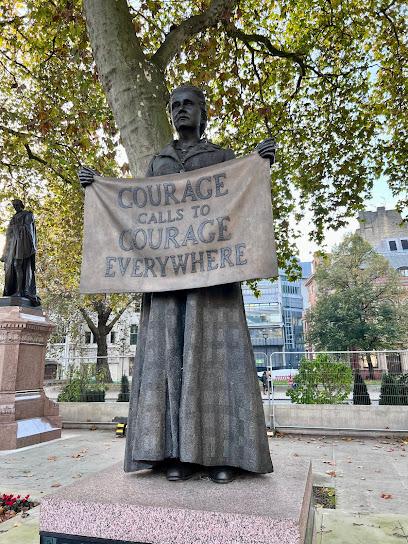
Clive of India Memorial
0.2 km
A towering Edwardian statue in London commemorating Robert Clive, founder of British rule in India, embodying imperial triumph and controversy.
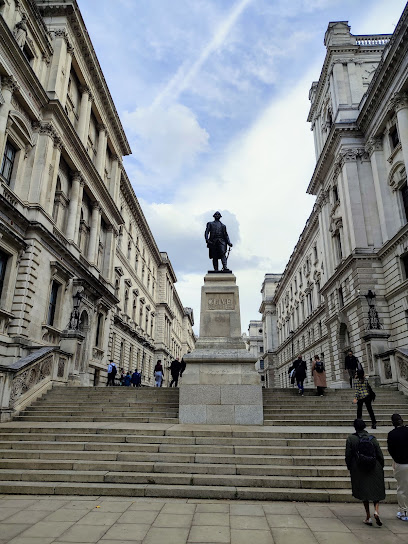
His Majesty's Treasury
0.2 km
The historic and strategic heart of the UK government’s economic policy, located in the iconic government district of Westminster, London.
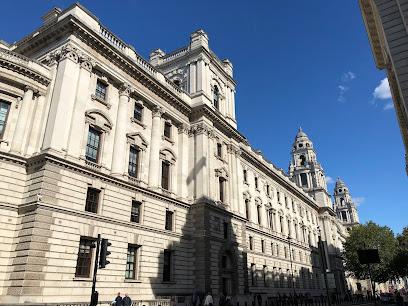
Clive Steps
0.2 km
A Grade II-listed bronze statue commemorating the controversial architect of British imperial power in India.
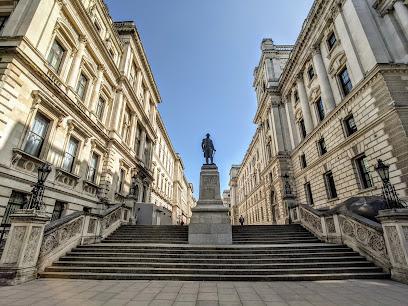
Chindit Memorial
0.2 km
A solemn tribute in London honoring the daring Chindit special forces and their leader Major General Orde Wingate’s legacy.
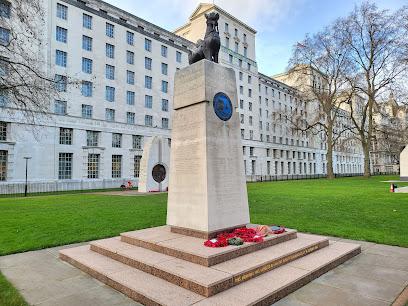
Dover House
0.2 km
Historic neoclassical mansion on Whitehall, home to the Scotland Office with a unique rotunda entrance and rich aristocratic past.
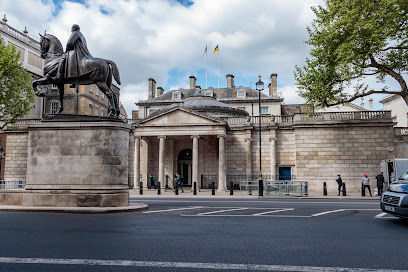
Westminster Hall
0.2 km
Step into Westminster Hall, a majestic medieval masterpiece that has witnessed a millennium of British history, law, and monarchy.
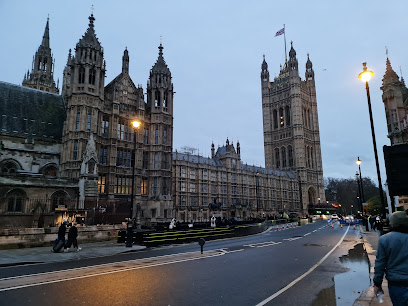
Statue of Oliver Cromwell
0.3 km
A commanding bronze tribute to Oliver Cromwell, standing outside Westminster Hall as a symbol of Britain’s turbulent 17th-century history and contested legacy.
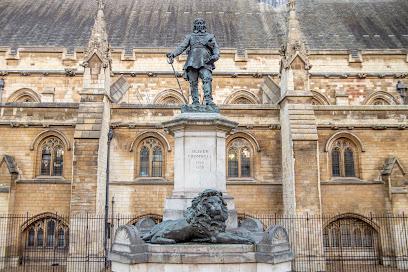
Guards Memorial
0.3 km
A solemn tribute to the valor and sacrifice of the Guardsmen who fell in World War I, set amidst London’s historic ceremonial heart.
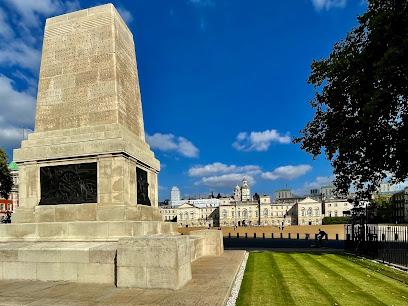
Unmissable attractions to see

Sir Winston Churchill statue
0.2 km
Iconic bronze statue of Winston Churchill in Parliament Square, symbolizing British resilience and leadership during World War II.
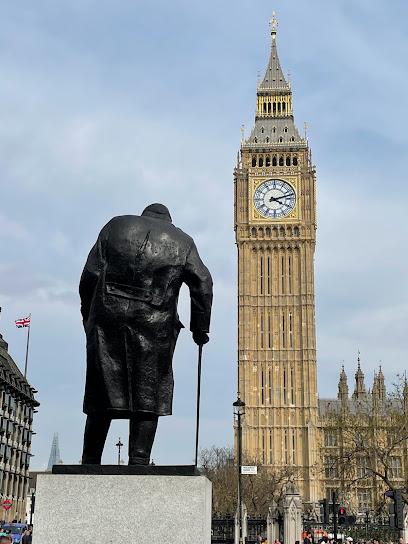
Bridge St
0.2 km
Historic Bridge Street in London offers riverside views, rich heritage, and vibrant urban life beside the iconic London Bridge.
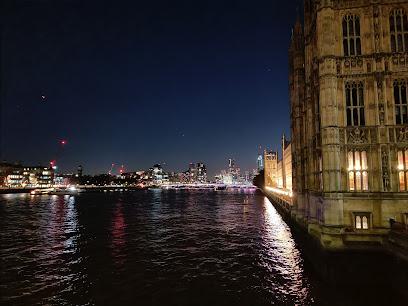
Parliament Square Garden
0.2 km
A historic green oasis in Westminster, offering iconic views and monuments at the heart of London’s political heritage.
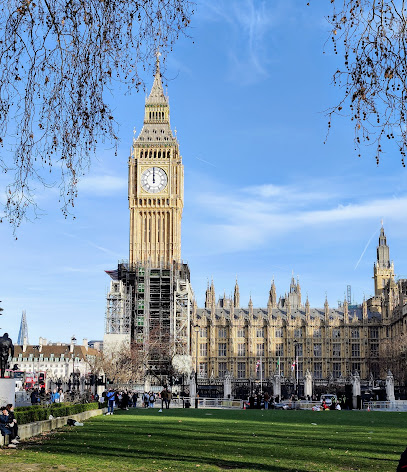
Mahatma Gandhi statue
0.2 km
A dignified bronze tribute to Gandhi’s peaceful legacy, standing humbly among world leaders in the heart of London’s historic Parliament Square.
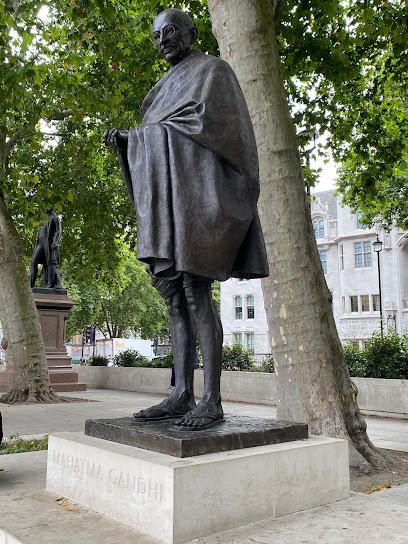
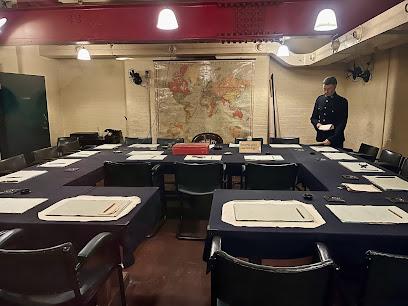
Churchill War Rooms
0.2 km
Britain's secret wartime headquarters where Churchill directed the fight against Nazi tyranny from underground bunkers beneath Westminster.
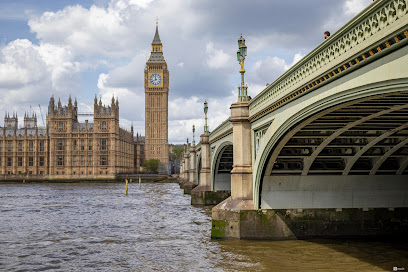
Big Ben
0.2 km
Explore Big Ben, London's iconic clock tower, a cultural landmark and symbol of British history, attracting millions of tourists each year.
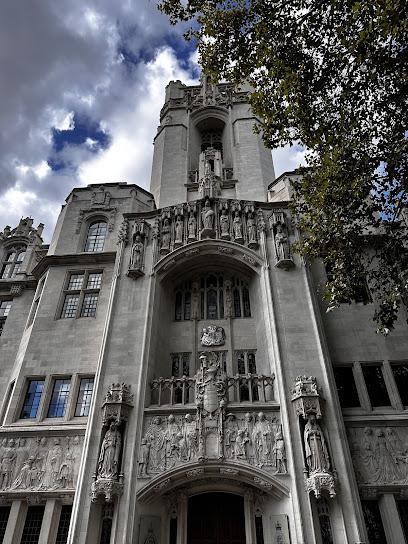
The Supreme Court
0.2 km
Explore the UK's highest court in a stunning neo-Gothic building at the heart of London’s political and judicial district.
Westminster Pier
0.2 km
A vibrant river gateway beside iconic London landmarks, Westminster Pier invites you to explore the Thames and historic city sights from the water.
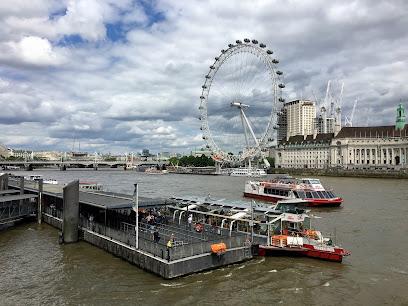
Westminster Millennium Pier
0.2 km
Experience London's iconic riverfront from Westminster Millennium Pier, your gateway to historic landmarks and scenic Thames cruises.
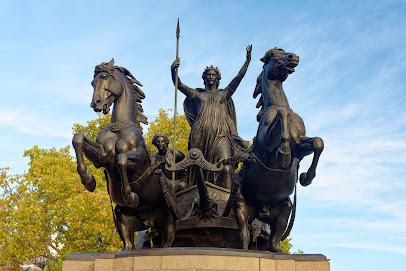
Boadicea and Her Daughters
0.2 km
A commanding bronze tribute to Boudica, the fierce Celtic queen, standing proud on her chariot beside Westminster Bridge in the heart of London.
The Battle of Britain Monument
0.2 km
A powerful bronze and granite tribute on London’s Victoria Embankment honoring the heroic RAF pilots of the 1940 Battle of Britain.
City Cruises London Westminster Pier
0.2 km
Experience the beauty of London from the water at Westminster Pier, your gateway to unforgettable Thames River adventures.
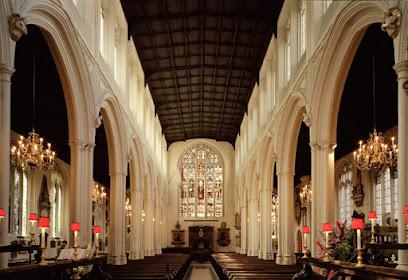
St Margaret's Church
0.3 km
Explore the serene St Margaret's Church, a historic Anglican church in London, next to Westminster Abbey, rich in history and stunning architecture.
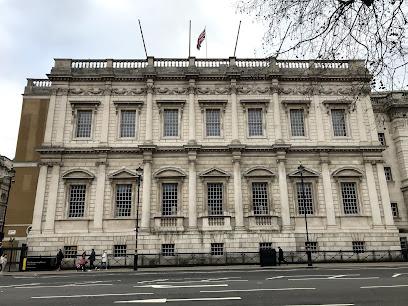
Banqueting House
0.3 km
Explore London's Banqueting House, a Palladian masterpiece with Rubens' ceiling and the historic site of King Charles I’s execution.
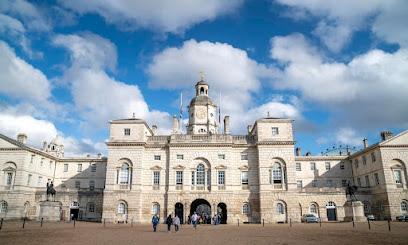
Horse Guards Parade
0.3 km
Historic ceremonial parade ground in London’s Whitehall, famed for royal pageantry and military tradition since the 16th century.
Essential places to dine

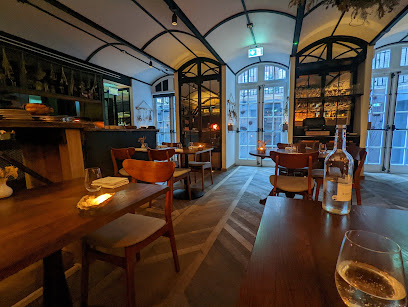
Ekstedt at The Yard
0.5 km
Experience Nordic wood-fired cuisine by Michelin-starred chef Niklas Ekstedt in the historic Great Scotland Yard Hotel, blending ancient fire cooking with British seasonal ingredients.
The Garden
0.5 km
A Mediterranean-inspired garden oasis offering refined seafood and elegant dining in the heart of London’s Corinthia Hotel.
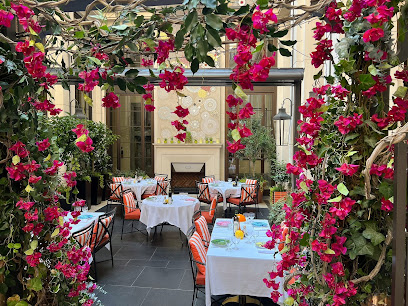
The Northall
0.5 km
Refined British dining with seasonal flair in a grand, elegant setting at Corinthia London’s distinguished restaurant.
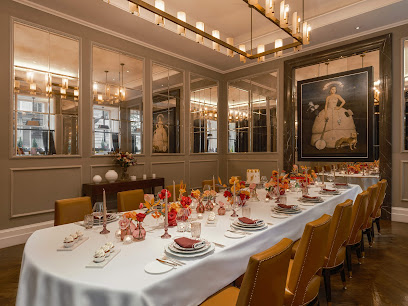
The Pem
0.5 km
Elegant modern British dining in Westminster, honoring heritage with exquisite seasonal menus and refined ambiance.
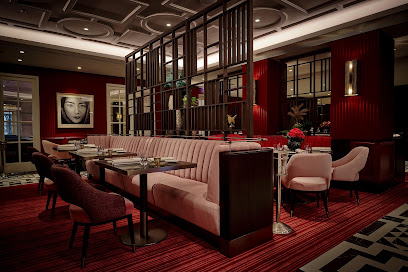
OKAN South Bank
0.6 km
Experience authentic Osaka-style okonomiyaki and Japanese street food in a cozy, lively South Bank eatery with friendly service and a nostalgic vibe.
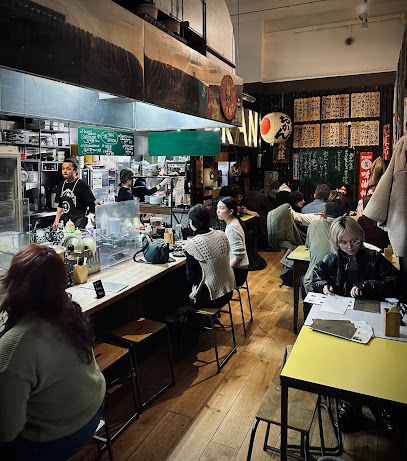
Troia Southbank
0.6 km
Experience authentic Mediterranean and Middle Eastern cuisine with halal options in a vibrant riverside setting near the London Eye.
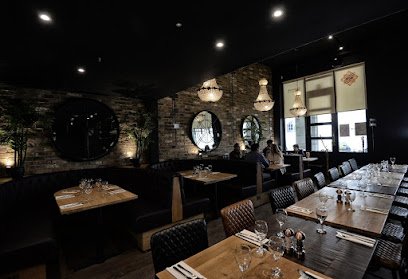
Caxton Grill
0.6 km
Refined British grill cuisine with fresh rooftop garden produce in a relaxed Westminster setting inside St Ermin’s Hotel.
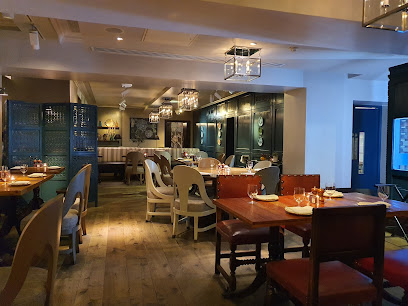
Ma La Sichuan
0.7 km
Experience authentic, boldly spiced Sichuan cuisine in the heart of Westminster with vibrant flavors and a welcoming atmosphere.
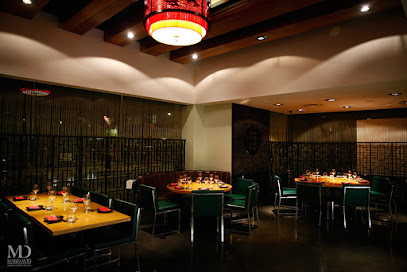
Park Plaza London Westminster Bridge
0.7 km
Stylish 4-star hotel on London’s South Bank with exceptional dining, event spaces, and modern amenities near iconic landmarks.
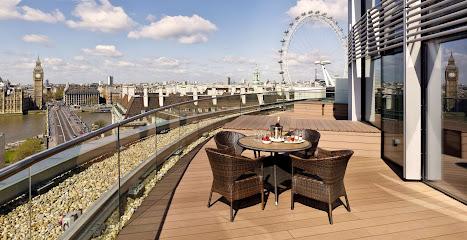
Wild Honey St James
0.7 km
Michelin-starred French-influenced cooking in a Grade II-listed banking hall, where refined technique meets understated elegance.
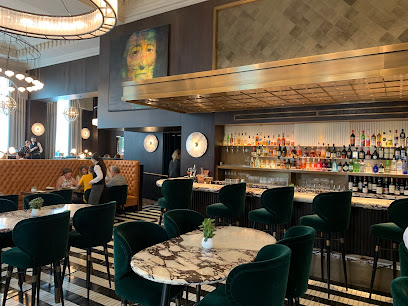
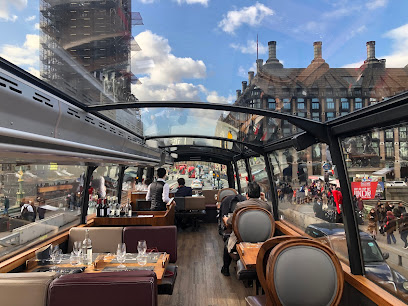
Bustronome London
0.7 km
Dine in luxury aboard a panoramic double-decker bus while touring London’s iconic landmarks with gourmet cuisine and fine wines.
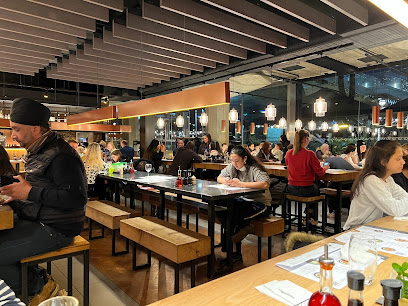
wagamama southbank
0.7 km
Lively riverside pan-Asian dining with fresh, bold flavors and stunning Thames views at London’s Royal Festival Hall.
Chez Antoinette Victoria
0.8 km
Authentic French bistro in London’s Victoria offering classic Lyonnais and Parisian dishes in a cozy, Parisian-style setting.
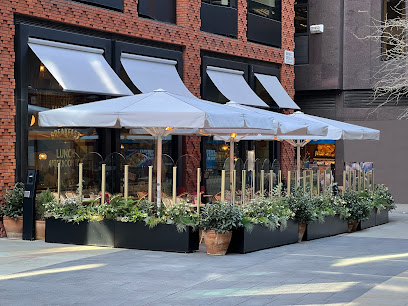
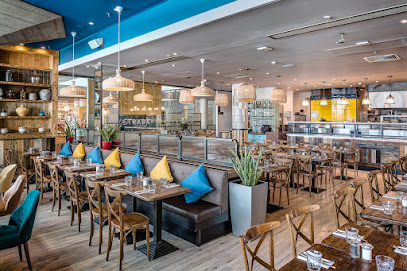
Strada Southbank
0.8 km
Authentic Southern Italian flavors served with vibrant riverside views in the heart of London’s Southbank.
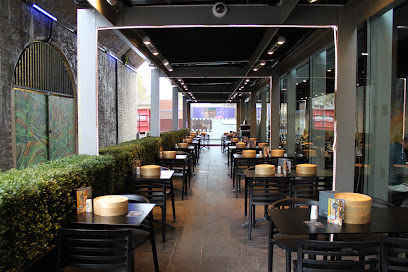
Ping Pong Southbank
0.8 km
Lively Southbank dim sum and cocktail bar blending traditional Chinese flavors with modern Asian fusion in a bustling riverside setting.
Markets, malls and hidden boutiques

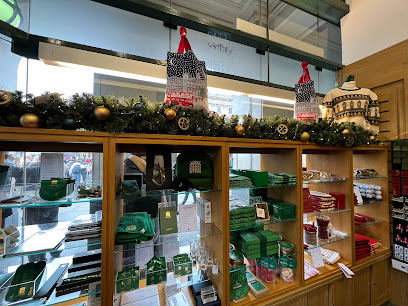
Houses of Parliament Shop
0.1 km
Discover parliamentary pride in souvenirs, books, and gifts at this cozy Bridge Street boutique, steps from Westminster's iconic halls.
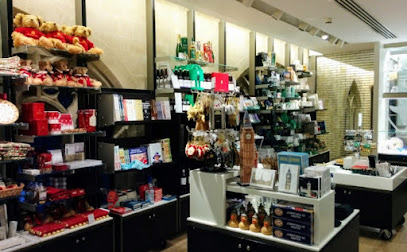
Jubilee Shop (Houses of Parliament Gift Shop)
0.2 km
Discover exclusive British political gifts and souvenirs inside the historic Westminster Hall at the Jubilee Shop, Houses of Parliament.
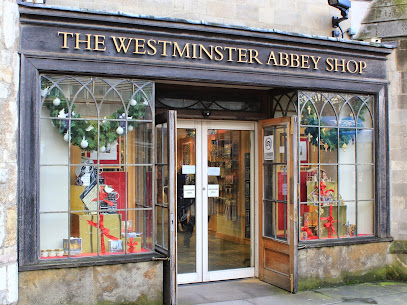
Westminster Abbey Shop
0.4 km
Discover exclusive Abbey-inspired gifts and souvenirs that support Westminster Abbey’s heritage and conservation efforts.
Browns of London
0.5 km
Explore Browns of London for unique handcrafted gifts and local treasures in the heart of the city, perfect for memorable souvenirs from your travels.
Crest of London Ltd
0.5 km
Discover authentic London souvenirs and local crafts at Crest of London Ltd, your premier gift shop in historic Whitehall.
Gift Shop - London Eye Shop
0.5 km
Capture London's magic at the London Eye Gift Shop: exclusive souvenirs, Thames views, and iconic keepsakes from the wheel's base.
Custom Gifts By Jupiter
0.6 km
Unleash creativity with bespoke gifts and custom decor from this South Bank artisan haven near the Thames and iconic landmarks.
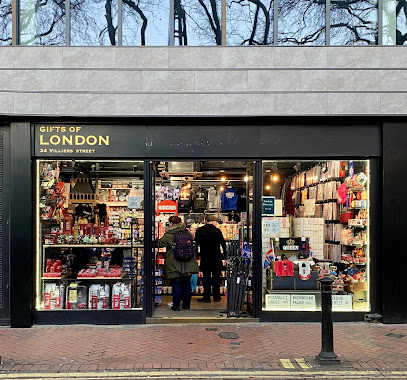
Gifts of London
0.6 km
Discover unique souvenirs and gifts that embody the spirit of London at Gifts of London, your perfect shopping destination.
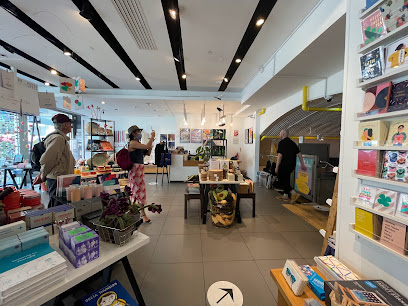
Southbank Centre Shop, Mandela Walk
0.7 km
Discover creative gifts, sustainable homewares, and arts-inspired souvenirs on vibrant Mandela Walk, opposite Royal Festival Hall—a stylish treat amid South Bank's cultural heartbeat.
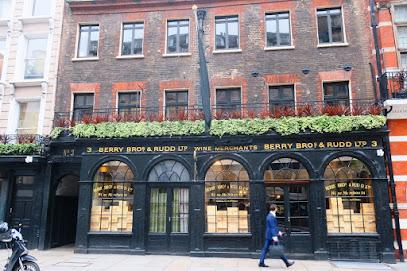
Berry Bros. & Rudd Wine Shop
0.9 km
London’s oldest family-run wine merchant since 1698, blending royal tradition with expert wine and spirits in a historic Pall Mall setting.
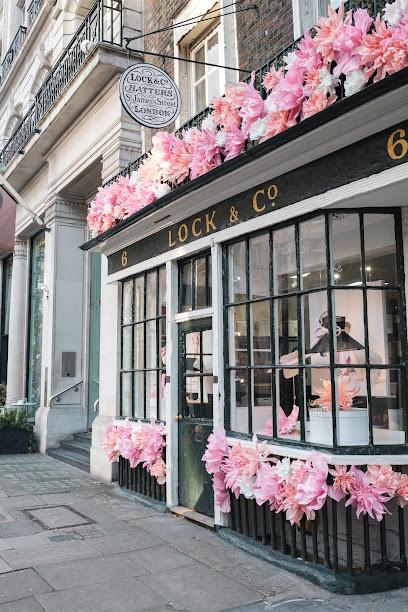
Lock & Co. Hatters
0.9 km
Discover the world’s oldest hat shop, where centuries of British style and craftsmanship come to life in the heart of London.
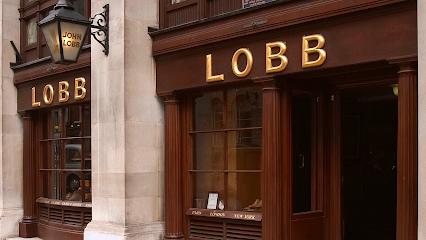
John Lobb St. James
0.9 km
Where 170 years of royal patronage meets handcrafted perfection in every stitch.
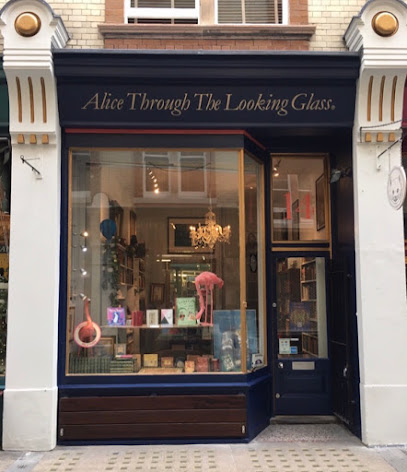
Alice Through The Looking Glass
1.0 km
Step into a whimsical world of antiques, art, and literary treasures inspired by Alice in Wonderland in the heart of London’s Cecil Court.
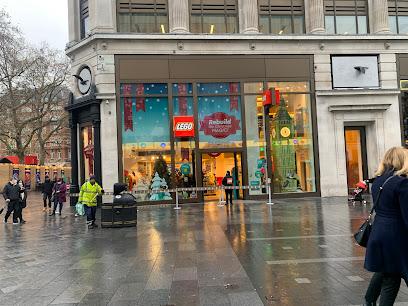
The LEGO® Store Leicester Square
1.0 km
Explore the world’s largest LEGO® Store in Leicester Square, London—two floors of interactive fun, iconic models, and endless creativity.
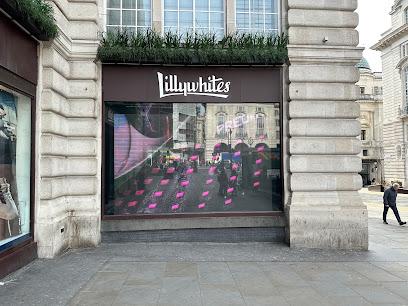
Lillywhites
1.0 km
London's iconic sports megastore at Piccadilly Circus—where athletic excellence meets retail tradition.
Essential bars & hidden hideouts

The Red Lion, Parliament Street
0.1 km
A venerable Westminster corner pub — late‑Victorian fittings, political atmosphere and a long history beside Downing Street and Parliament.
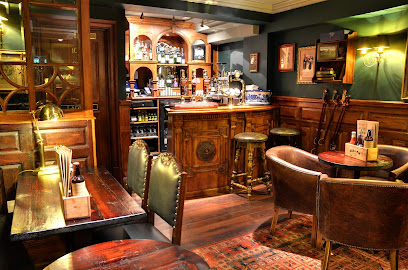
Westminster Arms
0.3 km
Historic Westminster pub with parliamentary division bell, Shepherd Neame ales, and cozy alcoves steps from Abbey and Parliament—timeless British charm in political heart.
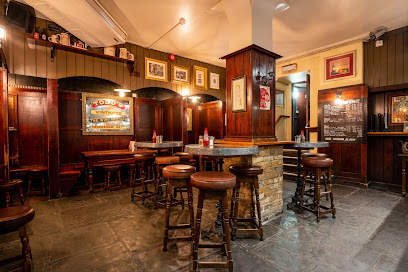
The Spy Bar
0.4 km
Step into London’s secret subterranean bar where espionage history meets masterful cocktails and exclusive, no-photos privacy.
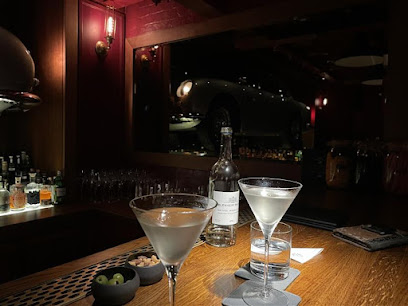
Two Chairmen
0.4 km
Traditional Westminster pub serving hearty pies, fresh ales, and classic British cheer just steps from St. James's Park and Parliament.
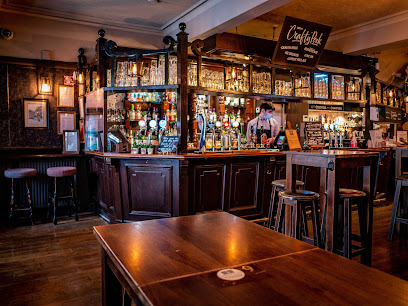
Old Shades
0.5 km
Historic Whitehall pub pouring cask ales and pub classics since 1898, steps from Trafalgar Square—a true taste of London tradition.
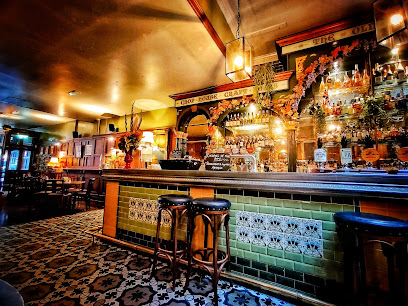
Blue Boar Pub
0.5 km
Traditional Westminster pub serving hearty British classics in a cozy, historic setting near Abbey and Parliament—perfect for ales, roasts, and relaxed evenings.
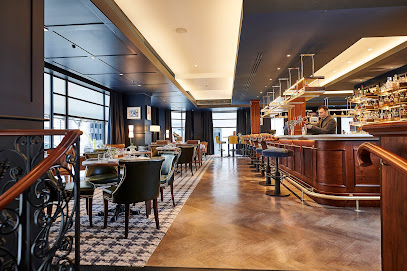
Le Champagne Bar
0.5 km
A compact riverside champagne lounge beside the London Eye—perfect for a celebratory flute and framed Thames views.
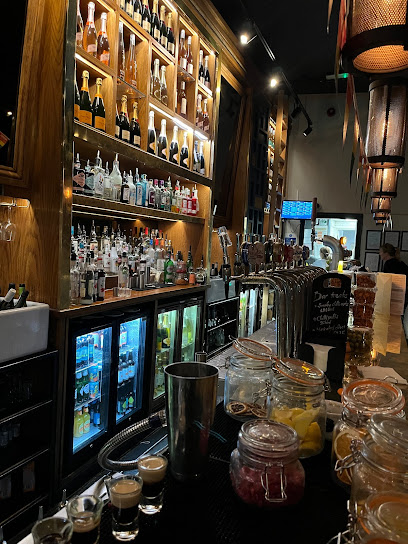
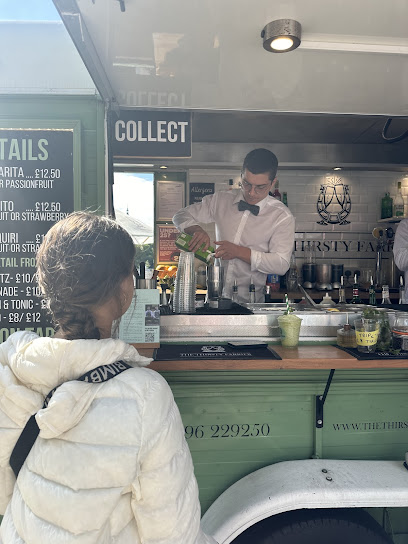
The Thirsty Farrier Cocktail Bar
0.6 km
A vibrant London cocktail bar offering expertly crafted seasonal drinks with scenic riverside views and a welcoming atmosphere.
All Bar One Waterloo
0.6 km
Sophisticated South Bank bar serving creative cocktails, sharing plates, and wines in a lively spot near Waterloo Station and the London Eye.
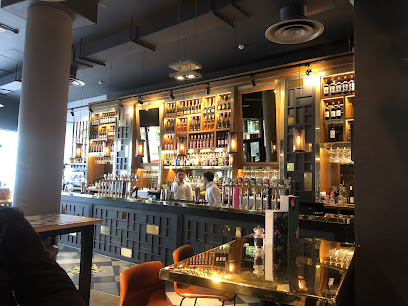
Slug & Lettuce - County Hall
0.7 km
Chic South Bank cocktail haven in County Hall: bottomless brunches, 2-for-1 sips, pub classics, and Thames views for London's liveliest lunches and nights out.
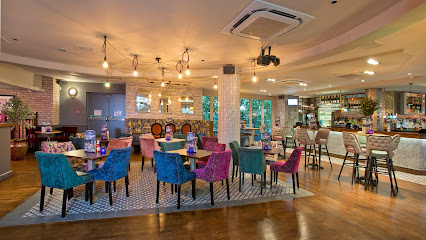
Primo Bar, London
0.7 km
Sophisticated South Bank cocktails and live jazz with Big Ben views—Primo Bar blends daytime lounge ease with electrifying nightly performances in stylish 60s-inspired surrounds.
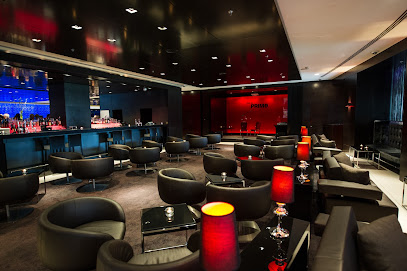
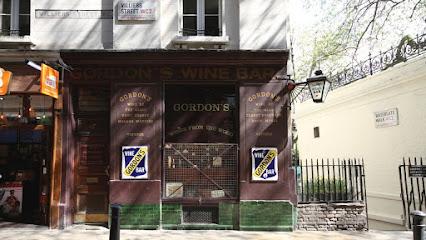
Gordon's Wine Bar
0.7 km
Step into London's oldest wine bar, where history, candlelight, and award-winning wines create an unforgettable cellar experience.
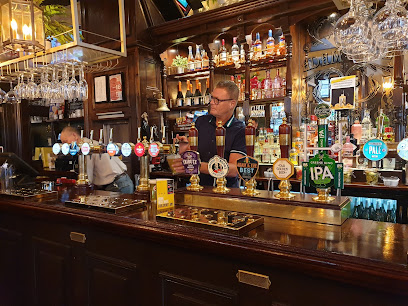
Adam & Eve
0.7 km
Classic Westminster pub pouring real ales and hearty grub amid historic streets—a cozy haven near Parliament and the Abbey for authentic London pints.
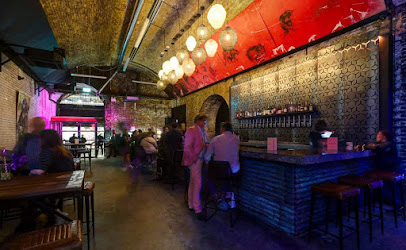
Bar @ 26 Leake Street
0.7 km
Experience London’s vibrant street art and nightlife culture at 26 Leake Street, a unique cocktail bar and event venue in Waterloo’s iconic graffiti tunnels.
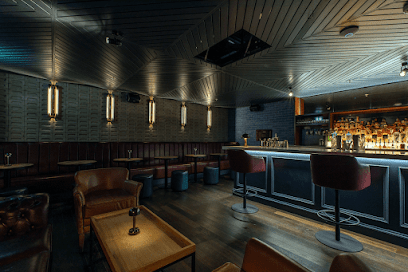
Waterloo Lost Property Office Speakeasy
0.8 km
Discover a hidden 1920s-inspired speakeasy in Waterloo serving expertly crafted cocktails in a seductive, vintage setting.
Nightclubs & after hour spots

TSQ Club
0.6 km
Dive into Trafalgar Square's nightlife pulse at TSQ Club, where eclectic beats, dazzling lights, and craft cocktails fuel unforgettable weekend nights in London's heart.
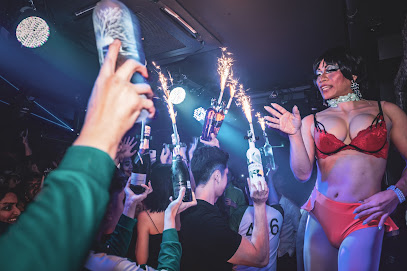
Heaven
0.7 km
London’s iconic gay superclub under the railway arches — big nights, loud music, drag, and late finishes in the heart of the West End.
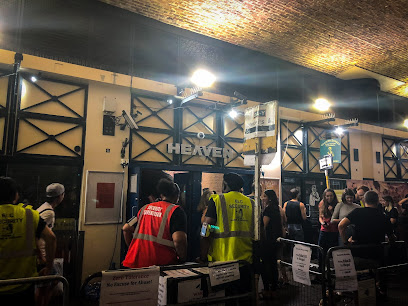
Cirque Du Soul
0.7 km
Dive into Leake Street's graffiti tunnel for soul-stirring electronic nights at this underground nightclub haven.
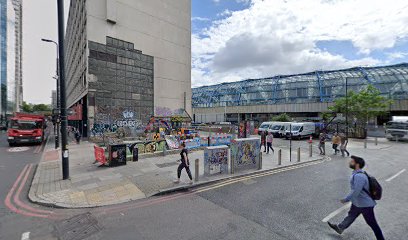
We Are Waterloo
0.7 km
Dive into Leake Street's graffiti heart where street art meets thumping beats in London's ultimate underground nightclub haven.
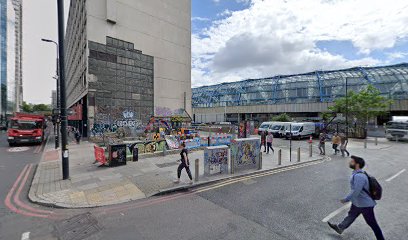
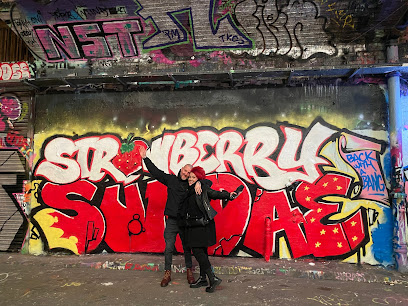
STRAWBERRY SUNDAE
0.7 km
Retro rave haven in Waterloo Arches: Daytime hardcore beats, 90s DJ legends, and industrial euphoria from midday to midnight.
Tiger Tiger London
0.9 km
Experience London’s iconic Haymarket nightclub with six vibrant rooms, lively DJs, and a dynamic party atmosphere just moments from Piccadilly Circus.
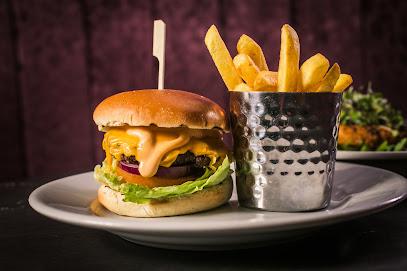
The Scotch of St James
0.9 km
Legendary Mayfair speakeasy where 60s rock stars jammed and today's elite dance till dawn in velvet-clad intimacy.
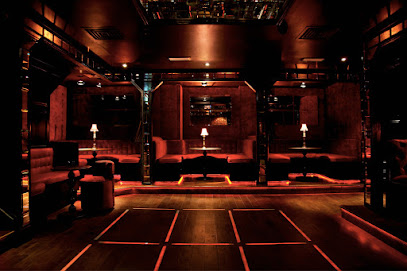
Luxe Club
1.0 km
Experience London's vibrant nightlife at Luxe Club, a central hotspot for music, dancing, and late-night entertainment.
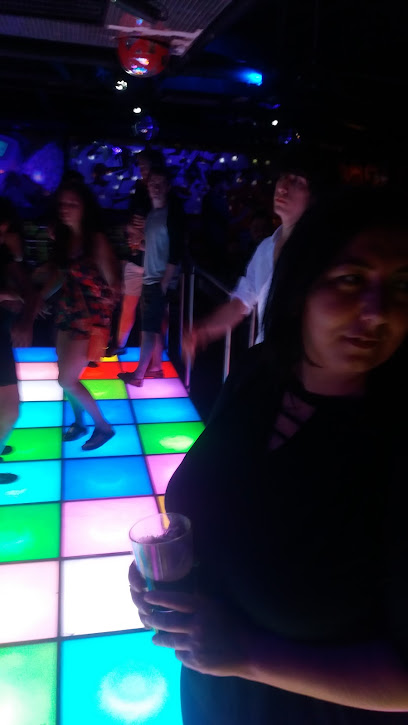
Zoo Bar & Club
1.0 km
Dive into Leicester Square's edgy nightlife hub: two floors of R&B beats, sports screens, and wild energy until 3am at Zoo Bar & Club.
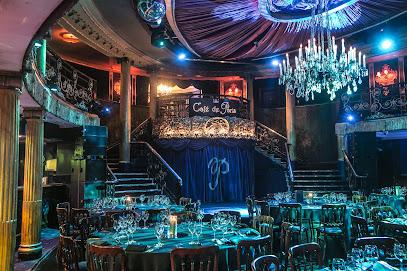
Café de Paris
1.0 km
Step into London’s iconic West End nightclub where history, glamour, and electrifying cabaret create unforgettable nights.
The Penthouse London
1.0 km
A compact, rooftop nightclub above Leicester Square — reached by a side lift, built for late‑night private parties and skyline glimpses.
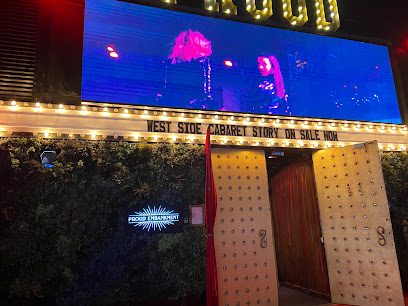
Proud Late
1.0 km
Dive into two-storey glamour under Waterloo Bridge: cabaret acrobatics, burlesque dazzle, supper feasts, and non-stop clubbing till 5am in London's West End nightlife epicenter.
Whatdafunk Presents West End Urban Disco
1.1 km
Dive into London's grooviest urban disco beats at Whatdafunk, where Covent Garden's streets pulse with funk, soul, and non-stop dance energy in the heart of the West End.
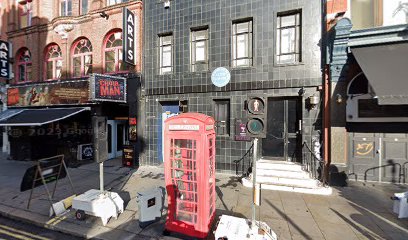
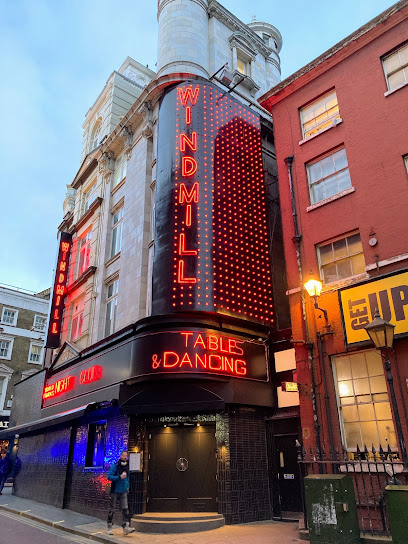
The Windmill Soho | Restaurant, Cabaret & Nightclub in Soho, London
1.1 km
Soho's legendary cabaret den revived: burlesque bites, theatrical feasts, and all-night beats in a historic hotspot of hedonism.
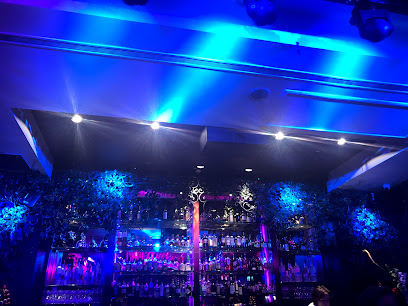
The Cuckoo Club
1.1 km
Exclusive Mayfair nightclub and restaurant blending glamorous design, contemporary cuisine, and vibrant nightlife in London’s upscale scene.
For the vibe & atmosphere seeker
- Historic
- Scenic
- Tranquil
- Unique
For the design and aesthetic lover
- Vintage Styles
- Art Deco Styles
For the architecture buff
- Historic
- Landmarks
- Heritage Neighborhoods
For the view chaser and sunset hunter
- Iconic Views
For the social media creator & influencer
- Instagrammable
- Photo Spots
- Architectural Shots
For the eco-conscious traveler
- Public-Transport Accessible
- Locally Managed
For the kind of experience you’re after
- Cultural Heritage
- Photowalk
- Day Trip
For how adventurous you want the journey to be
- Easy Access
Location Audience
- Family Friendly
- Senior Friendly
- Child Friendly
- Teen Friendly
- Wheelchair Access
- Solo Friendly
- Couple Friendly
- Vegetarian Friendly
- Vegan Friendly


