

The Fourth Plinth, London Travel Guide
A changing contemporary artwork on Trafalgar Square’s empty plinth, set among London’s busiest civic landmarks and best seen as part of a central walk.
The Fourth Plinth is Trafalgar Square’s empty north-west pedestal, now used for rotating contemporary artworks. It is a compact stop, but one that changes with each commission, so repeat visits can feel different. Expect a busy civic square, long sightlines, constant foot traffic, and easy pairing with the National Gallery and central London landmarks.
A brief summary to The Fourth Plinth
- Trafalgar Sq, London, WC2N 5NJ, GB
- Click to display
- Duration: 0.2 to 2 hours
- Free
-
 Outdoor
- Mobile reception: 5 out of 5

Know before you go
Hi, I'm Eve. Here are a few practical things to know before exploring The Fourth Plinth.
- Visit with a wider Trafalgar Square walk; the plinth alone is a short stop, but the surrounding monuments and gallery frontage add context.
- Bring a camera or phone with a wide lens if you want the sculpture and the square in the same frame.
- Expect exposure to wind, rain, and strong sun; there is little shelter in the square itself.
- Use public transport rather than driving, as central London traffic and parking make car access impractical.
Do you manage this location?
Take control to get all the benefits, like improved information, better appearance, and stronger visibility across AI-powered discovery. Learn more about listing your business on Evendo
Activate your presenceOther nearby places you may find interesting
The closest places of the same kind, if this one is not quite what you had in mind.

Explore The Fourth Plinth on the Map
A handpicked selection of must-see spots near The Fourth Plinth, mapped for you.
Getting There
-
Tube
Charing Cross is the closest station and the most practical arrival point, with other central stations also within a short walk.
-
Walking
Easy to reach on foot from the West End, Covent Garden, Whitehall, Leicester Square, and the Strand if you are already sightseeing nearby.
-
Bus
Several central London bus routes serve Trafalgar Square, making it straightforward to combine with a wider city itinerary.
-
Taxi or rideshare
Possible for a point-to-point trip, but congestion and drop-off constraints make it less efficient than public transport.
For the on-the-go comforts that matter to you
-
 Restrooms
-
 Seating Areas
-
 Information Boards
-
 Trash Bins
Discover more about The Fourth Plinth
What it is
The Fourth Plinth is the empty north-west plinth in Trafalgar Square, set aside for a changing programme of temporary contemporary artworks. It is not a museum or a building, but a public-art commission in one of London’s most recognisable civic spaces. The idea is simple and effective: a single pedestal, a rotating sculpture, and a setting that guarantees attention from locals, tourists, and photographers alike.The plinth’s appeal lies in its instability. The work on view changes periodically, so the experience is never quite the same twice. That makes it one of the city’s more useful repeat stops for travellers who like contemporary art but do not want a long gallery visit.Atmosphere and setting
The setting is open, hard-edged, and fully urban. Trafalgar Square is paved in stone, framed by fountains, columns, statuary, and the National Gallery, with Whitehall, the Strand, and the West End close by. The plinth itself is visually small, but the square around it gives it scale. You stand in the middle of a place that feels ceremonial and everyday at once: commuters cut through, tour groups pause, and event crews often reshape the space.There is little shelter and no sense of enclosure. Wind, rain, and bright sun all register strongly here, and the square’s visual character comes from symmetry, monumentality, and movement rather than greenery or quiet. It is a place for looking, crossing, and photographing rather than lingering in comfort.What visitors actually do
Most people spend a short time here, usually viewing the current artwork from several angles, taking photos, and then moving on to nearby sights. The best visit is often the simplest one: arrive on foot or by Tube, circle the square, and read the sculpture against the backdrop of the National Gallery and the surrounding civic architecture. If the current commission is provocative or playful, people tend to stay longer and talk about it; if not, the stop can be over in minutes.The Fourth Plinth works well as part of a wider central London walk. It suits travellers combining Trafalgar Square with the National Gallery, Whitehall, Covent Garden, Leicester Square, or the Strand. It is less suitable if you want a calm, destination-style attraction with indoor facilities and a long dwell time.Context and why it matters
The plinth was originally intended for an equestrian statue that was never funded. Its later use for contemporary art turned an unfinished civic feature into one of London’s best-known public-art platforms. That contrast is the point: a 19th-century square hosting a changing 21st-century conversation in the open air.The programme gives the square a second life beyond its historic monuments. For travellers, that means the site is both a landmark and a snapshot of current public culture. You come for the sculpture, but you also come to see how it sits inside one of London’s most symbolic public spaces.Practical expectations
The visit is free and usually brief. Public transport is the sensible way in, with Charing Cross the closest station and several other central stations within walking distance. The square is generally accessible at street level, though nearby station access varies. Facilities in the wider square are limited, and the experience is mostly outdoors, so weather matters. Clear, mild days are best for photography; wet, windy, or very cold conditions make the stop less comfortable, though still possible.












Your all‑in‑one travel companion app
Explore expert travel guides, compare and book tours, experiences, hotels, and more—all from the palm of your hand. Download now for seamless trip planning wherever your wanderlust takes you.


Explore More of London
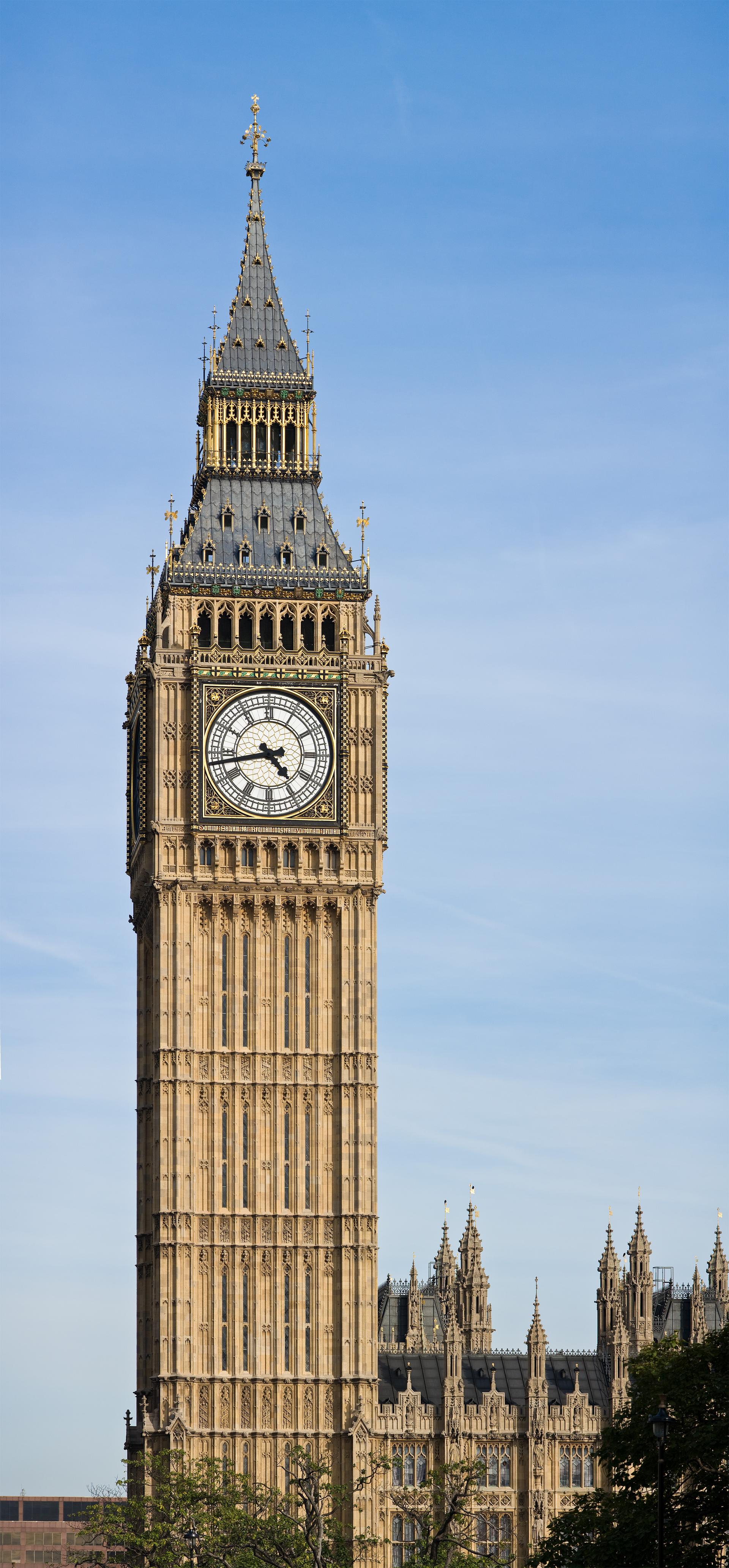
Looking beyond The Fourth Plinth? Discover London for broader travel guides, local hot-spots, and regional highlights.
Explore London
A compact West End theatre on Panton Street, known for scheduled drama, pre-show drinks, and the tightly paced rhythm of a London theatre night.

A central London landmark stop at Trafalgar Square, where monuments, fountains, and constant foot traffic frame one of the city’s most familiar civic spaces.
