
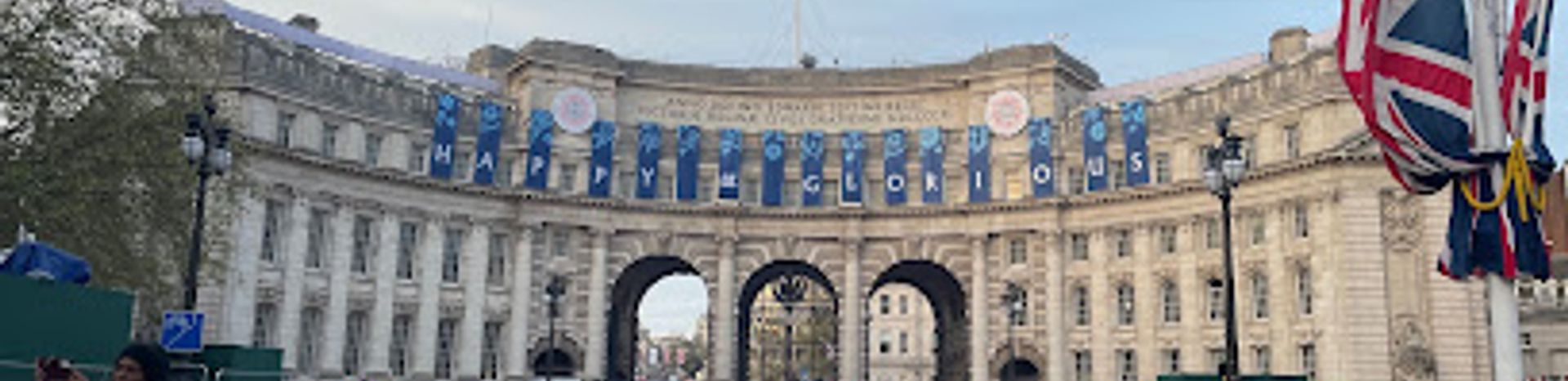
Royal Marines Memorial on The Mall, London
A stirring bronze tribute on The Mall honoring Royal Marines’ sacrifice in China and South Africa, blending art and history in London’s ceremonial heart.
The Royal Marines Memorial, a distinguished bronze sculpture by Adrian Jones, stands proudly on The Mall in London. Erected in 1903, it commemorates Royal Marines who died in the Boxer Rebellion in China and the Second Boer War in Africa. Featuring two dynamic figures on a Portland stone plinth with detailed bronze reliefs and inscriptions, the memorial honors the courage and sacrifice of these servicemen. It was rededicated in 2000 as the national monument for the Royal Marines.
A brief summary to Royal Marines Memorial
- London, St. James's, GB
- Duration: 0.25 to 1 hours
- Free
-
 Outdoor
- Mobile reception: 5 out of 5
Local tips
- Visit during daylight hours for the best views and to appreciate the detailed bronze reliefs and inscriptions.
- Combine your visit with a walk along The Mall to experience other nearby historic landmarks and royal sites.
- Attend the annual Graspan Parade if your visit coincides, to witness a ceremonial tribute to the Royal Marines.
- Look closely at the carved dolphins on the memorial’s corners, symbolizing the Royal Marines’ naval heritage.

For the on-the-go comforts that matter to you
- Seating Areas
- Information Boards
- Restrooms
- Trash Bins
Getting There
-
London Underground
Take the District or Circle Line to St James's Park station, approximately a 10-15 minute walk to the memorial. Note that walking involves crossing The Mall and some busy pedestrian areas. No charge for the tube beyond your fare.
-
Bus
Bus routes 9, 11, 12, 15, and 22 stop near The Mall. Travel times vary from 15 to 30 minutes depending on traffic. Oyster or contactless payment cards are accepted; fares typically range from £1.75 to £2.50.
-
Taxi or Ride-Hailing
A taxi or ride-hailing service from central London locations takes about 10-20 minutes depending on traffic. Expect fares from £10 to £20. Drop-off is possible near Admiralty Arch, but parking is limited.
-
Walking
If staying nearby, walking from Trafalgar Square or Buckingham Palace takes 10-20 minutes over flat, paved routes suitable for most mobility levels. The area is pedestrian-friendly but can be busy during events.
Royal Marines Memorial location weather suitability
-
 Any Weather
-
 Clear Skies
-
 Rain / Wet Weather
Discover more about Royal Marines Memorial
Origins and Artistic Creation
The Royal Marines Memorial was created in 1903 to honor Royal Marines who lost their lives during the Boxer Rebellion in China and the Second Boer War in South Africa. The bronze sculpture was crafted by Adrian Jones, a former military veterinary surgeon turned sculptor, renowned for his detailed and dynamic equestrian and military works. The architectural elements, including the Portland stone plinth, were designed by Sir Thomas Graham Jackson. The memorial features two bronze figures: a wounded marine defended by a comrade, whose poised rifle and bayonet suggest imminent combat. This powerful imagery captures the bravery and sacrifice of the Royal Marines.Symbolism and Design Details
The memorial’s plinth is adorned with bronze reliefs depicting key actions at Graspan during the Boer War and the defense against the Chinese attack on the Peking Legations. These reliefs, though debated in artistic quality, provide historical narrative and commemorate the specific conflicts. Carved dolphins on each corner symbolize the Royal Marines’ naval heritage. Brass plaques bear inscriptions including a Roll of Honour listing 70 men who died in these campaigns, and a dedication from the officers and men of the Royal Marines. Around the base, brass lettering reads: “This memorial was rededicated in October 2000 in honour of all Royal Marines who have served their country by land and sea and who are forever remembered by their friends.”Historical Journey and Preservation
Originally located on the south side of The Mall, the memorial was removed in 1940 during the construction of the Admiralty Citadel, a wartime bunker. It was stored safely before being relocated to its current position next to Admiralty Arch in 1948. The memorial suffered minor bomb damage during World War II but was restored by the late 1940s. In 2000, as part of the Millennium Year Initiative, it was fully restored and rededicated by the Duke of Edinburgh, the Captain General of the Royal Marines, becoming the national monument for the Royal Marines and the focal point for the annual Graspan Parade.Location and Visitor Experience
Situated on The Mall, a ceremonial route in central London, the memorial occupies a prominent and symbolic site near Admiralty Arch and Buckingham Palace. Visitors can appreciate the detailed craftsmanship of the sculpture and plaques while reflecting on the sacrifices commemorated. The open setting allows for unobstructed views and photographic opportunities, enhanced by the historic and grand surroundings of The Mall.Legacy and Cultural Significance
The Royal Marines Memorial stands as a testament to the valor and enduring legacy of the Royal Marines across two significant late 19th-century conflicts. Its restoration and rededication underscore the continuing respect and remembrance afforded to these servicemen. The involvement of the Falkland Islands government in the 2000 restoration highlights the long-standing ties between the Islands and the Royal Marines. The memorial remains a place of solemn tribute and historical education within London’s rich tapestry of military monuments.Artistic Contributions of Adrian Jones and Thomas Graham Jackson
Adrian Jones, despite no formal artistic training, brought profound anatomical knowledge to his sculptures, especially of horses and military subjects. His other notable works include the massive bronze quadriga atop Wellington Arch. Sir Thomas Graham Jackson, an esteemed architect, contributed the memorial’s architectural framework, harmonizing sculpture and stonework. Their collaboration resulted in a memorial that is both artistically significant and historically poignant.Iconic landmarks you can’t miss

Royal Marines Memorial
0.0 km
A stirring bronze tribute on The Mall honoring Royal Marines’ sacrifice in China and South Africa, blending art and history in London’s ceremonial heart.
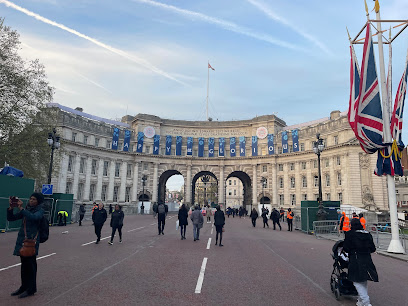
Captain James Cook
0.0 km
Bronze tribute to the explorer who charted the Pacific and shaped the British Empire
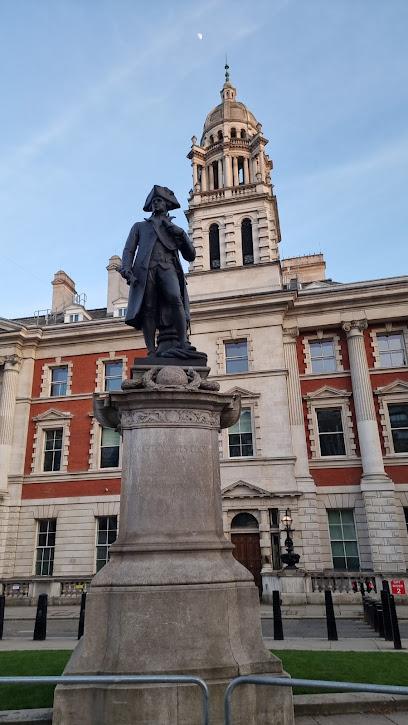
Admiralty Arch
0.1 km
A majestic Edwardian gateway linking Trafalgar Square to Buckingham Palace, embodying Britain's royal heritage and naval history.
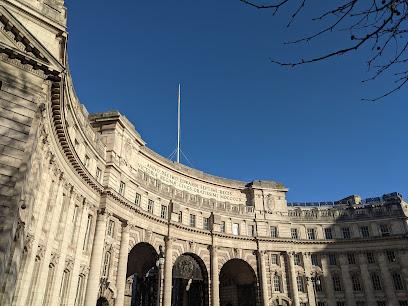
Old Admiralty Building
0.1 km
Historic heart of Britain’s naval command, blending grand architecture with pivotal moments in London’s maritime legacy.
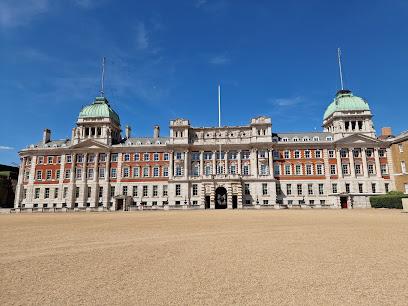
Obelisk Charles James Napier
0.1 km
A contested monument to a complex military figure in London's most iconic public square.

16-18 Whitehall
0.2 km
Explore 16-18 Whitehall, the historic site of England’s grandest royal palace and home to the stunning Banqueting House, a masterpiece of classical architecture.
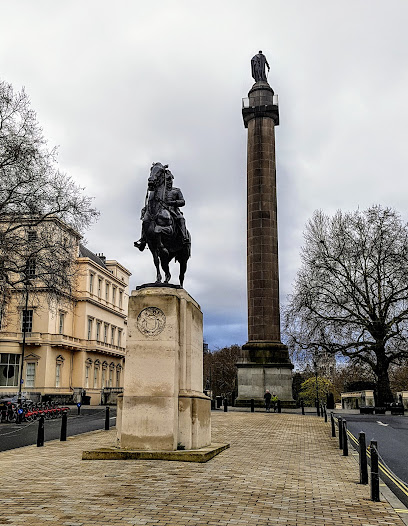
Equestrian statue of Edward Ⅶ
0.2 km
Majestic bronze tribute to King Edward VII in the heart of London’s historic Waterloo Place, blending regal artistry with imperial heritage.
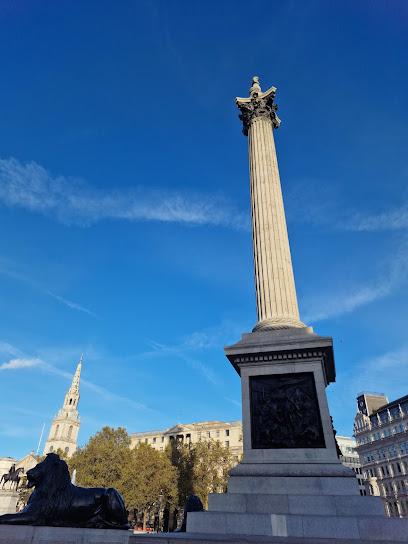
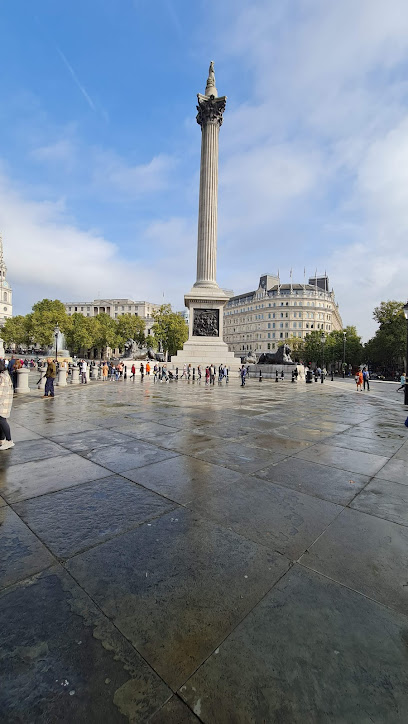
Nelson's Column
0.2 km
A towering tribute to Admiral Nelson’s naval triumph, standing proudly at the heart of London’s historic Trafalgar Square.
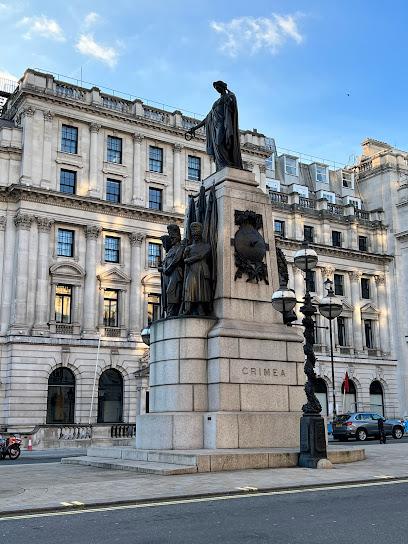
Guards Crimean War Memorial
0.2 km
A poignant bronze tribute in central London honoring the valor and sacrifice of ordinary soldiers in the Crimean War.
Guards Memorial
0.2 km
A solemn tribute to the valor and sacrifice of the Guardsmen who fell in World War I, set amidst London’s historic ceremonial heart.
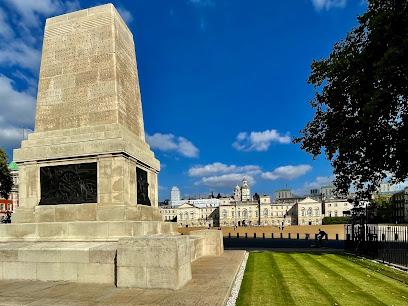
George Duke of Cambridge statue
0.3 km
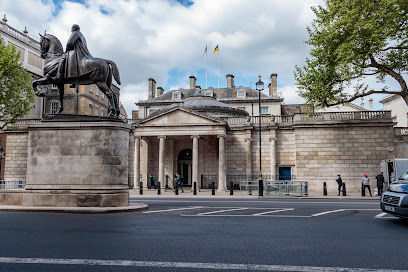
A commanding bronze tribute to Prince George, Duke of Cambridge, standing proudly on Whitehall amidst London’s historic military heart.
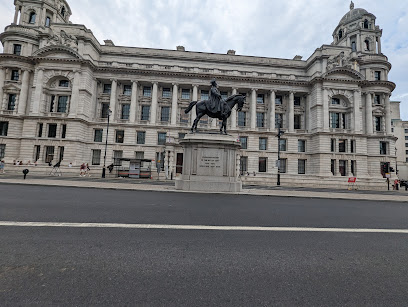
3 Carlton House Terrace
0.3 km
Elegant Grade I listed townhouse in London’s historic Carlton House Terrace, blending royal heritage with refined Georgian architecture.
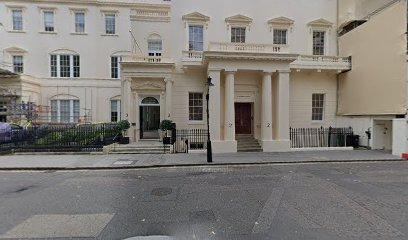
King George VI & Queen Elizabeth,The Queen Mother Memorial
0.3 km
A dignified London memorial honoring King George VI and Queen Elizabeth, the Queen Mother, through iconic bronze statues and historic symbolism.
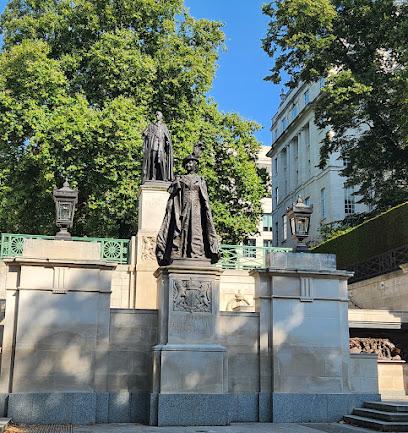
Dover House
0.3 km
Historic neoclassical mansion on Whitehall, home to the Scotland Office with a unique rotunda entrance and rich aristocratic past.
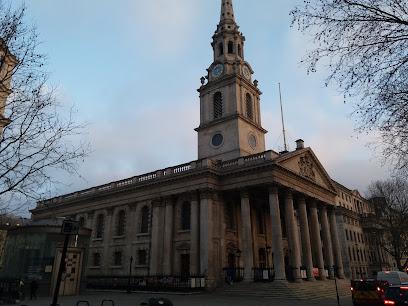
St Martin-in-the-Fields Church Path
0.4 km
Georgian masterpiece and spiritual anchor of Trafalgar Square, influencing church architecture worldwide.
Unmissable attractions to see

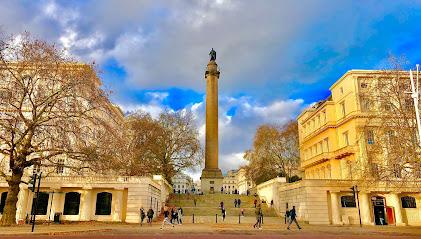
Duke of York Column
0.1 km
A towering granite column in London honoring the Duke of York’s military legacy, crowned with a grand bronze statue atop historic Waterloo Place.
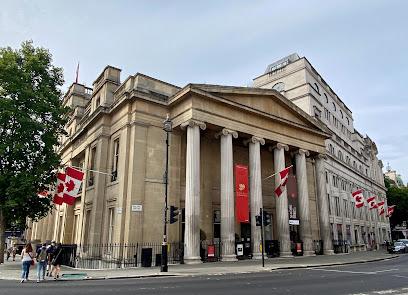
Canada House
0.1 km
Canada House: Historic Greek Revival architecture meets vibrant Canadian culture in the heart of London’s Trafalgar Square.
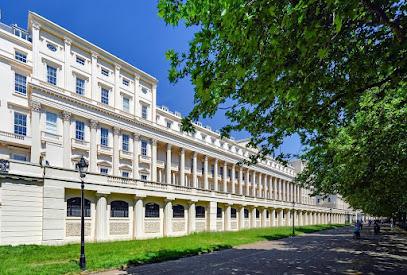
Carlton House Terrace
0.2 km
Elegant Georgian terraces on historic royal grounds, showcasing Regency architecture and London’s aristocratic heritage.
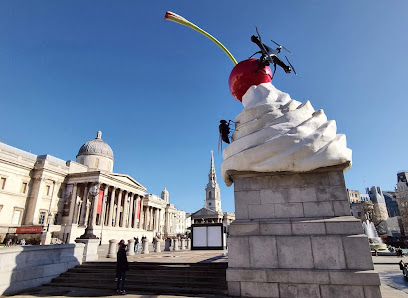
The Fourth Plinth
0.2 km
A historic plinth transformed into a world-famous stage for cutting-edge contemporary art in the heart of London’s Trafalgar Square.
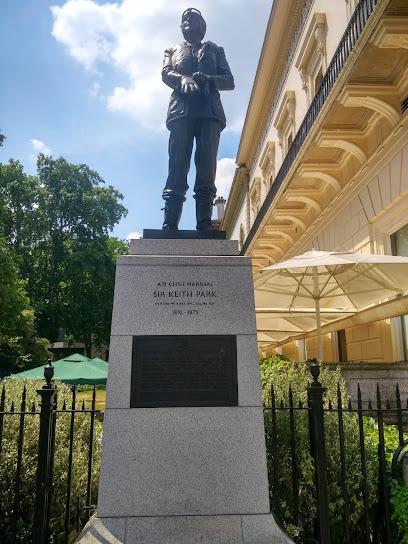
Sir Keith Park statue
0.2 km
Honoring Air Chief Marshal Sir Keith Park, the Defender of London during WWII’s Battle of Britain, through a striking bronze statue in central London.
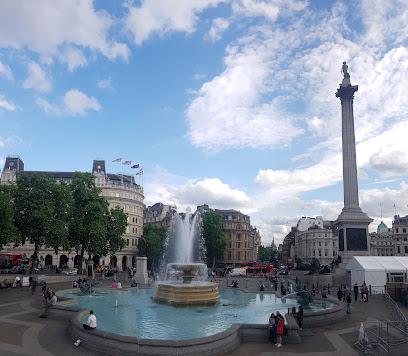
Trafalgar Square
0.2 km
Experience the vibrant culture and rich history at Trafalgar Square, London's iconic public square and cultural hub.
Waterloo Pl
0.2 km
Elegant London street rich with historic monuments, grand architecture, and cultural vibrancy in the heart of St James’s.
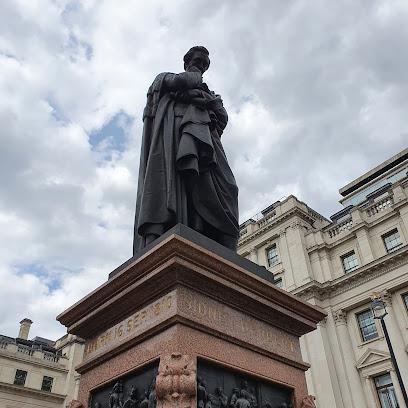
5 Trafalgar Sq
0.2 km
London’s iconic Trafalgar Square: a historic public plaza celebrating naval triumphs and vibrant civic life in the city’s heart.
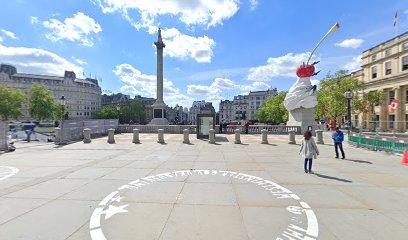
London by Night Tours
0.2 km
Discover London’s iconic landmarks aglow with night lights on an engaging open-top bus tour departing from historic Trafalgar Square.
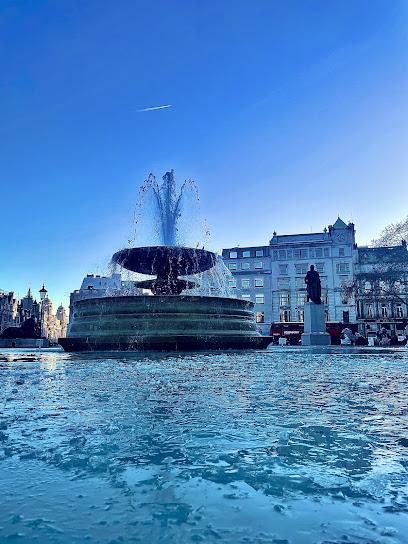
His Majesty's Theatre
0.2 km
Experience London's historic His Majesty's Theatre, home to iconic musicals and timeless theatrical heritage in the vibrant Haymarket district.
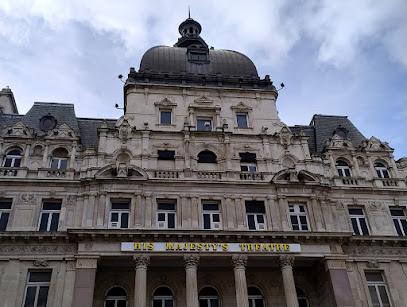
The Household Cavalry Museum
0.2 km
Explore the living history and pageantry of Britain’s elite Household Cavalry at their historic London headquarters.
Grand Building
0.2 km
A grand Victorian landmark on the Strand, transformed from a luxury hotel into a vibrant cultural and community hub in the heart of London.
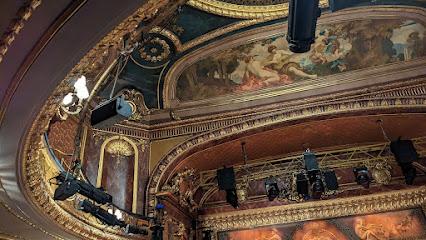
Theatre Royal Haymarket
0.3 km
Historic West End theatre with rich traditions, elegant design, and acclaimed productions in London’s vibrant Haymarket district.
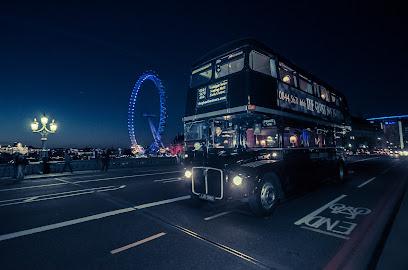
The Ghost Bus Tours
0.3 km
Dark comedy meets London history on a theatrical double-decker bus tour through the capital's most sinister stories.
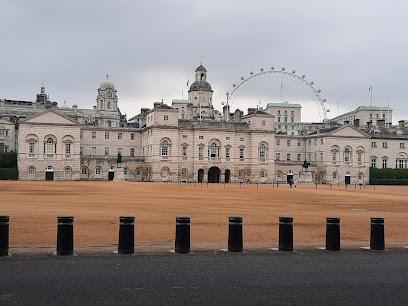
Horse Guards Parade
0.3 km
Historic ceremonial parade ground in London’s Whitehall, famed for royal pageantry and military tradition since the 16th century.
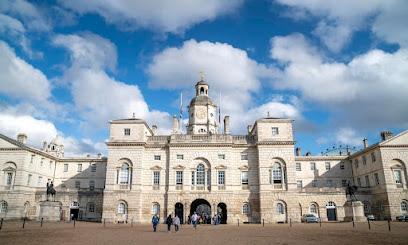
Essential places to dine

Wild Honey St James
0.2 km
Michelin-starred French-influenced cooking in a Grade II-listed banking hall, where refined technique meets understated elegance.
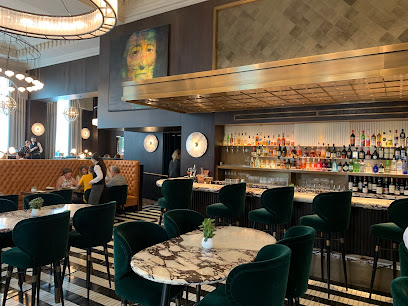
Ekstedt at The Yard
0.2 km
Experience Nordic wood-fired cuisine by Michelin-starred chef Niklas Ekstedt in the historic Great Scotland Yard Hotel, blending ancient fire cooking with British seasonal ingredients.
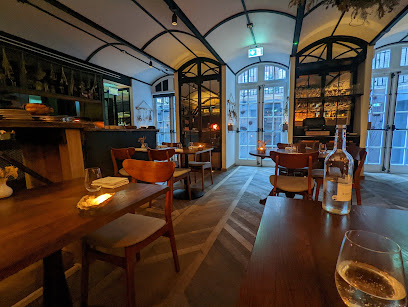
The Garden
0.4 km
A Mediterranean-inspired garden oasis offering refined seafood and elegant dining in the heart of London’s Corinthia Hotel.
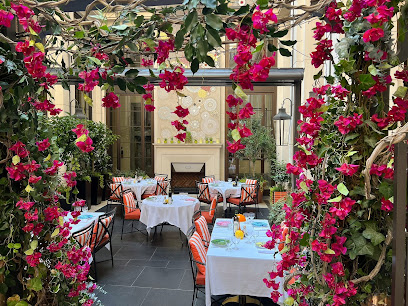
The Northall
0.4 km
Refined British dining with seasonal flair in a grand, elegant setting at Corinthia London’s distinguished restaurant.
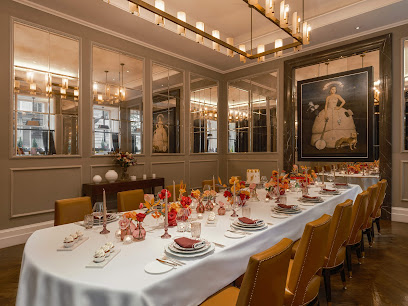
J Sheekey
0.5 km
Classic British seafood excellence in Covent Garden’s elegant, theatre-adjacent dining gem.
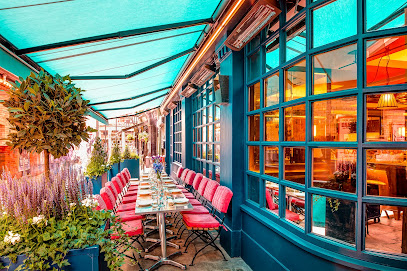
Evelyn's Table
0.5 km
Discover Evelyn's Table, a Michelin-starred, intimate dining counter in Soho offering inventive British cuisine with French and Japanese flair.
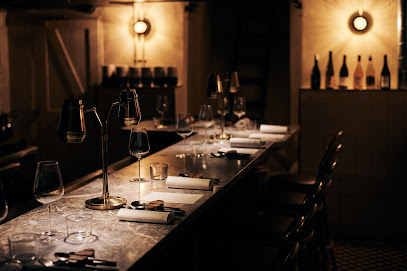
Golden Lion
0.6 km
Historic 1690s pub in St James's offering classic British fare, rich heritage, and a warm, family-friendly atmosphere near Buckingham Palace.
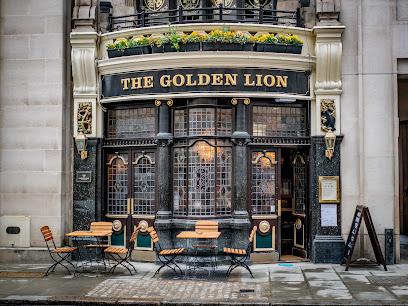
Bustronome London
0.6 km
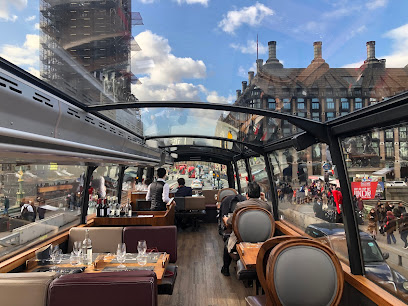
Dine in luxury aboard a panoramic double-decker bus while touring London’s iconic landmarks with gourmet cuisine and fine wines.
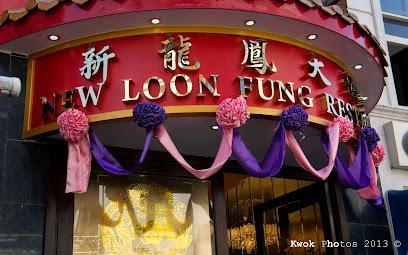
New Loon Fung Restaurant
0.6 km
Experience authentic Cantonese dim sum and classic Chinese dishes in one of Chinatown’s largest, long-standing restaurants on bustling Gerrard Street.
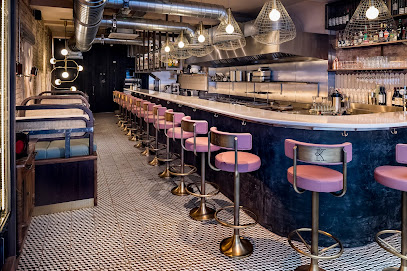
Kricket Soho
0.6 km
Discover bold, modern Indian small plates in a lively Soho setting with an open kitchen and vibrant basement dining.
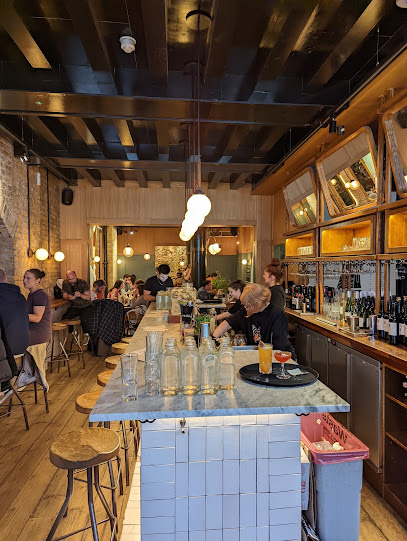
Flat Iron Covent Garden
0.6 km
Savor expertly crafted flat iron steaks in a historic Covent Garden setting, complete with rustic charm and a signature ice cream treat.
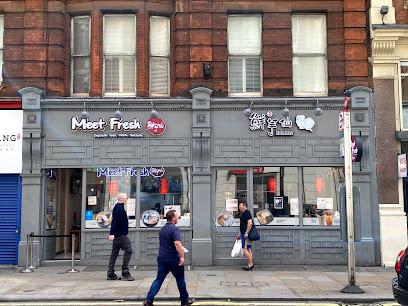
Meet Fresh
0.6 km
Authentic Taiwanese desserts in lively Soho, offering generous portions of mochi, taro balls, and refreshing fruit teas in a bustling urban setting.
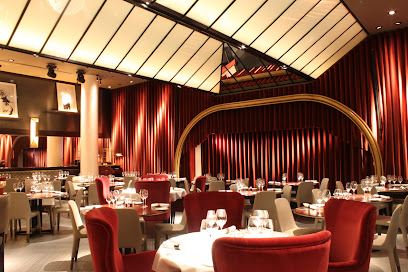
Quaglino's
0.6 km
Glamorous basement brasserie with live music, cocktails, and theatrical dining in St. James's.
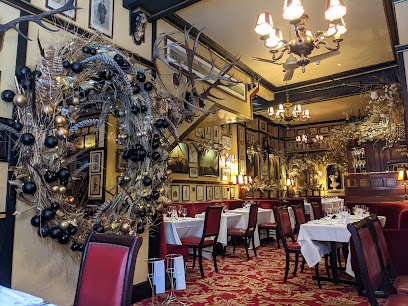
Rules
0.7 km
London’s oldest restaurant since 1798, Rules serves timeless British classics in an elegant, historic Covent Garden setting.
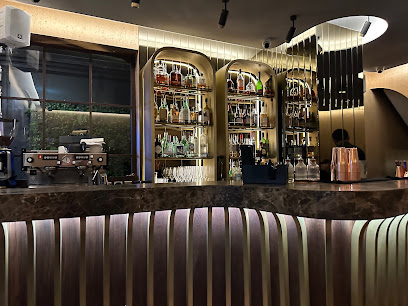
Bantof
0.7 km
Discover Bantof, Soho’s intimate hotspot blending Michelin-starred modern European cuisine, inventive cocktails, and vibrant art in a stylish, welcoming setting.
Markets, malls and hidden boutiques

Crest of London Ltd
0.2 km
Discover authentic London souvenirs and local crafts at Crest of London Ltd, your premier gift shop in historic Whitehall.
Lillywhites
0.5 km
London's iconic sports megastore at Piccadilly Circus—where athletic excellence meets retail tradition.
Gifts of London
0.5 km
Discover unique souvenirs and gifts that embody the spirit of London at Gifts of London, your perfect shopping destination.
Cool Britania
0.5 km
Discover authentic British souvenirs and capture timeless memories at Cool Britannia, Leicester Square’s premier gift and photography shop.
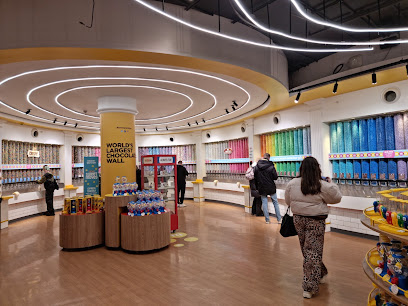
M&M'S London
0.5 km
Experience the colorful world of M&M'S London, where candy dreams come true with personalized treats and vibrant merchandise.
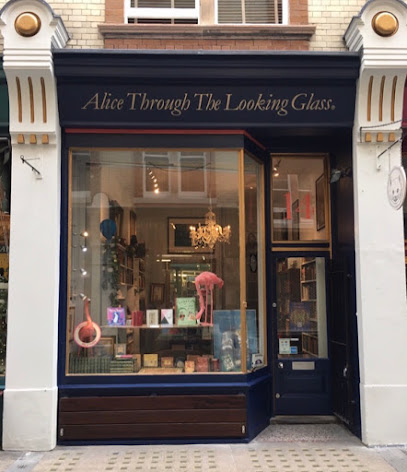
Alice Through The Looking Glass
0.5 km
Step into a whimsical world of antiques, art, and literary treasures inspired by Alice in Wonderland in the heart of London’s Cecil Court.
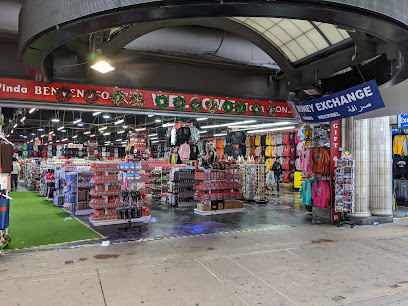
Glorious London Gift & Souvenir
0.5 km
Discover unique souvenirs and gifts that embody the spirit of London at Glorious London Gift & Souvenir, a must-visit shopping destination.
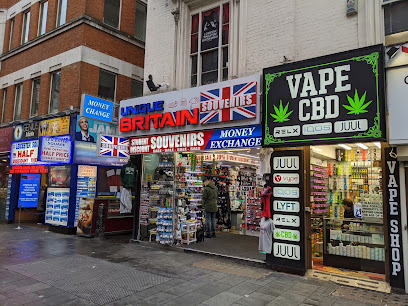
Unique Britain
0.5 km
Discover authentic British souvenirs and artistic keepsakes in the heart of London’s lively West End on historic Cranbourn Street.
Jermyn St
0.5 km
Discover Jermyn Street, London’s historic menswear enclave blending timeless craftsmanship with contemporary style and refined elegance.
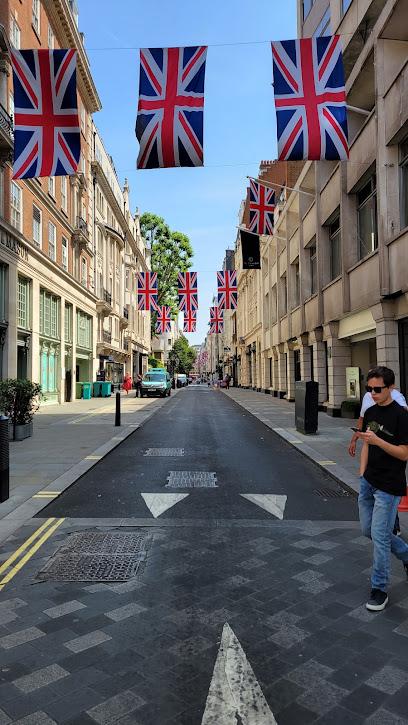
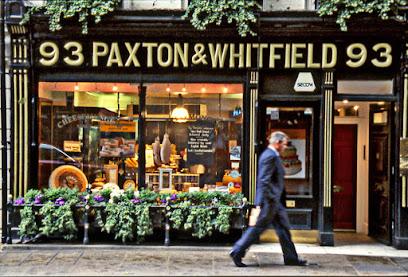
Paxton & Whitfield Ltd
0.5 km
London’s oldest cheesemonger, serving artisan cheese with royal heritage and timeless charm.
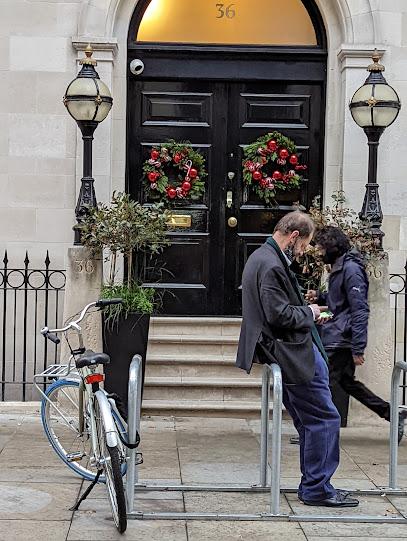
Floris London
0.6 km
Experience nearly three centuries of British fragrance heritage at Floris London’s historic boutique on iconic Jermyn Street.
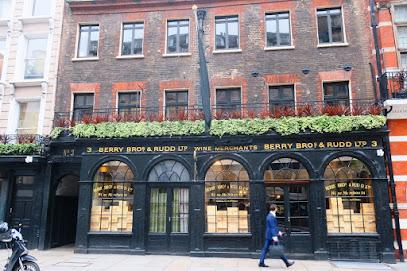
Berry Bros. & Rudd Wine Shop
0.6 km
London’s oldest family-run wine merchant since 1698, blending royal tradition with expert wine and spirits in a historic Pall Mall setting.
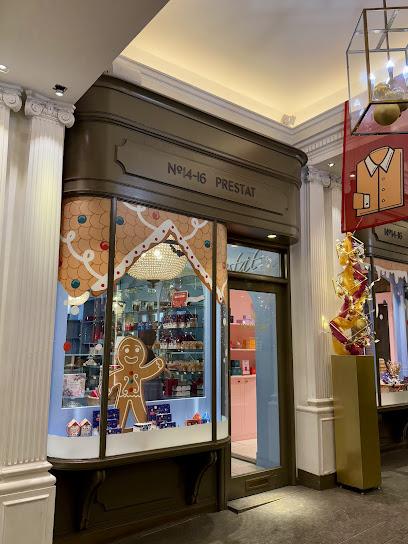
Prestat Chocolates
0.6 km
Royal warrant chocolatier crafting sophisticated truffles in Piccadilly's elegant Princes Arcade since 1902.
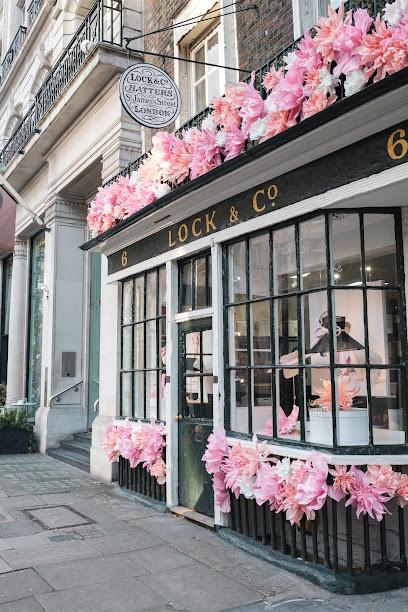
Lock & Co. Hatters
0.6 km
Discover the world’s oldest hat shop, where centuries of British style and craftsmanship come to life in the heart of London.
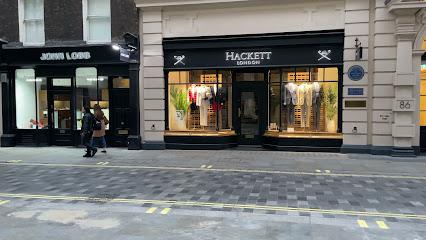
Princes Arcade
0.6 km
A refined covered arcade where London's bespoke traditions meet curated luxury shopping.
Essential bars & hidden hideouts

Old Shades
0.2 km
Historic Whitehall pub pouring cask ales and pub classics since 1898, steps from Trafalgar Square—a true taste of London tradition.
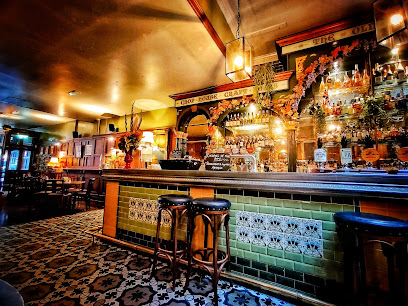
The Spy Bar
0.2 km
Step into London’s secret subterranean bar where espionage history meets masterful cocktails and exclusive, no-photos privacy.
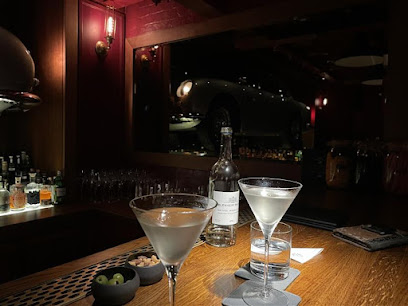
Hampshire Restaurant and Bar
0.4 km
Intimate bar and restaurant serving vibrant Mexican and Peruvian cuisine in the heart of Leicester Square’s iconic theatre district.
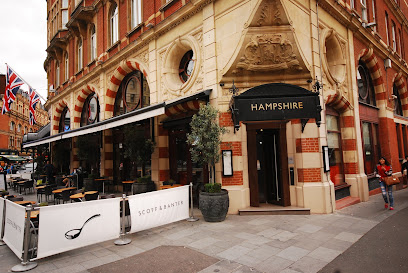
All Bar One Leicester Square
0.4 km
Stylish wine and cocktail bar in the heart of Leicester Square, perfect for socializing, dining, and private events in central London.
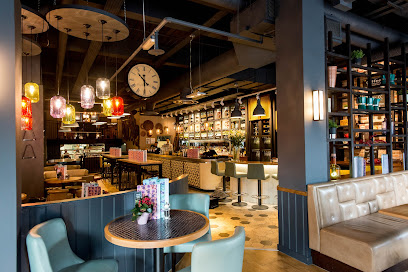
The Harp, Covent Garden
0.4 km
A historic Covent Garden pub famed for award-winning ales, traditional ciders, and a timeless, welcoming atmosphere.
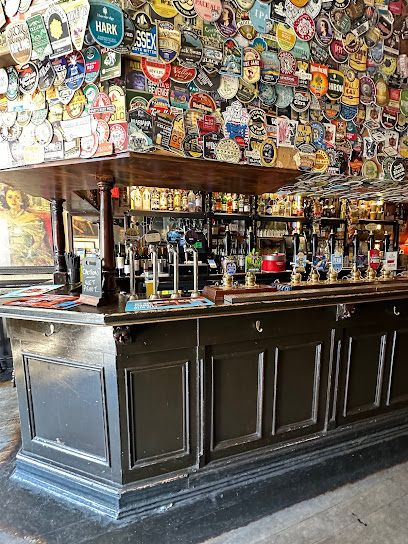
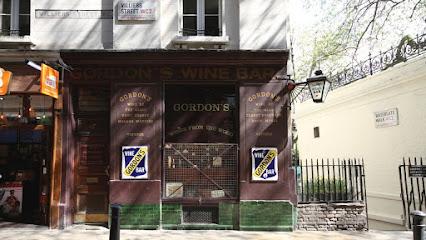
Gordon's Wine Bar
0.5 km
Step into London's oldest wine bar, where history, candlelight, and award-winning wines create an unforgettable cellar experience.
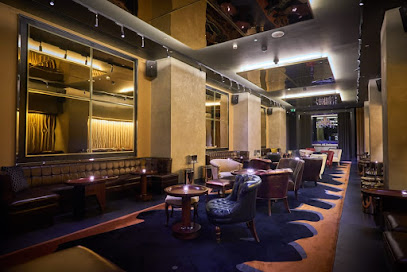
Blind Spot London
0.5 km
Discover a secretive speakeasy with globally inspired cocktails and intimate ambiance tucked inside St Martin’s Lane Hotel, Covent Garden.
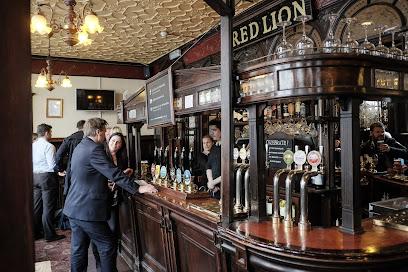
The Red Lion, Mayfair
0.5 km
Historic Victorian pub in Mayfair famed for its political heritage and classic London charm, steps from Downing Street.
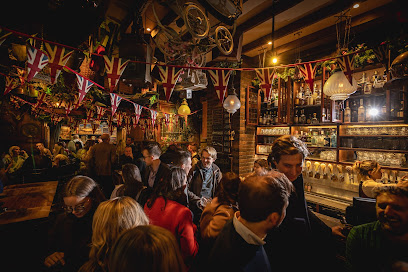
Mr Fogg's Tavern
0.5 km
Step into a Victorian-inspired tavern in Covent Garden, where inventive cocktails meet hearty British fare in an eclectic and lively setting.
Mr Fogg's Society of Exploration
0.6 km
Step into a Victorian explorer’s world with inventive cocktails, immersive storytelling, and a mechanical mixologist in Covent Garden’s unique speakeasy.
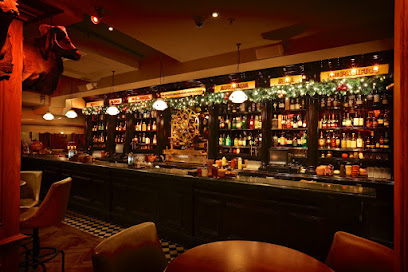
The Red Lion, Parliament Street
0.6 km
A venerable Westminster corner pub — late‑Victorian fittings, political atmosphere and a long history beside Downing Street and Parliament.
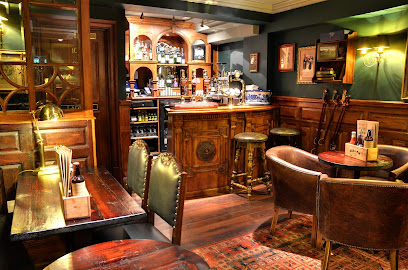
The Alchemist St Martin's Lane
0.6 km
Experience theatrical cocktails and vibrant dining in the heart of Covent Garden’s iconic theatre district.
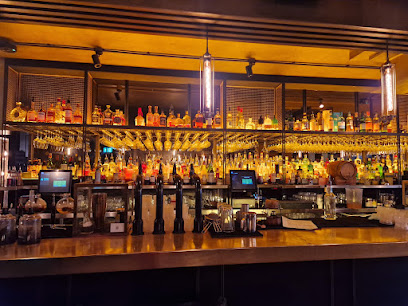
Ku Bar
0.6 km
Soho's legendary gay bar icon: three levels of inclusive vibes, cocktails, and basement beats in Chinatown's electric heart.
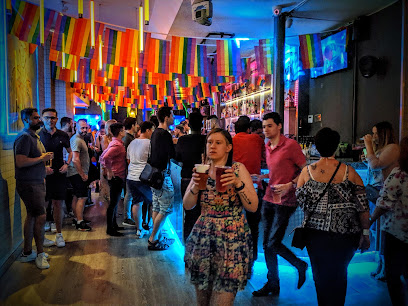
Blame Gloria - Cocktail Bar in Covent Garden
0.6 km
Dive into Blame Gloria’s neon-lit retro cocktail haven in Covent Garden, where legendary rock vibes and wild themed brunches electrify your night.
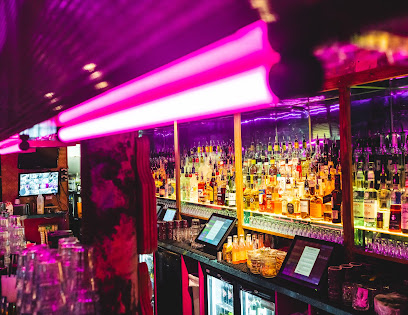
Opium Cocktail Bar - Soho
0.6 km
Discover a hidden Soho speakeasy blending 1920s Shanghai charm with inventive cocktails and exquisite dim sum in London’s Chinatown.
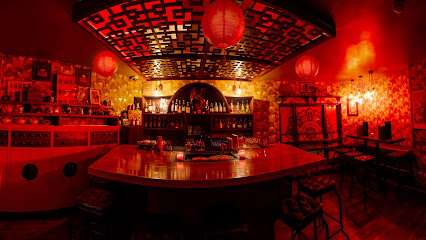
Nightclubs & after hour spots

TSQ Club
0.1 km
Dive into Trafalgar Square's nightlife pulse at TSQ Club, where eclectic beats, dazzling lights, and craft cocktails fuel unforgettable weekend nights in London's heart.
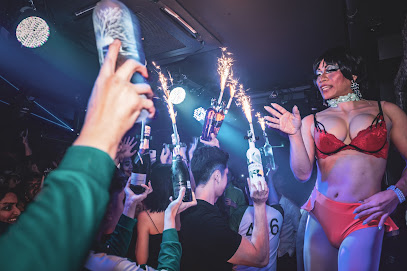
Heaven
0.4 km
London’s iconic gay superclub under the railway arches — big nights, loud music, drag, and late finishes in the heart of the West End.
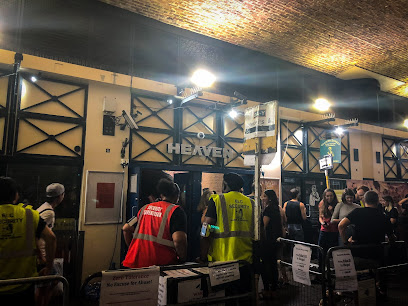
Luxe Club
0.4 km
Experience London's vibrant nightlife at Luxe Club, a central hotspot for music, dancing, and late-night entertainment.
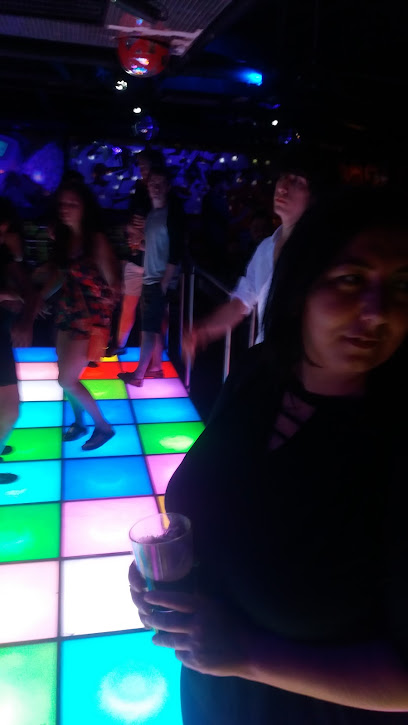
The Penthouse London
0.5 km
A compact, rooftop nightclub above Leicester Square — reached by a side lift, built for late‑night private parties and skyline glimpses.
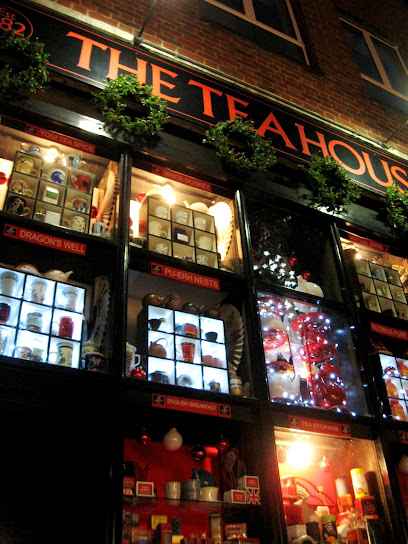
Zoo Bar & Club
0.5 km
Dive into Leicester Square's edgy nightlife hub: two floors of R&B beats, sports screens, and wild energy until 3am at Zoo Bar & Club.
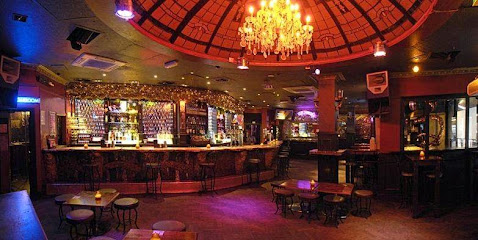
The Scotch of St James
0.5 km
Legendary Mayfair speakeasy where 60s rock stars jammed and today's elite dance till dawn in velvet-clad intimacy.
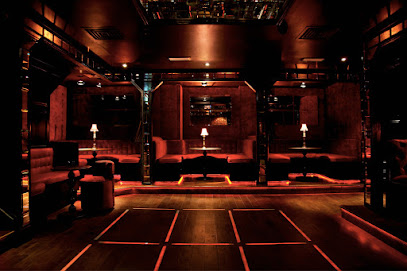
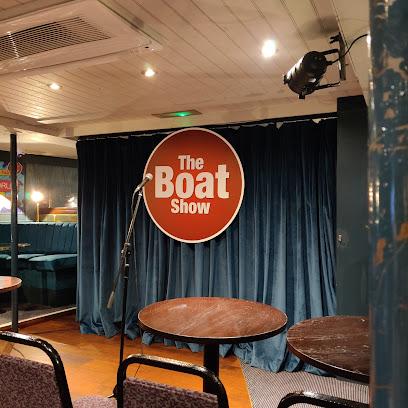
The Boat Show Comedy Club
0.5 km
London’s premier floating comedy club aboard the historic Tattershall Castle, blending laughter with iconic riverside views and vibrant nightlife.
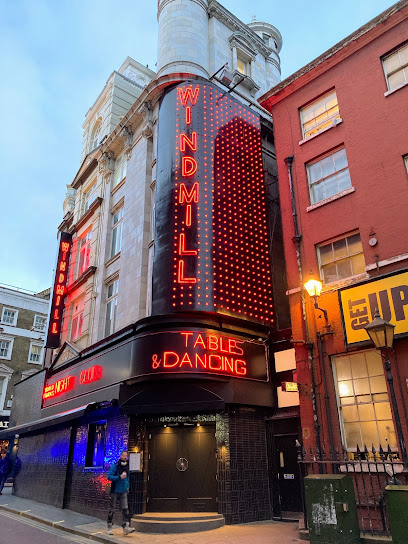
The Windmill Soho | Restaurant, Cabaret & Nightclub in Soho, London
0.6 km
Soho's legendary cabaret den revived: burlesque bites, theatrical feasts, and all-night beats in a historic hotspot of hedonism.
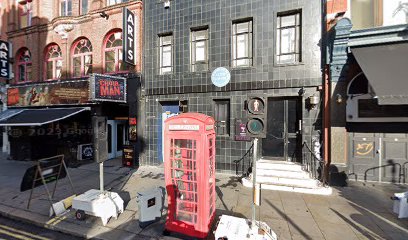
Whatdafunk Presents West End Urban Disco
0.6 km
Dive into London's grooviest urban disco beats at Whatdafunk, where Covent Garden's streets pulse with funk, soul, and non-stop dance energy in the heart of the West End.
The Cuckoo Club
0.7 km
Exclusive Mayfair nightclub and restaurant blending glamorous design, contemporary cuisine, and vibrant nightlife in London’s upscale scene.
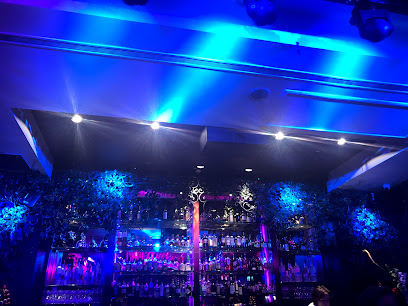
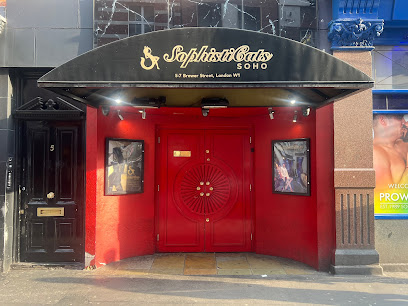
Sophisticats Soho
0.7 km
An intimate, late‑night Soho gentlemen’s club on Brewer Street offering staged performances, VIP seating and an upmarket, discreet atmosphere.
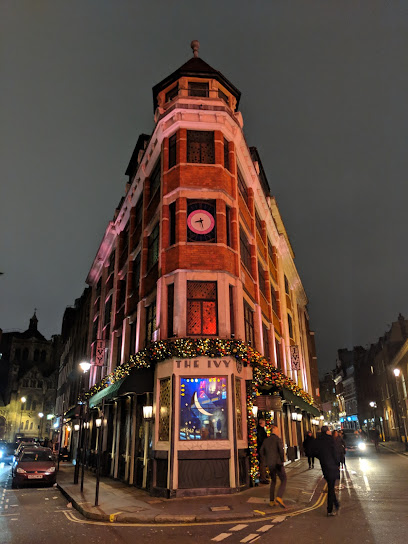
The Ivy Club
0.7 km
Art-Deco‑tinged members’ club above The Ivy — piano bars, discreet private dining and polished West End glamour.
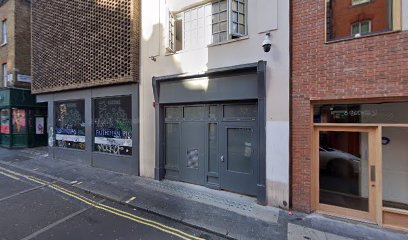
Versity Camp Nightclub
0.7 km
Dive into Soho's beating heart at Versity Camp Nightclub, where thumping bass, inventive cocktails, and an electric crowd fuel unforgettable nights until dawn.
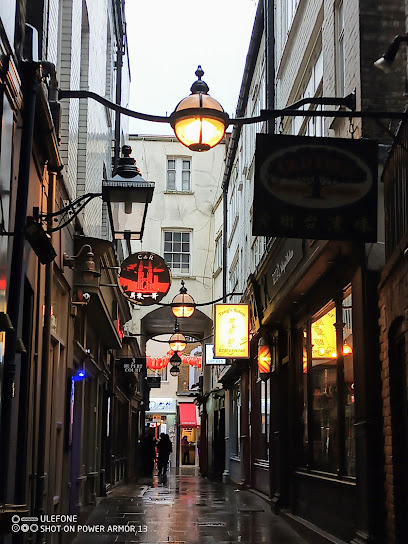
The Box Soho
0.7 km
A clandestine Soho cabaret where decadent staging, provocative shows and high‑end cocktails collide in an intense late‑night theatre.
Tabu London
0.8 km
Escape Mayfair's polish for Tokyo's neon-lit Shinjuku alleys at Tabu London—retro gaming vibes, caged dancers, hip-hop beats, and upscale bites fuel epic nights.
For the vibe & atmosphere seeker
- Tranquil
- Scenic
- Historic
- Unique
For the design and aesthetic lover
- Vintage Styles
For the architecture buff
- Historic
- Landmarks
For the view chaser and sunset hunter
- Iconic Views
- Panoramas
For the social media creator & influencer
- Instagrammable
- Photo Spots
- Architectural Shots
For the eco-conscious traveler
- Public-Transport Accessible
- Locally Managed
For the kind of experience you’re after
- Cultural Heritage
- Photowalk
- Day Trip
For how adventurous you want the journey to be
- Easy Access
Location Audience
- Family Friendly
- Senior Friendly
- Child Friendly
- Teen Friendly
- Wheelchair Access
- Solo Friendly
- Couple Friendly
- Vegetarian Friendly
- Vegan Friendly


