

Bermondsey Street
Historic South London street blending contemporary art, independent dining, and converted industrial architecture.
Bermondsey Street is a vibrant, pedestrian-friendly thoroughfare in South London that seamlessly blends contemporary art, independent dining, and historic architecture. Running diagonally from London Bridge station toward Tower Bridge Road, this dynamic street has transformed from its industrial past into a cultural and culinary destination. Home to the White Cube gallery, Fashion and Textile Museum, and dozens of independent restaurants and boutiques, Bermondsey Street offers visitors an authentic London experience away from mainstream tourist crowds.
A brief summary to Bermondsey St
- London, GB
- Duration: 1.5 to 4 hours
- Mid ranged
-
 Outdoor
- Mobile reception: 5 out of 5
Local tips
- Visit the White Cube gallery on a weekday morning to experience the contemporary art exhibitions with fewer crowds. Entry is free, and the converted warehouse space itself is architecturally impressive.
- Arrive at Bermondsey Square on Friday morning to explore the Antique Market, which fills the courtyard with vintage furniture, collectibles, and secondhand goods from early morning until early afternoon.
- Stop at The Watch House coffee shop in its historic octagonal building for excellent coffee and pastries while learning about the building's 19th-century role protecting graves from body snatchers.
- Explore St Mary Magdalen Churchyard at the street's southern end for peaceful green space, historic tombs, and views toward The Shard from the southeast corner.
- Plan your visit to combine Bermondsey Street with nearby attractions like Tower Bridge, Borough Market, and the South Bank cultural venues, all within easy walking distance.

For the on-the-go comforts that matter to you
- Restrooms
- Drink Options
- Drinking Water
- Food Options
- Seating Areas
- Sheltered Areas
- Trash Bins
- Information Boards
Getting There
-
London Underground
From London Bridge station on the Northern, District, or Circle lines, exit toward the south and walk approximately 5 minutes southeast along St Thomas Street, which becomes Bermondsey Street. The journey takes roughly 8–10 minutes total from the station platform. Service runs frequently throughout the day and evening, with typical wait times of 2–5 minutes between trains during peak hours and 5–10 minutes off-peak.
-
National Rail
London Bridge railway station serves multiple train operators with services to South London, Kent, and beyond. Exit the station toward the south and follow the same route as the Underground option above. Walking time from platform to Bermondsey Street is approximately 5–7 minutes. Train frequencies vary by operator and destination but typically run every 10–30 minutes depending on the service.
-
London Bus
Multiple bus routes serve the area, including routes 42, 47, 48, and others that stop near London Bridge or along Borough High Street. Journey times from central London vary from 15–30 minutes depending on traffic and starting point. Buses run throughout the day and night, with frequencies typically every 5–15 minutes on main routes. Single journey fare is approximately £1.75 with an Oyster card or contactless payment.
-
Walking from South Bank
If exploring the South Bank area (Tate Modern, National Theatre, or Hayward Gallery), Bermondsey Street is accessible via a 10–15 minute walk across London Bridge or via riverside paths. The route is flat and well-signposted, passing through Borough Market area. This option is ideal for combining multiple South London attractions in a single visit.
Bermondsey St location weather suitability
-
 Any Weather
-
 Mild Temperatures
Discover more about Bermondsey St
From Industrial Heritage to Cultural Hub
Bermondsey Street traces its roots back centuries, when this area was marshland on the outskirts of medieval London. The district later became a thriving industrial center, particularly renowned for leather tanning and manufacturing in the 19th century. The street's distinctive railway viaducts and converted warehouse buildings are tangible reminders of this working-class heritage. Charles Dickens immortalized the area in Oliver Twist, while J.M.W. Turner captured its riverside character in his paintings. World War II bombing raids devastated much of Bermondsey, but rather than erasing its character, the subsequent rebuilding created opportunities for creative regeneration. Today, the street's industrial bones—exposed brick, soaring ceilings, and repurposed factory spaces—provide an authentic backdrop for contemporary galleries, restaurants, and independent shops.Contemporary Art and Cultural Institutions
Bermondsey Street has established itself as a serious cultural destination within London's art landscape. The White Cube gallery, one of Europe's largest commercial galleries at 58,000 square feet, occupies a converted 1970s warehouse and features three principal exhibition spaces plus smaller galleries, private viewing rooms, and a 60-seat auditorium for lectures and artist films. Entry is free, making it accessible to all visitors. Just down the street, the Fashion and Textile Museum is the United Kingdom's only institution dedicated exclusively to contemporary fashion and textile design, hosting rotating exhibitions throughout the year. These institutions attract art enthusiasts, designers, and curious explorers seeking to engage with cutting-edge creative work.Dining, Coffee, and Independent Commerce
The street's restaurant and café scene reflects London's cosmopolitan food culture. Intimate establishments serve handmade pasta and Italian wines, while independent coffee roasters occupy historic buildings with compelling stories. The Watch House, housed in a distinctive octagonal structure built between 1810 and 1812, originally served as a parish guardhouse protecting graves from body snatchers—a reminder of Bermondsey's layered past. Today it functions as a beloved coffee destination. Bermondsey Square, an open courtyard adjacent to the street, hosts the Bermondsey Antique Market every Friday, where visitors browse vintage furniture, collectibles, and secondhand silver. The surrounding area also features Maltby Street Market and Druid Street Market, offering global street food and artisanal goods.Architectural Character and Public Spaces
Walking Bermondsey Street reveals architectural diversity spanning centuries. Georgian terrace houses from 1828 stand alongside Victorian industrial structures and contemporary interventions. The street passes beneath railway arches that create dramatic passages and atmospheric vistas. St Mary Magdalen Churchyard, a substantial green space at the street's southern end, provides respite with footpaths winding among historic tombs and offering views toward The Shard. Tanner Street Park offers additional green relief. These spaces create rhythm and breathing room within the urban fabric, allowing visitors to pause and absorb the area's character.Connectivity and Surrounding Attractions
Bermondsey Street's location just five minutes' walk from London Bridge station makes it exceptionally accessible. The street connects seamlessly to broader South London attractions including Tower Bridge, The Shard, Borough Market, and the South Bank cultural precinct with the National Theatre, Tate Modern, and Hayward Gallery. Vinegar Yard, a nearby outdoor venue featuring markets and bars, extends the area's appeal for social gathering and browsing. This strategic positioning transforms Bermondsey Street into an ideal starting point for exploring Southeast London while remaining a destination in its own right.Community and Atmosphere
Bermondsey Street maintains a distinctly local character despite its growing prominence. Independent boutiques, galleries run by passionate curators, and restaurants operated by dedicated chefs create an atmosphere of authenticity that distinguishes it from more commercialized London neighborhoods. The street's diagonal orientation and varied building heights create visual interest and discovery at every turn. Its mix of professional creatives, longtime residents, and curious visitors generates a dynamic, inclusive energy that feels both sophisticated and approachable.Iconic landmarks you can’t miss

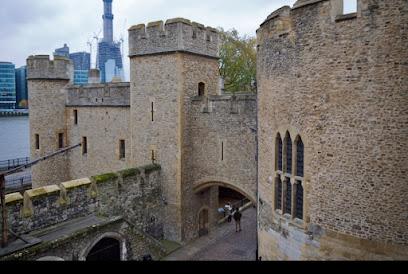
Wakefield Tower
0.8 km
Medieval royal tower steeped in 13th-century splendor and tragic history within the Tower of London.
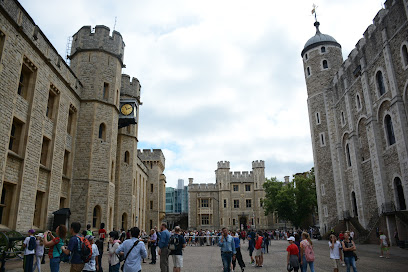
Roman Wall of Londinium
0.9 km
Explore the towering Roman Wall at Tower Hill, a striking relic that shaped London’s ancient cityscape and echoes 2,000 years of history.
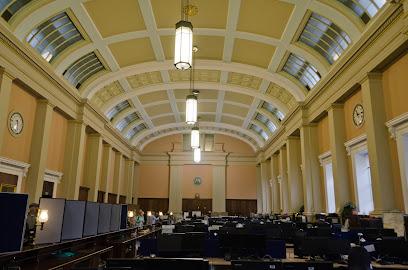
Custom House
0.9 km
Historic Custom House on London’s Thames waterfront, a grand 19th-century customs hub echoing centuries of maritime trade and empire.
1 Tower Hl Ter
1.0 km
Historic urban landmark near Tower of London, blending centuries of British heritage with maritime memorials and modern city life.
Church of Saint Magnus-the-Martyr
1.0 km
Experience the architectural beauty and serene atmosphere of the Church of Saint Magnus-the-Martyr, a historical gem in the heart of London.
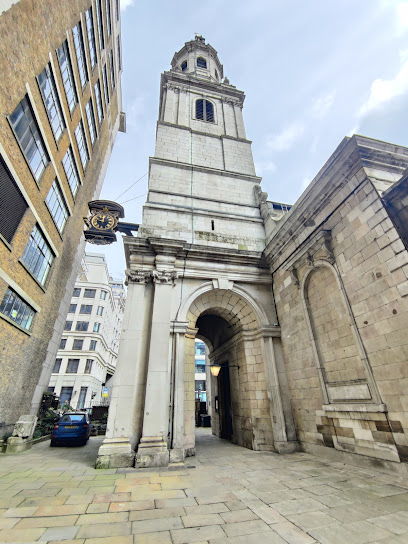
Tower Hill Memorial
1.0 km
Honouring 35,000 merchant seafarers with no grave but the sea—a dual memorial to two world wars.
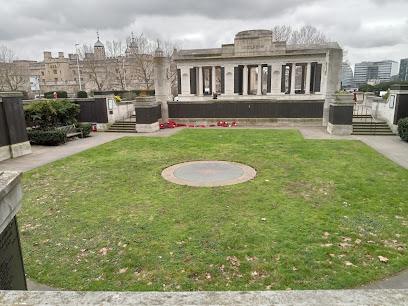
Tower Hill
1.1 km
Explore Tower Hill in London, where history meets stunning views and vibrant culture in the heart of the city.
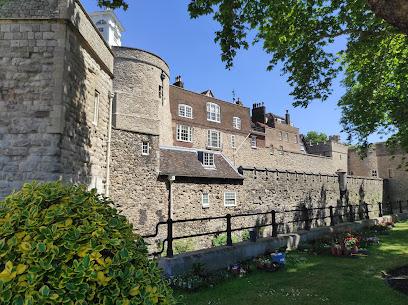
Pudding Ln
1.1 km
Explore Pudding Lane, a historic London street where the Great Fire ignited, and discover the rich heritage and vibrant culture of the City.
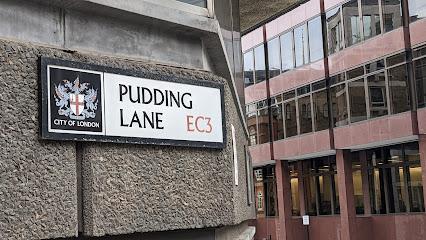
Sundial at the Tower Hill
1.1 km
Discover the Sundial at Tower Hill, a picturesque spot in London where history and beauty meet, perfect for relaxation and photography.
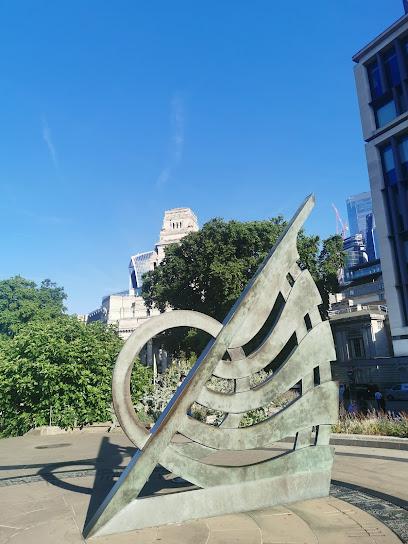
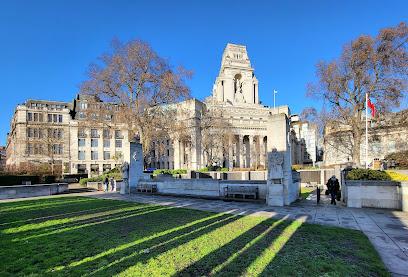
Trinity Square
1.1 km
Historic formal gardens honouring maritime sacrifice amid London's ancient heart and architectural grandeur.
Monument to the Great Fire of London
1.1 km
An iconic Doric column commemorating the Great Fire of London, offering panoramic city views from its historic 311-step climb.

Fish St Hill
1.1 km
Discover the historic charm and vibrant culture of Fish St Hill in London, a must-visit destination for tourists exploring the capital's rich heritage.
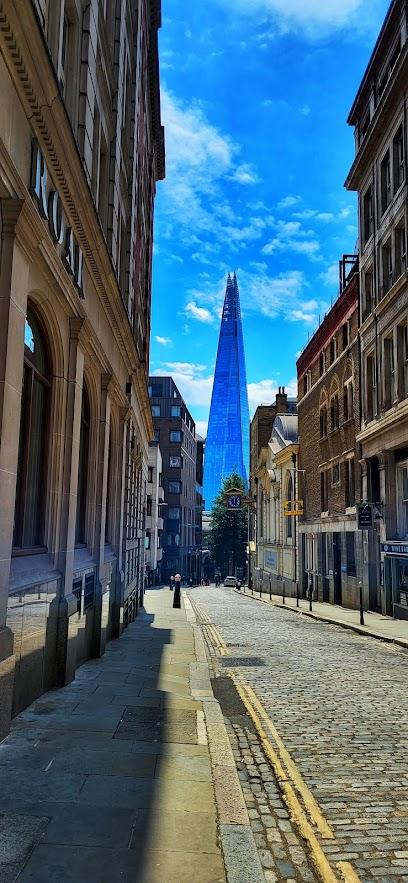
London Wall
1.1 km
Explore London Wall, an ancient Roman landmark revealing the rich history of Londinium amidst the modern cityscape of London.
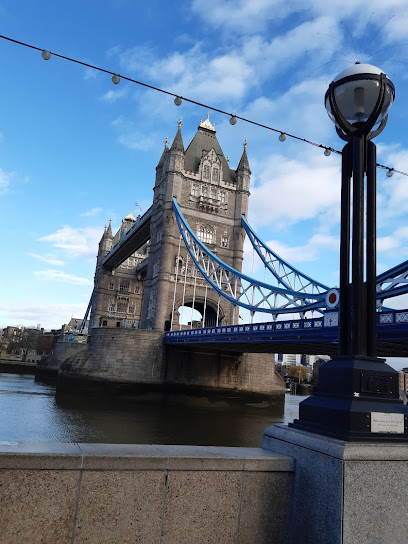
Trinity House
1.1 km
Five centuries of maritime heritage and seafarer welfare in a restored Georgian masterpiece.
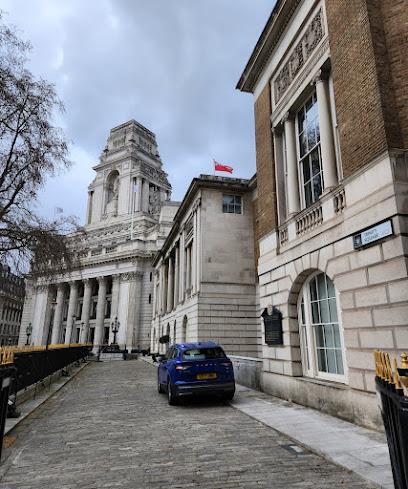
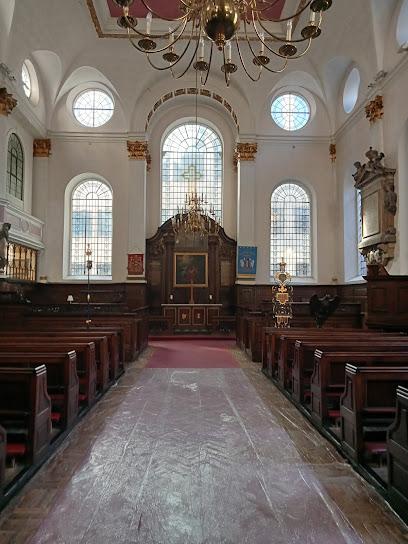
St Margaret Pattens Eastcheap
1.1 km
Medieval guild church with Wren's only 'true spire'—a 950-year sanctuary in the City's financial heart.
Unmissable attractions to see

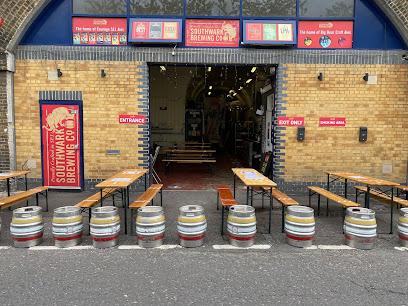
Southwark Brewing Company
0.3 km
Independent cask ale brewery in a Victorian railway arch, where trains rumble overhead and tradition meets innovation.
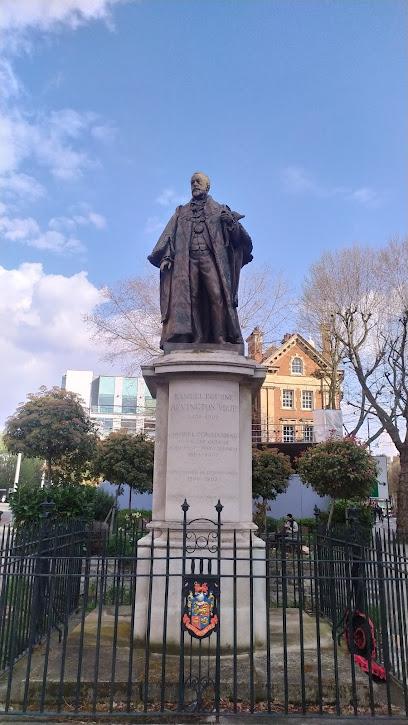
Samuel Bourne Bevington Statue
0.4 km
A distinguished bronze tribute to Bermondsey’s first mayor, set near the iconic Tower Bridge in London’s historic South Bank district.
Bermondsey Antique Market
0.4 km
Discover timeless treasures and rich history every Friday at Bermondsey Antique Market, London's oldest and most vibrant antiques hub.
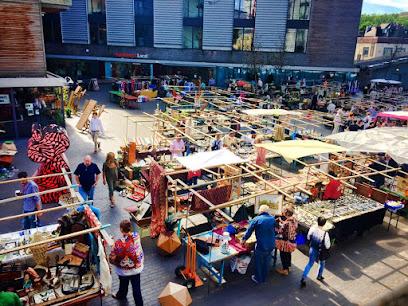
Maltby Street Market
0.4 km
Discover Maltby Street Market, a vibrant weekend food haven beneath historic Bermondsey railway arches, offering global street food and artisan delights.
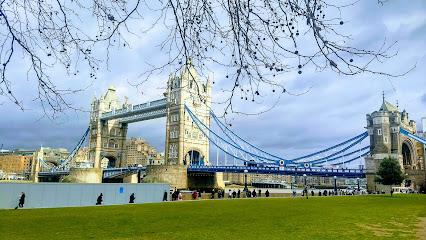
Potters Fields Park
0.4 km
A peaceful riverside park by Tower Bridge blending historic pottery heritage with vibrant gardens and iconic London views.
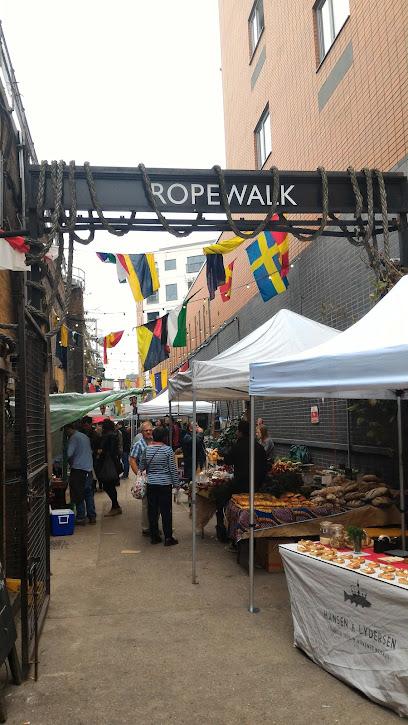
Ropewalk
0.5 km
Discover Ropewalk, the vibrant and historic heart of Maltby Street Market where London’s industrial charm meets world-class street food.

More London Place
0.5 km
A vibrant riverside business and cultural precinct blending modern architecture with iconic Thames views near Tower Bridge.
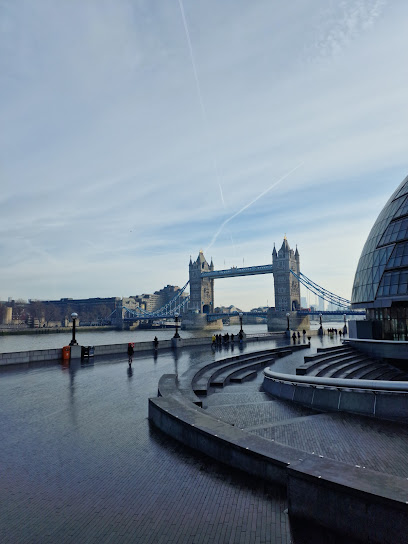
Bridge Theatre
0.5 km
Experience cutting-edge theatre in London’s innovative Bridge Theatre, where flexible design meets immersive performances by the Thames.
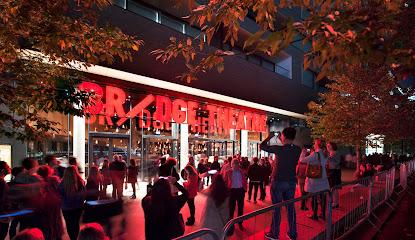
English Grounds
0.5 km
Experience the tranquility and beauty of English Grounds in London, a perfect escape into nature and culture amidst the vibrant city life.
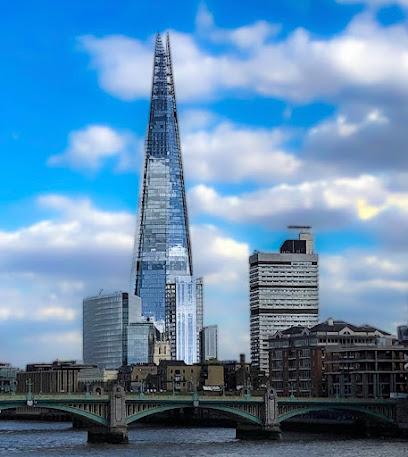
The View from The Shard
0.5 km
Experience London’s highest panoramic views from the iconic glass spire of The Shard, with stunning 360-degree vistas and luxury amenities.
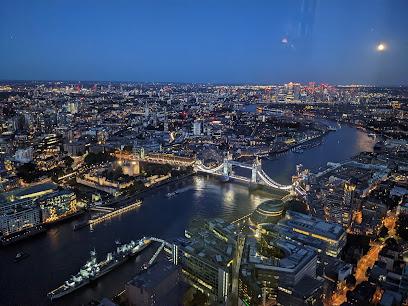
The Shard
0.5 km
Experience breathtaking views of London from The Shard, the tallest building in the UK, where modern architecture meets stunning landscapes.
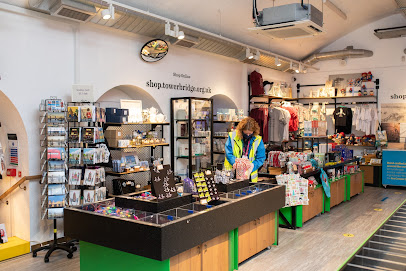
Tower Bridge - Engine Rooms and Official Gift Shop
0.5 km
Explore London’s iconic Tower Bridge with panoramic views, historic Engine Rooms, and a unique gift shop celebrating this engineering masterpiece.
Hay's Galleria
0.6 km
Historic riverside galleria blending Victorian architecture, vibrant shopping, and iconic Thames views in the heart of London.
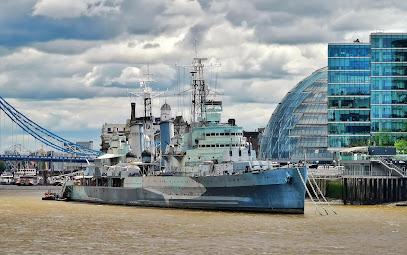
HMS Belfast
0.6 km
Explore nine decks of naval history aboard HMS Belfast, London’s iconic WWII cruiser with stunning Thames views and immersive exhibits.
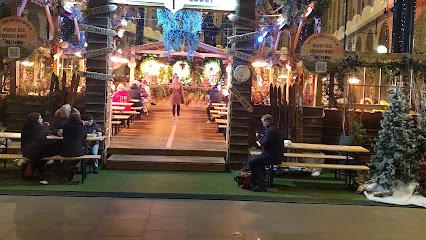
Lantern Ghost Tours
0.6 km
Discover London’s haunted past with Lantern Ghost Tours, blending history, ghost stories, and atmospheric pub stops near London Bridge.
Essential places to dine

Restaurant Story
0.4 km
Experience a two Michelin-starred culinary journey where storytelling meets British fine dining in the heart of London Bridge.
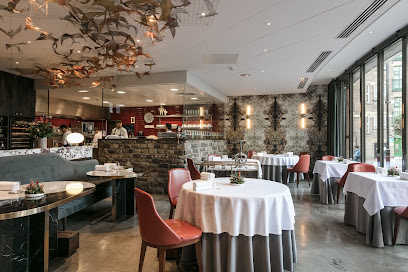
La Dame de Pic London
1.1 km
Discover refined French gastronomy and elegant dining in a historic London landmark with two Michelin stars and innovative cuisine.
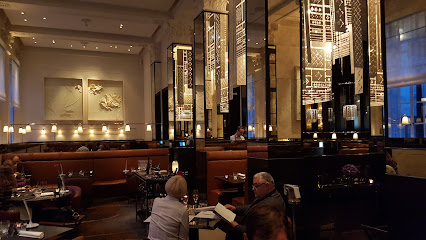
Mercato Metropolitano
1.2 km
A vibrant, sustainable community food market in Elephant & Castle offering global flavors, local sourcing, and a lively social atmosphere.
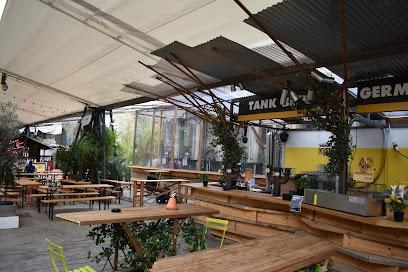
14 Hills
1.3 km
Experience modern British cuisine in a lush, sky-high garden with breathtaking panoramic views over London’s iconic skyline.
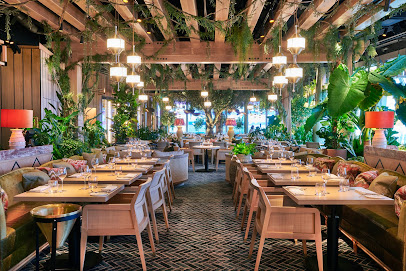
Barcelona Tapas Bar & Restaurant
1.7 km
Authentic Spanish tapas and warm hospitality in the heart of London’s City since 1991.
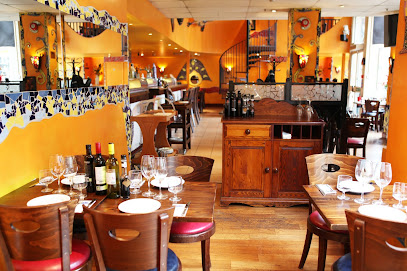
Mattarello Chiodo Bolognese Restaurant
1.7 km
Authentic Bolognese pasta and gluten-free Italian delights in the heart of London’s Middlesex Street.
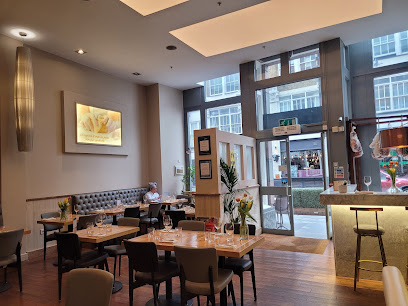
Madison
1.7 km
Stylish rooftop dining and cocktails with breathtaking views of St Paul’s Cathedral and London’s skyline.
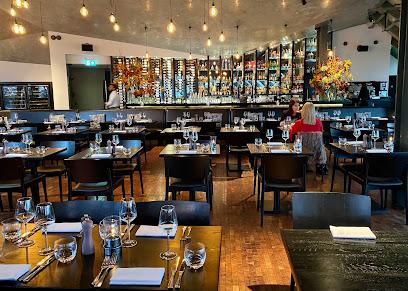
Marugame Udon Middlesex Street
1.9 km
Experience freshly handcrafted Japanese udon and crispy tempura in a lively open kitchen setting at Marugame Udon Middlesex Street, London’s authentic udon destination.
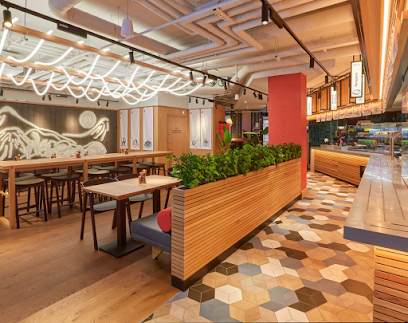
Sea Containers Restaurant
2.0 km
Stylish Modern British dining with iconic Thames views on London’s vibrant Southbank, perfect for brunch, dinner, and special occasions.
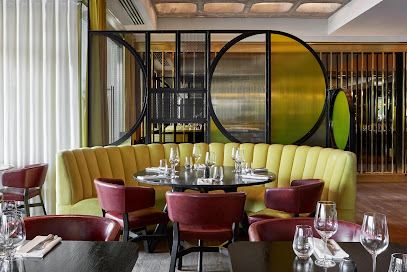
Paradiso Burger & Cocktail Bar Southbank
2.1 km
Vibrant riverside spot in Southbank serving gourmet burgers, cocktails, and bottomless brunch with stunning Thames views.
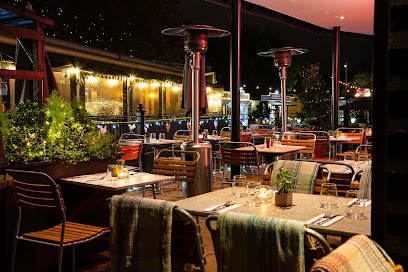
Brasserie Blanc - Southbank
2.4 km
Authentic French brasserie dining with hearty seasonal dishes and rustic charm on London’s lively South Bank.
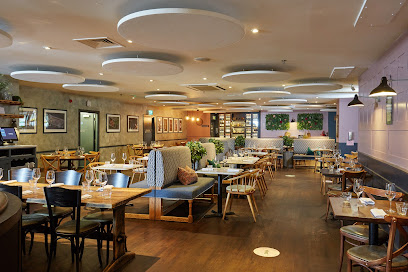
The Archduke
2.4 km
Lively steakhouse and wine bar in Waterloo with superb Scotch beef, classic desserts, and live jazz in a buzzy, inviting atmosphere.
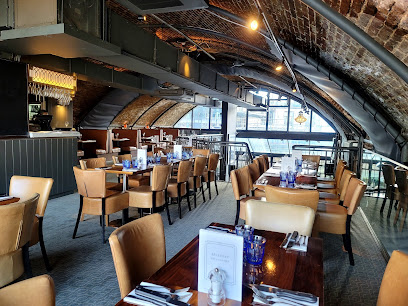
Park Plaza London Westminster Bridge
2.4 km
Stylish 4-star hotel on London’s South Bank with exceptional dining, event spaces, and modern amenities near iconic landmarks.
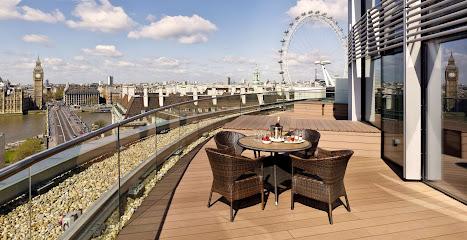
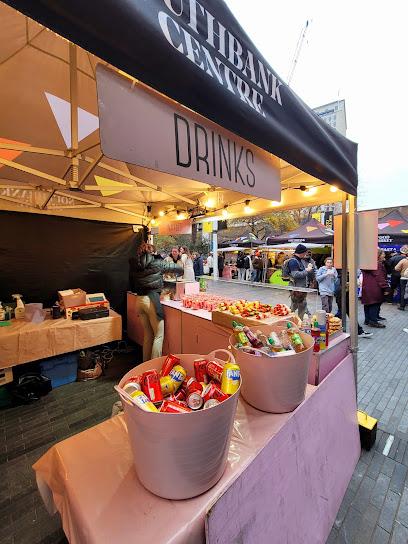
Southbank Centre Food Market
2.4 km
A lively weekend street food market on London’s South Bank offering diverse global cuisines in a vibrant riverside setting.
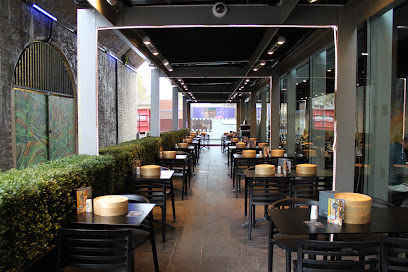
Ping Pong Southbank
2.5 km
Lively Southbank dim sum and cocktail bar blending traditional Chinese flavors with modern Asian fusion in a bustling riverside setting.
Markets, malls and hidden boutiques

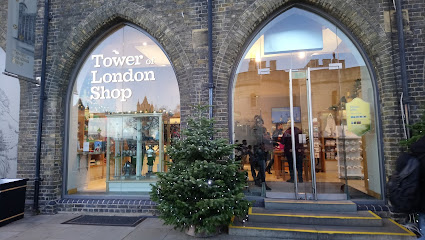
Tower of London Shop
0.8 km
Explore the Tower of London Shop for unique souvenirs that celebrate British heritage and history in the heart of London.
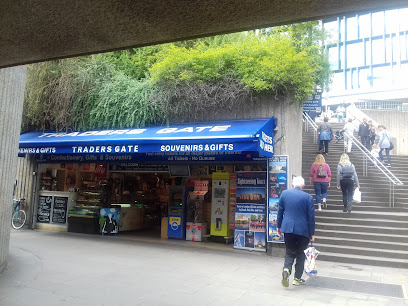
Traders Gate
1.0 km
A long-standing family-run gift shop on Tower Hill, offering classic London souvenirs and local charm just steps from the Tower of London.
The Royal Exchange
1.5 km
A majestic neoclassical landmark blending 450 years of London’s trading history with luxury shopping in the City’s financial heart.
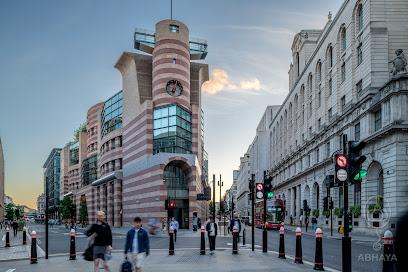
1 Poultry
1.5 km
Iconic postmodern office and retail building with vibrant limestone stripes, a colorful atrium, and a rooftop garden overlooking London’s financial district.
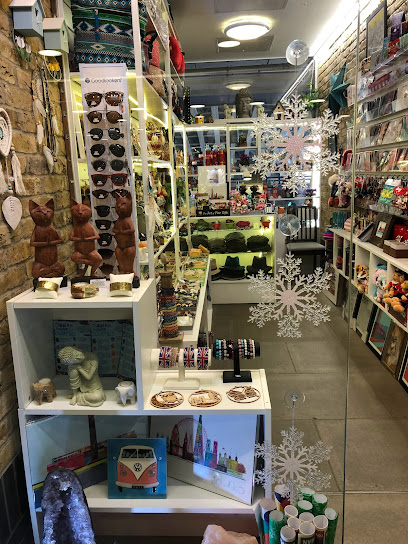
Bankside Arches Boutique
1.7 km
Discover unique London gifts and handcrafted treasures inside Blackfriars Station’s charming Bankside Arches Boutique.
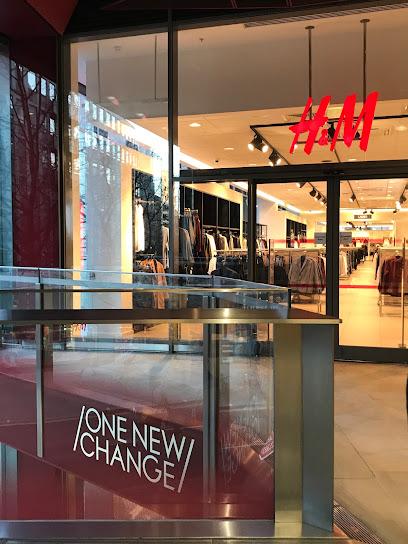
One New Change
1.7 km
Modern glass landmark with free rooftop views of St Paul's Cathedral and London skyline.
Middlesex Textiles
1.8 km
Discover London’s premier West African fabric store offering vibrant, high-quality textiles with unmatched variety and service since 1969.
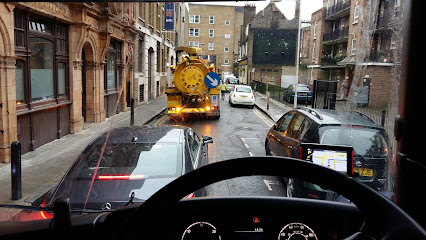
Petticoat Lane Market
1.8 km
London's historic street market where 370 years of commerce, migration, and East End character converge.
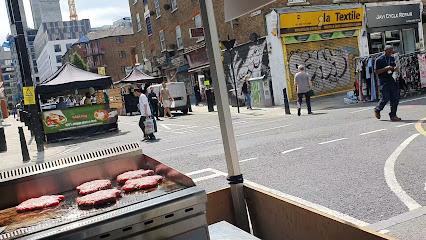
SUCK UK Alternative Gifts (OXO Tower)
2.0 km
Discover quirky, clever gifts and homewares at SUCK UK’s flagship store in London’s iconic OXO Tower.
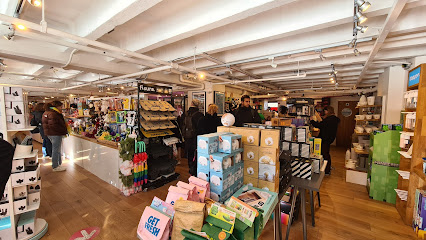
Brand Academy Independent Gift Shop
2.0 km
Dive into a world of whimsical designs and unique finds at this South Bank gem, where global brands meet emerging talents in the heart of Oxo Tower Wharf.
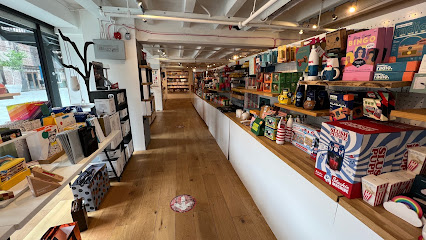
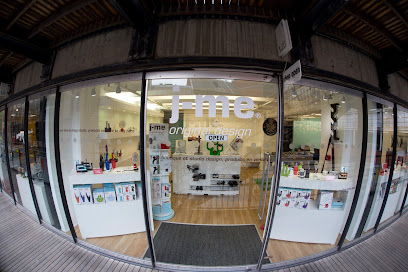
j-me original design ltd
2.0 km
Whimsical designs with a humorous twist from London's Oxo Tower creative hub – quirky home gifts blending fun, function, and British ingenuity.
Fashion St
2.1 km
A historic East London street where Victorian architecture meets modern creativity, surrounded by boutiques, cafés, and vibrant community life.
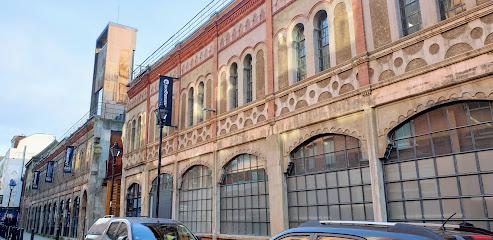
Commercial St
2.1 km
Historic East London artery blending industrial heritage, vibrant markets, and cultural landmarks in the heart of Spitalfields.
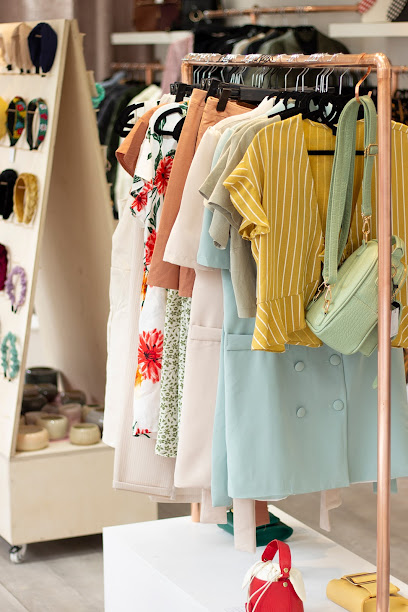
Sugar And Style
2.1 km
Discover design-led fashion accessories in Gabriel's Wharf, London's arty South Bank riverside haven blending style, creativity, and Thames views.
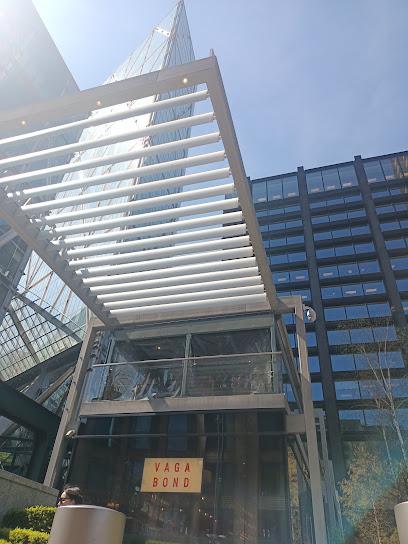
Spitalfields Market
2.1 km
Historic yet vibrant, Spitalfields Market blends East London’s rich heritage with a lively mix of food, art, and shopping all week long.
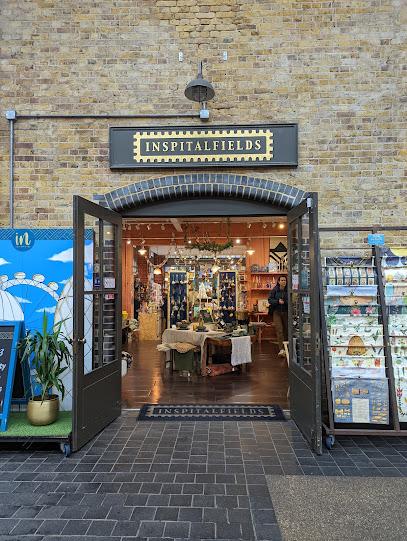
Essential bars & hidden hideouts

Nine Lives
0.3 km
A subterranean Bermondsey bar blending Mexican spirits, sustainable craft cocktails, and vibrant sharable dishes in a boho-chic setting.
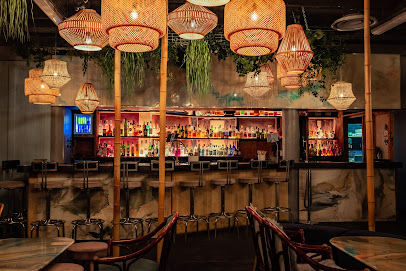
The Old School Yard
0.4 km
Step into a lively retro playground with expertly crafted cocktails, classic arcade games, and a vibrant 80s and 90s atmosphere in London Bridge.
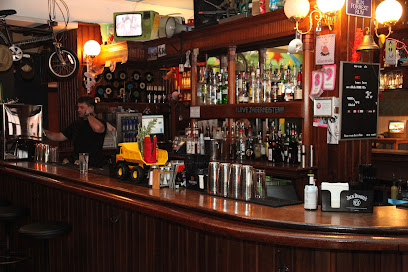
The Hung Drawn & Quartered, EC3
1.0 km
Historic pub near Tower Hill, blending dark medieval history with refined ales and classic British fare in a Grade II listed building.
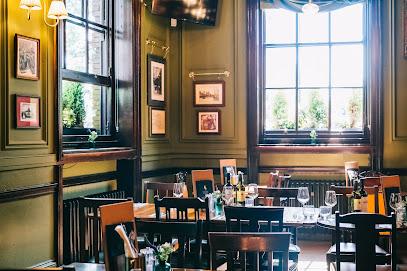
The Cocktail Club - Cocktail Bar near Monument
1.1 km
Vibrant underground cocktail bar near Monument, blending creative drinks with a lively, speakeasy-style party atmosphere.
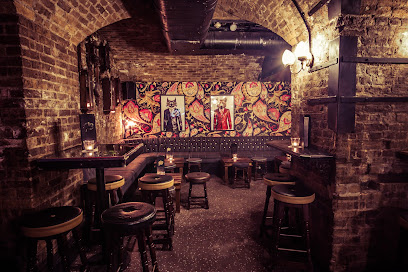
The Bootlegger
1.2 km
Step into The Bootlegger’s hidden Lime Street basement for expertly crafted cocktails, live jazz, and a true 1920s speakeasy vibe in the heart of London.
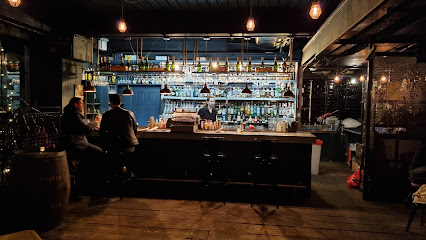
Moonshine Saloon
1.6 km
Step into London’s Moonshine Saloon for an immersive Wild West cocktail adventure with live actors, games, and bespoke drinks made from your own spirits.
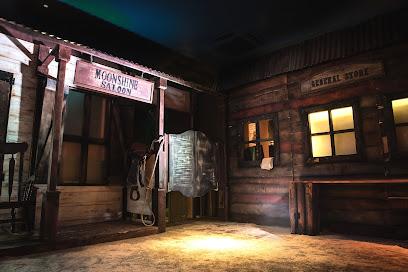
The Alchemist Bevis Marks
1.6 km
Experience London’s theatrical cocktail haven blending molecular mixology with Victorian charm and all-day dining in Aldgate.
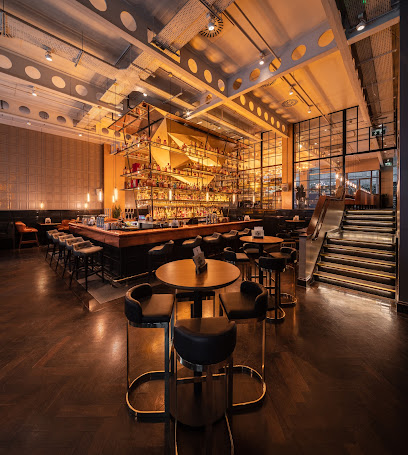
Demon, Wise & Partners
1.6 km
Classic basement cocktail bar blending historic City charm with expert mixology in London’s financial district.
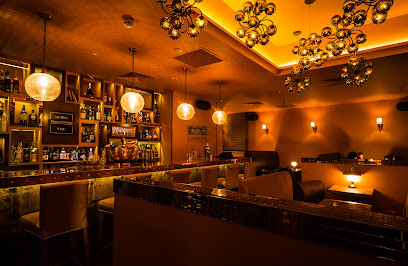
The Bell
1.7 km
A historic East End pub blending traditional charm and local spirit near Petticoat Lane Market.
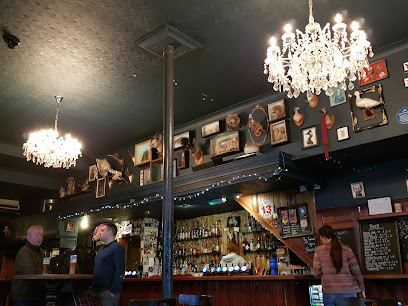
Doggett's Coat and Badge
1.8 km
A large, riverside Nicholson’s pub on Blackfriars Bridge offering classic British fare, real ales and a rooftop terrace with strong Thames views.
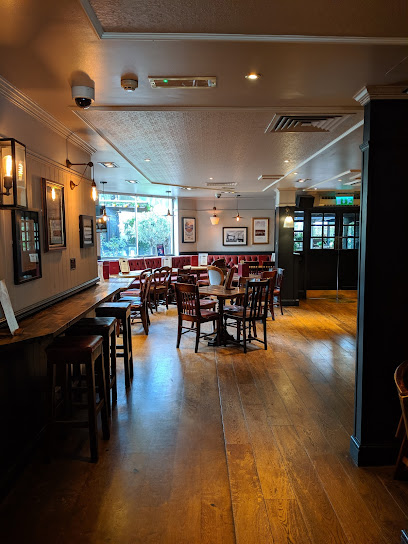
Discount Suit Company
1.8 km
Discover a hidden vintage cocktail bar beneath Spitalfields, blending bespoke drinks with a cozy speakeasy atmosphere in London’s historic tailoring district.
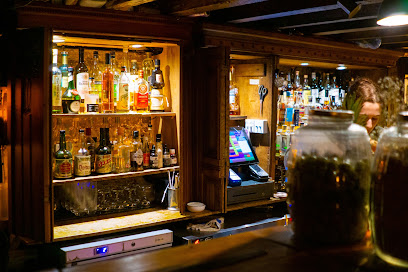
Lyaness
1.9 km
Innovative cocktails and sustainable mixology with stunning Thames views in London’s stylish South Bank hotspot.
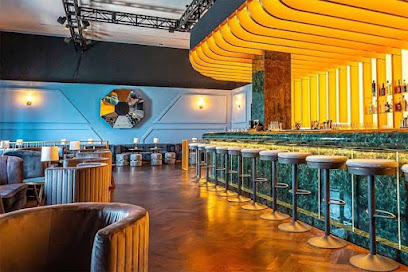
The Astronomer, EC1
1.9 km
A traditional London pub with a cosmic twist, offering hearty pies, craft ales, and a welcoming atmosphere near Liverpool Street.
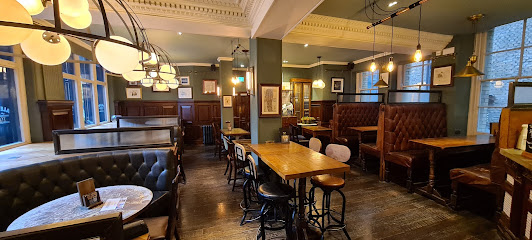
Dirty Dicks
1.9 km
Historic London pub with quirky charm, classic ales, and lively atmosphere near Liverpool Street Station.
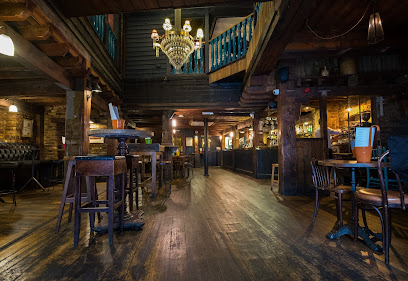
The Mayor of Scaredy Cat Town
2.0 km
Discover Shoreditch’s secret speakeasy behind a fridge door, where quirky vintage charm meets expertly crafted cocktails and lively 80s beats.
Nightclubs & after hour spots

The Steel Yard
1.2 km
Experience London’s premier industrial-chic nightclub set in historic Victorian railway arches, with world-class sound and late-night energy until 6am.
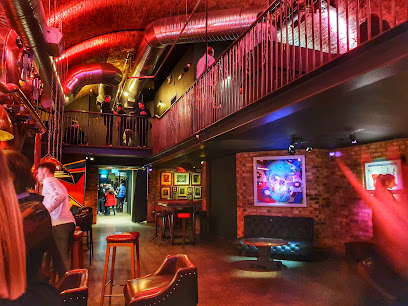
Ministry of Sound
1.3 km
London's legendary dance music cathedral since 1991, where world-class sound systems and global DJs fuel euphoric nights across four pulsing rooms.
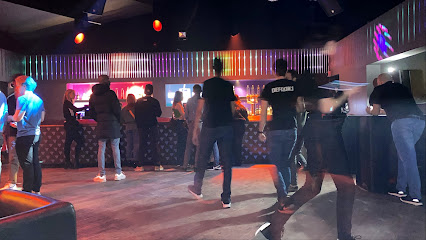
Corsica Studios
1.4 km
Experience London’s underground music pulse at Corsica Studios, where intimate vibes meet exceptional sound beneath historic railway arches.
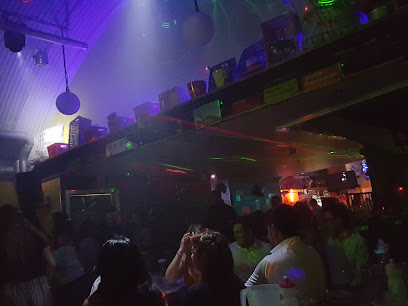
E1
1.7 km
Experience East London’s underground pulse with E1’s cutting-edge sound, immersive visuals, and vibrant club nights.
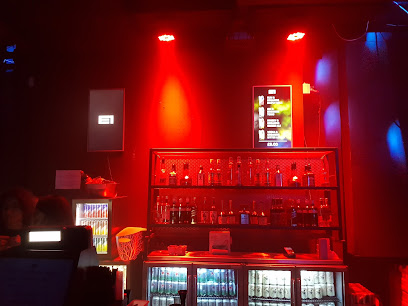
Club 701
2.0 km
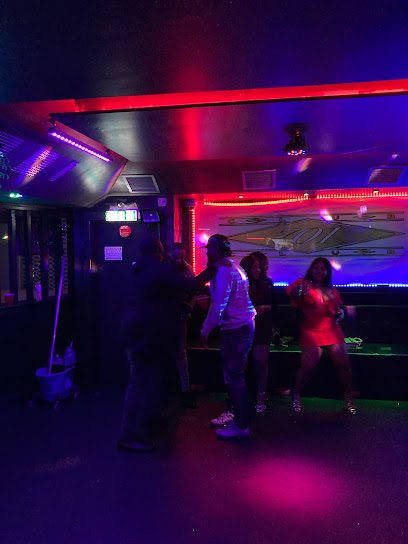
Experience the vibrant nightlife and dynamic clubbing scene at Club 701, South London's energetic hotspot on Old Kent Road.
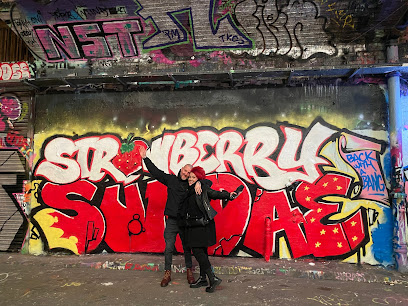
STRAWBERRY SUNDAE
2.4 km
Retro rave haven in Waterloo Arches: Daytime hardcore beats, 90s DJ legends, and industrial euphoria from midday to midnight.
Cirque Du Soul
2.4 km
Dive into Leake Street's graffiti tunnel for soul-stirring electronic nights at this underground nightclub haven.
We Are Waterloo
2.4 km
Dive into Leake Street's graffiti heart where street art meets thumping beats in London's ultimate underground nightclub haven.
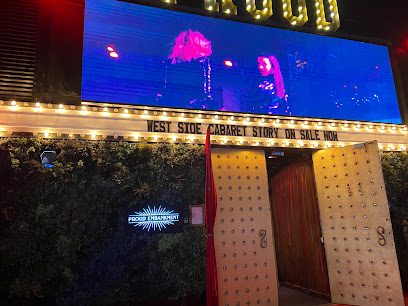
Proud Late
2.7 km
Dive into two-storey glamour under Waterloo Bridge: cabaret acrobatics, burlesque dazzle, supper feasts, and non-stop clubbing till 5am in London's West End nightlife epicenter.
The Hoxton Pony
2.7 km
Edgy Shoreditch cocktail bar and nightclub blending vintage style with vibrant nightlife energy in East London.
XOYO LONDON
2.8 km
Experience Shoreditch’s iconic XOYO, where cutting-edge DJs and vibrant nightlife create an unforgettable London clubbing atmosphere.

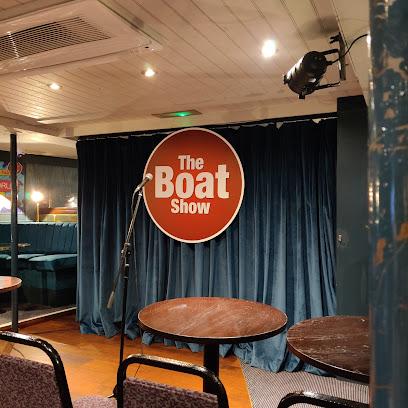
The Boat Show Comedy Club
2.8 km
London’s premier floating comedy club aboard the historic Tattershall Castle, blending laughter with iconic riverside views and vibrant nightlife.
London Best Night Clubs
2.9 km
Experience London’s legendary Ministry of Sound, where cutting-edge sound meets dynamic club culture in a multi-room dance haven.
Trafik
2.9 km
Shoreditch’s dynamic nightclub with underground beats, two floors of dancing, and a late licence for unforgettable nights.

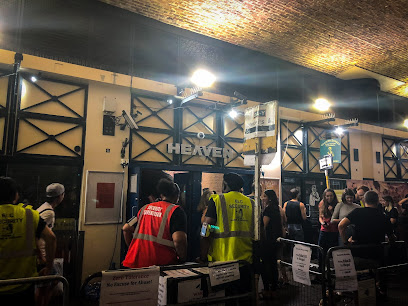
Heaven
3.0 km
London’s iconic gay superclub under the railway arches — big nights, loud music, drag, and late finishes in the heart of the West End.
For the vibe & atmosphere seeker
- Lively
- Entertaining
- Quirky
- Unique
- Casual
- Scenic
For the design and aesthetic lover
- Industrial Designs
- Modern Designs
- Vintage Styles
- Art Deco Styles
For the architecture buff
- Historic
- Modern
- Art & Design
- Industrial
- Heritage Neighborhoods
For the view chaser and sunset hunter
- Iconic Views
- Panoramas
- Skyline
For the social media creator & influencer
- Instagrammable
- Photo Spots
- Aesthetic Corners
- Architectural Shots
For the eco-conscious traveler
- Public-Transport Accessible
- Car-Free Access
For the kind of experience you’re after
- Cultural Heritage
- Photowalk
- Day Trip
- Myth & Legends
For how adventurous you want the journey to be
- Easy Access
Location Audience
- Family Friendly
- LGBT Friendly
- Senior Friendly
- Child Friendly
- Teen Friendly
- Wheelchair Access
- Pet Friendly
- Solo Friendly
- Couple Friendly
- Solo Female Friendly
- Vegetarian Friendly
- Vegan Friendly


