The Monument to the Great Fire of London: A Symbol of Resilience
Explore the Monument to the Great Fire of London, a stunning landmark that offers a glimpse into the city's resilient past and breathtaking views of the skyline.
Standing tall at Fish St Hill, the Monument to the Great Fire of London commemorates the 1666 disaster that reshaped the city. A must-visit for history enthusiasts and tourists alike, this iconic landmark offers breathtaking views of London from its viewing platform.
A brief summary to Monument to the Great Fire of London
- Fish St Hill, London, EC3R 8AH, GB
- +442074033761
- Visit website
Local tips
- Visit early in the morning to avoid crowds and enjoy a peaceful ascent.
- Wear comfortable shoes, as the climb to the top requires navigating 311 steps.
- Don't forget to bring a camera; the views from the top are breathtaking!
- Check the weather before your visit to ensure a clear view from the top.
- Explore the nearby historical sites for a more enriching experience.

Getting There
-
Walking
From Windsor town center, head towards Windsor & Eton Central railway station. Exit the station and walk straight onto the High Street. Continue along the High Street, passing shops and cafes. After about 10 minutes, you will reach Windsor Bridge. Cross the bridge and follow the road as it turns into Eton High Street. Keep walking until you reach the roundabout. Here, take the second exit onto the B3022 towards Slough. This road will lead you into the heart of London. Follow signs for Central London and look out for the signs for the Monument to the Great Fire of London, located at Fish St Hill, EC3R 8AH. The journey will take approximately 1 hour and 30 minutes on foot.
-
Bus
From Windsor town center, walk to the Windsor Theatre Royal bus stop located on Thames Street. Take the Green Line 702 bus towards London, which departs frequently. Stay on the bus for approximately 1 hour and 10 minutes. Get off at the 'Monument' bus stop. From there, it's a short 5-minute walk to the Monument to the Great Fire of London at Fish St Hill, EC3R 8AH. Follow the signs leading to the monument which is just a few blocks away.
-
Train
Start at Windsor & Eton Central railway station. Take a train to London Waterloo station. This journey takes about 30 minutes. Once you arrive at Waterloo, follow the signs for the London Underground and take the Jubilee Line towards Stratford. Get off at London Bridge station. From London Bridge, exit the station and head towards Borough High Street. Walk towards Fish St Hill, which takes about 10 minutes. The Monument to the Great Fire of London is located at Fish St Hill, EC3R 8AH.
Discover more about Monument to the Great Fire of London
Iconic landmarks you can’t miss

Fish St Hill
0.0 km
Discover the historic charm and vibrant culture of Fish St Hill in London, a must-visit destination for tourists exploring the capital's rich heritage.
Pudding Ln
0.0 km
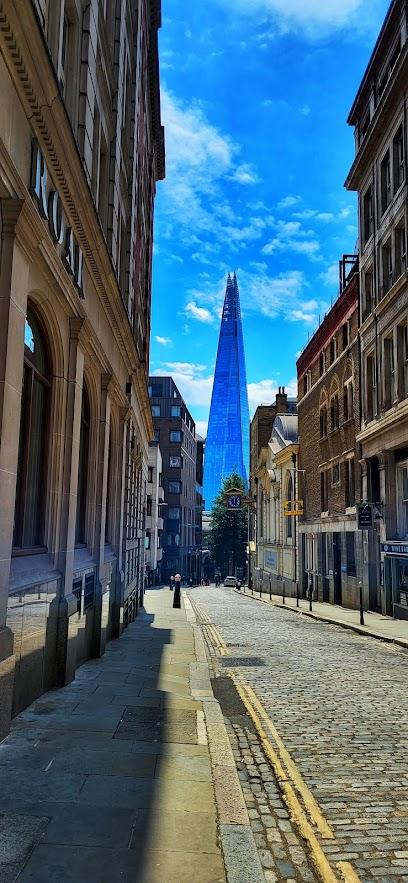
Discover the historical heart of London at Pudding Lane, where the Great Fire ignited and the story of resilience began.
20 Fenchurch St
0.2 km
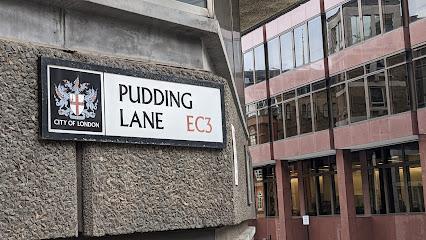
Discover the stunning Walkie Talkie at 20 Fenchurch Street, a pinnacle of modern architecture and breathtaking views in London.
Custom House
0.2 km
Discover the historic Custom House in London, a landmark of architectural beauty and maritime heritage along the River Thames.

113 Cannon St
0.3 km
Explore the architectural beauty of 113 Cannon Street, where history meets modernity in the heart of London's financial district.
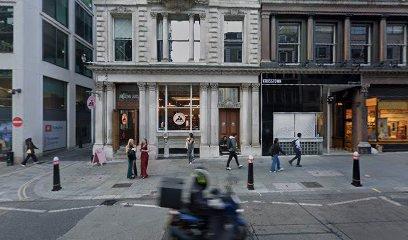
Lombard St
0.3 km
Explore Lombard Street, London's iconic crooked street adorned with beautiful flowers and rich history, a must-visit for every traveler.
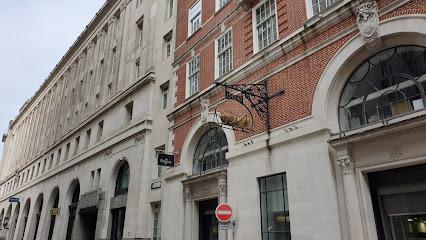
Historic England
0.4 km
Discover the rich tapestry of England's history at Historic England, a key organization dedicated to preserving the nation’s architectural treasures.
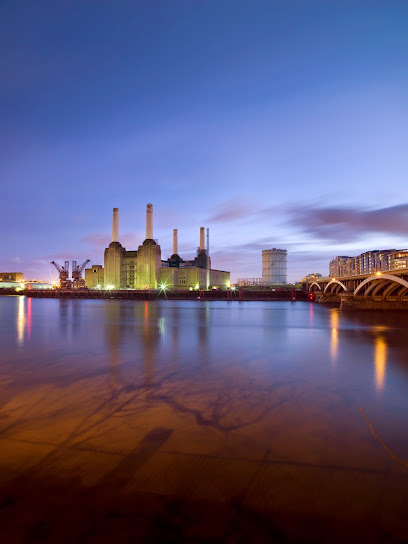
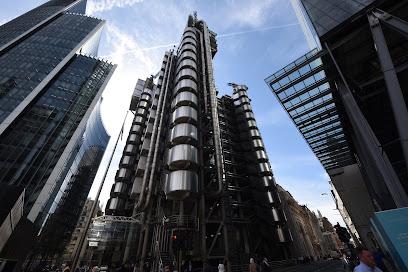
Lloyd's of London
0.4 km
Discover the architectural wonder of Lloyd's of London, a cornerstone of the financial world and a masterpiece of modern design.
City of London
0.4 km
Experience the vibrant culture, rich history, and iconic landmarks of London, a global city that captivates every traveler.
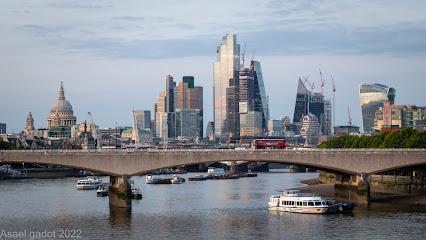
Threadneedle St & Royal Exchange
0.4 km
Discover the vibrant crossroads of Threadneedle Street and Royal Exchange, where history meets modern luxury in the heart of London’s financial district.
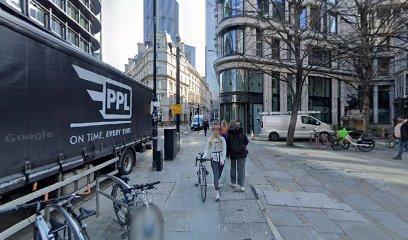
Threadneedle St
0.4 km
Explore Threadneedle Street in London: a vibrant blend of history, modern architecture, and lively atmosphere, perfect for tourists seeking urban adventure.
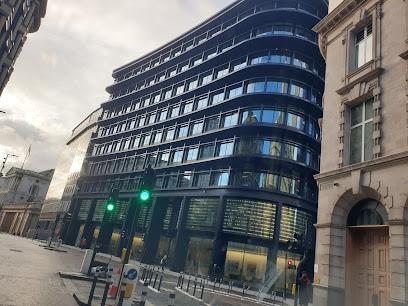
The London Bridge Experience & London Tombs
0.4 km
Discover the haunting history of London at The London Bridge Experience & London Tombs, a thrilling attraction filled with rich stories and thrilling encounters.
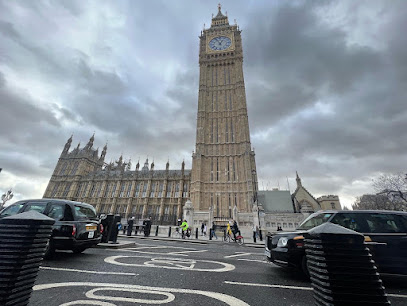
St Michael's Church : Paternoster Royal
0.5 km
Discover the serene charm of St Michael's Church, a historic Anglican church in London, where architectural beauty meets spiritual tranquility.

St Mary Overie's Dock
0.5 km
Discover the tranquility of St Mary Overie's Dock, a historic harbor in London that offers stunning river views and a peaceful retreat from the city's hustle.
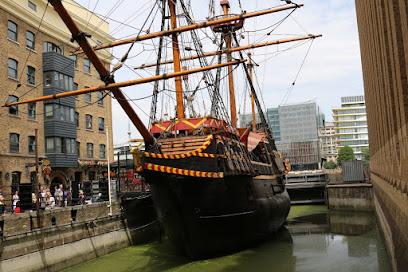
1 Tower Hl Ter
0.5 km
Explore Tower Hill in London, where history meets breathtaking views of the Tower of London and the Thames River, perfect for every traveler.
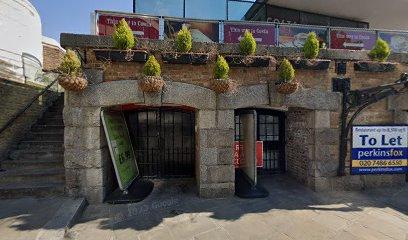
Unmissable attractions to see

Church of Saint Magnus-the-Martyr
0.1 km
Explore the historic Church of Saint Magnus-the-Martyr, a stunning Anglican church in London, rich with history and architectural beauty.
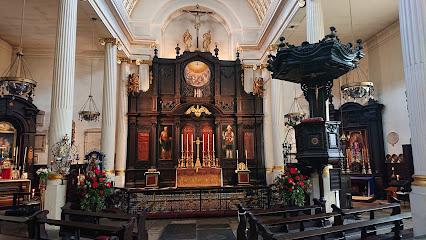
St Botolph Billingsgate
0.1 km
Discover the serene beauty and rich history of St Botolph Billingsgate, a hidden ecclesiastical gem in the heart of London.
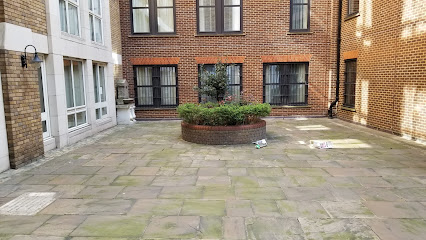
Mouse And Cheese Monument
0.1 km
Discover the whimsical Mouse and Cheese Monument in London, a delightful tribute to creativity and charm amidst the city's vibrant energy.
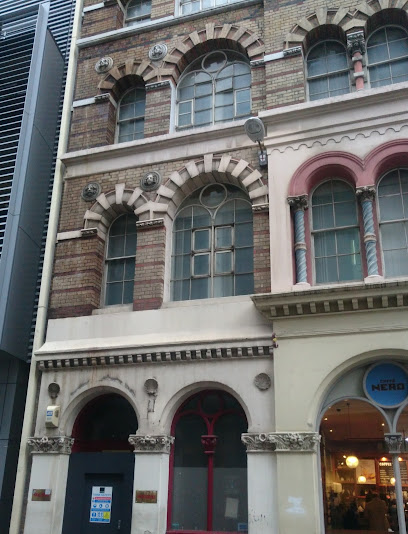
Philpot Lane Mice Sculpture
0.1 km
Explore the whimsical Philpot Lane Mice Sculpture, a unique historical landmark in London that captures the city's charm and artistic spirit.
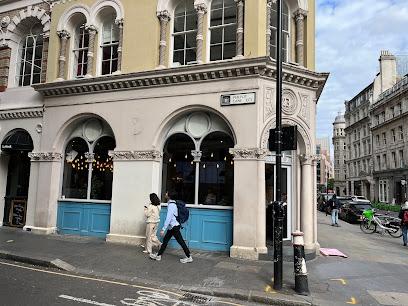
IMPRINT Church London: St Clement Eastcheap
0.2 km
Discover the spiritual haven of IMPRINT Church London at St Clement Eastcheap, where architectural beauty meets community fellowship.
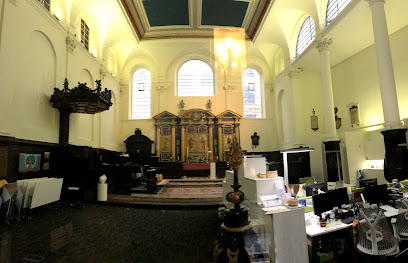
The Fenchurch Building (The Walkie-Talkie)
0.2 km
Discover the stunning Sky Garden at The Fenchurch Building, a unique blend of nature and architecture in the heart of London.
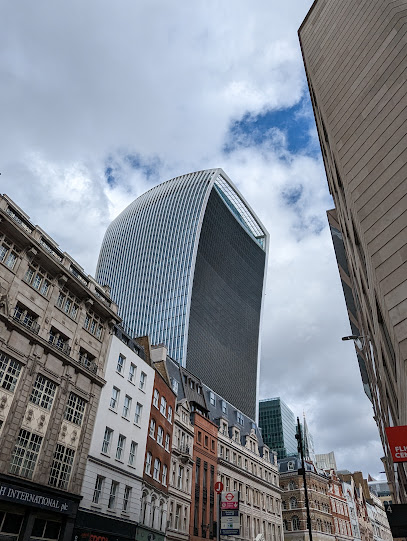
Sky Garden
0.2 km
Discover the Sky Garden, an elevated escape in London with breathtaking views, lush gardens, and exquisite dining options.
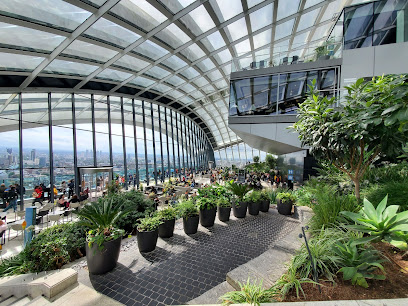
Billingsgate Roman House & Baths
0.2 km
Explore the Billingsgate Roman House & Baths, a remarkable archaeological site revealing London's rich Roman history amid stunning ancient architecture.
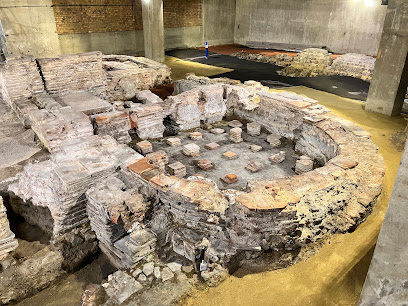
St Margaret Pattens Eastcheap
0.2 km
Explore the historic St Margaret Pattens in London, a serene church brimming with stunning architecture and rich history, perfect for a peaceful visit.
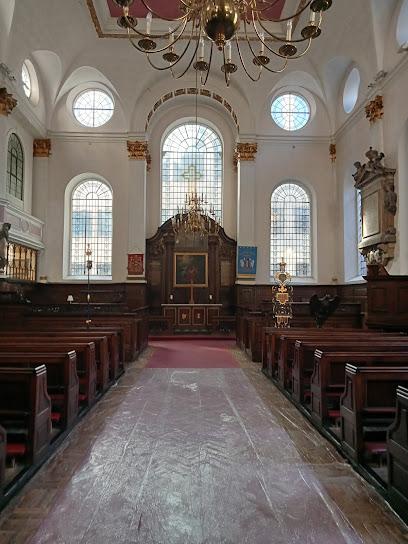
Former Swan Lane Stairs
0.2 km
Discover the historic Former Swan Lane Stairs, a hidden gem along the River Thames, steeped in London's maritime history and architectural beauty.
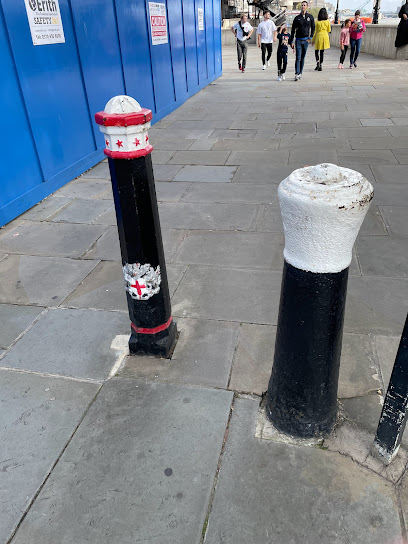
St Mary Abchurch
0.2 km
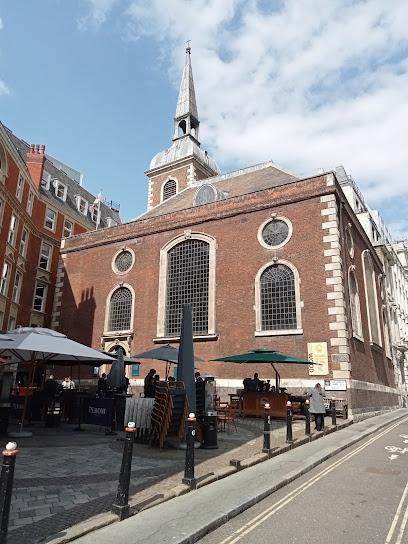
Discover the tranquility of St Mary Abchurch, a historic church designed by Sir Christopher Wren in London's financial district, perfect for a peaceful retreat.
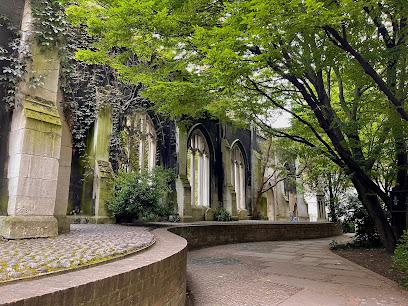
St Dunstan in the East Church Garden
0.2 km
Discover the serene beauty of St Dunstan in the East Church Garden, a historic oasis in the heart of London, ideal for relaxation and reflection.
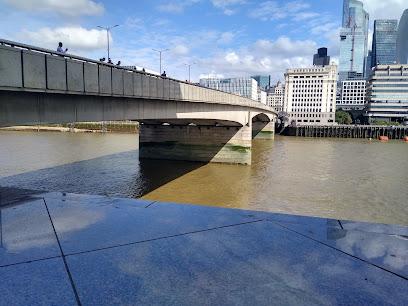
London Bridge
0.3 km
Discover the historic London Bridge, a stunning architectural marvel offering breathtaking views and a gateway to the heart of London's vibrant culture.
London Stone (remaining part)
0.3 km
Uncover the stories of London’s past at the historic London Stone, a key landmark reflecting the city’s rich heritage.
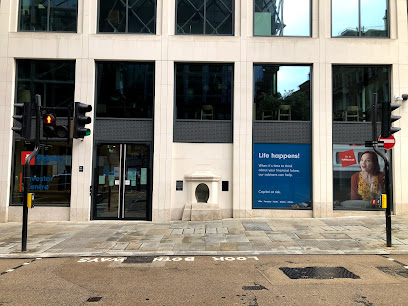
Change Alley
0.3 km
Explore Change Alley in London, a charming passageway filled with history, unique shops, and a tranquil atmosphere amidst the city's hustle.
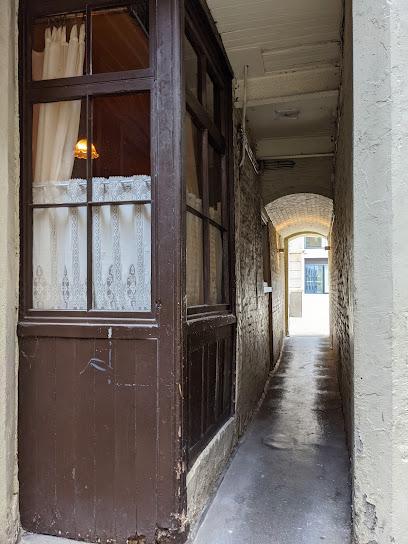
Essential places to dine

14 Hills
0.4 km
Dine amidst breathtaking views of London’s skyline at 14 Hills – where modern European cuisine meets elegance.
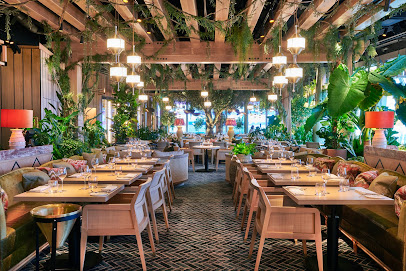
La Dame de Pic London
0.6 km
Experience culinary artistry at La Dame de Pic London - where French elegance meets innovative gastronomy in an unforgettable setting.
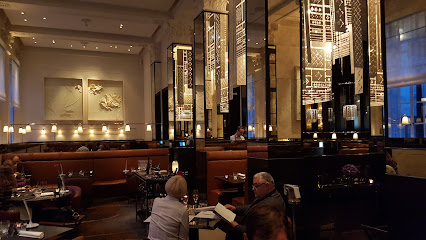
Barcelona Tapas Bar & Restaurant
0.9 km
Experience authentic Spanish cuisine at Barcelona Tapas Bar & Restaurant in London - a vibrant spot for tapas lovers!
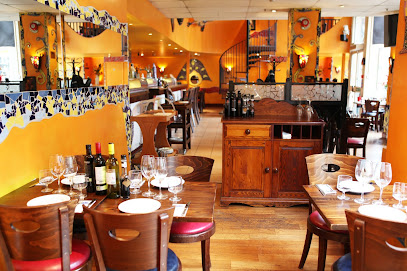
Mattarello Chiodo Bolognese Restaurant
0.9 km
Savor authentic Italian cuisine at Mattarello Chiodo Bolognese in London – where every dish tells a story.
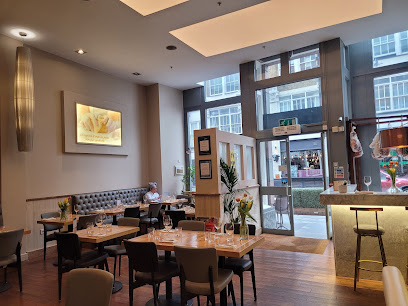
Restaurant Story
1.0 km
Experience the pinnacle of fine dining at Restaurant Story in London, where each dish narrates a unique tale of British culinary heritage.
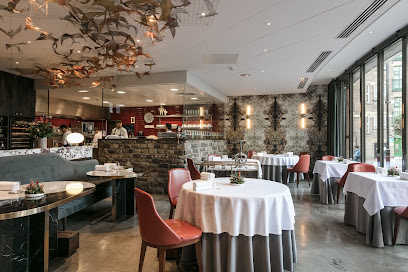
Marugame Udon Middlesex Street
1.0 km
Experience authentic Japanese udon noodles at Marugame Udon Middlesex Street – where tradition meets modern taste in London's vibrant culinary scene.
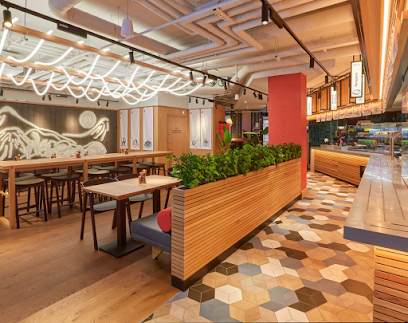
Sea Containers Restaurant
1.5 km
Discover exquisite modern British cuisine at Sea Containers Restaurant along the Thames River—an unforgettable dining experience in London.
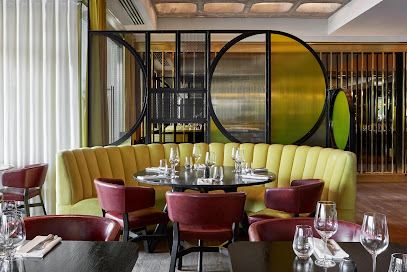
St. John
1.6 km
Discover the essence of modern British cuisine at St. John - where tradition meets innovation in every delicious bite.
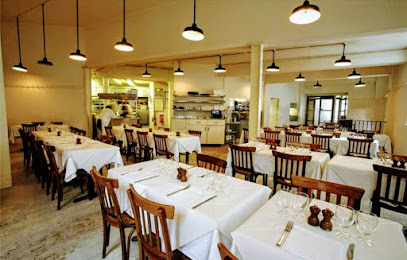
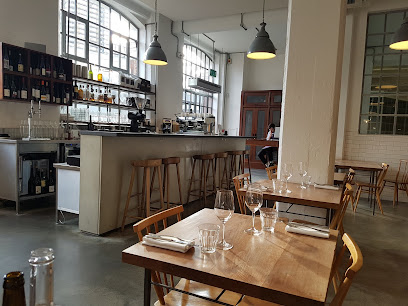
Lyle's
1.6 km
Experience contemporary British fine dining at Lyle's in Shoreditch, where seasonal ingredients meet innovative culinary artistry.
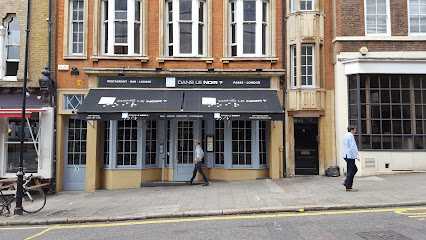
Dans le Noir ? London Restaurant
1.7 km
Experience dining like never before at Dans le Noir ? London - where taste meets adventure in complete darkness.
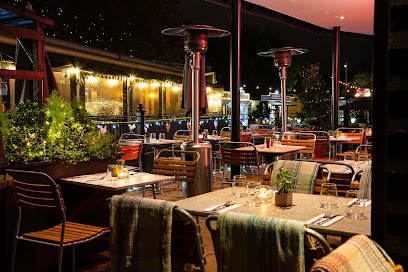
Paradiso Burger & Cocktail Bar Southbank
1.7 km
Savor gourmet burgers and crafted cocktails at Paradiso Burger & Cocktail Bar on London's vibrant Southbank.
Nest Restaurant Old Street
1.9 km
Discover the exquisite blend of European flavors at Nest Restaurant in London's Old Street—where culinary creativity meets comfort.
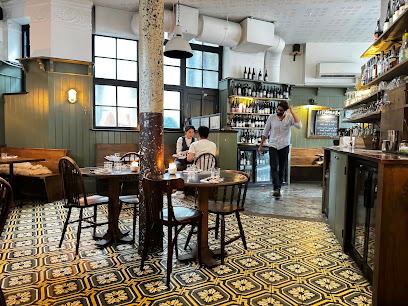
The Clove Club
1.9 km
Experience exquisite modern British cuisine at The Clove Club in Shoreditch – where culinary artistry meets vibrant London flavors.
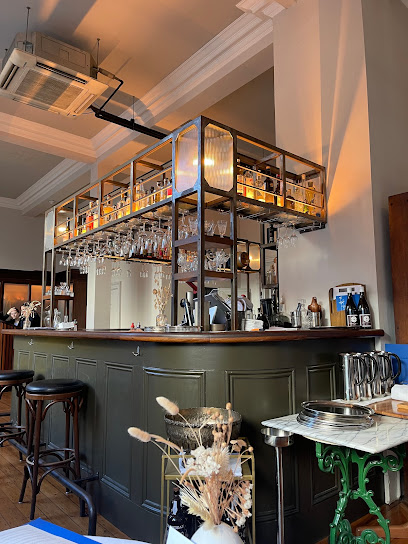
Ikoyi Restaurant
2.0 km
Experience the fusion of British and West African cuisine at Ikoyi Restaurant, a top fine dining destination in London's Temple area.
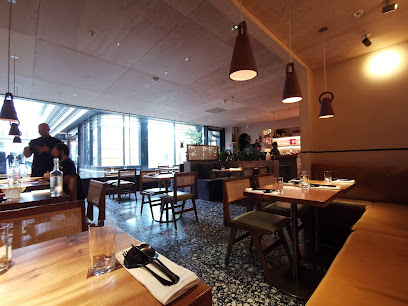
Brasserie Blanc - Southbank
2.1 km
Experience authentic French cuisine at Brasserie Blanc - Southbank, where delightful flavors meet stunning riverside views in London.
Markets, malls and hidden boutiques

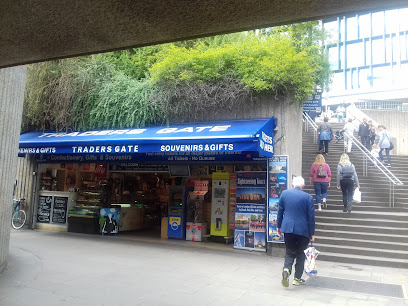
Traders Gate
0.5 km
Explore Traders Gate, a family-run gift shop in London offering unique souvenirs and local crafts, perfect for every tourist's memento.
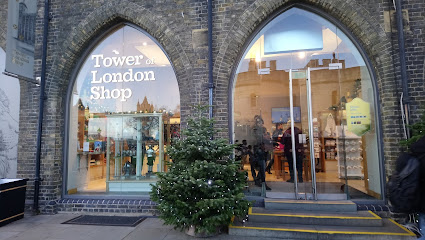
Tower of London Shop
0.5 km
Discover unique gifts and royal memorabilia at the enchanting Tower of London Shop, an essential stop for every visitor to this historic site.
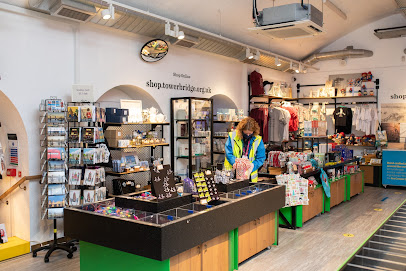
Tower Bridge - Engine Rooms and Official Gift Shop
0.9 km
Explore the fascinating history of Tower Bridge at the Engine Rooms and shop for unique gifts at the Official Gift Shop.
Middlesex Textiles
0.9 km
Explore the vibrant world of African textiles at Middlesex Textiles, London’s premier destination for unique fabrics and cultural heritage.
Bankside Arches Boutique
1.2 km
Explore Bankside Arches Boutique for unique gifts, aromatherapy products, and handcrafted jewelry in the heart of London's Blackfriars Station.
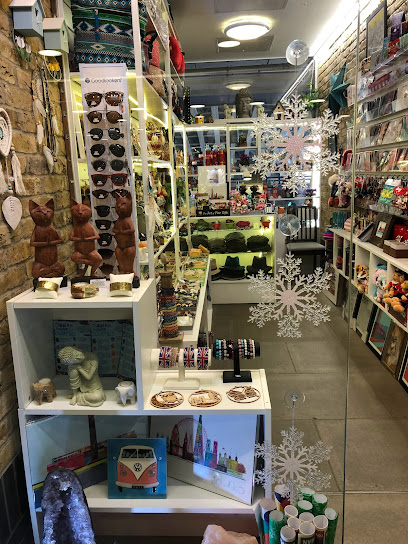
Barbican Shop
1.2 km
Explore the Barbican Shop for unique gifts, art books, and handmade treasures reflecting London's vibrant culture.
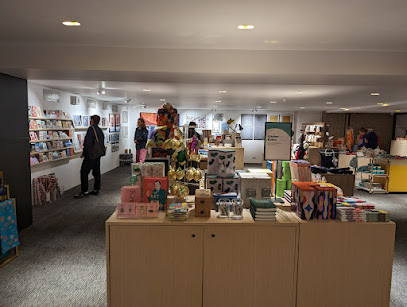
DPUS Designer Outlet
1.5 km
Explore unbeatable designer fashion deals at DPUS Designer Outlet in London, where style meets affordability for the ultimate shopping experience.

SUCK UK Alternative Gifts (OXO Tower)
1.5 km
Explore SUCK UK Alternative Gifts in the iconic Oxo Tower, a treasure trove of quirky homewares and innovative gifts perfect for every occasion.
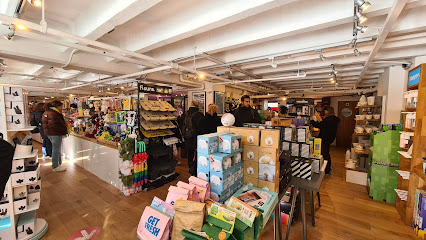
Brand Academy Independent Gift Shop
1.6 km
Explore the Brand Academy Independent Gift Shop for unique London souvenirs and local artisanal products in the iconic Oxo Tower Wharf.
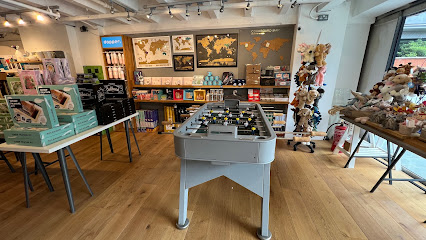
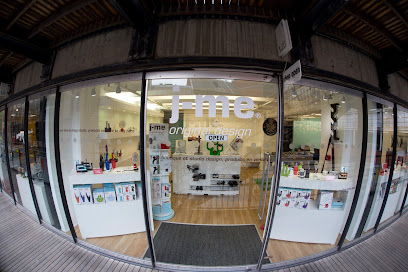
j-me original design ltd
1.6 km
Explore j-me original design ltd, a unique gift shop in London offering innovative and stylish products perfect for souvenirs and thoughtful presents.
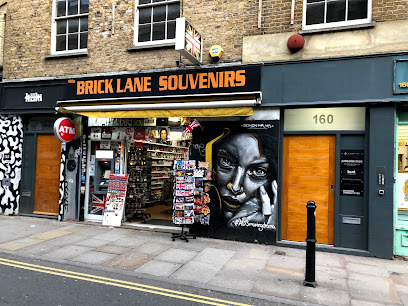
Brick Lane Souvenirs
1.7 km
Explore Brick Lane Souvenirs for unique gifts and clothing that capture the essence of London, perfect for tourists and locals alike.
Sugar And Style
1.7 km
Explore Sugar And Style, a charming fashion accessories shop in London's Gabriel's Wharf, offering unique pieces to complement your style.

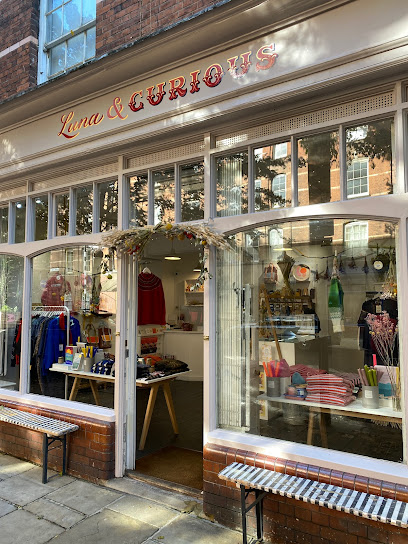
Luna & Curious
1.9 km
Discover unique gifts, books, and children's clothing at Luna & Curious, a charming independent shop in the heart of London.
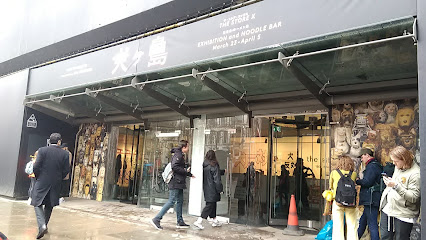
The Store X
2.0 km
Discover luxury fashion at The Store X in London, where elegance meets contemporary style in a chic shopping environment.
Southbank Centre Shop, Mandela Walk
2.2 km
Discover unique homewares and gifts at the Southbank Centre Shop, a cultural gem along London's vibrant Southbank.
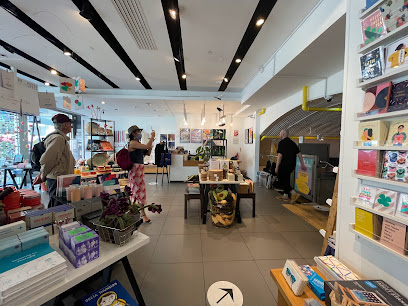
Essential bars & hidden hideouts

The Cocktail Club - Cocktail Bar near Monument
0.1 km
Discover a cocktail lover's paradise at The Cocktail Club near Monument, featuring innovative drinks and a lively atmosphere in the heart of London.
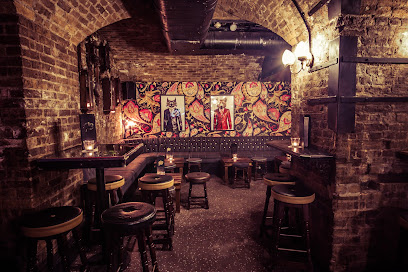
The Bootlegger
0.3 km
Experience the vibrant nightlife of London at The Bootlegger, a live music bar with exceptional cocktails and unforgettable performances.
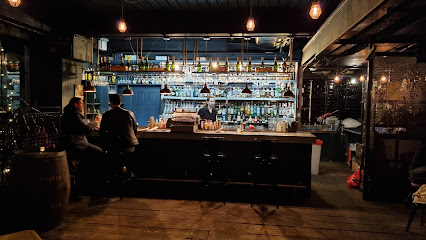
Demon, Wise & Partners
0.5 km
Experience the best of London's cocktail culture at Demon, Wise & Partners, where innovative drinks meet a vibrant atmosphere.
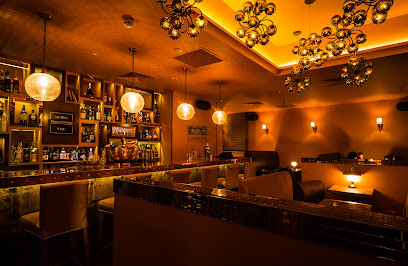
The Alchemist Bevis Marks
0.7 km
Experience the magic of innovative cocktails and a vibrant atmosphere at The Alchemist Bevis Marks, London's premier cocktail bar.
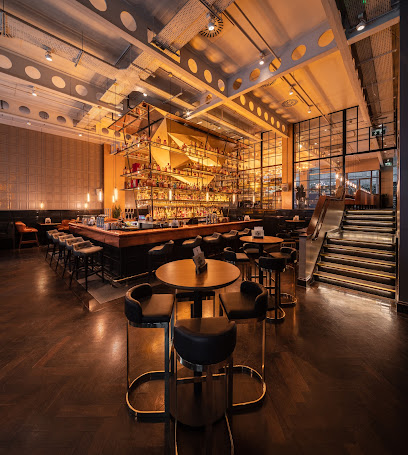
Nine Lives
0.8 km
Experience the vibrant mix of handcrafted cocktails and authentic tacos at Nine Lives near London Bridge, the perfect spot for nightlife enthusiasts.
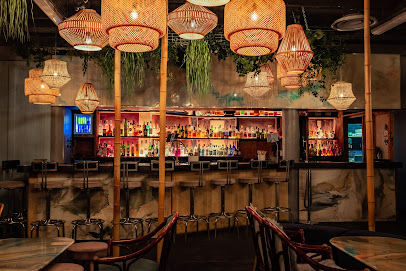
The Bell
1.0 km
Experience authentic British hospitality at The Bell, a traditional pub in the heart of London, serving delightful food and local ales.
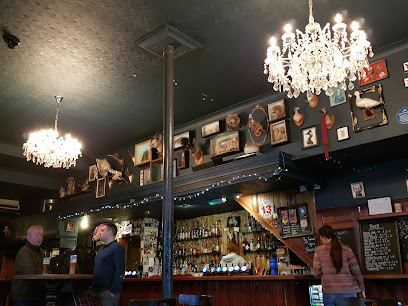
Dirty Dicks
1.0 km
Experience the vibrant ambiance of Dirty Dicks Pub in London, where classic British hospitality meets a lively atmosphere and delicious cuisine.
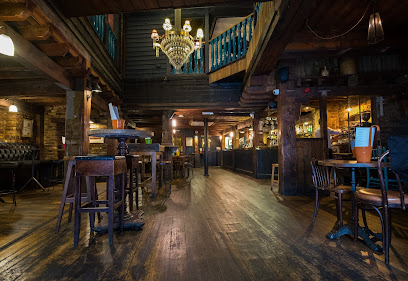
The Astronomer, EC1
1.0 km
Discover the inviting charm of The Astronomer Pub, a delightful blend of tradition and modernity in the heart of London.
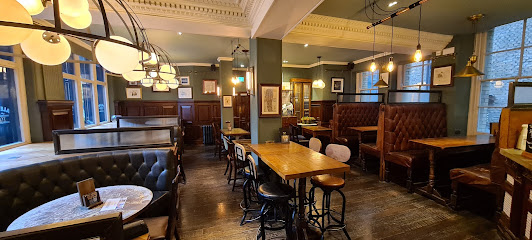
Discount Suit Company
1.0 km
Discover the hidden charm of Discount Suit Company, a unique cocktail bar in London offering exquisite drinks and an unforgettable ambiance.
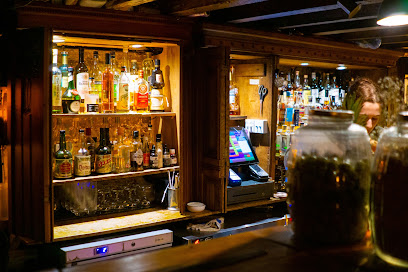
The Mayor of Scaredy Cat Town
1.0 km
Immerse yourself in the whimsical world of The Mayor of Scaredy Cat Town, a cocktail bar in London known for its quirky decor and creative drinks.
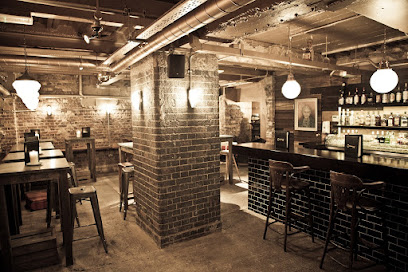
The Old School Yard
1.1 km
Experience the vibrant atmosphere and creative cocktails at The Old School Yard, a must-visit bar in the heart of London for tourists and locals alike.
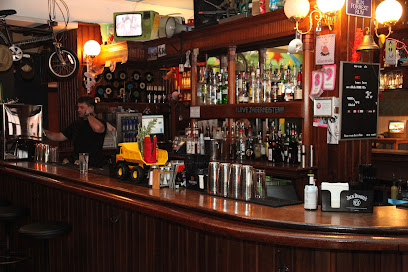
Aviary
1.3 km
Experience breathtaking views and exquisite cocktails at Aviary, London's ultimate sky-high bar.
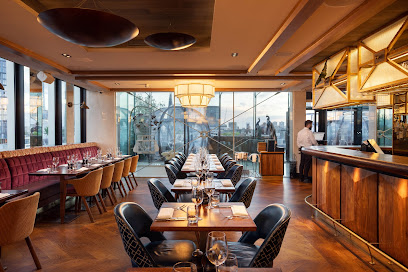
Flight Club Shoreditch
1.3 km
Discover the perfect blend of darts, cocktails, and delicious food at Flight Club Shoreditch, London's premier social gaming venue.
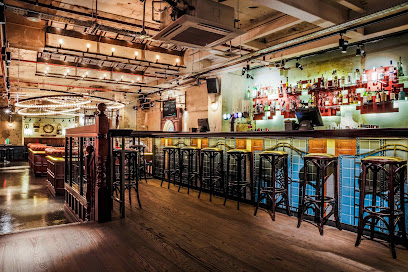
Doggett's Coat and Badge
1.3 km
Discover the charm of Doggett's Coat and Badge, a historic pub on London's South Bank offering delicious cuisine and stunning river views.
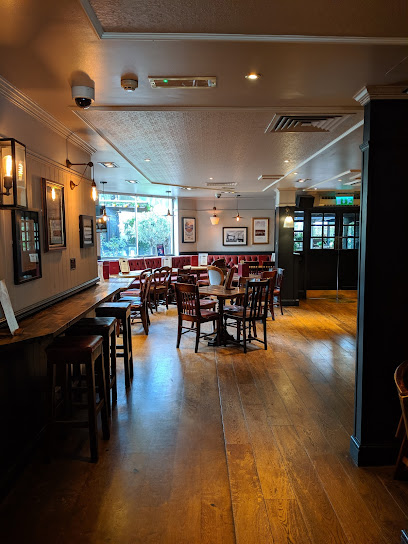
Apples & Pears Cocktail Bar
1.3 km
Experience the best of London nightlife at Apples & Pears Cocktail Bar, where innovative cocktails and a vibrant atmosphere await.