
St Margaret Pattens
Medieval guild church with Wren's only 'true spire'—a 950-year sanctuary in the City's financial heart.
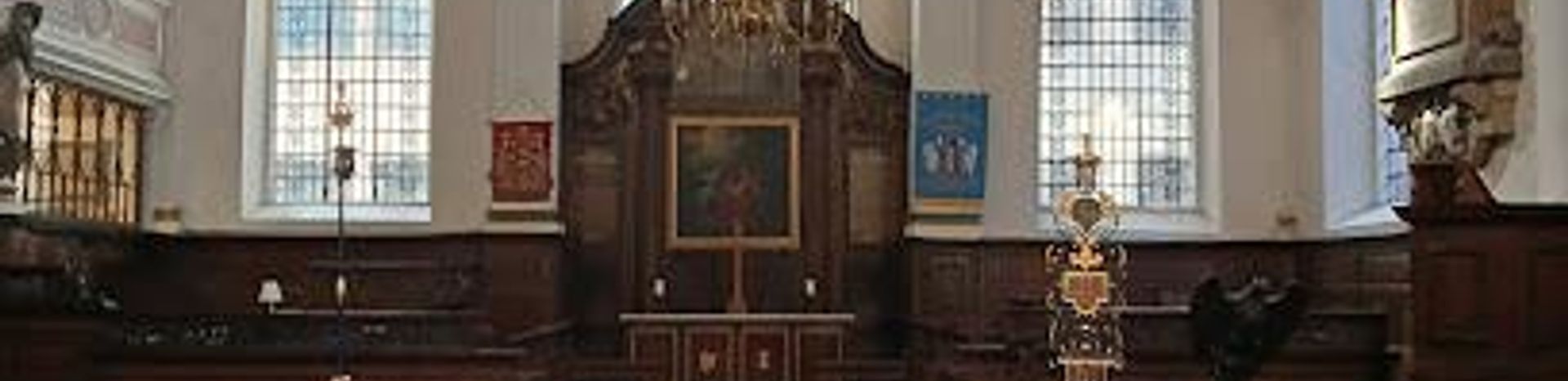
A Grade I listed Wren church standing at the junction of Eastcheap and Rood Lane in the City of London's financial district. Built between 1684–1687 following the Great Fire, this architectural gem features a distinctive 200-foot spire—Wren's only 'true spire' designed in medieval Gothic style. The church miraculously survived World War II bombing and retains exceptional 17th-century features including canopied churchwardens' pews, ornate wood panelling, and historic monuments. Today it serves as the Guild Church of the Worshipful Company of Pattenmakers and Basketmakers, offering weekday services and open prayer hours.
A brief summary to St Margaret Pattens Eastcheap
- Rood Ln, Eastcheap, London, EC3M 1HS, GB
- +442076236630
- Visit website
- Duration: 0.5 to 1.5 hours
- Free
-
 Indoor
- Mobile reception: 5 out of 5
Local tips
- Visit on a Thursday at 1:15 PM for the sung Eucharist service, experiencing the church's liturgical life and exceptional acoustics with the amateur choir.
- Examine the display cases near the entrance showcasing actual medieval pattens and information about the Worshipful Company of Pattenmakers—essential context for understanding the church's unique name.
- Study the canopied churchwardens' pews and wood panelling throughout the interior, representing rare surviving 17th-century craftsmanship and Restoration-era ecclesiastical design.
- Look for the panels listing Past Masters of the Pattenmakers Company on the south wall, documenting continuous guild association since 1670.
- Step outside to view the spire from Rood Lane or nearby streets—the 200-foot Gothic-style tower is best appreciated from a distance against the surrounding modern skyline.

For the on-the-go comforts that matter to you
- Restrooms
- Seating Areas
- Information Boards
Getting There
-
Underground Train
From Bank Station (approximately 200 metres away), take the Circle, District, or Northern Line. Exit at Bank and follow signs toward Eastcheap. Journey time from central London: 5–15 minutes depending on origin. The station is accessible with lifts and step-free access to platforms. Frequency: trains every 2–5 minutes during peak hours.
-
Underground Train Alternative
From Monument Station (approximately 150 metres away), served by the Circle and District Lines, exit toward Fish Street Hill and navigate to Eastcheap. Journey time from central London: 5–15 minutes. Accessible with lifts. Frequency: trains every 2–5 minutes during peak hours.
-
Bus
Routes 11, 15, 23, and 42 serve stops on or near Eastcheap. Journey times vary from 10–30 minutes depending on origin and traffic conditions. Buses run frequently throughout the day, with reduced service after 23:00. All buses are wheelchair accessible.
-
Walking
From Tower of London (approximately 400 metres), walk northwest along Tower Street to Eastcheap. From St Paul's Cathedral (approximately 500 metres), walk southeast via Cheapside and Queen Victoria Street. Both routes take 8–12 minutes on level, paved streets with good pedestrian infrastructure. The church sits at the junction of Rood Lane and Eastcheap, clearly visible from the street.
St Margaret Pattens Eastcheap location weather suitability
-
 Any Weather
Discover more about St Margaret Pattens Eastcheap
Nine Centuries of Sacred Ground
For more than 950 years, a church dedicated to St Margaret of Antioch has occupied this site in the heart of the City of London. The first recorded church, established in 1067, was likely constructed from wood—a modest structure serving the medieval parish. Over the centuries, the building evolved through multiple incarnations: rebuilt in stone at an unknown date, then demolished in 1530 after falling into disrepair. A new stone church rose in 1538, only to be consumed by the Great Fire of London in 1666, which destroyed 107 churches across the City in a single catastrophic event. The present church, designed and built by Sir Christopher Wren between 1684 and 1687, represents the fourth known structure on this consecrated ground. Wren's reconstruction cost £5,000—a substantial sum for the period—and was funded partly through a novel tax on coal entering the Port of London. This financial arrangement speaks to the church's importance within the commercial heart of the City.The Patten Makers and Medieval Footwear
The church's distinctive name derives from pattens—wooden-soled overshoes with raised iron rings that medieval Londoners strapped to their shoes to navigate the filthy, muddy streets. In the 14th century, before modern sanitation, these practical devices were essential for protecting fine clothing and footwear from horse manure and worse. The Worshipful Company of Pattenmakers, first recorded in 1379, operated primarily on nearby Rood Lane, creating a natural association with the local church. A notice historically displayed inside the church requested 'women to leave their Pattens before entering'—a practical measure to protect the interior. The church's connection to the Pattenmakers remains visible today through panels listing Past Masters dating from 1670, displayed on the south wall. The Company received its royal warrant in 1717 and continues to hold its Ascension Day service at the church annually. Similarly, the Worshipful Company of Basketmakers, another medieval trade guild based locally, became associated with the church and their records are also displayed within.Wren's Architectural Vision and the Distinctive Spire
The exterior of St Margaret Pattens is dominated by its remarkable 200-foot spire, which rises above the surrounding modern office buildings with quiet dignity. This spire represents Wren's third-highest design in London and is uniquely significant as his only spire executed in medieval Gothic style—a deliberate departure from his typical classical vocabulary. Architectural historians have called it Wren's only 'true spire,' acknowledging its exceptional design. The tower and spire were completed with lead-covered timber construction, and the north wall bears lead rainwater heads dated 1685, marking the building's progress. The church's exterior presents a study in restrained elegance. Built of stone with large clear windows that flood the interior with light, the design anticipates the Georgian era while maintaining Stuart-era proportions. The building stands as a pared-back example of ecclesiastical simplicity, eschewing excessive ornamentation in favour of functional beauty.Interior Treasures and Exceptional Features
Inside, the church unfolds as a simple rectangle wrapped in oak panelling, creating an intimate and warm atmosphere. Among its most unusual features are the only surviving canopied pews in London, dating from the 17th century and originally reserved for churchwardens. One pew bears the initials 'CW,' long thought to reference Christopher Wren himself, though they may equally signify 'church warden.' These pews represent a rare survival from the period and offer tangible connection to the church's Restoration-era origins. The interior is enriched with monuments and memorials spanning centuries of City history. A particularly grand memorial on the south wall commemorates Sir Peter Delmé, former Lord Mayor and Governor of the Bank of England, who died in 1728. An 18th-century organ case and an impressive Royal coat of arms command attention in the main body of the church. A punishment box—where wrongdoers were required to sit during services as public penance—survives as a sobering reminder of medieval ecclesiastical discipline. The wood carving throughout is exceptional, including a panelled inner vestry with a fireplace. A display case near the entrance showcases actual pattens, bringing the church's namesake into tangible focus. Another case celebrates the connection with the Worshipful Company of Basketmakers, illustrating the deep commercial and social roots of the church within medieval London's craft guilds.Survival and Modern Purpose
St Margaret Pattens is one of only a handful of City churches to escape significant damage during the Second World War Blitz, a remarkable survival that preserved its exceptional interior features intact. The church was designated Grade I listed in 1950, recognising its architectural and historical importance. In 1954, it transitioned from a traditional parish church to a Guild Church, ceasing to serve a conventional Sunday parish but instead hosting midweek services under the jurisdiction of the Bishop of London and within the living of the Lord Chancellor. Today, the church functions as an active spiritual and cultural hub. It maintains a standing amateur choir—rare among City churches—and holds a sung Eucharist every Thursday at 1:15 PM. The church and Lady Chapel are open for prayer and contemplation from 10:00 AM to 4:00 PM on weekdays. The building continues to serve the Pattenmakers and Basketmakers companies, hosting their annual services and maintaining records of their leadership. Despite being surrounded by modern financial district towers, including the distinctive 'Walkie Talkie' building, St Margaret Pattens preserves a serene sanctuary and a tangible link to London's medieval commercial and spiritual heritage.Iconic landmarks you can’t miss

Custom House
0.2 km
Historic Custom House on London’s Thames waterfront, a grand 19th-century customs hub echoing centuries of maritime trade and empire.

Monument to the Great Fire of London
0.2 km
An iconic Doric column commemorating the Great Fire of London, offering panoramic city views from its historic 311-step climb.

Lloyd's of London
0.3 km
A high-tech architectural masterpiece blending tradition and innovation in the heart of London’s financial district.
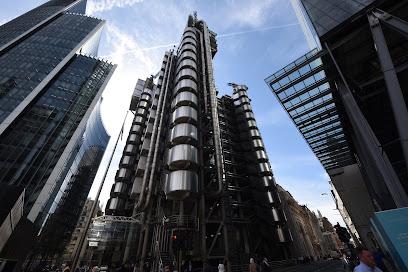
1 Tower Hl Ter
0.4 km
Historic urban landmark near Tower of London, blending centuries of British heritage with maritime memorials and modern city life.
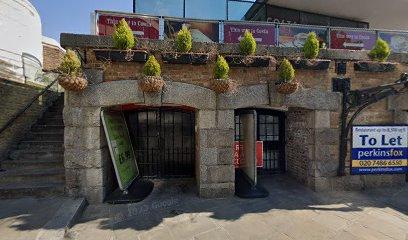
Cornhill Fountain
0.4 km
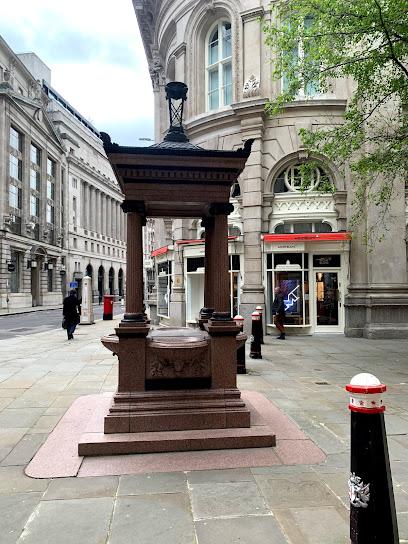
A historic cast-iron water pump outside the Royal Exchange, symbolizing centuries of London's civic pride and public health innovation.
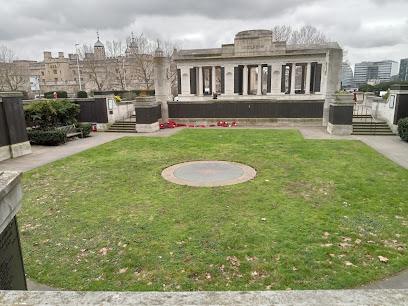
Tower Hill Memorial
0.4 km
Honouring 35,000 merchant seafarers with no grave but the sea—a dual memorial to two world wars.
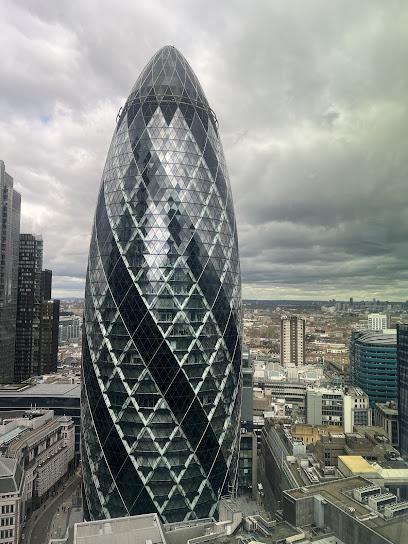
30 Saint Mary Axe - Swiss Re
0.4 km
Discover The Gherkin, London’s pioneering eco-friendly skyscraper with its iconic spiraling glass façade and panoramic city views.
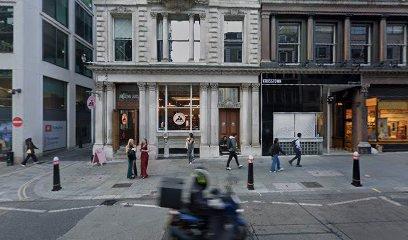
113 Cannon St
0.4 km
A distinguished Grade II listed classical building in London’s financial district, showcasing early 20th-century architectural elegance.
30 St Mary Axe (The Gherkin)
0.4 km
A striking, sustainable skyscraper in London’s financial heart, blending innovative design with panoramic city views and historic roots.
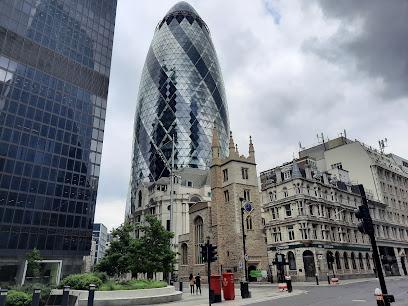
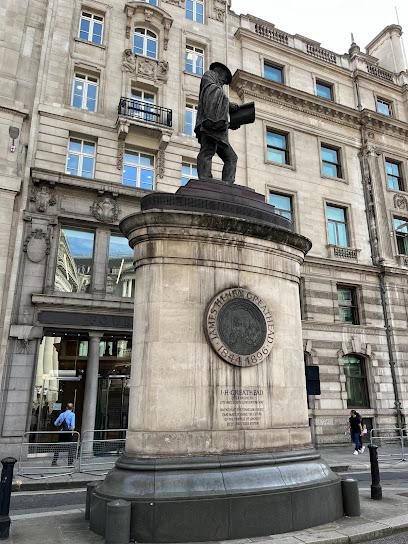
Statue of James Henry Greathead
0.4 km
Discover the statue honoring James Henry Greathead, the engineer whose invention shaped London's iconic Underground tunnels.
London Stone (remaining part)
0.5 km
Discover London Stone, the ancient and mysterious limestone relic at 111 Cannon Street, a symbol of London's enduring history and legend.

London Wall
0.5 km
Explore London Wall, an ancient Roman landmark revealing the rich history of Londinium amidst the modern cityscape of London.
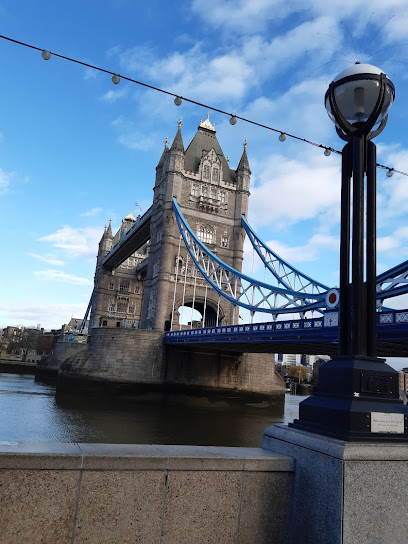
Historic England
0.6 km
Discover the rich tapestry of England's history at Historic England, a key organization dedicated to preserving the nation’s architectural treasures.
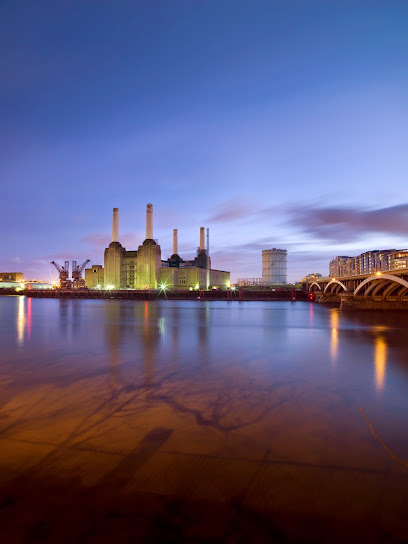
Wakefield Tower
0.6 km
Medieval royal tower steeped in 13th-century splendor and tragic history within the Tower of London.
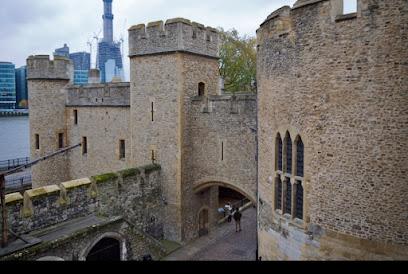
Tower of London
0.6 km
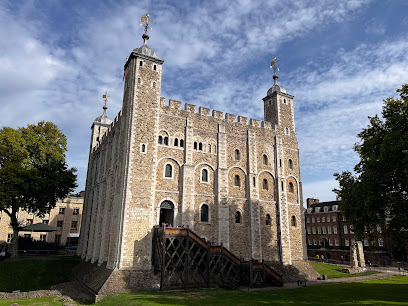
Explore the Tower of London, a historic castle filled with captivating stories, stunning architecture, and the dazzling Crown Jewels of Britain.
Unmissable attractions to see

20 Fenchurch St
0.1 km
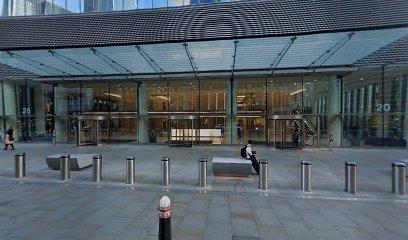
Iconic London skyscraper known as the Walkie Talkie, featuring a stunning three-floor Sky Garden with panoramic city views and rooftop dining.
Philpot Lane Mice Sculpture
0.1 km
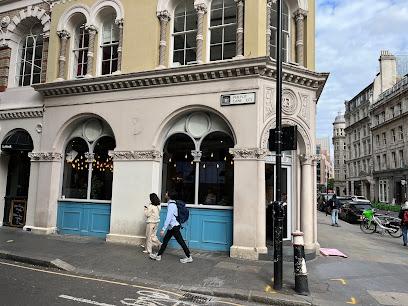
Discover the whimsical Philpot Lane Mice Sculpture, a quirky landmark in London that showcases the city's creative spirit and vibrant history.
St Dunstan in the East Church Garden
0.1 km
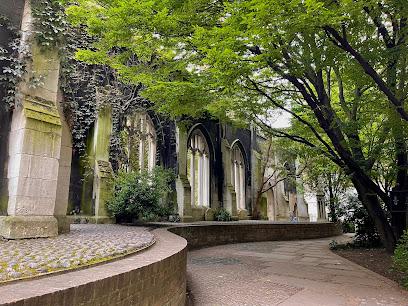
A peaceful historic garden oasis in the heart of London’s financial district, blending Gothic ruins with lush greenery and tranquil charm.
Billingsgate Roman House & Baths
0.2 km
Explore one of London’s best-preserved Roman private homes and bathhouses, revealing ancient luxury beneath the modern city streets.
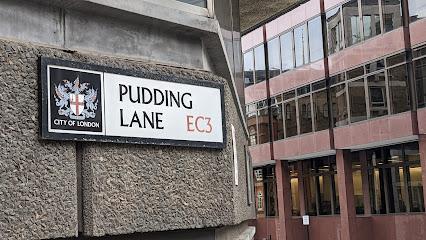
Pudding Ln
0.2 km
Pudding Lane: Historic street where the Great Fire of London ignited, shaping the city’s future and urban heritage.
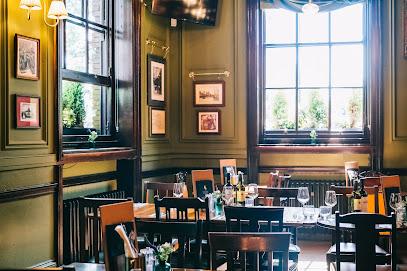
The Hung Drawn & Quartered, EC3
0.2 km
Historic pub near Tower Hill offering seasonal classics and craft ales in a setting steeped in London's dramatic past.
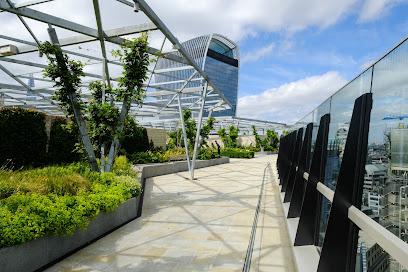
The Garden at 120
0.2 km
Discover London’s largest free rooftop garden with serene greenery and iconic 360° city views atop 120 Fenchurch Street.
Leadenhall Market
0.2 km
Discover Leadenhall Market’s stunning Victorian architecture and vibrant heritage in the heart of London’s financial district.
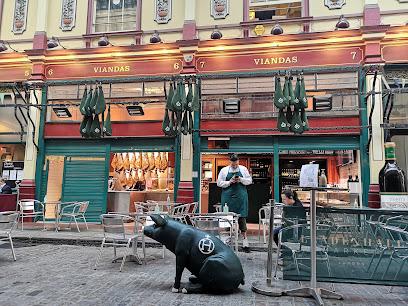
Fish St Hill
0.2 km
Historic street leading to London Bridge, shadowed by the Monument to the Great Fire of London, blending centuries of London’s history.
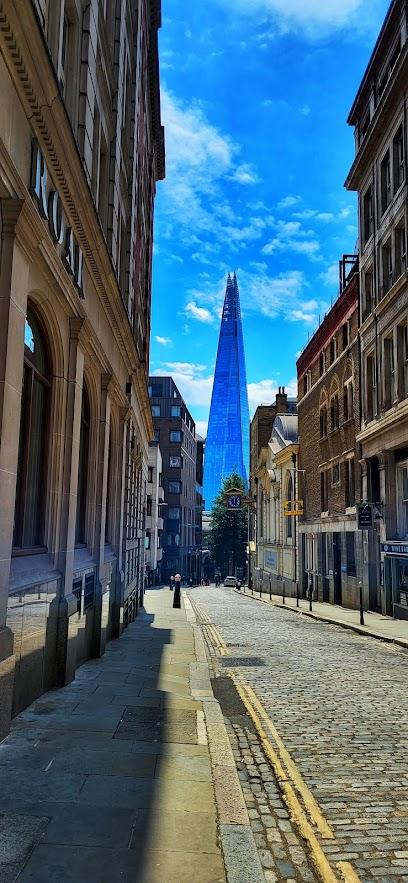
St Olave's Church, Hart Street
0.2 km
Discover the serene beauty and rich history of St Olave's Church, a hidden gem in the heart of London, perfect for history enthusiasts and peace-seekers alike.
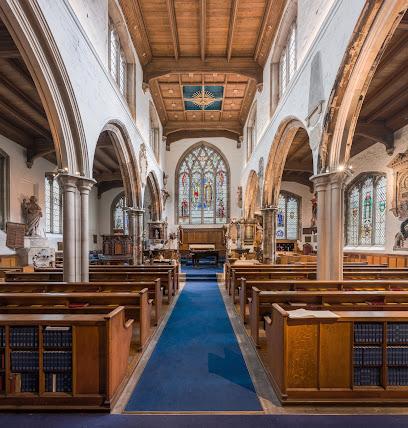
Church of Saint Magnus-the-Martyr
0.3 km
A historic sanctuary at the foot of London Bridge, where centuries of faith and city life converge in a Baroque masterpiece.
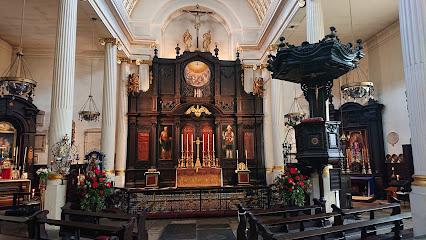
All Hallows by the Tower
0.3 km
Discover London's oldest church, a historic gem beside the Tower, where Roman, Saxon, and medieval layers tell tales of resilience and heritage.
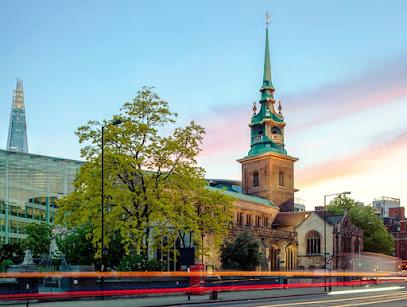
St Michael Cornhill
0.3 km
Discover centuries of history, architecture, and music at St Michael Cornhill, a serene medieval church standing atop Roman London’s ancient basilica.
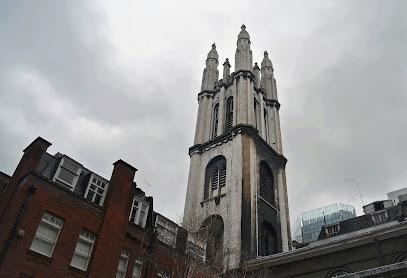
Lombard St
0.4 km
Discover Lombard Street, London’s medieval banking hub where historic signs and financial legacy meet in the heart of the City.
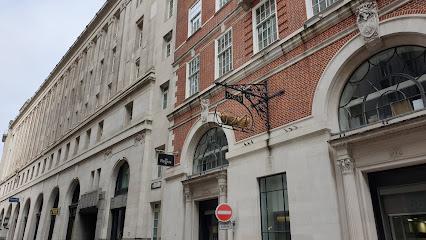
8-12 Tower Hill
0.4 km
Historic Tower Hill in London, where ancient walls meet iconic landmarks and vibrant riverside life unfolds.
Essential places to dine

14 Hills
0.2 km
Experience modern British cuisine in a lush, sky-high garden with breathtaking panoramic views over London’s iconic skyline.
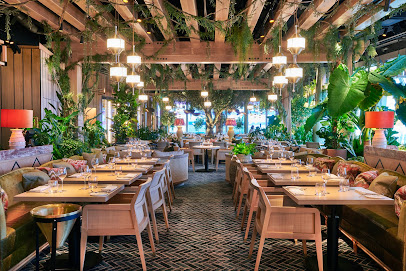
La Dame de Pic London
0.4 km
Discover refined French gastronomy and elegant dining in a historic London landmark with two Michelin stars and innovative cuisine.
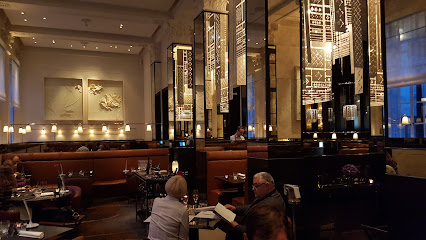
Barcelona Tapas Bar & Restaurant
0.7 km
Authentic Spanish tapas and warm hospitality in the heart of London’s City since 1991.
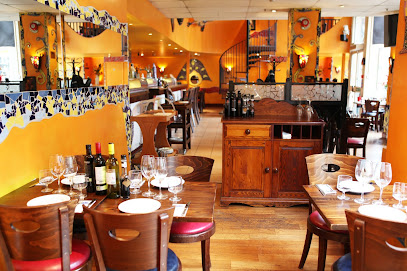
Mattarello Chiodo Bolognese Restaurant
0.7 km
Authentic Bolognese pasta and gluten-free Italian delights in the heart of London’s Middlesex Street.
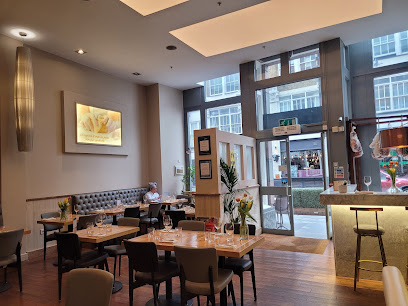
Marugame Udon Middlesex Street
0.9 km
Experience freshly handcrafted Japanese udon and crispy tempura in a lively open kitchen setting at Marugame Udon Middlesex Street, London’s authentic udon destination.
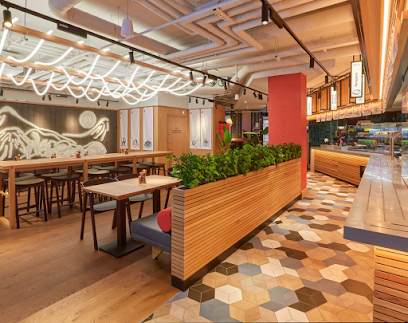
George
0.9 km
Step into London’s last galleried coaching inn, where history, hearty ales, and a lively courtyard blend in a timeless pub experience.
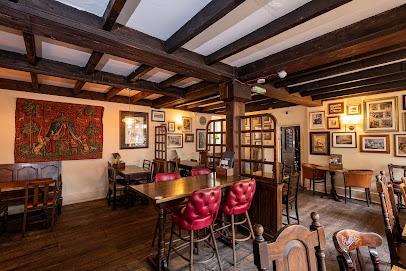
Madison
0.9 km
Stylish rooftop dining and cocktails with breathtaking views of St Paul’s Cathedral and London’s skyline.
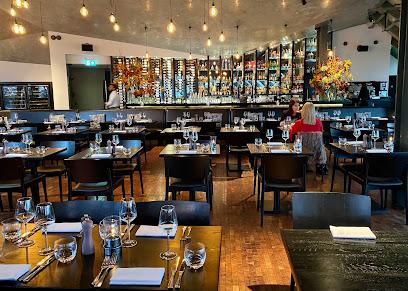
Restaurant Story
1.0 km
Experience a two Michelin-starred culinary journey where storytelling meets British fine dining in the heart of London Bridge.
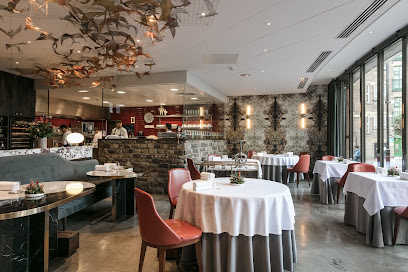
Lyle's
1.5 km
Michelin-starred Lyle's serves innovative, seasonal British cuisine in a minimalist Shoreditch setting with a relaxed, refined atmosphere.
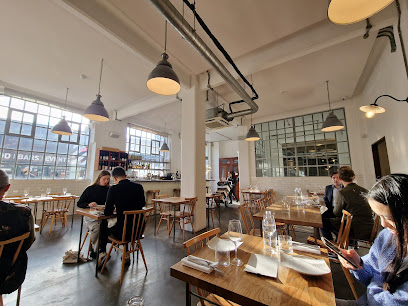
Nomadic community
1.7 km
A colorful, community-driven urban garden near Brick Lane, blending street art, creativity, and green space in East London’s vibrant cultural scene.

St. John
1.7 km
Experience authentic British nose-to-tail dining in the heart of London’s Barbican at St. John, where tradition meets modern culinary artistry.
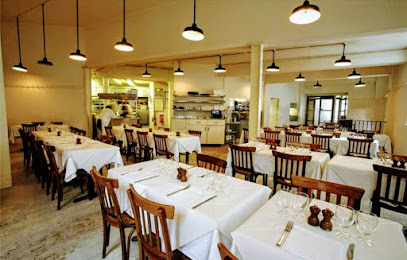
Sea Containers Restaurant
1.7 km
Stylish Modern British dining with iconic Thames views on London’s vibrant Southbank, perfect for brunch, dinner, and special occasions.
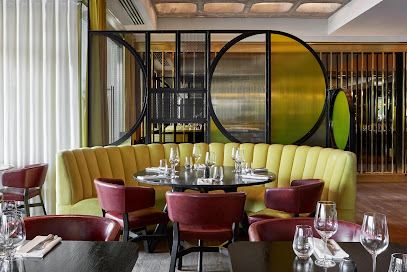
Mercato Metropolitano
1.7 km
A vibrant, sustainable community food market in Elephant & Castle offering global flavors, local sourcing, and a lively social atmosphere.
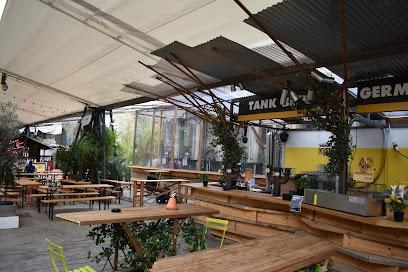
Dans le Noir ? London Restaurant
1.8 km
Experience dining like never before in total darkness, guided by visually impaired waitstaff in a sensory adventure at Dans le Noir ? London.
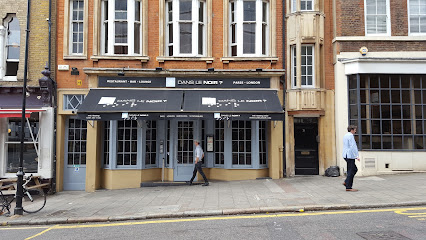
Nest Restaurant Old Street
1.8 km
Intimate Shoreditch gem offering creative British seasonal tasting menus in a cozy, historic setting with a sustainable ethos.
Markets, malls and hidden boutiques

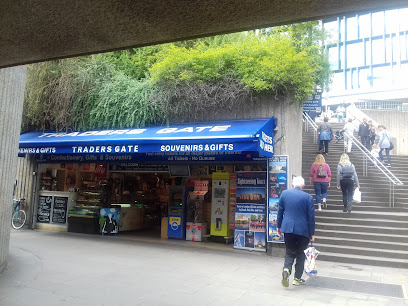
Traders Gate
0.3 km
A long-standing family-run gift shop on Tower Hill, offering classic London souvenirs and local charm just steps from the Tower of London.
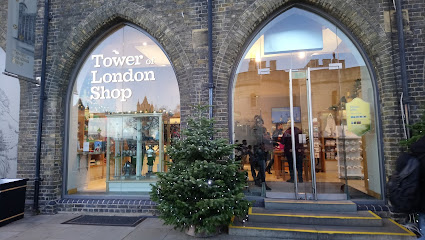
Tower of London Shop
0.4 km
Explore the Tower of London Shop for unique souvenirs that celebrate British heritage and history in the heart of London.
Hay's Galleria
0.6 km
Historic riverside warehouse transformed into a vibrant shopping and dining destination beneath a stunning glass roof.
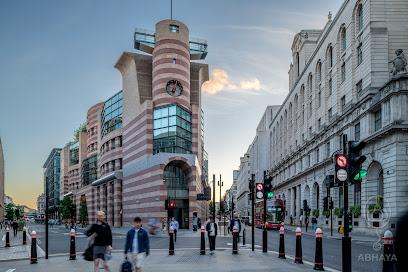
1 Poultry
0.6 km
Iconic postmodern office and retail building with vibrant limestone stripes, a colorful atrium, and a rooftop garden overlooking London’s financial district.
Middlesex Textiles
0.7 km
Discover London’s premier West African fabric store offering vibrant, high-quality textiles with unmatched variety and service since 1969.
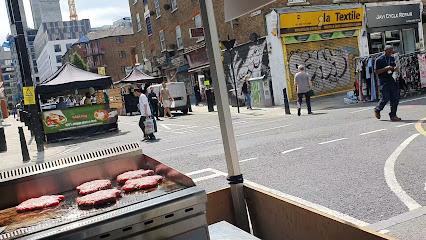
Petticoat Lane Market
0.8 km
London's historic street market where 370 years of commerce, migration, and East End character converge.
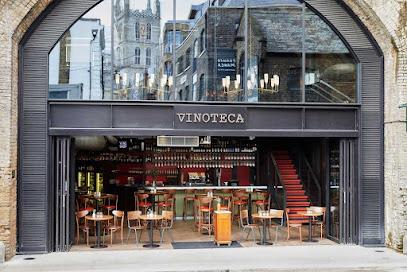
Borough Yards
0.8 km
Discover Borough Yards, a lively London district blending historic railway arches with cutting-edge shopping, dining, and culture near Borough Market.
Tower Bridge - Engine Rooms and Official Gift Shop
0.9 km
Explore the fascinating history of Tower Bridge at the Engine Rooms and shop for unique gifts at the Official Gift Shop.
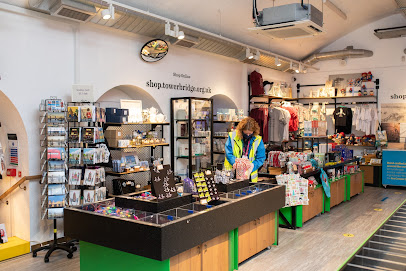
One New Change
0.9 km
Modern glass landmark with free rooftop views of St Paul's Cathedral and London skyline.
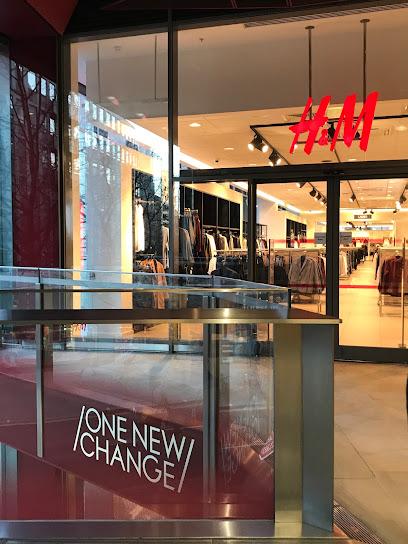
Fashion St
1.1 km
A historic East London street where Victorian architecture meets modern creativity, surrounded by boutiques, cafés, and vibrant community life.
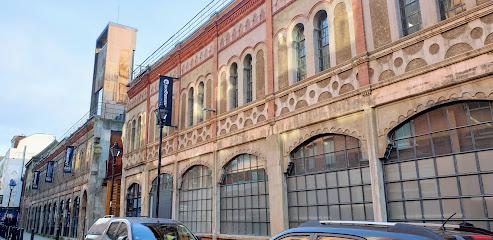
Commercial St
1.1 km
Historic East London artery blending industrial heritage, vibrant markets, and cultural landmarks in the heart of Spitalfields.
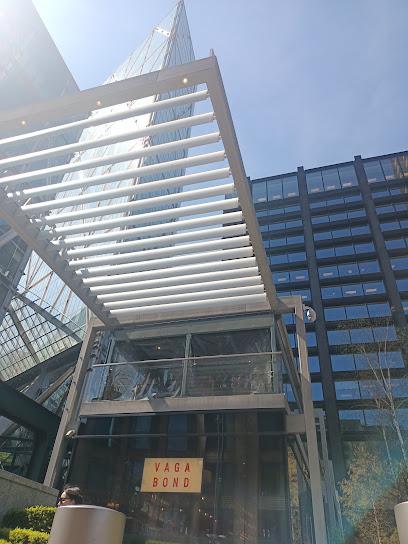
Spitalfields Market
1.1 km
Historic yet vibrant, Spitalfields Market blends East London’s rich heritage with a lively mix of food, art, and shopping all week long.
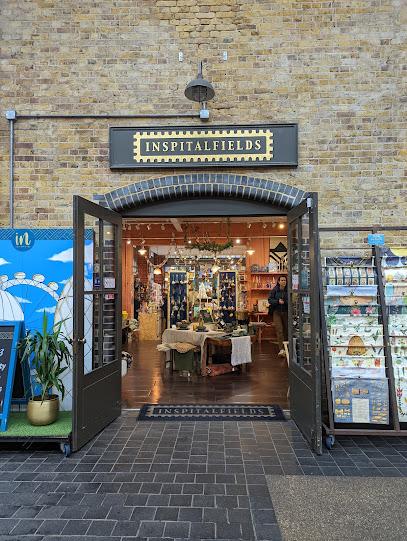
Sclater Street Market
1.2 km
Vintage treasures and eclectic finds in the heart of Shoreditch's bohemian marketplace.
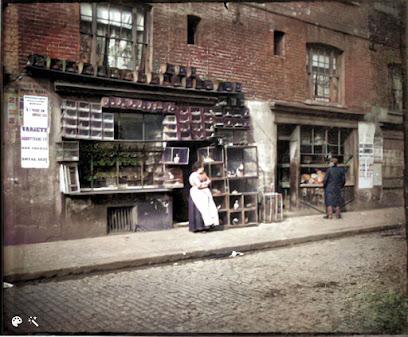
Barbican Shop
1.3 km
Discover curated art, design, music, and unique gifts at the Barbican Shop, a creative retail haven within London’s iconic Barbican Centre.
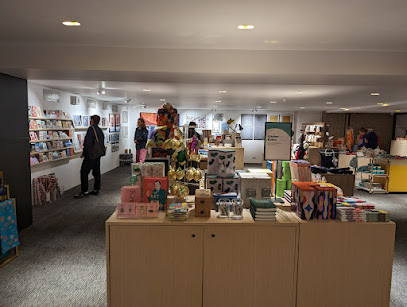
DPUS Designer Outlet
1.3 km
Authentic designer fashion outlet in Shoreditch’s historic Old Truman Brewery, blending luxury style with urban culture and unbeatable prices.

Essential bars & hidden hideouts

The Bootlegger
0.1 km
Step into The Bootlegger’s hidden Lime Street basement for expertly crafted cocktails, live jazz, and a true 1920s speakeasy vibe in the heart of London.
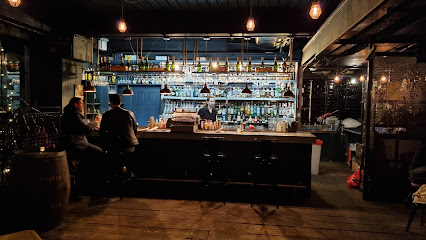
The Cocktail Club - Cocktail Bar near Monument
0.2 km
Vibrant underground cocktail bar near Monument, blending creative drinks with a lively, speakeasy-style party atmosphere.
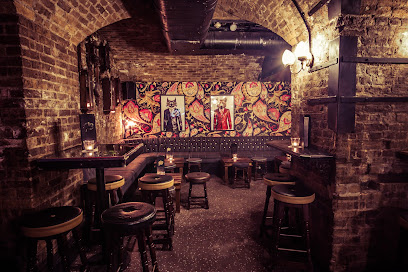
Demon, Wise & Partners
0.5 km
Classic basement cocktail bar blending historic City charm with expert mixology in London’s financial district.
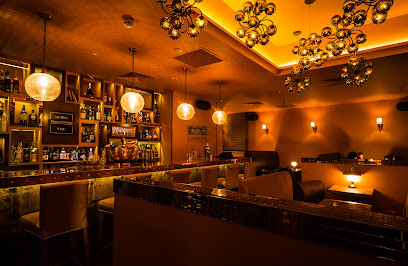
The Alchemist Bevis Marks
0.5 km
Experience London’s theatrical cocktail haven blending molecular mixology with Victorian charm and all-day dining in Aldgate.
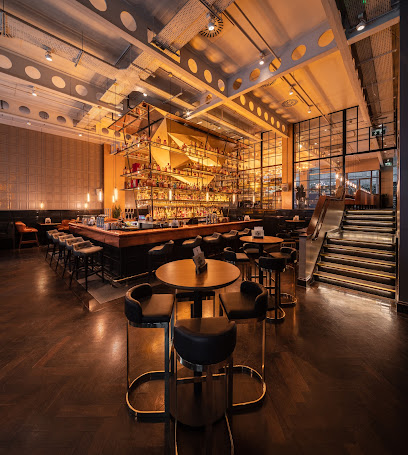
The Bell
0.8 km
A historic East End pub blending traditional charm and local spirit near Petticoat Lane Market.
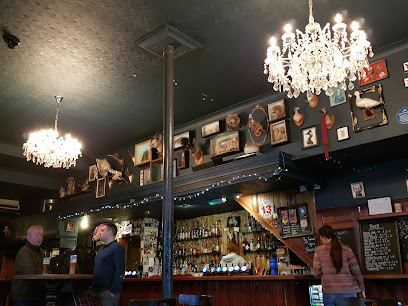
Nine Lives
0.8 km
A subterranean Bermondsey bar blending Mexican spirits, sustainable craft cocktails, and vibrant sharable dishes in a boho-chic setting.
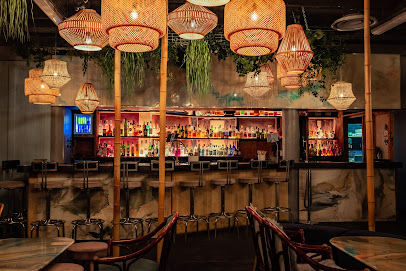
Dirty Dicks
0.8 km
Historic London pub with quirky charm, classic ales, and lively atmosphere near Liverpool Street Station.
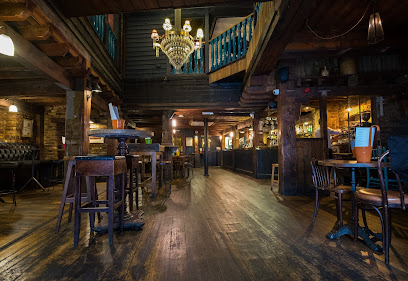
Discount Suit Company
0.8 km
Discover a hidden vintage cocktail bar beneath Spitalfields, blending bespoke drinks with a cozy speakeasy atmosphere in London’s historic tailoring district.
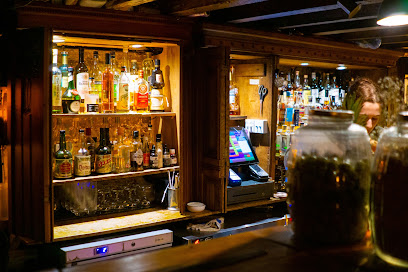
The Astronomer, EC1
0.8 km
A traditional London pub with a cosmic twist, offering hearty pies, craft ales, and a welcoming atmosphere near Liverpool Street.
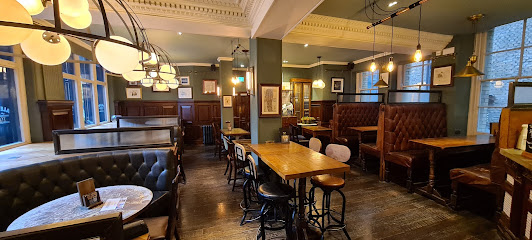
The Mayor of Scaredy Cat Town
0.9 km
Discover Shoreditch’s secret speakeasy behind a fridge door, where quirky vintage charm meets expertly crafted cocktails and lively 80s beats.
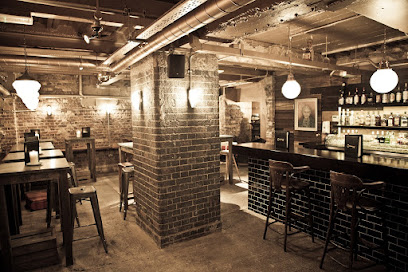
Apples & Pears Cocktail Bar
1.1 km
A vibrant East London cocktail bar blending creative drinks, lively DJs, and a welcoming atmosphere in the heart of Brick Lane.
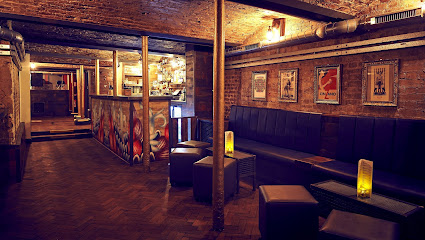
The Old School Yard
1.2 km
Step into a lively retro playground with expertly crafted cocktails, classic arcade games, and a vibrant 80s and 90s atmosphere in London Bridge.
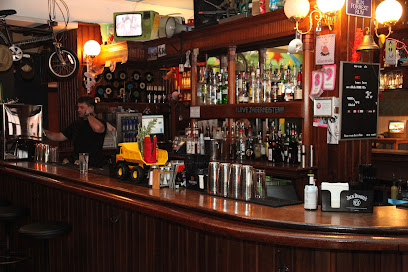
Aviary
1.2 km
Elegant rooftop dining with botanical cocktails and panoramic London skyline views in the heart of Finsbury Square.
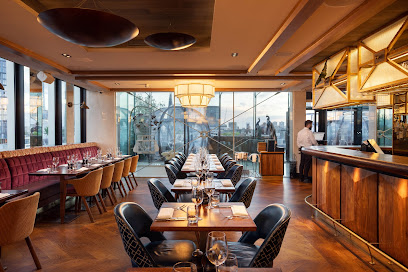
Flight Club Shoreditch
1.3 km
Experience the vibrant social darts scene with great food, cocktails, and fun at Flight Club Shoreditch in East London.
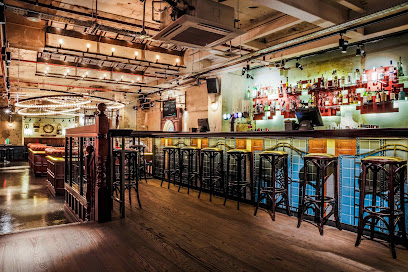
The Cocktail Club - Cocktail Bar near Old Street
1.3 km
A vibrant and stylish cocktail bar in London’s Old Street area, known for creative drinks and a lively urban atmosphere.
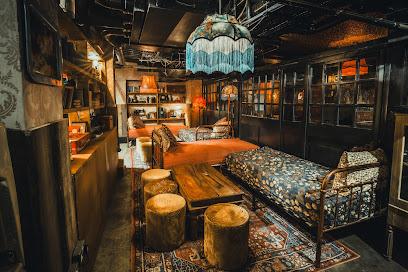
Nightclubs & after hour spots

The Steel Yard
0.5 km
Experience London’s premier industrial-chic nightclub set in historic Victorian railway arches, with world-class sound and late-night energy until 6am.
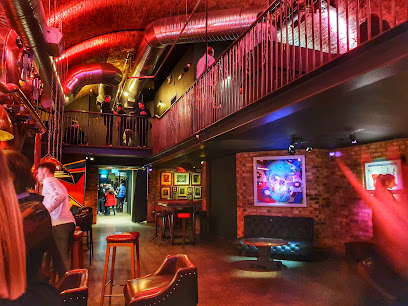
E1
1.5 km
Experience East London’s underground pulse with E1’s cutting-edge sound, immersive visuals, and vibrant club nights.
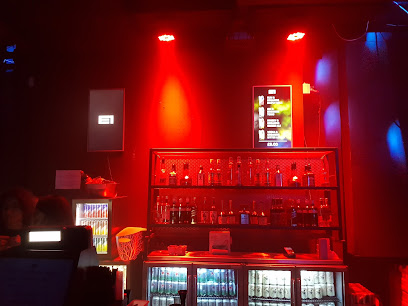
The Hoxton Pony
1.6 km
Edgy Shoreditch cocktail bar and nightclub blending vintage style with vibrant nightlife energy in East London.

XOYO LONDON
1.6 km
Experience Shoreditch’s iconic XOYO, where cutting-edge DJs and vibrant nightlife create an unforgettable London clubbing atmosphere.

Trafik
1.8 km
Shoreditch’s dynamic nightclub with underground beats, two floors of dancing, and a late licence for unforgettable nights.

Ministry of Sound
1.9 km
London's legendary dance music cathedral since 1991, where world-class sound systems and global DJs fuel euphoric nights across four pulsing rooms.

London Best Night Clubs
1.9 km
Experience London’s legendary Ministry of Sound, where cutting-edge sound meets dynamic club culture in a multi-room dance haven.
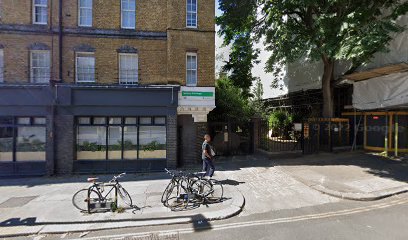
Basing House - Shoreditch
2.0 km
An intimate Shoreditch nightclub with top electronic beats, a Funktion One sound system, and a lively rooftop bar under the London skyline.

Corsica Studios
2.2 km
Experience London’s underground music pulse at Corsica Studios, where intimate vibes meet exceptional sound beneath historic railway arches.
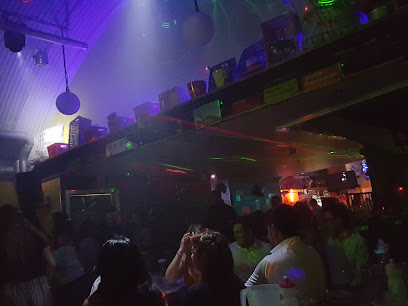
Proud Late
2.4 km
Dive into two-storey glamour under Waterloo Bridge: cabaret acrobatics, burlesque dazzle, supper feasts, and non-stop clubbing till 5am in London's West End nightlife epicenter.
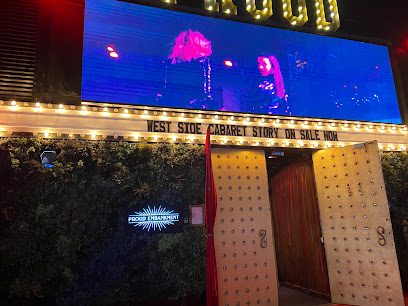
STRAWBERRY SUNDAE
2.5 km
Retro rave haven in Waterloo Arches: Daytime hardcore beats, 90s DJ legends, and industrial euphoria from midday to midnight.
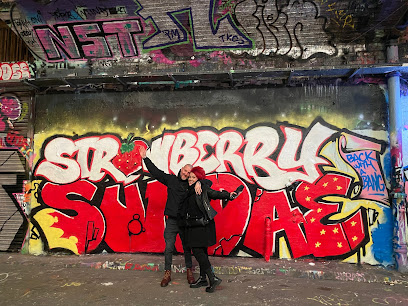
Cirque Du Soul
2.5 km
Dive into Leake Street's graffiti tunnel for soul-stirring electronic nights at this underground nightclub haven.
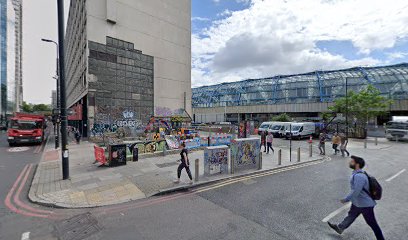
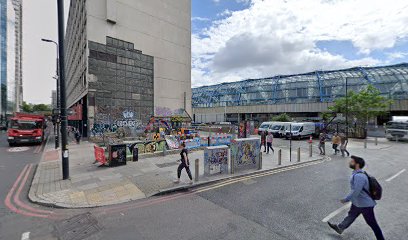
We Are Waterloo
2.5 km
Dive into Leake Street's graffiti heart where street art meets thumping beats in London's ultimate underground nightclub haven.
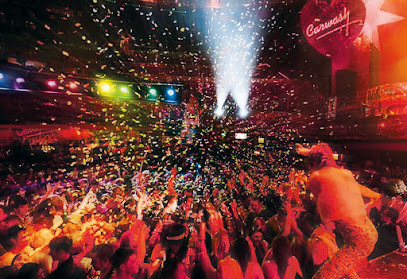
Carwash Nightclub
2.7 km
Experience Europe’s longest-running disco club in London’s West End, where retro beats, vibrant crowds, and themed parties create unforgettable nights.
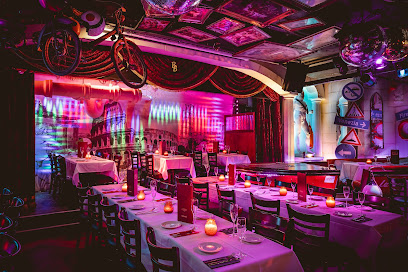
Bunga Bunga Covent Garden
2.8 km
A neon-soaked, pizza-and-karaoke supper club under Drury Lane — 90s nostalgia, stage shows and shareable Italian feasts.
For the vibe & atmosphere seeker
- Tranquil
- Romantic
- Unique
- Scenic
For the design and aesthetic lover
- Vintage Styles
- Minimalist Designs
For the architecture buff
- Historic
- Landmarks
- Sacred Sites
- Art & Design
For the view chaser and sunset hunter
- Iconic Views
- Viewpoints
For the social media creator & influencer
- Instagrammable
- Architectural Shots
- Photo Spots
For the eco-conscious traveler
- Protected Area
- Locally Managed
For the kind of experience you’re after
- Cultural Heritage
- Spiritual / Energy Spot
- Myth & Legends
- Photowalk
For how adventurous you want the journey to be
- Easy Access
Location Audience
- Family Friendly
- Senior Friendly
- Wheelchair Access
- Solo Friendly
- Couple Friendly
- Solo Female Friendly


