
Two Temple Place, London Travel Guide
Discover Two Temple Place, a neo-Gothic Victorian mansion blending literary grandeur and architectural mastery on London’s iconic Victoria Embankment.
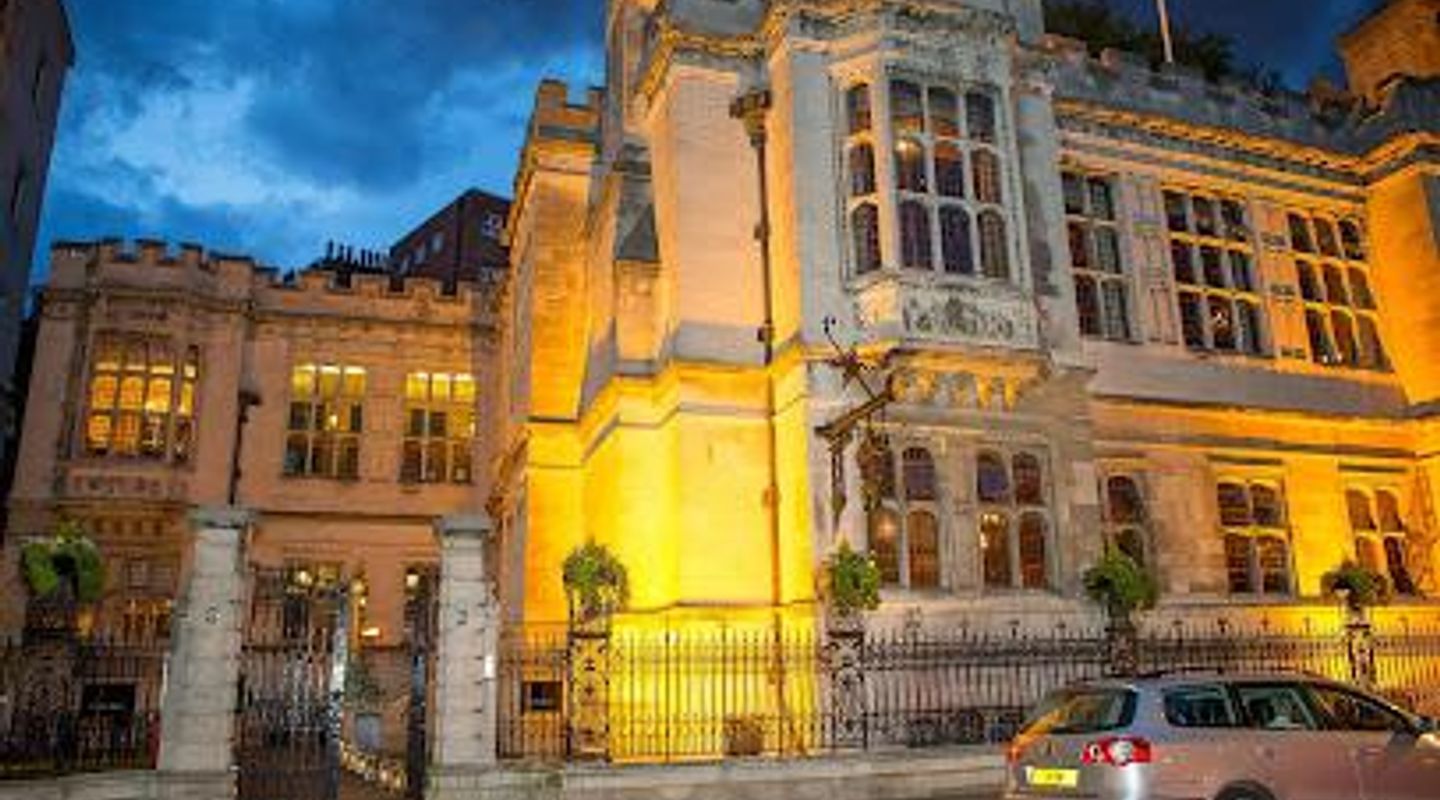
Two Temple Place is a dazzling neo-Gothic mansion built in 1895 for William Waldorf Astor, an American millionaire who became a British aristocrat. Located on London’s Victoria Embankment, it features ornate Portland stone carvings, a richly decorated interior filled with literary and historical motifs, and a magnificent Great Hall inspired by Elizabethan design. Today, it serves as a cultural venue owned by the Bulldog Trust, hosting exhibitions and community events in a setting that blends architectural grandeur with storytelling.
A brief summary to Two Temple Place
- 2 Temple Pl, London, Temple, WC2R 3BD, GB
- Click to display
- Click to display
- Duration: 1 to 3 hours
- Mid ranged
-
 Indoor
- Mobile reception: 5 out of 5

Know before you go
Hi, I'm Eve. Here are a few practical things to know before exploring Two Temple Place.
- Check the official Two Temple Place website for current opening dates and exhibition schedules as the venue is only open on select days.
- Take time to admire the intricate exterior carvings and the gilded weather vane symbolizing the Astor family legacy.
- Inside, don’t miss the Great Hall’s hammer-beam ceiling and the friezes featuring historical and literary figures.
- Visit during an exhibition to experience the building’s role as a vibrant cultural venue hosting art from UK regional collections.
- Photography is often allowed inside during exhibitions, so bring a camera to capture the stunning interiors.
Do you manage this location?
Take control to get all the benefits, like improved information, better appearance, and stronger visibility across AI-powered discovery. Learn more about listing your business on Evendo
Activate your presenceOther nearby places you may find interesting
The closest places of the same kind, if this one is not quite what you had in mind.

Explore Two Temple Place on the Map
A handpicked selection of must-see spots near Two Temple Place, mapped for you.
Unlock the Best of Two Temple Place
Buy tickets
-
No tickets available
Book tours with entry


Book tours without entry

Getting There
-
Public Transport
Take the London Underground to Temple Station on the District or Circle lines, approximately a 5-10 minute walk to Two Temple Place. Services run frequently, and Oyster or contactless payment is accepted. No additional cost beyond standard fare zones.
-
Bus
Bus routes 4, 11, 15, and 26 stop near Victoria Embankment, within a 5-7 minute walk. Buses run regularly throughout the day with standard Transport for London fares.
-
Taxi or Ride-Hailing
Taxis and ride-hailing services can drop you off directly at 2 Temple Place. Travel times vary with traffic but typically range from 10 to 25 minutes from central London locations. Expect fares from £8 to £20 depending on distance and time.
-
Walking
If staying nearby, Two Temple Place is accessible on foot via flat, paved city streets. Walking from Covent Garden or the Strand takes around 10-15 minutes over mostly even terrain, suitable for most visitors.
For the on-the-go comforts that matter to you
-
 Restrooms
-
 Drink Options
-
 Food Options
-
 Seating Areas
-
 Information Boards
-
 Visitor Center
Two Temple Place location weather suitability
-
 Any Weather
-
 Rain / Wet Weather
-
 Clear Skies
-
 Mild Temperatures
Discover more about Two Temple Place
A Vision of Victorian Gothic Grandeur
Two Temple Place was commissioned by William Waldorf Astor in the early 1890s and completed in 1895 as his London estate office. Designed by John Loughborough Pearson, a pioneer of modern Gothic Revival architecture, the building is a neo-Tudor jewel constructed entirely of Portland stone. Its exterior is adorned with intricate carvings, gargoyles, and grotesques by master craftsmen such as Nathaniel Hitch. The building’s crenellated roofline is topped by a gilded weather vane modeled after Christopher Columbus' ship, the Santa Maria, symbolizing Astor’s family legacy of exploration and enterprise.Astor’s Personal Legacy and Symbolism
Though never Astor’s residence, Two Temple Place was deeply personal, reflecting his passion for history, literature, and his desire to establish himself as an English gentleman after emigrating from the United States. The building’s façade and interiors are rich with symbolism referencing his great-grandfather John Jacob Astor’s pioneering spirit. Bronze lamp standards at the entrance feature cherubs, one depicted using a telephone, celebrating the modern technologies of the era. Inside, the Great Hall’s hammer-beam ceiling and stained glass canopy evoke Tudor and Jacobean grandeur, while friezes depict 54 historical and fictional characters, including Pocahontas, Marie Antoinette, and figures from Arthurian legend.Architectural and Artistic Excellence
The interior boasts exquisite craftsmanship, including ten solid ebony pillars surrounding the entrance gallery and mahogany carvings inspired by Astor’s favorite literary works like The Three Musketeers. The Great Hall served as Astor’s study and meeting room, designed to impress with its Elizabethan style and rich decorative panels. Despite damage sustained during World War II, including a flying bomb hit in 1944, the building was sympathetically restored post-war to preserve its artistic and architectural integrity.From Private Office to Cultural Beacon
After Astor’s death, the building changed hands several times, serving various commercial purposes until acquired by the Bulldog Trust in 1998. The Trust uses Two Temple Place as a cultural and community hub, hosting exhibitions, educational programs, and private events. It is a unique example of a historic building that continues to evolve, balancing preservation with active public engagement. Its role as a charity venue underscores its transformation from a private estate office into a space for social impact and cultural enrichment.Setting and Surroundings
Nestled on the Victoria Embankment overlooking the River Thames, Two Temple Place offers a striking contrast between its medieval-inspired architecture and the bustling modern city around it. The forecourt features paved areas and a lawn bordered by an arcaded wall, creating a serene urban oasis. The building’s location in the Temple area situates it amidst historic legal and cultural landmarks, enhancing its allure as a hidden gem in central London.Visiting and Experiencing Two Temple Place
Two Temple Place is open to the public on select days, often hosting major exhibitions that showcase publicly owned art from UK regional collections. Its interiors provide an immersive experience of Victorian artistry and storytelling, making it a must-see for lovers of architecture, history, and literature. Visitors can explore its richly decorated halls and marvel at the craftsmanship that makes it one of London’s most remarkable neo-Gothic buildings.












Your all‑in‑one travel companion app
Explore expert travel guides, compare and book tours, experiences, hotels, and more—all from the palm of your hand. Download now for seamless trip planning wherever your wanderlust takes you.


Explore More of London
Looking beyond Two Temple Place? Discover London for broader travel guides, local hot-spots, and regional highlights.
Explore London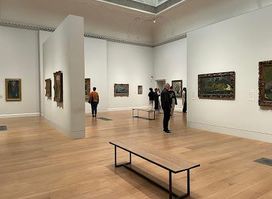
A compact central London gallery where Somerset House frames major Impressionist and Post-Impressionist works in a calm, close-viewing setting.

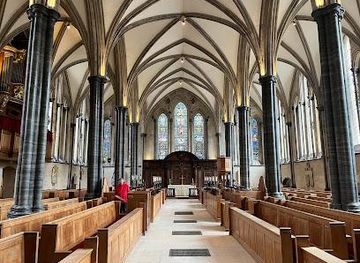
A quiet legal estate in central London, where courtyards, gardens and Middle Temple Hall reveal the city’s oldest professional traditions.
