
Free Trade Hall: Manchester’s Icon of Political and Musical Heritage
Historic Free Trade Hall in Manchester: Where political courage met musical revolution on the site of the Peterloo Massacre.
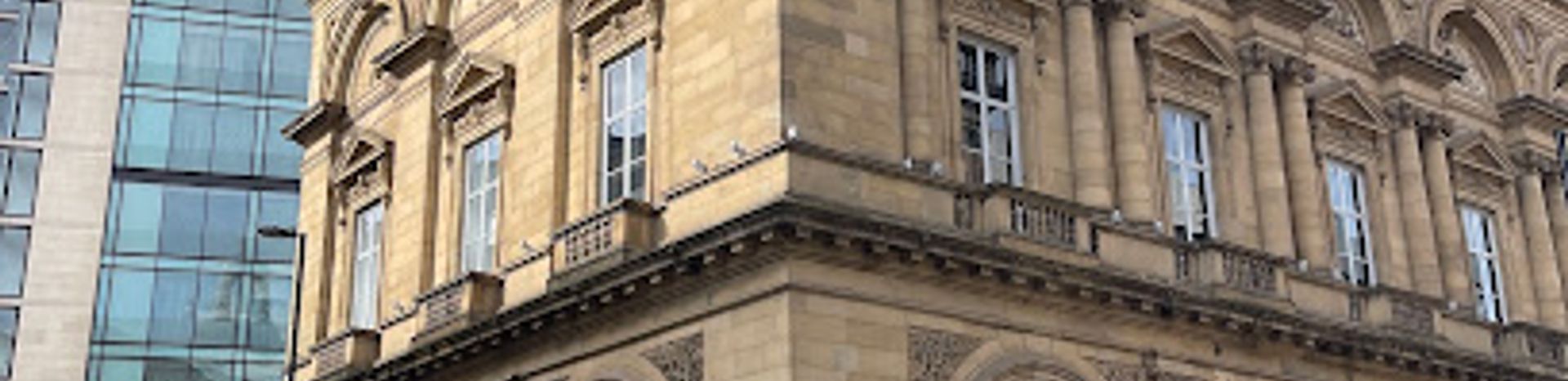
The Free Trade Hall in Manchester, built between 1853 and 1856 on the historic site of the Peterloo Massacre, stands as a monument to political reform and musical innovation. Originally a public hall commemorating the repeal of the Corn Laws, it evolved into a premier concert venue hosting the Hallé Orchestra and legendary rock acts. Severely damaged in WWII, it was rebuilt and later transformed into a hotel, preserving its rich history and architectural grandeur.
A brief summary to Free Trade Hall
- Peter St, Manchester, M2 5QR, GB
- Duration: 0.5 to 2 hours
- Mid ranged
-
 Mixed
Mixed
- Mobile reception: 4 out of 5
Local tips
- Explore the preserved architectural features and historical artifacts inside the hotel lobby and atrium to connect with the building’s rich past.
- Visit the dedicated Hallé Orchestra conference suite to see images and memorabilia celebrating the building’s musical heritage.
- Learn about the Peterloo Massacre and its significance before visiting to fully appreciate the site’s historical importance.
- Check for any public events or exhibitions hosted in the building that highlight its political and cultural legacy.

For the on-the-go comforts that matter to you
- Restrooms
- Drink Options
- Food Options
- Seating Areas
- Information Boards
Getting There
-
Public Transport
Take the Manchester Metrolink tram to St Peter’s Square, approximately 10-15 minutes from the city center. From there, it is a 5-minute walk to Free Trade Hall. Trams run frequently with tickets costing around £2.50-£4.00 GBP.
-
Bus
Multiple bus routes serve Peter Street, including numbers 50, 53, and 56, with travel times from central Manchester ranging from 10 to 20 minutes. Single fares typically cost £2.50 GBP. Buses run regularly throughout the day.
-
Taxi
A taxi ride from Manchester Piccadilly Station to Free Trade Hall takes approximately 10 minutes, depending on traffic, with fares around £7-£12 GBP. Taxis are readily available but may be subject to peak time surcharges.
Free Trade Hall location weather suitability
-
 Any Weather
-
 Rain / Wet Weather
-
 Mild Temperatures
Discover more about Free Trade Hall
A Monument Born from Political Struggle
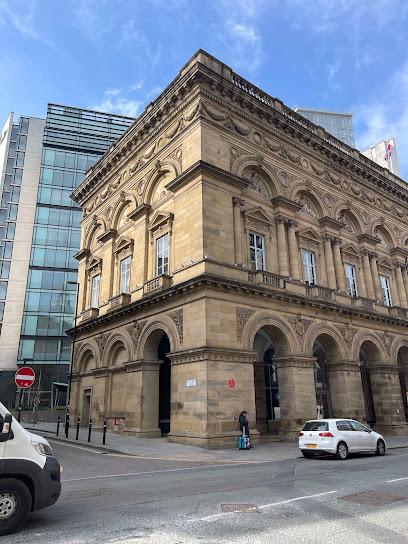
The Free Trade Hall was constructed between 1853 and 1856 on the very grounds of St Peter’s Fields, the site of the infamous Peterloo Massacre of 1819. This tragic event, where cavalry charged into a peaceful crowd demanding parliamentary reform, resulted in 15 deaths and hundreds injured, marking a pivotal moment in British political history. The hall was built as a memorial to this struggle and the repeal of the Corn Laws, symbolizing the city’s victory for free trade and democratic progress. Funded by public contributions and supported by radical statesman Richard Cobden, the building was designed by Edward Walters in an elegant Italian Palazzo style, featuring a grand nine-bay façade and intricate carved figures that embodied the spirit of reform and civic pride.A Cultural and Musical Epicenter
Soon after opening, the Free Trade Hall became Manchester’s vibrant hub for public life, hosting political meetings, speeches, and cultural events. In 1858, it became home to the Hallé Orchestra, cementing its status as a premier concert venue. The hall witnessed historic moments, including Winston Churchill’s powerful 1904 speech defending free trade. Throughout the 20th century, it embraced diverse musical genres, hosting legendary performances by artists such as Bob Dylan, David Bowie, and Pink Floyd. Notably, the Lesser Free Trade Hall upstairs became the birthplace of Manchester’s punk scene in the 1970s, with seminal gigs by the Sex Pistols and Buzzcocks that profoundly influenced modern music worldwide.War, Reconstruction, and Preservation
During World War II, the Free Trade Hall suffered severe damage from bombing raids in the Manchester Blitz of 1940. The building’s interior was completely rebuilt under architect L.C. Howitt, reopening in 1951 with a grand festival attended by Queen Elizabeth. Despite this revival, the Hallé Orchestra moved to the Bridgewater Hall in 1996, and the Free Trade Hall closed shortly after. The building was sold to private developers and transformed into the Radisson Blu Edwardian Hotel in 2004. Throughout this transformation, many original architectural elements and artifacts were preserved, including plasterwork signed by musical icons and statues from the façade, maintaining a tangible connection to its illustrious past.Architectural Grandeur and Legacy
The Free Trade Hall’s design reflects the Italian cinquecento style, characterized by its two floors, concealed roof, and stately façade adorned with carved figures and coats of arms representing Lancashire towns. Its interior dimensions were carefully planned for acoustics and public speaking, making it ideal for concerts and political gatherings alike. Today, the building stands as a Grade II listed landmark, blending historic architecture with modern luxury as a hotel. The legacy of the Free Trade Hall endures not only in its physical form but also in its role as a symbol of Manchester’s radical political history and vibrant cultural scene.The Hall’s Role in Social Movements
Beyond music and politics, the Free Trade Hall played a significant role in social activism, particularly in the women’s suffrage movement. It hosted numerous meetings and speeches by the Women’s Social and Political Union, becoming a focal point for the fight for women’s voting rights. This legacy of activism is intertwined with the building’s identity, reflecting Manchester’s broader history of social reform and civic engagement.Continuing Influence and Visitor Experience
Visitors to the Free Trade Hall today can appreciate its rich tapestry of history through preserved artifacts, dedicated exhibition spaces, and architectural details that tell stories of political upheaval, musical revolutions, and social change. Its transformation into a hotel offers a unique opportunity to experience a landmark that has shaped Manchester’s identity across centuries, from the echoes of protest to the roar of legendary concerts.Iconic landmarks you can’t miss

Free Trade Hall
0.0 km
Historic landmark on the Peterloo Massacre site, blending Victorian architecture with a rich legacy of music and political activism.
Peterloo Massacre Monument
0.2 km
A powerful stone memorial in Manchester honoring the victims of the 1819 Peterloo Massacre and the fight for democracy.
Albert Memorial
0.2 km
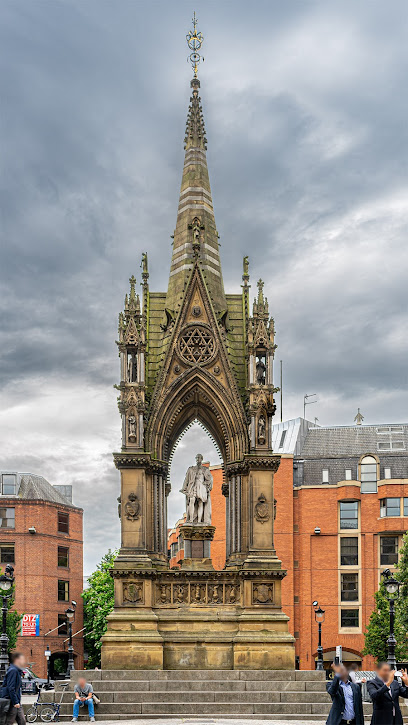
A grand Victorian Gothic monument in Albert Square celebrating Prince Albert’s legacy through art, science, and culture.
Manchester City Council
0.2 km
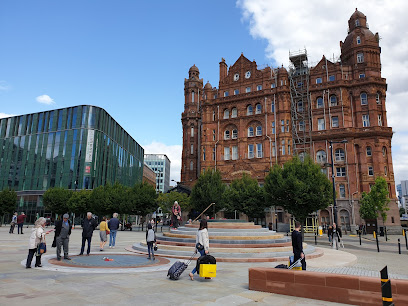
Manchester City Council’s majestic Town Hall in Albert Square: a Victorian Neo-Gothic masterpiece and symbol of civic heritage.
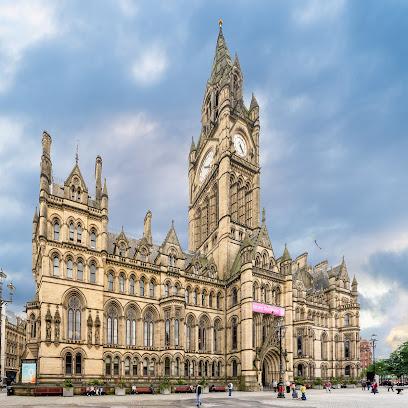
St. Peter's Square
0.2 km
Manchester’s historic St Peter's Square blends rich heritage, iconic architecture, and vibrant urban life at the heart of the city centre.
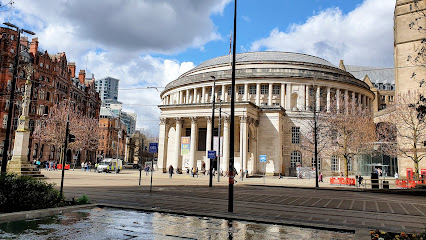
John Bright Statue
0.2 km
A marble tribute in Albert Square honoring John Bright’s legacy as a champion of free trade and social reform in Victorian Manchester.
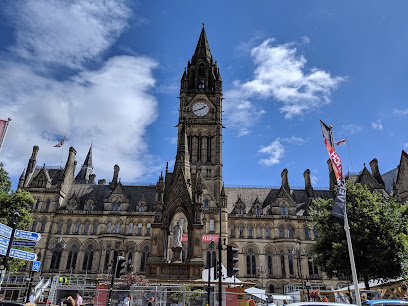
Mulberry Passage
0.3 km
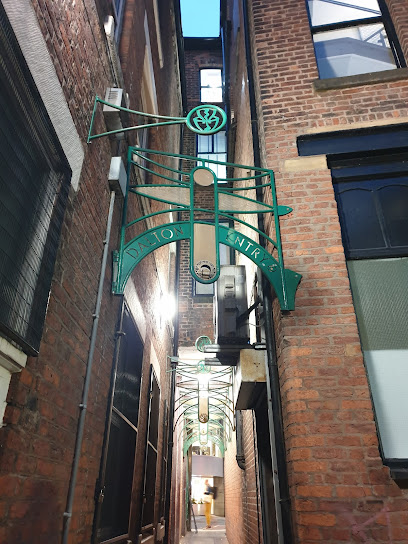
Discover Mulberry Passage, a hidden Manchester alleyway celebrating John Dalton’s atomic theory through captivating art and historic charm.
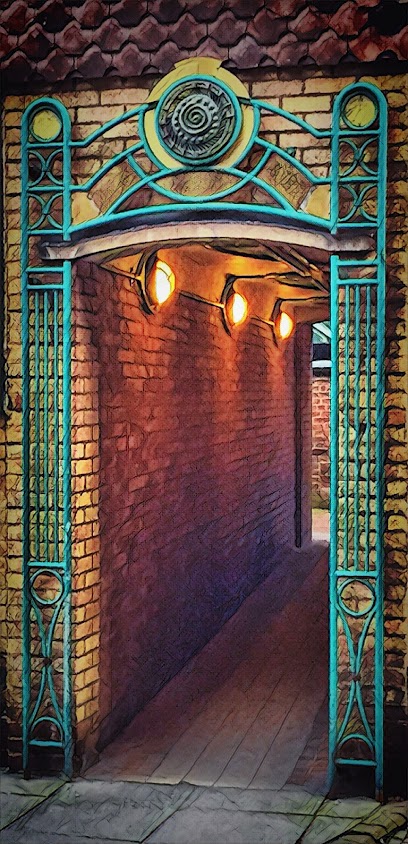
Dalton Entry
0.3 km
Discover Dalton Entry, a hidden Manchester alley honoring John Dalton’s atomic theory and scientific legacy through art and history.
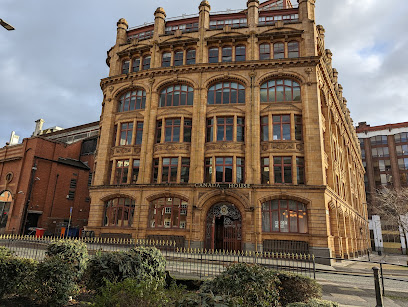
Canada House, Manchester
0.3 km
Discover Canada House, a majestic Grade II listed cotton warehouse in Manchester, embodying the city’s rich industrial heritage and architectural splendor.
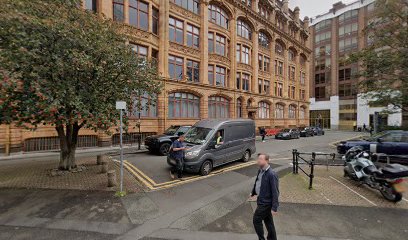
Historic England
0.3 km
Explore the rich heritage of England at Historic England in Manchester, where history meets preservation and community engagement.
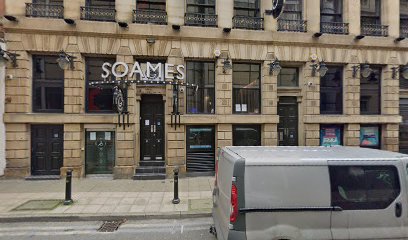
Connaught Building
0.4 km
Discover the historic Connaught Building in Manchester, a captivating landmark reflecting the city’s rich architectural heritage and vibrant urban spirit.
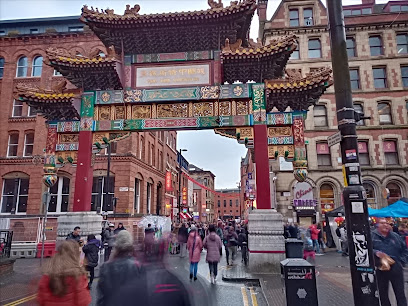
Arch of Chinatown
0.5 km
Europe's only imperial Chinese arch, a stunning gateway to Manchester's vibrant multicultural heart.
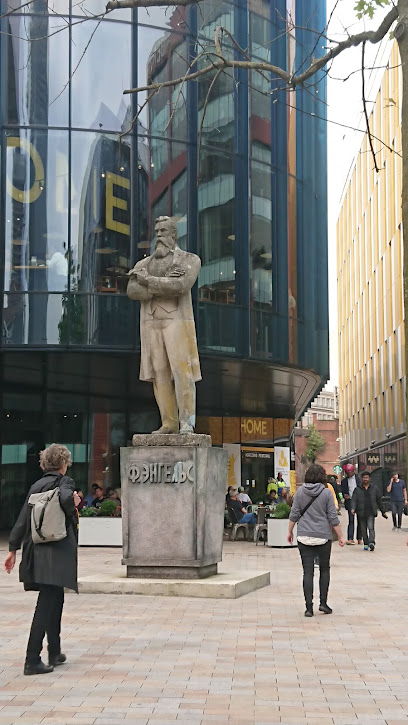
Friedrich Engels Statue
0.5 km
A bold Soviet-era statue honoring Friedrich Engels stands proudly in Manchester, bridging industrial history with modern radical spirit.
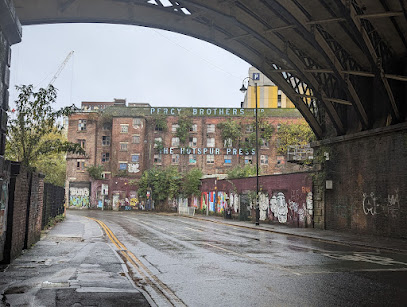
Hotspur House
0.5 km
Historic Hotspur House blends Manchester’s industrial past with bold modern redevelopment, preserving heritage amid vibrant urban renewal.
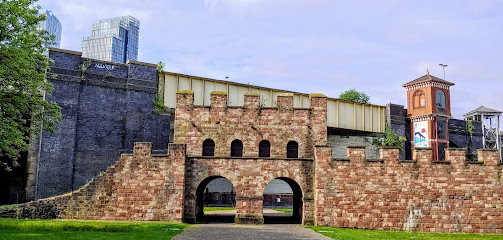
Remains of eastern wall of the Roman fort
0.6 km
Explore the evocative remains of Mamucium’s eastern wall, a cornerstone of Manchester’s Roman heritage and ancient military might.
Unmissable attractions to see

Alcotraz Manchester: Cell Block Three-Four
0.1 km
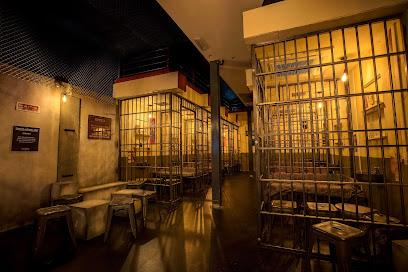
Discover the thrilling cocktail experience at Alcotraz Manchester, where immersive storytelling meets masterful mixology in a unique prison-themed bar.
Manchester Central Library
0.1 km
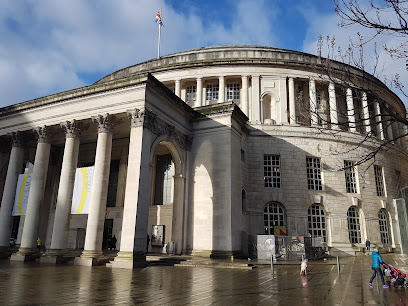
Discover Manchester Central Library’s iconic neoclassical dome, vast collections, and vibrant cultural spaces in the city’s historic heart.
Great Northern
0.2 km
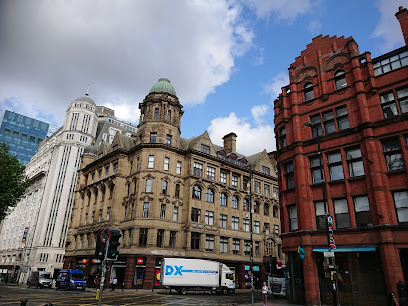
A lively blend of historic charm and modern entertainment in Manchester’s premier shopping and leisure plaza.
Abraham Lincoln Statue
0.2 km
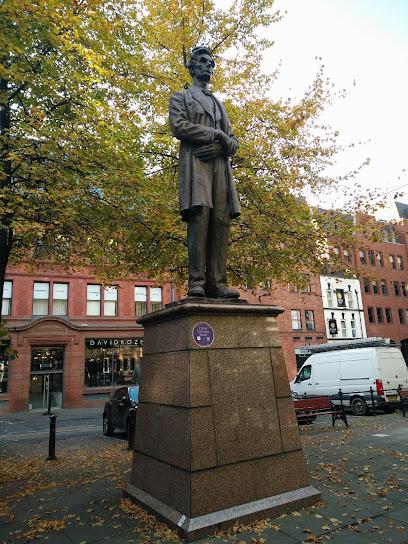
A powerful bronze tribute in Manchester honoring Abraham Lincoln and the city’s courageous support for abolition during the American Civil War.
Manchester Albert Square
0.2 km
Discover Manchester Albert Square, a stunning Victorian civic space where history, architecture, and vibrant culture converge in the city’s heart.
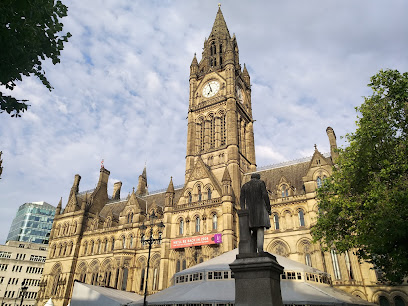
Albert Square
0.2 km
Manchester’s grand civic heart, framed by Gothic spires and alive with markets, monuments, and city life.
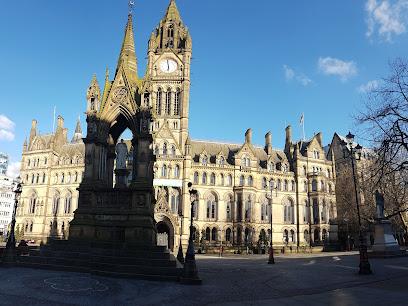
Sightseeing Manchester
0.2 km
Manchester’s iconic concert hall blending architectural beauty and world-class music in the heart of the city.
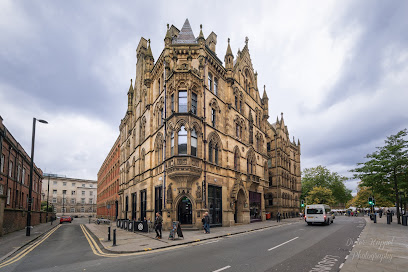
2 Albert Square
0.2 km
Historic Albert Square in Manchester showcases Victorian Gothic grandeur with its iconic Town Hall and Prince Albert Memorial.
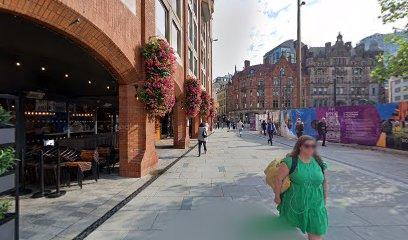
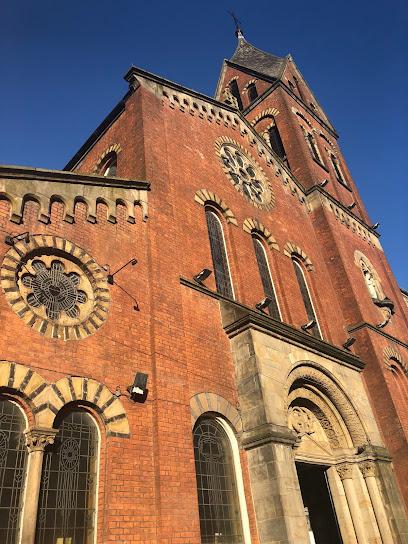
St Mary's RC Church
0.3 km
Discover St Mary's RC Church, Manchester's historic 'Hidden Gem' blending Victorian artistry and deep Catholic heritage since 1794.
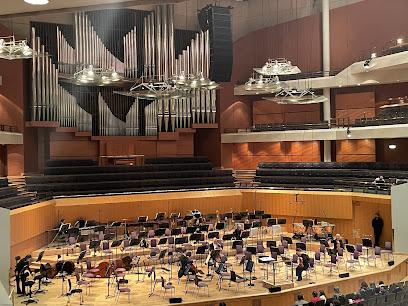
The Bridgewater Hall
0.3 km
Manchester’s premier concert hall offering world-class acoustics, diverse performances, and accessible facilities in a striking modern setting.
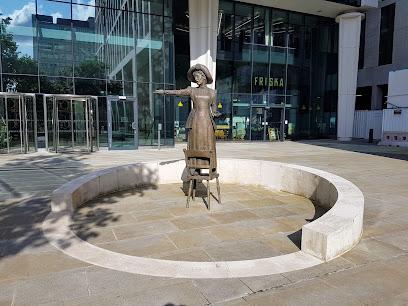
Emmeline Pankhurst Statue
0.3 km
Celebrate the legacy of Emmeline Pankhurst, Manchester’s pioneering suffragette leader, through this inspiring statue in St. Peter’s Square.
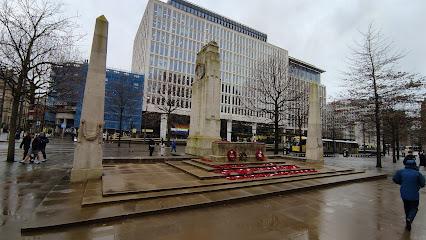
Manchester Cenotaph
0.3 km
Explore the Manchester Cenotaph, a historical landmark honoring the brave souls of the armed forces in the heart of Manchester.
Rochdale Canal Lake
0.3 km
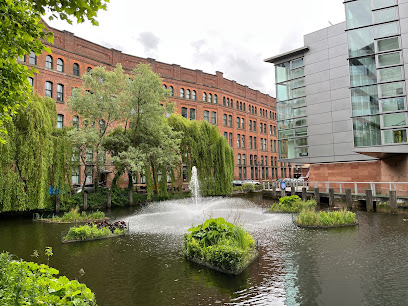
A serene waterside retreat blending Manchester’s industrial heritage with vibrant cultural life at The Bridgewater Hall.
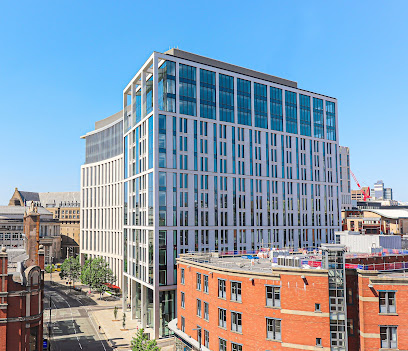
Landmark, St Peter's Square
0.3 km
A central corporate hub in Manchester’s St Peter's Square, blending modern office facilities with urban vitality.
John Rylands Research Institute and Library
0.3 km
A neo-Gothic architectural gem housing one of the UK’s largest rare book collections and a vibrant research institute in the heart of Manchester.

Essential places to dine

Albert's Schloss - Manchester
0.1 km
A lively Bavarian-inspired beer hall in Manchester blending hearty food, live music, and vibrant nightlife in a unique social setting.
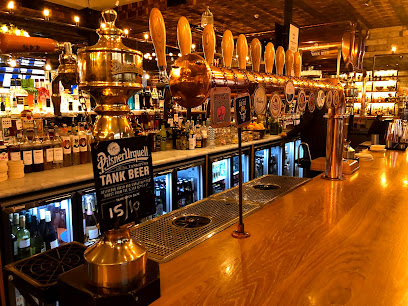
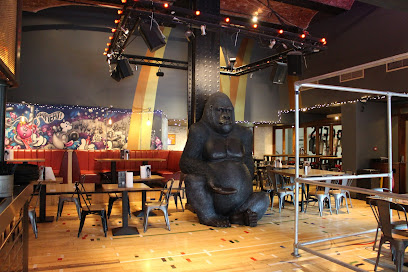
Almost Famous GN
0.1 km
A lively Manchester burger bar serving bold, indulgent American-style burgers with loaded fries in a vibrant, casual setting.
Mount Street Dining Room & Bar
0.1 km
Classic British dining with northern flair in the elegant, historic setting of Manchester’s Midland Hotel.
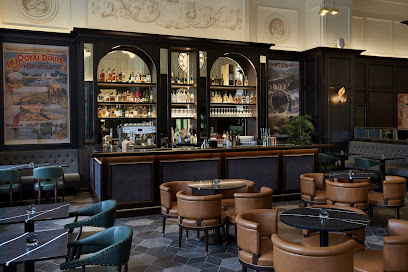
James Martin Manchester
0.1 km
Experience refined modern British cuisine in an elegant casino setting, where seasonal ingredients and expert service create a memorable Manchester dining destination.
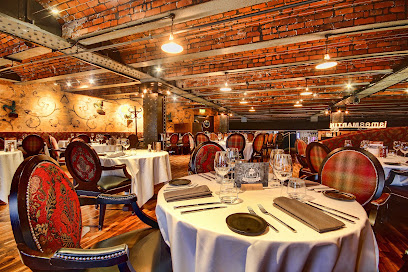
Adam Reid at The French
0.1 km
Experience innovative Northern British fine dining with theatrical flair in Manchester’s iconic Midland Hotel.
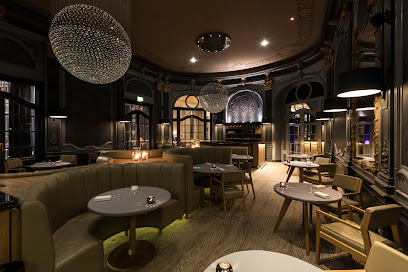
Italiana Fifty Five Great Northern
0.2 km
Experience authentic Italian flavors and warm hospitality in Manchester’s stylish Great Northern Warehouse setting.
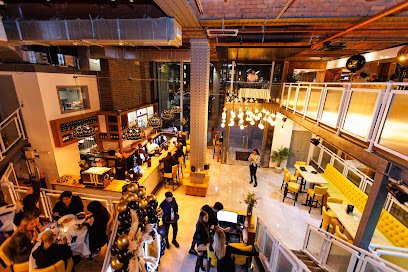
Gusto Italian
0.2 km
Experience elegant Italian dining in Manchester’s historic Elliot House, where 1920s charm meets fresh, contemporary cuisine.
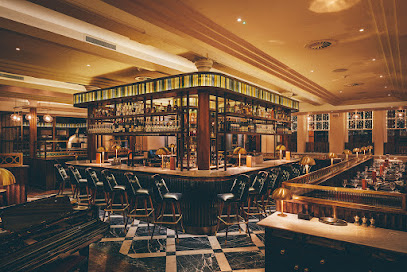
Hawksmoor Manchester
0.2 km
Experience exquisite British steaks and seafood in a historic Victorian courthouse with impeccable service and elegant private dining.
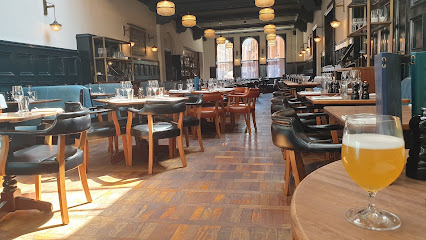
Fumo by San Carlo - Manchester
0.3 km
Sophisticated Italian dining with an art deco flair, vibrant bar scene, and shareable dishes in Manchester’s lively St Peter’s Square.
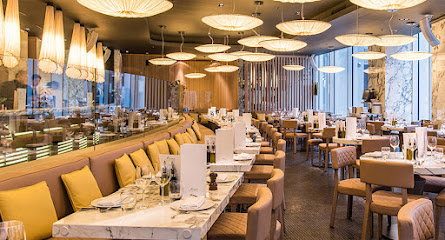
Another hand
0.3 km
An intimate modern British restaurant in Manchester’s Deansgate Mews, celebrated for inventive seasonal dishes and natural wines.
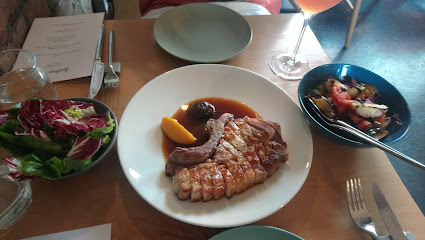
Don Giovanni - Italian Restaurant Manchester
0.3 km
A lively Italian restaurant in Manchester’s city centre blending traditional flavours with modern style and vibrant atmosphere.
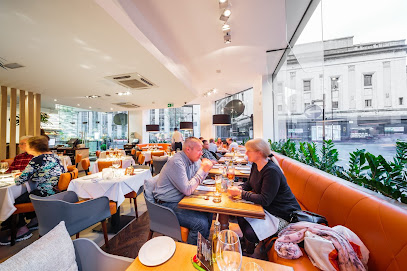
Australasia
0.3 km
Stylish Pan-Asian dining in Manchester’s Spinningfields with vibrant flavors, chic design, and a lively atmosphere for special occasions.
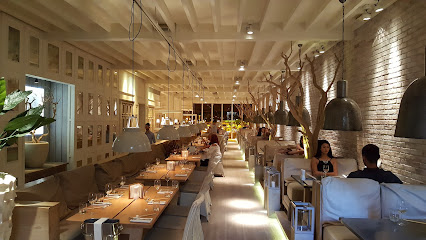
Armenian Taverna & Restaurant
0.3 km
Manchester's authentic Armenian culinary institution, recently modernized yet rooted in five decades of tradition.
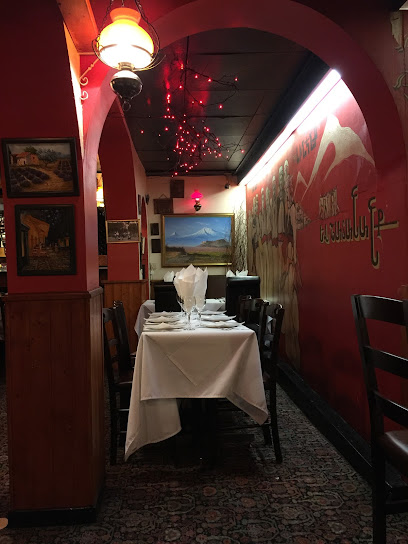
Evuna Deansgate
0.3 km
Authentic Spanish tapas and award-winning wines in the heart of Manchester’s vibrant Deansgate district.
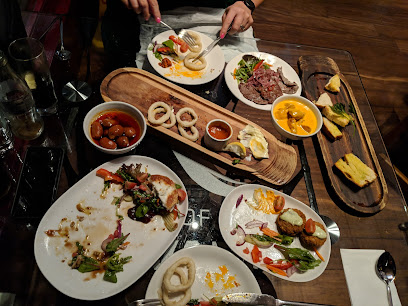
10 Tib Lane
0.3 km
A chic, intimate spot in Manchester serving refined French-inspired small plates with natural wines and craft cocktails in a historic Victorian setting.
Markets, malls and hidden boutiques

TVSeriesJackets
0.3 km
Explore TVSeriesJackets in Manchester, where iconic TV show jackets come to life, blending style with your favorite characters' adventures.
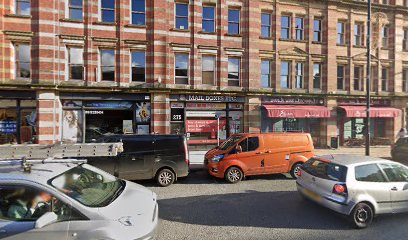
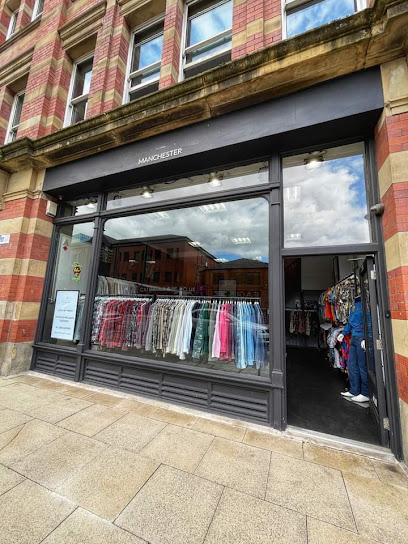
Catch my Thrift
0.3 km
Sustainable designer vintage at £25 and under – Manchester's thrift haven for slow fashion lovers in the city centre.
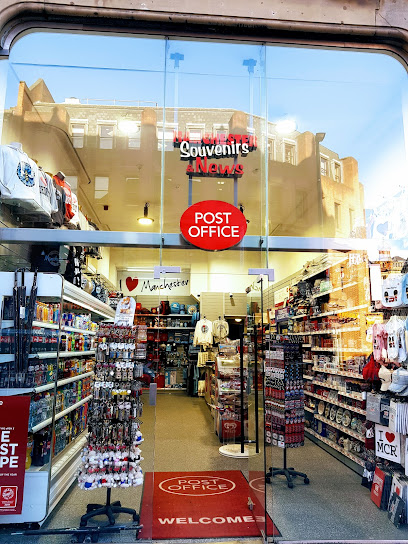
Manchester Souvenirs Gifts & Presents Geek Elf Elux Bars Luggage storage locker
0.4 km
Authentic Manchester souvenirs and gifts with local charm, plus convenient luggage storage in the heart of Deansgate.
T.La Art & Craft Gallery
0.4 km
A vibrant Chinese art and craft gallery in Manchester’s Chinatown, showcasing handcrafted treasures and cultural heritage in a warm, welcoming space.
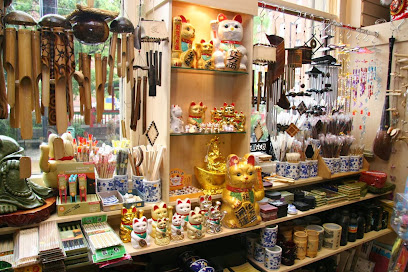
Science and Industry Museum Shop
0.5 km
Discover science-infused souvenirs in the heart of Manchester's industrial birthplace, where history meets hands-on innovation at the Science and Industry Museum Shop.
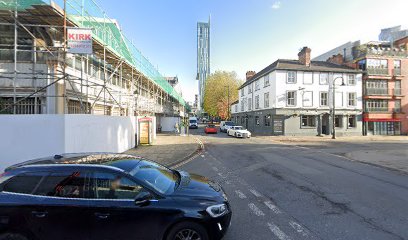
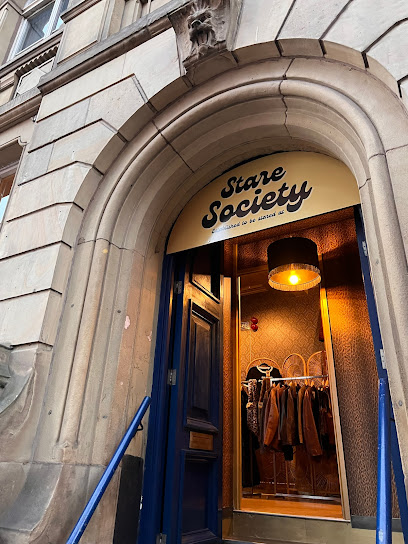
Stare Society
0.5 km
Discover curated vintage clothing and unique home furniture in Manchester’s stylish Stare Society boutique.
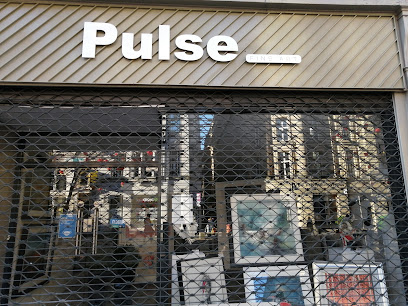
Pulse
0.5 km
Discover unique local treasures and artistic gifts in the heart of Manchester’s historic St Anne’s Square at Pulse.
Søstrene Grene
0.5 km
Discover Danish-inspired creativity and cozy home treasures in the heart of Manchester’s vibrant city centre.
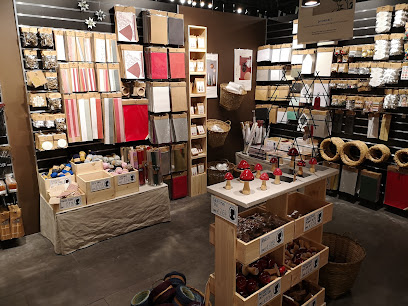
Rams Gift World
0.6 km
Discover unique gifts and local crafts at Rams Gift World, Manchester’s vibrant and eclectic souvenir shop on Market Street.
Menkind
0.7 km
Discover quirky gadgets and unique gifts at Menkind, Manchester Arndale’s vibrant destination for fun and innovative presents.
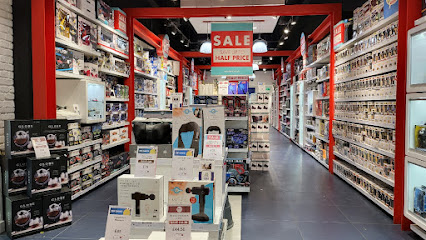
Manchester Souvenirs & Convenience Store
0.7 km
Discover authentic Manchester souvenirs and essentials in the heart of the city, blending culture, convenience, and community spirit.
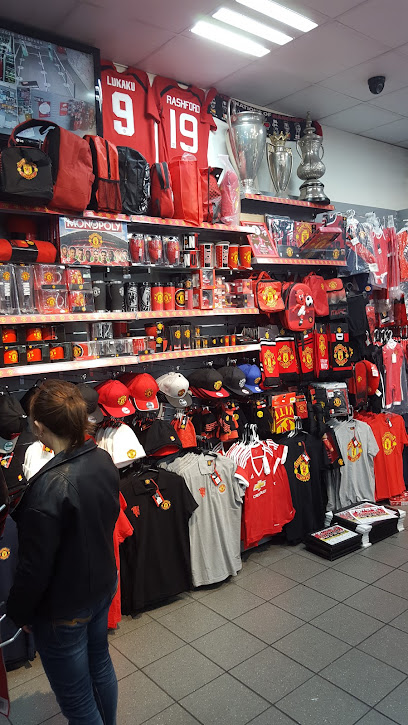
Branded Like A Boss
0.7 km
Discover Manchester's spirited souvenirs and artisan crafts at this vibrant Owen Street gift shop, blending trendy flair with local soul.
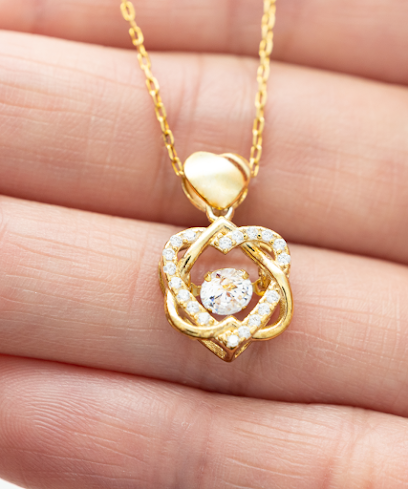
ItsFetch
0.7 km
Unleash your fashion potential at ItsFetch, a stylish accessories shop in Manchester, featuring unique pieces for every trendsetter.
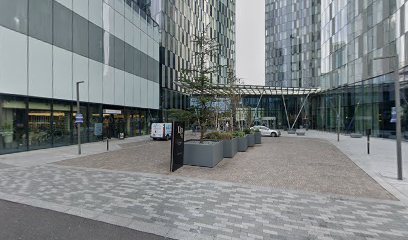
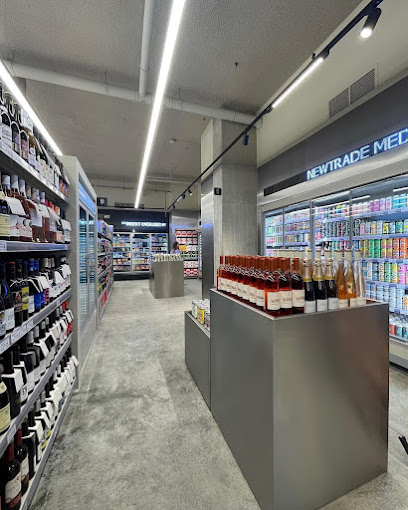
Deansgate Square General Store
0.7 km
Futuristic cornershop at Deansgate Square's base: craft coffee, local brews, zero-waste refills, and artisanal bites amid Manchester's iconic towers.
Curvilicious Clothing
0.7 km
Empowering plus-size style in Manchester's beating heart: Curvilicious Clothing celebrates curves with trendy, authentic fashion on Owen Street.
Essential bars & hidden hideouts

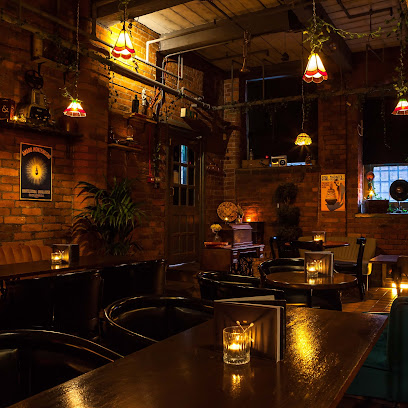
Speak In Code
0.1 km
Discover Speak In Code, Manchester’s innovative cocktail bar blending artisanal mixology, sustainable practices, and a uniquely immersive atmosphere.
Slug & Lettuce - Albert Square Manchester
0.2 km
Vibrant cocktail bar and restaurant in Manchester’s Albert Square, perfect for lively brunches, evening drinks, and social celebrations.
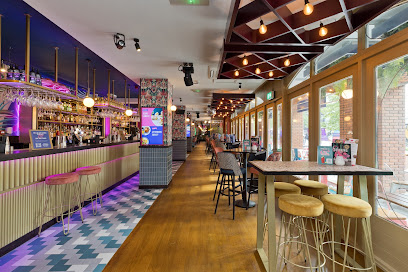
Three Little Words
0.2 km
A stylish gin distillery and cocktail bar under historic arches, blending craft cocktails, seasonal food, and immersive experiences in Manchester’s heart.
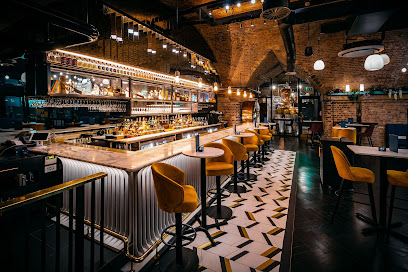
The Blues Kitchen Manchester
0.3 km
Experience authentic Southern barbecue, soulful live music, and vibrant vibes in the heart of Manchester’s Spinningfields.
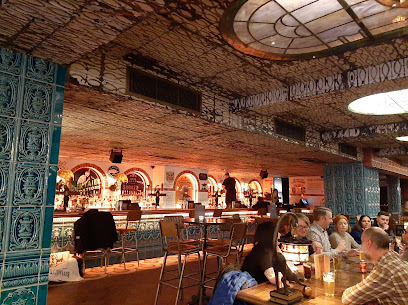
Salt Dog Slim's Manchester
0.3 km
Dive into Salt Dog Slim's Manchester for bold cocktails, American-style hot dogs, and a vibrant nightlife experience in the heart of the city.
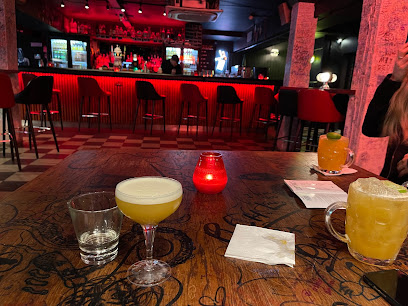
The Britons Protection
0.3 km
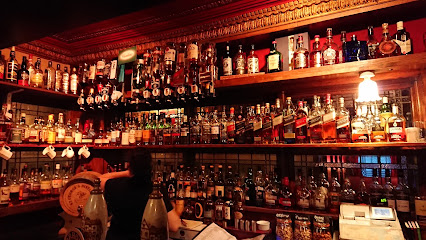
Historic Manchester pub famed for its vast whisky selection, traditional charm, lively atmosphere, and welcoming community spirit.
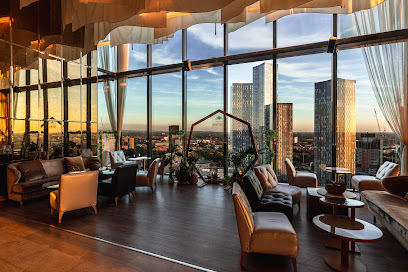
Cloud 23
0.4 km
Experience Manchester’s skyline from the stylish 23rd-floor cocktail bar with innovative drinks and panoramic city views.
Arcane
0.4 km
Discover Arcane, a cozy Victorian-inspired cocktail bar in Manchester’s city centre, blending inventive drinks with a relaxed, intimate atmosphere.
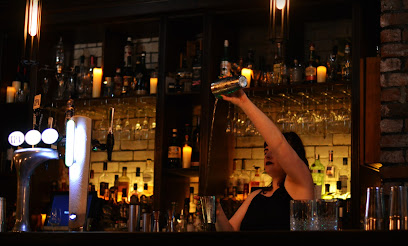
The Alchemist Spinningfields
0.4 km
Innovative cocktails and contemporary dining in Manchester’s vibrant Spinningfields district, blending theatrical flair with a lively social scene.
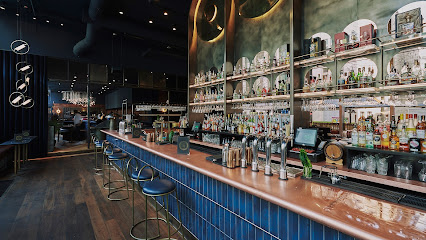
The Gas Lamp
0.4 km
Discover Manchester’s atmospheric basement pub with a rich history, exceptional craft beers, and a cozy, characterful vibe beneath Bridge Street.
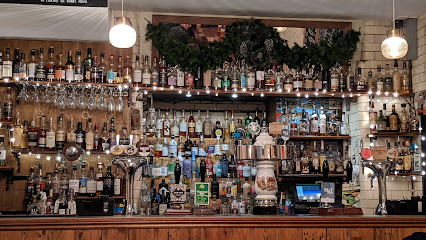
The Deansgate
0.4 km
Historic Deansgate pub revived with cask ales, hearty eats, rooftop terraces, and Manchester buzz—perfect pit stop since the 18th century.
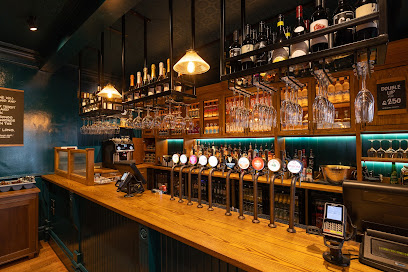
cask
0.4 km
Authentic Manchester pub pouring cask ales amid Castlefield's historic canals and warehouses—timeless brews in a revolutionary setting.
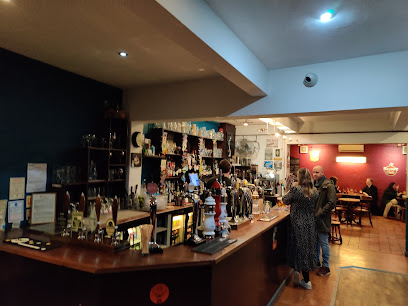
MOJO
0.4 km
Eclectic cocktail bar in Manchester’s heart, blending creative drinks with a lively, urban nightlife vibe.
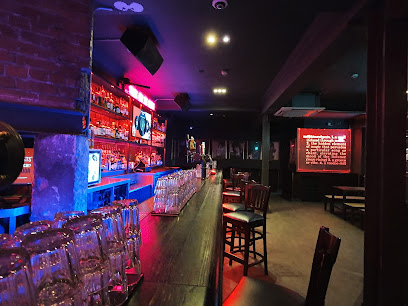
Lock 91
0.4 km
Historic charm meets inventive cocktails in Manchester’s vibrant Lock 91, a versatile bar and events venue beneath the city’s Metrolink station.
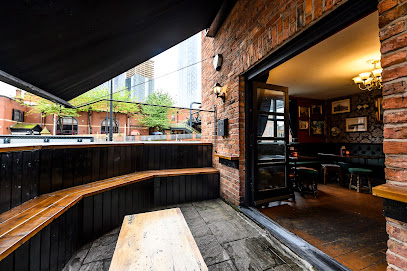
All Bar One Manchester
0.4 km
Stylish wine bar on Manchester’s King Street offering Mediterranean-inspired dishes and a lively, modern atmosphere for casual dining and drinks.
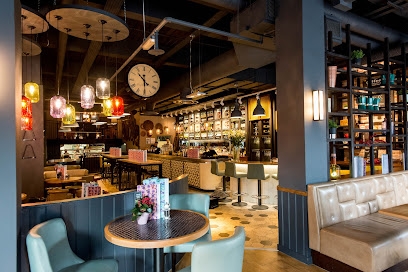
Nightclubs & after hour spots

Venue Nightclub
0.1 km
Manchester's underground indie haven: cheap drinks, packed dance floors, and anthems till dawn in Deansgate's electric night scene.
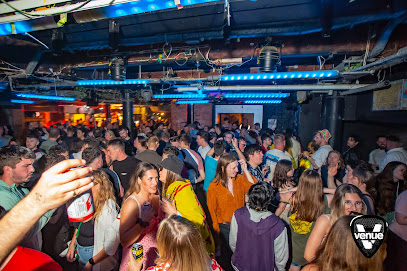
42's
0.2 km
Manchester’s iconic indie nightclub blending rich musical heritage with a lively, inclusive nightlife experience.
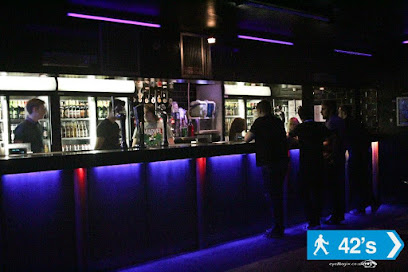
History Nightclub
0.2 km
Experience Manchester’s lively hip hop and house beats at History Nightclub, a large, energetic venue open late into the night.
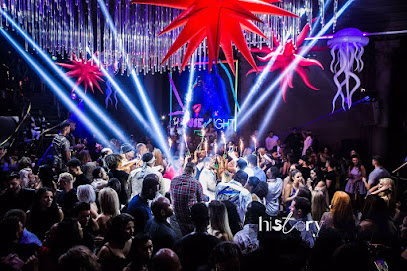
Royal Vida Night Club
0.3 km
Dive into Manchester's underground pulse at Royal Vida, where Castlefield's industrial shadows host thumping beats and endless nights from 11pm to 4am.
Club Liv Manchester
0.3 km
Experience Manchester’s vibrant nightlife with exclusive VIP vibes, world-class Pan-Asian dining, and a stylish rooftop terrace at Club Liv.
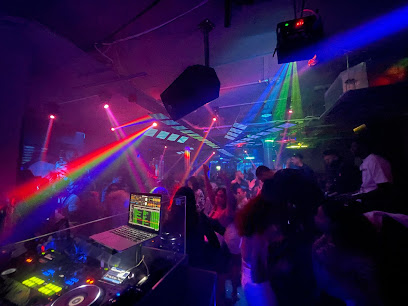
Bliss Club Manchester
0.3 km
Experience Manchester’s authentic late-night vibe at Bliss Club, where music and local energy blend into a spirited urban nightlife hub.

Popworld Manchester
0.4 km
Dance to cheesy pop anthems amid neon lights and poptail cocktails in Manchester's ultimate throwback nightclub.
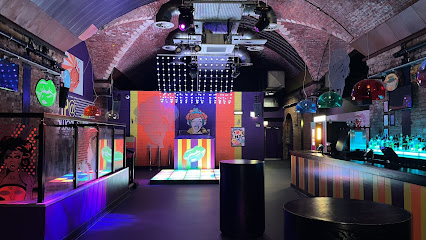
Ark Manchester
0.4 km
Multi-room beats and canal-side cocktails fuel Manchester's electric Deansgate Locks nightlife at Ark—dance, drink, repeat till dawn.
Viva Manchester
0.5 km
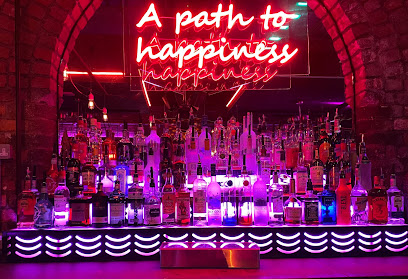
Compact stage-driven nightclub on Whitworth Street West — theatrical themed nights, DJ sets and group-friendly table service.
Satans Hollow
0.5 km
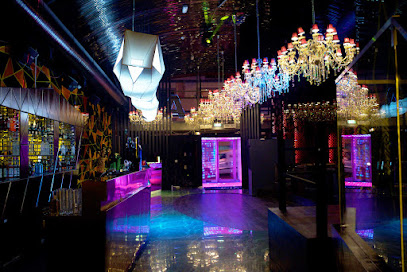
Manchester's infernal punk-rock abyss: demonic decor, dirt-cheap drinks, and mosh-pit mayhem for metalheads and rebels.
Kable
0.6 km
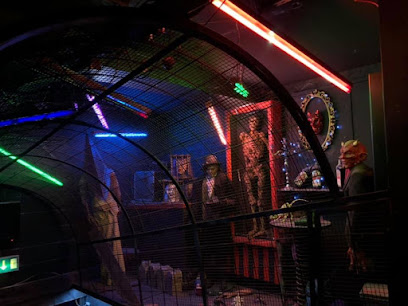
A compact, late‑night basement club on New Wakefield Street, favoured for punchy electronic nights and close‑up DJ sessions.
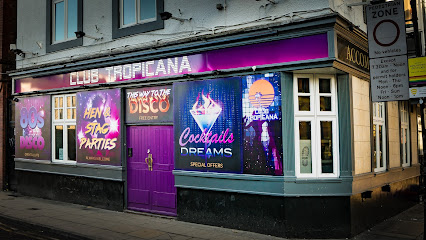
Club Tropicana
0.7 km
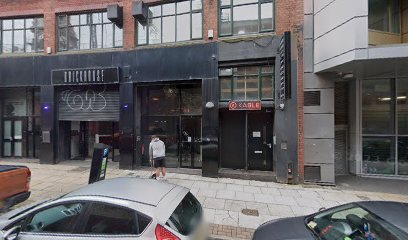
Dive into 1980s glamour at Manchester's premier gay nightclub, where drag, DJs, cocktails, and retro beats fuel the Gay Village's electric nightlife.
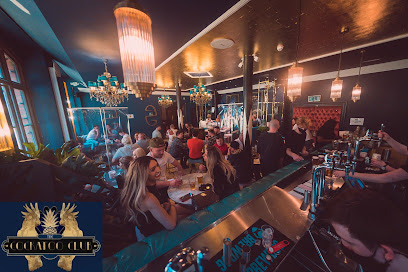
The Cockatoo Club
0.7 km
Discover the electrifying nightlife at The Cockatoo Club in Manchester, where vibrant cabaret performances meet an unforgettable atmosphere.
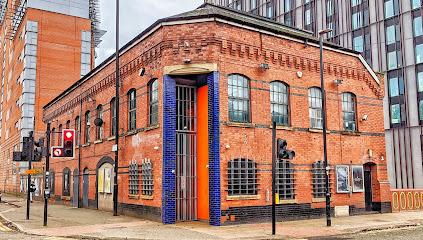
FAC251 - Factory Manchester
0.8 km
Experience Manchester’s legendary Factory Records heritage with three floors of indie, rock, and electronic music at FAC251 - The Factory.
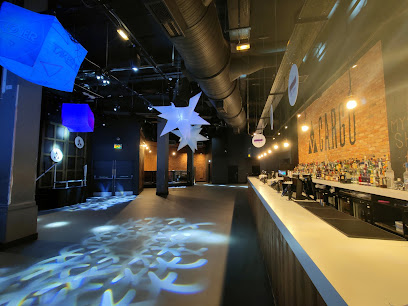
Cargo
0.9 km
Manchester's Printworks powerhouse: light-up dance floors, bottomless brunches, and non-stop beats until dawn in the city's nightlife epicenter.
For the vibe & atmosphere seeker
- Historic
- Scenic
- Unique
- Relaxing
For the design and aesthetic lover
- Vintage Styles
- Art Deco Styles
For the architecture buff
- Historic
- Landmarks
For the view chaser and sunset hunter
- Iconic Views
For the social media creator & influencer
- Instagrammable
- Photo Spots
- Architectural Shots
For the eco-conscious traveler
- Public-Transport Accessible
For the kind of experience you’re after
- Cultural Heritage
- Myth & Legends
- Photowalk
- Day Trip
For how adventurous you want the journey to be
- Easy Access
Location Audience
- Family Friendly
- Senior Friendly
- Child Friendly
- Teen Friendly
- Wheelchair Access
- Solo Friendly
- Couple Friendly
- Vegetarian Friendly
- Vegan Friendly


