

Best Landmarks in Midlothian
Planning a trip to Midlothian? Discover the best landmarks in Midlothian with history, expert tips, and routes. Free on web or the Evendo app.


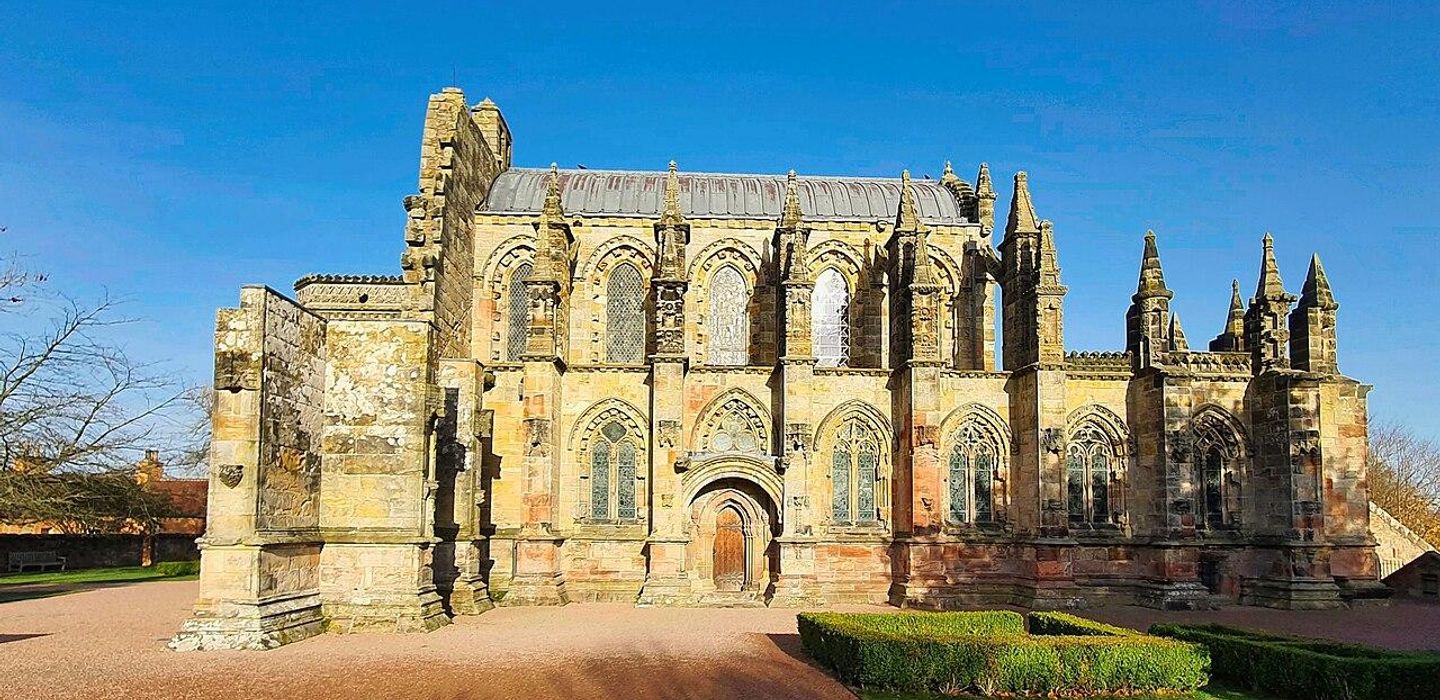
The best landmarks in Midlothian
- Top rated
- Closest to the centre
- Price level: low to high
- Time to spend: shortest first
- A–Z
34 landmarks
-
Castle4.6★94,263 reviews
Edinburgh Castle
Edinburgh Castle, perched atop a volcanic plug in Scotland’s capital, is a majestic fortress with a rich history spanning centuries. It houses the Crown Jewels, the Stone of Destiny, and offers panoramic city views. Open daily except Christmas, the castle features museums, the One O’Clock Gun, and the National War Museum, making it a must-visit cultural and historical site in Edinburgh.
Daily 9:30–18:00Price level $$Time to spend 2–4 hrs
-
Historical landmark4.7★11,472 reviews
The National Wallace Monument
Perched atop Abbey Craig near Stirling, The National Wallace Monument commemorates the legendary Scottish patriot William Wallace. This 220-foot tower offers visitors a journey through Scotland’s medieval history, with exhibitions, a 246-step spiral staircase, and panoramic views from the crown. Surrounded by woodland trails and accessible via shuttle, the monument blends heritage, stunning vistas, and immersive storytelling in a striking landmark.
Daily 9:30–18:00Price level $$Time to spend 1.5–3 hrs
-
Cathedral4.6★9,919 reviews
St Giles' Cathedral
St Giles' Cathedral, located on Edinburgh's Royal Mile, is a stunning Gothic church founded in 1124 by King David I. Known as the High Kirk of Edinburgh, it features a distinctive crown steeple, magnificent stained glass windows, and the ornate Thistle Chapel. The cathedral is a vibrant place of worship, history, and culture, hosting daily services, concerts, and guided tours that reveal its deep connections to Scottish history and the Reformation.
Time to spend 0.5–2 hrs
-
Monument4.7★4,771 reviews
Scott Monument
The Scott Monument is a towering Gothic spire in Princes Street Gardens, Edinburgh, dedicated to Sir Walter Scott, Scotland’s famed novelist and poet. Completed in 1846, it stands 61 meters tall, making it the largest monument to a writer worldwide. Visitors can explore a museum room with stained-glass windows and climb 287 narrow steps to panoramic viewing platforms offering stunning city vistas, including Edinburgh Castle and Arthur’s Seat.
Daily 10:00–12:30, 13:45–16:30Price level $$Time to spend 0.5–1.5 hrs
-
Historical landmark4.8★3,783 reviews
Arthur's Seat
Arthur's Seat, the highest peak in Holyrood Park, Edinburgh, is a 251-meter extinct volcano offering panoramic views of the city and surrounding landscapes. This natural landmark combines geological wonder, rich history, and accessible hiking trails, making it a must-visit for outdoor enthusiasts and culture seekers alike. The climb varies in difficulty with multiple routes, rewarding visitors with stunning vistas of Edinburgh’s skyline, the Firth of Forth, and nearby hills.
Open 24 hoursTime to spend 1–3 hrs
-
Monument4.6★2,009 reviews
Nelson Monument
The Nelson Monument on Calton Hill in Edinburgh commemorates Vice Admiral Horatio Nelson’s victory and death at Trafalgar. Built between 1807 and 1815, its distinctive upturned telescope design houses a historic time ball that drops daily, synchronized with Edinburgh Castle’s One O’Clock Gun. Visitors can explore a museum at its base and climb 143 steps to a viewing platform offering sweeping city and landscape panoramas.
Daily 10:00–13:00, 14:00–16:30Price level $$Time to spend 0.5–2 hrs
-
Tour operator4.6★1,770 reviews
Mercat Tours
Mercat Tours offers immersive guided experiences through Edinburgh’s rich and eerie history, specializing in ghost tours, historical walks, and underground vault explorations. Located at 28 Blair Street, their expert guides bring to life the city’s dark past with theatrical storytelling, making it a must-visit for those intrigued by Edinburgh’s haunted tales and cultural heritage.
Daily 9:00–22:00Price level $$Time to spend 1.5–2.5 hrs
-
Museum4.7★924 reviews
National Mining Museum Scotland
Set within the historic Lady Victoria Colliery in Newtongrange, the National Mining Museum Scotland offers a vivid journey through Scotland’s coal mining heritage. Housed in one of Europe’s finest surviving Victorian collieries, it features immersive exhibitions, guided tours by ex-miners, and interactive displays that bring to life the story of coal from its geological origins to the lives of mining communities. Visitors can explore two floors of exhibits, experience recreated underground environments, and learn about the engineering marvels of the industrial age.
Daily 10:00–17:00Price level $$Time to spend 1–2 hrs
-
Hotel4.3★979 reviews
Dalhousie Castle Hotel And Spa
Dalhousie Castle Hotel and Spa, located near Bonnyrigg, Scotland, offers guests a unique blend of medieval charm and modern luxury. Set within a historic castle surrounded by lush parkland, the hotel features atmospheric dining, a quaint spa, and beautifully appointed rooms that evoke authentic castle living. Visitors can explore the expansive grounds, enjoy traditional Scottish cuisine, and relax in the intimate spa facilities, making it a memorable destination for history and comfort lovers alike.
Price level $$Time to spend 1–3 hrs
-
Hotel4.4★792 reviews
Melville Castle Hotel
Melville Castle Hotel is an 18th-century castle-turned-luxury hotel set within a 54-acre private estate near Edinburgh. Offering 33 uniquely styled bedrooms, including elegant four-poster suites, it blends historic grandeur with modern comforts. Guests enjoy extensive grounds, fine dining in a vaulted brasserie, a cozy library bar, and a range of leisure activities including billiards and golf. Renowned as a wedding venue, it provides an immersive Scottish castle experience just a short drive from the city.
Price level $$Time to spend 1–3 hrs


Rosslyn Castle
Rosslyn Castle, perched dramatically on a rocky promontory overlooking the River North Esk in Roslin Glen, dates back to the early 14th century. Built and expanded by the powerful St Clair family, it has witnessed battles, sieges, and fires, including damage during the 1544 Rough Wooing and Cromwell’s 1650 siege. Today, its restored East Range offers unique holiday accommodation, blending rich history with scenic woodland surroundings near the famous Rosslyn Chapel.
Price level $$Time to spend 1–3 hrs

Floral Clock
The Floral Clock in Edinburgh's West Princes Street Gardens is the world's oldest floral clock, first ticking in 1903. This unique timepiece combines horticultural artistry and clockwork precision, featuring tens of thousands of plants arranged seasonally to form intricate designs. Located halfway down the stairs into the gardens, it runs from spring to autumn and includes a life-size cuckoo that chimes quarterly, making it a charming botanical landmark in the heart of the city.
Open 24 hoursTime to spend 0.5–1.5 hrs

Old College, The University of Edinburgh
Old College is an iconic 18th-century building at the heart of the University of Edinburgh, located on South Bridge. It houses the University’s administration, the Edinburgh Law School, and the Talbot Rice Gallery. Designed initially by Robert Adam and completed by William Henry Playfair, its classical architecture features a distinctive dome added in 1887. The building blends historic grandeur with modern facilities following a major refurbishment, making it a landmark of academic and architectural significance in Scotland.
Time to spend 0.5–2 hrs

Melville Monument
The Melville Monument is a striking neoclassical column standing about 45 meters tall in the heart of Edinburgh’s St Andrew Square. Erected between 1821 and 1827, it commemorates Henry Dundas, 1st Viscount Melville, a prominent Scottish statesman. The monument’s towering column is topped by a 4.2-meter sandstone statue of Dundas, designed by Francis Leggatt Chantrey. This landmark offers rich historical context and architectural grandeur, making it a key feature of Edinburgh’s New Town skyline.
Daily 7:00–20:00Time to spend 0.5–2 hrs

Heart of Midlothian Mosaic
A striking heart-shaped granite mosaic embedded in the Royal Mile's cobblestones outside St Giles' Cathedral, marking the site of Edinburgh's infamous Old Tolbooth. This 16th-century administrative building and prison was demolished in 1817, but the mosaic endures as a symbol of the city's dark history. Locals maintain the centuries-old tradition of spitting on the Heart for good luck—a custom born from contempt for the executions and suffering that occurred within those walls. Free to visit and instantly recognizable, it's one of Edinburgh's most iconic landmarks and a must-see on any Royal Mile exploration.
Open 24 hoursTime to spend 0.2–1 hr

Flodden Wall
The Flodden Wall is a historic defensive wall built around Edinburgh’s Old Town in the 16th century following Scotland’s devastating defeat at the Battle of Flodden in 1513. Enclosing about 140 acres, it was constructed to protect the city from an anticipated English invasion that never occurred. Today, surviving fragments of this imposing sandstone wall can be seen near Greyfriars Kirkyard, the Vennel, and along Drummond Street, offering a tangible connection to Edinburgh’s turbulent past and medieval heritage.
Open 24 hoursTime to spend 0.5–2 hrs

The Witches Well
The Witches' Well is a cast iron memorial fountain located near Edinburgh Castle, commemorating the Scottish people, mostly women, accused of witchcraft and executed between the 15th and 18th centuries. Designed in 1894 by artist John Duncan and commissioned by Sir Patrick Geddes, it features symbolic carvings representing the dual nature of knowledge and the tragic history of witch hunts in Scotland. The site is a poignant reminder of a dark chapter in Scottish history, often overlooked amidst the bustle of the Royal Mile.
Daily 10:00–18:00Time to spend 15–45 min

Queen Victoria Statue
This bronze statue of Queen Victoria, erected in 1907 at the foot of Leith Walk in Edinburgh, commemorates the men of Leith who fought in the Boer War. Standing about 10 feet tall on a sandstone pedestal, the statue is a significant historical landmark symbolizing local pride and remembrance. It has been relocated twice to accommodate urban development and remains a prominent feature in Leith’s cultural landscape.
Open 24 hoursTime to spend 0.2–1 hr

James Clerk Maxwell Statue
The James Clerk Maxwell Statue, located at 22-26 George Street in Edinburgh, honors one of the most influential physicists in history. Erected in 2008, the bronze sculpture by Alexander Stoddart depicts Maxwell seated with his dog Toby and holding a spinning colour top, symbolizing his pioneering work in colour photography and electromagnetism. Situated in Edinburgh’s elegant New Town, the statue celebrates Maxwell’s lasting legacy in modern physics and technology.
Open 24 hoursTime to spend 0.2–1 hr

Scottish National War Memorial
The Scottish National War Memorial, situated within Edinburgh Castle, serves as a solemn tribute to Scots who sacrificed their lives in conflicts from World War I to the present day. This beautifully crafted memorial offers visitors a moving and reflective experience with its intricate architecture, engraved Rolls of Honour, and a peaceful atmosphere dedicated to remembrance.
Daily 9:30–17:00Time to spend 0.5–2 hrs

Mercat Cross
The Mercat Cross stands prominently on Edinburgh's Royal Mile, near St Giles’ Cathedral, as a symbol of the city's medieval market rights, royal proclamations, and public ceremonies. Dating back to 1365, it has been rebuilt and restored multiple times, notably in 1885 using original elements. This octagonal monument with a unicorn atop embodies Edinburgh’s rich history of commerce, governance, and public gatherings.
Time to spend 0.5–1.5 hrs

Soutra Aisle
Soutra Aisle stands as the haunting remains of a 12th-century medieval hospital, once one of Scotland's most important healing institutions. Founded in 1164 by King Malcolm IV and run by Augustinian monks, this hilltop sanctuary welcomed pilgrims, travellers, and the infirm along the ancient Royal Highway between Edinburgh and the Borders. Archaeological excavations have revealed sophisticated medical practices, including evidence of surgery and rare medicinal plants sourced from across the known world. Today, the surviving aisle serves as a family burial vault, a poignant reminder of medieval Scotland's ecclesiastical heritage.
Time to spend 0.8–2 hrs

Monument to the Scottish Parliament
Located at the foot of Edinburgh’s Royal Mile, the Scottish Parliament Building is a striking modern landmark and the seat of Scotland’s devolved government. Open to visitors six days a week with free admission, it offers guided tours, exhibitions, a café, and a gift shop. The building’s unique architecture symbolizes Scottish democracy and features a light-filled debating chamber, public galleries, and artistic elements reflecting Scotland’s heritage.
Open 24 hoursTime to spend 1–2 hrs

Jacob's Ladder
Jacob's Ladder is a steep, historic stairway carved into the volcanic rock of Calton Hill in central Edinburgh. With 140 steps, it connects Calton Road and Regent Road, serving as a shortcut between the Old and New Towns. Dating back to at least 1784, it was originally used for funeral processions to the Old Calton Burial Ground. Recently refurbished with LED handrail lighting, it offers spectacular views of Edinburgh’s skyline and monuments.
Open 24 hoursTime to spend 0.5–1.5 hrs

Monkton House
Monkton House is a striking 15th-century castle located in Old Craighall, Musselburgh, near Edinburgh. Renowned for its unique, individually decorated rooms and rich history, it serves as an exclusive wedding venue and self-catering accommodation. The house combines rustic charm with plush interiors, offering guests an immersive experience of Scottish heritage and elegant hospitality in a tranquil countryside setting.
Price level $$Time to spend 2–6 hrs

Duke of Wellington Equestrian statue
Situated at 9 Waterloo Place, Edinburgh, the Duke of Wellington Equestrian Statue is a distinguished bronze monument unveiled in 1852. Sculpted by Sir John Steell, it depicts the Duke mounted on his famed horse Copenhagen, commemorating his military triumph at Waterloo. This iconic statue stands outside Register House at the east end of Princes Street, symbolizing British military leadership and Edinburgh’s rich historical heritage.
Time to spend 0.5–1.5 hrs

St. Monans Harbour
St Monans Harbour is a picturesque working harbour in the heart of Scotland's East Neuk of Fife, featuring distinctive zigzagging stone pier walls and panoramic views across the Firth of Forth. This charming coastal village, built around a natural inlet, showcases whitewashed cottages with characteristic red pantile roofs and serves as a gateway to the Fife Coastal Path. The harbour remains an active fishing port while offering waterfront dining, scenic walks, and access to nearby medieval ruins and historic landmarks.
Time to spend 1–3 hrs

Merchiston Tower
Merchiston Tower, a 15th-century L-plan tower house in Edinburgh, is famed as the birthplace of John Napier, inventor of logarithms. Now at the heart of Edinburgh Napier University's Merchiston campus, this medieval fortress features a remarkable Renaissance painted ceiling and retains architectural elements like a vaulted basement and a historic turnpike staircase. The tower blends rich history with academic life, offering visitors a glimpse into Scotland’s scientific heritage and medieval architecture.
Mon–Fri 8:45–17:00Price level $Time to spend 0.5–2 hrs

Scottish-American Soldiers Monument
The Scottish-American Soldiers Monument in Edinburgh is a unique historical landmark commemorating Scottish soldiers who fought in the American Civil War (1861-1865). It features a striking bronze statue of Abraham Lincoln and a freed African-American man, symbolizing liberty and emancipation. This monument, the only one of its kind outside the United States, stands as a poignant tribute to the shared heritage and sacrifices of Scottish-American soldiers.
Open 24 hoursTime to spend 0.5–1.5 hrs

Dryden Tower
Dryden Tower is a striking mid-19th century Gothic Revival folly located at Langhill Farm near Roslin, Midlothian. This three-storey stone tower with a crenellated parapet offers panoramic views of the surrounding Scottish countryside. Once part of the Dryden estate, the tower’s origins and purpose remain mysterious, adding to its charm. Restored in recent years, it stands as a poignant landmark amidst the rural landscape, inviting visitors to explore its historic allure and scenic vistas.
Time to spend 0.5–2 hrs

Hirendean Castle
Perched on the Moorfoot Hills near Heriot in Midlothian, Hirendean Castle is a haunting ruin of a 16th-century tower house, steeped in local legend and the dramatic history of the Kerr family. Little more than a tumbled wall today, the site offers a quiet, atmospheric glimpse into Scotland’s turbulent past, surrounded by open moorland and the source of the River South Esk. It’s a place for contemplative walks, historical curiosity, and evocative views across the Scottish Borders countryside.
Time to spend 0.5–2 hrs

Maiden Castle
Maiden Castle in Lasswade, Midlothian, is a historic earthwork site likely dating from the late Bronze Age or Iron Age, featuring two low mounds separated by a ditch. Unlike the famous Dorset hillfort of the same name, this Scottish Maiden Castle is smaller and thought to be a defensive promontory fortification, possibly a motte and bailey or ceremonial site, with origins between 1000 BC and 200 AD. Today, only subtle earthworks remain, offering a glimpse into Scotland’s prehistoric past.
Time to spend 0.5–1.5 hrs

The Caiy Stane
The Caiy Stane is a remarkable 2.7-meter prehistoric cup-marked stone standing on Caiystane View in Edinburgh's Oxgangs area. Known by various names including the Caiy Stone, Key Stone, and General Kay's Monument, this ancient monument is believed to mark the site of a significant battle, possibly between Romans and Picts. Managed by the National Trust for Scotland since 1936, it remains a compelling piece of Scotland's archaeological heritage, accessible year-round to visitors interested in prehistoric history and local legends.
Open 24 hoursTime to spend 0.5–1.5 hrs

Newton Tower
Newton Tower in Dalkeith, Scotland, is a preserved early 17th-century church tower, part of the Old Newton Kirk ruins. This four-stage tower stands as a striking architectural remnant amidst tranquil surroundings, reflecting the area's religious and defensive history. Its thick walls and historic significance make it a notable landmark for visitors interested in Scotland's heritage.
Time to spend 0.5–1.5 hrs
Explore Midlothian on the map
A handpicked selection of must-see spots in Midlothian, mapped for you.
More about Midlothian
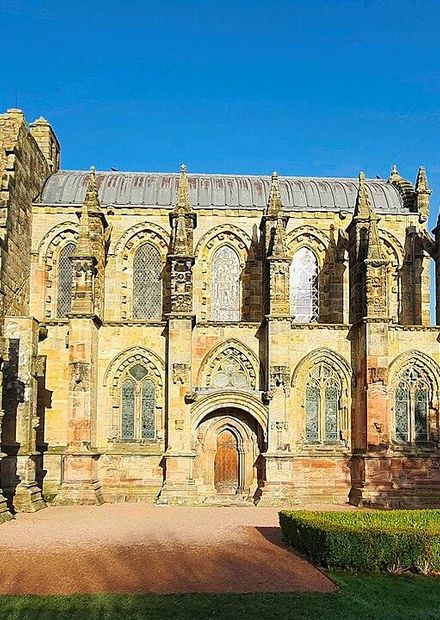
Midlothian travel guide
Explore Midlothian south of Edinburgh for Rosslyn Chapel, mining heritage, country parks, market towns and walks across the Pentland Hills.
Tell me more about MidlothianMore to explore in Midlothian

 Best attractions in Midlothian

 Best shops in Midlothian

 Best bars in Midlothian

 Best restaurants in Midlothian

 Best nightclubs in Midlothian

 Best experiences in Midlothian

 Best hotels in Midlothian
Explore more

Explore more of United Kingdom
Discover the United Kingdom: A blend of rich history, stunning landscapes, and vibrant cities, offering a unique travel experience for every visitor.
Explore United Kingdom
Getting your guide ready…
We are putting together a fresh copy of the Midlothian guide. This can take up to a minute.
This can take a few moments. If your browser asks, choose Allow so the download can start. You'll find the guide in your Downloads folder.
Nothing happened? Download it again
Sorry, the guide is taking longer than usual. Please try again in a minute, or get it by email instead.

