The Witches Stone Travel Guide
Free Guide: A haunting boulder at Cluny Hill marking the brutal fate of witches in 16th-century Scotland’s darkest trials.


A brief summary of The Witches Stone
A haunting boulder at Cluny Hill marking the brutal fate of witches in 16th-century Scotland’s darkest trials.
The Witches Stone in Forres, Scotland, is a large boulder wedged at the base of Cluny Hill near the police station, marking the site where witches were brutally executed during Scotland’s 16th-century witch craze. This cracked stone, held together by a metal clasp, stands as a chilling reminder of the thousands accused and punished under the Scottish Witchcraft Act of 1563, symbolizing a dark chapter in Scottish history.
On-site amenities
 Information boards
Opening hours
- Every dayOpen 24 hours
Opening hours as listed on the venue’s Google Business Profile. Hours can change for services and special events, so check with the venue before you go.
- Address
- B9011, Forres IV36 3BT
- Website
Getting there
Bus
Car
Walking
Discover more about The Witches Stone
A Somber Marker of Historical Witch Trials
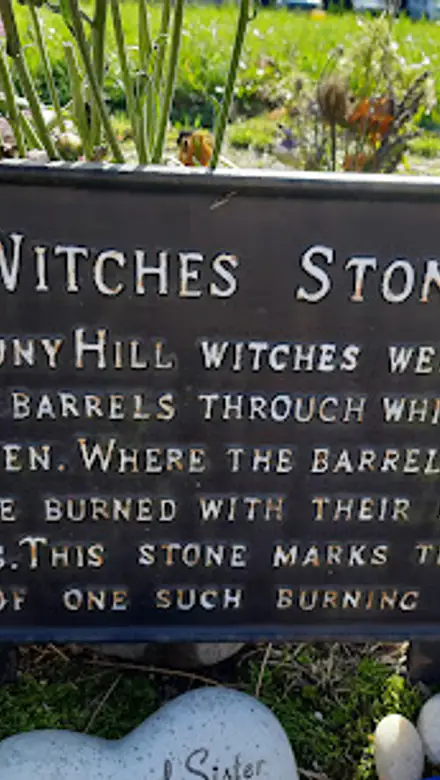
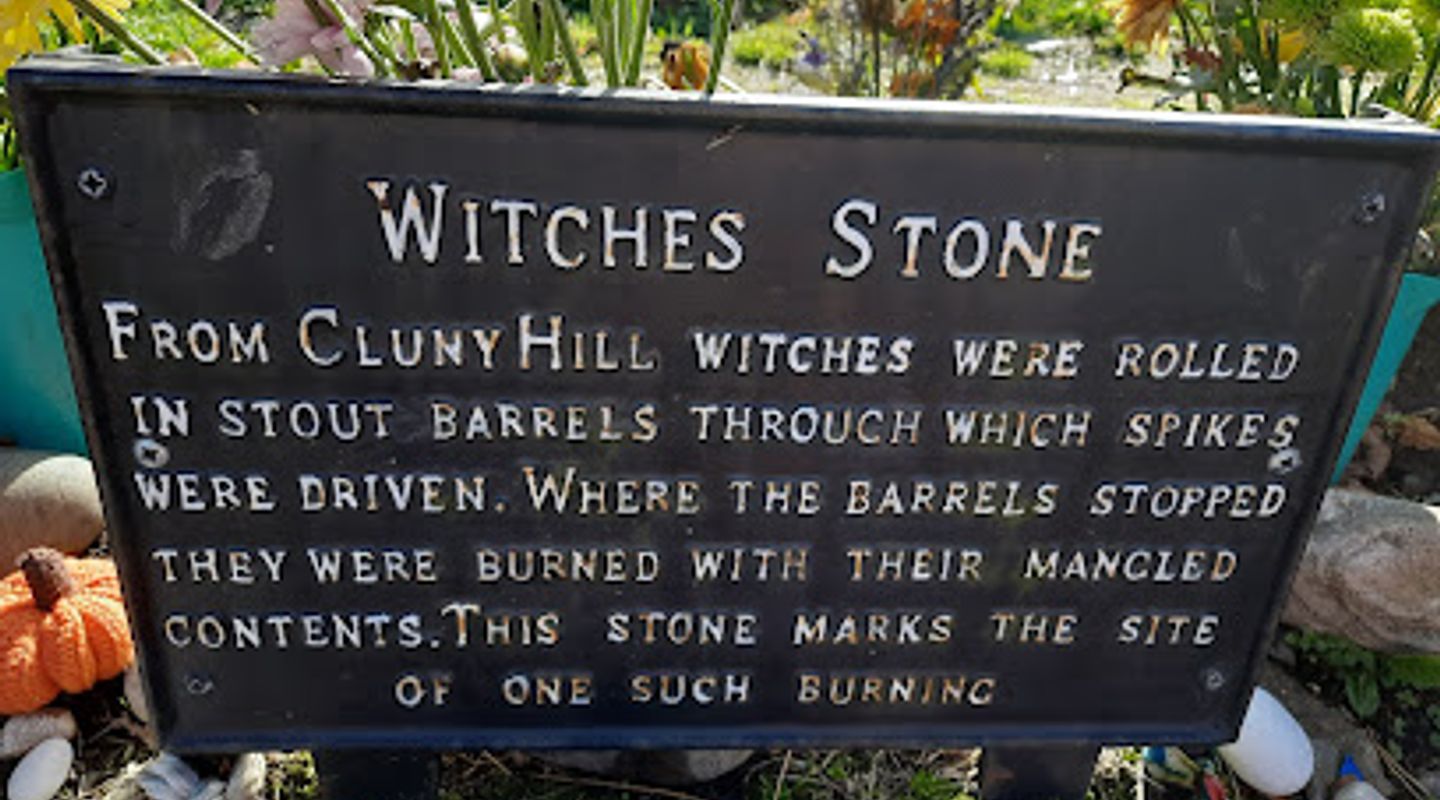
The Witches Stone in Forres is a large, weathered boulder located just east of the town centre at the foot of Cluny Hill. Wedged firmly between a wall and the pavement near the municipal police station, the stone bears a plaque that recounts a grim episode from Scotland’s past: witches were rolled down from Cluny Hill inside spiked barrels and burned at the spot where the barrels stopped. This brutal method of execution is emblematic of the harsh punishments meted out during the witch trials that swept through Scotland in the 16th century.
Historical Context and Witchcraft Legislation
The stone commemorates events linked to the Scottish Witchcraft Act of 1563, which criminalized witchcraft and consulting with witches as capital offenses. During the ensuing decades, Scotland witnessed the execution of an estimated 4,000 people accused of witchcraft, many in the Moray region where Forres is located. This dark period of persecution continued until the Reformation era, with the law only being repealed in the mid-18th century. The Witches Stone thus stands as a stark reminder of the cruelty inflicted upon those accused of practicing the occult arts.
The Stone’s Physical and Cultural Significance
The boulder itself is cracked in several places and is held together by a large metal clasp, a feature that adds to its eerie presence. Local lore suggests that the stone was once removed to be used in nearby building construction, but after the occupants fell ill, it was returned to its original site—possibly due to fears of a curse. The stone’s precarious position, carefully avoided by the surrounding pavement and wall, reflects the community’s respect or superstition surrounding it.
Local Folklore and Connections to Macbeth
The Witches Stone is part of a wider tapestry of witch-related folklore in the Forres area, including Macbeth’s Hillock and other stones linked to the legendary three witches of Shakespeare’s Macbeth. While the Witches Stone is more gruesome in its history, it shares a cultural resonance with these other sites, contributing to the region’s rich heritage of myth, legend, and historical memory.
Present-Day Experience and Reflection
Today, the Witches Stone is freely accessible at all times and serves as a poignant historical monument. It invites visitors to reflect on the harsh realities of past injustices and the societal fear that fueled witch hunts. Its proximity to the police station adds a layer of irony and solemnity, connecting past and present notions of law and justice.
Preservation and Community Awareness
Efforts to preserve the stone include its metal clasp and the careful construction of the surrounding wall and pavement to avoid disturbing it. The stone’s status as a local landmark ensures ongoing recognition of the tragic history it embodies, fostering awareness and remembrance within the community and among visitors.
Evendo Review Centre
 Google
Guest reviews
Best time to go
Quietest: Jan, Feb & Mar · before 6am or from 11pm
Busy times are Evendo estimates for a typical year, to help you plan. Actual crowds vary with events, school holidays and the weather.
Explore The Witches Stone on the map
A handpicked selection of must-see spots near The Witches Stone, mapped for you.
Get your free copy of our complete guide to The Witches Stone, delivered straight to you.
Everything on this page, from opening hours and how to get there to Eve’s tips and the best time to go, in one PDF you can read offline, print or share.
Already have an account? Sign in
Your The Witches Stone guide is ready.
We'll send it to · Not you? Sign out

Getting your guide ready…
We are putting together a fresh copy of the The Witches Stone guide. This can take up to a minute.
This can take a few moments. If your browser asks, choose Allow so the download can start. You'll find the guide in your Downloads folder.
Nothing happened? Download it again
Sorry, the guide is taking longer than usual. Please try again in a minute, or get it by email instead.
Other nearby places you may find interesting
The closest places of the same kind, if this one is not quite what you had in mind.
-
-
-
-
-


Swipe for more places
More to explore near The Witches Stone

 Best experiences near The Witches Stone
 Best hotels near The Witches Stone
 Best landmarks near The Witches Stone
 Best attractions near The Witches Stone
 Best shops near The Witches Stone
 Best restaurants near The Witches Stone
 Best bars near The Witches Stone
Do you manage this location?
Take control to get all the benefits, like improved information, better appearance, and stronger visibility across AI-powered discovery.
Explore more

Explore more of Morayshire
Discover Morayshire: A blend of scenic landscapes, historic sites, and outdoor adventures in Scotland's picturesque northeast.
Explore Morayshire
Explore more of United Kingdom
Discover the United Kingdom: A blend of rich history, stunning landscapes, and vibrant cities, offering a unique travel experience for every visitor.
Explore United Kingdom