Background

Prebends Bridge, Durham

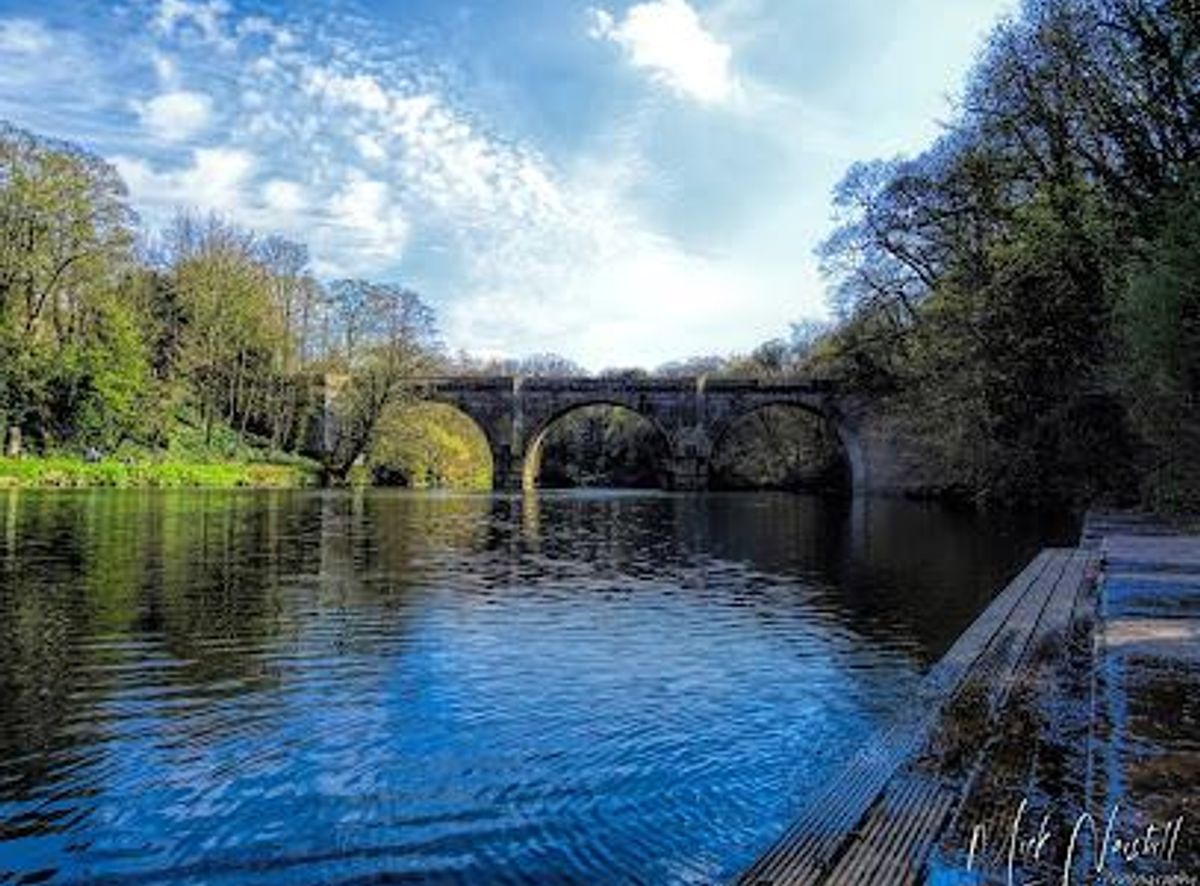
An elegant 18th-century stone bridge offering iconic views of Durham Cathedral and the River Wear in a serene riverside setting.

4.7

Prebends Bridge is an elegant 18th-century stone-arch bridge spanning the River Wear in Durham, England. Designed by George Nicholson and completed between 1772 and 1778, it was originally built as a private road for the Dean and Chapter of Durham. Today, it is primarily a pedestrian bridge offering iconic views of Durham Cathedral and the surrounding wooded riverbanks, forming part of the Durham Castle and Cathedral UNESCO World Heritage Site.

A brief summary to Prebends Bridge

  • Prebends Bridge, S Bailey, Durham, GB
  • Duration: 0.5 to 2 hours
  • Free
  • Environment icon Outdoor
  • Mobile reception: 4 out of 5
  • Monday 12 am-12 am
  • Tuesday 12 am-12 am
  • Wednesday 12 am-12 am
  • Thursday 12 am-12 am
  • Friday 12 am-12 am
  • Saturday 12 am-12 am
  • Sunday 12 am-12 am

Local tips

  • Visit during autumn mornings to enjoy vibrant fall colors and peaceful riverside walks.
  • Bring a camera for stunning photo opportunities of Durham Cathedral reflected in the River Wear.
  • Although the bridge can accommodate vehicles, it is best experienced on foot to appreciate its scenic and historic qualities.
  • Look for the plaque featuring Sir Walter Scott’s poem celebrating Durham’s iconic ‘grey towers.’
widget icon

Getting There

  • Bus

    Take the Durham City bus from Durham Bus Station to the stop at Market Place, about 10-15 minutes journey. From there, it is a 10-minute walk to Prebends Bridge. Bus services run frequently throughout the day with single fares around £2-£3.

  • Train

    Arrive at Durham Railway Station, approximately 2 km from Prebends Bridge. A taxi ride takes about 7-10 minutes costing around £8-£12, or you can walk in 25-30 minutes along accessible paths through the city centre.

  • Walking

    From Durham city centre, a pleasant 10-15 minute walk along South Bailey leads directly to Prebends Bridge. The terrain is mostly paved and suitable for most visitors, including wheelchair users.

Prebends Bridge location weather suitability

  • Weather icon Any Weather
  • Weather icon Clear Skies
  • Weather icon Mild Temperatures
  • Weather icon Rain / Wet Weather

Unlock the Best of Prebends Bridge

Buy tickets

    No tickets available

Book tours with entry

    No tours available

Book tours without entry

    No tours available

Discover more about Prebends Bridge

An 18th-Century Architectural Gem

Prebends Bridge was designed by the architect George Nicholson and constructed between 1772 and 1778 under the commission of the Dean of Durham. It replaced an earlier footbridge built in 1574 that was destroyed by flooding in 1771. Unlike many functional bridges of its time, Prebends Bridge was deliberately sited at a wider section of the River Wear to maximize scenic views, reflecting the Romantic era’s aesthetic ideals. Its stone arches and classical design embody the elegance and engineering advancements of the late 18th century.

Historic Role and Ecclesiastical Connections

Originally, the bridge served as a private road for the Dean and Chapter of Durham, providing access from the south through the Watergate at the end of South Bailey. Though wide enough to accommodate vehicles, it has mainly been used as a footbridge since it only leads to riverside paths and a closed road barrier. The bridge is part of the Durham Cathedral estate, linking it intimately to the ecclesiastical and civic history of the city. It is a Grade I listed building, underscoring its national significance and heritage protection.

Scenic Views and Cultural Significance

Prebends Bridge offers some of the most celebrated views of Durham Cathedral’s iconic towers and the tranquil wooded banks of the River Wear. The bridge and its surroundings have inspired artists like J.M.W. Turner and poets such as Sir Walter Scott, whose words are inscribed on a plaque affixed to the bridge. The planting of trees along the riverbanks was part of a designed Romantic landscape to enhance the natural beauty and create a picturesque setting that complements the historic architecture.

Modern Preservation and Public Use

The bridge underwent restoration in the mid-20th century and has been carefully maintained as part of Durham’s heritage. While it briefly reopened to light vehicular traffic during city centre repaving works in 2010, it primarily functions as a pedestrian route today. Thousands of visitors cross it annually to enjoy its peaceful riverside ambiance and to access the nearby cathedral. The bridge’s upkeep is vital to the economic and cultural wellbeing of the cathedral and city, with future restoration projects planned to preserve its structure.

Architectural Details and Surroundings

Constructed from stone with semi-circular arches, Prebends Bridge exemplifies classical bridge design. It sits just below the Watergate at South Bailey, near St Cuthbert’s Society, and features a lay-by originally intended for wide vehicular traffic. The bridge’s location and design were chosen to harmonize with the natural landscape and the grandeur of Durham Cathedral, creating one of England’s most photographed and beloved historic views.

Enduring Legacy and Visitor Experience

As part of the Durham Castle and Cathedral UNESCO World Heritage Site, Prebends Bridge remains a symbol of the city’s rich history and architectural heritage. Visitors today appreciate its serene setting, historic significance, and the stunning panoramas it affords. Whether in the vibrant colors of autumn or the calm reflections of summer, the bridge offers a timeless connection between Durham’s past and present.

Busiest months of the year

Busiest hours of the day

Popular Experiences near Prebends Bridge

Popular Hotels near Prebends Bridge

Select Currency