

Grainger Town (Newcastle upon Tyne) Travel Guide - Free
Explore Grainger Town in Newcastle upon Tyne with Evendo's free guide. Find the best shops, historic streets, restaurants, and gems on web or mobile.


Grainger Town in Newcastle upon Tyne brings together neoclassical streets, Grainger Market, Theatre Royal, independent dining and central city history.
A Planned Centre of Stone and Scale
Grainger Town is the architectural heart of Newcastle upon Tyne, a central district shaped in the 1830s by developer Richard Grainger and architect John Dobson. Its broad streets and formal squares were built in restrained neoclassical style, using the pale local stone that gives the city centre its distinctive visual unity. Grey Street, often regarded as the finest of the ensemble, descends in a gentle curve from Grey’s Monument towards the Tyne, while Grainger Street, Clayton Street and Hood Street create a coherent network of arcades, shops, theatres and civic buildings.Read more about Grainger Town
Markets, Theatres and City Life
Exploring the Quarter
Best attractions in Grainger Town
Grainger Town’s principal attraction is the urban ensemble itself: Grey Street curves downhill in a carefully composed procession of neoclassical façades, linking Grey’s Monument with the Theatre Royal and the streets around Monument. Grainger Market offers a more intimate experience, with covered aisles, food counters and independent traders occupying a historic market building. Central Arcade provides an ornate pedestrian passage between Grey Street and Grainger Street, while nearby streets reveal restored shopfronts, civic buildings and changing views towards the Tyne. The Theatre Royal adds live performance to the district’s sightseeing offer, and the pedestrianised centre is well suited to architectural wandering between cafés, shops and public spaces. The northern edge connects with the wider shopping area around Northumberland Street, while Newcastle Central Station and the Quayside are nearby rather than part of every interpretation of Grainger Town.
-
Tourist attraction
Discovery Museum
Explore Tyneside’s rich maritime and scientific heritage through interactive exhibits and the iconic Turbinia steam turbine ship.
8 min walk · 0.6 km from neighbourhood centre
-
Tourist attraction
Life Science Centre
Discover hands-on science, immersive shows, and cosmic wonders at Newcastle’s interactive Life Science Centre in the heart of the city.
5 min walk · 0.4 km from neighbourhood centre
-
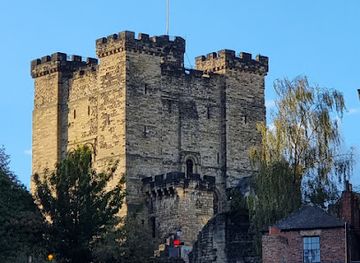
Castle
Newcastle Castle
Explore nearly 2,000 years of history at Newcastle Castle, a Norman fortress offering stunning views and immersive medieval heritage in central Newcastle.
4 min walk · 0.3 km from neighbourhood centre
-
Tourist attraction
Newcastle Cathedral
Discover over 900 years of history, stunning stained glass, and the iconic Lantern Tower at Newcastle Cathedral, a spiritual and cultural beacon in the city center.
5 min walk · 0.4 km from neighbourhood centre



Best landmarks in Grainger Town
Grey’s Monument is Grainger Town’s most recognisable landmark, standing at the head of Grey Street and commemorating Charles Grey, the prime minister associated with the Reform Act of 1832. Grey Street itself is the district’s defining architectural composition, with its curving alignment and consistent neoclassical frontage. The Theatre Royal, designed by John and Benjamin Green and opened in 1837, remains an important cultural landmark as well as a functioning theatre. Grainger Market, opened in 1835, represents the practical commercial side of the redevelopment, while Central Arcade preserves an elegant covered shopping route through the historic centre. The former Central Exchange building and the surrounding streets add to the area’s architectural interest, although individual buildings vary in use and condition. Together these places show how commerce, public entertainment and civic ambition were brought into one nineteenth-century plan.
-
Bridge
Tyne Bridge
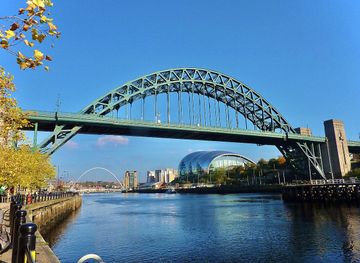
A majestic through arch bridge linking Newcastle and Gateshead, symbolizing Tyneside’s industrial heritage and resilient spirit since 1928.
7 min walk · 0.6 km from neighbourhood centre
-
Historical landmark
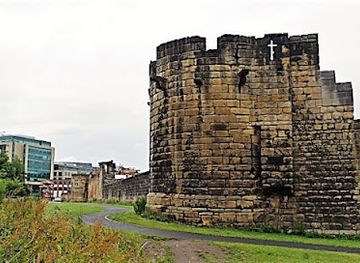
Morden Tower
A medieval drum tower turned iconic poetry and music venue, Morden Tower pulses with Newcastle’s rich cultural and literary heritage.
8 min walk · 0.7 km from neighbourhood centre
-
Historical landmark
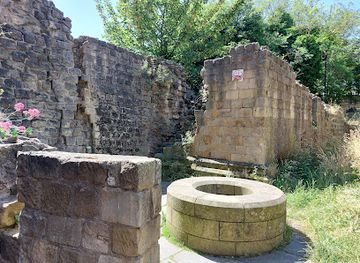
Castle Wall Well
Explore the enduring medieval fortifications of Newcastle’s Castle Wall Well, a testament to centuries of history and defense.
5 min walk · 0.4 km from neighbourhood centre
-
Historical landmark
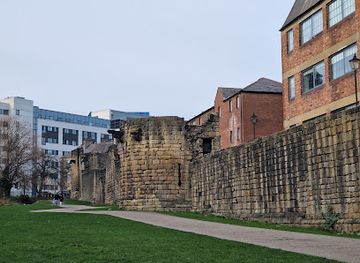
Durham Tower
Explore Durham Tower, a striking medieval defensive tower and part of Newcastle’s historic town walls, offering a window into the city’s fortified past.
7 min walk · 0.5 km from neighbourhood centre

Explore Grainger Town on the map
A handpicked selection of must-see spots in Grainger Town, mapped for you.
Best hotels in Grainger Town
Best restaurants in Grainger Town
Eating in Grainger Town reflects its role as Newcastle’s central commercial and cultural quarter rather than a single specialised food district. Grainger Market provides the most characterful daytime choice, with stalls and counters offering snacks, prepared food and ingredients alongside everyday shopping. Around Grey Street, Grainger Street, Hood Street and the lanes leading towards the Theatre Royal, cafés, restaurants, pubs and contemporary dining rooms occupy historic commercial buildings. The choice ranges from informal meals and coffee to more polished pre-theatre dining, with menus shaped by the international character of a major city centre. Independent operators sit alongside familiar businesses, and the strongest sense of place often comes from pairing a market visit with a meal in one of the restored streetside premises. Trading patterns and individual venues change, so visitors should check current arrangements rather than rely on fixed assumptions about opening times.
-
Restaurant
Fat Hippo Newcastle
Bold, creative burgers and inclusive menu options in Newcastle’s lively city centre hotspot.
7 min walk · 0.6 km from neighbourhood centre
-
Restaurant
Pleased To Meet You
A stylish, late-night bar and restaurant in Newcastle’s city centre, blending rustic charm with vibrant cocktails and seasonal British cuisine.
7 min walk · 0.5 km from neighbourhood centre
-
Greek
Kafeneon
Experience authentic Greek cuisine and warm Mediterranean hospitality in the lively heart of Newcastle’s Bigg Market.
5 min walk · 0.4 km from neighbourhood centre
-
Brasserie
Babucho
Stylish Italian brasserie in Newcastle offering classic dishes with a modern twist in a sleek, jazz-infused atmosphere.
6 min walk · 0.5 km from neighbourhood centre


Best bars in Grainger Town
Grainger Town becomes especially active in the early evening, when theatre audiences, diners, shoppers and office workers share the central streets. Grey Street and the lanes around the Theatre Royal contain a concentration of pubs, cocktail bars, wine-led venues and restaurants, while the wider centre provides larger late-night entertainment options. The district’s nightlife is varied but predominantly urban and commercial rather than built around one long-established music scene: a visitor might move from a traditional pub to a pre-theatre drink or a contemporary bar within a short walk. The Theatre Royal supplies a major performance focus, and venues elsewhere in the centre are easily reached from Monument. Street noise and crowds increase around popular venues, so those staying in central accommodation should check the position of bedrooms and plan transport after late performances.
-
Cocktail bar
Slug & Lettuce - Central Newcastle
Newcastle's go-to for endless cocktails, bottomless brunches, and non-stop party vibes on Grainger Street – where every hour is happy hour.
4 min walk · 0.4 km from neighbourhood centre
-
Pub
Lady Greys
Cozy real ale gem on Shakespeare Street, pouring six rotating cask taps until 3am daily in Newcastle's lively heart—authentic Geordie pub vibes await.
8 min walk · 0.6 km from neighbourhood centre
-
Bar
Alvinos Bar
Cosy Pilgrim Street bar pouring creative cocktails, local craft beers, and weekend DJ beats across three lively floors with a sunny terrace.
7 min walk · 0.6 km from neighbourhood centre
-
Wine bar
All Bar One Newcastle
Stylish Grey Street bar serving coffee by day and cocktails by night, with tapas and wines in Newcastle's buzzing heart.
7 min walk · 0.5 km from neighbourhood centre


Best nightclubs in Grainger Town
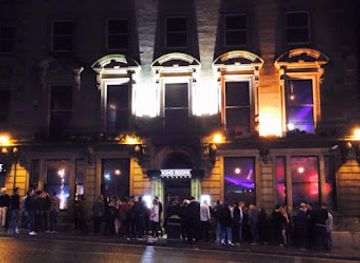
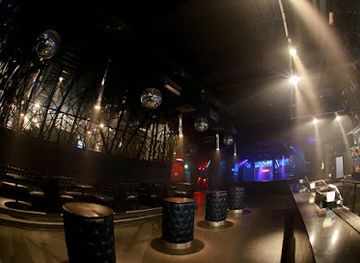
Grainger Town becomes especially active in the early evening, when theatre audiences, diners, shoppers and office workers share the central streets. Grey Street and the lanes around the Theatre Royal contain a concentration of pubs, cocktail bars, wine-led venues and restaurants, while the wider centre provides larger late-night entertainment options. The district’s nightlife is varied but predominantly urban and commercial rather than built around one long-established music scene: a visitor might move from a traditional pub to a pre-theatre drink or a contemporary bar within a short walk. The Theatre Royal supplies a major performance focus, and venues elsewhere in the centre are easily reached from Monument. Street noise and crowds increase around popular venues, so those staying in central accommodation should check the position of bedrooms and plan transport after late performances.
-
Nightclub
Flares - Newcastle
Newcastle's ultimate retro disco haven, where 70s grooves meet 00s anthems in a neon-lit explosion of party classics and endless dance floor energy.
5 min walk · 0.4 km from neighbourhood centre
-
Nightclub
SOHO ROOMS | Newcastle
Four floors of thumping beats, epic deals, and non-stop Newcastle nightlife energy—your ultimate city-center party escape.
6 min walk · 0.5 km from neighbourhood centre
-
Nightclub
Digital
Newcastle's sonic beast: Funktion One-powered nights of bass, beats, and industrial-fueled frenzy in Times Square.
5 min walk · 0.4 km from neighbourhood centre
-
Nightclub
Popworld - Newcastle
A neon-soaked pop party on Newcastle’s Bigg Market—cheap drinks, nostalgic anthems and a packed dancefloor for late-night revelry.
6 min walk · 0.4 km from neighbourhood centre


Best shops in Grainger Town
Shopping in Grainger Town combines the historic character of Grainger Market with the larger retail streets surrounding Grey’s Monument and Northumberland Street. Grainger Market is the district’s most distinctive retail experience, with independent stalls selling food, household goods, gifts and specialist products within a covered nineteenth-century setting. Central Arcade offers a more formal architectural environment for small retailers and services, while Grainger Street, Clayton Street and nearby lanes contain a changing mixture of independent businesses, cafés and mainstream shops. The broader city-centre retail area extends beyond the informal boundaries of Grainger Town towards Eldon Square and Northumberland Street, so it is useful to distinguish the market and historic arcades from the larger shopping offer nearby. Visitors interested in local character should look beyond brand names to the market counters, old shopfronts and small traders occupying the planned streets.
-
Vintage Clothing Shop
Analog
Curated vintage and second‑hand clothing tucked into Alley 3 of Newcastle’s Grainger Market — small stall, big finds.
7 min walk · 0.6 km from neighbourhood centre
-
Gift shop
Tian's Gifts
A warm, maker-curated stall in Grainger Market specialising in 3D cards, craft gifts and charming stationery.
7 min walk · 0.6 km from neighbourhood centre
-
Vintage Clothing Shop
The Yesterday Society Vintage Boutique
Unearth retro treasures in Newcastle's Grainger Market at this packed vintage boutique, where affordable 60s dresses, denim, and accessories await in an Aladdin's cave of style.
7 min walk · 0.6 km from neighbourhood centre
-
Gift shop
Little Bazaar
Discover handpicked crystals and dreamcatchers at this bohemian gem inside Newcastle's historic Grainger Market—a treasure trove of mystical souvenirs since generations past.
7 min walk · 0.6 km from neighbourhood centre


Grainger Town essentials
Getting There
Getting Around
Safety
Emergency Situations
Do's and Don'ts
Local Tips

From Eve
Local phrases worth knowing
You don't need to get them perfect. A few words go a long way, and locals appreciate the effort.
Basics
| English | Local | Say it |
|---|---|---|
| Hello | Hiya | [hee-yah] |
| Goodbye | Ta-ra | [ta-rah] |
| Yes | Aye | [eye] |
| No | Nah | [nah] |
| Please/You're welcome | Please/No worries | [pleez/no wuh-rees] |
| Thank you | Cheers | [cheers] |
| Excuse me/Sorry | Sorry | [sor-ee] |
| How are you? | Howay ya deeing? | [ho-way ya dee-ing] |
| Fine. And you? | Areet. An yersel? | [uh-reet. un yer-sel] |
| Do you speak English? | Divvy speak English? | [div-ee speak ing-glish] |
| I don't understand | Ah divvn't get ye | [ah div-uhnt get yee] |
Eating & Drinking
| English | Local | Say it |
|---|---|---|
| I'd like to see the menu, please | Can ah see the menu, pet? | [kan ah see the men-yoo, pet] |
| I don't eat meat | Ah divvn't eat flesh | [ah div-uhnt eat flesh] |
| Cheers! | Cheers! | [cheers] |
| I would like to pay, please | Can ah pay, please | [kan ah pay, please] |
Emergencies
| English | Local | Say it |
|---|---|---|
| Help! | Help! | [help] |
| Go away! | Gan away! | [gan away] |
| Call the Police! | Ring the bizzies! | [ring the biz-ees] |
| Call a doctor! | Ring a quack! | [ring a kwak] |
| I'm lost | Ah'm lost | [ahm lost] |
| I'm ill | Ah'm poorly | [ahm por-lee] |
Shopping
| English | Local | Say it |
|---|---|---|
| I'd like to buy... | Ah divvn't buy... | [ah div-uhnt buy...] |
| I'm just looking | Ah'm just havin' a deek | [ahm just hav-in a deek] |
| How much is it? | How much divvy want for it? | [how much div-ee want for it?] |
| That's too expensive | That's reet dear, that | [that's reet deer, that] |
| Can you lower the price? | Can ye gan a bit lower on the price? | [kan yee gan a bit lower on the price?] |
Time & Numbers
| English | Local | Say it |
|---|---|---|
| What time is it? | What's the time? | [whats the time] |
| It's one o'clock | It's one o'clock | [its one o-clock] |
| Half past (10) | Ten an a half | [ten an a half] |
| Morning | Mornin' | [mor-nin] |
| Afternoon | Afternoon | [after-noon] |
| Evening | Neet | [neet] |
| Yesterday | Yesterday | [yes-ter-day] |
| Today | The day | [the day] |
| Tomorrow | Morn | [morn] |
| 1 | One | [wun] |
| 2 | Two | [too] |
| 3 | Three | [three] |
| 4 | Four | [four] |
| 5 | Five | [fiv] |
| 6 | Six | [siks] |
| 7 | Seven | [sev-en] |
| 8 | Eight | [ayt] |
| 9 | Nine | [nine] |
| 10 | Ten | [ten] |
Transport & Directions
| English | Local | Say it |
|---|---|---|
| Where's a/the...? | Whe'z a/the...? | [wez a/the] |
| What's the address? | Wor's the address? | [wors the address] |
| Can you show me (on the map)? | Can ye show us (on the map)? | [kan yee show us (on the map)] |
| When's the next (bus)? | Whe'z the next (bus)? | [wez the next (bus)] |
| A ticket (to ....) | A bus ticket (ta ....) | [a bus ticket (ta)] |
History of Grainger Town
Medieval Streets Before Grainger
Before the nineteenth-century redevelopment, this part of Newcastle contained a dense mixture of medieval streets, yards, workshops and commercial premises. The area lay within the historic town centre, close to the route between the castle, the old market areas and the river crossing. Narrow lanes and irregular plots reflected centuries of piecemeal growth rather than a single plan. As Newcastle expanded through the eighteenth and early nineteenth centuries, pressure increased for better streets, improved drainage and more prestigious commercial buildings. The older urban fabric was gradually cleared or altered, creating the conditions for the large-scale transformation later associated with Richard Grainger.
The Grainger and Dobson Plan
During the 1830s, developer Richard Grainger led a major rebuilding programme in the central town, working closely with architect John Dobson. Their scheme produced Grey Street, Grainger Street, Clayton Street and associated squares and buildings, establishing the district now known as Grainger Town. The architecture drew on neoclassical ideas, with regular façades, columns, arches and carefully controlled proportions. This was both an urban-improvement project and a commercial investment: wider streets and substantial premises were intended to attract businesses, shoppers and civic institutions. The plan gave Newcastle a more unified central identity while permanently displacing much of the earlier street pattern.
Theatre Royal and Civic Culture
The opening of the Theatre Royal on Grey Street in 1837 added a major cultural institution to the developing quarter. Designed by John and Benjamin Green, the theatre helped establish Grainger Town as a place for public performance as well as trade and administration. Its presence reinforced the social importance of Grey Street, where visitors could encounter shops, hotels, offices and entertainment within the same planned setting. Other institutions and commercial buildings followed the nineteenth-century pattern of concentrating civic and cultural life in the city centre. The architecture of the district therefore expressed more than aesthetic order: it supported Newcastle’s ambitions as a prosperous regional city.
Markets, Decline and Renewal
Grainger Market opened in 1835 as part of the same programme of central improvement and became a practical marketplace serving residents as well as visitors. In the twentieth century, changing shopping habits, traffic planning and the growth of out-of-centre retail weakened parts of the historic centre, and several buildings in Grainger Town required repair or new uses. From the late twentieth century onwards, conservation-led regeneration encouraged the restoration and reoccupation of historic properties, while retail, hospitality, offices and cultural venues brought renewed activity. The area remains a working central district, balancing heritage protection with the pressures of changing commerce and urban redevelopment.
Grainger Town in Photos
Browse through our photo collection highlighting the charm and character of the destination.
Neighbourhoods near Grainger Town
The closest neighbourhoods to Grainger Town, if you have time for more than one stop.
-

-


Swipe for more neighbourhoods
Explore more
Explore more of Newcastle upon Tyne
Newcastle upon Tyne combines Roman history, grand architecture, famous bridges, riverside culture, lively neighbourhoods and distinctive North East character.
Explore Newcastle upon Tyne