
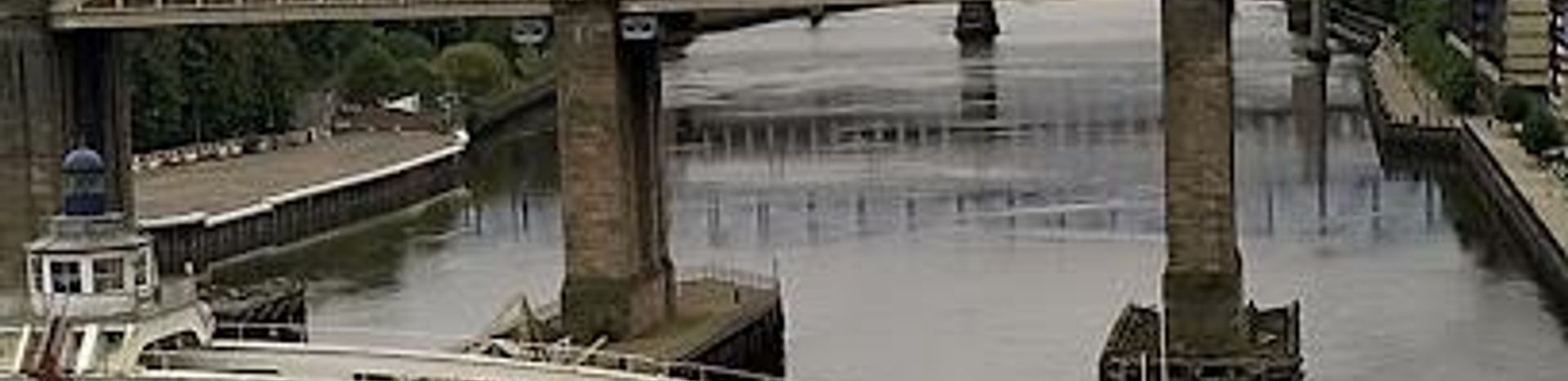
The High Level Bridge, Newcastle upon Tyne
A pioneering Victorian double-deck bridge linking Newcastle and Gateshead with stunning river views and historic engineering brilliance.
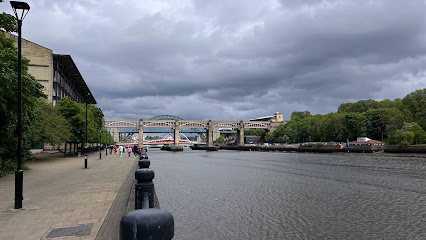
The High Level Bridge in Newcastle upon Tyne is a pioneering Victorian double-deck road and rail bridge opened in 1849. Designed by Robert Stephenson, it connects Newcastle and Gateshead over the River Tyne, showcasing remarkable cast-iron arches and engineering innovation. This Grade I listed landmark offers stunning panoramic river views and remains a vital transport link with historical and architectural significance.
A brief summary to The High Level Bridge
- High Level Brg, Newcastle upon Tyne, NE1 3RN, GB
- Visit website
- Duration: 0.5 to 2 hours
- Free
-
 Outdoor
- Mobile reception: 4 out of 5
Local tips
- Visit during clear weather for the best panoramic views of the River Tyne and surrounding cityscapes.
- Explore the nearby Railway Quarter in Gateshead to deepen your understanding of the area's transport history.
- Take time to observe the intricate ironwork and masonry piers that showcase Victorian engineering.
- Photography enthusiasts should consider sunrise or sunset for dramatic lighting and reflections on the river.

For the on-the-go comforts that matter to you
- Seating Areas
- Information Boards
Getting There
-
Train
Take a train to Newcastle Central Station, located approximately 2 km from the High Level Bridge. From there, it’s a 25-30 minute walk across the city center to the bridge. Trains run frequently from major cities including London and Edinburgh, with ticket prices ranging from £15 to £50 depending on advance booking.
-
Bus
Local bus services connect Newcastle city center to stops near the High Level Bridge. Bus routes 10 and 11 run every 10-15 minutes, with a journey time of 15-20 minutes from central Newcastle. A single fare costs around £2.50, and contactless payment is widely accepted.
-
Taxi
Taxis and ride-hailing services can provide direct access to the High Level Bridge from anywhere in Newcastle or Gateshead. Typical journey times from the city center are 10-15 minutes, with fares ranging from £7 to £12 depending on traffic.
-
Walking
For those staying nearby, walking to the High Level Bridge offers an enjoyable urban stroll with views of the River Tyne. The terrain is mostly flat and accessible, taking approximately 15-25 minutes from central Newcastle.
The High Level Bridge location weather suitability
-
 Any Weather
-
 Clear Skies
-
 Mild Temperatures
-
 Rain / Wet Weather
-
 Windy Conditions
Discover more about The High Level Bridge
An Engineering Marvel of the Victorian Era
The High Level Bridge, completed in 1849, stands as a testament to the ingenuity of Victorian engineering. Designed by the eminent civil engineer Robert Stephenson with the assistance of Thomas Elliot Harrison, it was the first major bridge to combine both road and rail traffic on two separate decks. The bridge spans 1,338 feet across the River Tyne with six main spans of 125 feet each, supported by massive masonry piers anchored deep into the riverbed. Its innovative tied arch design, using cast and wrought iron, was groundbreaking at the time and remains a significant example of 19th-century structural engineering.Historical Significance and Royal Opening
The bridge was constructed between 1847 and 1849 to link the railway networks of England and Scotland, facilitating passenger and freight transport. The first passenger train crossed the bridge on 15 August 1849, and it was officially opened by Queen Victoria on 28 September 1849, who crossed in her royal train. The bridge also served as a toll bridge for road traffic until 1937. Over the years, it has witnessed the evolution of transport, including horse-drawn vehicles, electric trams, and modern buses, reflecting the industrial growth of Newcastle and Gateshead.Architectural Features and Materials
The High Level Bridge features a double-deck structure with the railway on the upper deck and road traffic below. The roadway is 96 feet above high water, while the railway deck is 120 feet above. The ironwork, produced locally by Hawks, Crawshay & Co, includes cast-iron arches supporting the railway and wrought-iron suspension hangers for the road deck. The bridge’s construction also marked the first use of Nasmyth’s steam pile driver in bridge building, allowing efficient foundation work. The robust masonry piers were built with 50,000 tons of stone quarried near Newcastle, reflecting the scale and ambition of the project.Modern Preservation and Use
Despite challenges such as fires in the Victorian era and corrosion concerns in the late 20th century, the High Level Bridge has been carefully maintained and restored, including a major refurbishment completed in 2008. Today, it remains a key part of the East Coast Main Line railway and carries road traffic primarily limited to buses and taxis. Its Grade I listed status recognizes its historical and architectural importance, and it continues to be a symbol of Newcastle’s industrial heritage and resilience.Experience and Views
Walking across the High Level Bridge offers visitors spectacular panoramic views of the River Tyne, the iconic Tyne Bridge, and the Newcastle and Gateshead skylines. The bridge’s ironwork and structure provide a tangible connection to the Victorian era’s engineering feats. It also serves as a gateway to the Railway Quarter in Gateshead, an area rich in transport history. The blend of functional infrastructure and aesthetic design makes the bridge a captivating destination for history enthusiasts, photographers, and those interested in industrial heritage.Legacy and Cultural Impact
The High Level Bridge is more than a transport link; it is a cultural icon embodying the spirit of innovation and progress in the North East of England. Its construction facilitated the growth of rail travel between London and Edinburgh, shaping the region’s economic and social development. As a Grade I listed structure, it stands alongside other historic landmarks in Newcastle, symbolizing the city’s Victorian past and ongoing commitment to preserving its heritage for future generations.Iconic landmarks you can’t miss

The High Level Bridge
0.0 km
A pioneering double-deck Victorian bridge uniting rail and road across the River Tyne, symbolizing Newcastle’s industrial heritage.
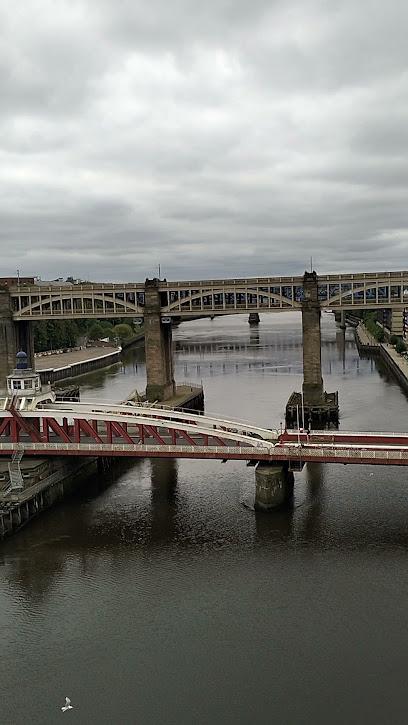
Castle Wall Well
0.1 km
A medieval well marking Newcastle's 13th-century defensive walls and urban heritage.
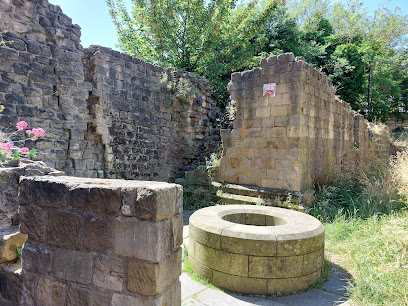
Newcastle Keep
0.2 km
Climb 99 steps through four centuries of medieval power and emerge onto rooftop views that define Newcastle.
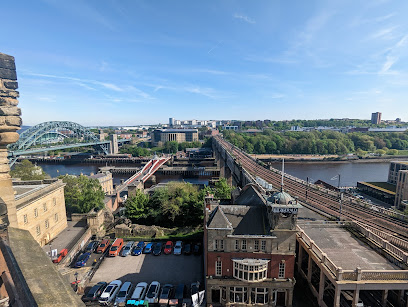
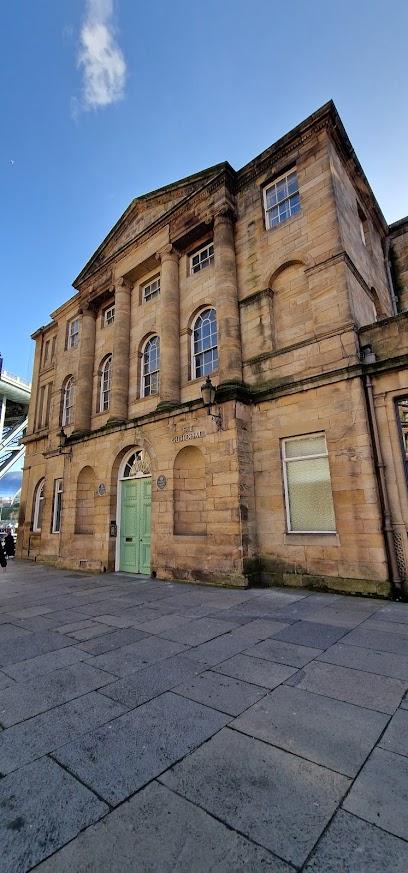
The Guildhall
0.2 km
Discover Newcastle’s historic Guildhall, a stunning 17th-century civic landmark rich in architecture and medieval heritage.
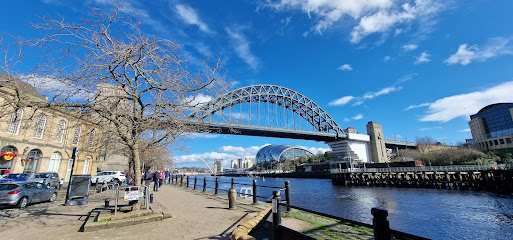
Quayside
0.2 km
Quayside is a dynamic riverside district where iconic bridges meet vibrant culture, blending industrial heritage with modern art and lively waterfront life.
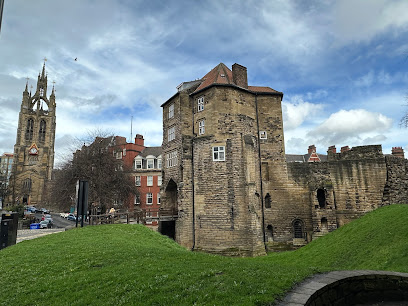
The Black Gate
0.2 km
Medieval fortress gateway where Newcastle's story began, now fully accessible with rich exhibitions.
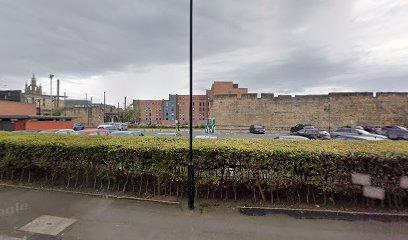
Newcastle city walls
0.3 km
Medieval stone fortifications protecting a border town from Scottish invasion, now a historic monument woven into Newcastle's urban landscape.
The Custom House Plaque
0.3 km
A historic marker on Newcastle’s Quayside commemorating the 1766 Custom House and the city’s maritime trade heritage.
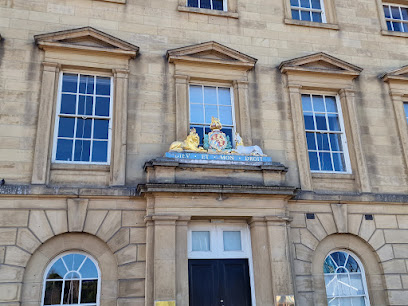
St John the Baptist Church
0.5 km
Medieval sanctuary with eight centuries of history, treasured stained glass, and architectural gems hidden in Newcastle's city centre.
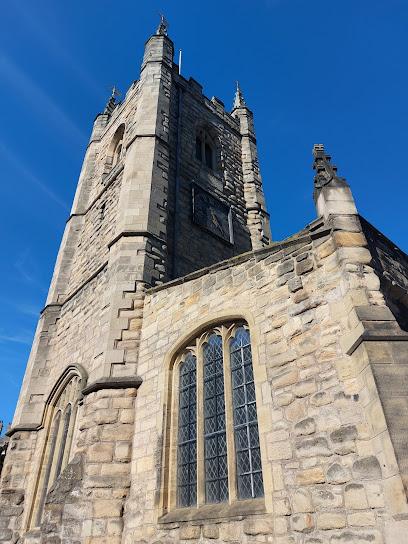
Grey St
0.6 km
Newcastle's finest street—a sweeping curve of neoclassical elegance and cultural heritage.
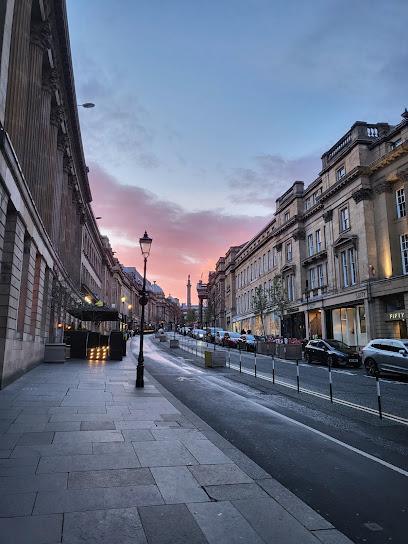
Mermaid
0.6 km
Discover the Mermaid, a historic symbol of Newcastle’s maritime heritage, set amidst the vibrant and scenic Quayside waterfront.
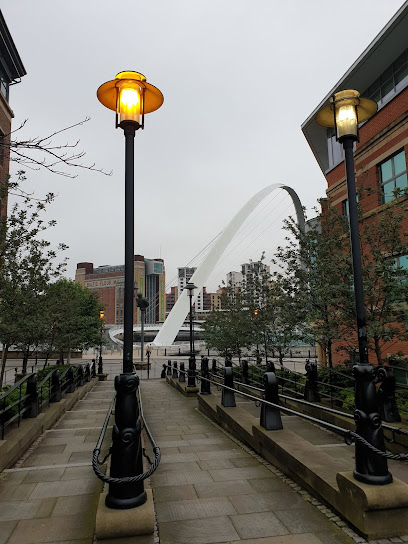
River God
0.6 km
An iconic statue on Newcastle’s Quayside embodying the city’s deep connection to the River Tyne and its maritime heritage.
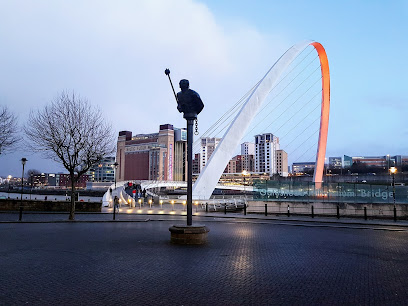
Iles Tours (Iles Group Ltd)
0.8 km
Explore Newcastle upon Tyne with Iles Tours, where expert guides unveil the city's rich history and culture through unforgettable experiences.
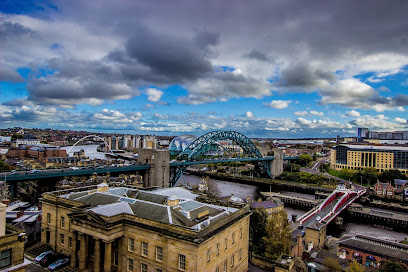
Richard Grainger Memorial Fountain
0.8 km
Historic granite fountain honoring Richard Grainger’s transformative 19th-century urban vision in Newcastle’s iconic Grainger Town.
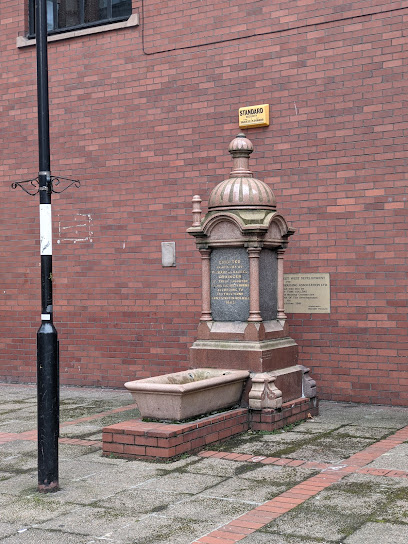
New Bridge Street, Newcastle-upon-Tyne
0.8 km
Experience the vibrant culture and rich history of New Bridge Street, Newcastle-upon-Tyne, home to captivating museums and lively local attractions.
Unmissable attractions to see

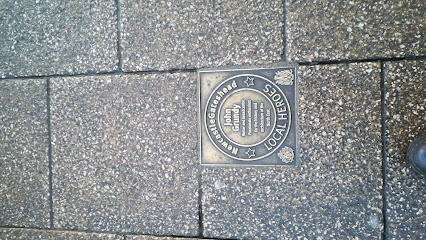
John Grundy Local Heroes Plaque
0.1 km
Celebrate Newcastle’s rich heritage with the John Grundy Local Heroes Plaque along Hadrian’s Wall Path, honoring a beloved TV historian and cultural advocate.
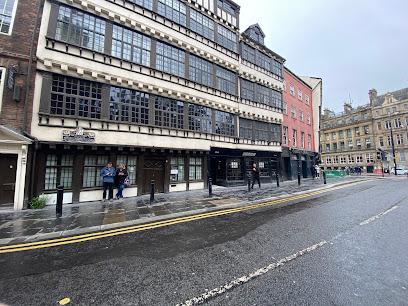
Historic England North East & Yorkshire
0.1 km
Explore Newcastle’s finest Jacobean merchants’ houses, famed for Bessie Surtees’ romantic 1772 elopement and richly preserved period interiors.
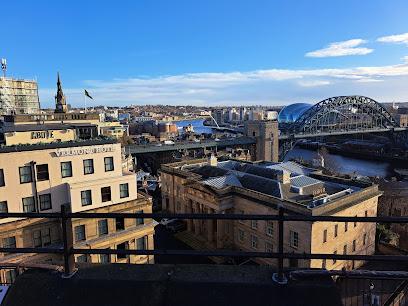
Castle Garth
0.2 km
Explore the medieval heart of Newcastle with panoramic views from the iconic Castle Keep and historic Black Gate at Castle Garth.
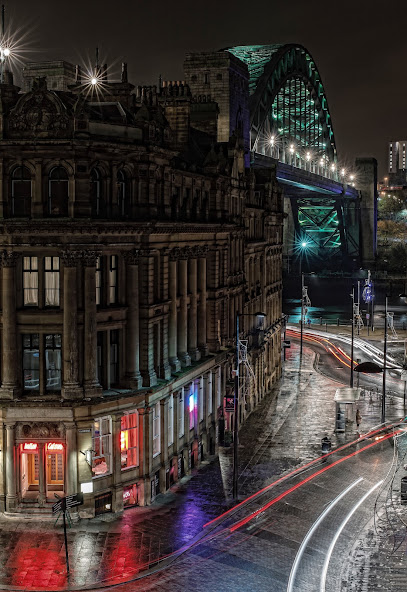
Newcastle Ghost Walks - Haunted City Tours
0.2 km
Explore Newcastle’s haunted streets and historic landmarks on immersive ghost tours filled with chilling tales and authentic paranormal encounters.
Castle Garth & The Black Gate
0.2 km
Explore Newcastle’s medieval gateway, The Black Gate, a historic fortress entrance turned vibrant urban hub steeped in centuries of history.
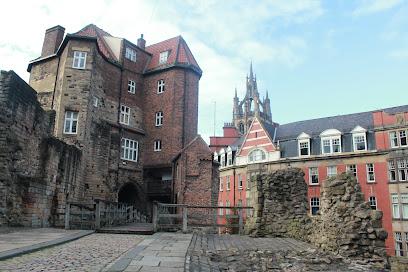
Tyne Bridge
0.2 km
Discover the iconic Tyne Bridge, a stunning feat of engineering and a symbol of Newcastle's rich heritage, offering breathtaking views and historical significance.

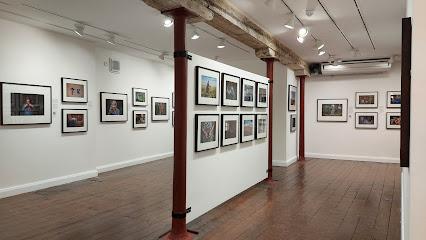
Side Photographic Gallery
0.2 km
Discover powerful documentary photography in a historic, intimate gallery space beneath Newcastle’s Tyne Bridge.
Newcastle Castle
0.2 km
A Norman fortress at the heart of Newcastle, where royal power, rebellion, and city history converge above the River Tyne.
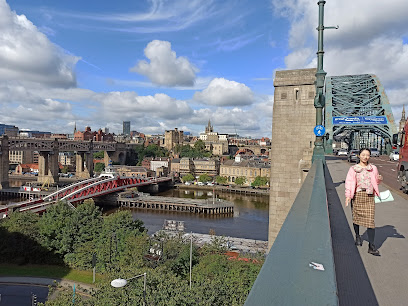
Site of Anglo-Saxon Church
0.2 km
Explore Newcastle’s ancient heart where Roman roots, Anglo-Saxon heritage, and medieval stone keep converge in Castle Garth’s historic site.
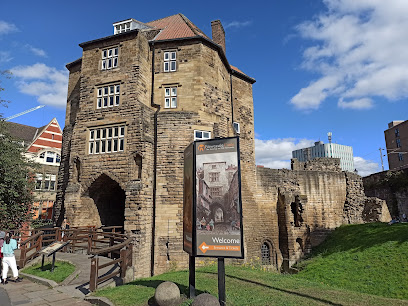
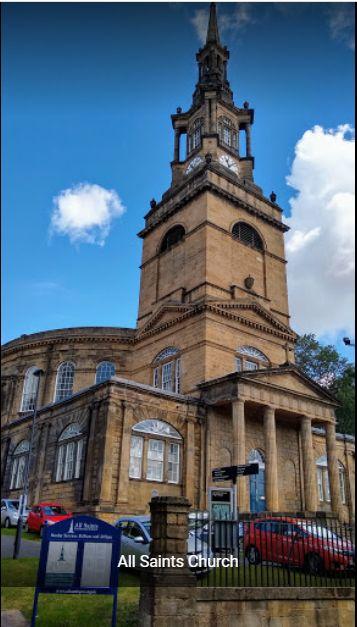
All Saints Church
0.3 km
Discover Newcastle's All Saints Church, a unique Georgian landmark with England’s only elliptical nave and a vibrant Presbyterian heritage.
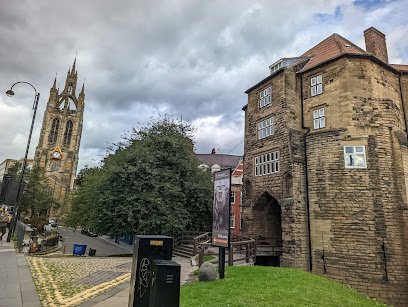
Newcastle Cathedral
0.3 km
Discover over 900 years of history, stunning stained glass, and the iconic Lantern Tower at Newcastle Cathedral, a spiritual and cultural beacon in the city center.
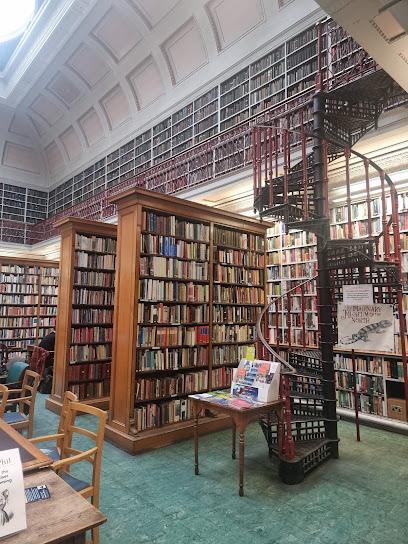
Lit & Phil Library
0.4 km
Discover Newcastle’s historic Lit & Phil Library, a grand neoclassical haven with over 200,000 books and a vibrant cultural scene.
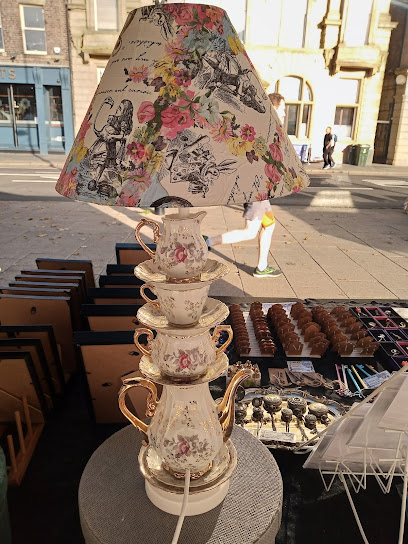
Bonkers About Alice
0.4 km
A vibrant Sunday market along the River Tyne showcasing local crafts, food, and culture in Newcastle’s iconic Quayside setting.
Trinity House
0.4 km
Discover Newcastle’s maritime heritage and medieval charm at Trinity House, a historic gem on the quayside with centuries of seafaring stories.
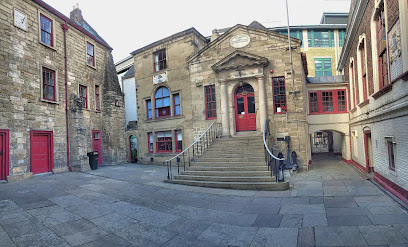
Quayside Sunday Market
0.4 km
A lively riverside market blending historic charm, artisan crafts, and vibrant street food every Sunday along Newcastle’s iconic Quayside.
Essential places to dine

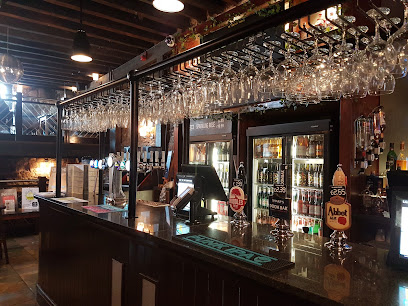
The Quayside - JD Wetherspoon
0.1 km
Historic riverside pub in Dove’s Warehouse serving good-value breakfasts, meals and a broad drinks list in a roomy, accessible setting on Newcastle’s Quayside.
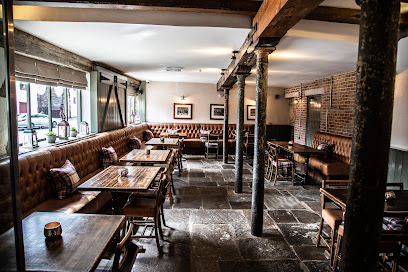
House of Tides
0.1 km
Michelin-starred fine dining in a historic 16th-century merchant’s house on Newcastle’s scenic quayside, blending rustic charm with modern British cuisine.
Gino D'Acampo Restaurant Quayside Newcastle
0.1 km
Authentic Italian dining with stunning River Tyne views in a bright, stylish riverside setting on Newcastle’s vibrant Quayside.
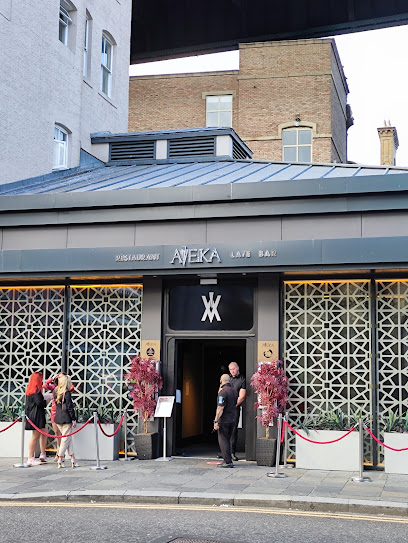
Aveika
0.2 km
Innovative Japanese cuisine and vibrant nightlife converge at Aveika, Newcastle's stylish Quayside hotspot for dining and entertainment.
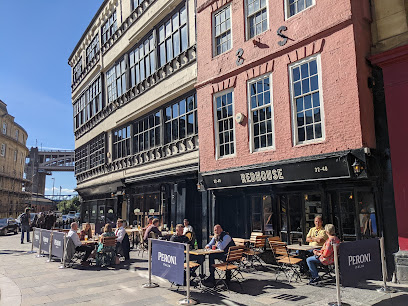
Uno's Trattoria
0.2 km
Discover authentic Italian flavors and generous portions in a lively, welcoming setting at Uno's Trattoria in Newcastle.
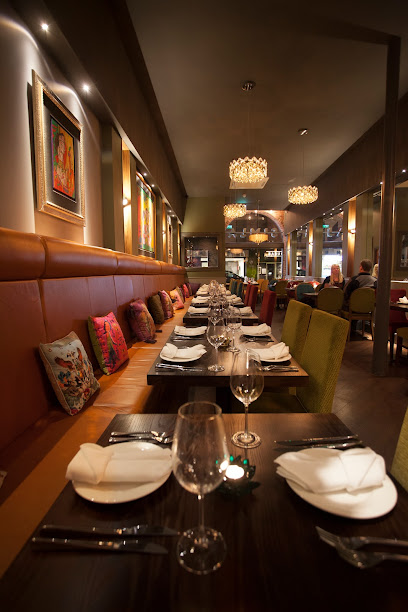
Simla Restaurant
0.2 km
Experience authentic Indian flavors with a modern touch in Newcastle’s warm and elegant Simla Restaurant, perfect for romantic and lively dining.
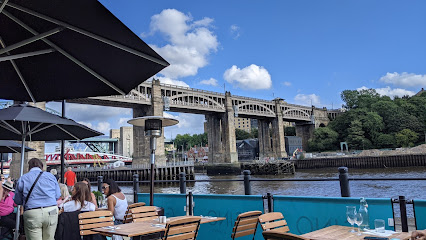
Quay 7 Restaurant & Bar
0.2 km
Classic British dining with stunning river views on Newcastle’s vibrant Quayside, perfect for relaxed meals and scenic drinks.
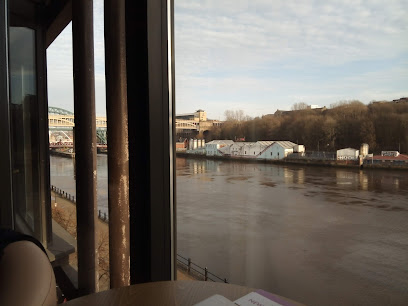
Babucho
0.2 km
Stylish Italian brasserie in Newcastle offering classic dishes, a lively atmosphere, and attentive service in a chic city-center setting.
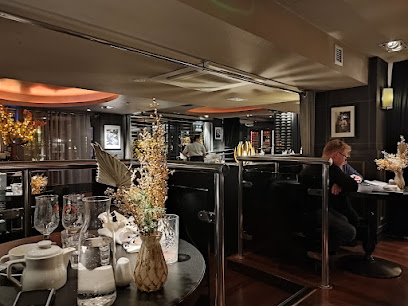
Prima Restaurant
0.2 km
Experience authentic Italian flavors and warm hospitality beneath Newcastle’s historic High Level Bridge at Prima Restaurant.
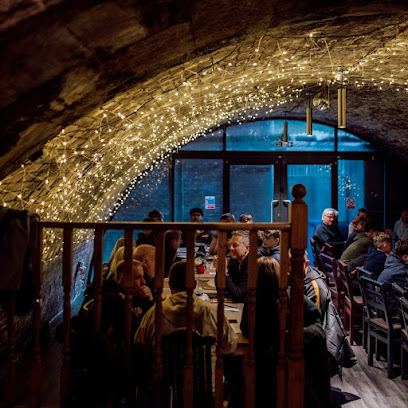
The French Quarter
0.2 km
Experience authentic French cuisine and an exceptional wine selection in a chic bistro nestled within Newcastle’s historic Westgate Road arches.
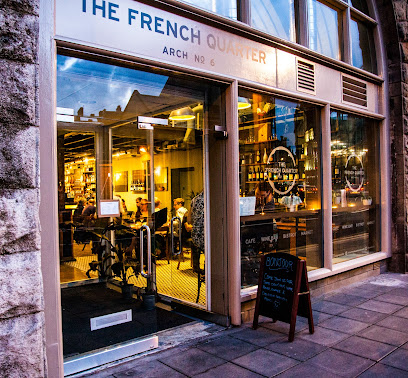
Dobson and Parnell
0.3 km
Elegant fine dining in Newcastle’s historic Victorian setting, blending classic charm with modern British cuisine and attentive service.
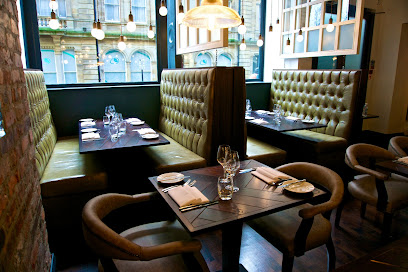
Kaltur Wine Bar & Restaurant
0.3 km
Authentic Spanish tapas and wine bar offering cozy, intimate dining with an open kitchen in the heart of Newcastle upon Tyne.
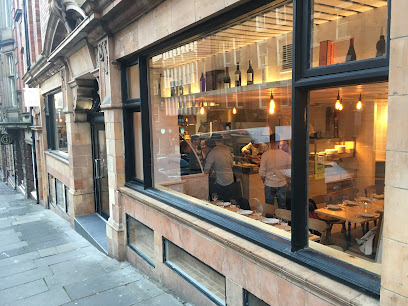
Miller & Carter Newcastle
0.4 km
Savor expertly aged British steaks in a stylish, welcoming setting at Miller & Carter Newcastle on Mosley Street.
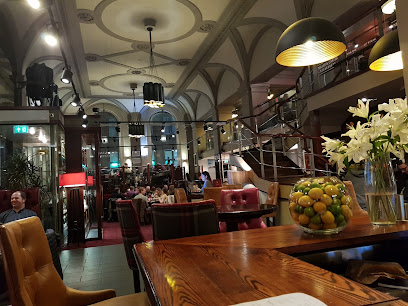
Portofino Restaurant
0.4 km
Experience authentic Italian cuisine in a stunning Victorian setting with warm hospitality and vibrant atmosphere in Newcastle.
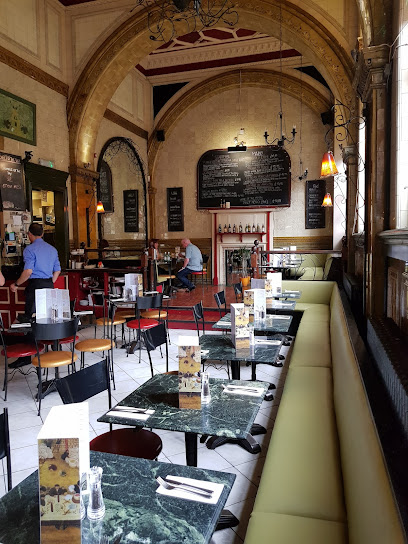
The Broad Chare
0.4 km
A lively gastropub on Newcastle’s Quayside blending traditional British fare with seasonal, locally sourced excellence.
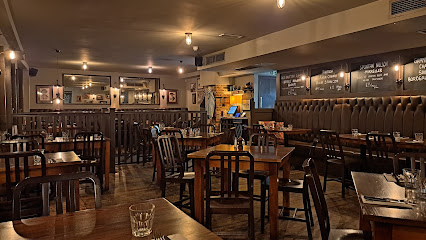
Markets, malls and hidden boutiques

Quayside News
0.2 km
Discover Quayside News, your charming convenience store in Newcastle, perfect for grabbing snacks, drinks, and local treats while exploring the Quayside.
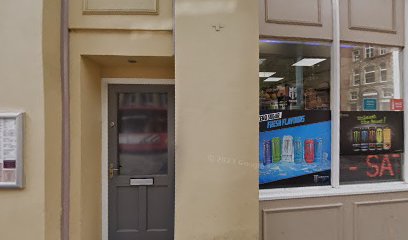
UpSide Down Presents
0.2 km
A vibrant, independent gift shop under Newcastle’s railway arch, packed with Geordie souvenirs, original cards, and quirky presents for every occasion.
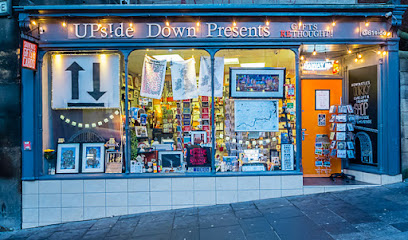
Souvenirs upon Tyne
0.2 km
Discover authentic Geordie treasures in Newcastle’s smallest independent souvenir shop nestled under a historic railway arch.
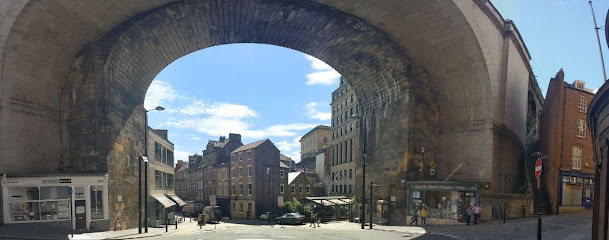
Earl and Coco
0.5 km
Quirky treasures and artisan delights await in this hidden gem of Newcastle's Grainger Town, where every find tells a story.
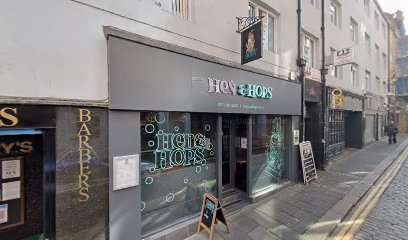
Newcastle Gifts
0.5 km
Discover authentic Geordie souvenirs, local art, and NUFC treasures at this charming Neville Street gem opposite Central Station—your perfect Toon memento stop.
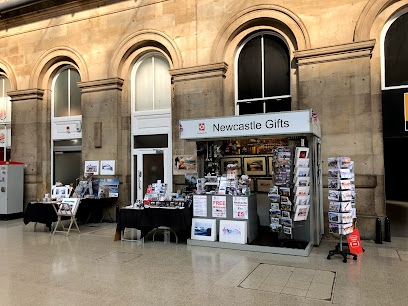
Retro , Vintage Clothing Newcastle.
0.5 km
Discover timeless style and unique vintage finds at Retro Newcastle, your go-to boutique for retro clothing in the heart of the city.
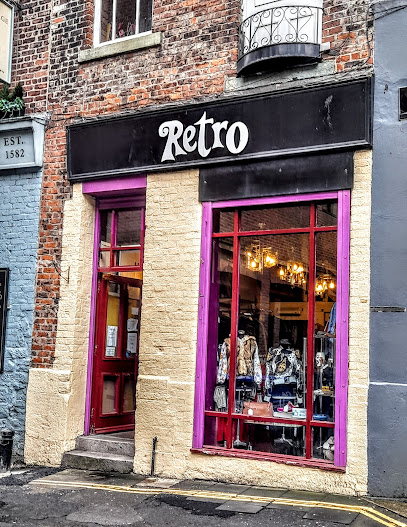
Living Essential
0.6 km
Grainger Street's go-to for stylish, affordable homewares that make city living cozy and practical in Newcastle's heart.

Corner Shop
0.6 km
Independent city-centre shop offering curated everyday essentials and gifts on historic Pilgrim Street.
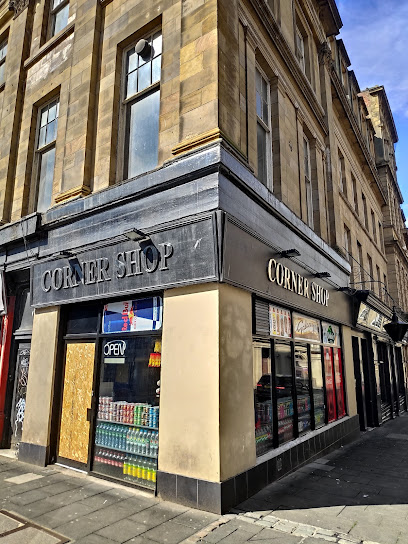
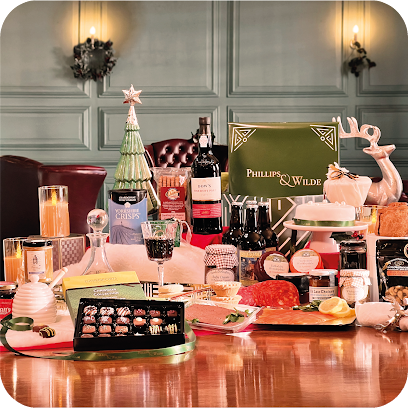
Phillips & Wilde
0.7 km
Discover exquisite gift baskets and gourmet hampers in Newcastle's iconic Grainger Market – perfect for festive cheer, corporate gifts, or personal indulgences amid vibrant market buzz.
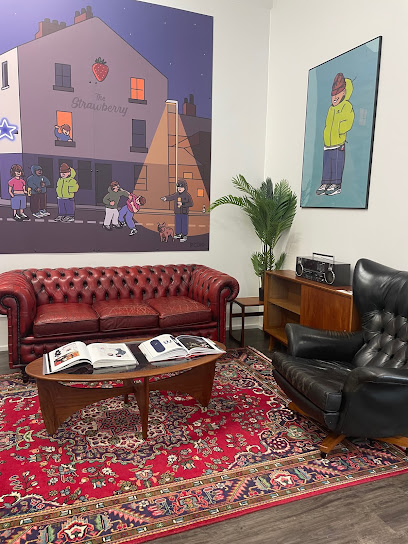
Garms Newcastle
0.7 km
Small, curated vintage clothing shop on Grainger Street, blending durable classics with street-ready retro finds.
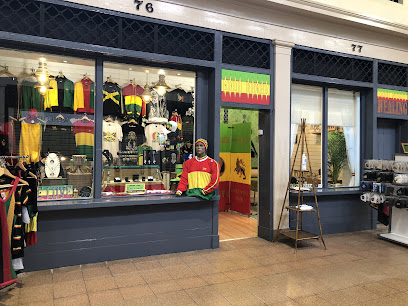
Soul Rebel (Newcastle)
0.7 km
Discover a unique fusion of stylish apparel and holistic wellness at Soul Rebel, Newcastle's premier destination for fashion and self-care.
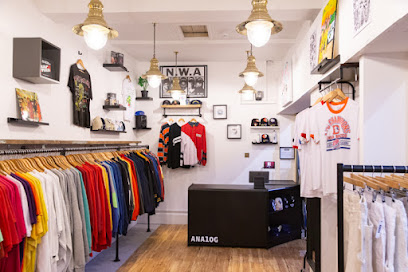
Analog
0.7 km
Curated vintage and second‑hand clothing tucked into Alley 3 of Newcastle’s Grainger Market — small stall, big finds.
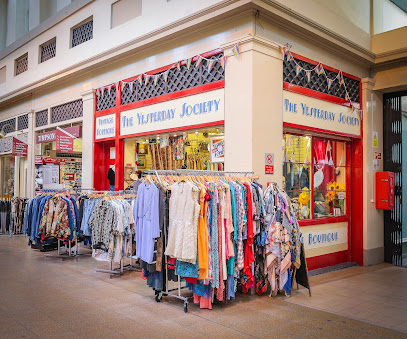
The Yesterday Society Vintage Boutique
0.7 km
Discover vintage treasures and retro style at The Yesterday Society, a charming boutique nestled in Newcastle’s historic Grainger Market.
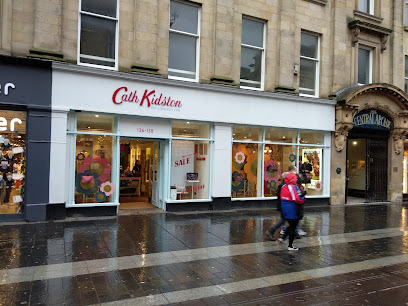
Cath Kidston
0.7 km
Floral fantasies and vintage vibes on Newcastle's Grainger Street—where British charm meets everyday elegance in bags, clothes, and home treasures.
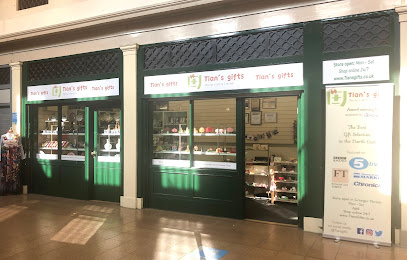
Tian's Gifts
0.7 km
Discover unique handcrafted gifts and charming treasures at Tian's Gifts, nestled in Newcastle’s historic Grainger Market.
Essential bars & hidden hideouts

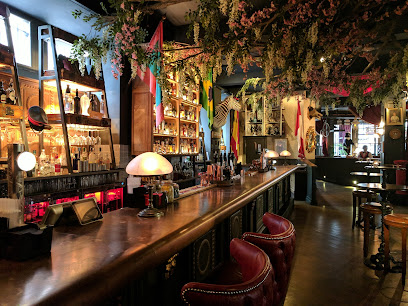
Colonel Porter's Emporium
0.3 km
Newcastle's 1920s explorer's paradise: botanical gardens, vintage cocktails, live music, and hidden discos in historic Milburn House.
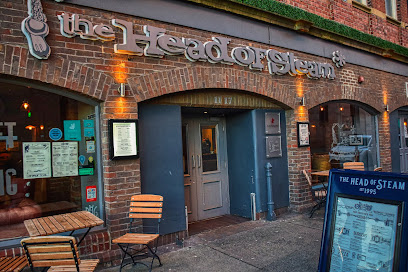
The Head of Steam Quayside
0.4 km
Riverside pub haven pouring world-class craft beers, vegan feasts, and games beside Newcastle's Tyne Bridge and cultural gems.
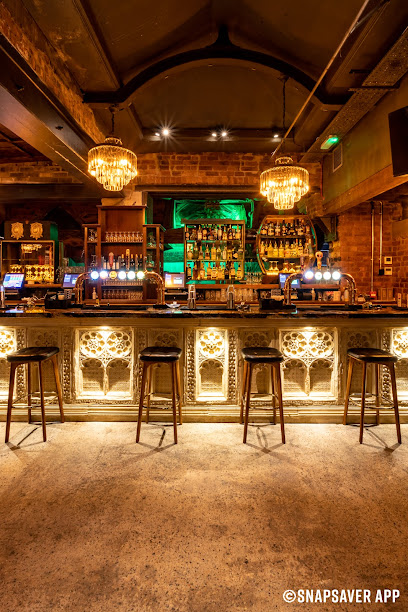
ChachaBuchi
0.4 km
Rustic glamour meets vibrant nightlife in Newcastle’s chic cocktail bar with alpine-inspired cuisine and lively entertainment.
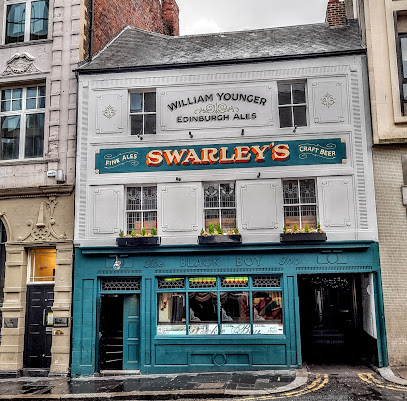
Blackie Boy
0.4 km
Historic Newcastle bar with cosy vibes, free jukebox anthems, cheap drinks deals, and late-night energy in Groat Market's lively heart.
All Seeing Eye.
0.4 km
Discover Newcastle's speakeasy secret: art deco cocktails behind a hidden door on Groat Market, blending historic intrigue with masterful mixology.
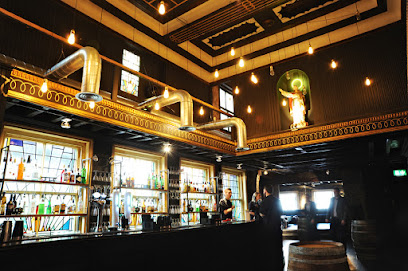
Revolution Newcastle Upon Tyne
0.4 km
Experience vibrant nightlife and handcrafted cocktails in Newcastle’s stunning former bank with soaring ceilings and marble pillars.
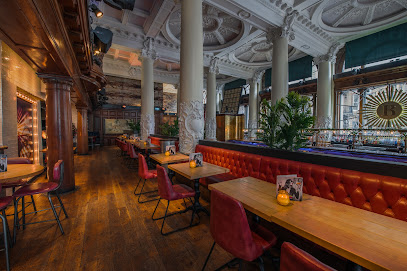
Jalou
0.4 km
Experience Newcastle’s chic cocktail haven where Parisian glamour meets hip hop beats and creative mixology.
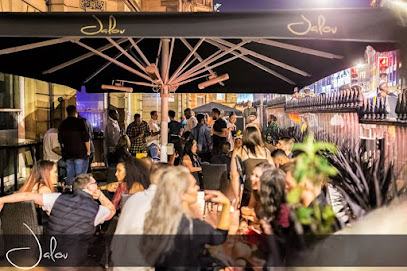
Mother Mercy
0.5 km
Newcastle's speakeasy secret: inventive cocktails via roulette wheel in a historic Cloth Market hideaway, blending mixology mastery with intimate Mediterranean chic.
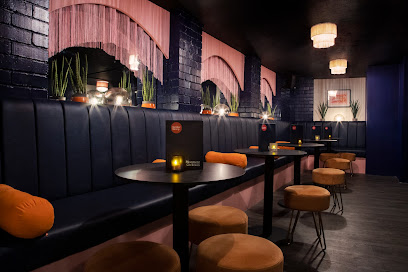
Urban Garden Newcastle
0.5 km
A relaxed container-style beer garden on Newcastle’s Quayside—festoon lights, craft taps and riverside atmosphere for groups and sunset drinks.
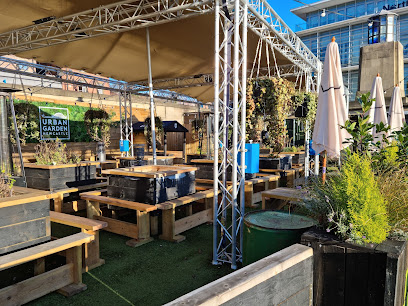
Alvinos Bar
0.5 km
A lively Italian-owned bar in Newcastle with creative cocktails, craft brews, live DJs, and a welcoming multi-floor setting on Pilgrim Street.
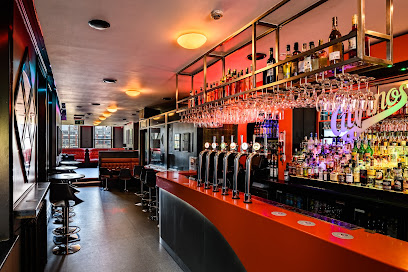
All Bar One Newcastle
0.5 km
Stylish Grey Street bar serving coffee by day and cocktails by night, with tapas and wines in Newcastle's buzzing heart.
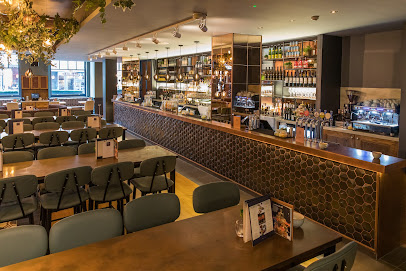
Slug & Lettuce - Central Newcastle
0.5 km
Newcastle's go-to for endless cocktails, bottomless brunches, and non-stop party vibes on Grainger Street – where every hour is happy hour.
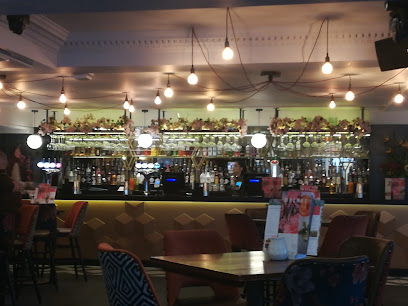
The Market Lane
0.5 km
Affectionately the 'Monkey Bar,' this Pilgrim Street pub pours quality pints and fosters lively vibes with sports screens, live music, and classic British charm in Newcastle's heart.
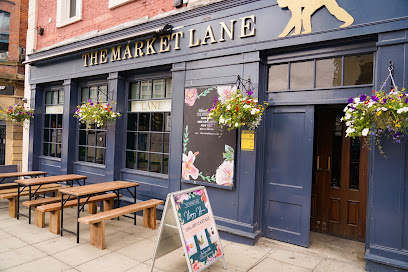
Lady Greys
0.6 km
Cozy, classic Newcastle pub with excellent real ales, friendly staff, and a lively late-night atmosphere on Shakespeare Street.
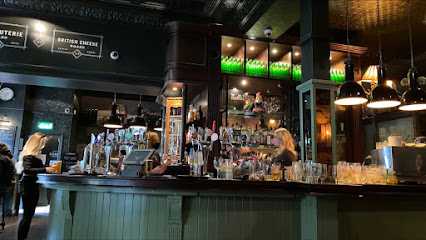
The Mushroom Bar
0.6 km
A compact, budget-friendly club-bar on Grainger Street that keeps late-night DJs, drink deals and a party crowd at its heart.
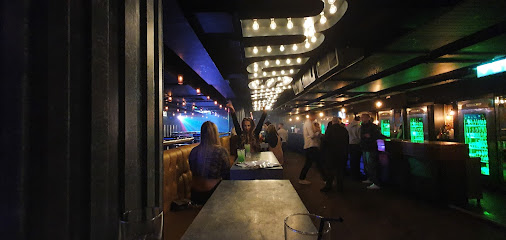
Nightclubs & after hour spots

TheCUT Newcastle
0.3 km
Discover Newcastle’s vibrant alternative nightclub with themed indie, rock, and disco nights in a cozy, unpretentious setting.
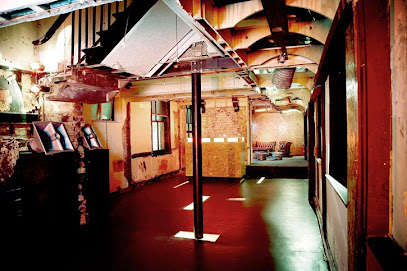
Tup Tup Palace
0.3 km
Experience Newcastle’s vibrant nightlife in style at Tup Tup Palace, a luxurious club blending exotic décor with pulsating beats until the early hours.
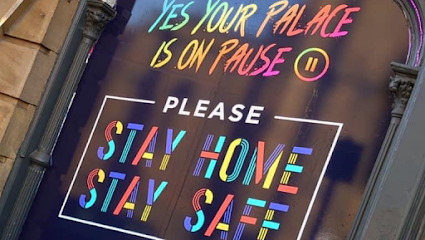
Flares - Newcastle
0.4 km
Newcastle's ultimate retro disco den: neon grooves, cheesy anthems, and non-stop dancing from 70s to 00s in the heart of the nightlife scene.
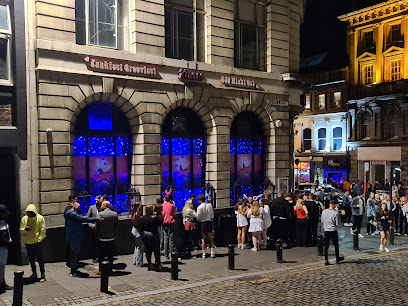
Bohemia Newcastle
0.4 km
Neon-lit cocktail bar and compact club with graffiti murals, a mezzanine dance space and a sheltered courtyard terrace for late-night socialising.
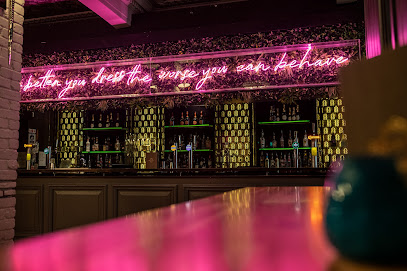
SOHO ROOMS | Newcastle
0.4 km
Four floors of late‑night music and cocktails in the heart of Newcastle’s city‑centre party district, favoured by students and night owls.
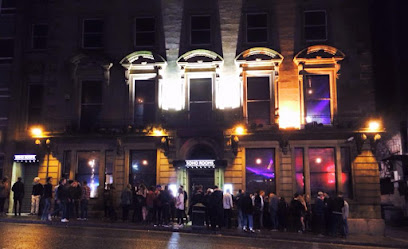
The Social Club
0.4 km
Experience Newcastle’s vibrant nightlife at The Social Club, where music, cocktails, and dancing come alive until the early hours.
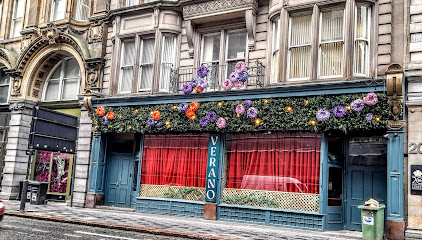
TROPICANA NEWCASTLE
0.4 km
Experience Newcastle’s vibrant nightlife at Tropicana, a lively nightclub blending cocktail sophistication with energetic club beats in the city’s heart.
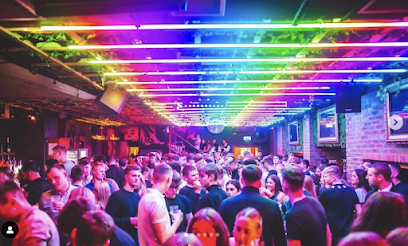
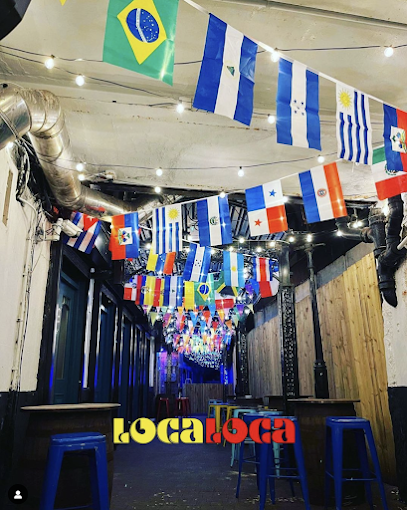
Loca Loca | Newcastle
0.4 km
A compact, neon-lit nightclub on Groat Market serving late-night dance, chart and urban sets in an intimate city-centre setting.
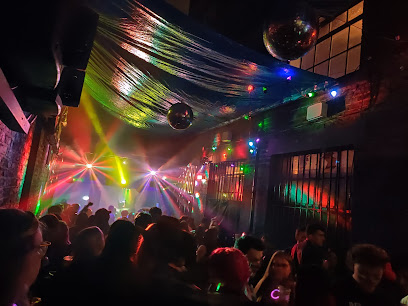
Greys Club
0.4 km
Experience Newcastle’s iconic nightlife at Greys Club, where vibrant music, a stylish terrace, and lively crowds create unforgettable late-night memories.
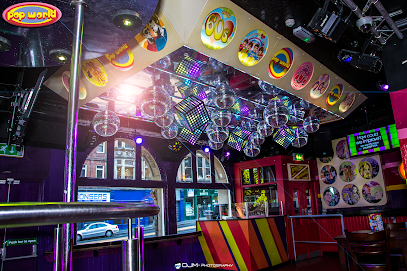
Popworld - Newcastle
0.5 km
A neon-soaked pop party on Newcastle’s Bigg Market—cheap drinks, nostalgic anthems and a packed dancefloor for late-night revelry.
World HQ
0.6 km
A multi‑level warehouse club and arts hub in Curtis Mayfield House with a heavy sound, creative studios above and a grassroots nightlife spirit.
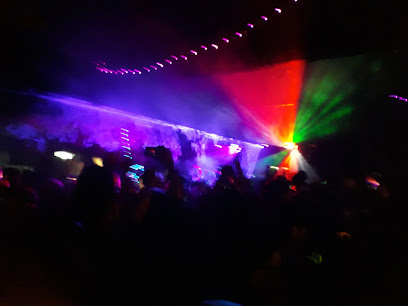
Sinners
0.7 km
Dive into sinfully themed nights at this affordable Newcastle nightclub, where red lights, bold art, and cheap drinks fuel the city's unbeatable party spirit.

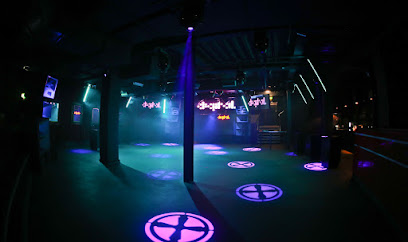
Digital
0.7 km
Experience cutting-edge nightlife with superior sound and vibrant energy at Digital, Newcastle’s premier clubbing destination in Times Square.
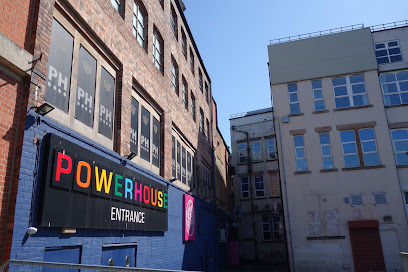
Powerhouse
0.9 km
Newcastle’s iconic four-floor nightclub blending rich LGBTQ+ history with vibrant, inclusive nightlife and dynamic music scenes.
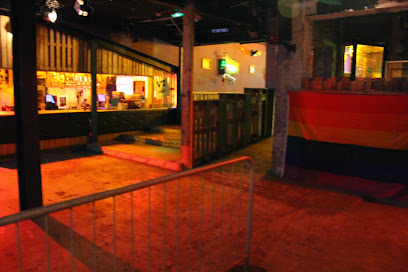
Warehouse Night Club(SR44)
0.9 km
Experience Newcastle’s vibrant underground gay nightclub scene at Warehouse Night Club (SR44), where eclectic music and lively parties come alive.
For the vibe & atmosphere seeker
- Scenic
- Historic
- Relaxing
- Unique
For the design and aesthetic lover
- Vintage Styles
- Industrial Designs
For the architecture buff
- Historic
- Landmarks
For the view chaser and sunset hunter
- Iconic Views
- Panoramas
- Waterfront
- Sunrise Spots
- Sunset Spots
For the social media creator & influencer
- Instagrammable
- Photo Spots
- Selfie Spots
- Architectural Shots
For the eco-conscious traveler
- Public-Transport Accessible
- Locally Managed
For the kind of experience you’re after
- Cultural Heritage
- Photowalk
- Day Trip
- Weekend Getaway
For how adventurous you want the journey to be
- Easy Access
Location Audience
- Family Friendly
- Senior Friendly
- Child Friendly
- Teen Friendly
- Wheelchair Access
- Pet Friendly
- Solo Friendly
- Couple Friendly
- Solo Female Friendly


