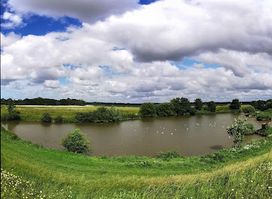
Castle Acre, East Of England Travel Guide
Explore the evocative ruins of a Norman motte-and-bailey castle in the peaceful Norfolk countryside, part of a rare, complete Norman planned settlement.
Castle Acre Castle is a striking Norman motte-and-bailey ruin in rural Norfolk, built soon after the Conquest by William de Warenne. Surrounded by earthworks and overlooking the River Nar valley, it offers evocative views and a rare glimpse into a complete Norman planned settlement. The site is freely accessible in daylight hours and forms part of a historic ensemble with the nearby priory, church, and village earthworks. Ideal for history lovers and walkers, it’s a peaceful yet powerful place to explore medieval England.
A brief summary to Castle Acre
- Norfolk, Pye's Ln, King's Lynn, Castle Acre, GB
- Click to display
- Duration: 1 to 3 hours
- Budget
-
 Outdoor
- Mobile reception: 4 out of 5

Know before you go
Hi, I'm Eve. Here are a few practical things to know before exploring Castle Acre.
- Visit in daylight hours; the site is freely accessible but has no formal opening times or ticket office.
- Wear sturdy shoes – paths are bark-chipped and grassy, and can be muddy and slippery, especially after rain.
- Combine your visit with Castle Acre Priory and the village’s medieval earthworks and Bailey Gate for a full sense of the Norman planned settlement.
- Use the footpath from Bailey Street for step-free access to the outer bailey; the car park path involves long flights of steps.
Do you manage this location?
Take control to get all the benefits, like improved information, better appearance, and stronger visibility across AI-powered discovery. Learn more about listing your business on Evendo
Activate your presenceOther nearby places you may find interesting
The closest places of the same kind, if this one is not quite what you had in mind.
Explore Castle Acre on the Map
A handpicked selection of must-see spots near Castle Acre, mapped for you.
Getting There
-
By car
From King’s Lynn, follow the A47 east for about 25 km to Castle Acre. A small car park for the castle is located off Pye’s Lane at the northeast corner of the castle grounds; there is a small charge for non-members to park here.
-
On foot
From the village centre, take the footpath off Bailey Street between The Old Red Lion and The Old Chapel; this step-free path leads directly to the castle’s west gate and into the outer bailey.
-
By public transport
From King’s Lynn railway station, the journey to Castle Acre is about 20 miles; regular buses serve nearby Swaffham, from where a taxi or local bus can reach the village, followed by a short walk to the castle.
For the on-the-go comforts that matter to you
-
 Restrooms
-
 Drink Options
-
 Drinking Water
-
 Food Options
-
 Seating Areas
-
 Sheltered Areas
-
 Trash Bins
-
 Information Boards
Discover more about Castle Acre
A Norman Stronghold in the Norfolk Landscape
Castle Acre Castle stands as one of England’s finest surviving motte-and-bailey castles, a testament to Norman power in East Anglia. Founded soon after the Battle of Hastings by William de Warenne, a close ally of William the Conqueror, the castle was built to control a strategic crossing of the River Nar and the nearby Peddars Way. Its massive earthworks – a high motte and two well-defined baileys – remain clearly visible, giving a vivid sense of how this fortress once dominated the surrounding countryside. Though only stone walls and ramparts survive today, the layout is remarkably intact, allowing visitors to walk through the outer and inner baileys and imagine the timber and stone buildings that once stood here.Layers of History and Noble Ownership
The castle’s story spans centuries of English history. The de Warenne family held it for generations, reinforcing its defences during the civil war known as the Anarchy. Later, it passed through some of England’s most prominent figures: Thomas Howard, 4th Duke of Norfolk; Thomas Cecil, 1st Earl of Exeter; and the great jurist Sir Edward Coke, whose family still owns the estate. By the 16th century the castle was largely in ruins, but its romantic remains attracted visitors and antiquarians. In the 20th century, the site was taken into state care and is now managed by English Heritage, ensuring its preservation for future generations.Exploring the Ruins and the Wider Site
Today, visitors can freely explore the castle grounds during daylight hours, walking along bark-chipped paths and grassy areas around the baileys. The outer bailey is largely level and step-free, while the inner bailey and motte are reached by long flights of steps, offering panoramic views across the Nar valley. Nearby, the impressive remains of Castle Acre Priory and the village’s medieval earthworks and gatehouses complete the picture of a rare, intact Norman planned settlement. The village itself, with its church and historic buildings, enhances the sense of stepping back into the medieval world.Atmosphere and Visitor Experience
Castle Acre Castle has a quiet, contemplative atmosphere, far from the bustle of major tourist sites. It’s a place to wander at your own pace, to trace the lines of ditches and banks, and to imagine the lives of the Norman lords, monks, and villagers who once shaped this landscape. The site is family-friendly, though paths can be uneven and muddy in wet weather, so sturdy footwear is recommended. Dogs on leads are welcome, and the surrounding countryside offers excellent walking, including routes to the priory and along the River Nar. With its combination of dramatic earthworks, evocative ruins, and rich history, Castle Acre Castle is a deeply rewarding destination for anyone interested in medieval England.












Your all‑in‑one travel companion app
Explore expert travel guides, compare and book tours, experiences, hotels, and more—all from the palm of your hand. Download now for seamless trip planning wherever your wanderlust takes you.


Explore More of East Of England
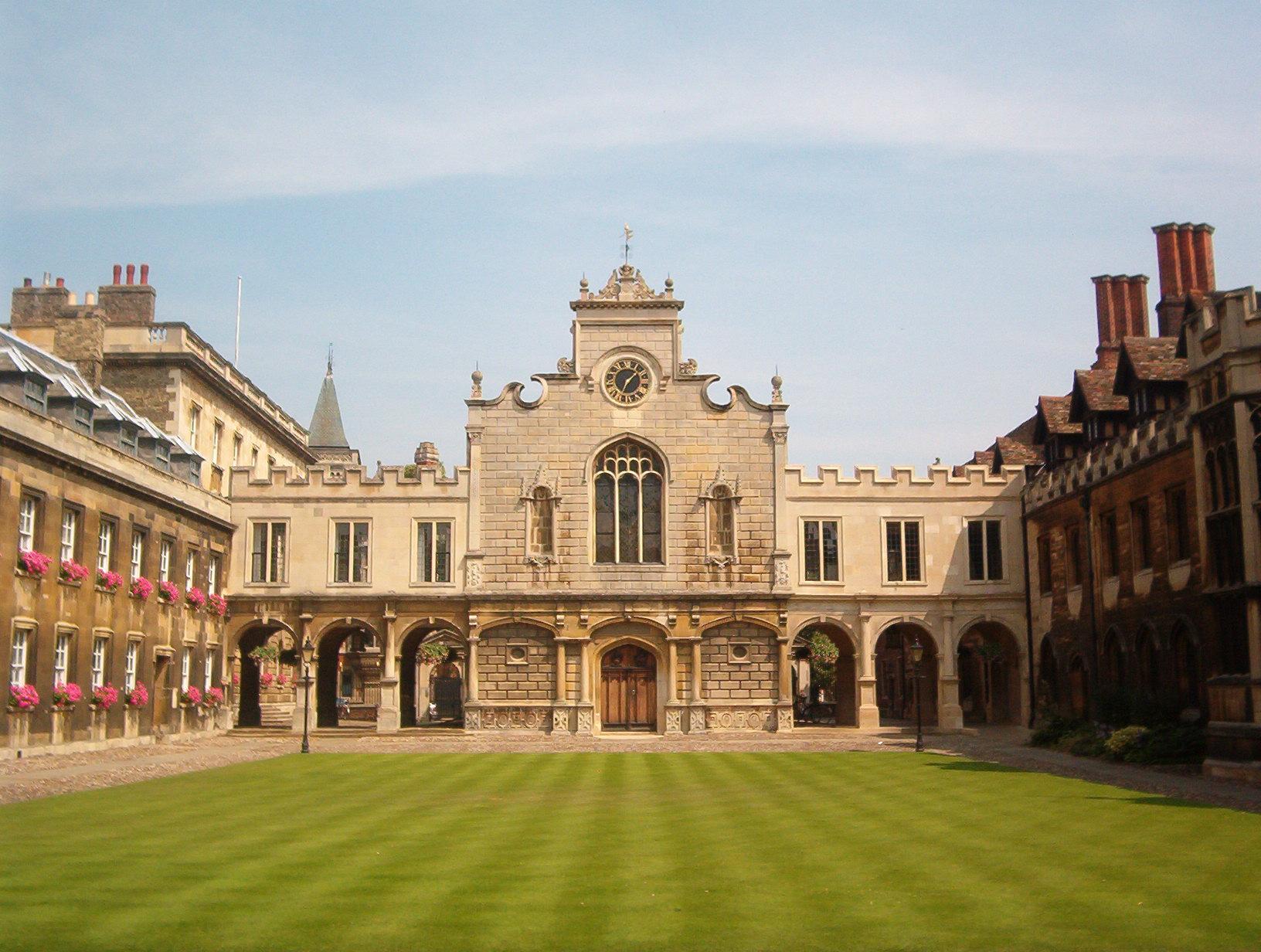
Looking beyond Castle Acre? Discover East Of England for broader travel guides, local hot-spots, and regional highlights.
Explore East Of England