RAF Bicester, Northamptonshire Travel Guide
Explore RAF Bicester, the UK’s most complete interwar bomber airfield, where history and heritage soar together.
RAF Bicester, located near Launton, Bicester, is the most complete surviving example of a Royal Air Force bomber base from the interwar expansion period. Established in 1916 and redeveloped in the 1920s and 1930s, it played a vital role in training bomber crews during WWII and witnessed the first flight of the Handley Page Halifax heavy bomber in 1939. Today, the site preserves historic hangars, bomb stores, and airfield defenses, representing a key chapter in British military aviation history.
A brief summary to RAF Bicester
- Duration: 1 to 3 hours
- Free
-
 Outdoor
- Mobile reception: 4 out of 5

Know before you go
Hi, I'm Eve. Here are a few practical things to know before exploring RAF Bicester.
- Visit during weekdays for a quieter experience and better access to specialist workshops at Bicester Heritage.
- Bring a camera to capture the historic hangars and unique WWII defensive structures preserved on site.
- Check for any heritage events or open days hosted by Bicester Heritage to gain deeper insights into the site’s history.
- Wear comfortable shoes as exploring the airfield involves walking across grass and uneven terrain.
Do you manage this location?
Take control to get all the benefits, like improved information, better appearance, and stronger visibility across AI-powered discovery. Learn more about listing your business on Evendo
Activate your presenceOther nearby places you may find interesting
The closest places of the same kind, if this one is not quite what you had in mind.
Explore RAF Bicester on the Map
A handpicked selection of must-see spots near RAF Bicester, mapped for you.
Getting There
-
Train and Bus
Travelers can reach Bicester Heritage by taking a train to Bicester North station from Oxford or London Marylebone, with journey times ranging from 30 to 60 minutes. From Bicester North, a local bus service or taxi can be used to cover the approximately 5 km distance to RAF Bicester. Bus services run regularly but check schedules for frequency. Taxi fares typically range from £10 to £15.
-
Car
Driving to RAF Bicester is straightforward via the A41 or A4421 roads. The site offers limited parking with some restrictions due to ongoing heritage activities. Travel times from Oxford or central Bicester are approximately 15–25 minutes depending on traffic. Parking fees may apply on-site or nearby.
-
Cycling
For active travelers, cycling from Bicester town center to RAF Bicester is feasible via quiet country lanes and designated cycle paths, taking about 20–30 minutes. Terrain is mostly flat but some rural roads may have limited lighting and narrow sections.
For the on-the-go comforts that matter to you
-
 Restrooms
-
 Seating Areas
-
 Information Boards
Discover more about RAF Bicester
Foundations of a Strategic Airfield
RAF Bicester began as a Royal Flying Corps training aerodrome in 1916, established to prepare airmen for the Western Front during World War I. Initially equipped with canvas Bessonneau hangars, the site expanded through the 1920s into a bomber station under the RAF's Home Defence Expansion Scheme. By the late 1930s, it had grown to accommodate larger aircraft and featured new C-type hangars and a control tower, reflecting its increasing strategic importance. The airfield’s grass flying field and 1939 boundaries remain largely intact, preserving the layout that defined its operational period.A Crucible for Bomber Training and Innovation
During the Second World War, RAF Bicester was a key Operational Training Unit for Bomber Command, training British and Commonwealth crews on medium bombers like the Bristol Blenheim and later Mosquitos. It was from this site that the prototype Handley Page Halifax, the RAF’s first four-engine heavy bomber, made its maiden flight in October 1939. The airfield also supported the build-up to D-Day by storing and supplying essential materials. Defensive structures such as pillboxes, trenches, and bomb stores built during this period still stand, illustrating the airfield’s wartime role.Architectural and Military Heritage Preserved
RAF Bicester is recognized as a Scheduled Monument and is the most complete example of an interwar RAF bomber base in the UK. The site includes listed hangars, bomb stores, and air-raid shelters, many of which have been restored or conserved with support from Historic England. Notably, a unique shelter with advanced damp-proofing measures remains a subject of historical investigation. The airfield’s military landscape, including dispersed aircraft parking areas and defensive works, offers a tangible link to RAF operational history.Postwar Roles and Contemporary Revival
After WWII, RAF Bicester adapted to various roles including aircraft crash investigation, parachute servicing, and gliding. The domestic site was sold in 2010, but the airfield itself has found new life as Bicester Heritage, the UK’s first heritage business park dedicated to historic motoring and aviation. This innovative reuse preserves the site’s aviation legacy while fostering a community of specialists in vintage aircraft and motorcar restoration, ensuring the continuation of traditional skills and the site’s cultural significance.Landscape and Environment of the Airfield
The airfield retains its expansive grass flying field, surrounded by original buildings and defensive structures that blend military functionality with the rural Oxfordshire landscape. The site’s historic fabric is complemented by its open vistas and the preserved layout of runways and dispersal areas, offering visitors a sense of the operational scale and atmosphere of a WWII bomber station. Conservation efforts have balanced heritage preservation with adaptive reuse, maintaining the site’s character while supporting sustainable development.Legacy and Educational Importance
RAF Bicester stands as a monument to the evolution of British air power and the strategic vision of figures like Sir Hugh Trenchard. It embodies the RAF’s transition into a meritocratic and technology-driven force, training thousands of aircrew who served in critical campaigns. The site’s preservation and ongoing use as a heritage hub provide educational opportunities and inspire future generations to appreciate the historical and technical achievements of the RAF during a pivotal era.












Your all‑in‑one travel companion app
Explore expert travel guides, compare and book tours, experiences, hotels, and more—all from the palm of your hand. Download now for seamless trip planning wherever your wanderlust takes you.


Explore More of Northamptonshire
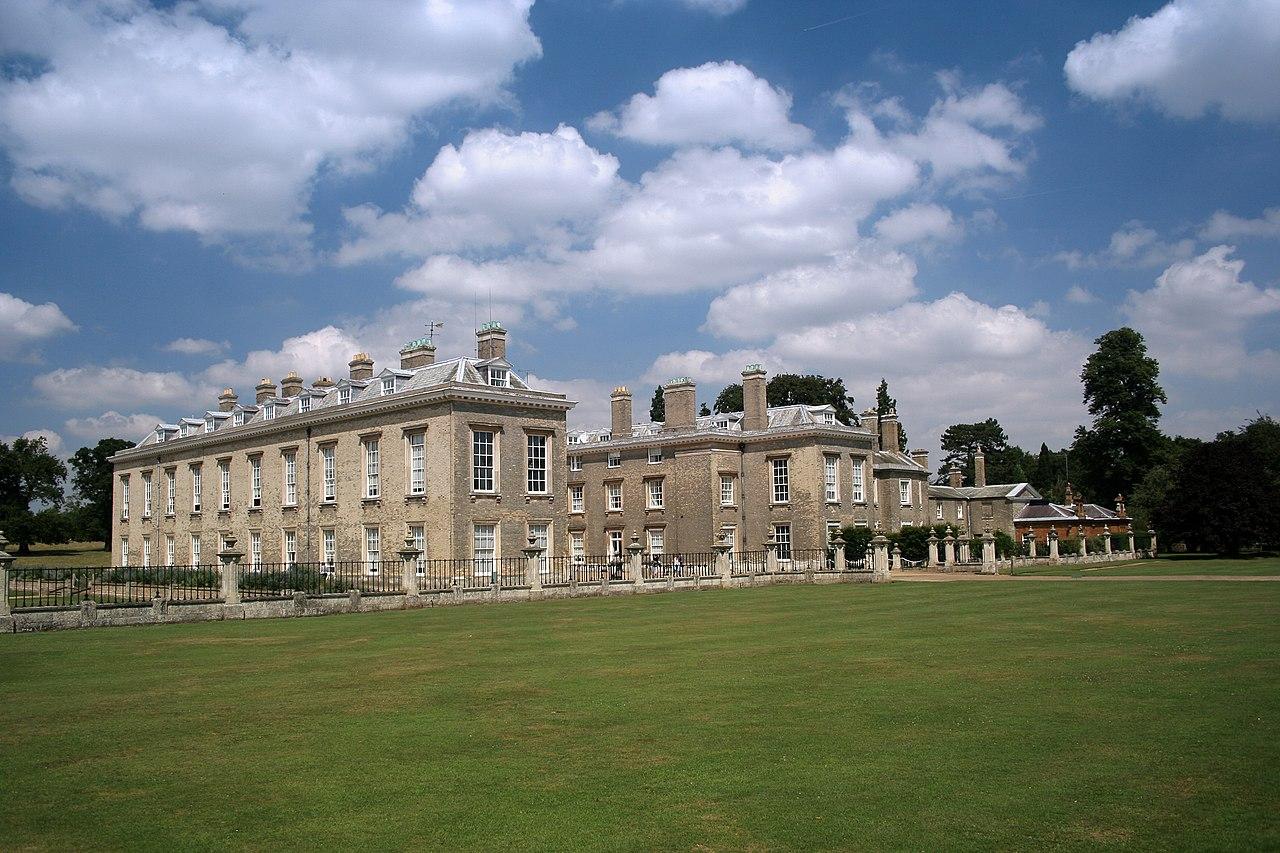
Looking beyond RAF Bicester? Discover Northamptonshire for broader travel guides, local hot-spots, and regional highlights.
Explore Northamptonshire