Background

Bibury: Timeless Charm in England’s Cotswolds

Discover Bibury’s timeless Cotswold charm with historic cottages, tranquil river meadows, and centuries of English heritage.

Bibury is a quintessential Cotswold village in Gloucestershire, England, famed for its honey-colored 17th-century stone cottages, especially Arlington Row, once weavers’ homes. Set on the River Coln, it offers rich history from Roman villas to Saxon churches, alongside tranquil water meadows and a renowned trout farm. Owned largely by the National Trust, Bibury blends pastoral beauty with cultural heritage, making it a must-visit for lovers of English rural charm.

A brief summary to Bibury

  • Cirencester, Bibury, GB
  • Duration: 1 to 3 hours
  • Mid ranged
  • Environment icon Outdoor
  • Mobile reception: 4 out of 5

Local tips

  • Respect the privacy of Arlington Row residents; the cottages are private homes with limited public access.
  • Visit Bibury Trout Farm to learn about native brown trout conservation and enjoy fresh local fish dishes nearby.
  • Explore the scenic footpaths around Rack Isle and along the River Coln for peaceful nature walks.
  • Take time to admire St Mary’s Church and its historic carved tombstones, reflecting centuries of local history.
widget icon

Getting There

  • Bus

    Travel by bus from Cirencester town center to Bibury, with journey times typically between 30 to 45 minutes. Services run several times daily but check schedules in advance as frequency may be limited on weekends. Tickets cost approximately £5-£7 one way.

  • Car

    Drive from Cirencester to Bibury via local roads, a trip of about 12 km taking around 20 minutes. Parking is limited near Arlington Row; use designated parking areas and be mindful of narrow village streets.

  • Walking

    For the adventurous, walking from Cirencester to Bibury is possible via rural footpaths and minor roads, covering roughly 10 miles (16 km). This requires good fitness and suitable footwear, with varied terrain including some hills.

Bibury location weather suitability

  • Weather icon Any Weather
  • Weather icon Rain / Wet Weather
  • Weather icon Clear Skies
  • Weather icon Mild Temperatures

Unlock the Best of Bibury

Buy tickets

    No tickets available

Book tours with entry

    No tours available

Book tours without entry

    No tours available

Discover more about Bibury

Historic Roots and Roman Legacy

Bibury’s history stretches back to at least the Iron Age, with archaeological evidence such as Rawbarrow Camp, an ancient hill fort overlooking the village. The Romans established a villa near Bibury Mill, marking the start of continuous settlement. The village’s name evolved from “Becheberie” as recorded in the Domesday Book of 1086, reflecting its Saxon heritage. The nearby Roman road Akeman Street connected Cirencester to St Albans, underscoring Bibury’s strategic importance in antiquity.

Architectural Heritage of Arlington Row

The iconic Arlington Row, built around 1380 originally as a monastic wool store, was converted into weavers’ cottages in the 17th century. These honey-colored limestone cottages with steeply pitched roofs exemplify traditional Cotswold architecture and have been carefully preserved by the National Trust. The row is a nationally recognized conservation area and has featured in films such as the 2007 fantasy 'Stardust'. Despite their popularity, Arlington Row remains a residential area, with some cottages available as holiday rentals.

Natural Beauty and Tranquil Water Meadows

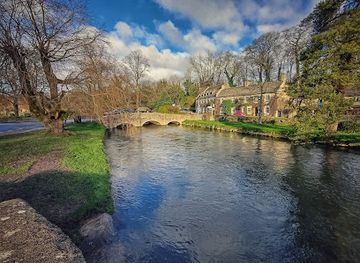
Bibury is bisected by the River Coln, a tributary of the Thames, which flows alongside the village’s picturesque streets. Adjacent to Arlington Row lies Rack Isle, a boggy water meadow historically used for drying wool on racks after processing at Arlington Mill. This meadow is now a protected wildlife habitat, inaccessible to the public but vital for local biodiversity. The river is well-stocked with native brown trout, thanks to Bibury Trout Farm, established in 1902, which plays a key role in sustaining local fish populations.

Religious and Cultural Significance

The village church of St Mary is a Grade I listed building with Saxon origins and later Norman and Gothic additions. Its churchyard is notable for a remarkable collection of 17th- and 18th-century carved tombs and headstones featuring cherubs and symbolic figures. Historically, the church was linked to Osney Abbey until the English Reformation. Nearby, Bibury Court, a 17th-century manor house, reflects the area's aristocratic past and has recently been restored to private residence status.

Village Life and Local Legends

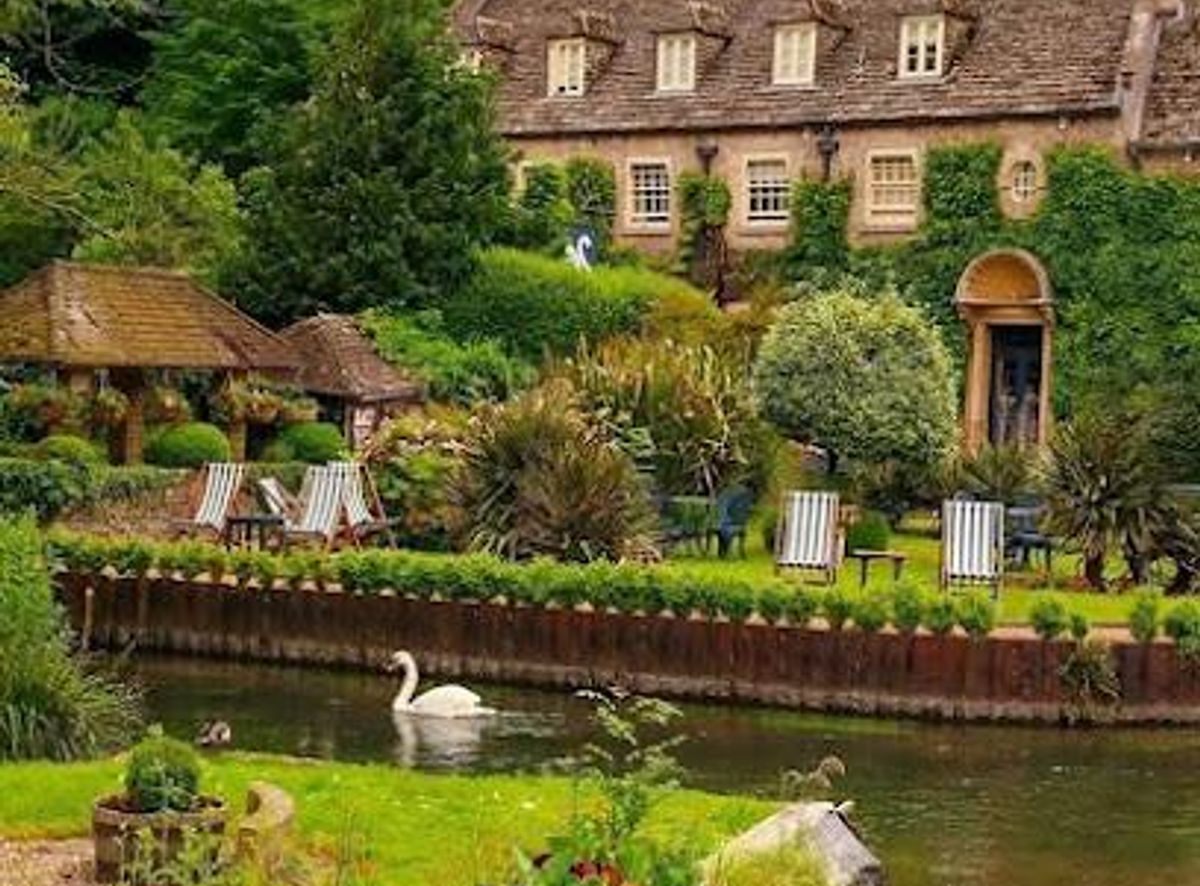
Bibury maintains a quaint village atmosphere with two historic pubs: The Catherine Wheel in Arlington, famed for its trout dishes and a surprising popularity in Japan, and The Swan Hotel, located by an old stone bridge with scenic views of the river and trout farm. Local folklore adds charm, such as the tale of a clever Oxford student tricking a landlord with ale casks, which helped boost the inn’s business. The village’s blend of history, natural beauty, and community spirit continues to enchant visitors and residents alike.

Preservation and Tourism Impact

Owned largely by the National Trust, Bibury balances preservation with tourism. Arlington Row and surrounding lands are protected to maintain their historic character and natural environment. Visitors are encouraged to respect the privacy of residents and the fragile ecosystem of Rack Isle. The village’s enduring appeal was famously noted by William Morris, who called it "the most beautiful village in England," a sentiment that continues to draw visitors seeking authentic Cotswold charm.

Busiest months of the year

Busiest hours of the day

Popular Experiences near Bibury

Popular Hotels near Bibury

Select Currency