Hackpen White Horse: Wiltshire’s Unique Chalk Hill Figure
Discover Wiltshire’s only square-dimensioned chalk horse, a historic landmark set amidst stunning downland views and tranquil rural charm.
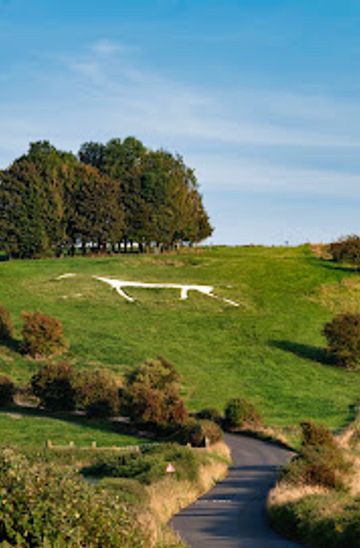
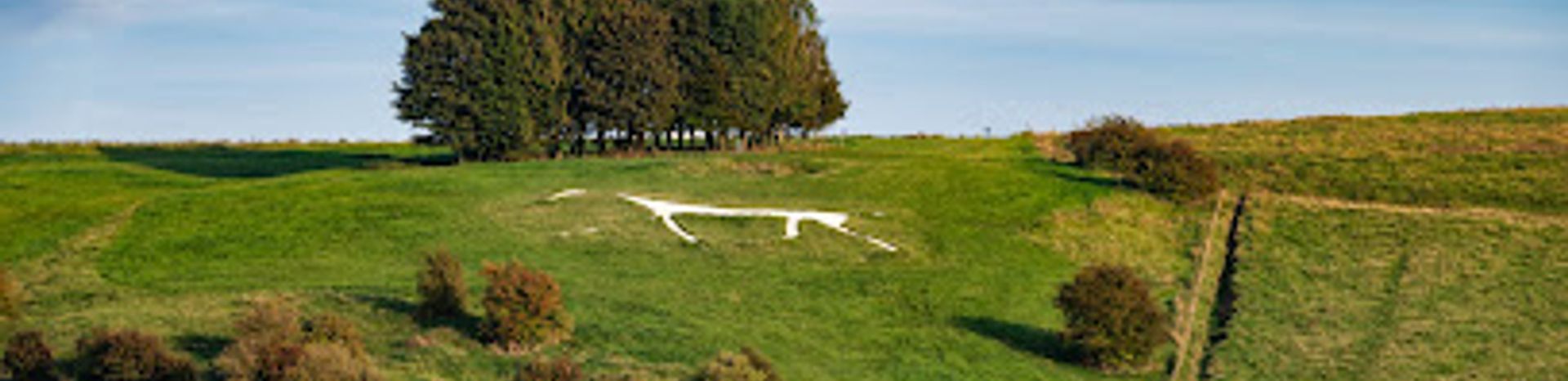
The Hackpen White Horse is a distinctive chalk hill figure located on Hackpen Hill near Swindon, Wiltshire. Measuring a perfect 90 by 90 feet square, it is the only square-dimensioned white horse in England. Created in 1838 to commemorate Queen Victoria’s coronation, this iconic landmark offers scenic views over the Marlborough Downs and is accessible via a footpath from a nearby car park on the Ridgeway. The horse is regularly maintained and often grazed alongside by real horses in the field.
A brief summary to Hackpen White Horse
- 45 Wiltshire Cres, Swindon, SN4 9PF, GB
- Click to display
- Duration: 0.5 to 2 hours
- Free
-
 Outdoor
- Mobile reception: 4 out of 5

Know before you go
Hi, I'm Eve. Here are a few practical things to know before exploring Hackpen White Horse.
- Visit near sunset for breathtaking panoramic views and magical lighting on the chalk figure.
- Park at the car park on Hackpen Hill and walk down the footpath to get a closer view of the horse.
- Wear sturdy shoes for walking the gentle slopes and nearby trails, including the route to Barbury Castle.
- Avoid feeding the real horses grazing in the fields to maintain their natural health.
- Limited parking means arriving early is recommended, especially on weekends and holidays.
Do you manage this location?
Take control to get all the benefits, like improved information, better appearance, and stronger visibility across AI-powered discovery. Learn more
Activate your presenceOther nearby places you may find interesting
Getting There
-
Car
Driving is the most convenient way to reach Hackpen White Horse. From Swindon, the journey takes approximately 20 to 30 minutes via local roads. Parking is limited to a small car park at the top of Hackpen Hill, so arriving early is advisable. Roads can be narrow and winding, requiring careful driving.
-
Bus and Walking
Public transport options are limited. Local bus services connect Swindon to nearby villages such as Broad Hinton, but stops are a few kilometers from the site. From the nearest bus stop, expect a 45-minute to 1-hour walk over gentle terrain to reach the horse.
-
Walking and Hiking
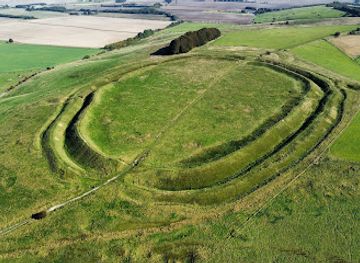
For active visitors, the Hackpen White Horse is accessible on foot via the Ridgeway National Trail. Walking from Barbury Castle takes about 30 minutes over well-maintained paths with gentle slopes. This route offers scenic views and a chance to explore Wiltshire’s downland countryside.
For the on-the-go comforts that matter to you
-
 Restrooms
-
 Parking
-
 Seating Areas
-
 Information Boards
Discover more about Hackpen White Horse
A Singular Chalk Figure in Wiltshire’s Landscape
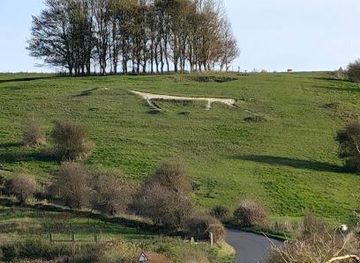
The Hackpen White Horse stands out among Wiltshire’s famous chalk hill figures for its unique square dimensions, measuring exactly 90 feet wide by 90 feet high. This geometric precision makes it the only square-shaped white horse in England. Etched into the gentle slopes of Hackpen Hill, the figure faces west-northwest and is partly banked up to improve visibility against the grassy hillside. Its creation is commonly attributed to Henry Eatwell, a local parish clerk, who carved it in 1838 to celebrate Queen Victoria’s coronation. Despite its royal dedication, the horse’s somewhat cartoonish, fox-like design has sparked debate, but it remains a beloved local landmark.Setting and Scenic Surroundings
Hackpen Hill rises to about 600 feet and lies just below the ancient Ridgeway path on the edge of the Marlborough Downs. The gentle slope of the hill contrasts with the steeper hills that host other Wiltshire horses, allowing visitors to approach the figure via a footpath from a car park at the hilltop. The location offers breathtaking panoramic views across the surrounding chalk downs and farmland, especially magical at sunset. The horse can also be clearly seen from the nearby B4041 and A361 roads, making it accessible for both walkers and drivers.Historical and Cultural Significance
The Hackpen White Horse is part of a tradition of chalk hill figures in Wiltshire, a county renowned for these monumental artworks. While some chalk horses date back centuries, Hackpen’s is relatively modern, reflecting Victorian-era enthusiasm for commemorative public art. Its proximity to historic sites like Barbury Castle and the Ridgeway adds layers of cultural heritage to the visit. The horse has been regularly scoured and maintained to preserve its bright white appearance, and on occasion, it has been creatively altered, such as during the 2009 Comic Relief campaign when it was temporarily covered in red fabric.Visitor Experience and Natural Ambience
Visitors to Hackpen White Horse can enjoy a peaceful rural setting with opportunities for walking, hiking, and cycling along the Ridgeway and nearby trails. The site is often frequented by real horses grazing in the fields, adding a charming pastoral atmosphere. The hilltop car park provides a convenient starting point for exploring the area, including a pleasant 30-minute walk to the nearby Iron Age hill fort of Barbury Castle. The open landscape invites quiet reflection, photography, and appreciation of Wiltshire’s distinctive downland scenery.Conservation and Community Engagement
The figure is maintained by local volunteers who regularly scour the chalk to keep the horse vivid against the green hillside. This community stewardship reflects the local pride in preserving this unique piece of heritage. The Hackpen White Horse also inspires artistic and cultural references in the region, including its depiction on the nearby White Horse pub’s logo. Its presence continues to draw visitors who value both its historical significance and its scenic beauty.Access and Practical Information
The horse is accessible year-round, with a small parking area at the top of Hackpen Hill near the Ridgeway. Visitors should be prepared for narrow, winding roads leading up to the site and limited parking availability. Public transport options are scarce, so driving is the most practical way to reach the location. Walking paths from the car park lead down to the horse, and the surrounding trails offer extended exploration opportunities. Visitors are advised not to feed the real horses in the fields to preserve their natural behavior and health.Explore the best of what Hackpen White Horse has to offer













More about Wiltshire
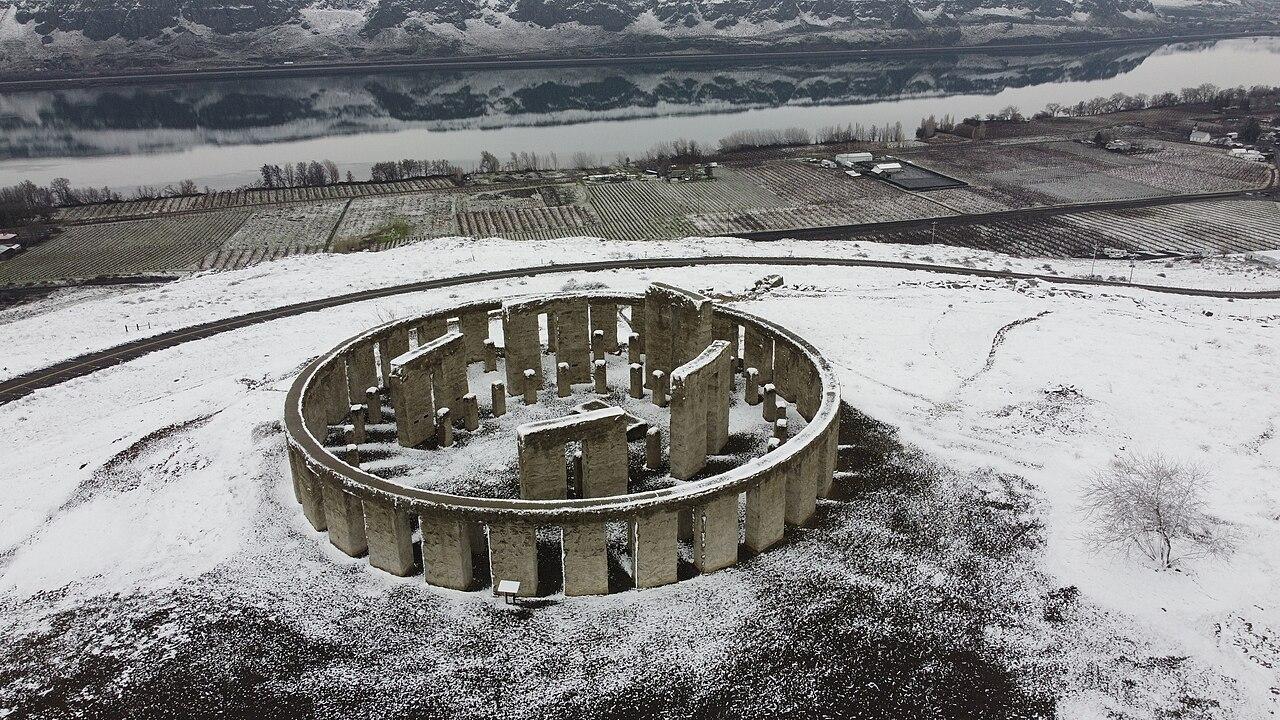
Discover Wiltshire: Home to Stonehenge, stunning landscapes, and charming villages, this county offers a perfect blend of history, nature, and quintessential English charm.
Tell me more about Wiltshire
An iconic chalk hill figure on Wiltshire’s highest point, blending history, legend, and stunning panoramic views across the Pewsey Vale.
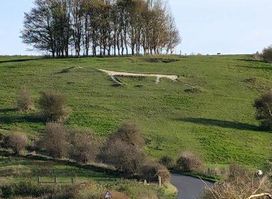
Discover the historic Hackpen White Horse, a striking chalk figure carved in 1838, set against Wiltshire’s rolling downs with breathtaking panoramic views.